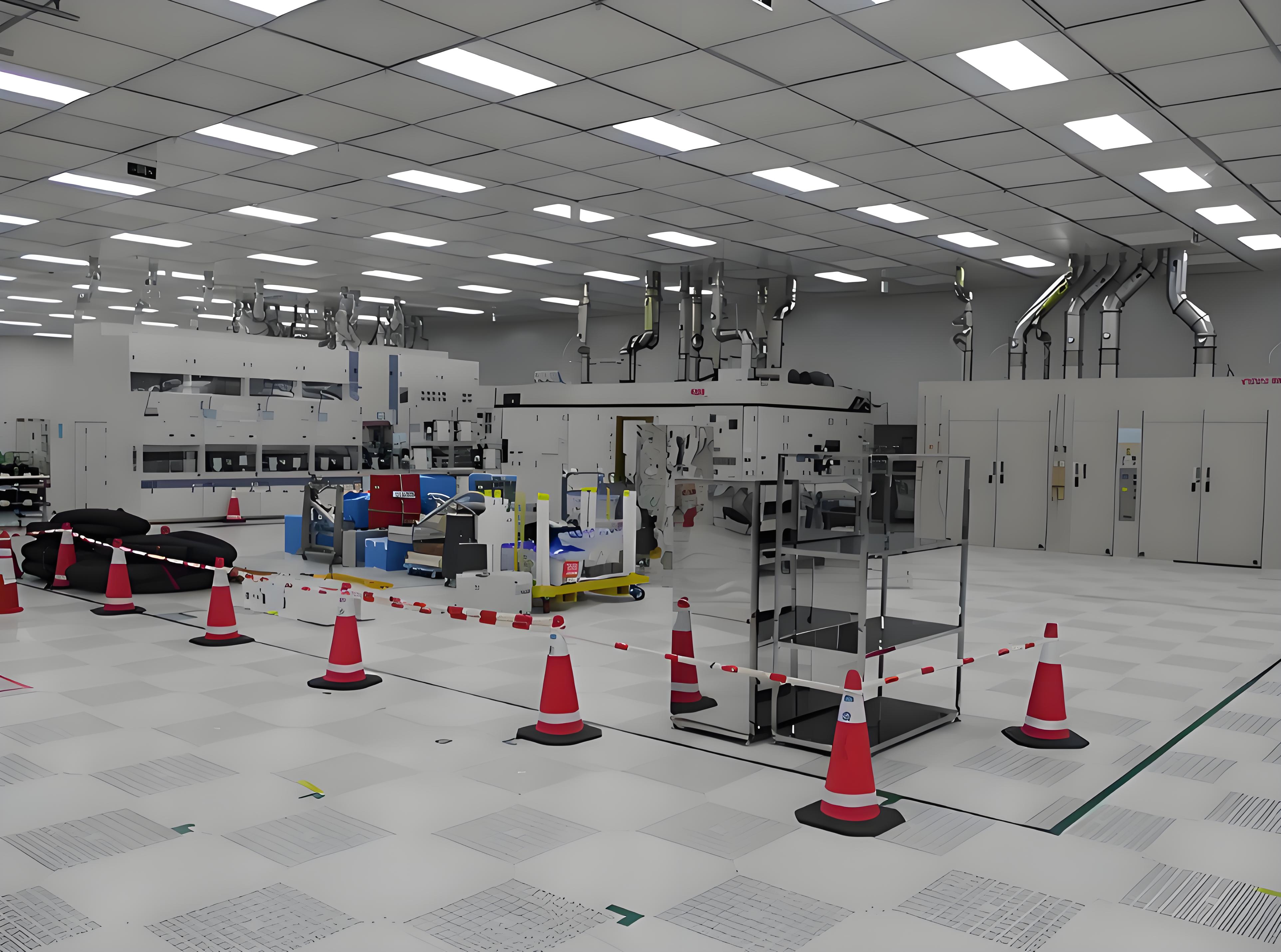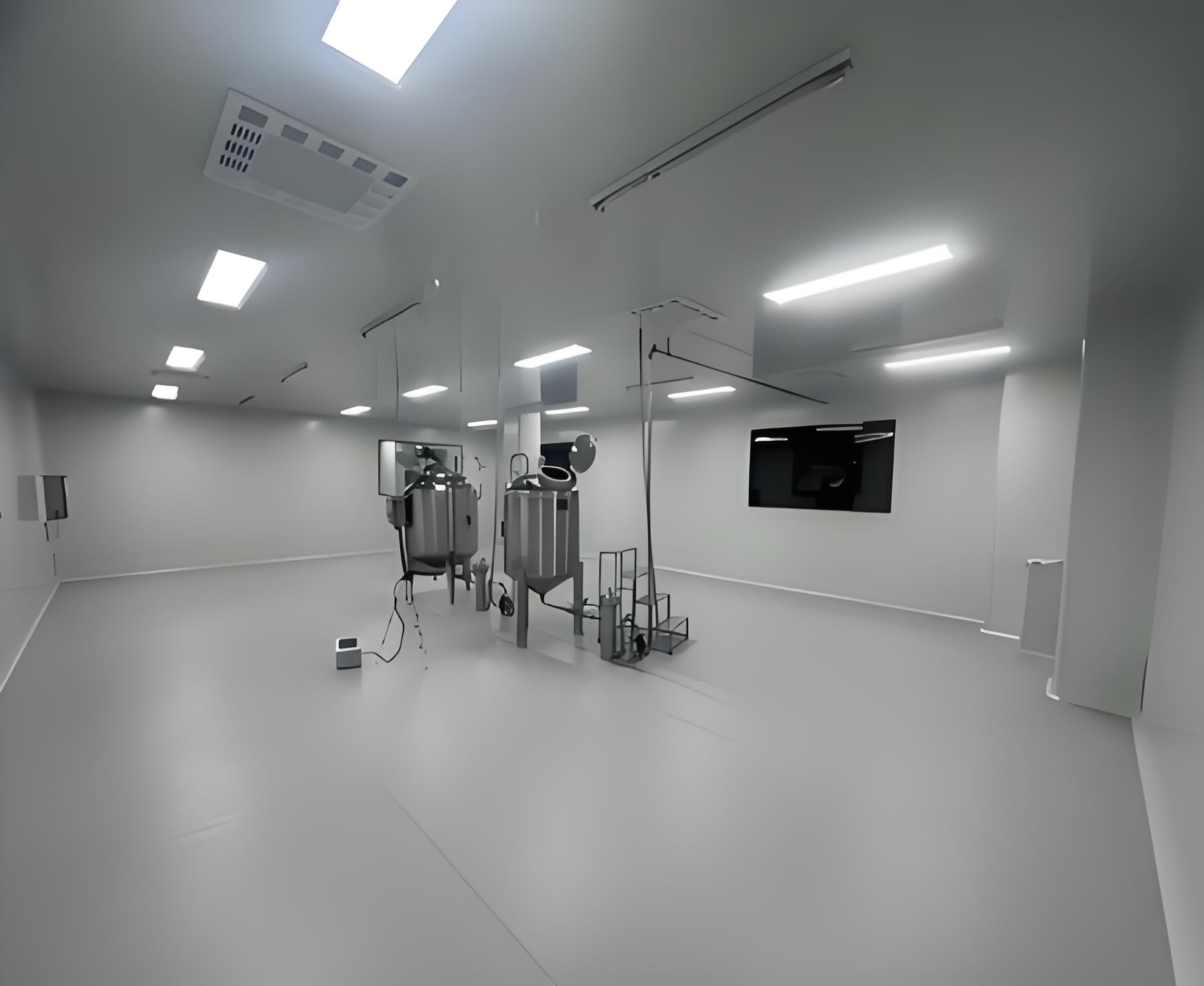
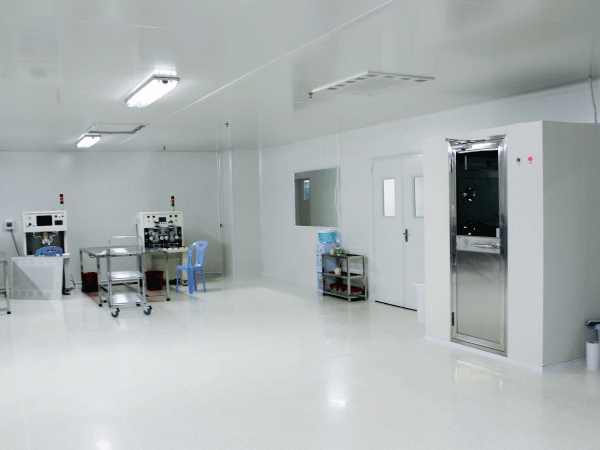

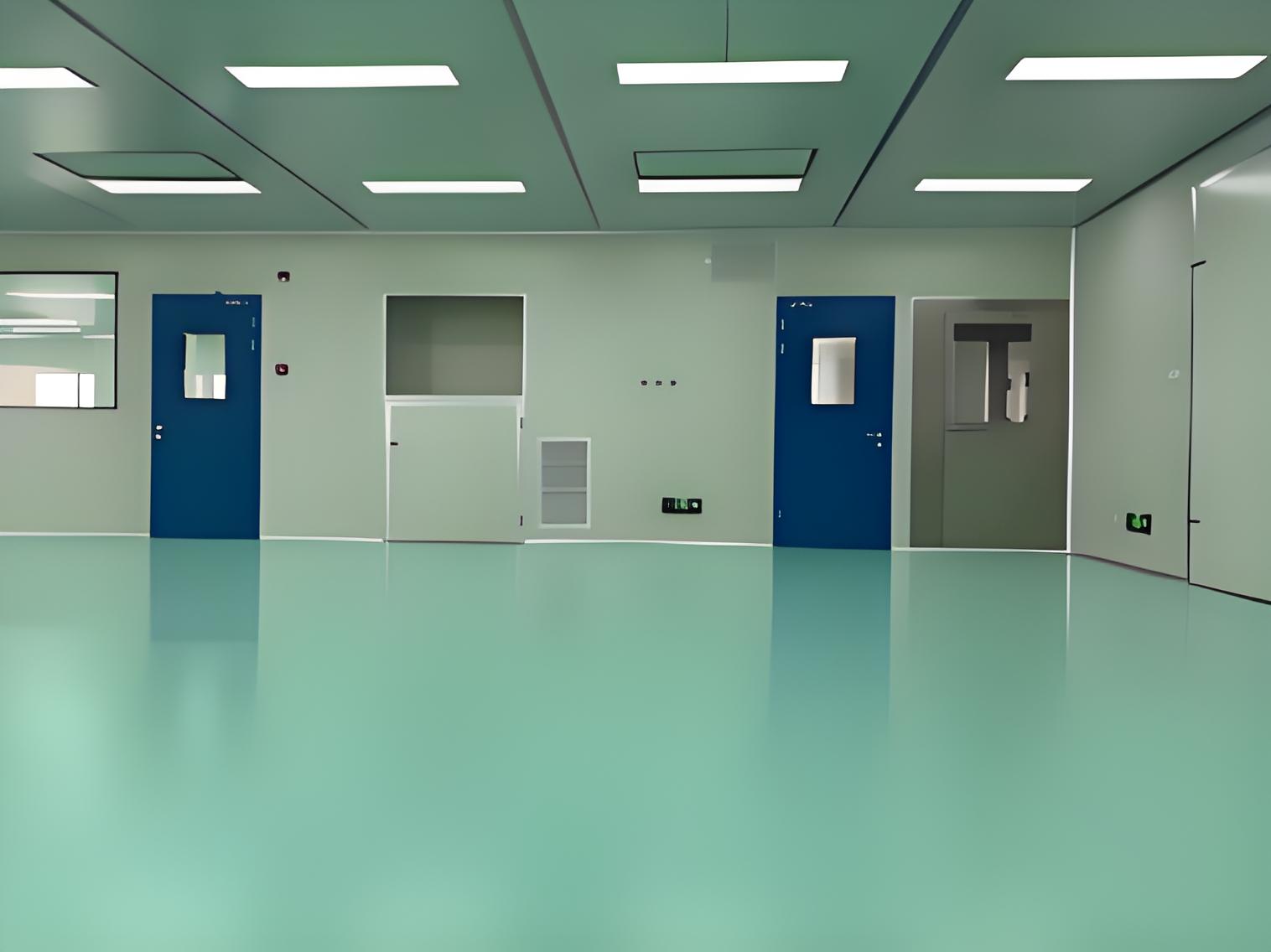
In the landscape of high-value manufacturing—from semiconductor fabrication to biopharmaceutical aseptic processing—the margin between success and catastrophic failure is often measured in microns. For industry leaders and facility planners, the dust-free workshop is no longer a luxury but a non-negotiable foundation. It represents a convergence of advanced HVAC engineering, material science, and behavioral protocol, all orchestrated to control particulate contamination that can compromise product integrity, yield, and regulatory compliance.
This article provides a technical deep dive into the principles, design strategies, and operational rigor that define a state-of-the-art dust-free workshop. Drawing on industry benchmarks and engineering best practices, we will dissect the layers of contamination control, from ISO class determination to the nuances of cleanroom behaviors. For organizations seeking to establish or upgrade such controlled environments, understanding these complexities is the first step toward operational excellence.
The term “dust-free” is a functional description, but the engineering reality is governed by precise standards. The primary framework is ISO 14644-1, which classifies cleanrooms based on the concentration of airborne particles. A true dust-free workshop typically falls within ISO Class 5 to ISO Class 8, with each class defining the maximum allowable particles per cubic meter.
Contamination control begins with understanding the enemy. In precision industries, particles as small as 0.1 µm—a fraction of a bacterium—can create defects. Key sources include:
Personnel: The human body sheds approximately 100,000 particles per minute (0.3 µm and larger) even when stationary. Movement amplifies this by a factor of 10.
Process Equipment: Friction, outgassing, and moving parts generate metallic and organic particulates.
Facility Infrastructure: Uncoated flooring, peeling paint, and improperly sealed panels act as reservoirs of contamination.
An effective dust-free workshop must mitigate these sources through a hierarchy of controls: substitution, isolation, ventilation, and administrative protocols. For example, TAI JIE ER integrates high-durability, non-shedding materials in its modular cleanroom solutions, ensuring that the infrastructure itself does not become a contamination vector.
Airflow dynamics form the core of any contamination control strategy. The choice between unidirectional (laminar) and non-unidirectional (turbulent) flow dictates the cleanliness level achievable and the associated capital expenditure.
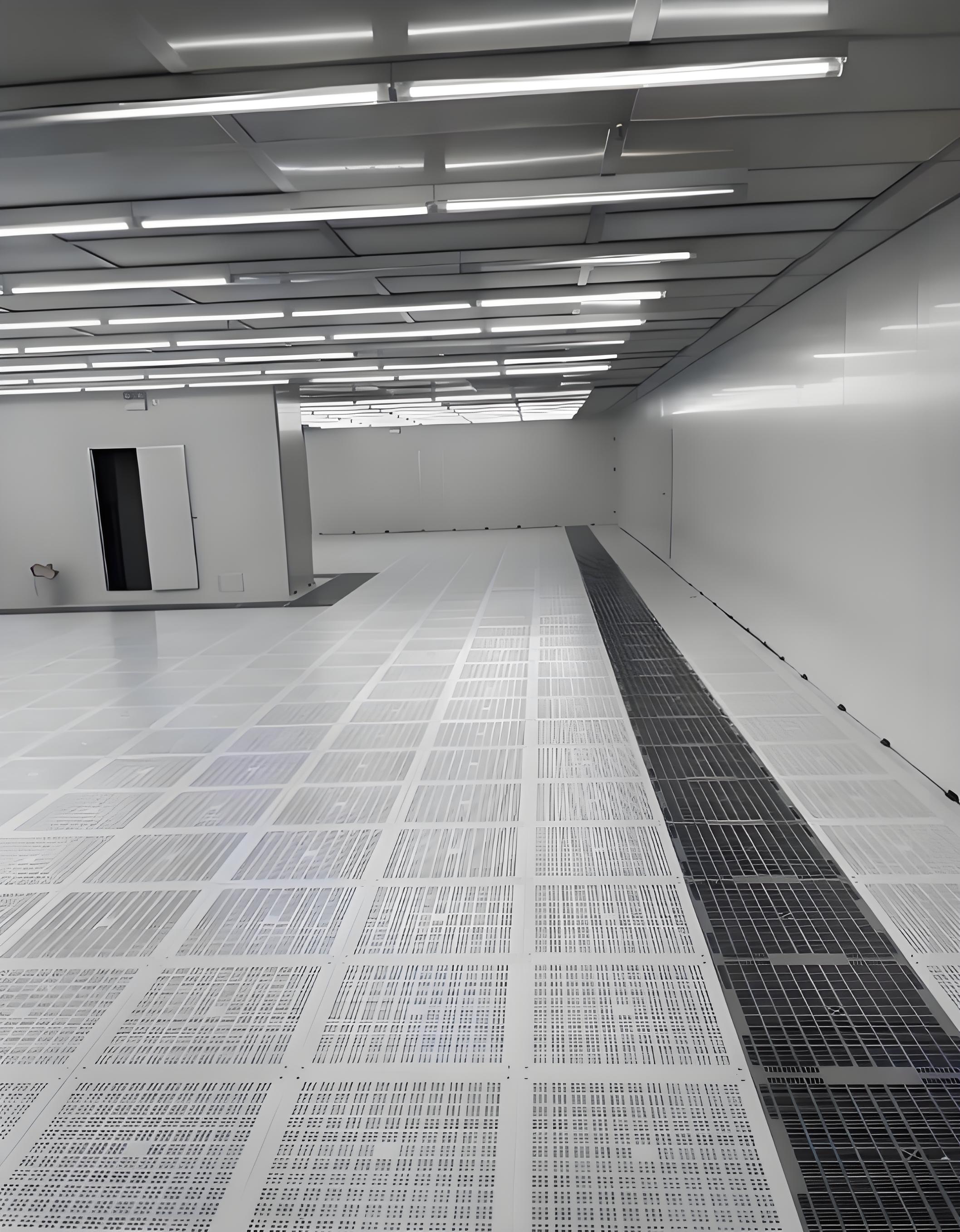
For critical zones requiring ISO Class 5 or higher, unidirectional airflow is mandatory. In this configuration, HEPA or ULPA filters cover the entire ceiling, delivering a uniform, parallel flow of filtered air that sweeps particles downward and out through a raised floor or low-wall returns. Key engineering considerations include:
Velocity: Typically maintained at 0.45 m/s ± 20% to ensure particle sweep without creating turbulence.
Coverage: Full ceiling coverage is required for true unidirectional flow; mini-environments or isolators may use localized zones.
Energy Intensity: Operating such systems demands substantial HVAC capacity, often accounting for 40-60% of total facility energy consumption.
For less stringent cleanliness requirements, a dust-free workshop may employ turbulent, or mixed, airflow. Here, filtered air is introduced through strategically placed diffusers, and the turbulent mixing dilutes and removes contaminants. While less energy-intensive, this design requires meticulous placement of supply and return grilles to avoid stagnant zones. Computational Fluid Dynamics (CFD) modeling is now industry standard to predict air patterns and validate performance before construction begins.
Beyond active air management, the surfaces within a dust-free workshop play a critical role. Porous or reactive materials can absorb chemicals, harbor microbes, and shed particles. The selection criteria for cleanroom finishes are governed by three principles: non-shedding, chemical resistance, and ease of sanitization.
Walls and Ceilings: Modular panels with baked-on epoxy or polyvinylidene fluoride (PVDF) coatings are preferred. These materials resist chipping and can withstand repeated cleaning with aggressive agents like hydrogen peroxide vapor or quaternary ammonium compounds.
Flooring: Seamless, static-dissipative vinyl or epoxy terrazzo floors eliminate grout lines that can trap contaminants. They must also provide antistatic properties to prevent electrostatic discharge (ESD), which can damage sensitive electronics.
Doors and Pass-Throughs: Interlocking doors, pass-through chambers, and airlocks are engineered to maintain pressure differentials. A common specification is a minimum pressure differential of 10-15 Pa between clean and less clean areas, verified by continuous monitoring systems.
Engineering firms like TAI JIE ER specialize in integrating these passive systems with active controls, ensuring that material compatibility aligns with the client’s specific manufacturing processes, whether that involves corrosive chemicals or sensitive biological materials.
Statistics consistently show that personnel are the largest source of contamination in a dust-free workshop, accounting for up to 75-80% of all particles. Consequently, gowning protocols and behavior modification are as critical as hardware.
A well-designed cleanroom implements a layered gowning strategy. The progression typically involves:
Outer Change Room: Removal of street clothes, donning of low-lint coveralls, hair covers, and beard covers.
Gowning Room: Application of sterile or non-sterile gloves, face masks, safety glasses, and, for higher classes, bunny suits and full-face respirators.
Airlock: A final transition zone with interlocked doors to maintain pressure differentials and allow for particle “wash-down” via high-velocity air showers.
Even in full gowning, rapid movements can generate turbulence that dislodges particles. Industry best practices mandate:
Movement speeds limited to under 0.5 m/s in critical zones.
Prohibition of paper, cardboard, or any cellulosic materials that shed fibers.
Use of cleanroom-grade pens, notebooks, and stainless-steel equipment only.
Comprehensive training and periodic recertification on gowning techniques and aseptic behaviors.
A static design is insufficient; a dust-free workshop must demonstrate continuous compliance through rigorous monitoring. This falls into three categories: initial certification, periodic requalification, and real-time monitoring.
Particle Counters: Remote, continuous particle counters are installed at critical process locations. These feed data to a Building Management System (BMS), triggering alarms if particle concentrations exceed action limits.
Differential Pressure Monitoring: Sensors at every doorway and between zones ensure that positive pressure is maintained, preventing ingress of unfiltered air. A loss of 5 Pa can signify a door left ajar or a failing HEPA filter.
Microbial Environmental Monitoring (MEM): For pharmaceutical and biotech applications, active air samplers and settle plates are used to quantify viable organisms. Action levels are defined based on ISO 14698 or internal quality standards.
Data integrity is paramount. Modern cleanrooms utilize validated SCADA systems to ensure that monitoring data is tamper-proof and audit-ready—a requirement for FDA, EMA, and other regulatory bodies.
The technical rigor described above is applied across a spectrum of industries where particulate contamination directly impacts product performance, safety, or profitability.
With node sizes shrinking to 3nm and below, a single 0.1 µm particle can destroy a die, resulting in millions in lost revenue per wafer lot. Here, dust-free workshop environments are typically ISO Class 3 or 4, utilizing class 1 mini-environments around steppers and inspection tools.
For sterile injectables and cell and gene therapies, contamination by a single microorganism leads to product recall, patient risk, and regulatory shutdown. These facilities combine ISO Class 5 unidirectional airflow zones with rigorous cleaning and disinfection protocols.
Scratches or embedded particles on optical lenses or avionic components can lead to failure under stress. Manufacturing and assembly occur in ISO Class 6 to 7 environments with specialized handling tools to prevent surface defects.
Across these sectors, the dust-free workshop is not merely a physical space but a tightly integrated system of engineering controls, validated processes, and skilled personnel. TAI JIE ER provides turnkey solutions that align these elements with production goals, from modular cleanrooms for R&D to large-scale GMP manufacturing facilities.
As manufacturing becomes increasingly digitized, the dust-free workshop is evolving. The integration of IoT sensors, predictive analytics, and automated material handling systems is transforming contamination control from a reactive to a predictive discipline.
Predictive Filter Maintenance: Instead of scheduled replacements, smart HEPA/ULPA filter housings monitor pressure drop and particle breakthrough, optimizing filter lifecycle and reducing downtime.
Automated Guided Vehicles (AGVs): By replacing manual material transport, AGVs reduce the number of personnel entries, thereby lowering the primary source of contamination.
AI-Driven Particle Source Identification: Machine learning algorithms analyze real-time particle counter data to pinpoint contamination events—for instance, differentiating between a slipping belt on equipment and a personnel gowning breach.
These advancements demand a higher level of expertise in systems integration. A modern cleanroom project requires collaboration between process engineers, HVAC specialists, and data scientists to ensure that digital infrastructure enhances, rather than complicates, contamination control.
Building and operating a high-performance dust-free workshop is a complex undertaking that combines physics, engineering, and human factors. It demands a deep understanding of ISO standards, a commitment to quality materials and construction, and a culture of discipline among all personnel. The investment in such environments is justified by the protection they provide to product integrity, patient safety, and brand reputation.
For organizations looking to design, construct, or upgrade a contamination-controlled environment, partnering with an experienced engineering firm is essential. By leveraging expertise in modular construction, energy-efficient HVAC design, and validation protocols, companies can achieve a dust-free workshop that not only meets current regulatory standards but is also adaptable to future manufacturing innovations.
Q1: What is the difference between a “cleanroom” and a “dust-free
workshop”?
A1: While often used interchangeably, a
“dust-free workshop” is a functional term describing a controlled environment
focused on particulate reduction, whereas a “cleanroom” is a formal
classification under ISO 14644-1 with defined airborne particle limits. In
practice, a dust-free workshop is typically an ISO Class 6 to
Class 8 cleanroom, while higher-grade cleanrooms (ISO Class 5 and above) are
used for critical processes like semiconductor lithography or aseptic
filling.
Q2: How often should HEPA/ULPA filters be replaced in a dust-free
workshop?
A2: Replacement is not based on time
alone but on performance. Industry best practice dictates that filters should be
replaced when they reach 80-85% of their rated pressure drop, or if a scan test
reveals leaks or bypass. In a well-maintained dust-free
workshop, this typically occurs every 3 to 8 years, depending on
pre-filter efficiency and environmental load.
Q3: Can existing conventional factories be retrofitted into a
dust-free workshop?
A3: Yes, retrofitting is
feasible but requires careful engineering. Key challenges include upgrading HVAC
systems to handle high air-change rates, sealing existing building envelopes
(concrete, drywall), and installing new flooring and wall finishes. Modular
cleanroom panels are often used to create ISO-rated zones within an existing
shell, minimizing disruption to ongoing operations.
Q4: What are the typical costs associated with maintaining a
dust-free workshop?
A4: Operational costs are
dominated by energy consumption (HVAC systems running 24/7), consumables (gowns,
gloves, cleaning agents), and periodic requalification testing (particle counts,
airflow visualization, HEPA filter integrity). Energy can account for 50-70% of
total operational expenditure. Using energy-efficient fans, VFDs, and optimizing
air-change rates based on actual process activity can mitigate these costs.
Q5: How do I select the right ISO class for my dust-free
workshop?
A5: The required ISO class is determined
by the sensitivity of the product or process to particulate contamination. For
microelectronics, it’s based on the feature size; for pharma, it’s based on the
risk of microbial contamination to the patient. A risk assessment, often
following ICH Q9 principles, should guide the classification. Consulting with
cleanroom engineers and reviewing regulatory guidelines (e.g., EU GMP Annex 1)
is essential before finalizing specifications.
For expert consultation on designing or upgrading your contamination-controlled environment, explore the engineered solutions at TAI JIE ER or review detailed project specifications for your next dust-free workshop.