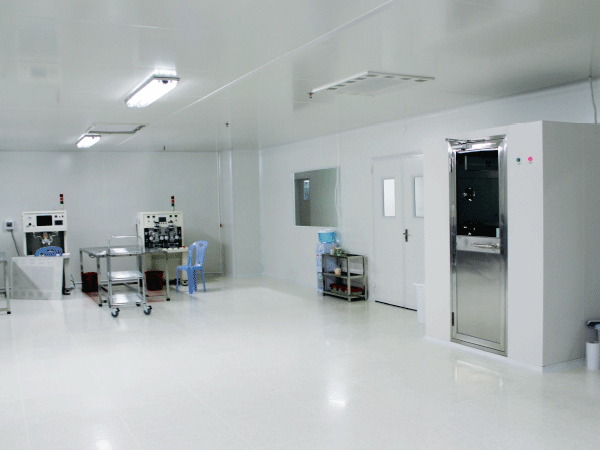

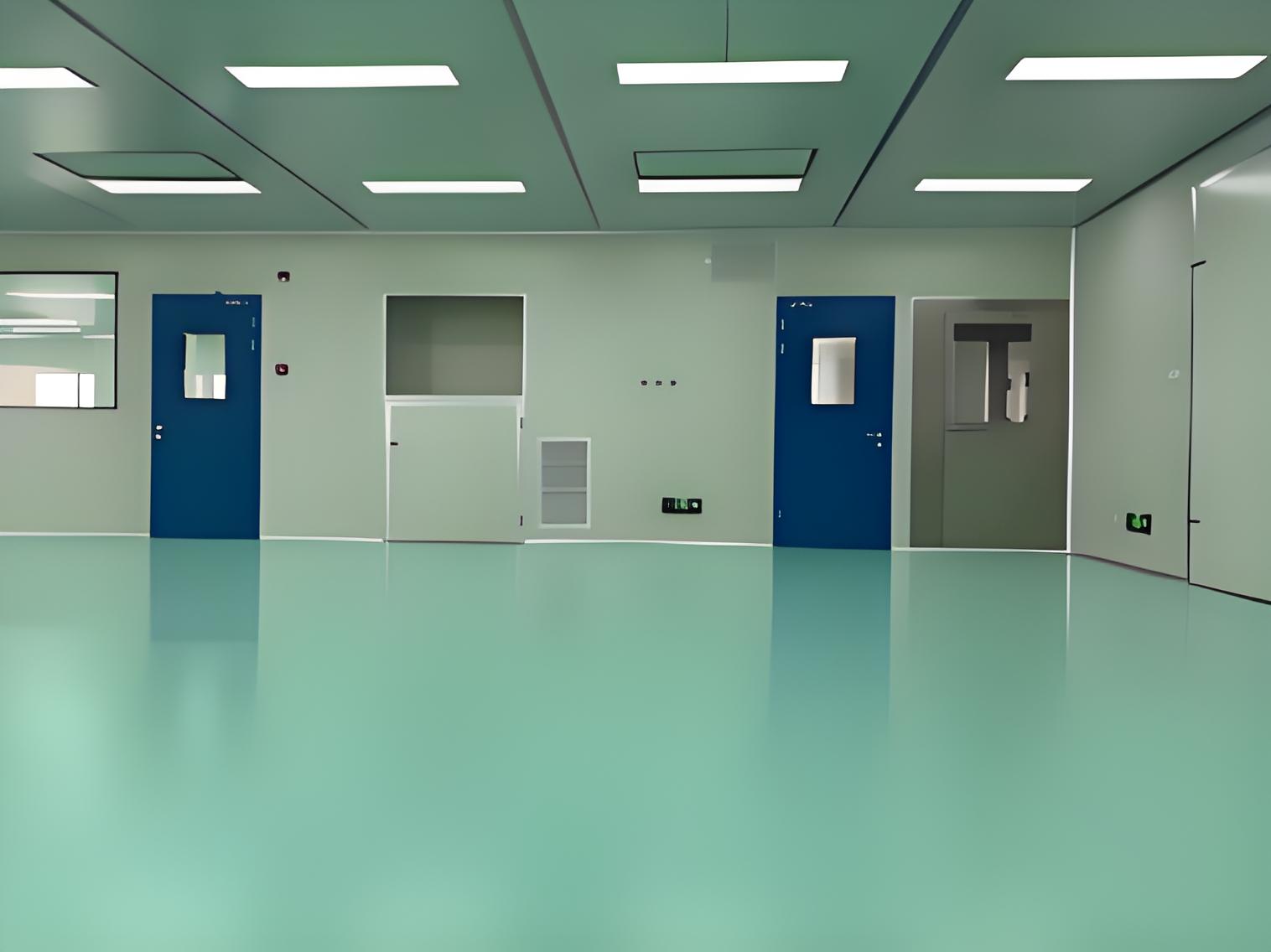
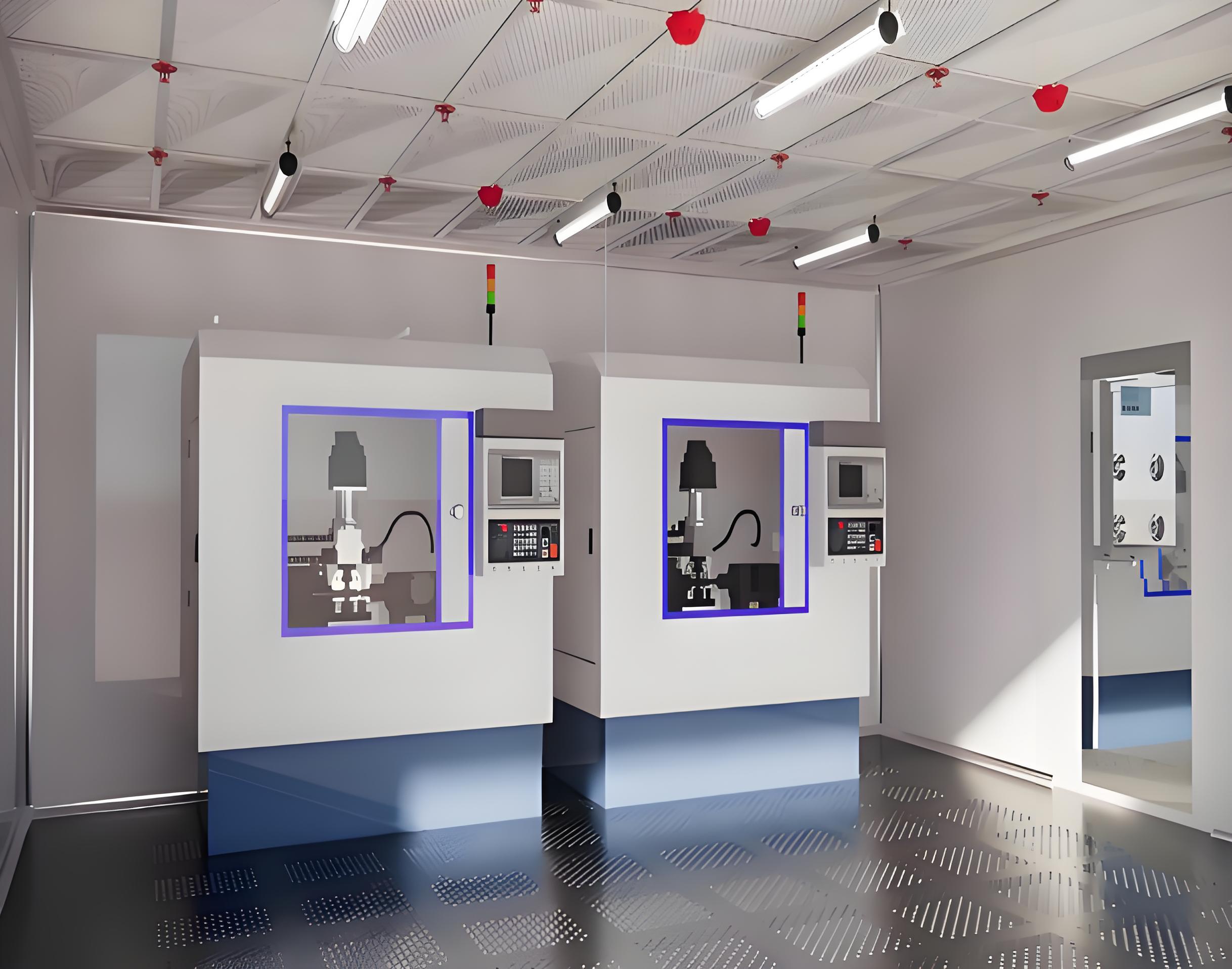
In the precision-driven industries of semiconductor fabrication, aerospace engineering, and pharmaceutical manufacturing, the control of environmental variables is a mandatory requirement. A cleanroom serves as a controlled environment where the concentration of airborne particles is minimized to meet specific ISO standards. Beyond simple filtration, these facilities integrate complex mechanical, structural, and monitoring systems to ensure that sensitive processes remain free from pollutants, chemical vapors, and microbial contaminants. Understanding the technical nuances of these environments is necessary for maintaining high production yields and adhering to stringent international regulations.
The foundation of any contamination control strategy is the ISO 14644-1 standard. This framework categorizes environments from ISO Class 1 to ISO Class 9, based on the number of particles per cubic meter of air at various sizes. For instance, an ISO Class 5 environment—frequently used in sterile pharmaceutical filling—must contain no more than 3,520 particles per cubic meter of size 0.5 µm or larger.
Achieving these levels requires a comprehensive understanding of the Most Penetrating Particle Size (MPPS). While larger particles are easily trapped by mechanical straining, smaller particles at the 0.1 to 0.3 µm range often pose the greatest challenge due to their ability to follow airflow streamlines. Engineers must calculate the required air change rates per hour (ACPH) to effectively dilute and remove these contaminants. In lower-class environments, ACPH may range from 20 to 60, while higher-spec facilities may require over 600 changes per hour to maintain stability.
The methodology of air distribution significantly impacts the efficiency of a cleanroom. There are two primary airflow patterns used in modern facility design:
Unidirectional (Laminar) Flow: In this setup, air moves in a single direction, typically from the ceiling to the floor, at a uniform velocity. This pattern is fundamental for ISO Class 1 through Class 5 spaces. It ensures that particles generated by personnel or equipment are immediately swept away in a downward "piston" of clean air, preventing lateral spread.
Non-unidirectional (Turbulent) Flow: Utilized in ISO Class 6 to Class 9 zones, this system uses ceiling diffusers to introduce clean air that mixes with and dilutes the existing air. The contaminated air is then exhausted through wall or floor vents. While less precise than laminar flow, it is highly effective for processes with lower sensitivity.
The choice between these patterns influences the layout of Fan Filter Units (FFUs) and the design of the return air plenums. TAI JIE ER provides integrated mechanical solutions that optimize these airflow pathways to ensure consistent environmental stability.
Filtration is the primary mechanism for particle removal. High-Efficiency Particulate Air (HEPA) filters are rated to capture 99.97% of particles at 0.3 microns. For more demanding sectors like EUV lithography, Ultra-Low Penetration Air (ULPA) filters are utilized, achieving efficiencies of 99.999% for particles as small as 0.12 microns.
Modern filtration systems often incorporate a multi-stage approach. Pre-filters capture larger dust particles to extend the lifespan of the more expensive HEPA/ULPA units. In advanced configurations, boron-free glass fiber or PTFE (Polytetrafluoroethylene) membranes are used to prevent chemical outgassing that could interfere with sensitive chemical processes. The integration of FFUs allows for decentralized control, where each filter module can be independently adjusted to compensate for local heat loads or particle spikes.
Maintaining a pressure differential is a fundamental principle of cleanroom engineering. By keeping the cleanest areas at a higher pressure than adjacent corridors or lower-grade rooms, engineers ensure that air leaks out rather than in. This "outward flow" prevents the infiltration of unfiltered air through door gaps or structural seams.
In pharmaceutical or hazardous material handling, "negative pressure" zones may be required to protect the external environment from biological agents or toxic chemicals. Managing these gradients requires precision-tuned HVAC systems and automated dampers that respond in milliseconds to door openings or filter loading changes. This pressure balancing is a technical feat that prevents cross-contamination in multi-product facilities.
The physical construction of the facility must minimize particle shedding. Standard drywall or porous materials are prohibited. Instead, specialized sandwich panels are used for walls and ceilings. These panels, often featuring aluminum honeycomb or high-density rock wool cores, provide the necessary rigidity and fire resistance while remaining chemically inert.
Surface finishes must withstand aggressive sanitization protocols involving Vaporized Hydrogen Peroxide (VHP) or alcohol-based disinfectants. Flooring systems, typically epoxy resin or PVC, must be seamless and coved at the wall junctions to eliminate corners where dust can accumulate. Furthermore, Electrostatic Discharge (ESD) control is a necessary consideration; floors must be conductive or dissipative to protect sensitive microelectronics from static accumulation. TAI JIE ER specializes in the selection of these high-performance materials to ensure long-term structural integrity and compliance.
Precise thermohydrometric control is required not just for human comfort, but for process stability. In semiconductor manufacturing, high relative humidity (RH) can lead to wafer oxidation or "stiction" in MEMS devices. Conversely, low RH increases the risk of ESD events. Typical tolerances in advanced facilities are ±0.1°C for temperature and ±1% for RH.
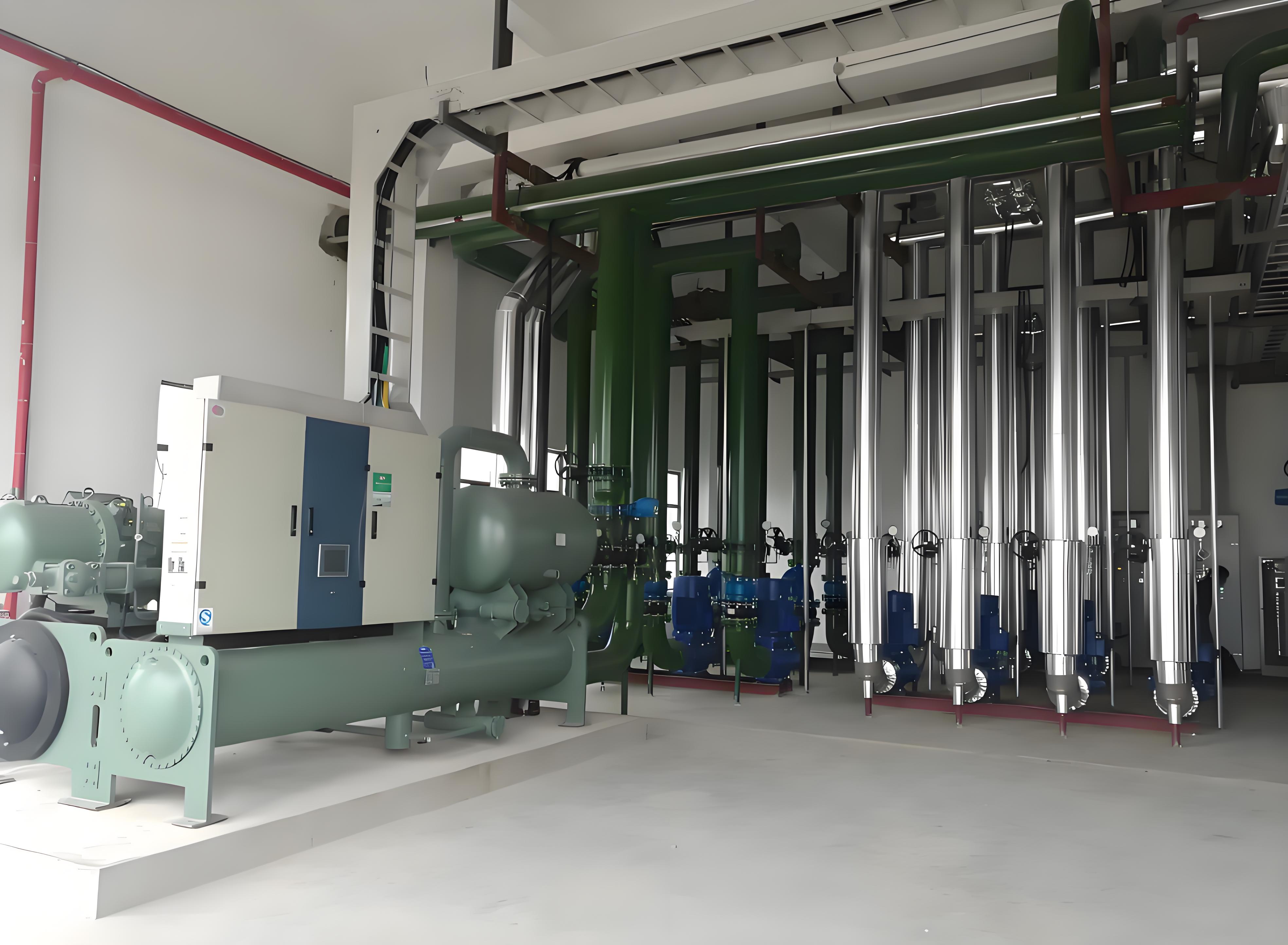
To achieve this, Air Handling Units (AHUs) incorporate cooling coils, reheat coils, and steam or ultrasonic humidifiers. The heat generated by production machinery—such as high-power lasers or chemical reactors—must be neutralized through localized sensible cooling or high air-change volumes. This thermal management ensures that the expansion or contraction of mechanical parts does not lead to alignment errors in high-precision manufacturing.
Personnel are the primary source of biological and particulate contamination. A stationary person sheds approximately 100,000 particles per minute, which can increase fivefold during movement. To mitigate this risk, cleanroom protocols mandate specific gowning procedures.
Gowning Regimes: Use of non-linting coveralls, hoods, masks, and boots made from synthetic fibers like Tyvek.
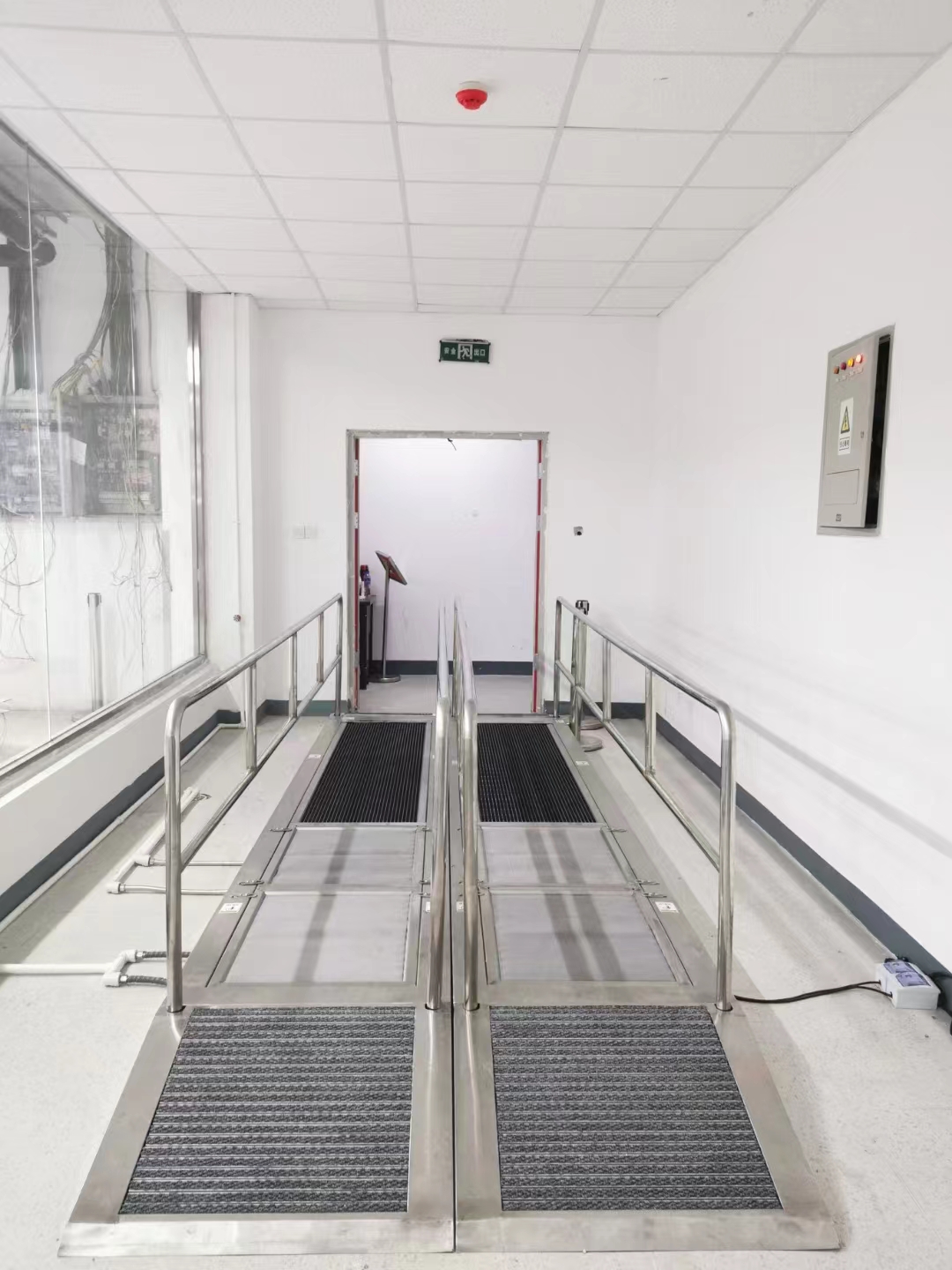
Air Showers: High-velocity air jets used at entry points to strip particles from the surface of gowning before entry.
Personnel Flow: Designing the facility layout to ensure that staff move from lower-cleanliness zones to higher-cleanliness zones in a logical, non-overlapping sequence.
Effective training and the implementation of airlocks are indispensable for maintaining the validated state of the environment during high-intensity production shifts.
A facility is only compliant if its performance is documented and verified. Validation typically follows the GAMP (Good Automated Manufacturing Practice) framework, involving Design Qualification (DQ), Installation Qualification (IQ), Operational Qualification (OQ), and Performance Qualification (PQ). Modern facilities utilize Facility Monitoring Systems (FMS) to provide real-time data on particle counts, pressure, temperature, and humidity.
Regular sensor calibration and smoke pattern testing are necessary to visualize airflow and identify "dead zones" or turbulence. By maintaining a continuous audit trail, companies can ensure they meet the requirements of the FDA, EMA, or other regional regulatory bodies. Technical experts at TAI JIE ER assist in this complex validation process, ensuring that the environment remains within its specified parameters throughout its lifecycle.
Q1: What are the main differences between ISO 7 and ISO 8 environments?
A1: The primary difference is the maximum allowable particle concentration. An ISO 7 environment allows 352,000 particles (≥0.5 µm) per cubic meter, whereas ISO 8 allows 3,520,000. This usually results in ISO 7 requiring significantly higher air change rates (30–60 ACPH) compared to ISO 8 (10–25 ACPH).
Q2: Why is the selection of "coving" important in wall design?
A2: Coving creates a curved transition between the wall and the floor or ceiling. This eliminates 90-degree corners that are difficult to clean and where stagnant air pockets can lead to particle accumulation or microbial growth.
Q3: How does a Fan Filter Unit (FFU) differ from a traditional HVAC system?
A3: A traditional system uses a central air handler to push air through ducts to filters. An FFU contains its own motor and fan, allowing for more flexible control of local airflow and easier scalability, as units can be added to the ceiling grid as needed without redesigning the entire duct network.
Q4: What is "outgassing" and why is it a concern?
A4: Outgassing is the release of volatile organic compounds (VOCs) or chemicals from materials like adhesives, sealants, or plastics. In semiconductor manufacturing, these vapors can condense on wafers and cause defects, necessitating the use of low-outgassing, "cleanroom-grade" materials.
Q5: How often should HEPA filters be tested for leaks?
A5: According to ISO 14644-2, HEPA filters should generally be tested every 6 to 12 months, depending on the ISO class and the risks associated with the process. Leak testing (often using a PAO aerosol) ensures the filter media and the seal are intact.
Designing and maintaining a high-performance cleanroom requires a synthesis of mechanical engineering, material science, and regulatory knowledge. Our team provides comprehensive technical support for organizations looking to build or optimize their controlled environments. Whether you are facing challenges with airflow stabilization or seeking to upgrade your filtration systems to meet new standards, we offer the expertise necessary to ensure your facility remains a high-yield asset. Please contact our technical department for a detailed inquiry regarding your specific project requirements.