
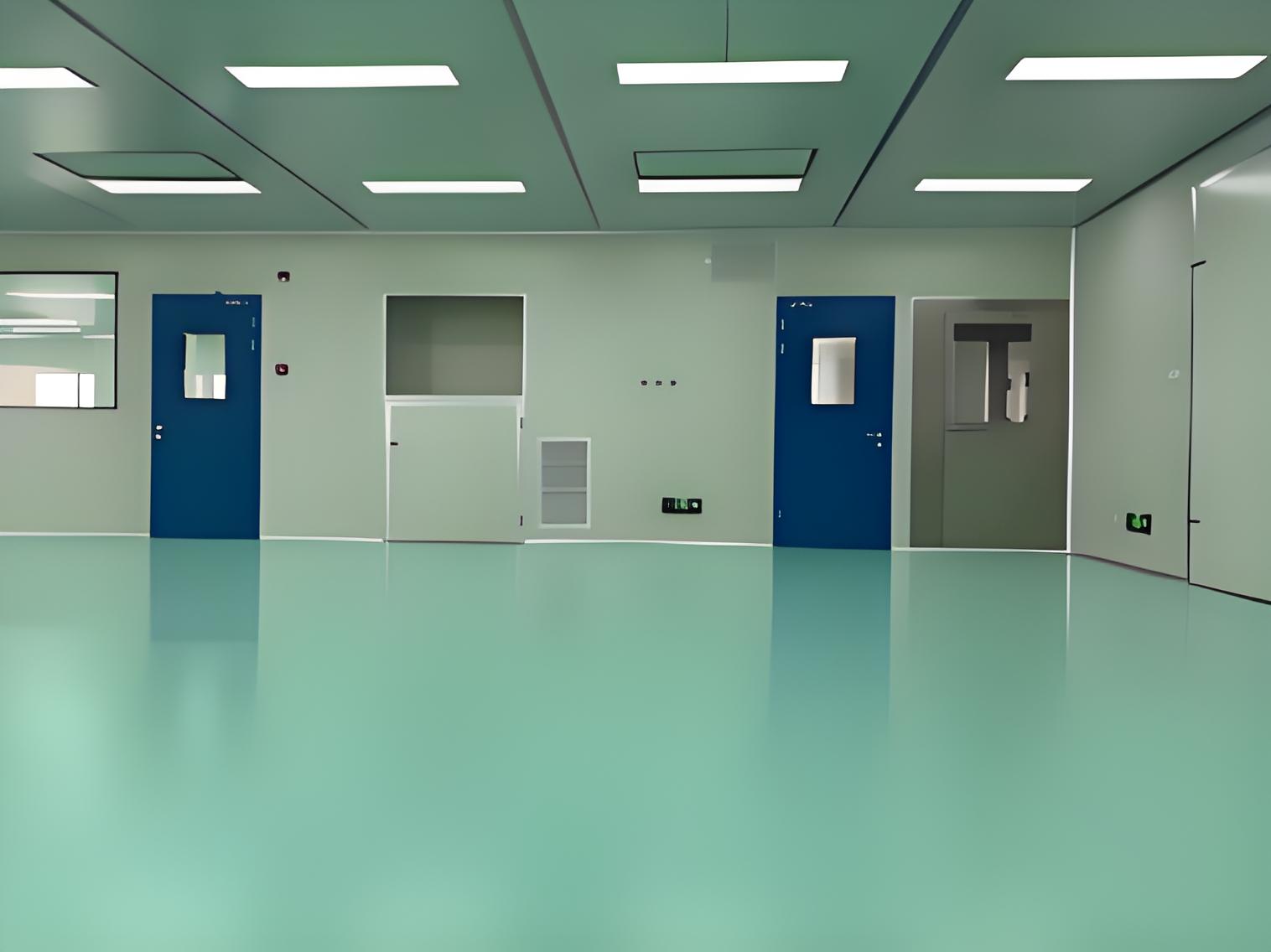
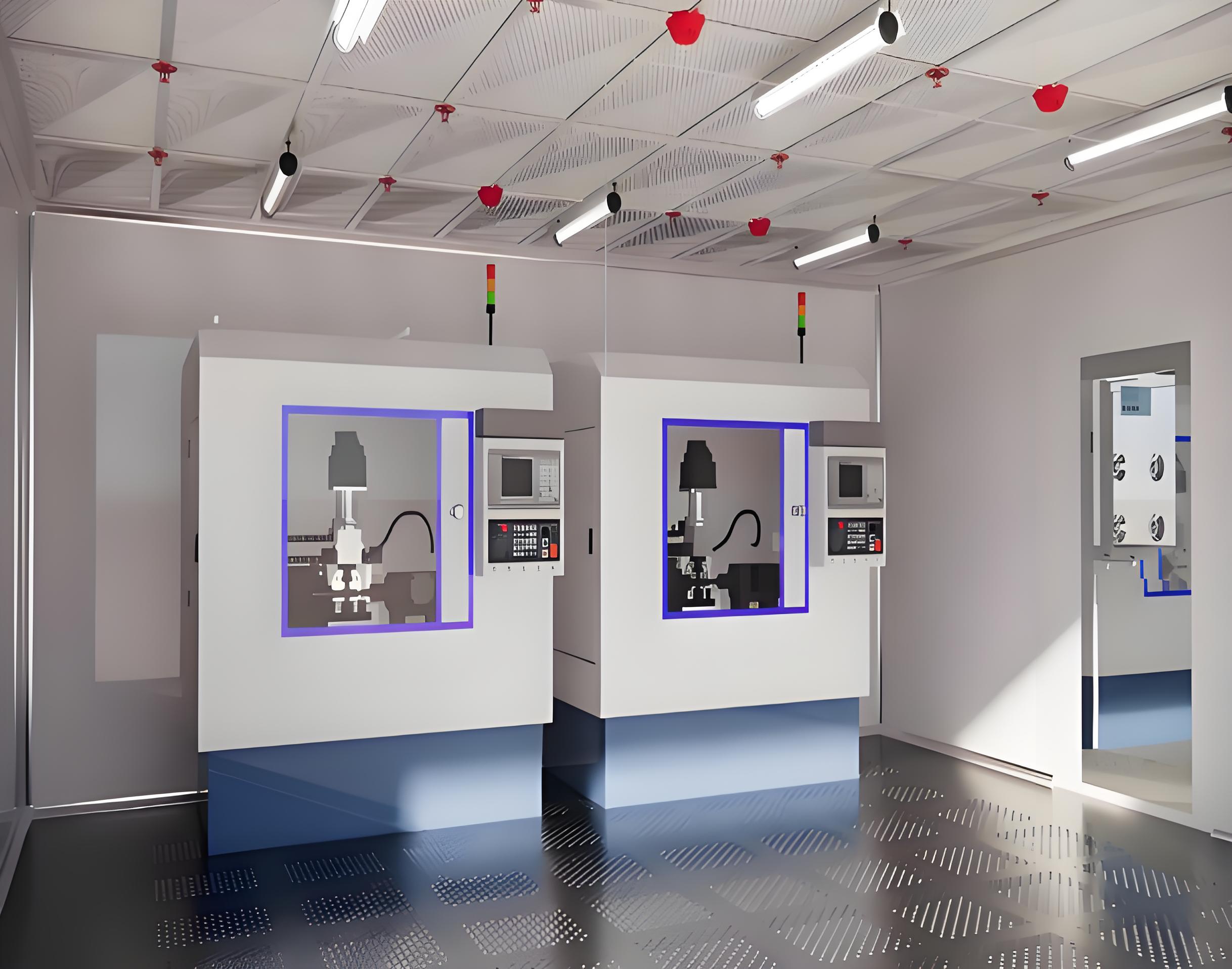
In the domain of advanced scientific research, pharmaceutical production, and clinical diagnostics, the built environment directly influences experimental validity, operator safety, and regulatory compliance. Laboratory decoration transcends conventional interior finishing—it requires an engineered ecosystem where material science, airflow dynamics, and contamination prevention converge. This article provides a technical dissection of high-specification lab finishes, addressing industry-specific pain points with actionable solutions. Drawing from cleanroom engineering standards (ISO 14644-1, GMP Annex 1, and NSF/ANSI 49), we examine how professional laboratory decoration mitigates risks ranging from chemical permeation to particulate generation.
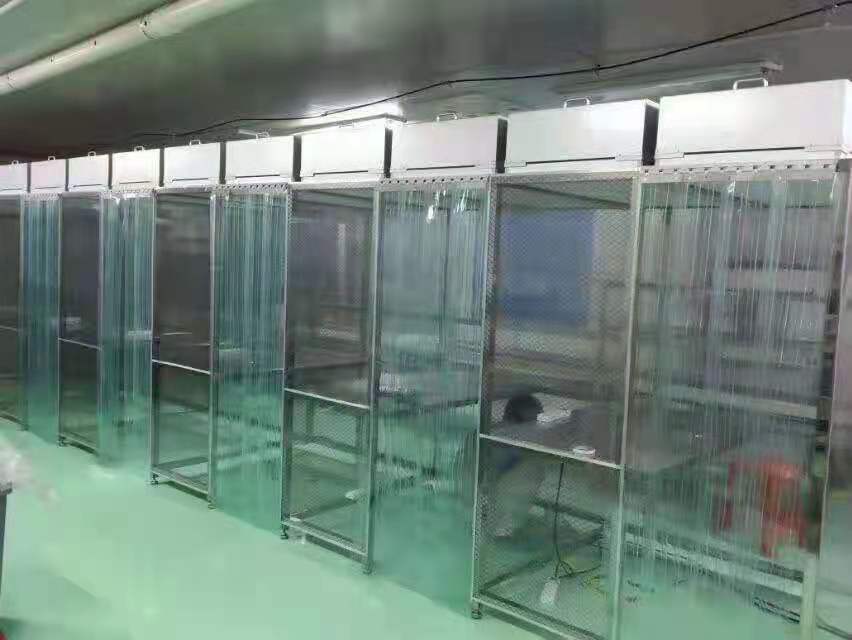
Conventional drywall, standard flooring adhesives, and commercial HVAC systems are designed for human comfort, not for contamination-sensitive processes. Inadequate laboratory decoration leads to three critical failures: uncontrolled particle shedding from porous surfaces, chemical degradation of epoxy coatings, and unmanageable differential pressure losses. For instance, a wet chemistry lab requires walls that resist nitric acid spatter, while a cell culture suite demands seamless, non-porous finishes to prevent microbial harborage. Standard construction materials often fail within six months under these conditions, causing operational downtime and cross-contamination events.
Data from industrial hygiene reports indicate that replacing failed lab flooring can exceed $120 per square foot when factoring in hazardous waste disposal and equipment relocation. Similarly, inadequate surface sealing in vivariums leads to volatile organic compound (VOC) absorption, invalidating animal behavior studies. Professional laboratory decoration incorporates accelerated aging tests for material compatibility, including exposure to 70% ethanol, hydrogen peroxide vapor, and saline solutions.
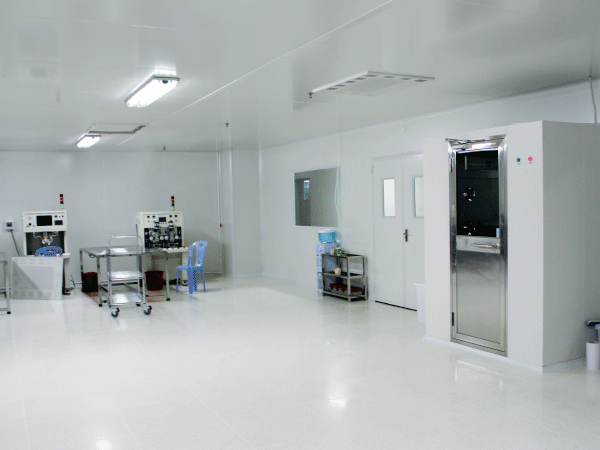
International standards prescribe specific construction tolerances. ISO 14644-1 classifies cleanrooms by airborne particle concentration, directly influencing wall joint seals and gasket materials. GMP for sterile drug production requires ceilings without protruding screws or ledges that accumulate dust. NSF/ANSI 49 governs biosafety cabinetry placement, dictating minimal distances from supply diffusers. A compliant laboratory decoration strategy integrates these codes from the design phase, avoiding costly retrofits like relocating exhaust grilles or re-sealing modular panels.
Traditional stud-framed walls exhibit differential movement, cracking sealants over time. High-performance labs utilize pharmaceutical-grade modular partitions with cam-lock joining systems. These panels feature a double-skin steel construction filled with non-shedding mineral wool. Seams receive a continuous polysulfide or silicone sealant with documented elongation recovery (≥300%). For BSL-3 facilities, welded stainless steel modules with radiused corners replace conventional panel joints, enabling vapor-phase decontamination.
Epoxy terrazzo and vinyl ester resin floors provide resistance to a pH range of 1–14. The key specification is chemical immersion performance per ASTM D543. Coving—where flooring extends 100mm up the wall—eliminates the dirt-trapping baseboard joint. Liquid-applied polyurethane systems achieve seamless monolithic surfaces, while electrostatic dissipative (ESD) formulations (10⁶ to 10⁹ ohms) protect sensitive electronics. For radiochemistry labs, specialized floor coatings incorporate lead-impregnated layers for gamma shielding, integrated within the same coving profile.
Laboratory decoration directly affects HVAC performance. Supply and return air grilles must be positioned to avoid short-circuiting across chemical fume hoods. Ceiling panels with integrated diffusers (laminar flow arrays) maintain unidirectional airflow. Pressure cascade requirements—e.g., -0.05" w.g. in containment labs versus +0.03" w.g. in clean corridors—demand airtight wall penetrations. Every service chase (electrical, data, gas) must be sealed with intumescent putty pads. A well-executed decoration plan includes pressure mapping verification before installing benchtops.
Standard troffer lights harbor particle traps. Cleanroom-compatible LED fixtures feature smooth, gasketed housings and ingress protection IP65 or higher. Light intensity is maintained at 750 lux minimum at bench height, with emergency battery backup achieving 50 lux for safe egress. For photolithography or fluorescent microscopy labs, decoration includes amber or red wavelength-filtering panels to prevent photo-bleaching. Lighting control stations should be recessed flush with modular wall panels, avoiding protruding switches.
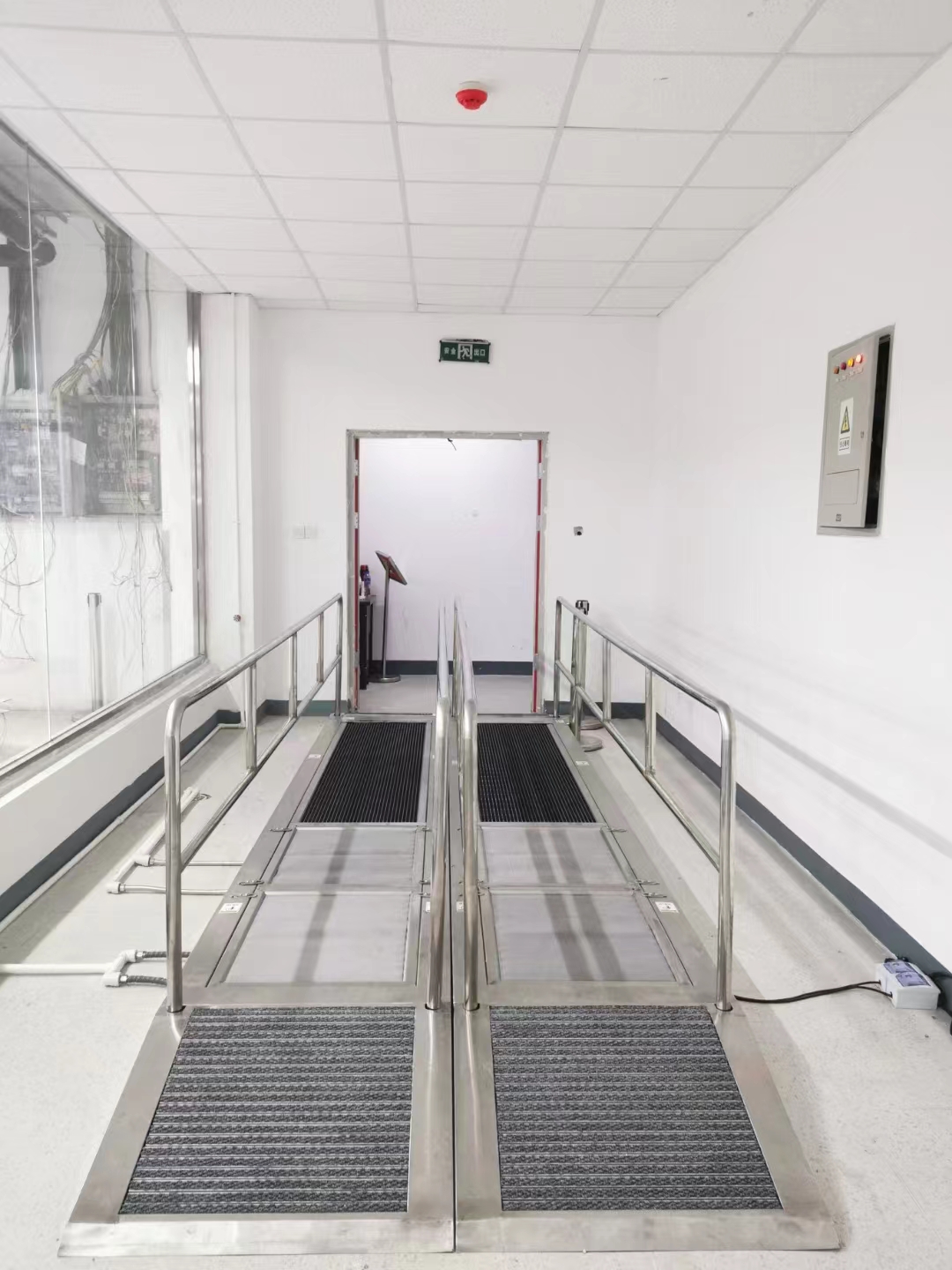
BSL-3 and BSL-4 facilities require hermetically sealed envelopes. All wall, floor, and ceiling penetrations must be chemically welded. Windowless designs are typical, but where observation panels exist, dual-pane tempered glass with positive pressure interspace prevents contamination leakage. For animal BSL-3 (ABSL-3), floor drains are eliminated to avoid biofilm reservoirs; instead, sloped solid flooring directs washdown effluents to sealed trench drains with HEPA-filtered vents. Laboratory decoration in such settings includes pass-through autoclave chambers integrated into partition systems, with flush interior surfaces.
Wet laboratories prioritize acid-resistant phenolic resin cladding and central island benches with integrated drip channels. In contrast, analytical suites (HPLC, GC-MS, or ICP) require vibration-damping floor screeds (≤0.1 mm/s vibration velocity) and RF-shielded wall panels. The decoration must also include non-outgassing acoustic ceilings to prevent spectral interference. For trace metal analysis, all exposed surfaces should be 316L stainless steel or polypropylene to prevent sample contamination from airborne particulates.
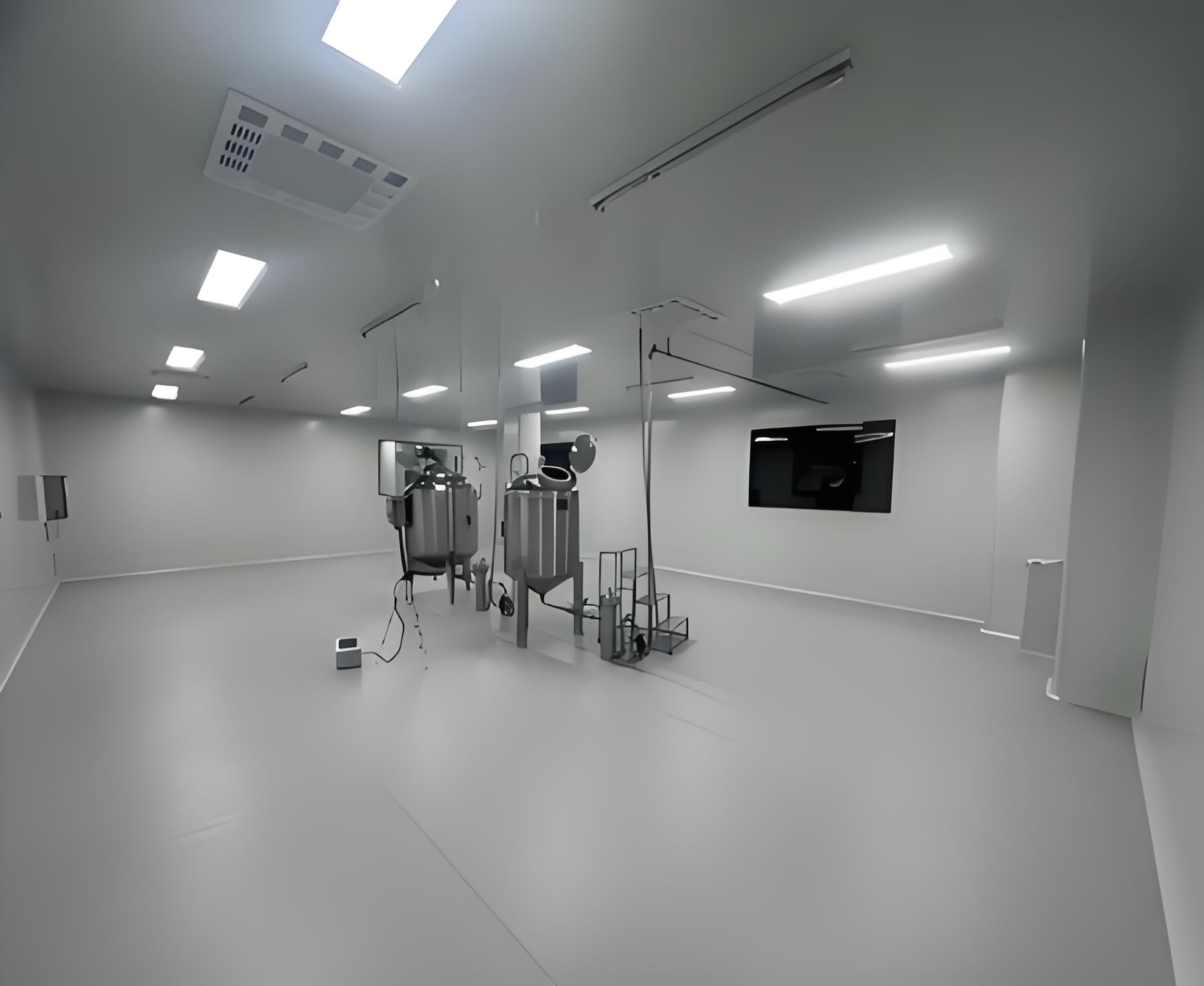
In aseptic processing areas, the decoration focuses on smooth, crevice-free surfaces with radiused corners (≥12mm radius). Wall-to-floor cove joints are hot-air welded for thermoplastics (PVC or polyolefin). Cleanroom pass-through hatches feature interlocking doors and continuous silicone gaskets. For potent compound manufacturing, containment labs employ stainless steel honeycomb panels with continuous welds polished to Ra≤0.4μm. Here, laboratory decoration must also integrate with closed-system drug transfer devices (CSTD) through wall ports.
Many adhesives and sealants release plasticizers or residual solvents that condense on chilled water pipes or sensitive lenses. Low-VOC (<50 g/L) silane-terminated polymers and UV-cured acrylics are mandatory for sensitive environments. Prior to installation, the integrator should perform headspace gas chromatography on finish samples to certify against outgassing that could corrupt mass spectrometry results.
Flooring resistance alone does not guarantee ESD safety. A complete laboratory decoration ESD strategy includes conductive paint on walls (surface resistivity 10⁴–10⁶ ohms), grounded modular ceiling grids, and wrist strap grounding jack plates integrated into workbench ends. Every conductive element must be bonded to a common ground point (<1 ohm to earth). Periodic testing per ANSI/ESD S20.20 must be accessible without removing wall panels.
False ceilings should be designed with removable, gasketed panels for filter changes and utility access. However, standard T-grid systems trap dust; therefore, cleanroom-specific wedge-lock grids are preferred. For wall-mounted services, a recessed utility channel behind removable, seamless access doors allows repiping without cutting through finished surfaces. Detailed as-built documentation with laser-scanned point clouds ensures future penetrations maintain the envelope’s integrity.
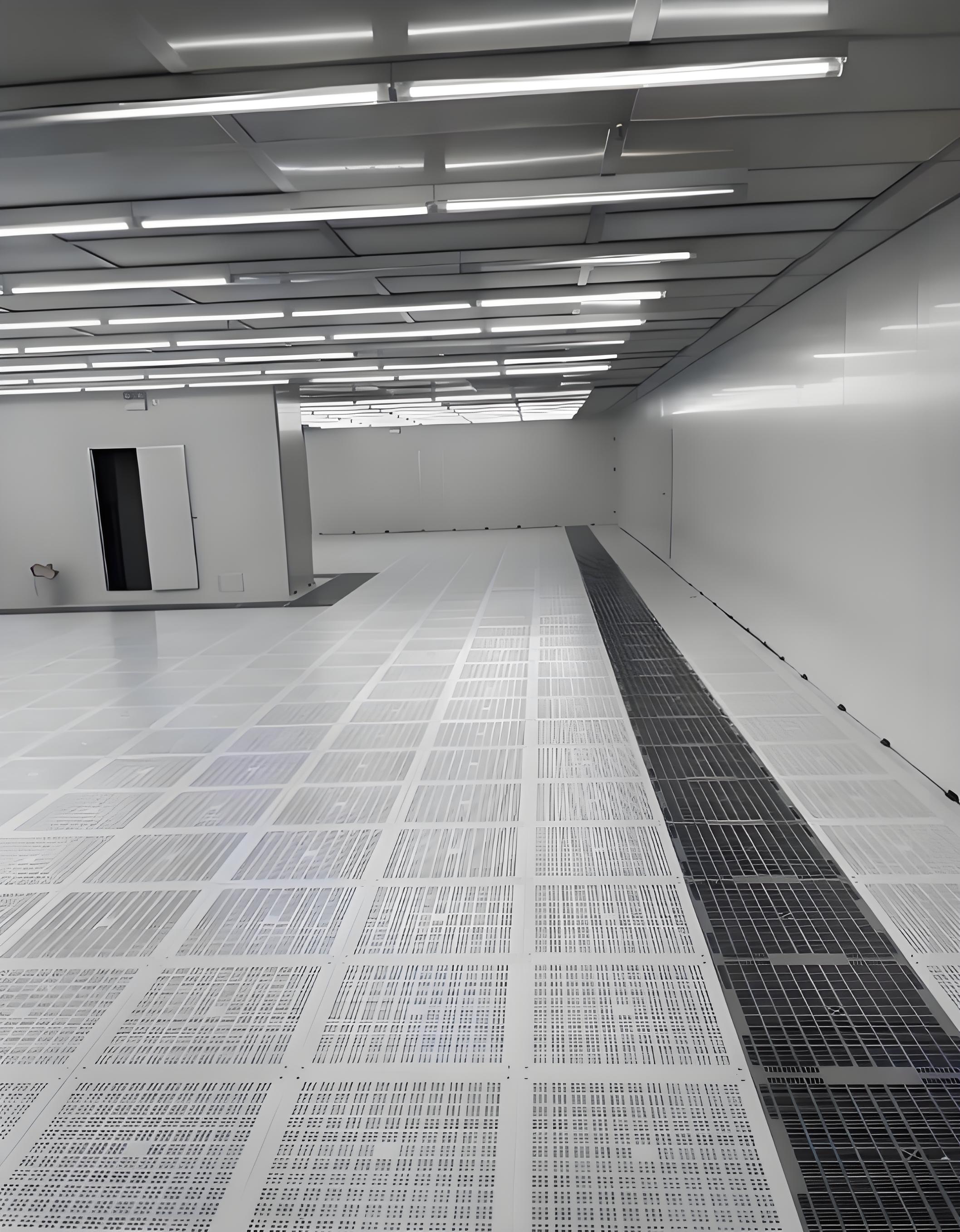
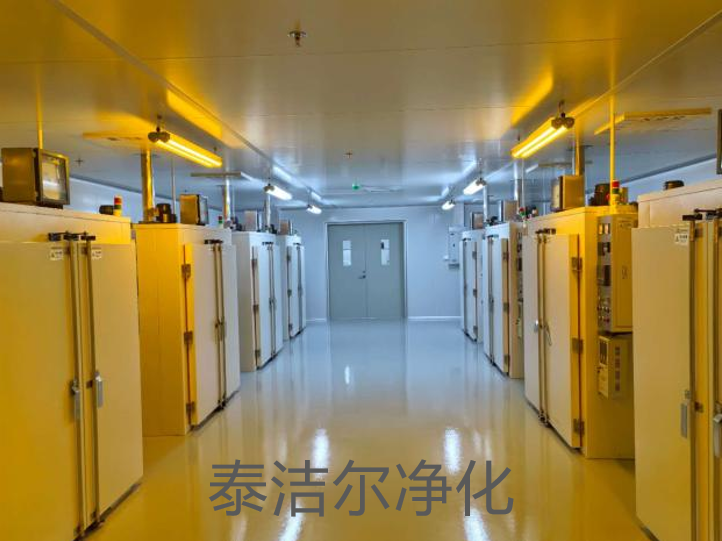
With over 500 successful laboratory decors for multinational R&D centers, TAI JIE ER employs a stage-gate process—from material qualification via ISO 846 mold resistance testing to final airborne particle count certification. Our turnkey approach integrates architectural millwork, fume exhaust coordination, and validation documentation. For a recent cell therapy GMP suite, TAI JIE ER delivered an ISO 7 cleanroom with modular pass-through chambers and continuous monitoring of pressure cascades, reducing construction waste by 40% through prefabricated wall cassettes. We provide a 12-year warranty on chemical-resistant flooring and junction sealing—ensuring that your laboratory decoration remains compliant through multiple research cycles.
Q1: What is the difference between laboratory decoration and standard
cleanroom construction?
A1: Laboratory decoration specifically
addresses finishing materials, surface junctions, and service integration
tailored to chemical, biological, or analytical workloads. Standard cleanroom
construction focuses on HVAC and filtration but may ignore chemical resistance
or vibration damping. A proper laboratory decoration project includes material
selection based on exposure scenarios (e.g., 30% hydrochloric acid splash),
flush-to-floor equipment supports, and self-regulating pressure damper
aesthetics.
Q2: How often should the laboratory decoration surfaces be recoated
or replaced?
A2: Epoxy and polyurethane floor coatings typically
last 8–12 years with proper maintenance. However, high-traffic areas or labs
using abrasive cleaning protocols (e.g., daily steam cleaning) may require
recoat at 5–6 years. Wall panels made of high-pressure laminate (HPL) endure
10–15 years unless physically damaged. Replace immediately if visible cracks,
delamination, or staining resistant to laboratory-grade disinfectants
appears.
Q3: Can existing conventional labs be retrofitted to meet ISO 7 or
ISO 8 cleanroom standards through decoration only?
A3: Partial
retrofits are possible if the base shell allows airtight sealing. A professional
laboratory decoration retrofit replaces porous ceiling tiles with sealed
cleanroom panels, installs seamless coving over existing floors, and seals all
wall penetrations. However, the HVAC system must be independently upgraded to
achieve required air changes (≥20 ACH for ISO 7). TAI JIE ER offers a pre-retrofit air
leakage test (ASTM E779) to identify viability.
Q4: Which material is superior for fume hood surrounding walls:
stainless steel or polypropylene?
A4: Stainless steel (type 316L)
provides excellent durability and easy cleaning but suffers pitting from
hydrochloric and hydrofluoric acid. Polypropylene (PP) is chemically inert for
most acids but has lower mechanical strength and is flammable (UL94 HB). For
mixed-acid labs, fiberglass-reinforced plastic (FRP) with a vinyl ester resin is
optimal. Always match the fume hood construction material to the wall cladding
to avoid galvanic corrosion.
Q5: How does laboratory decoration impact energy efficiency in
vivarium or cold-room environments?
A5: Poorly sealed wall joints
cause conditioned air leakage, increasing HVAC runtime by 25–30%. Using
vapor-barrier gypsum with foil facings and silicone-jointed modular panels
reduces thermal bridging. Additionally, painting reflective roof coatings
(emissivity ≥0.85) lowers cooling loads. A professional laboratory decoration
includes blower-door tests to certify ≤0.25 CFM/ft² at 75 Pa, directly cutting
energy bills.
Every research facility has unique chemical exposure profiles, cleanroom classes, and floor plan constraints. Our engineers at TAI JIE ER provide a no-obligation material compatibility assessment and 3D finite element model for pressure cascade validation. Contact us with your laboratory layout and process requirements to receive a detailed budget estimate and construction timeline. Secure your ISO/GMP compliance with evidence-based laboratory decoration solutions.
Send your inquiry to 912228126@qq.com or use the technical specification form on our website. We respond within 8 business hours with a preliminary material selection guide and case references.