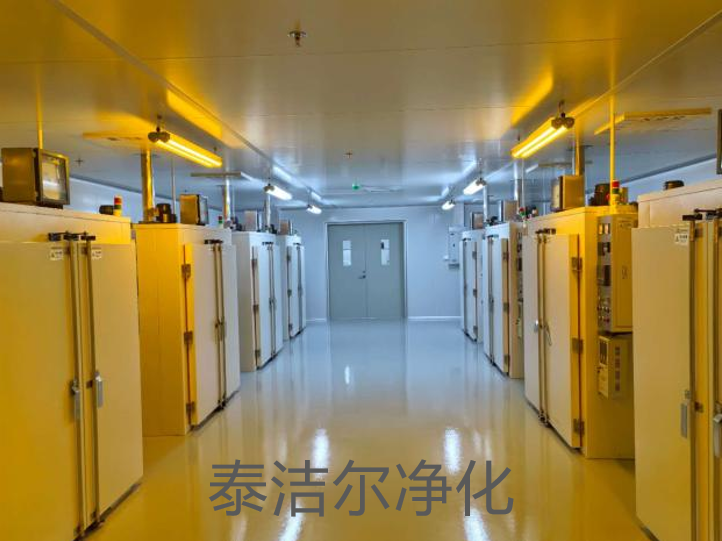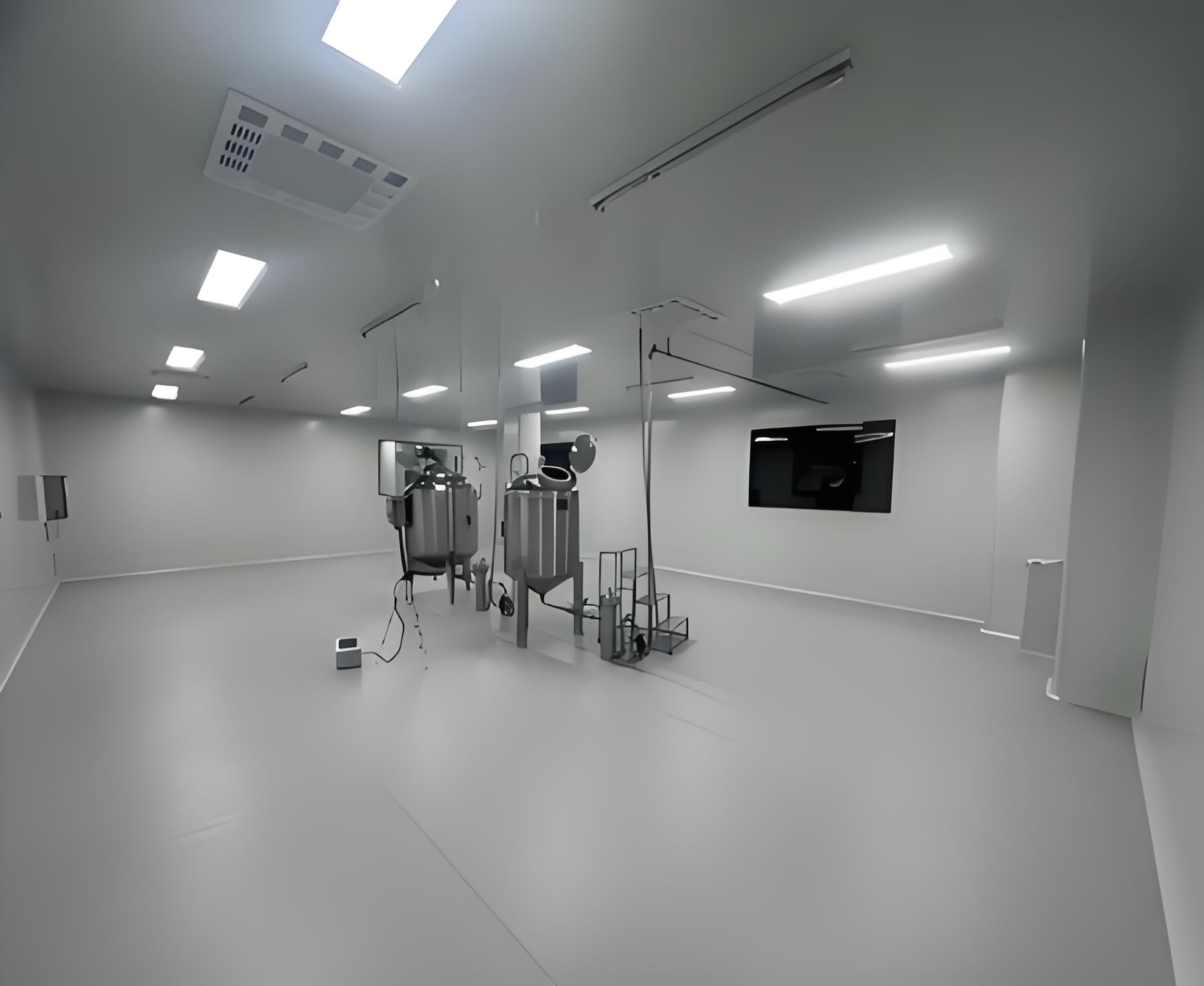
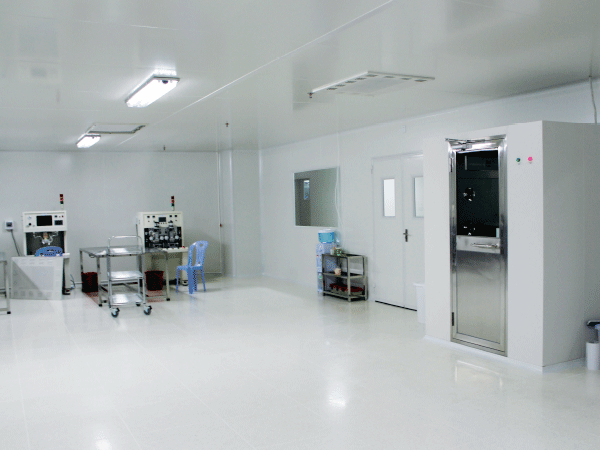

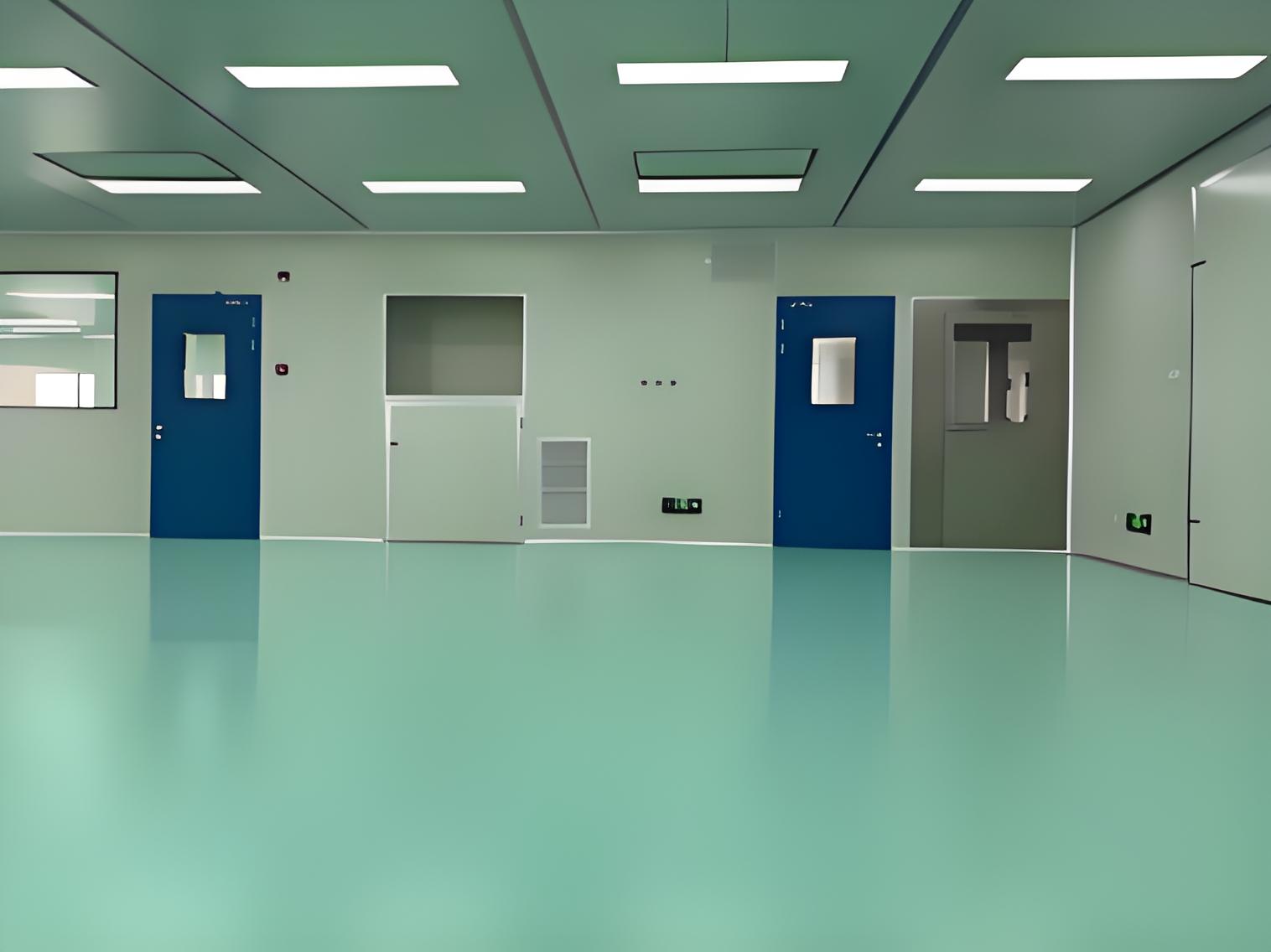
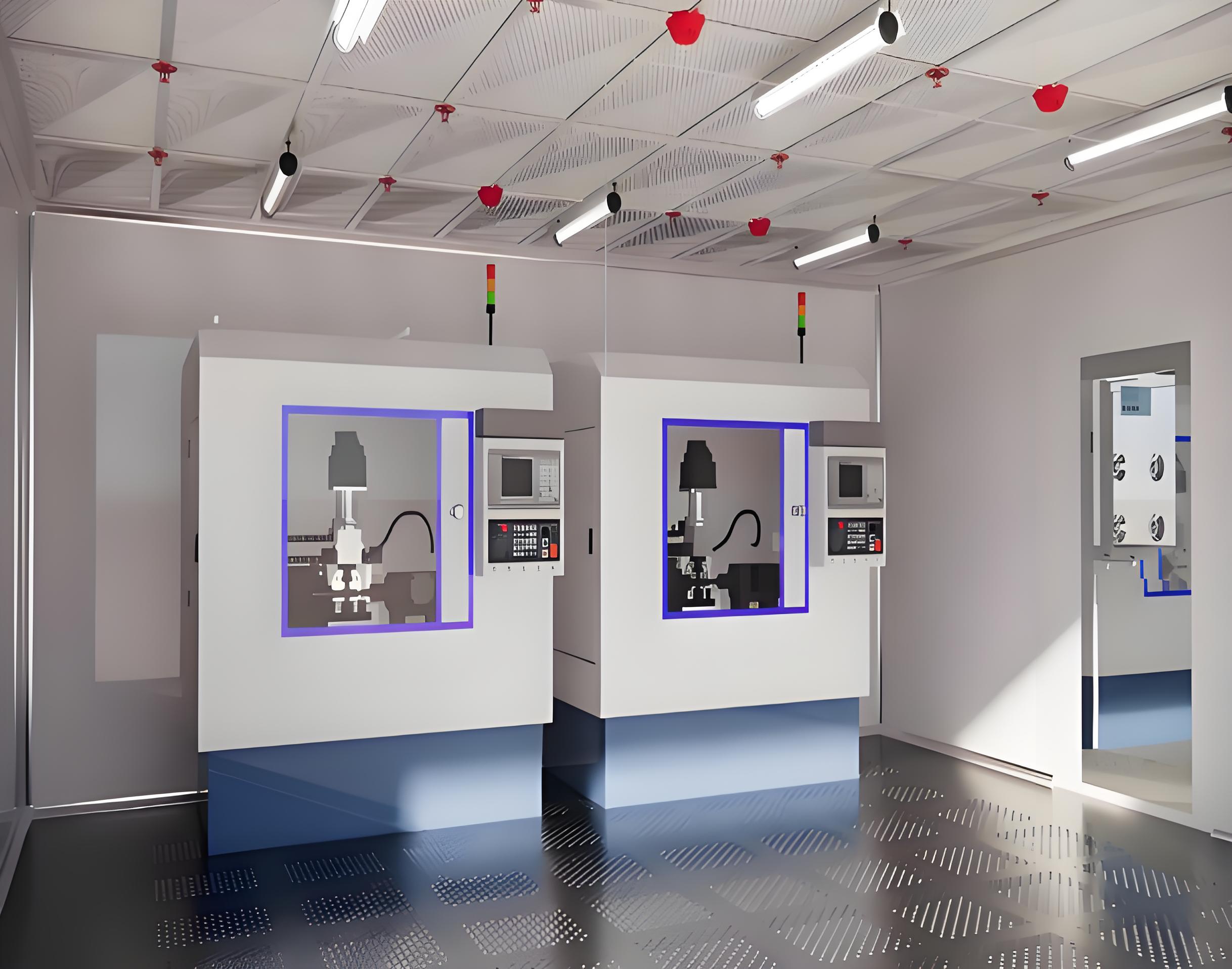
Successful contamination control in pharmaceutical filling, semiconductor lithography, or medical device assembly begins long before construction. The discipline of purification engineering design determines whether a cleanroom meets ISO 14644 class limits, sustains differential pressure hierarchies, and operates with predictable energy consumption. This article dissects seven non-negotiable parameters derived from over 200 industrial projects, integrating computational fluid dynamics (CFD) validation, material science, and risk-based commissioning. TAI JIE ER design team has applied these principles across cell therapy suites and wafer fabs, achieving first-pass qualification rates above 92%.
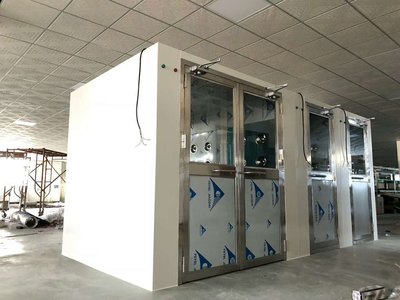
Every purification engineering design starts with a target ISO class (3 to 8) or equivalent GMP grade (A/B/C/D). Classification dictates the minimum air change rate (ACH), but smart design adjusts ACH based on heat load and particle generation profile. For ISO Class 7 (GMP Grade C), baseline ACH ranges from 40 to 60. However, a high-density filling line with automated stopper bowls may require 70 ACH to dilute particles near the emission source. Our design methodology uses:
Particle balance model – steady-state concentration = (particle emission rate) / (ACH × volume × filter efficiency).
Recovery test simulation – time to reduce particle count by factor 100 (target ≤ 20 minutes for ISO 7).
Non-unidirectional vs unidirectional zones – hybrid designs save 25% fan energy compared to full laminar flow.
Recent projects show that oversizing ACH by 20% “just for safety” increases annual HVAC cost by $12–18 per m². Instead, TAI JIE ER applies real-time particle counters at design phase to right-size ACH within ±7% tolerance.
Differential pressure mapping forms the second pillar. A well-designed cleanroom maintains cascading positive pressure (pharma) or negative pressure (BSL-3/cytotoxic). Pressure gradients must stay between 10–15 Pa from higher to lower cleanliness zones, with at least 5 Pa across any door. The design must account for:
Door opening dynamics – volume of air lost when a pass-through or personnel door opens (typical 0.5–1.2 m³ per swing).
Leakage path calculation – using orifice equation: Q = 0.827 × A × ΔP^(0.5) (metric units).
Redundant pressure-independent VAV dampers – maintain gradient even when two adjacent rooms change setpoints.
In one biotech facility, the original design ignored corridor door slamming effects, causing 40% transient contamination alerts. A revised purification engineering design incorporated pressure-reliability valves (PRVs) in return air risers, stabilizing ΔP within ±0.8 Pa during door cycles.
The selection between vertical laminar, horizontal laminar, or turbulent dilution flow impacts particle removal efficiency by a factor of 3–5. For ISO Class 5 (Grade A), unidirectional flow at 0.45 m/s ±20% is mandatory. For lower grades, non-unidirectional (turbulent) is acceptable but requires strategic diffuser placement. Design decisions incorporate:
CFD modeling of dead zones – corners behind equipment, under workbenches, or near structural columns.
Low turbulence displacement (LTD) – a hybrid delivering 0.2–0.3 m/s vertical flow with 25% less air volume than traditional unidirectional.
Return air positioning – low-wall returns for turbulent rooms vs. full perforated floors for laminar flow MRI suites.
A validated purification engineering design for a gene therapy lab replaced full laminar flow ceiling with localized mini-environments (biological safety cabinets + ceiling diffuser arrays). This reduced initial cost by 32% and maintained ISO Class 5 inside the critical zone.
HEPA/ULPA filter specification (H13, H14, U15) must match particle size concerns: H13 for ≥0.3 µm, U15 for ≥0.1 µm (semiconductor). Design must avoid common errors:
Filter facing velocity fatigue – keep below 1.2 m/s for H14 to prevent media tear.
Gel-seal vs knife-edge housings – gel provides lower leakage (≤0.005%) but requires annual re-gelling.
Fan-filter unit (FFU) density – calculate based on room average air velocity, not just coverage ratio.
Performance data from TAI JIE ER installations shows that misaligned filter housings account for 70% of failed PAO scans. The design now mandates laser-aligned mounting brackets and pre-installation leak testing at the factory.
Walls, floors, and ceilings directly affect particle shedding, cleanability, and chemical resistance. The design must define material specifications before architectural detailing. Key variables:
Surface roughness (Ra) – Ra ≤0.8 µm for pharma, ≤0.4 µm for aseptic filling suites.
Electrostatic dissipation (ESD) – 10^4 to 10^11 Ω for electronics assembly, anti-static PVC or epoxy.
Coving radius – minimum 40 mm radius at wall-floor junctions for sanitary weld-free corners.
Outgassing limits – total mass loss <1.0%, collected volatile condensable material <0.1% (ASTM E595).
For biological facilities, the design specifies antimicrobial sealants containing silver-doped glass particles. A recent contract manufacturer avoided three recall events by implementing closed-cell polyurethane sealants specified in the purification engineering design phase.
Equipment heat gain (machines, lights, operators) must be offset by cooling capacity, but oversized AHUs waste energy. A precise design calculates:
Sensible heat from personnel – 130 W/person for light assembly, 180 W/person for gowning areas.
Fan heat gain – 0.3 to 0.5 kW per 1,000 m³/h.
Outdoor air moisture load – enthalpy wheel or run-around coil to reduce reheat energy by 35%.
One 1,200 m² ISO Class 8 facility using optimized purification engineering design lowered annual cooling energy by 210 MWh via demand-controlled outdoor air and VFD fan arrays. The added cost of energy modeling was recovered in 11 months.
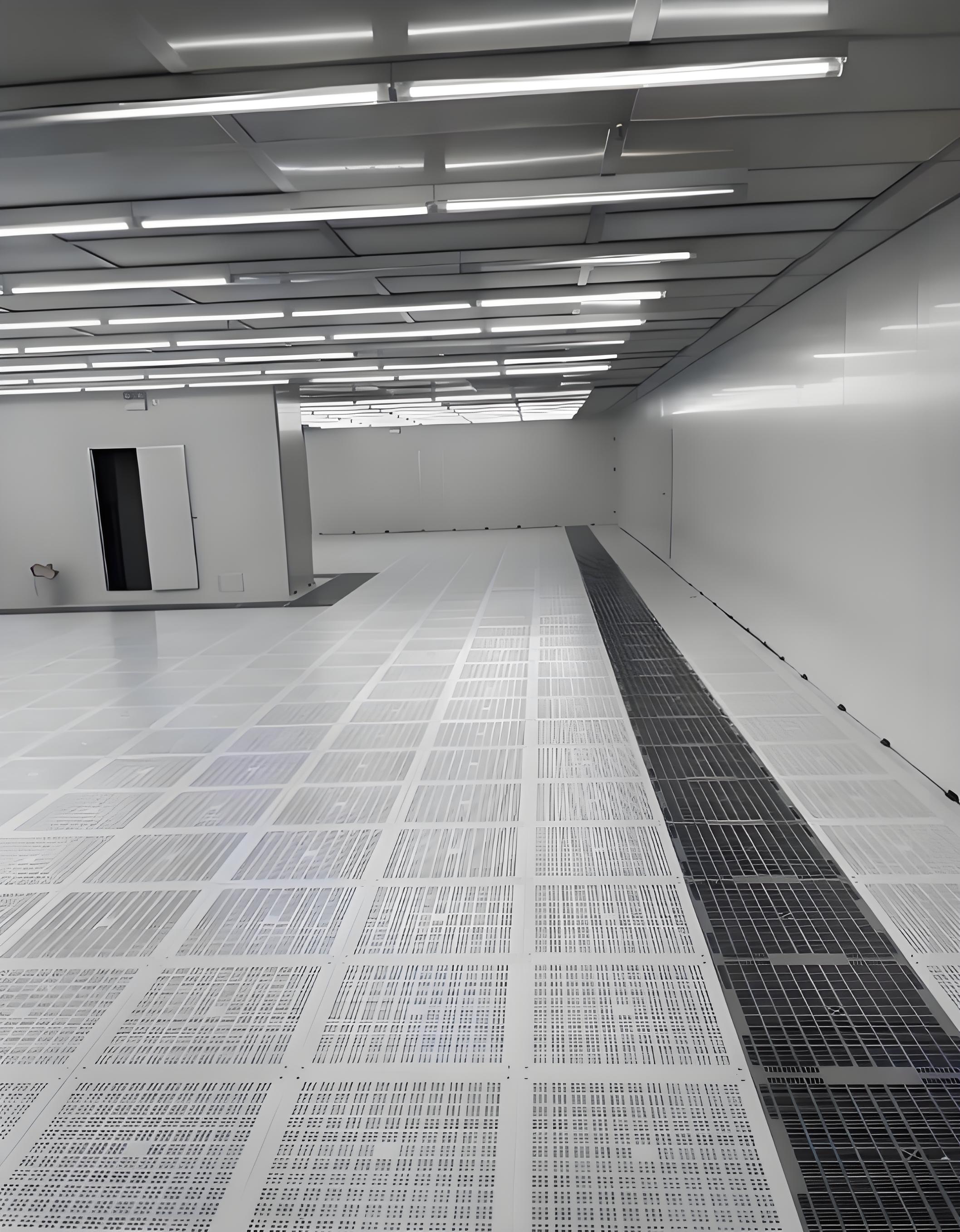
No design is complete without a validation plan. The specification must include acceptance criteria for:
Particle count test (ISO 14644-1) – number of sampling locations, minimum air volume.
Filter leak test (PAO or DEHS) – ≤0.01% upstream penetration for H14 filters.
Airflow visualization (smoke studies) – documented video showing no stagnant zones or reverse flow.
Pressure differential alarms – setpoint deviation ±3 Pa with SMS/email notification.
Alarm management often overlooked: After-handover, operators receive 50+ daily nuisance alarms from over-sensitive thresholds. A best-practice design applies statistical process control (mean + 3 sigma) for pressure bands, decreasing false alarms by 70%. TAI JIE ER includes 12-month alarm optimization as part of standard handover.
While the seven parameters apply broadly, industry‑specific nuances demand design adjustments:
Cell & gene therapy (CGT) – small batch, high-risk; design for isolated grade A enclosures with rapid transfer ports.
Injectable manufacturing – unidirectional flow over sterilizing filters and filling needles; low-turbulence fill zone.
Advanced packaging (semicon) – minienvironment with 0.1 µm ULPA filters, vibration isolation.
Medical device assembly – anti-static benches, ionizing blowers, and modular softwall booths.
Each design package from purification engineering design specialists includes a risk assessment FMEA table, construction tolerance maps, and operator workflow simulation.
Q1: What is the difference between purification engineering design and standard cleanroom design?
A1: Standard cleanroom design focuses on basic ISO class and HEPA coverage. Purification engineering design extends to contamination source mapping, CFD validation, real‑time monitoring integration, and future expansion flexibility. It treats contamination as a systems problem, not just an equipment selection. Learn more about our layered design approach.
Q2: How do you calculate the optimal number of HEPA filters for a 200m² ISO Class 7 room?
A2: First, determine target ACH (e.g., 55). Multiply by room volume (200 × 2.8 m = 560 m³) → 30,800 m³/h. Use FFU airflow rating (standard 1,200 m³/h at 120 Pa static). Result: 26 FFUs. Then adjust for heat load — each kW extra heat adds 5% to ACH requirement. A detailed engineering design always runs a psychrometric simulation before final count.
Q3: What software tools do professionals use in purification engineering design?
A3: Mainstream tools include SolidWorks Flow Simulation for CFD, CONTAM for pressure infiltration modelling, and REVIT MEP with ASHRAE toolkit. For cleanroom-specific tasks, Particle Visualization Toolkit (PVT) and EasyCleanroom software accelerate filter layout. TAI JIE ER uses a proprietary particle dispersion model validated with actual smoke tests.
Q4: Can purification engineering design help reduce operational costs for an existing cleanroom?
A4: Absolutely. A re‑design can lower ACH during unoccupied shifts (setback mode), install variable frequency drives on return fans, replace aging gel-seal filters with low‑resistance pocket filters (pre‑filters), and implement pressure-independent air valves. Typical operational savings range from 25% to 40% without compromising cleanliness certification.
Q5: How long does it take to complete a full purification engineering design package for a 500m² facility?
A5: Based on complexity: 4–6 weeks for conceptual design (block diagrams, ACH targets, zoning), 6–8 weeks for detailed engineering (shop drawings, CFD, MEP coordination), and 2 weeks for validation protocol writing. In parallel, equipment long-lead items (FFUs, gel housings) are ordered to shorten overall project schedule.
Q6: What documentation should be included in the final design report?
A6: A thorough report contains: room data sheets (size/class/ACH/pressure), filter layout drawings with Q‑number, airflow volume balance table, pressure cascade matrix, material take-off list, commissioning test plan, and risk assessment for each process step. Also, a “design basis” section explaining every key assumption.
Need a custom purification engineering design for your pharmaceutical, semiconductor, or biotech project? Every production environment has unique particle challenges, regulatory requirements, and workflow patterns. The engineering team at TAI JIE ER offers end‑to‑end design services — from classification studies and CFD simulations to final validation documentation. Submit your project parameters (cleanroom class, floor area, process description, and local climatic data) for a no‑obligation technical proposal.
Start your inquiry now: Use our official contact form or email the design desk directly. A senior engineer will respond within 24 hours with feasibility analysis and rough order of magnitude (ROM) cost estimate.