
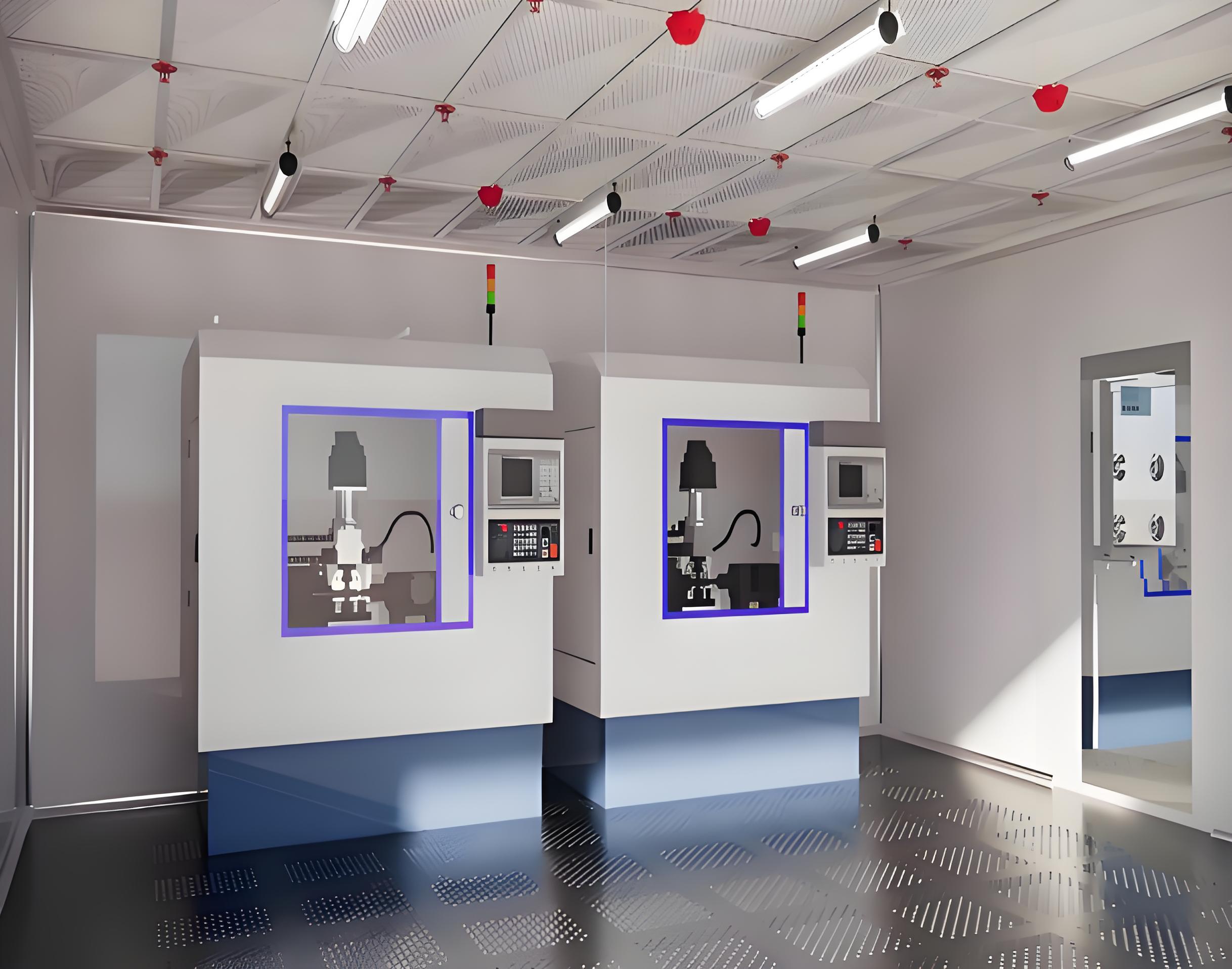
In the fields of pharmaceutical manufacturing, biotechnology, and medical device production, the maintenance of environment integrity is not merely a regulatory requirement but a fundamental necessity for product safety. A Sterile room represents the pinnacle of controlled environment engineering, designed specifically to eliminate viable organisms and minimize particulate matter. Achieving this level of purity requires a multifaceted approach that integrates advanced HVAC systems, specialized construction materials, and rigorous operational protocols.
The engineering philosophy behind these environments has shifted from simple filtration to comprehensive bio-contamination control. High-stakes industries now demand systems that can maintain stringent parameters under varying operational loads. Expert firms like TAI JIE ER provide the technical framework necessary to transition from standard cleanroom designs to high-performance aseptic spaces that meet international standards such as ISO 14644 and GMP Annex 1.
The primary mechanism for maintaining a Sterile room is the continuous supply of HEPA (High-Efficiency Particulate Air) or ULPA (Ultra-Low Penetration Air) filtered air. However, the efficiency of the filter is only one part of the equation; the movement of that air within the space determines the actual cleanliness level achieved at the working height.
For high-grade aseptic areas (such as Grade A or ISO 5), unidirectional or laminar airflow is indispensable. This system ensures that filtered air moves in a single direction, typically vertically from the ceiling to the floor, at a constant velocity (usually 0.45 m/s ± 20%). This "piston" effect pushes contaminants away from the sterile field and toward the return air vents, preventing the accumulation of airborne microbes. In contrast, non-unidirectional flow is used in less demanding areas (Grade C or D), relying on high air change rates to dilute contaminants through turbulent mixing.
Modern sterile environments utilize H14 HEPA filters, which are capable of capturing 99.995% of particles at the Most Penetrating Particle Size (MPPS). In advanced biotechnology applications, ULPA filters may be deployed to capture particles as small as 0.1 microns. The placement of these filters—typically terminal ceiling mounts—ensures that no ductwork bypasses can introduce unfiltered air into the environment. Monitoring the pressure drop across these filters is a pivotal maintenance task, as a clogged filter can compromise the entire pressure gradient of the facility.
The physical structure of a Sterile room must be inert, non-shedding, and capable of withstanding aggressive decontamination agents. Traditional construction materials fail these requirements due to porosity and the potential for off-gassing.
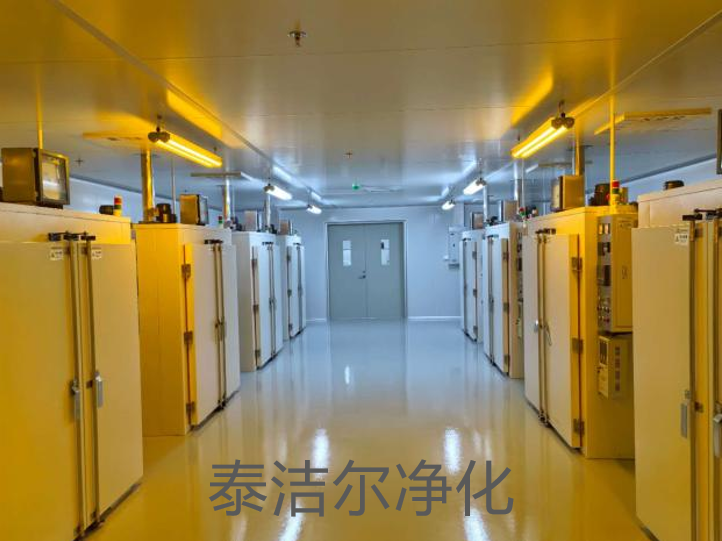
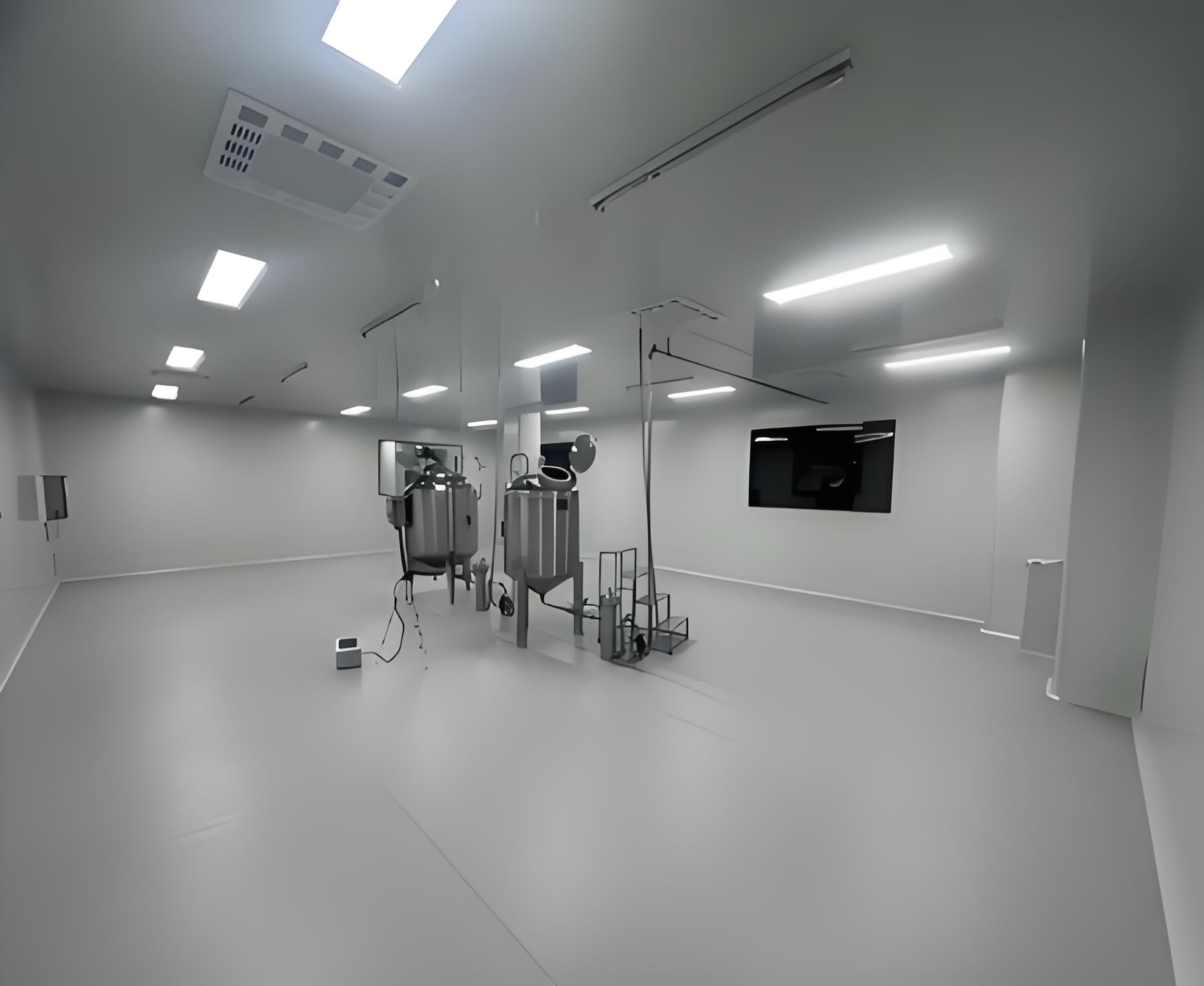
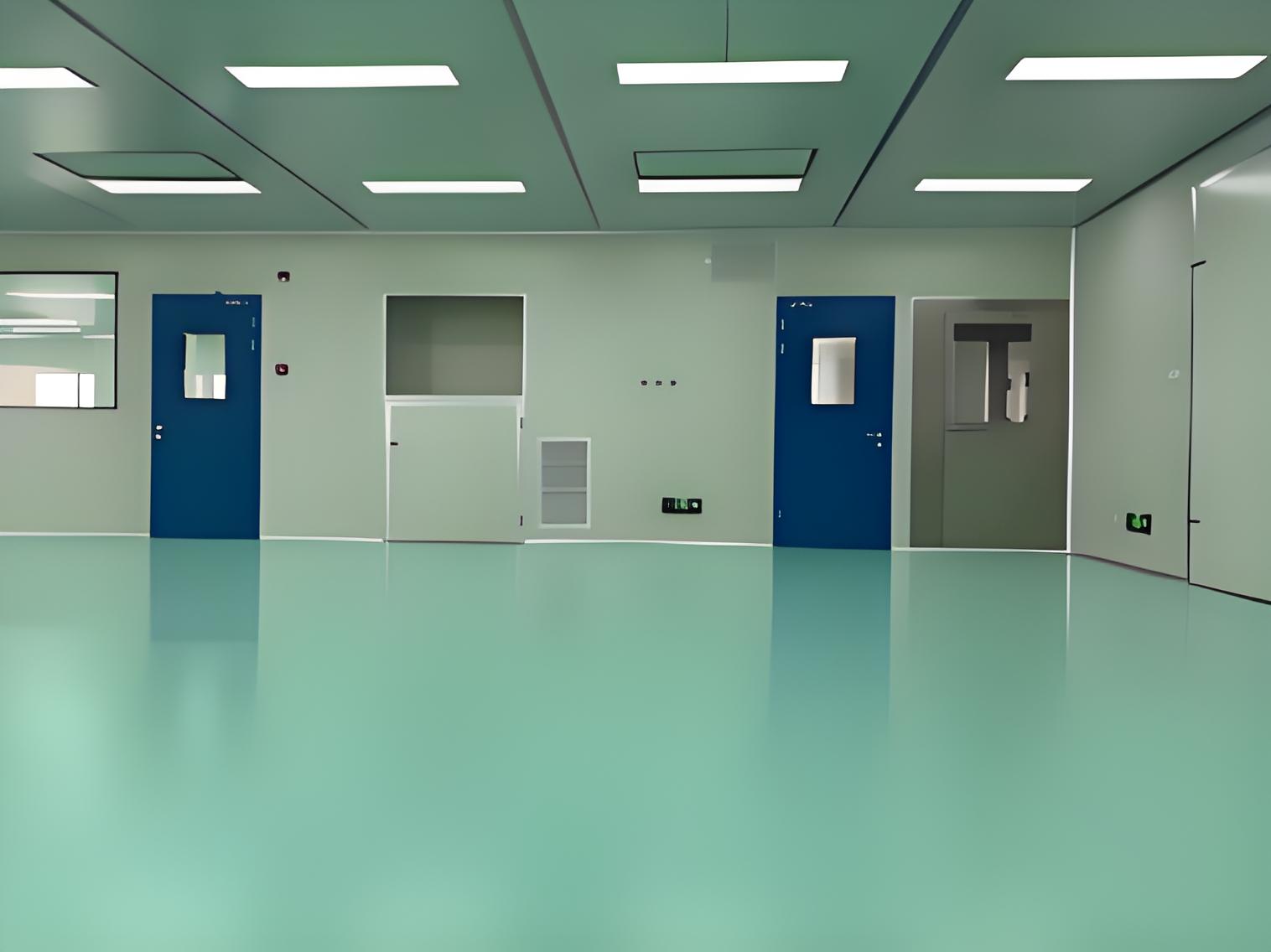
Standard practice involves the use of sandwich panels, often featuring an aluminum honeycomb or rock wool core, encased in galvanized steel with a PVDF or specialized epoxy coating. These panels are chosen for their flatness and rigidity. TAI JIE ER emphasizes the importance of flush-mounting all components, including windows and electrical outlets, to eliminate ledges where dust can settle. The use of coved corners—curved transitions between walls, floors, and ceilings—is a requirement to facilitate effective mechanical cleaning.
Flooring must be seamless and resistant to both chemical spills and heavy equipment loads. Self-leveling epoxy or high-quality PVC vinyl with welded seams are the industry standards. These materials provide a non-porous surface that inhibits microbial growth. Furthermore, the flooring system must be integrated with the wall panels via a radius cove to ensure that the perimeter of the room remains as easy to disinfect as the center.
A Sterile room does not exist in isolation; it is part of a complex hierarchy of spaces with varying cleanliness levels. Maintaining a positive pressure gradient relative to surrounding areas is the primary defense against infiltration. Typically, a pressure differential of 10 to 15 Pascals is maintained between adjacent rooms of different grades.
Modern HVAC systems utilize Variable Air Volume (VAV) boxes and sophisticated building automation systems (BAS) to modulate air supply and exhaust in real-time. This ensures that even when doors are opened or personnel move between zones, the pressure hierarchy remains intact. In facilities handling hazardous biological agents, a negative pressure regime may be required for containment, necessitating even more complex "bubble" or "sink" airlock configurations to protect both the product and the external environment.
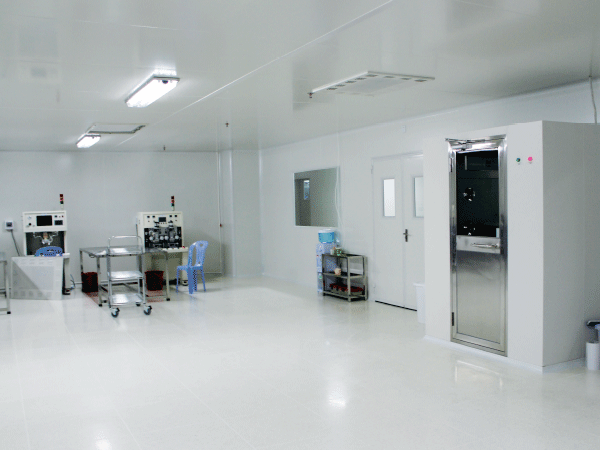
Airlocks serve as the transition point for both personnel and materials. Mechanical or electronic interlocking systems prevent both doors of an airlock from being open simultaneously, which would cause an instantaneous loss of pressure. For material transfer, specialized pass-through boxes—often equipped with UV sterilization or VHP (Vaporized Hydrogen Peroxide) ports—are utilized to move components into the sterile zone without compromising the environment.
One of the most persistent challenges in sterile engineering is the human element. Personnel are the primary source of particulate and microbial shedding. Even with high-quality gowning, a single technician can shed thousands of skin cells and bacteria-carrying particles per minute. Addressing this requires a combination of engineering controls and strict operational discipline.
Manual wiping with sporicidal agents is prone to human error. To mitigate this, many facilities are integrating automated VHP systems. These systems vaporize H2O2 to achieve a 6-log reduction in microbial population throughout the Sterile room. The integration of VHP requires careful selection of materials, as some plastics and metals can degrade when exposed to high concentrations of hydrogen peroxide over multiple cycles.
Another common industry pain point is the lag time between contamination events and their detection. Traditional settle plates and active air samplers require incubation periods. The industry is moving toward Real-Time Microbial Monitoring (RTMM), which uses laser-induced fluorescence to detect viable particles instantly. Implementing these systems allows for immediate corrective actions, potentially saving entire batches of product from contamination-related losses.
Compliance with GMP (Good Manufacturing Practice) is the baseline for any sterile facility. The recent updates to EU GMP Annex 1 have placed a heavier emphasis on Contamination Control Strategy (CCS). This requires manufacturers to look at their facility not as a collection of parts, but as a unified system where every element—from the HVAC to the gowning protocol—works in harmony.
The journey to a functional sterile environment includes rigorous validation phases:
Design Qualification (DQ): Ensuring the blueprints meet all regulatory and process requirements.
Installation Qualification (IQ): Verifying that all equipment and materials are installed according to the design specifications.
Operational Qualification (OQ): Testing the systems (HVAC, pressure, alarms) in an "at-rest" state.
Performance Qualification (PQ): Demonstrating that the room maintains its sterile parameters during "in-operation" conditions with personnel present.
Working with an experienced partner like TAI JIE ER ensures that these validation stages are documented with the precision required by regulatory auditors. This level of technical oversight is what distinguishes a standard cleanroom from a truly reliable aseptic environment.
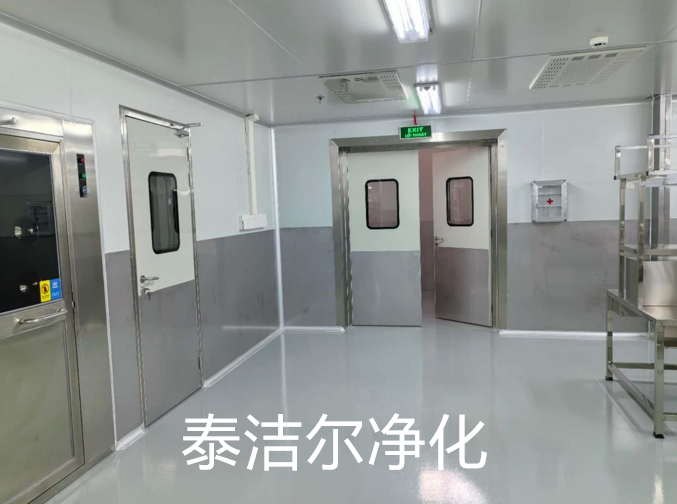
The requirements for a Sterile room vary significantly depending on the end-use. For example, in compounding pharmacies, the focus is on the protection of the individual prescription and the technician. In large-scale vaccine manufacturing, the focus shifts to high-throughput sterility and the management of large volumes of waste air and liquid.
The burgeoning CGT sector requires highly flexible sterile spaces. Since many of these products are "patient-specific," the risk of cross-contamination between batches is a major concern. This has led to the rise of modular cleanroom designs and the use of closed-system isolators within the sterile environment, providing an extra layer of protection and allowing for more efficient use of space.
For orthopedic implants or cardiovascular stents, sterility is vital to prevent post-operative infections. These facilities often require large assembly areas with integrated laminar flow hoods over specific workstations. The challenge here is maintaining the air quality over a large footprint while managing the heat load generated by assembly machinery and packaging equipment.
Building and maintaining a high-performance sterile environment is a complex engineering feat that demands attention to detail at every level. From the micron-level filtration of the air to the chemical resistance of the wall coatings, every component plays a role in the broader contamination control strategy. By addressing the technical pillars of airflow, material science, and pressure management, facilities can achieve the rigorous standards required by modern medicine and biotechnology.
As regulations become more stringent and the complexity of biological products increases, the role of expert engineering becomes even more pronounced. A well-designed Sterile room is more than just a clean space; it is a vital tool for innovation and a safeguard for public health. Ensuring its reliability requires constant monitoring, expert maintenance, and a commitment to the highest standards of cleanroom technology.
Q1: What is the main difference between a cleanroom and a sterile room?
A1: While both environments control particulate matter, a sterile environment specifically targets the elimination of all viable microorganisms (bacteria, viruses, fungi). A cleanroom may be "clean" in terms of dust particles but not necessarily "sterile" unless specific bio-decontamination protocols and filtration levels are in place.
Q2: How often should HEPA filters be tested in an aseptic environment?
A2: According to ISO 14644 and GMP guidelines, HEPA filter integrity testing (leak testing) should typically be performed every 6 to 12 months. However, more frequent testing may be required if pressure sensors indicate a deviation or after any significant maintenance work within the HVAC system.
Q3: Why is humidity control important in these spaces?
A3: Humidity control is fundamental for two reasons: First, high humidity can encourage microbial growth and cause discomfort for personnel, leading to increased shedding. Second, low humidity can lead to static electricity buildup, which can attract particles to sterile surfaces and damage sensitive electronic components.
Q4: Can UV lights replace chemical disinfection?
A4: UV-C light is an effective supplement for surface and air disinfection, but it cannot replace mechanical cleaning and chemical wiping. UV light only works on surfaces within its direct line of sight and its effectiveness decreases with distance and lamp age. It is best used as an overnight or secondary decontamination measure.
Q5: What are the gowning requirements for a Grade A sterile area?
A5: Gowning for Grade A areas usually involves sterilized, non-shedding coveralls, hoods, face masks, gloves, and boots. No skin should be exposed. The gowning process itself must be validated through "gowning qualification," where the exterior of the suit is sampled for microbial growth after the operator enters the room.
Looking for a partner to design or optimize your sterile facility?
At TAI JIE ER, we specialize in delivering turnkey cleanroom and sterile engineering solutions that meet the most demanding international standards. Our team of experts is ready to help you navigate the complexities of bio-contamination control and facility validation. Contact us today to discuss your project requirements and secure the integrity of your production environment.