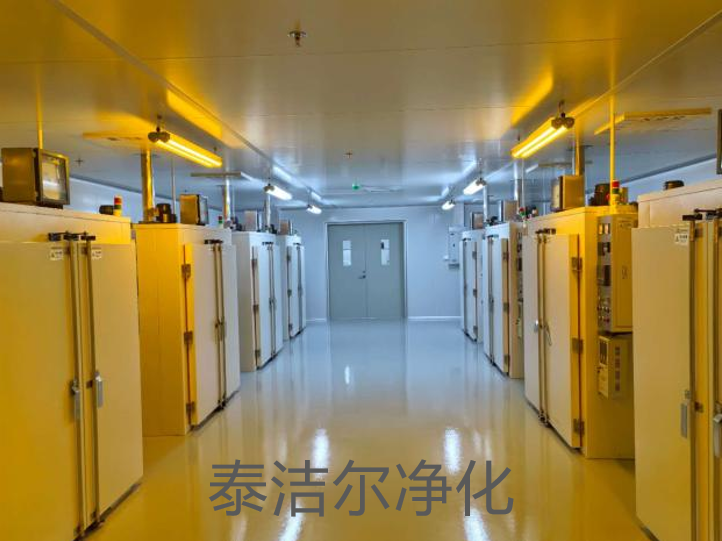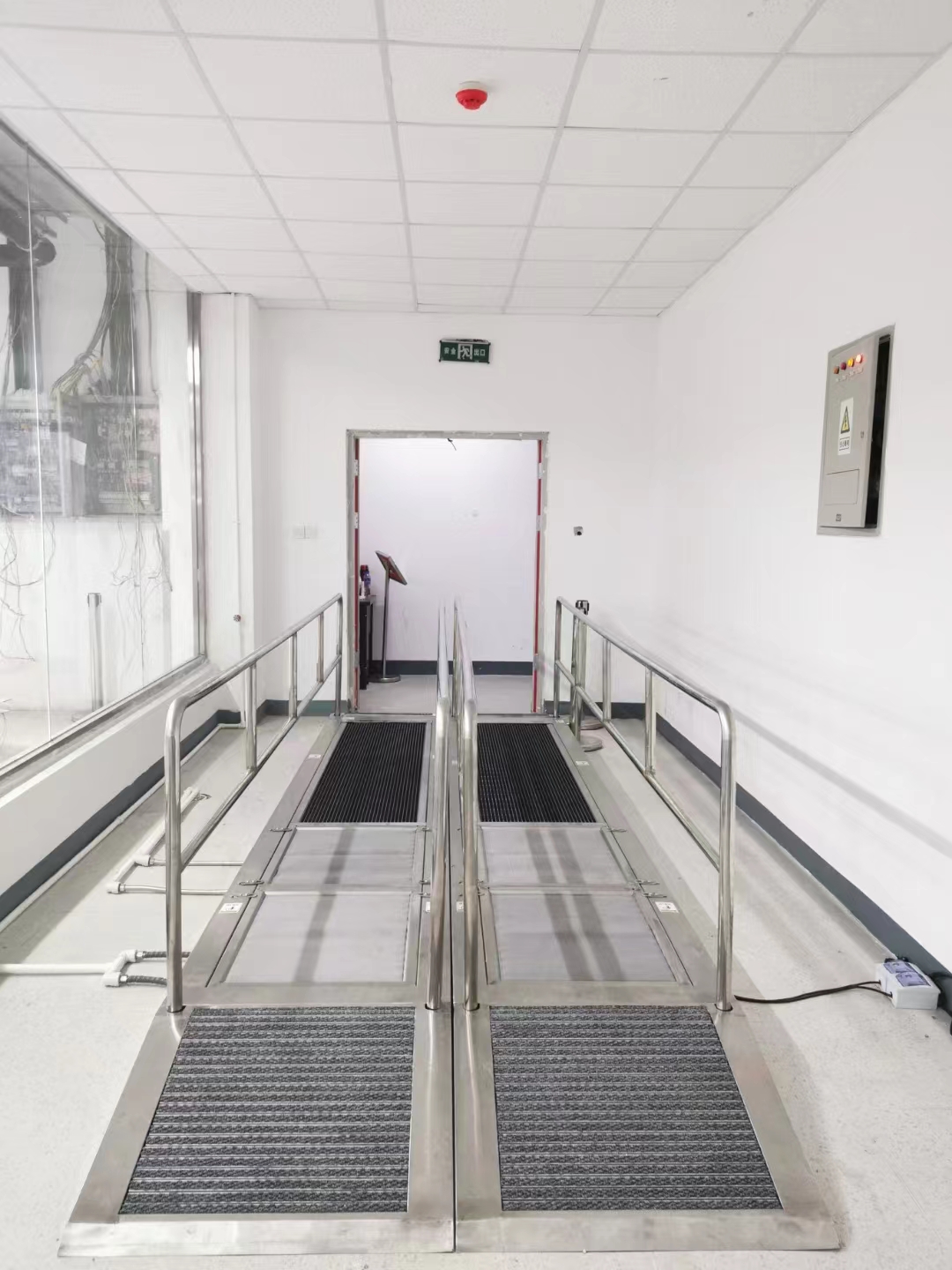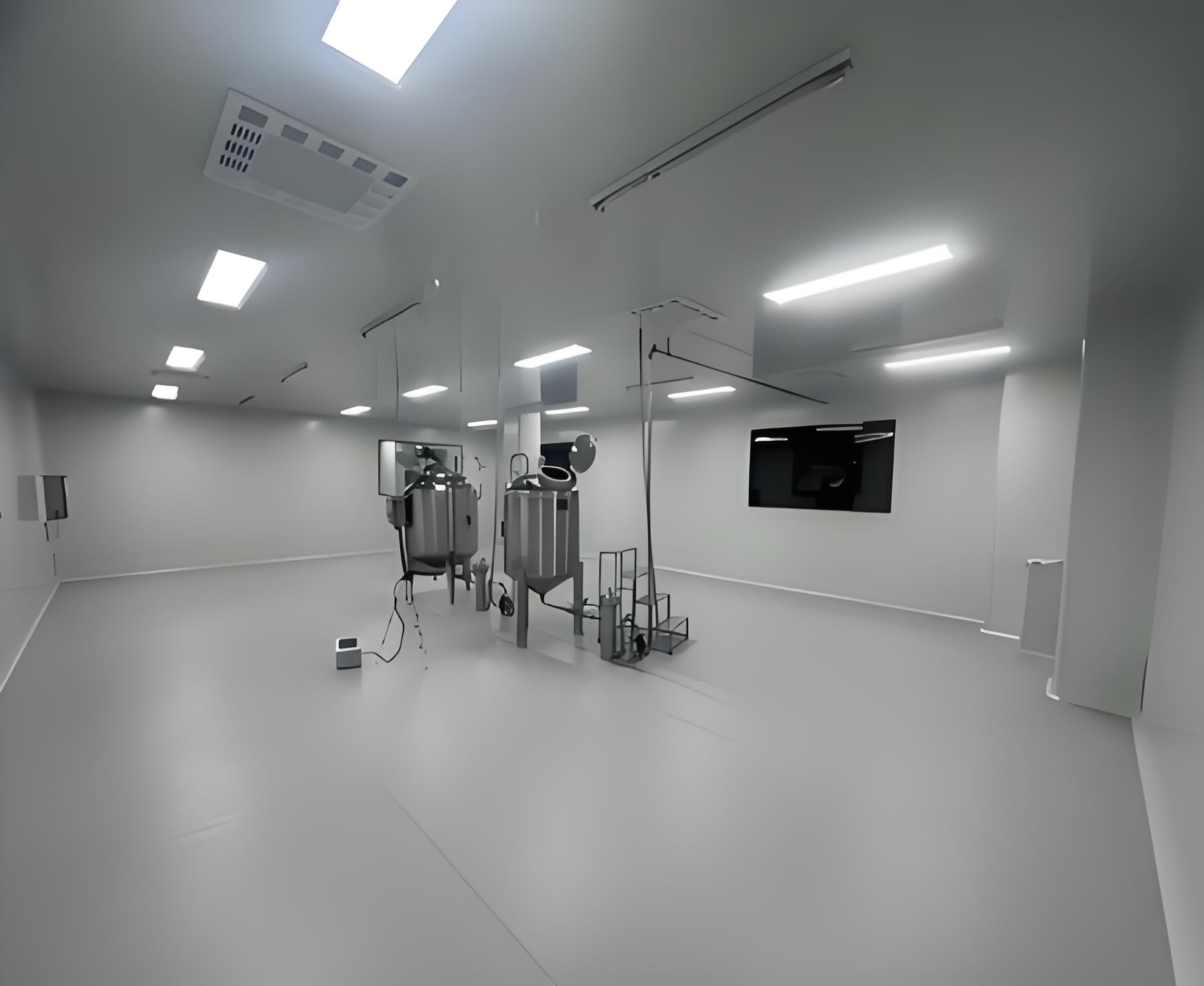
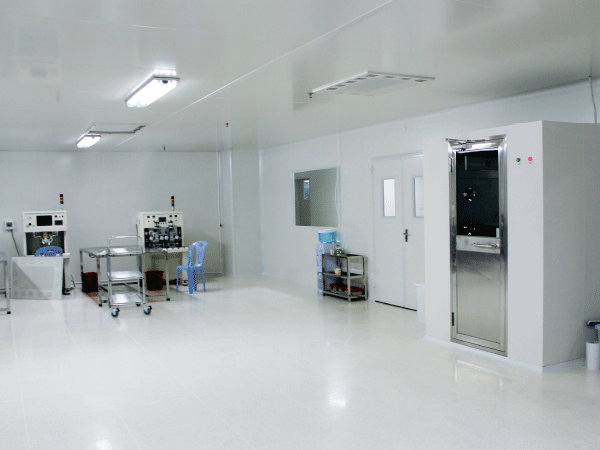

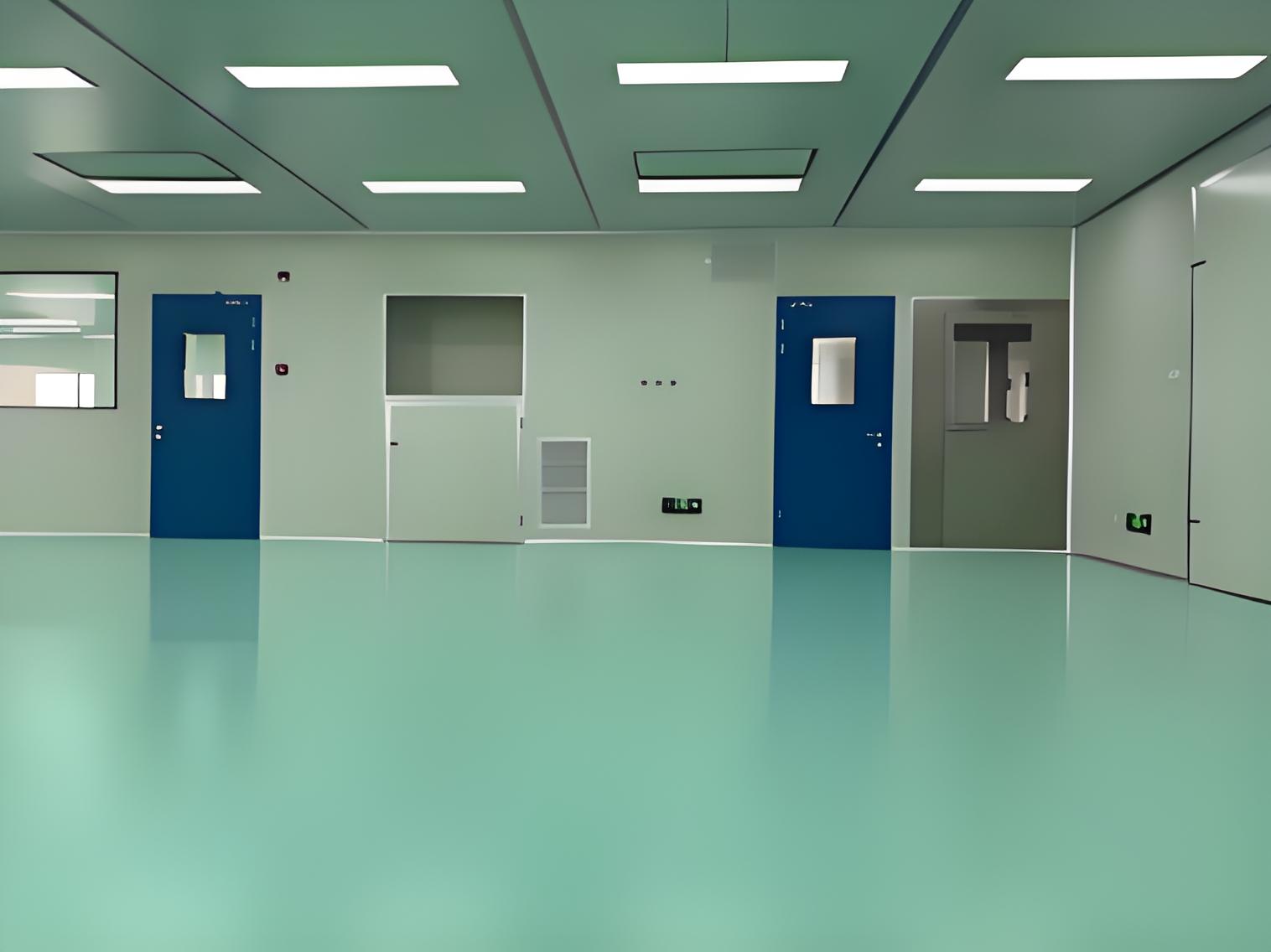
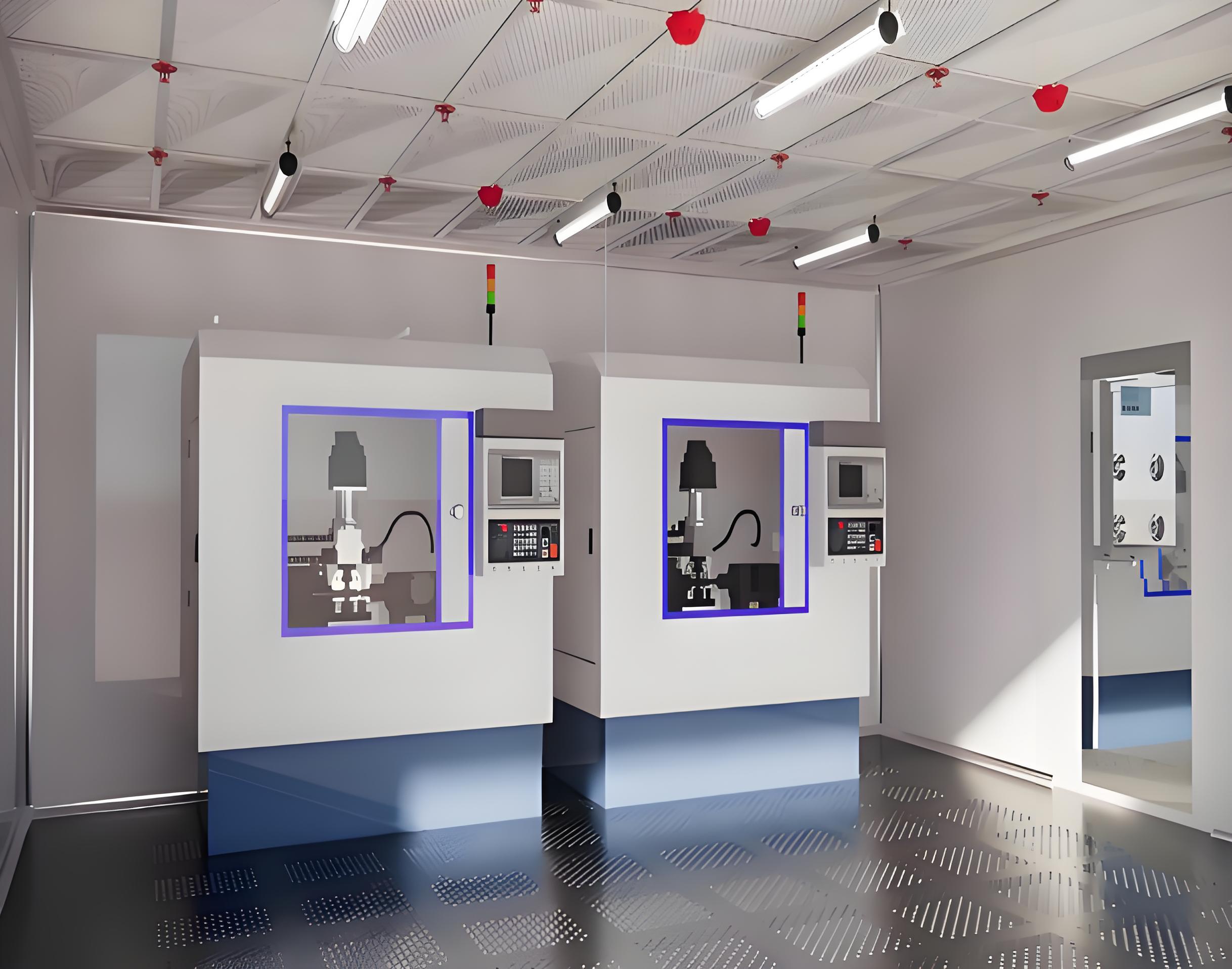
The architecture of a modern Laboratory has transitioned from simple workbench configurations to highly integrated, digitally controlled environments. For organizations in the pharmaceutical, chemical, and academic sectors, the design of these spaces dictates the accuracy of research data and the safety of personnel. Achieving a high-functioning facility requires a meticulous synthesis of mechanical engineering, material science, and safety protocol integration. Professional firms such as TAI JIE ER provide the necessary expertise to navigate these complex requirements, ensuring that every square meter of the facility adheres to international standards like ISO 17025 and SEFA guidelines.
Engineering a Laboratory involves more than just selecting furniture; it requires a deep understanding of fluid dynamics, chemical compatibility, and air management. Whether the facility is intended for analytical chemistry, microbiology, or high-throughput screening, the underlying infrastructure must be robust enough to handle high operational demands while remaining flexible for future technological shifts.
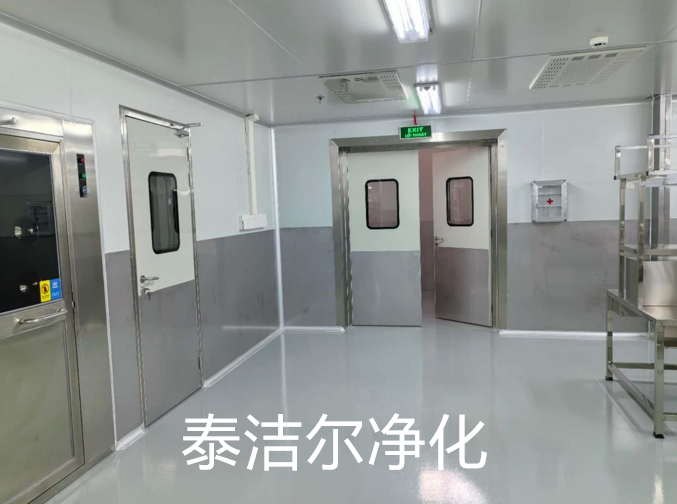
The most pivotal component of any facility handling volatile or hazardous substances is the ventilation system. Unlike standard office HVAC, lab ventilation must manage high air change rates (ACH) while maintaining precise pressure differentials to prevent the migration of contaminants.
The laboratory fume hood is the primary defense against inhalation hazards. Modern engineering favors Variable Air Volume (VAV) systems over Constant Air Volume (CAV). VAV systems adjust the exhaust volume based on the sash height, maintaining a constant face velocity (typically 0.5 m/s or 100 fpm). This not only ensures safety but also reduces the load on the makeup air units. Every installation should undergo ASHRAE 110 testing, which involves flow visualization (smoke tests) and tracer gas detection to verify that no containment leaks exist at the user interface.
Standard guidelines typically suggest 6 to 12 air changes per hour depending on the chemical load. However, the synchronization between exhaust and supply air is where many designs fail. If makeup air is not introduced smoothly, it can create turbulence that disrupts the laminar flow inside fume hoods. Advanced building automation systems are utilized to maintain a "net negative" pressure in chemical labs, ensuring that air always flows from the corridors into the workspace, never the reverse.
The longevity of a Laboratory is often determined by the chemical resistance of its horizontal surfaces. Exposure to strong acids, bases, and organic solvents necessitates the use of non-porous, inert materials.
Epoxy Resin: The industry standard for heavy-duty chemical labs. It is a monolithic material that offers excellent resistance to heat and most corrosive reagents. Its durability against physical impact makes it ideal for areas with heavy instrumentation.
Phenolic Resin: A high-pressure laminate that is lightweight and highly resistant to moisture and chemicals. It is particularly effective in microbiological labs where frequent disinfection is required.
Stainless Steel (304 or 316 Grade): Necessary for sterile environments and radioactive isotope labs. It is easy to decontaminate and offers superior resistance to heat, though it can be susceptible to pitting from concentrated chloride solutions.
Ceramic Worktops: Favored in high-temperature applications and specialized analytical settings due to their near-total immunity to chemical attack and extreme heat.
Managing fluids in a Laboratory requires specialized piping and purification systems. Standard PVC or copper is often insufficient for handling chemical waste or maintaining the integrity of ultrapure water.
Effluent from lab sinks often contains corrosive substances that can degrade standard municipal piping. High-density polyethylene (HDPE) or polypropylene (PP) with fusion-welded joints is preferred for its chemical inertness. Additionally, neutralization tanks must be installed to balance the pH of the waste before it enters the public sewer system, preventing legal and environmental repercussions.
Research protocols often require water that exceeds municipal standards. Engineering these systems involves a multi-stage approach:
Type III (Reverse Osmosis): Used for general glassware rinsing and feed water for autoclaves.
Type II (Deionized): Suitable for general laboratory buffers and reagents.
Type I (Ultrapure): Necessary for analytical techniques like HPLC, GC-MS, and molecular biology. This water must have a resistivity of 18.2 MΩ·cm and minimal Total Organic Carbon (TOC).
High-purity loops must be designed to avoid "dead legs"—sections of pipe where water can stagnate and allow biofilm growth.
The concentration of sensitive electronic equipment in a modern facility poses unique electrical challenges. Precision instruments, such as mass spectrometers and NMR machines, require highly stable power sources and protection from electromagnetic interference (EMI).
Uninterruptible Power Supplies (UPS) are mandatory for long-term experiments where a momentary power flicker could result in the loss of months of data. Furthermore, dedicated grounding circuits are used for analytical equipment to prevent "noise" from other machinery—such as centrifugal pumps or HVAC motors—from affecting sensor readings. TAI JIE ER ensures that electrical layouts provide ample overhead for future equipment additions, avoiding the common pain point of overloaded circuits as a facility matures.
Personnel safety is the foundation of lab engineering. The design must facilitate rapid response to accidents without hindering daily workflows. This requires the strategic placement of safety hardware and clear egress routes.
Eyewash stations and safety showers must be reachable within a 10-second walk from any point in the Laboratory where hazardous chemicals are handled. The water supplied to these stations must be "tepid" (between 16°C and 38°C) to prevent thermal shock and to encourage the victim to stay under the flow for the full 15-minute decontamination period required by ANSI Z358.1.
For facilities utilizing compressed gases or cryogenic liquids, oxygen deficiency monitors and toxic gas sensors must be integrated into the central alarm system. Fire suppression in labs often requires specialized solutions; while water sprinklers are standard, clean-agent systems (such as FM-200 or Novec 1230) are used in server rooms or areas with highly sensitive instrumentation to prevent water damage during a fire event.
A frequent challenge in established facilities is the accumulation of chemicals and equipment, leading to cluttered work areas and compromised safety. Modern engineering addresses this through intelligent casework design and specialized storage solutions.
Vented Chemical Storage: Flammable and corrosive cabinets should be integrated into the lab's exhaust system to prevent the buildup of fumes.
Modular Casework: Utilizing mobile benches and height-adjustable tables allows researchers to reconfigure their space as projects evolve, reducing the need for costly structural renovations.
Vertical Space Optimization: Using ceiling-mounted service panels (utility drops) for gas, power, and data provides a "plug-and-play" environment, keeping the floor and work surfaces clear of cables and hoses.
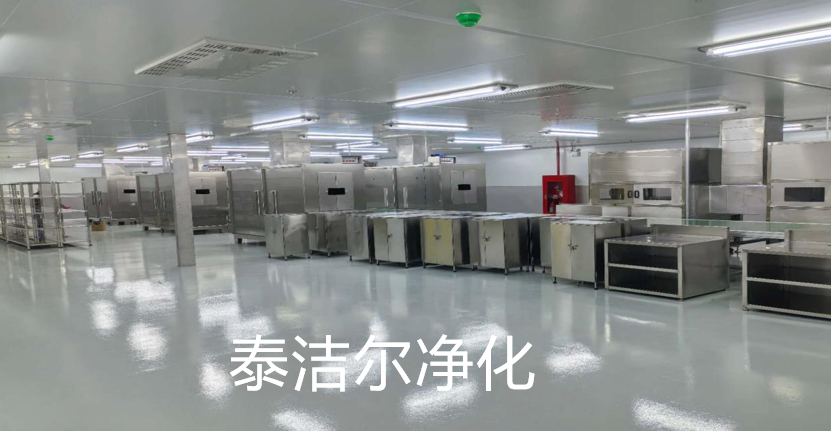
Operating a Laboratory carries heavy regulatory weight. Compliance is not a one-time event but a continuous state of operational readiness. Professional engineering ensures that the facility is audit-ready from day one.
Formal validation involves a tiered documentation process:
Design Qualification (DQ): Verification that the proposed design meets the user requirement specification (URS) and regulatory codes.
Installation Qualification (IQ): Confirmation that equipment and utilities are installed according to the manufacturer's specifications.
Operational Qualification (OQ): Testing that the systems perform as intended throughout their specified operating ranges.
Performance Qualification (PQ): Documented evidence that the facility can consistently produce results of the required quality under actual working conditions.
Firms like TAI JIE ER assist B2B clients in maintaining this "paper trail," which is fundamental for maintaining certifications and securing research grants.
The successful delivery of a technical Laboratory project requires a balanced focus on immediate operational needs and long-term facility resilience. By prioritizing advanced ventilation, selecting high-performance materials, and integrating robust safety systems, organizations can create environments that foster scientific breakthroughs while protecting their most valuable asset—their people. As the landscape of research becomes increasingly data-driven and automated, the physical infrastructure must evolve in tandem to provide a stable, safe, and efficient platform for discovery.
Navigating the complexities of lab engineering demands a partner with deep industry knowledge and a commitment to technical excellence. Ensuring that your facility meets international benchmarks for safety and precision is not just a matter of compliance; it is a fundamental requirement for the integrity of modern science.
Q1: What is the difference between a BSL-2 and a BSL-3 laboratory?
A1: BSL-2 (Biosafety Level 2) is designed for moderate-risk agents that are already present in the local community. BSL-3 is for indigenous or exotic agents that may cause serious or potentially lethal disease through inhalation. A BSL-3 lab requires more stringent engineering controls, including specialized ventilation, directional airflow, and double-door entry systems.
Q2: Why is a VAV fume hood better than a standard CAV hood?
A2: A VAV (Variable Air Volume) hood is superior because it maintains safety while optimizing energy use. It adjusts the exhaust volume based on the sash opening, ensuring constant face velocity. A CAV hood exhausts the same amount of air regardless of sash position, which is less efficient and can create turbulent air at the face of the hood when the sash is partially closed.
Q3: How often should a laboratory ventilation system be recalibrated?
A3: It is a standard requirement to inspect and recalibrate lab ventilation systems, especially fume hood face velocities and room pressure differentials, at least once every 12 months. More frequent testing may be necessary if the lab handles highly toxic substances or if any changes are made to the HVAC infrastructure.
Q4: Can standard epoxy paint be used for laboratory floors?
A4: Standard epoxy paint is usually insufficient for a professional lab environment. High-performance, self-leveling epoxy coatings or heavy-duty polyurethane systems are required. These provide a much thicker, non-porous surface that is resistant to chemical spills and the heavy rolling loads of equipment carts.
Q5: What are the requirements for storing flammable chemicals in a lab?
A5: Flammables must be stored in approved, fire-rated cabinets that meet NFPA 30 or EN 14470-1 standards. These cabinets should be located away from exit routes and ignition sources. While venting is not always mandatory by code, it is highly recommended to prevent the accumulation of flammable vapors within the cabinet.
Do you require a technical consultation for your next laboratory engineering project?
At TAI JIE ER, we provide end-to-end solutions for controlled environments, ensuring your facility is optimized for safety, compliance, and operational efficiency. Our engineering team is equipped to handle the most demanding technical specifications in the B2B sector. Contact us today to discuss your project and learn how we can help you build a world-class research environment.