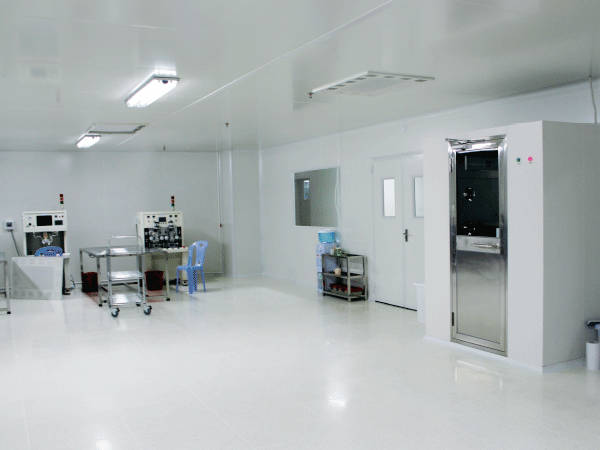

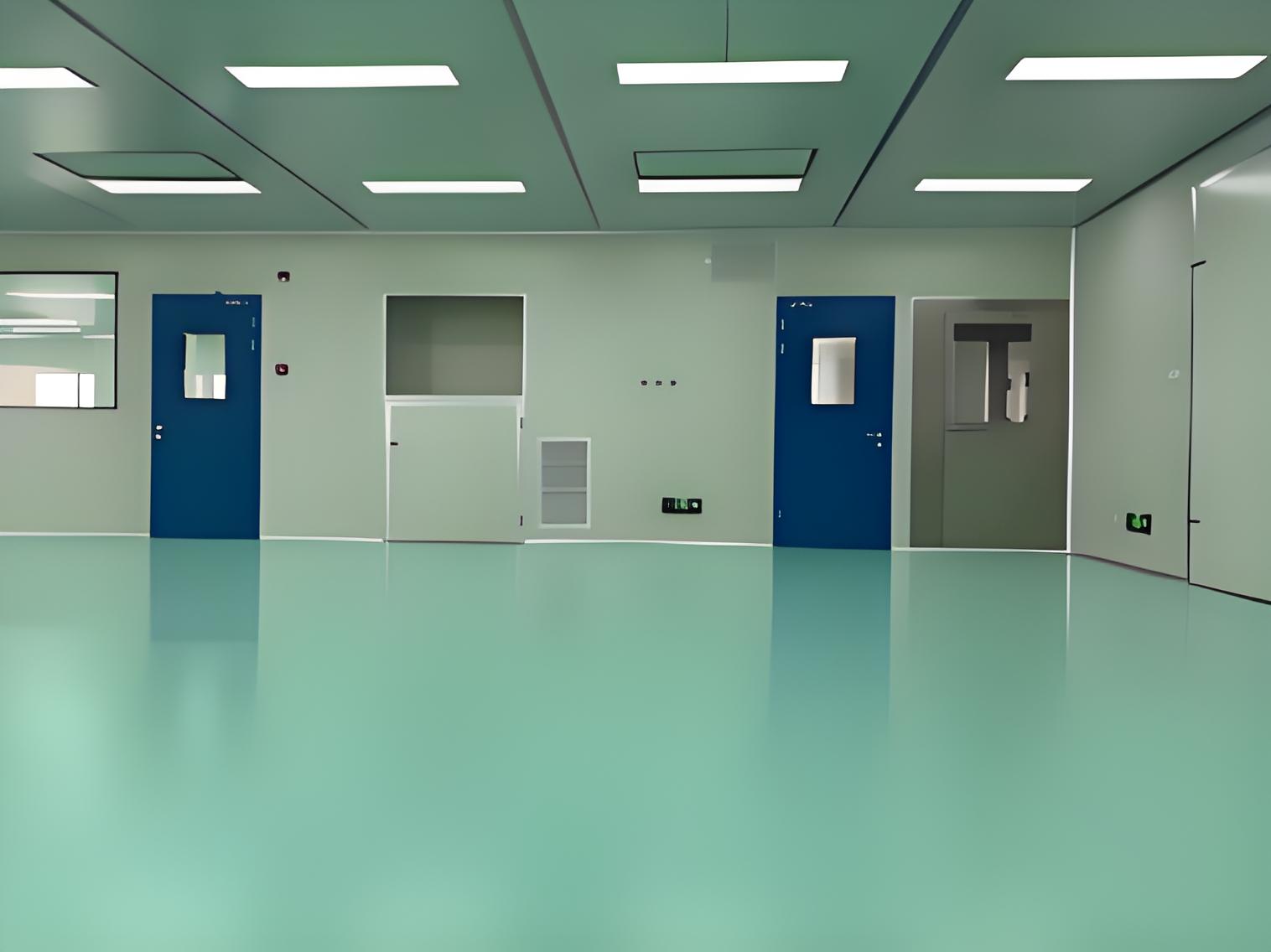
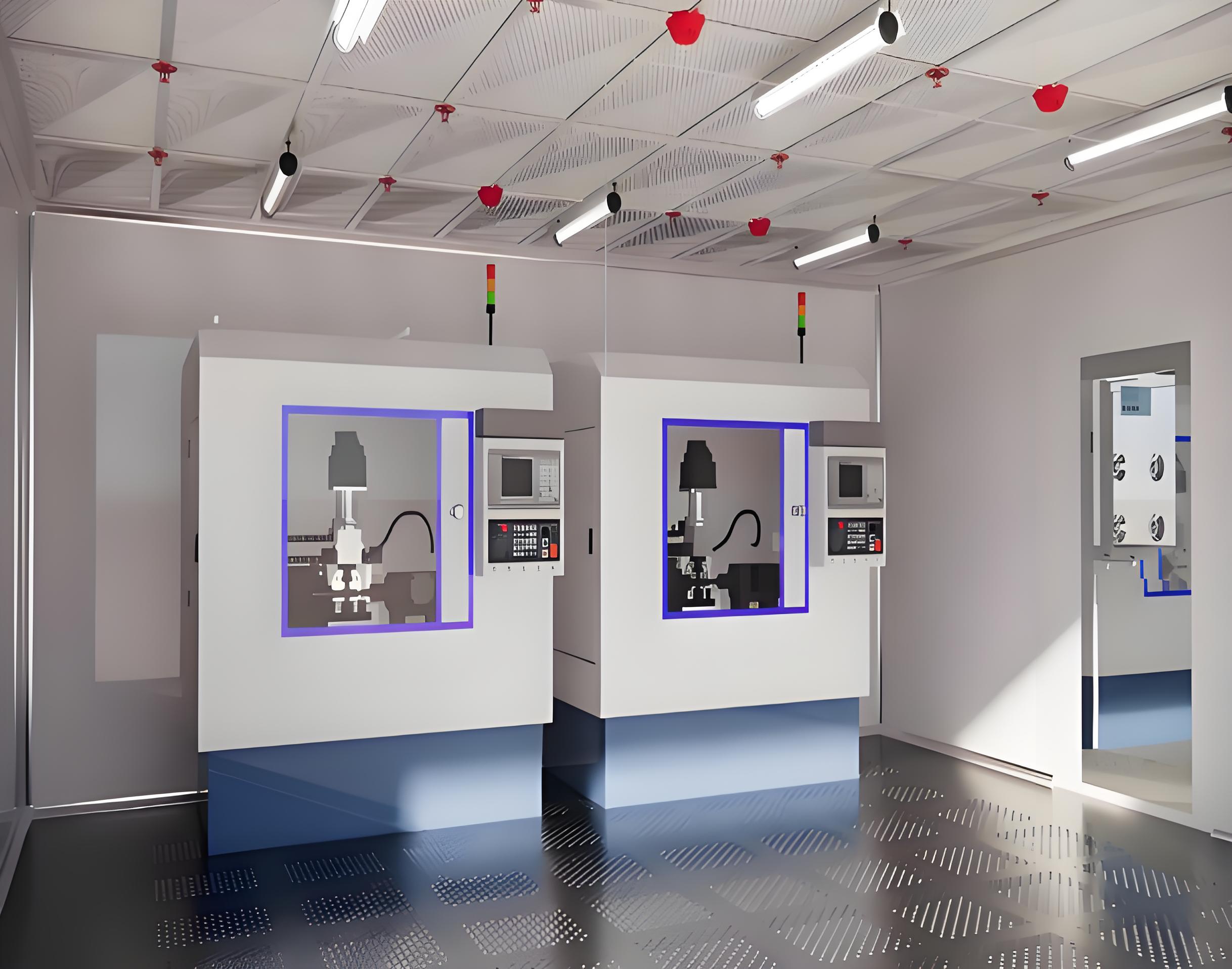
In the high-precision sectors of semiconductor fabrication, biotechnology, and pharmaceutical production, the integrity of the environment is not merely a preference but a fundamental requirement. Contamination control through advanced Cleanroom Engineering ensures that microscopic particles, airborne molecular contaminants (AMCs), and microbial entities do not compromise product yield or patient safety. This technical analysis explores the sophisticated mechanisms that govern controlled environments and the rigorous standards required to maintain operational stability.
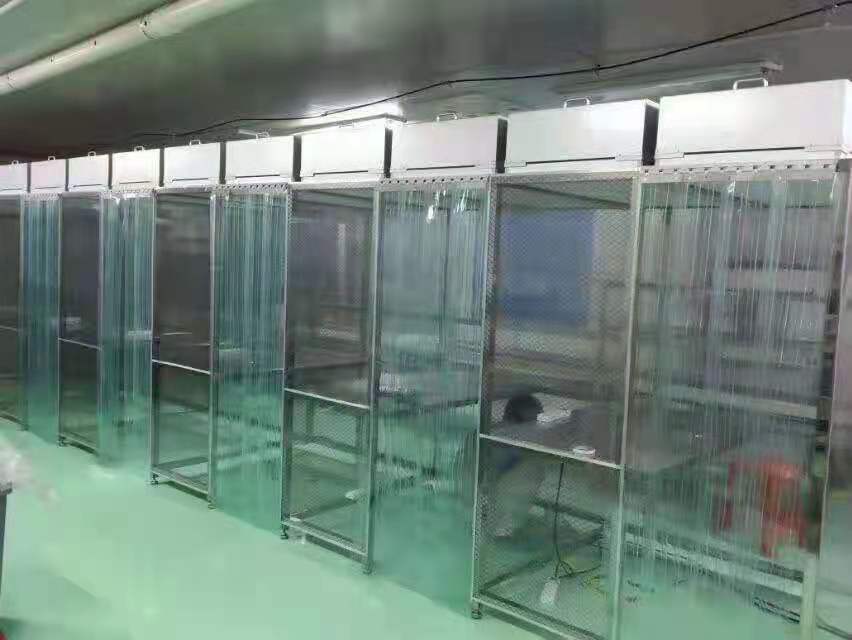
At the heart of any controlled environment lies the classification system defined by ISO 14644-1. This standard categorizes spaces based on the concentration of particles per cubic meter of air. While a standard office environment might contain millions of particles larger than 0.5 microns, an ISO Class 5 environment limits this to just 3,520.
Achieving these levels requires a deep understanding of fluid dynamics. Engineers must account for particle deposition rates and the behavior of sub-micron contaminants. In Cleanroom Engineering, the goal is to create a predictable pathway for air, ensuring that any contaminants generated by personnel or machinery are immediately captured and exhausted. This involves calculating the necessary air change rates (ACR), which can range from 10 to 600 changes per hour depending on the cleanliness target.
The method of air distribution determines the effectiveness of the contamination control strategy. There are two primary approaches used by firms like TAI JIE ER to manage internal atmospheres:
Unidirectional (Laminar) Flow: This involves air moving in a single direction at a uniform velocity. Typically utilized in ISO Class 1 through Class 5 environments, laminar flow minimizes turbulence and prevents the re-entrainment of particles. In these setups, High-Efficiency Particulate Air (HEPA) filters usually cover the entire ceiling.
Non-Unidirectional (Turbulent) Flow: Common in ISO Class 6 to Class 9 spaces, this method uses high-velocity supply air through HEPA diffusers to dilute the internal air, pushing contaminants toward floor-level or wall-mounted exhausts.
The selection between these systems depends on the sensitivity of the process. For instance, wafer lithography requires the extreme stability of vertical laminar flow, whereas secondary pharmaceutical packaging may find turbulent flow sufficient for regulatory compliance.
Filtration is the primary defense against environmental pollutants. HEPA filters are rated to capture 99.97% of particles as small as 0.3 microns. However, for leading-edge microelectronics, Ultra-Low Penetration Air (ULPA) filters are employed, reaching efficiencies of 99.999% for particles at the 0.12-micron level.
These filters operate through three main physical mechanisms:
Interception: Particles following a line of flow come within one radius of a fiber and adhere to it.
Inertial Impaction: Larger particles, unable to adjust to the rapid changes in airflow around fibers, strike the fiber directly.
Diffusion: The smallest particles move in an irregular Brownian motion, increasing the probability of striking a fiber.
The integration of Fan Filter Units (FFUs) has revolutionized Cleanroom Engineering by allowing for localized control and easier scalability compared to centralized Air Handling Units (AHUs).
The physical shell of the cleanroom must be chemically inert, non-shedding, and easy to sanitize. TAI JIE ER emphasizes the use of specialized sandwich panels for wall and ceiling construction. These panels often feature aluminum honeycombs or rock wool cores with anti-static powder-coated steel skins.
Flooring is another area where material science is paramount. Epoxy resin or raised access floors with Perforated tiles are standard. These materials must provide Electrostatic Discharge (ESD) protection to prevent sensitive electronic components from being damaged by static electricity generated by human movement.
Key structural features include:
Coving: Rounded corners between walls and floors to eliminate "dead zones" where dust can accumulate.
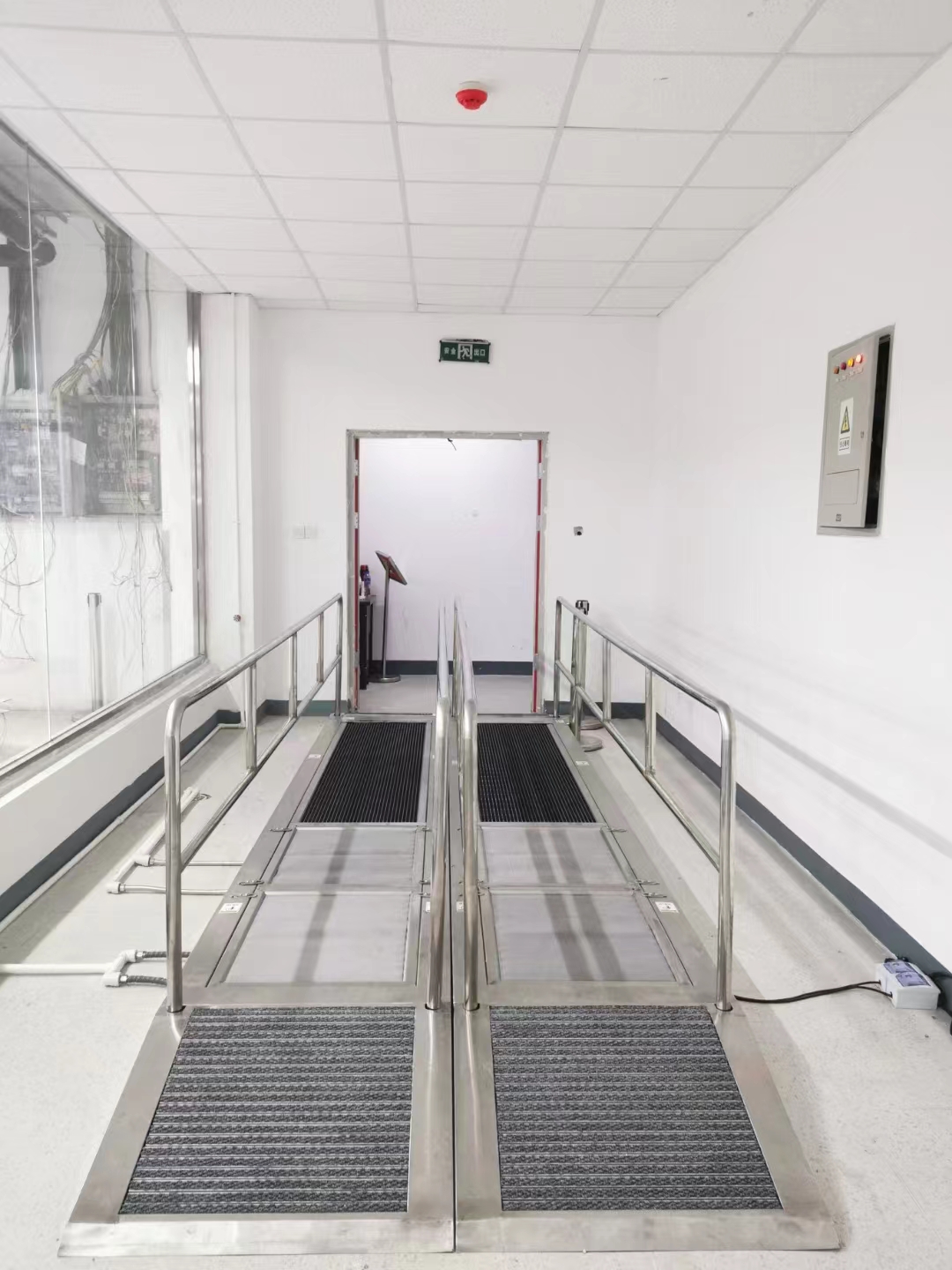
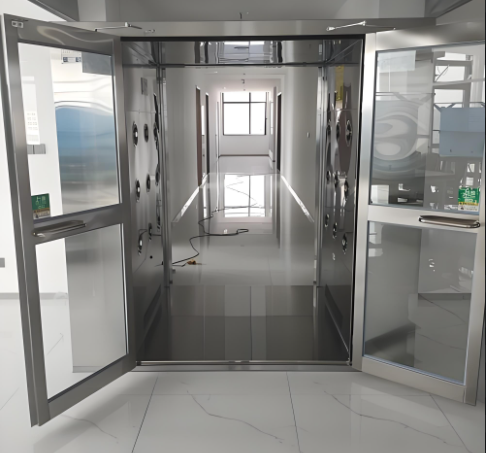
Air Showers: High-velocity air jets located at entry points to strip particles from personnel gowning.
Pass Boxes: Interlocked transfer chambers that allow materials to move between different cleanliness zones without breaking the pressure seal.
Beyond particle counts, Cleanroom Engineering encompasses the regulation of temperature, humidity, and pressure. A positive pressure gradient is maintained between the cleanroom and the external environment to ensure that air flows out, not in, when doors are opened.
Relative Humidity (RH) control is particularly challenging. In semiconductor fabs, high humidity leads to corrosion and "stiction," while low humidity increases the risk of ESD. In pharmaceutical settings, RH must be controlled to prevent the growth of mold and bacteria. Modern Facility Management Systems (FMS) provide real-time data on these parameters, allowing for automated adjustments and detailed audit trails for regulatory bodies like the FDA or EMA.
While the goal of cleanliness is universal, the specific contaminants of concern vary. In the life sciences, the focus is on "viable" particles—living organisms such as bacteria, yeasts, and molds. This necessitates stringent sterilization protocols, including Vaporized Hydrogen Peroxide (VHP) decontamination. The design must adhere to Good Manufacturing Practice (GMP) guidelines, focusing on "cleanability" and the prevention of cross-contamination.
Conversely, in the electronics industry, the focus is on "non-viable" particles and molecular contaminants. Even a single organic molecule or metal ion can ruin a 5nm transistor. Therefore, Cleanroom Engineering for electronics often includes specialized chemical filtration and de-ionized water systems for process cooling and cleaning.
Even the most advanced facility will fail if the human element is not managed. Personnel are the largest source of contamination in a cleanroom. A resting human sheds roughly 100,000 particles per minute; this jumps to over 5,000,000 during movement. Gowning protocols, including the use of hoods, coveralls, boots, and gloves, are a mandatory component of the operational strategy.
Regular maintenance is required to ensure system integrity. This includes filter leak testing (using PAO aerosol), airflow velocity measurement, and recovery time testing. By partnering with experts such as TAI JIE ER, organizations can implement robust preventive maintenance schedules that prevent unplanned downtime and ensure continuous compliance with international standards.
Validation of a cleanroom occurs in three distinct phases:
As-Built: The facility is complete with all services connected but no production equipment or personnel present.
At-Rest: The facility is complete, equipment is installed and operating, but no personnel are present.
Operational: The facility is functioning in its normal state with the specified number of personnel working.
A successful Cleanroom Engineering project ensures that the environment meets the required classification in all three states, providing a stable foundation for high-tech manufacturing.
Q1: How do I determine which ISO class is required for my process?
A1: The required ISO class depends on the sensitivity of your product and regulatory requirements. For example, sterile pharmaceutical filling typically requires ISO 5 (Grade A), while general electronic assembly may only require ISO 7 or 8. Consulting with an expert engineer is recommended to balance safety with operational efficiency.
Q2: What is the difference between a HEPA and an ULPA filter?
A2: HEPA (High-Efficiency Particulate Air) filters remove 99.97% of particles 0.3 microns or larger. ULPA (Ultra-Low Penetration Air) filters are more efficient, removing 99.999% of particles 0.12 microns or larger, and are typically used in the most demanding semiconductor environments.
Q3: Why is positive pressure necessary in a cleanroom?
A3: Positive pressure ensures that air always leaks out of the cleanroom rather than letting unfiltered outside air leak in. This maintains the integrity of the controlled environment even when doors or pass-throughs are opened.
Q4: How often should cleanroom filters be replaced?
A4: Filter lifespan depends on the pre-filtration efficiency and the external air quality. Generally, HEPA filters can last several years if pre-filters are changed regularly. Replacement is usually triggered when the pressure drop across the filter exceeds the design limit or if a leak is detected during annual validation.
Q5: Can an existing warehouse be converted into a cleanroom?
A5: Yes, most industrial spaces can be converted using modular wall systems and independent HVAC units. However, the existing structure must be evaluated for floor load capacity, ceiling height for ductwork, and the ability to maintain a sealed perimeter.
If you are looking to implement a high-performance controlled environment or need to upgrade your existing facilities, our team of specialists is ready to assist. We provide end-to-end solutions tailored to the specific needs of your industry, ensuring compliance with all international standards. Please contact us today for a detailed technical consultation and inquiry regarding your specific requirements.