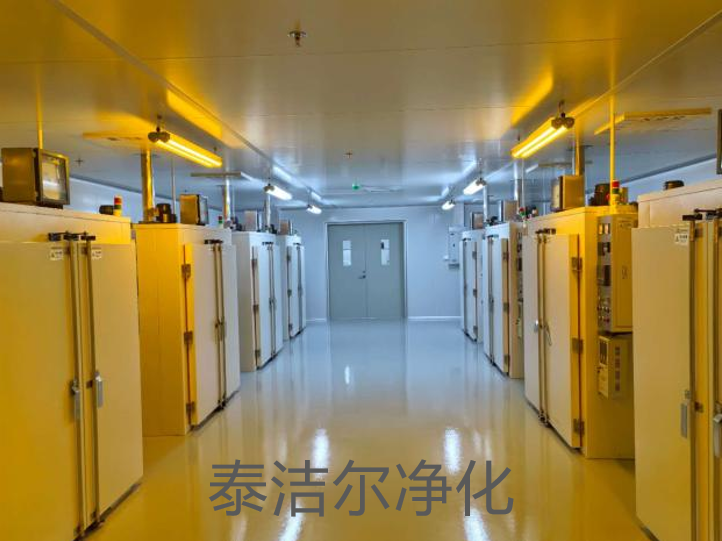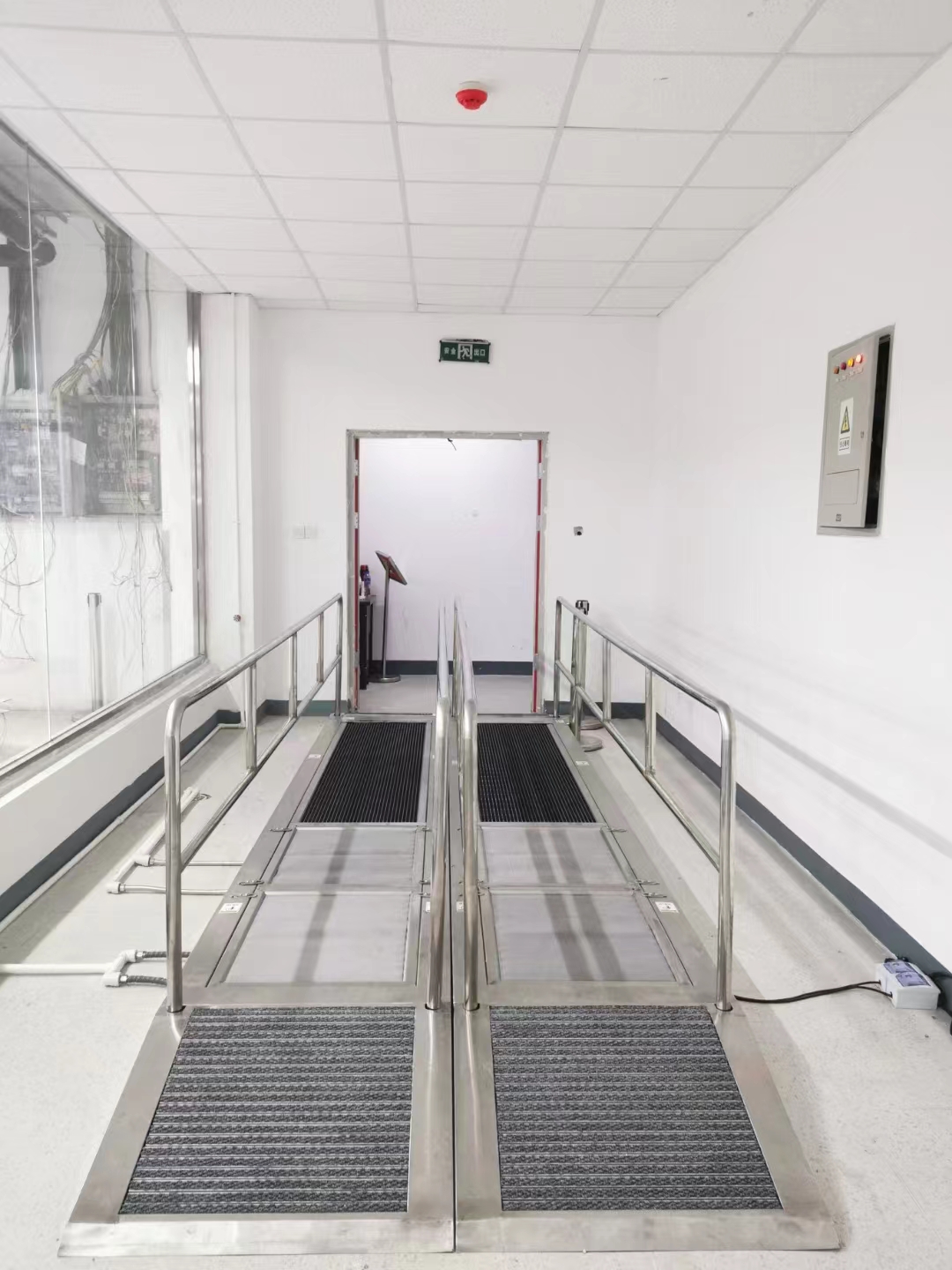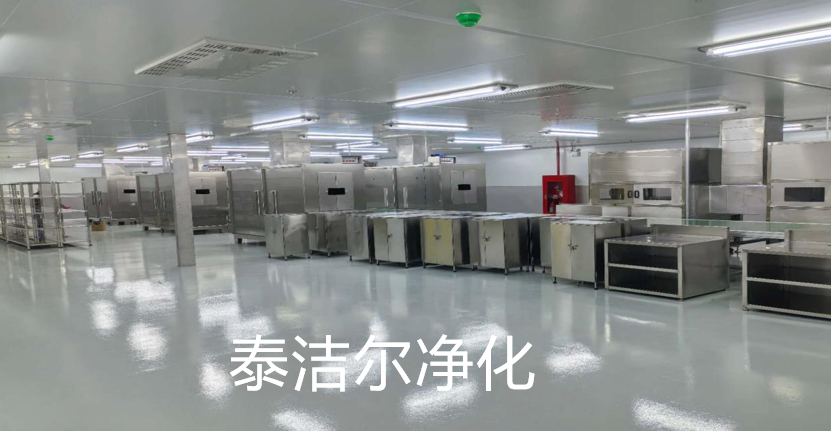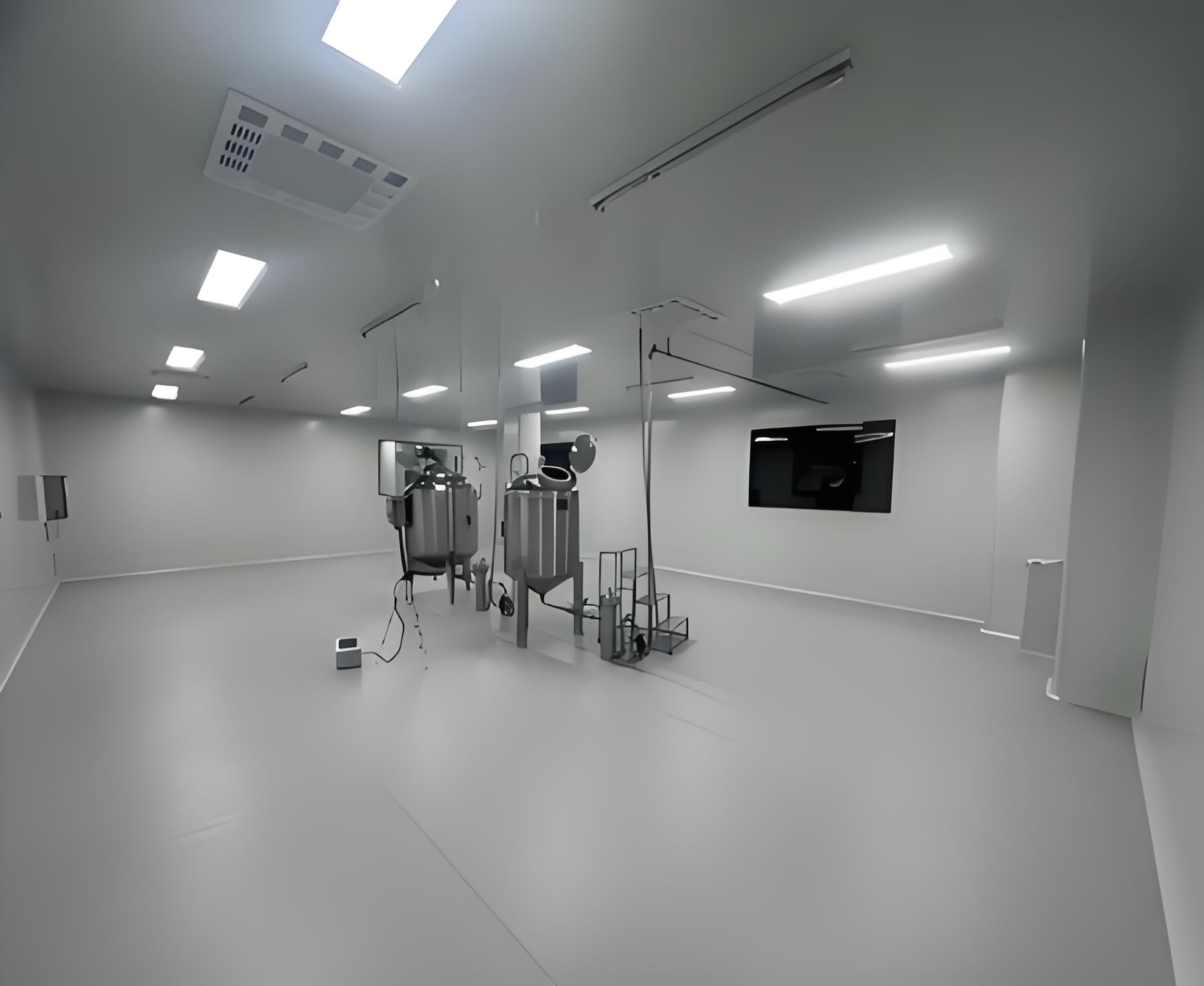
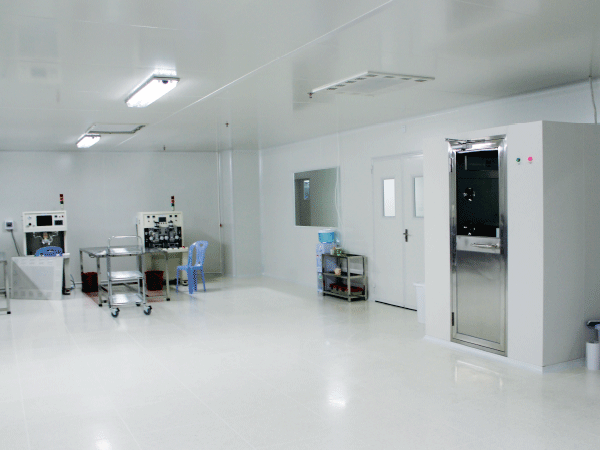

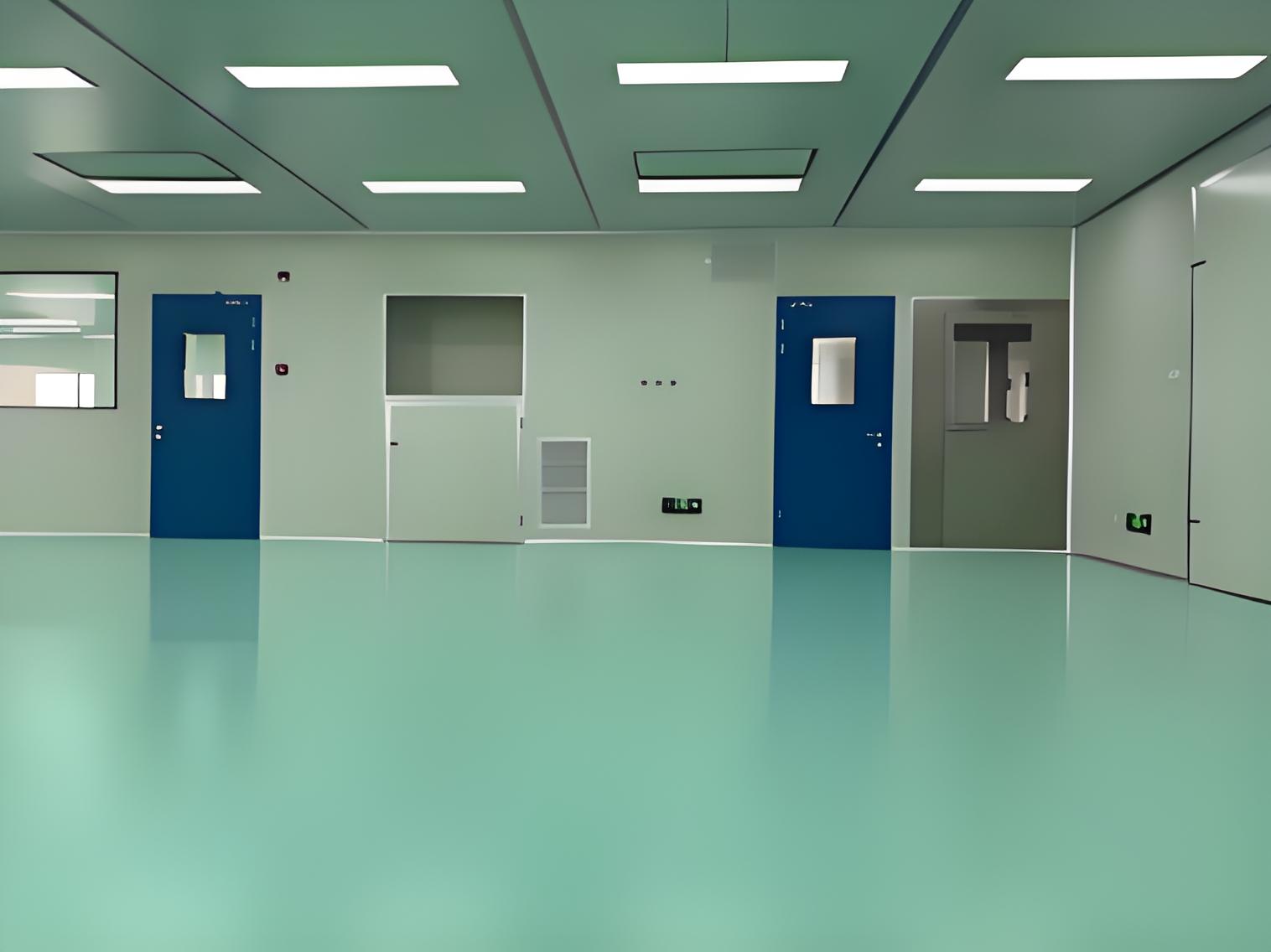
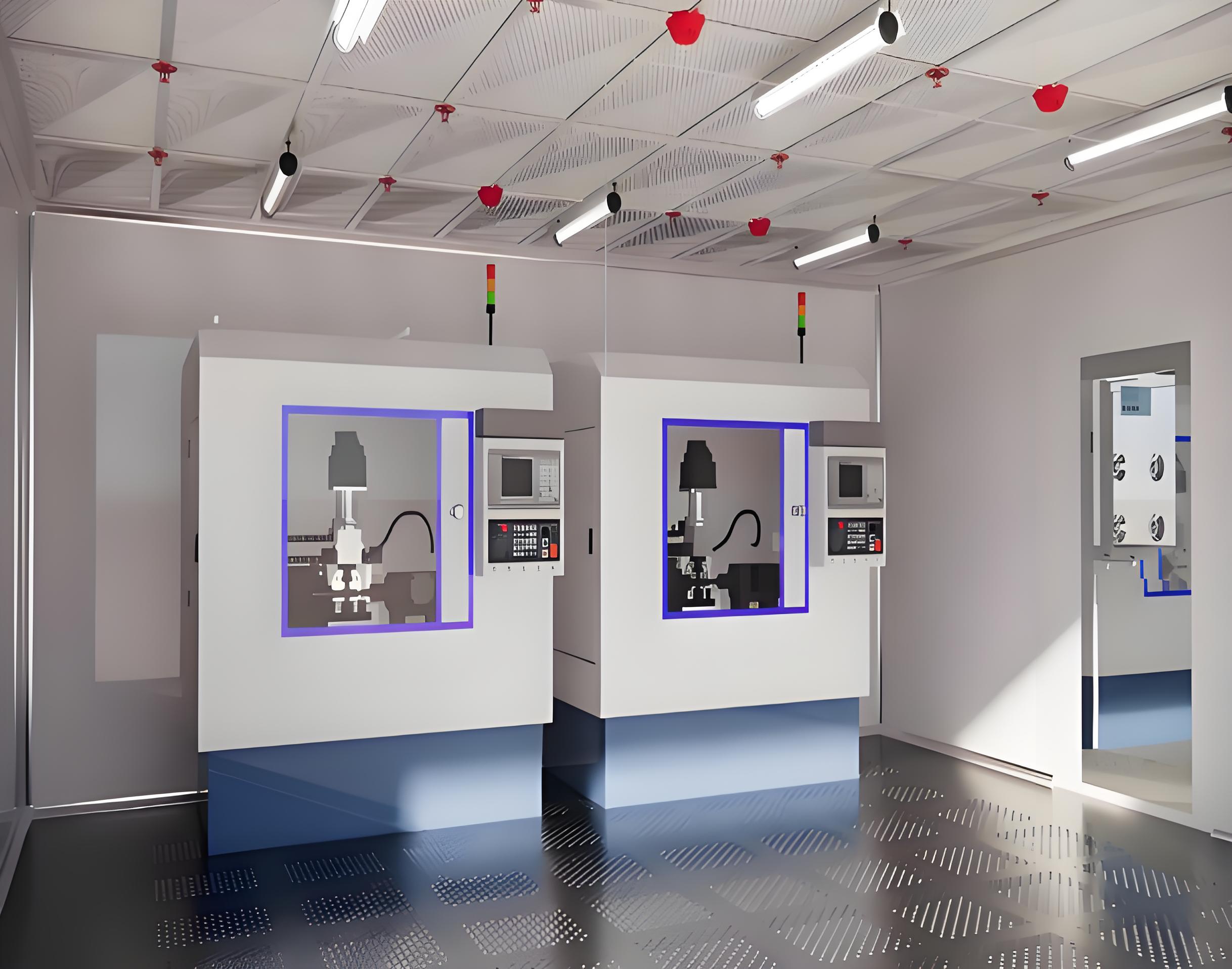
When engineering a controlled environment for sterile drug manufacturing or semiconductor lithography, the quality of Cleanroom Engineering Design directly determines operational reliability, regulatory approval speed, and total cost of ownership. Unlike architectural planning for ordinary spaces, cleanroom design integrates fluid dynamics, particle behavior modeling, surface electrostatics, and material science into a single functional envelope. This article outlines nine engineering parameters derived from over 200 successful projects in EU GMP Annex 1 and ISO 14644 frameworks.
Leading integrators such as TAI JIE ER have documented that poor design decisions (oversized HEPA filters, incorrect air change rates, incompatible wall joints) account for 58% of requalification failures. Therefore, a structured approach to Cleanroom Engineering Design must begin with a hazard and operability analysis specific to the process housed within.
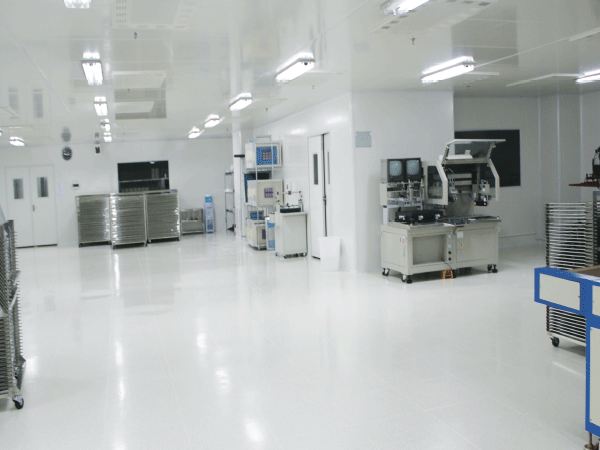
The starting point of any Cleanroom Engineering Design is the required ISO class (ISO 1 to ISO 9) based on product sensitivity. For ISO 5 (Class 100) aseptic filling, the minimum non-viable particle concentration is 3,520 particles/m³ ≥0.5 μm. However, ACH is not dictated by ISO alone—practical design values are:
ISO 5 (Grade A) – 480 to 600 ACH (unidirectional flow, 0.45 m/s ±20%)
ISO 6 (Grade B background) – 150 to 240 ACH (mixed flow with high air change)
ISO 7 (Grade C) – 60 to 90 ACH
ISO 8 (Grade D) – 20 to 30 ACH
Design engineers must also account for heat load from equipment and personnel. A typical rule: each worker generates 0.1 m³/min of particles (≥0.5 μm), requiring an additional 10-15% ACH. Computational fluid dynamics (CFD) modeling is recommended for spaces with complex geometries or multiple open process equipment.
Containment relies on a differential pressure hierarchy. For pharmaceutical applications, a 10–15 Pa positive pressure gradient between clean corridor and adjacent lower-grade rooms prevents cross-contamination. Key design elements include:
Pressure mapping matrix – Each door must have a vision panel and interlock logic to avoid simultaneous opening.
Return air plenums – Located low on walls for mixed flow, or full ceiling for unidirectional flow.
Holding rooms (airlocks) – Cascade design with supply to higher grade and extract from lower grade, achieving at least 40 ACH in the airlock itself.
Advanced Cleanroom Engineering Design often implements double-door pass-through chambers with HEPA filtered air sweep, preventing particle ingress during material transfer. Pressure differentials must be monitored continuously and trigger alarms at ±5% deviation.
A well-zoned HVAC system separates high-bioburden operations (weighing, dispensing) from aseptic core. The design must specify:
Fan filter units (FFUs) with 99.995% efficiency at MPPS (H14 grade) for ISO 5 zones.
Low-velocity return air grilles located 150–300 mm above finished floor to avoid dust re-entrainment.
Secondary HEPA filters in series for recirculated air in high-hazard biologics.
Terminal filters should be positioned at the ceiling level with a leak-tight housing that allows in-situ DOP/PAO testing. A common design mistake: placing supply diffusers directly above open product – instead, direct airflow away from exposed sterile surfaces using perforated panels or laminar flow diffusers with ≤0.2 m/s turbulence.
All interior finishes must be smooth, non-porous, and resistant to daily cleaning with 6% hydrogen peroxide or 0.5% peracetic acid. Cleanroom Engineering Design specifies:
Flooring – Seamless epoxy or polyurethane with coved coved monolithic upstands (min. 100 mm height).
Wall panels – Powder-coated steel (Class A fire rating) or solid PVC with tongue-and-groove joints sealed with silicone-free sealant.
Ceiling systems – Gasketed cleanroom ceiling tiles with magnetic locks to prevent particle shedding from grid movement.
Service penetrations – All pipes, conduits, and wiring must pass through compression-sealed sleeves, not open holes. Silicone boot seals or prefabricated ESCO plates.
A case study: A gene therapy facility omitted properly sealed utility ports – during smoke test, significant leakage from interstitial spaces was observed, requiring a full shutdown and redesign. Proper specification of Cleanroom Engineering Design would have prevented this.
Cross-contamination via operator movement demands strict one-way routing. Design principles:
Separate gowning sequences – Black zone (street clothes) → gray zone (gowning) → white zone (cleanroom). The airlock between each step must have 15 Pa cascade.
Material transfer hatches – Automated pass-through with interlocking doors and HEPA filtered air shower (10 seconds at 25 m/s).
Clean corridor / dirty corridor concept – Process waste exits through a separate route, never crossing incoming material flow.
For existing facilities, time-motion simulations should identify any backtracking; if unavoidable, a segregated air curtain or portable laminar flow unit can be installed over the crossing point.
For semiconductor and MEMS fabrication, ESD control is embedded into the architectural design, not retrofitted. Requirements per ANSI/ESD S20.20:
Conductive floor system with copper grounding grid (max. spacing 5 m), achieving resistance ≤ 1×10⁶ Ω from any point to ground.
Dissipative wall and ceiling panels (surface resistivity 10⁶–10⁹ Ω) connected to common grounding network.
Ionizing bars placed above workstations (discharge time < 2 seconds from 1000V to 100V).
Design drawings must include grounding points every 20 m². Failure to integrate ESD design early results in costly conductive paint application after construction.
Modern Cleanroom Engineering Design favors modular panel systems for speed and reproducibility. Comparative data:
Modular (prefabricated aluminum-framed panels) – Installation speed 45 m²/day, 100% clean-cut assembly, relocatable. Higher upfront cost (+15% vs traditional) but 30% shorter shutdown.
Traditional stick-built (drywall + epoxy paint) – Lower material cost but requires 30 days drying/curing, risk of pinholes, and non-relocatable.
For ISO 5–6 applications, modular design reduces validation time by 40% because each panel is factory-tested for particle emission. TAI JIE ER offers modular designs certified to ISO Class 4 (ISO 14644-1) with integrated FFU cutouts.
Every engineering design must produce a traceable validation plan. The following documents are compulsory:
Design Qualification (DQ) – Shows compliance with user requirement specification (URS). Includes HEPA filter layout drawings, pressure cascade table, material certificates.
Installation Qualification (IQ) – Verification checklist: filter model numbers, seal integrity test reports, grounding continuity measurements.
Operational Qualification (OQ) – Particle counts (in at-rest and operational states), airflow velocity uniformity (max. 15% coefficient of variation), pressure differential, leak tests on all penetrations.
Leading design firms incorporate a 3D BIM model with embedded validation tags – each component (filter, seal, panel) carries a QR code linking to its factory test certificate. This significantly reduces paper trail errors.
Modern Cleanroom Engineering Design must consider lifecycle costs. Energy consumption in cleanrooms is 50–100× higher than office spaces. Efficiency strategies include:
VFD-controlled fan arrays – Adjust airflow based on real-time particle counts (where regulation permits).
EC plug fans in FFUs – reduce energy by 30% compared to AC motors.
Smart pressurization control – Maintain minimum required differential instead of fixed high speed.
Modular walls with prefabricated utility chases – Allow future addition of process gas lines without cutting into validated surfaces.
A recent retrofit project for a vaccine producer: redesigning the airflow configuration reduced annual energy cost by $320,000 while maintaining ISO 5 condition. That level of optimization originates in the initial engineering design phase.
Different sectors prioritize distinct parameters:
Sterile pharmaceuticals – Top priorities: HEPA coverage, unidirectional flow velocity (0.45 m/s ±20%), seamless surfaces, and VHP compatibility.
Semiconductor fab (Front end) – Prioritizes ESD control, minienvironment clusters, vibration damping, and ultra-low particle count (ISO 3-4).
Medical device assembly – Focus on ergonomic workflow, cleanable surfaces, and cost-efficient ISO 7-8 environment.
Biotech R&D (BSL-2/3) – Requires negative pressure containment, biosafety cabinets integration, and autoclave access.
From 150 post-occupancy evaluations, the most frequent errors are:
Insufficient return air grille area – leads to air stagnation near floor. Solution: increase grille surface to 40% of wall perimeter.
Overlooking vibration isolation – HVAC units mounted directly on structural steel cause micro-vibrations affecting electron microscopes. Install spring isolators with 25 mm static deflection.
Wrong selection of sealing compounds – acetic acid-cure silicone corrodes metal surfaces. Neutral-cure or MS polymer sealants are mandatory.
For existing facilities with design flaws, partial redesign of the air handling system or installation of raised floor plenums can correct many issues without full demolition.
A1: Engineering design focuses on process-critical parameters: air change rates, HEPA filter placement, pressure cascades, material compatibility, and contamination control strategies. Architectural planning addresses spatial layouts, door openings, and aesthetics. Engineering design must be completed before architectural drawings are finalized.
A2: Computational Fluid Dynamics (CFD) modeling is the standard method. The model predicts particle dispersion, air velocity profiles, and temperature stratification. For ISO 5 areas, physical mock-ups using full-scale wall and ceiling sections are built to test FFU performance and seal integrity.
A3: Yes, but requires significant structural modifications: raised access flooring, reinforced ceiling grids for FFU weight, and new HVAC shafts. The Cleanroom Engineering Design must address vibration from adjacent areas and external contaminants. TAI JIE ER has completed 12 brownfield conversions to ISO 5 for cell therapy clients.
A4: The international guideline (ISO 14644-16) recommends 10–15 Pa, with higher grade at positive relative to lower grade. For pharmaceutical applications, EU GMP Annex 1 specifies a minimum of 10 Pa operational and 5 Pa at rest. Exceeding 20 Pa creates door opening force hazards.
A5: BSL-3 demands directional negative pressure (exhaust 15% more air than supply), HEPA filtration on exhaust, and seamless, chemically resistant surfaces. The design must include an anteroom with double-door autoclave and a shower-out option. All penetrations must be sealed with biosafety-rated silicone and pressure decay tested yearly.
Achieving regulatory approval and product quality starts with a validated Cleanroom Engineering Design. Whether you need a new ISO Class 5 aseptic suite, a retrofit of an existing ISO 7 facility, or a modular solution for rapid deployment, TAI JIE ER provides full engineering services from CFD simulation to IQ/OQ documentation.
Submit your design brief today – include your required ISO class, room dimensions, process description (sterile fill, device assembly, or semiconductor), and any specific regulatory standards (FDA, EMA, NMPA). Our engineering team will return a preliminary airflow diagram and material recommendation within 72 hours. Click the inquiry button or email 912228126@qq.com – reference “Cleanroom Design Parameter Sheet” for priority technical response.