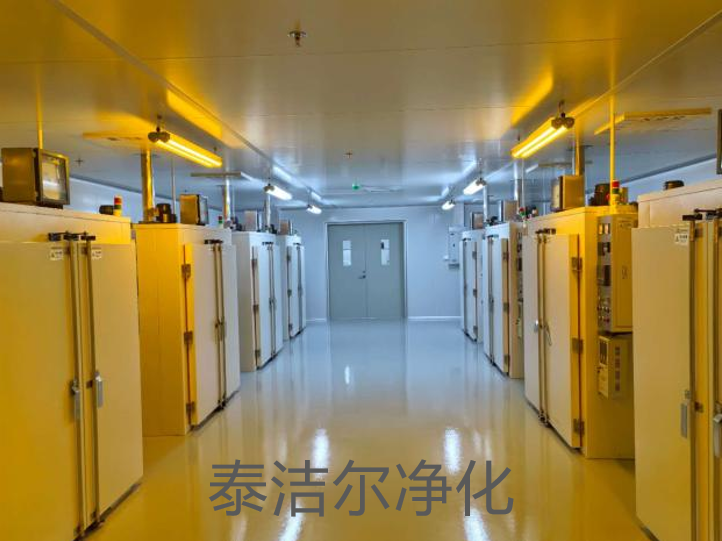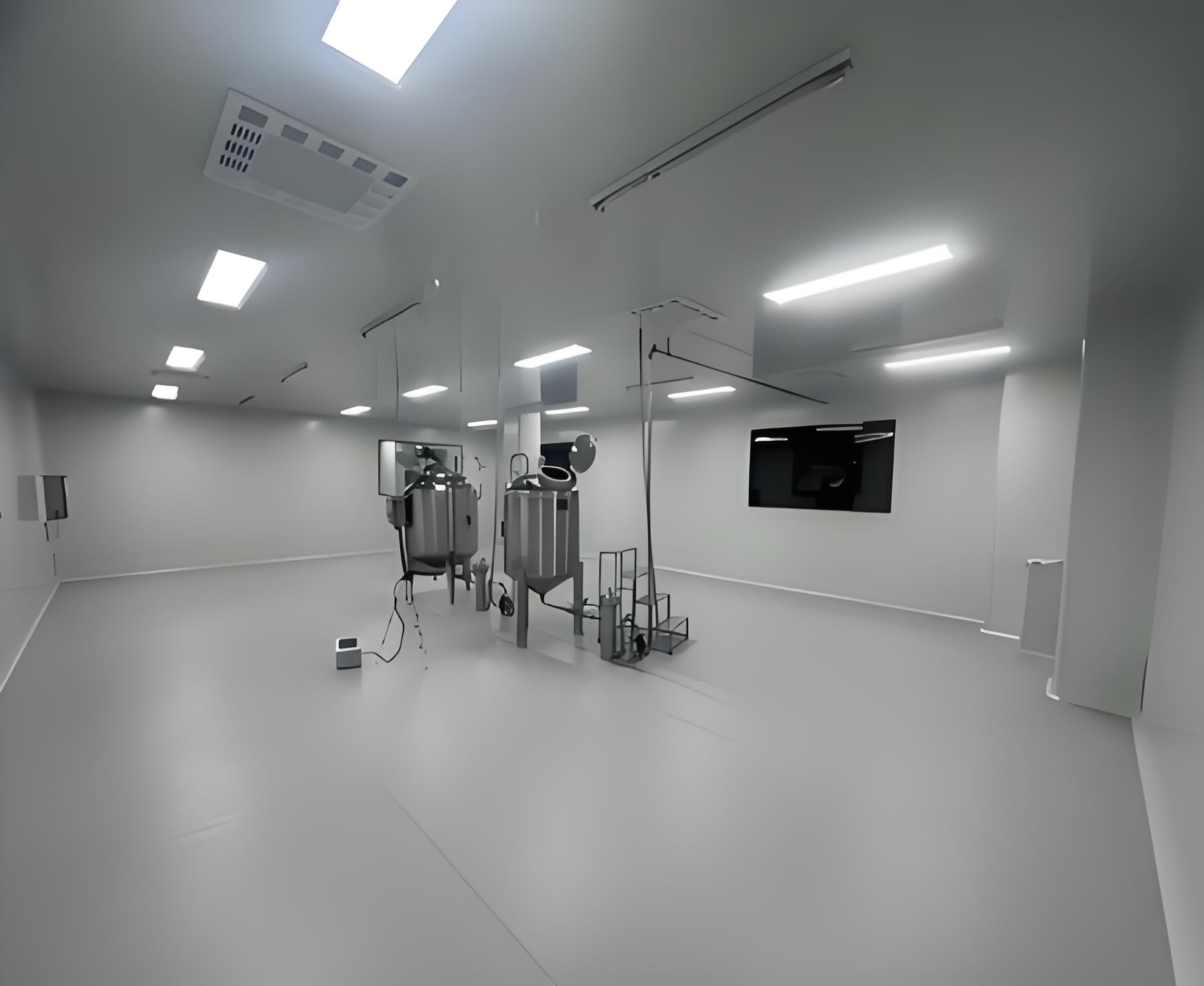
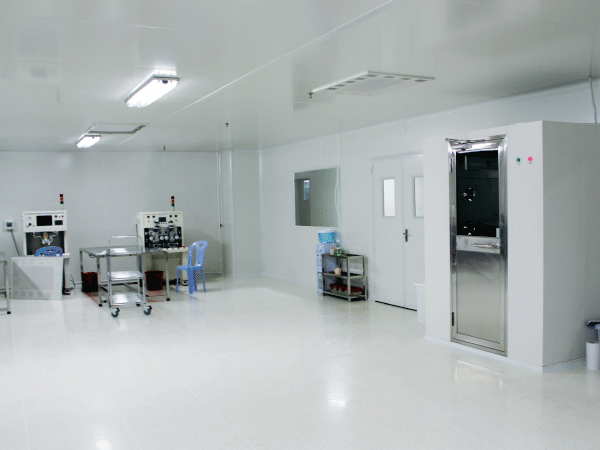

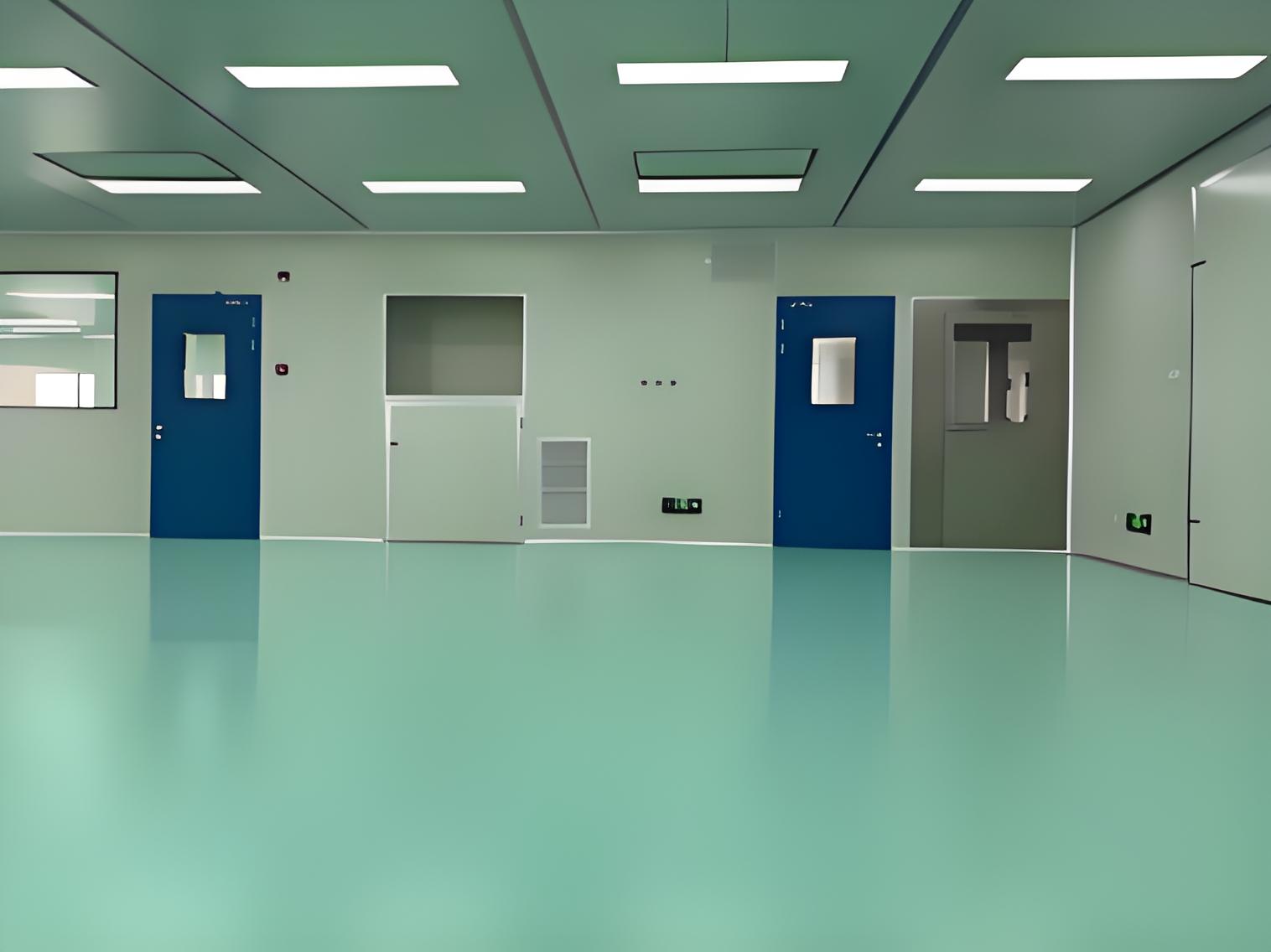
In modern pharmaceutical production, semiconductor fabrication, and biotechnology R&D, contamination control begins with the physical infrastructure. Purification engineering decoration is not about cosmetic finishing—it defines particle retention, microbial exclusion, and chemical residue limits. Drawing from over two decades of field data, this guide examines eight engineering imperatives for cleanroom surfaces, sealing technologies, and ISO/GMP validation. Industry specialists at TAI JIE ER have executed more than 280 turnkey projects across Asia and Europe, reinforcing the practical principles outlined below.
Standard interior finishes ignore airborne particle dynamics and microbial deposition. Purification engineering decoration integrates material science, thermodynamics, and contamination control engineering. The core objectives are threefold:
Particle entrapment prevention – non-shedding, abrasion-resistant surfaces with Ra ≤ 0.4 µm.
Airborne containment – seamless transitions between walls, floors, and ceiling to eliminate dead zones.
Chemical/biological inertness – resistance to hydrogen peroxide vapor, quaternary ammonium compounds, and solvent wipes.
Unlike commercial fit-outs, cleanroom decoration follows strict sequential discipline: substrate preparation, anti-static underlayment, panel installation, continuous welding, curing, and validated wipe-down. Each step demands ISO 14644-1 Class 7 or higher background conditions.
Drywall, standard paint, and unsealed concrete release 5–20 times more particles (>0.5 µm) than certified cleanroom panels. For ISO Class 6 environments, this causes filter overload within 6 months. Solution: Full encapsulation using modular raised floors and powder-coated steel or aluminum composite panels.
Open-cell sealants and porous epoxy floors harbor Pseudomonas aeruginosa and Aspergillus niger. Annual remediation costs increase by 34% in food-grade facilities. Purification engineering decoration adopts closed-cell polyurethane sealants (shore A hardness >50) and antimicrobial additives (silver-zinc zeolite) embedded in wall coatings.
Leakage rates above 0.5% at 50 Pa compromise cascade pressure regimes (e.g., pharmaceutical aseptic zones). Advanced decoration employs cam-lock panel systems with dual gasketing and continuous interlocking profiles to maintain differential pressure ±2 Pa across 15-meter spans.
One approach never fits all. Decoration strategies differ substantially between applications:
GMP Pharmaceuticals (EU Annex 1): Smooth welded PVC floors (electrostatic dissipative ≤ 10^9 Ω), coved corner profiles (radius 50 mm) for easy cleaning, and pass-through hatches with interlocked doors.
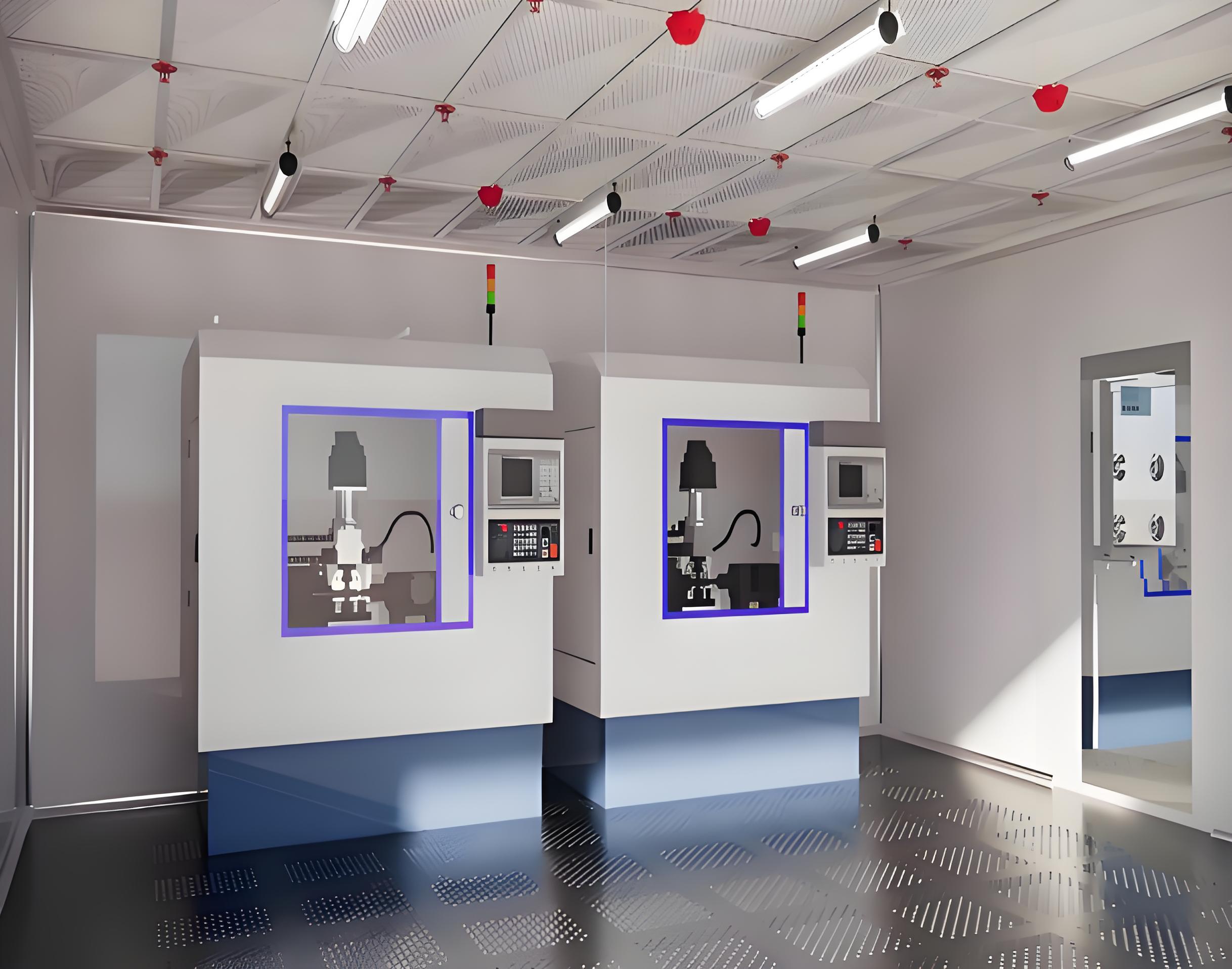
Semiconductor Fabs (ISO 3-5): Perforated raised floor tiles for laminar airflow, anodized aluminum grid ceiling, and vibration-damping wall panels (transmissibility < 1.0 at 20 Hz).
Biosafety Level 3 (BSL-3): Sealed monolithic epoxy walls (vapor permeance <0.1 perm), seamless chemical-resistant flooring (1500 psi chemical exposure rating), and fully welded stainless steel penetration boots.
Medical Device Assembly: Anti-microbial PVC curtains, low-ionization surface treatments, and modular cleanroom booths with mini-environment enclosures.
Each specification is cross-referenced with ISO 14698 (biocontamination control) and local fire codes (EN 13501-1 class B-s1, d0).
Recent material innovations have redefined achievable cleanliness levels. Leading integrators like TAI JIE ER deploy the following technologies:
BIBO (Bag-In/Bag-Out) compatible wall panels – Hinged access for filter replacement without breaking containment.
Insulated metal sandwich panels – 50 mm mineral wool core (fire resistance EI60) with Mgo or steel facing (smooth PVDF coating).
Modular strut framing (aluminum 6063-T5) – reduces on-site cutting by 70% compared to stick-built methods.
Antistatic, low-VOC epoxy topcoats – outgassing below 5 µg/g by TGA analysis (NASA low-outgassing certified).
Modular systems also accelerate commissioning: a typical ISO Class 7 cleanroom (200 m²) can be decorated in 12–15 working days rather than 35 days, with pre-cut panels and click-together corner profiles.
A structured approach eliminates rework and contamination carryover. The following 7-phase protocol has been validated by purification engineering decoration for high‑stakes projects:
Benchmarking & Substrate Prep – concrete moisture test (<2.5% CM method), surface grinding, and patching.
Underfloor services rough-in – utility conduits, clean steam lines, and drain piping under raised access floor.
Perimeter framing & panel erection – laser-aligned overhead aluminum T-grid, acoustic dampeners.
Sealing and welding – continuous welds for stainless steel, solvent-bonded PVC seams (heat fusion ≥ 400°C).
Installation of HVAC/filter housings interface – flush-mounted HEPA housings with gel-seal channels.
Testing and certification – overall particle count (ISO 14644-1), recovery test (≤20 minutes for factor 100), filter leak scan (≤0.01% penetration).
Final chemical/mechanical cleaning pass – deionized water rinse + non-ionic surfactant, followed by 70% IPA wipe.
During phase 4-5, strict particle control measures (mobile HEPA tents, worker cleanroom garments) retain background counts below 352,000 particles/m³ for ≥0.5 µm.
Poor coordination between MEP penetration and cleanroom panels is a major source of contamination. Robust purification engineering decoration requires pre-engineered pass-throughs:
Pneumatic tube ports – flush-mounted, swiveling stainless steel collars with captive silicone gaskets.
Electrical raceways – IP67-rated conduits embedded in wall cavities, accessed via sealed junction boxes.
Sprinkler heads – concealed type with cover plates that match panel cleanability (no protruding escutcheons).
Touchscreen HMI panels – flush marine-grade stainless frames, gasket-sealed to wall.
Recent projects from TAI JIE ER incorporate digital pressure mapping: each MEP penetration includes individual leak test ports. This reduces post-construction leakage below 0.25% at 75 Pa, exceeding NEBB standards.
Cleanroom decoration longevity depends on periodic inspection. Typical degradation mechanisms include micro-cracks from thermal cycling, sealant hardening, and floor delamination. To sustain ISO certification, follow these preventive steps:
Quarterly swab sampling (contact plates and ATP bioluminescence) on walls, floors, and corners – limit < 5 RLU/25 cm².
Annual seam integrity test using ultraviolet fluorescent leak tracer (detection limit 0.05 mm aperture).
Biannual ESD resistivity check for conductive floors (ANSI/ESD S20.20 compliance, range 1.0×10^4 – 1.0×10^11 Ω).
Pressure decay test for rooms with containment requirement – decay rate < 2 Pa per minute across external walls.
For high-use pharmaceutical areas, replace all coved sealants every 36 months using low-modulus, fungicide-enhanced silicone. Documentation via Building Information Modeling (BIM) ensures traceability of every panel batch and sealant lot number.
Next-generation purification engineering decoration integrates real-time surface cleanliness sensors (laser scattering type) and self-healing polymer coatings. IoT-enabled wall panels report particle accumulation patterns, allowing predictive cleaning cycles. Sustainability also gains traction: recycled aluminum frames, low carbon mineral wool (≤1.2 kg CO2/kg), and solvent-free acrylic adhesives reduce the embodied carbon by 28% compared to legacy systems.
Smart joint monitoring via conductive thread embedded in seals (impedance change = 0.5% per 0.1 mm gap) is now field-tested. These innovations decrease validation downtime and operational expenses by an average of 18% annually.
Q1: What certifications should a purification engineering decoration provider hold for international projects?
A1: For global compliance, look for ISO 9001:2015 (quality management), ISO 14644-1 cleanroom qualification, and preferably NEBB or ASHRAE 110 certification. For pharmaceutical projects, the provider must demonstrate GMP compliance (ICH Q7) and local authority engineering approvals (MOH, FDA equivalence). TAI JIE ER maintains full traceability to these standards, with third-party audits available.
Q2: How does modular purification engineering decoration compare to traditional stick-built construction in terms of cost?
A2: Initial material costs for modular systems are 10-20% higher, but labor and project timeline reductions offset this. For a 500 m² ISO Class 8 cleanroom, modular decoration saves roughly 35% in total installed cost because of prefabricated connections and minimized site waste. Long-term maintenance is also simpler due to interchangeable panel components.
Q3: Which surface material provides the best chemical resistance for frequent sanitization?
A3: For daily exposure to 3% hydrogen peroxide or peracetic acid, either electrophoretic deposition (EPD) coated aluminum panels or solid polypropylene panels (PP, 10 mm thickness) are optimal. Stainless steel type 316L is suitable for high-temperature steam cleaning but shows higher fingerprint visibility and cost. Epoxy-painted steel requires frequent patch-repair if sanitization includes quaternary compounds.
Q4: Can purification engineering decoration be retrofitted into existing buildings without full demolition?
A4: Yes, using “cleanroom-in-room” concept. Independent modular panels are erected inside the existing structure with independent HVAC tie-ins. Interstitial spaces (300–500 mm) accommodate MEP retrofits. However, floor bearing capacity and ceiling structural grid must be evaluated; drop ceilings can be reinforced without removing original roof deck. TAI JIE ER has completed 12 such retrofits for cell therapy labs.
Q5: What air change rates are achievable with proper decoration design for ISO Class 6 vs Class 7?
A5: With advanced low-turbulence displacement panels and continuous wall sealing, ISO Class 6 (GMP Grade B) typically requires 90–120 air changes per hour (ACH); ISO Class 7 (Grade C) achieves 40-60 ACH. The decoration’s surface finish directly influences particle deposition velocity—smoother surfaces reduce required ACH by up to 15%, saving fan energy.
Q6: How do I validate that installed decoration meets EU GMP Annex 1 (2022) cleanability requirements?
A6: Perform an “in-situ cleanability verification” using standardized soil (e.g., 5% skim milk + fluorescein), manual wiping with validated disinfectants, followed by UV light inspection and ATP swabbing (< 20 RLU per 100 cm²). Joints must show zero residue accumulation. Purification engineering decoration adhering to FDA guidance provides documentation of weld smoothness (max step < 0.1 mm) and radium of internal corners ≥6 mm.
Need expert guidance for your cleanroom or biopharma fit-out? Every facility has distinct contamination thresholds, cleanroom class requirements, and budget cycles. TAI JIE ER provides end-to-end purification engineering decoration — from ISO class simulation to construction validation, modular panel supply, and global compliance documentation. Send your project brief (size, required ISO class, industry sector, utility demands) to our engineering desk for a detailed technical proposal and budget estimation. Start your inquiry now → or reach our cleanroom specialists directly via the official website inquiry form.
For rapid quotation: include floor plan, air change requirement, and target classification. Consultation replies guaranteed within 24 hours.