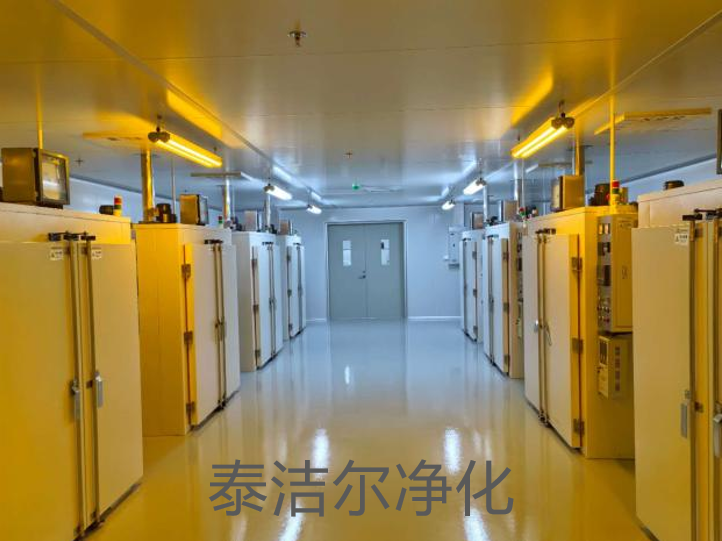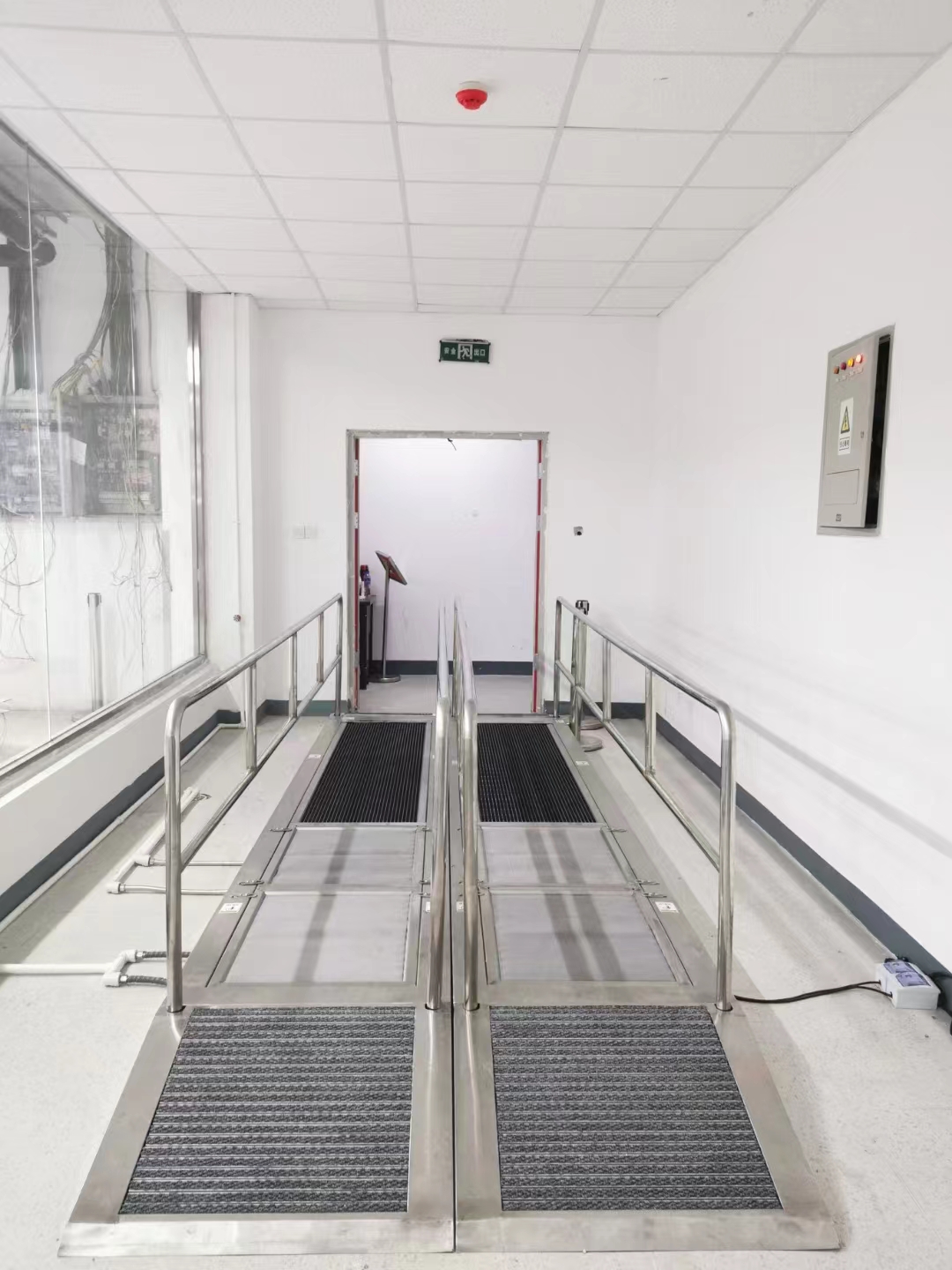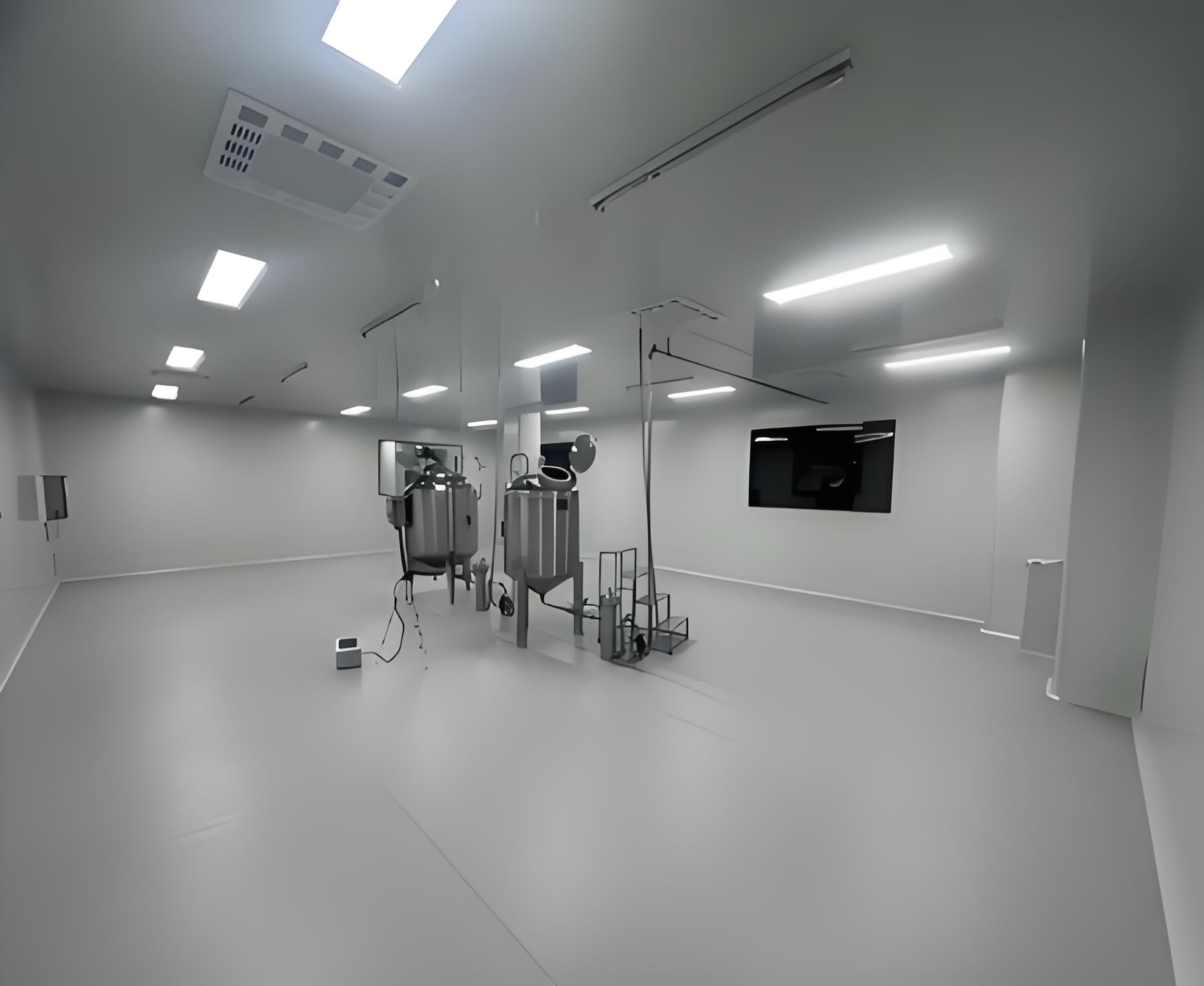
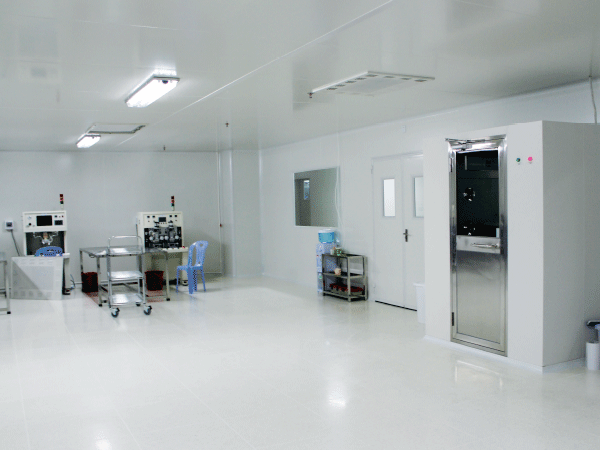

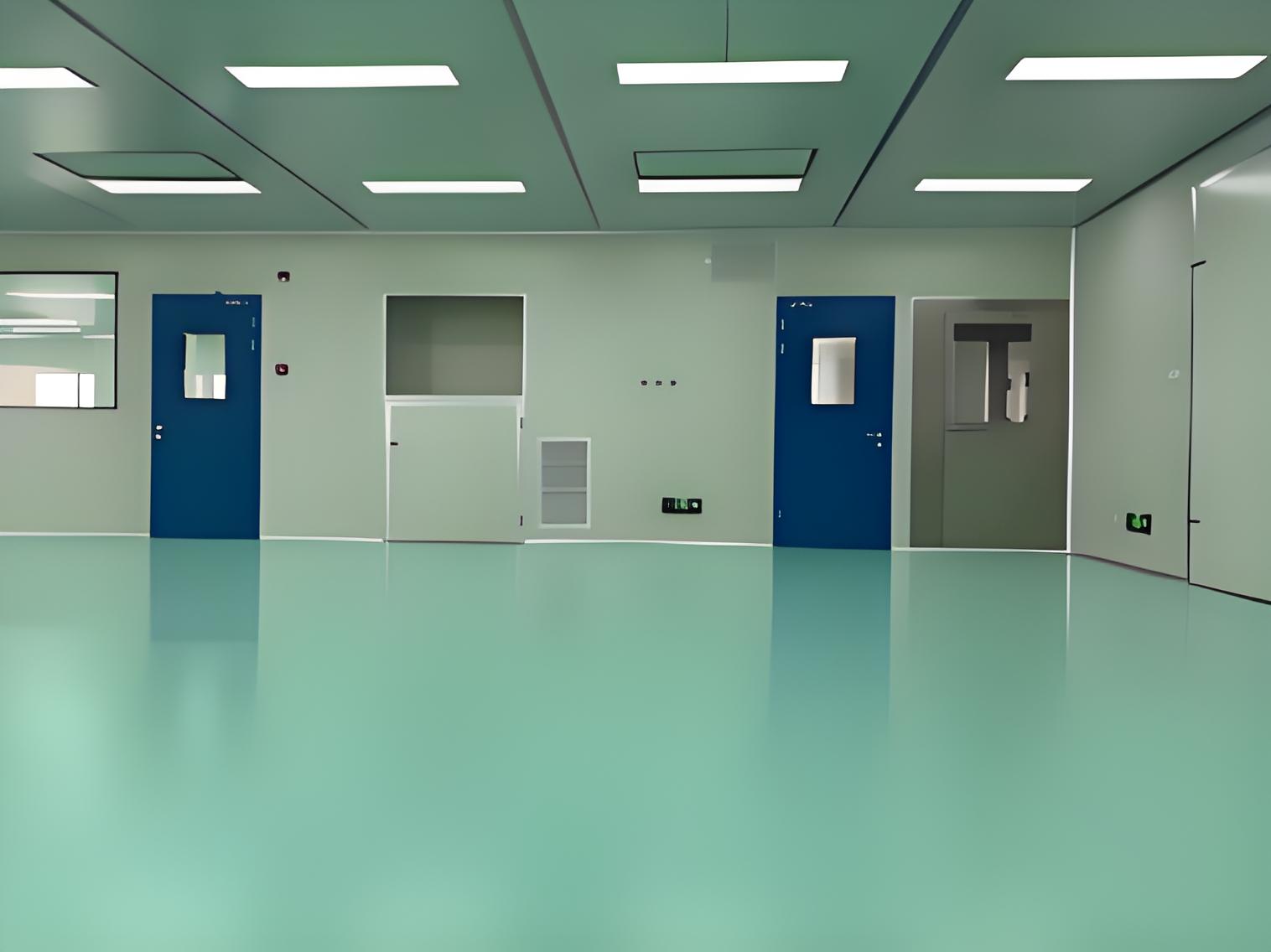
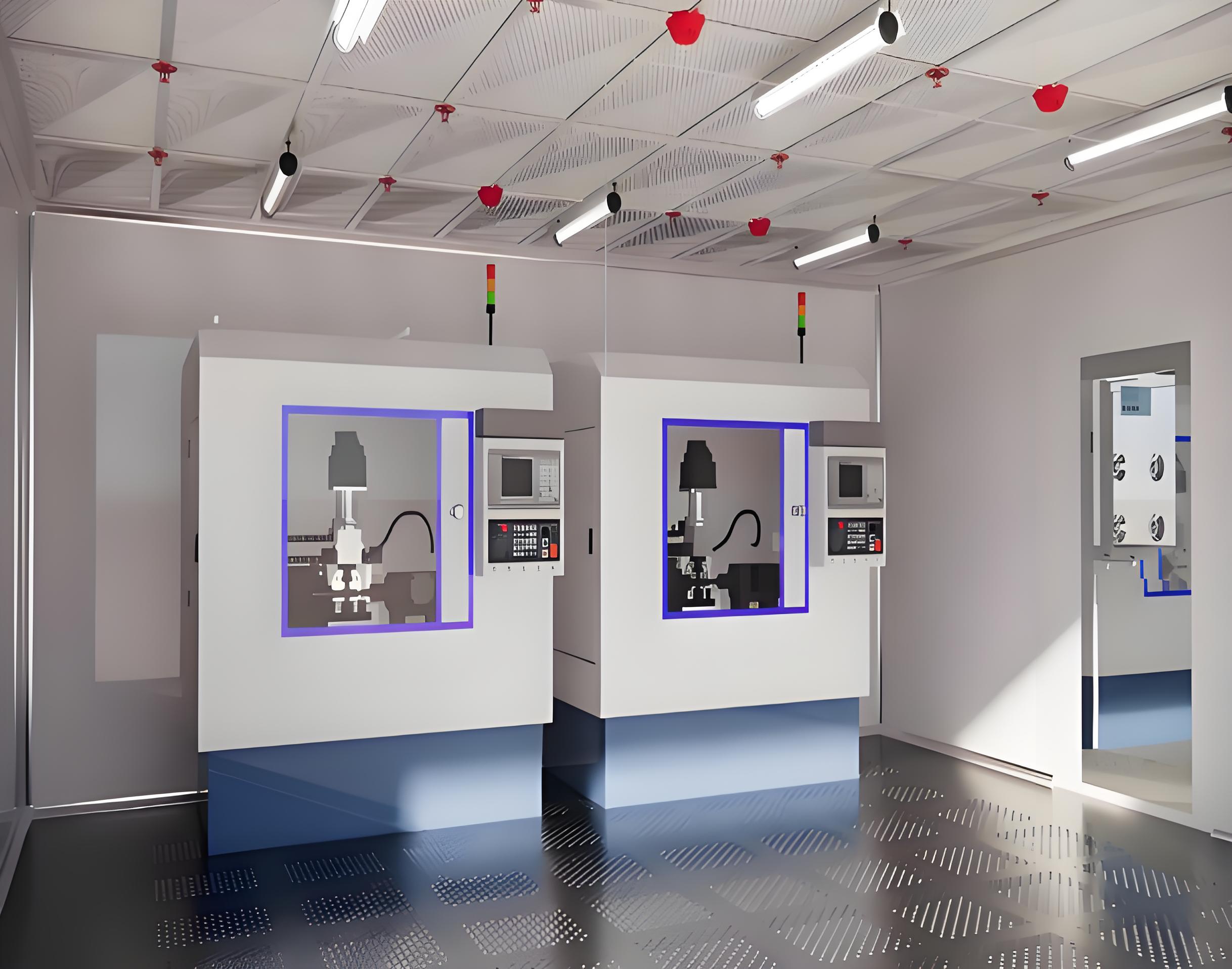
Effective Laboratory design directly influences research reproducibility, staff safety, and regulatory compliance. Unlike general architectural planning, laboratory design requires a systems-level approach that integrates HVAC with precise air change rates, chemical resistance surfaces, utility zoning (gas, vacuum, purified water), and placement of specialized equipment such as fume hoods, biosafety cabinets, and drying systems. A poorly conceived layout forces technicians to cross contamination zones, extends walking distances for sample processing, and creates bottlenecks in analytical workflows. In particular, drying equipment—vacuum ovens, forced-air sterilizers, freeze dryers—has unique exhaust, heat dissipation, and electrical requirements that must be considered early in laboratory design. This article provides technical guidance on modern laboratory design principles, identifies common design flaws, and shows how TAI JIE ER drying systems are engineered to fit seamlessly into compliant laboratory environments.
Any robust Laboratory design must start with a risk-based assessment of activities. For chemical analysis labs, the key drivers are fume containment and corrosion resistance. For bio/pharma R&D labs, contamination control (ISO 5 to ISO 8 cleanroom zones) and material flow (clean vs. dirty corridors) dominate. For material science or catalyst labs, high-temperature processes and inert atmosphere requirements shape the design. Across all types, several universal parameters apply:
Spatial zoning: Separate preparatory areas (sample weighing, reagent preparation) from instrument zones (HPLC, GC-MS, spectroscopy) and high‑hazard zones (solvent storage, acid digestion). Drying ovens generating heat or solvent vapors should occupy a ventilated niche.
HVAC engineering: A minimum of 6–12 air changes per hour for general labs; 12–20 ACH for chemical labs with fume hoods. Drying equipment with solvent evaporation requires local exhaust canopies or snorkels to prevent vapor accumulation.
Utilities distribution: Fixed piping for nitrogen, compressed air, vacuum, and purified water. Each drying oven or vacuum dryer needs dedicated vacuum line isolation valves and condensate traps.
Bench and equipment layout: Modular workstations allow reconfiguration. Drying systems with front-panel controls and side venting should be placed on dedicated heat-resistant benches with minimum 150 mm clearance from walls.
Ignoring these parameters leads to failed inspections (OSHA, ISO 17025) and productivity losses. In contrast, a systematic laboratory design process, including computational fluid dynamics (CFD) for fume hood placement and thermal load simulation for drying ovens, pays back within 18 months through reduced contamination incidents and faster method development.
Drying processes—whether for glassware, biological samples, or chemical intermediates—are frequently overlooked during early Laboratory design phases. This oversight generates real operational problems:
Thermal load misjudgment: A forced-air oven at 250 °C dissipates 1.5–2 kW of heat, raising ambient temperature by 3–5 °C in a small lab, affecting sensitive balances and incubators.
Inadequate exhaust: Vacuum drying ovens release solvent vapors when vented. Without connection to a laboratory exhaust system, vapors accumulate, causing fire hazards and health risks.
Accessibility issues: Front-loading dryers placed too low cause ergonomic strain; top-loading freezers require overhead space clearance.
Electrical conflicts: Drying systems often draw 10–16 A and need dedicated circuits. Shared circuits with other equipment trigger breaker trips during peak heating cycles.
To avoid these, incorporate drying equipment into laboratory design using the following engineering controls: allocate a specific “thermal process zone” with reinforced benching, 220 V outlets rated for 20 A, and an exhaust canopy connected to the general exhaust system. For vacuum drying, install a central vacuum manifold with cold traps to protect the building vacuum network. TAI JIE ER provides detailed installation drawings (including heat dissipation profiles and minimum clearance requirements) for its V-LAB and F-LAB series, enabling architects and lab managers to embed these systems without retrofitting.
A concrete example illustrates the value of intentional Laboratory design. A mid‑size pharmaceutical QC lab needed to perform loss-on-drying (LOD) testing for 40 API samples daily, plus occasional solvent removal from synthesis intermediates. Their existing design placed two vacuum ovens on a standard bench near a sink and a HPLC instrument. During validation, they discovered temperature uniformity failures (±4 °C across the oven chamber) due to nearby water pipes causing localized cooling, and repeated HPLC baseline drift due to heat and vibration from oven fans. The solution involved re‑designing the lab layout: moving the HPLC unit to a vibration-isolated table in a separate climate-controlled room, and installing a dedicated drying alcove with an exhaust snorkel, a reinforced concrete bench, and a TAI JIE ER V‑LAB vacuum oven with remote monitoring. After re‑design, oven temperature uniformity improved to ±1 °C, solvent odors disappeared, and HPLC‑related re‑runs dropped by 70 %. This case underscores that laboratory design must treat drying systems as primary process equipment, not afterthoughts.
Many research institutions now demand adaptable spaces that can switch from organic synthesis to materials characterization within months. Modular laboratory design uses movable benches, ceiling‑supplied utilities (service carriers), and mobile fume hoods. Drying equipment for such environments must also be mobile or easily re‑located. TAI JIE ER offers caster‑mounted forced-air drying ovens with quick‑disconnect electrical and exhaust fittings, allowing re‑configuration in under two hours. Furthermore, the company’s freeze dryers are designed with stackable condensers and modular shelf arrays, fitting into standard 80 cm wide lab modules. For multi‑tenant incubators, each laboratory design zone can include pre‑installed rough‑ins for drying equipment (exhaust, 240 V, data Ethernet), providing plug‑and‑play readiness.
Compliance with standards such as ANSI/ASSE Z9.5 (laboratory ventilation), NFPA 45 (fire protection), and ISO 15189 (medical labs) is non‑negotiable. When planning Laboratory design, safety features must include:
Emergency decontamination: Eyewash stations and safety showers within 10 seconds’ travel from any drying oven that handles corrosive or toxic materials.
Fire suppression: For ovens operating above 150 °C, install a local fire extinguisher rated for electrical/chemical fires (Class C or D).
Chemical storage compatibility: Never store flammable solvents above or adjacent to drying ovens. Maintain at least 1.5 m separation.
Alarm integration: Connect oven over‑temperature alarms to the building management system (BMS) for off‑hours notification.
Advanced laboratory design also incorporates pass‑through drying ovens for cleanroom applications—these units have doors on two sides, allowing dirty‑side loading and clean‑side unloading, preserving ISO Class 5 integrity. TAI JIE ER manufactures stainless‑steel pass‑through dryers with HEPA‑filtered supply air, meeting aseptic processing requirements.
When drafting specifications for a new or renovated lab, consider these technical attributes to future‑proof the facility:
Chamber material: 316L stainless steel for corrosion resistance (especially when drying acidic residues); avoid coated mild steel.
Temperature range and uniformity: For most analytical labs, 20 °C to 250 °C with ±2 °C uniformity is sufficient; but for polymer conditioning, up to 350 °C may be needed.
Vacuum capability: Minimum ultimate pressure of 1 mbar for solvent removal; 0.1 mbar for freeze drying.
Data connectivity: Ethernet, USB, or RS‑485 for exporting cycle data to LIMS/ELN. Consider 21 CFR Part 11 compliance if regulated.
Physical footprint: Bench‑top vs. floor‑standing. Ensure door swing clearance and rear service access (minimum 30 cm).
Requesting this information from suppliers like TAI JIE ER early in the laboratory design process prevents costly change orders later. Their engineering team can provide 3D CAD models of each drying unit, which architects can directly insert into BIM models for clash detection with ductwork and piping.
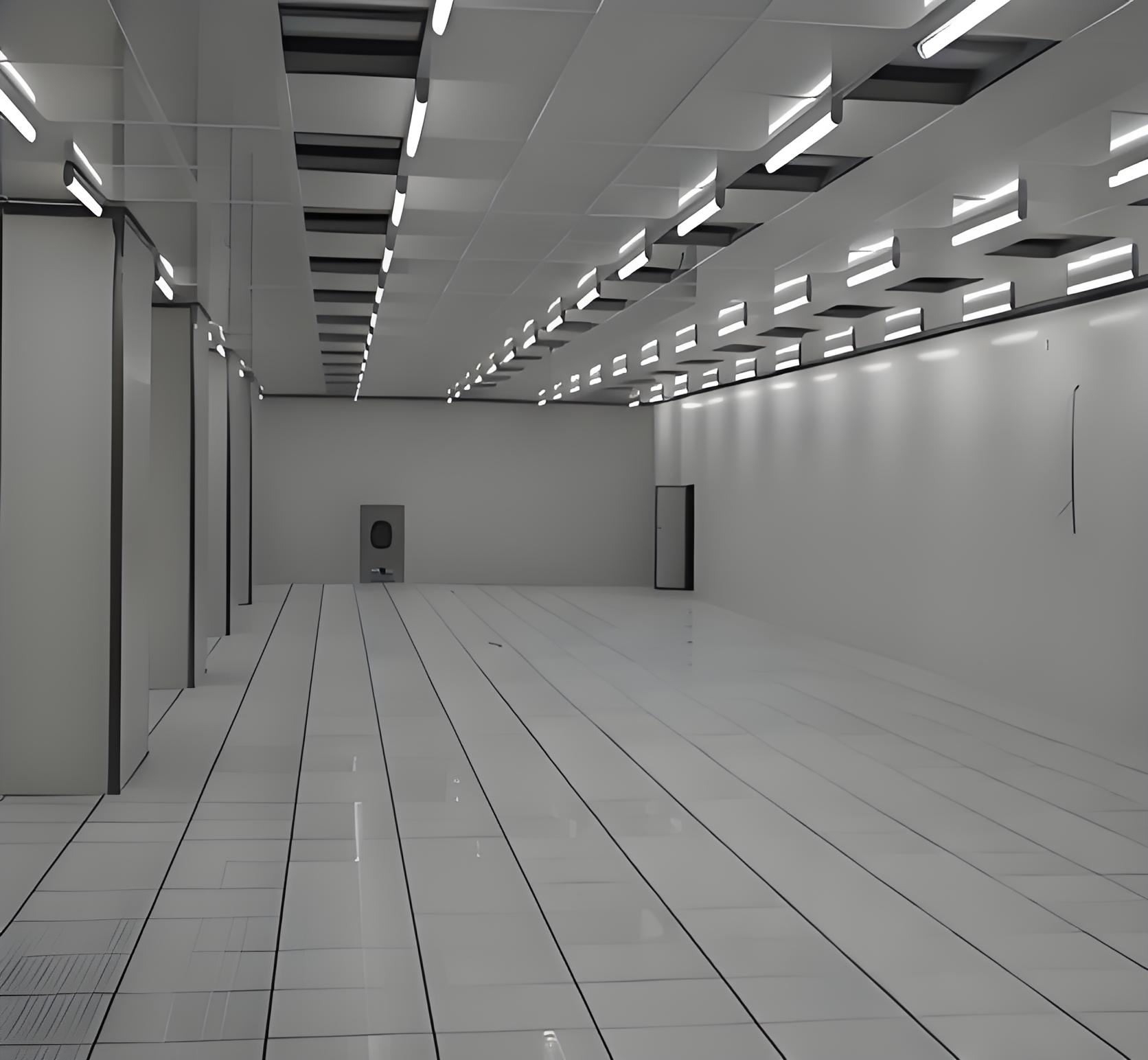
Modern laboratory design increasingly incorporates Internet of Things (IoT) infrastructure. Drying systems should not be isolated islands. Smart ovens and vacuum dryers with embedded sensors can:
Send real‑time temperature/pressure alerts to lab managers via mobile app.
Automatically shut down if exhaust flow drops below setpoint.
Generate electronic batch reports after each drying cycle, eliminating manual logbooks.
TAI JIE ER’s HMI‑equipped dryers support Modbus TCP and MQTT protocols, allowing integration with platforms like LabVantage or Benchling. When designing a lab network, allocate an independent VLAN for process equipment to prevent interference with analytical instruments. Furthermore, each drying unit’s IP address and calibration schedule can be managed through the laboratory asset management system, aligning with GAMP 5 guidelines.
Q1: What is the minimum bench space required for a laboratory vacuum
drying oven?
A1: For a standard 53‑liter model, the bench must be at
least 700 mm wide, 600 mm deep, and capable of supporting 50 kg. Provide 150 mm
clearance on each side and 200 mm at the rear for exhaust and power cables.
Always verify with the manufacturer’s installation manual.
Q2: Can I place a drying oven directly under a chemical fume hood?
A2: Only if the fume hood is certified for heat‑generating
equipment and the oven’s height allows proper sash operation. Many safety
standards (NFPA 45) prohibit heat sources inside hoods due to fire spread risks.
Prefer a dedicated exhaust canopy placed above the oven instead.
Q3: How should laboratory design handle drying of solvents with low
flash points?
A3: Use a vacuum drying oven with inert gas purging
(nitrogen) and connect the vacuum pump exhaust to a scrubber or building
exhaust. The room itself must be rated for Class I, Division 2 hazardous areas.
TAI JIE ER offers explosion‑proof modifications for such applications.
Q4: Does a pass‑through drying oven maintain cleanroom
classification?
A4: Yes, if the oven is installed with proper flush
mounting to the cleanroom wall, and equipped with HEPA‑filtered supply air plus
interlocking doors. The pressure differential between dirty and clean sides must
remain ≥10 Pa. TAI JIE ER pass‑through dryers are validated for ISO 5
environments.
Q5: How often should drying equipment be re‑qualified after
laboratory design completion?
A5: Annually for temperature
uniformity (9‑point mapping) and vacuum leak tests. Additionally, after any
relocation or major repair. The original IQ/OQ documents provided by TAI JIE ER
can serve as baseline.
Q6: Can an existing laboratory design be retrofitted with a larger
drying system without major construction?
A6: Possibly, by using
floor‑standing units with front‑access service panels. But electrical upgrades
(larger breakers) and exhaust modifications are often unavoidable. A
pre‑retrofit site survey by TAI JIE ER engineers is recommended.
Integrating drying equipment strategically into your Laboratory design reduces rework, enhances safety, and improves data integrity. TAI JIE ER provides technical consultation during the design phase, including thermal load calculations, exhaust requirement sheets, and 3D models. Our drying systems—vacuum ovens, forced‑air sterilizers, freeze dryers, and pass‑through units—are built to integrate seamlessly with modern lab infrastructure.
Send your laboratory design requirements and equipment list to our engineering team for a customized layout proposal, validation documentation, and quotation. Contact us via the form below or email 912228126@qq.com. Let’s engineer a future‑ready laboratory together.