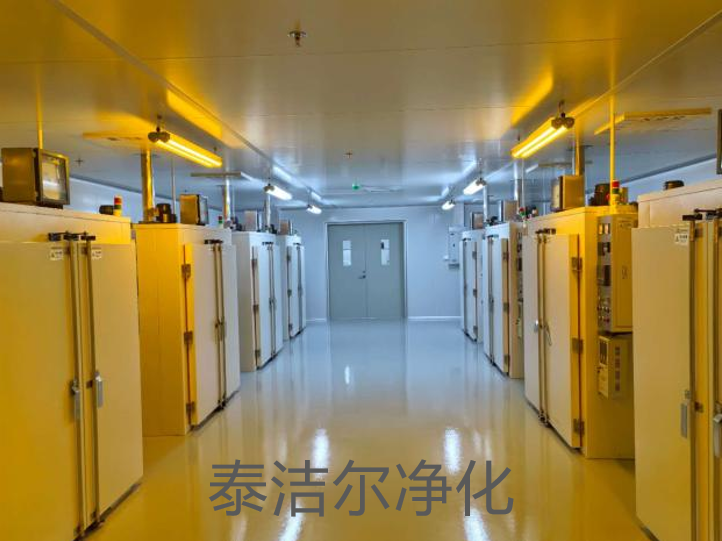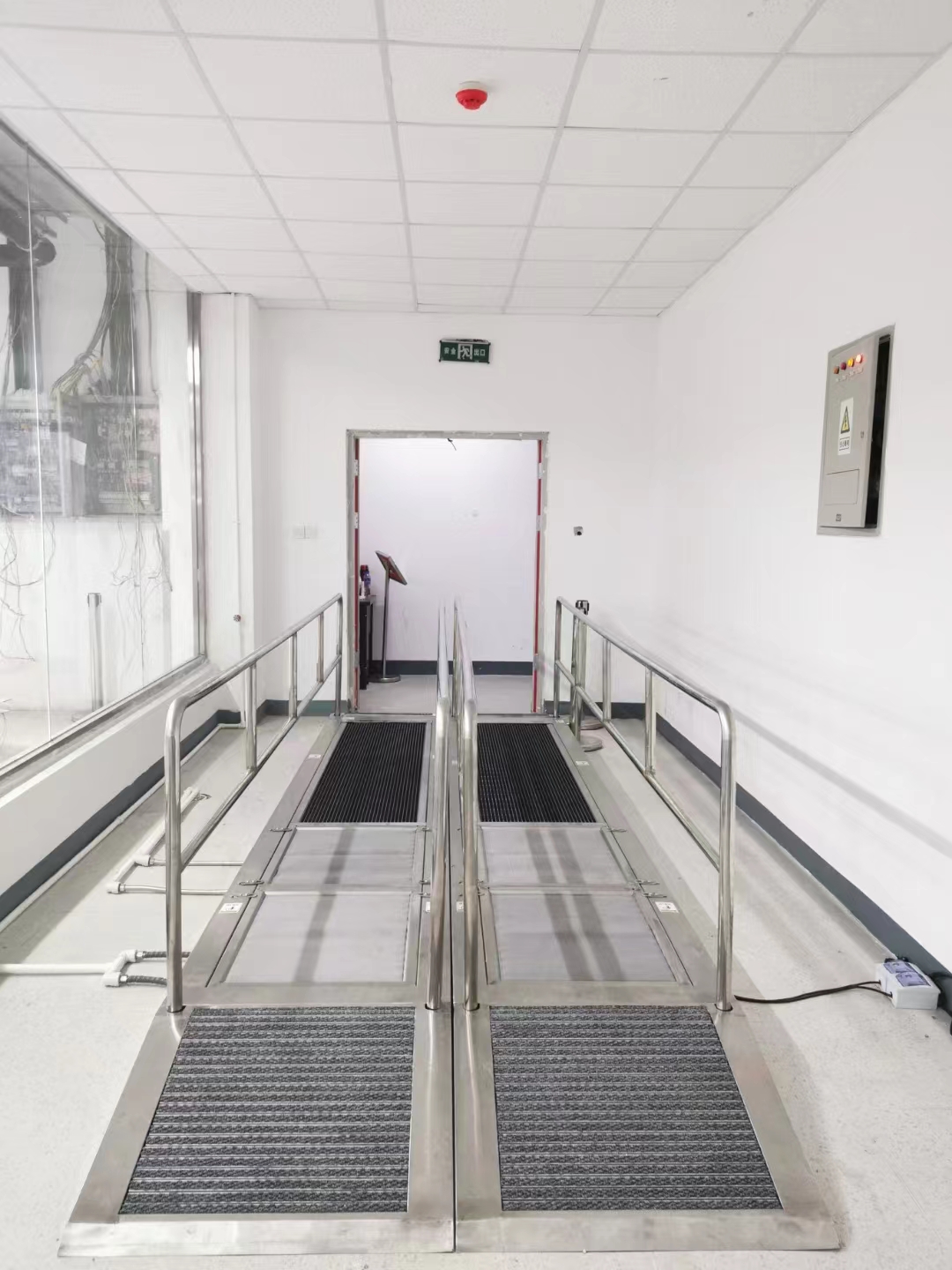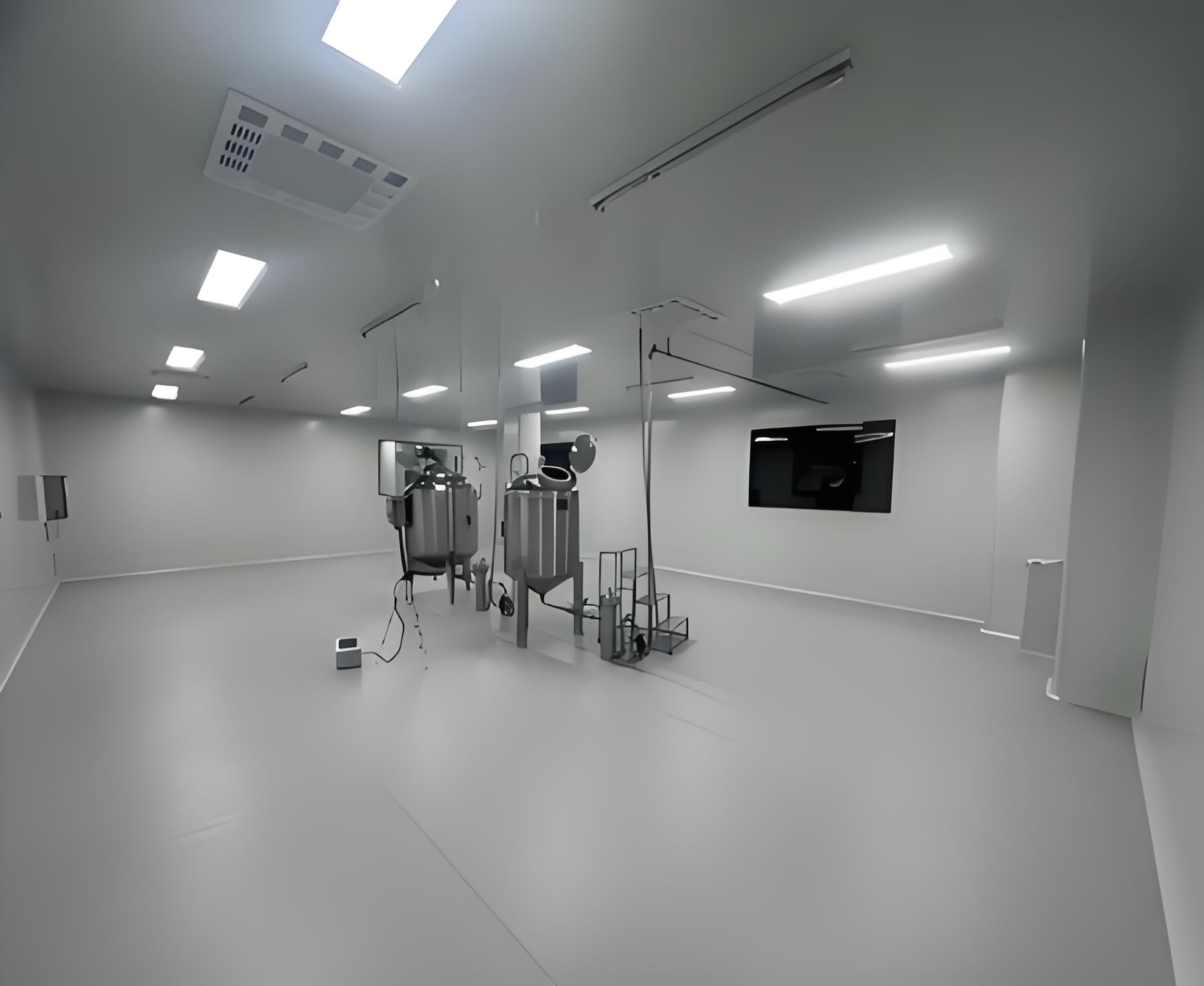
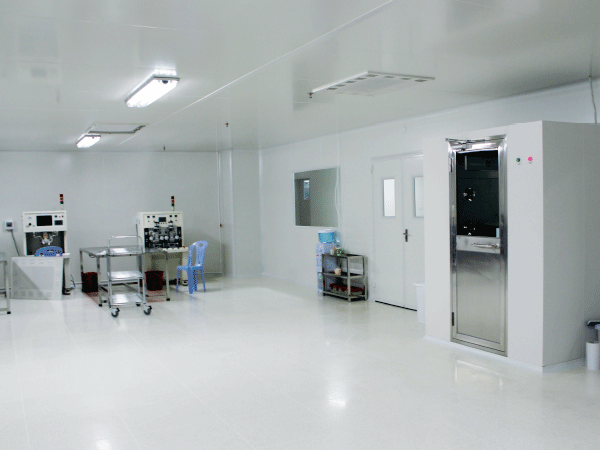

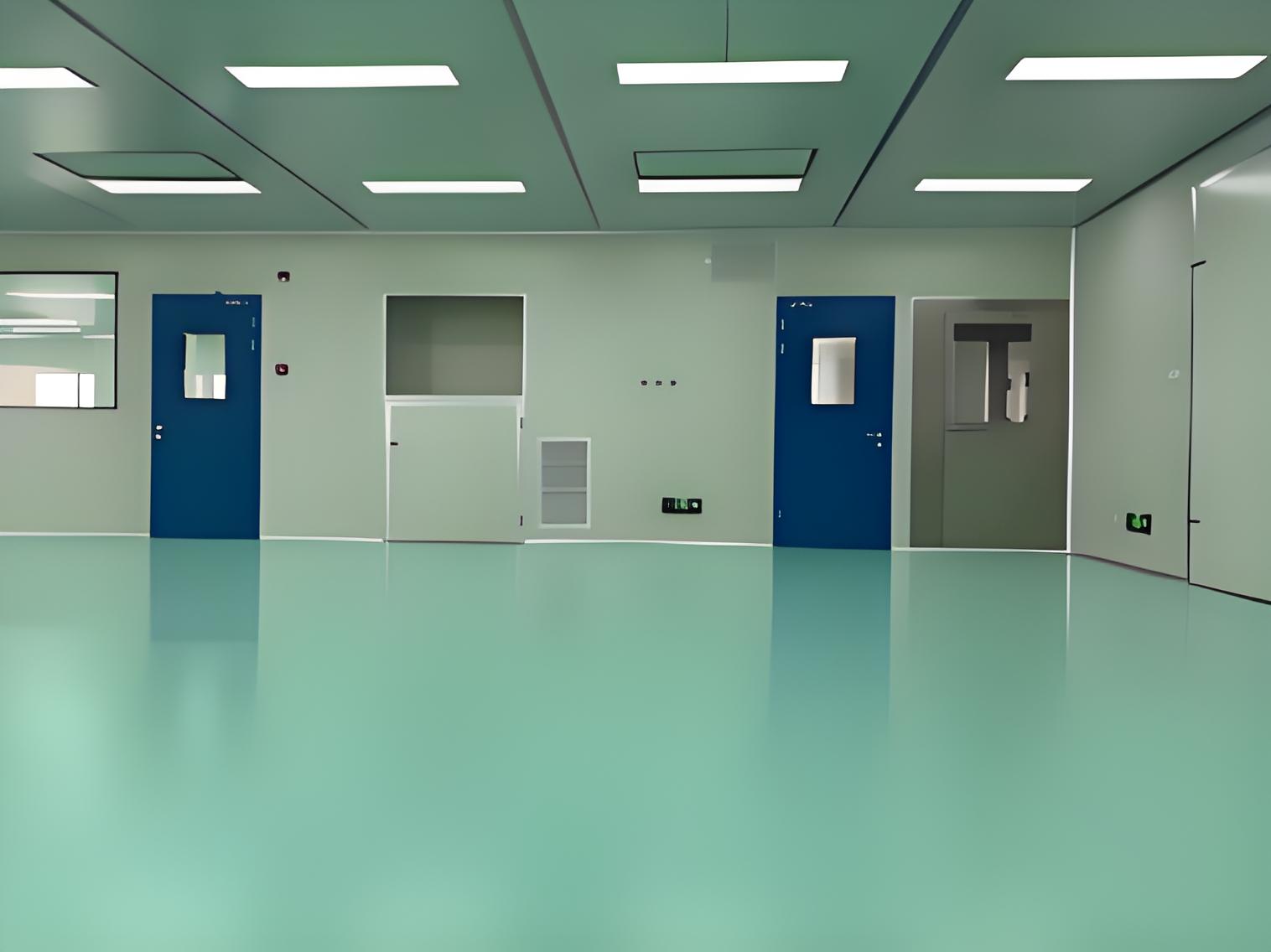
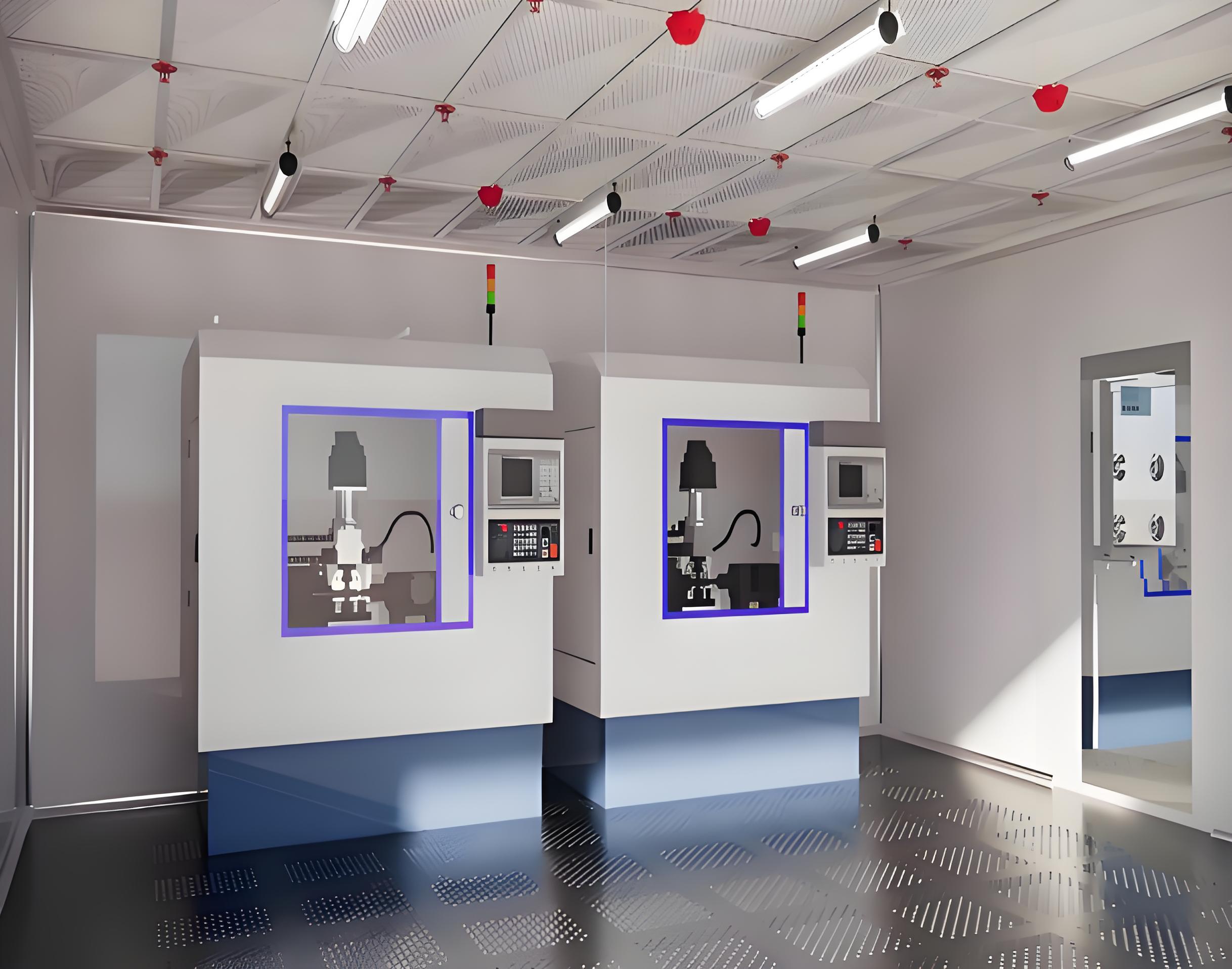
In modern pharmaceutical, chemical, and material science facilities, Laboratory Engineering forms the backbone of reproducible experimentation and compliant manufacturing support. Beyond benchtop instruments, laboratory engineering encompasses environmental control, utility integration, and specialized process equipment—including drying systems that directly influence sample integrity and analytical accuracy. Whether developing a novel lyophilized drug or characterizing moisture-sensitive catalysts, the engineering of lab-scale drying processes dictates data reliability and scale-up success. This article provides a technical overview of drying technologies within laboratory engineering ecosystems, identifies persistent pain points, and presents engineered solutions from TAI JIE ER, a recognized authority in industrial and laboratory drying equipment.
Laboratory Engineering involves the design, installation, validation, and optimization of physical infrastructure and equipment that support scientific research and analytical testing. Core subsystems include HVAC with precise humidity control, purified water distribution, exhaust management, and process utilities. Among these, drying equipment—such as vacuum ovens, forced-air sterilizing dryers, freeze dryers, and desiccant-based chambers—plays a pivotal but often under-engineered role. Poorly integrated drying units produce uneven moisture removal, thermal degradation of thermo-labile compounds, and batch-to-batch variations, undermining GLP and ISO 17025 standards. Effective laboratory engineering mandates that drying systems be validated for temperature uniformity (typically ≤ ±1.0°C at set point), vacuum integrity (leak rate < 0.01 mbar·L/s), and material compatibility. For R&D labs handling expensive APIs or biological specimens, even minor deviations compromise downstream assays.
Moreover, modern laboratory engineering increasingly adopts modular, IoT-ready architectures. Drying equipment must interface with building management systems (BMS) and laboratory information management systems (LIMS) to log process parameters—temperature, pressure, time, and ramp rates. This data traceability is mandatory for FDA-regulated environments (21 CFR Part 11). Therefore, selecting drying solutions that incorporate programmable logic controllers (PLC) with audit trails is a strategic engineering decision, not merely a purchase.
Within any Laboratory Engineering framework, drying processes intersect with sample preparation, stability testing, contamination control, and waste minimization. For instance:
Pharmaceutical R&D: Freeze drying (lyophilization) of protein formulations requires precise shelf temperature control and condenser capacity. Even minor deviations cause collapse or eutectic melt, destroying product activity.
Material science: Drying of graphene oxide, catalysts, or MOFs demands inert atmospheres (nitrogen purging) to prevent oxidation; conventional hot-air dryers are inadequate.
Environmental analysis: Drying of soil, sludge, or filter residues for gravimetric analysis must avoid loss of volatile organic compounds or generation of artifacts from overheating.
Food/nutraceutical labs: Moisture content determination by loss-on-drying (LOD) requires forced-air convection with ±0.1°C uniformity to meet AOAC methods.
Each application requires specific engineering attributes: programmable ramp rates for lyophilization, HEPA-filtered air circulation for cleanroom compatibility, or corrosion-resistant chambers for acid digestion residues. TAI JIE ER has developed a series of laboratory drying systems (vacuum drying ovens, forced-air sterilizing ovens, and bench-top freeze dryers) that integrate these engineering requirements into compact, validated platforms. Their equipment is designed with stainless steel 316L interiors, optional solvent-resistant gaskets, and data export functionality, aligning with the best practices of modern laboratory engineering.
Despite the availability of basic drying appliances, laboratory professionals routinely encounter challenges that stem from poor engineering integration:
Thermal non-uniformity: Conventional ovens show temperature gradients >3°C across shelves, leading to over-dried samples at the back and under-dried samples at the front. This directly invalidates comparative studies.
Condensation and cross-contamination: Vacuum dryers without controlled venting (e.g., filtered air or nitrogen) allow back-streaming of pump oil vapors or ambient humidity into the chamber, contaminating samples.
Inadequate process documentation: Standard lab dryers lack automatic data logging, forcing manual recording and increasing human error. For regulated labs, this creates audit deficiencies.
Energy inefficiency & heat damage: Continuous high-power heating without adaptive PID control extends cycle times, degrades heat-sensitive samples, and unnecessarily consumes energy—contrary to lean laboratory principles.
Scaling difficulties: Data from poorly controlled lab-scale drying cannot predict industrial drying performance, causing failed scale-ups and wasted R&D investment.
Addressing these requires an engineering-centric selection approach: focusing on validated temperature mapping, vacuum decay tests, and programmable methods that mimic production-scale cycles. TAI JIE ER provides pre-qualification documentation (IQ/OQ) and thermal mapping reports for its laboratory drying equipment, enabling smooth integration into regulated laboratory engineering workflows.
To meet the rigorous demands of contemporary Laboratory Engineering, TAI JIE ER offers three core platforms, each addressing specific technical gaps:
V-LAB Series Vacuum Drying Ovens: Achieve ultimate vacuum of 0.1 mbar with leak rates below 0.005 mbar·L/s. Features include inert gas purge ports, multi-step programmable ramp settings (up to 10 segments), and real-time pressure monitoring. Temperature uniformity ±1.2°C at 200°C, ideal for thermo-labile APIs and electronic component drying.
F-LAB Series Forced-Air Sterilizing Ovens: HEPA H14 filtered air supply (optional) ensures ISO Class 5 cleanliness during drying. PID auto-tuning with over-temperature protection (Class 2 according to DIN 12880). Uniformity ±0.8°C at 150°C. Suitable for sterile glassware, depyrogenation, and moisture analysis.
L-LAB Series Bench-Top Freeze Dryers: Condenser temperature -85°C, ice capacity 6 kg/24h. Shelf temperature programmable from -40°C to +60°C with 0.5°C resolution. Data logging via RS-485 and USB, compliant with 21 CFR Part 11. Ideal for protein formulation and vaccine development labs.
Each system is built with TAI JIE ER's proprietary chamber geometry optimization and advanced insulation to reduce energy consumption by up to 18% compared to conventional designs. Furthermore, all models offer optional validation ports for external thermocouples, enabling on-site temperature mapping—a critical requirement for any serious laboratory engineering validation protocol.
Modern Laboratory Engineering projects prioritize digitalization, and drying equipment is no exception. The shift from standalone ovens to connected drying ecosystems allows:
Real-time remote monitoring: Engineers can supervise multiple lab drying units from a central dashboard, receiving alerts for parameter deviations (e.g., door open, vacuum loss).
Electronic batch records: Every drying cycle generates a PDF/CSV report containing setpoint profiles, actual temperature/ pressure curves, alarm logs, and operator ID. This eliminates paper-based record risks.
Method library and recipe management: Store validated drying methods for specific sample types (e.g., “Graphene oxide – vacuum nitrogen blank” or “Lyophilization cycle for monoclonal antibody”). Prevent unauthorized modifications and ensure consistent training.
Predictive maintenance: Integrated sensors track door seal integrity, heater performance, and vacuum pump runtime, scheduling maintenance before failure occurs—reducing unplanned downtime.
TAI JIE ER's drying systems come standard with a 7-inch HMI touchscreen, password-protected access levels, and Modbus TCP/IP communication. These features enable seamless integration into existing laboratory engineering networks, whether a single fume hood zone or a multi-story R&D center. For labs already using LIMS, custom API integration can be arranged to automatically link drying records to sample IDs, thereby closing the data loop from sample receipt to final report.
To maximize ROI and avoid the common pitfalls described above, laboratory engineering teams should apply the following criteria when selecting drying systems:
Define process requirements quantitatively: Identify maximum temperature, required temperature uniformity (e.g., ±1°C or ±2°C), vacuum depth, inert gas need, and maximum sample load. Avoid over-specifying or under-specifying.
Verify validation documentation: Request factory acceptance test (FAT) protocols, temperature mapping reports (9-point or 15-point grid), and vacuum decay test results. Reputable suppliers like TAI JIE ER provide these as standard.
Check material compatibility: For corrosive substances (acidic vapors, solvents), ensure chamber material (316L stainless steel) and gaskets (Viton or PTFE) are resistant. Standard silicone gaskets degrade rapidly.
Assess data integrity features: Does the equipment store data in non-editable formats? Does it comply with ALCOA+ principles? For GxP labs, 21 CFR Part 11 compatibility is mandatory.
Plan for scalability and service: Choose a drying platform whose control logic mirrors that of production-scale equipment from the same manufacturer. This simplifies tech transfer and reduces scale-up risks. Also evaluate local service support and availability of spare parts (heating elements, vacuum valves, etc.).
Adhering to these practices ensures that drying equipment becomes an asset rather than a source of variability. It also directly supports the broader goals of laboratory engineering: safeguarding data quality, protecting personnel, and enabling innovation.
The next frontier in Laboratory Engineering involves artificial intelligence (AI) and machine learning (ML) for adaptive drying. By training models on historical drying curves (temperature, pressure, sample weight loss), AI algorithms can predict optimal endpoint times and automatically adjust ramp rates to prevent overheating or underdrying. Early adopters report up to 25% reduction in drying cycle times and 30% less energy consumption while maintaining product quality. Furthermore, computer vision systems integrated into drying chambers could detect sample surface changes (cracking, color shift) and halt the process before irreversible damage occurs. Although still emerging, these technologies are likely to become standard within five years. TAI JIE ER is already conducting pilot projects on smart drying algorithms and expects to release the first AI-assisted laboratory vacuum oven by 2027, further cementing its role as an engineering-driven manufacturer.
Q1: How does proper laboratory engineering improve drying
reproducibility?
A1: Proper laboratory engineering ensures that
drying equipment is integrated with controlled ambient conditions (e.g., stable
HVAC, no cross-flow contamination), connected to data management systems, and
validated for thermal uniformity. This eliminates external variables, so
repeated drying cycles yield identical residual moisture levels, critical for
GLP and method validation.
Q2: Can I perform solvent evaporation in a standard vacuum drying
oven?
A2: Only if the oven is equipped with explosion-proof
components (e.g., non-sparking fan, solvent-resistant seals, and inert gas
purging). Standard vacuum ovens are not designed for flammable solvent
evaporation and pose serious fire/explosion risks. For solvent applications, TAI
JIE ER offers modified V-LAB units with flame arrestors and ATEX-compliant
configurations.
Q3: What validation documents should be provided with a laboratory
drying system?
A3: At minimum, a factory calibration certificate,
temperature distribution map (empty load, at set points of 60°C, 120°C, 200°C),
vacuum leak rate test report, and installation qualification (IQ) / operational
qualification (OQ) templates. Some projects also require performance
qualification (PQ) with representative product. TAI JIE ER includes IQ/OQ
documentation with every engineered drying system.
Q4: How often should temperature mapping be repeated for a lab drying
oven?
A4: Annually is the recommended industry standard (per ISO
17025 and GMP guidelines). Additionally, remapping is required after any major
repair (heater replacement, door seal change), relocation of the unit, or
whenever drift in temperature control is suspected from routine monitoring.
Q5: Can laboratory engineering principles help reduce drying-related
contamination?
A5: Absolutely. Engineering controls include
HEPA-filtered air intake (prevents particle ingress), stainless steel interior
with seamless welding (no crevice contamination), and directional exhaust with
backflow prevention. For aseptic labs, pass-through drying ovens with
interlocked doors maintain cleanroom zoning. TAI JIE ER's F-LAB series supports
these configurations.
Q6: What is the typical lead time for a custom laboratory drying
system from TAI JIE ER?
A6: Standard units ship within 4–6 weeks.
Custom-engineered systems (e.g., specific chamber dimensions, explosion-proof
mods, 21 CFR Part 11 software with custom report templates) require 8–12 weeks,
including FAT witnessing if requested.
Selecting the right drying equipment is a strategic decision that directly impacts data integrity, operational efficiency, and regulatory compliance. TAI JIE ER combines decades of drying technology expertise with a deep understanding of Laboratory Engineering best practices. Whether you need a validated vacuum oven for API drying, a HEPA-filtered forced-air oven for sterile applications, or a fully programmable freeze dryer for biopharma R&D, our engineering team provides technical pre-sales support, qualification documentation, and global after-sales service.
Send your inquiry today to receive a customized quotation, thermal mapping report samples, or discuss a pilot test at your facility. Contact our laboratory engineering specialists via the form below or email directly at 912228126@qq.com. Let us engineer precision into every drying cycle.