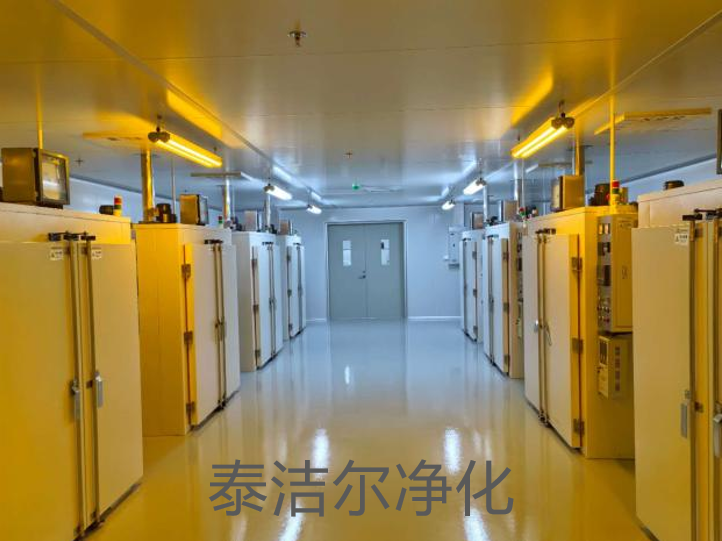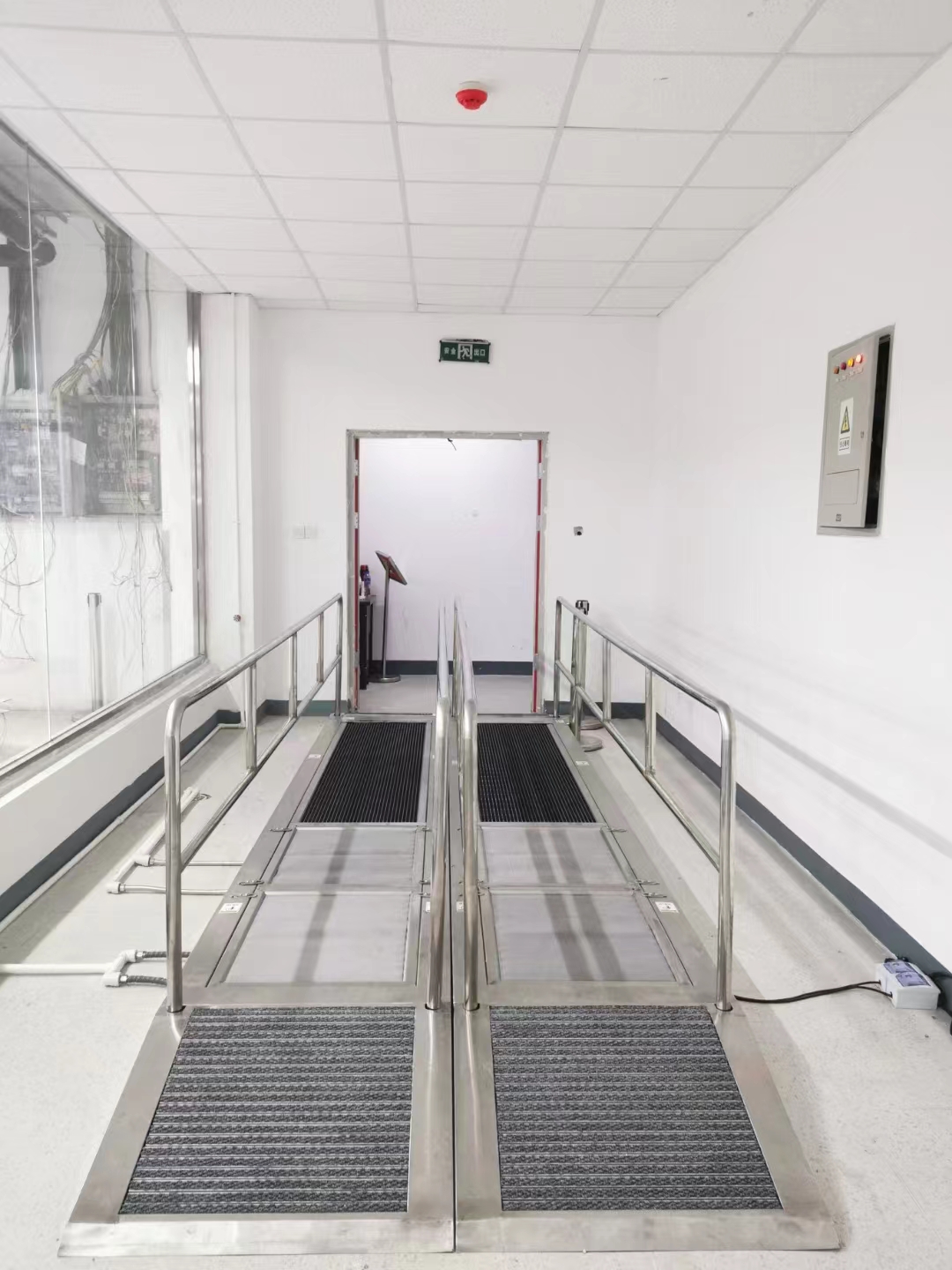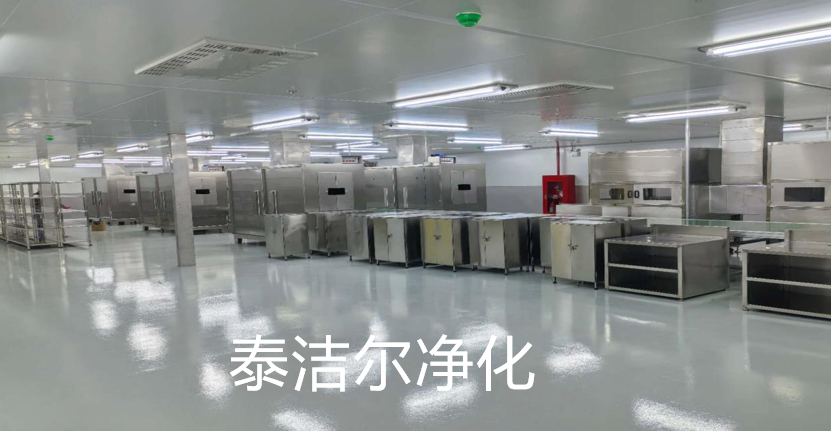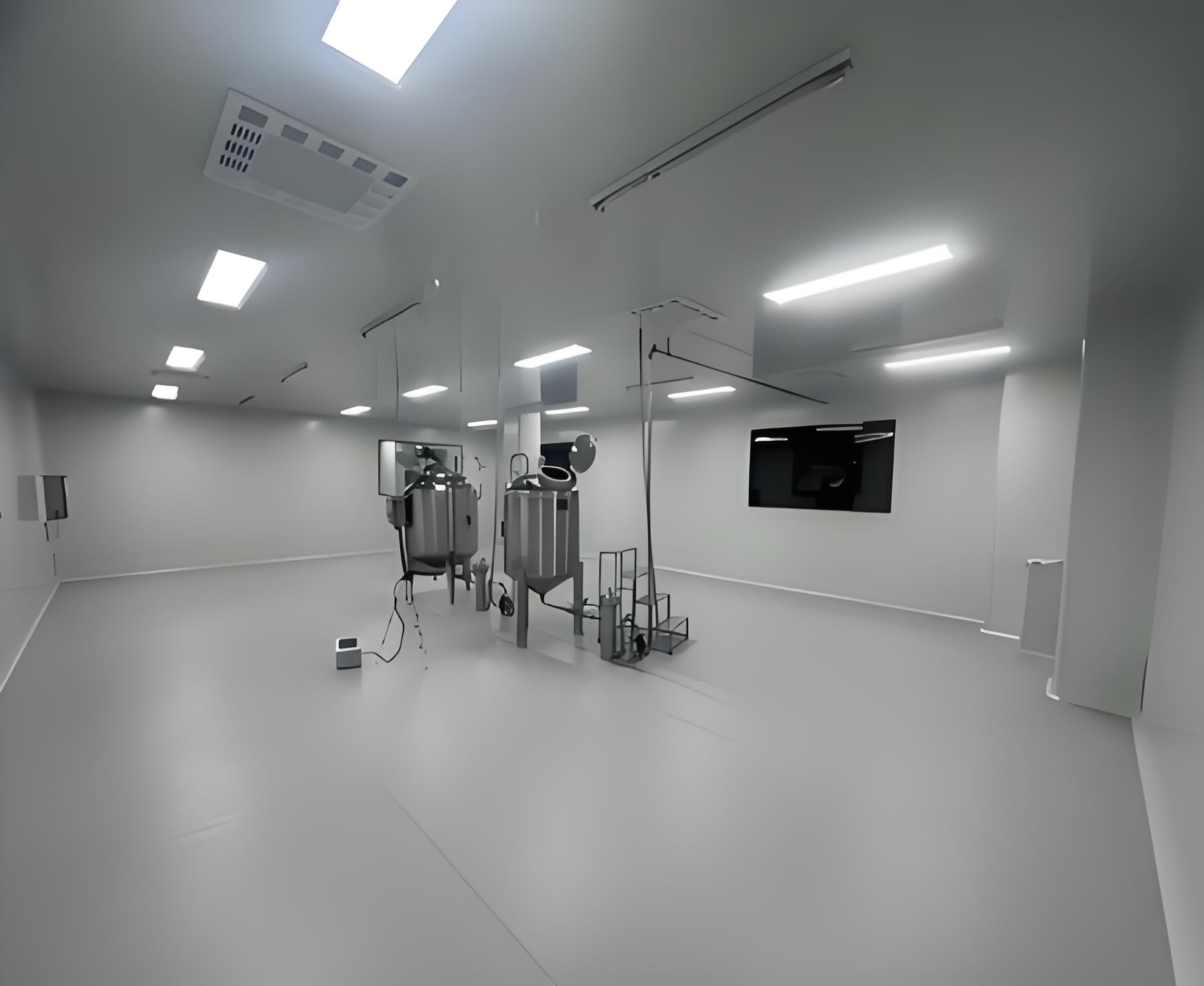
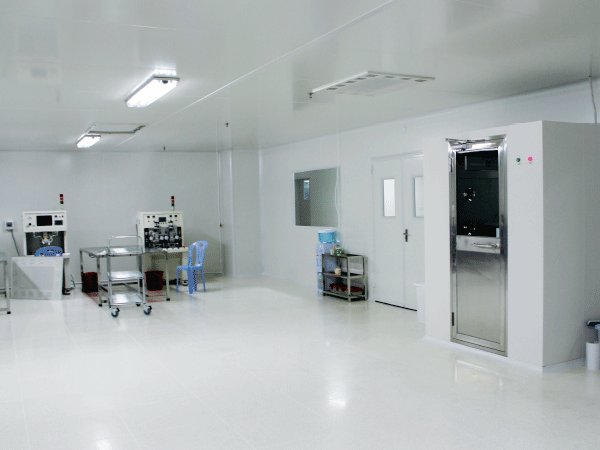

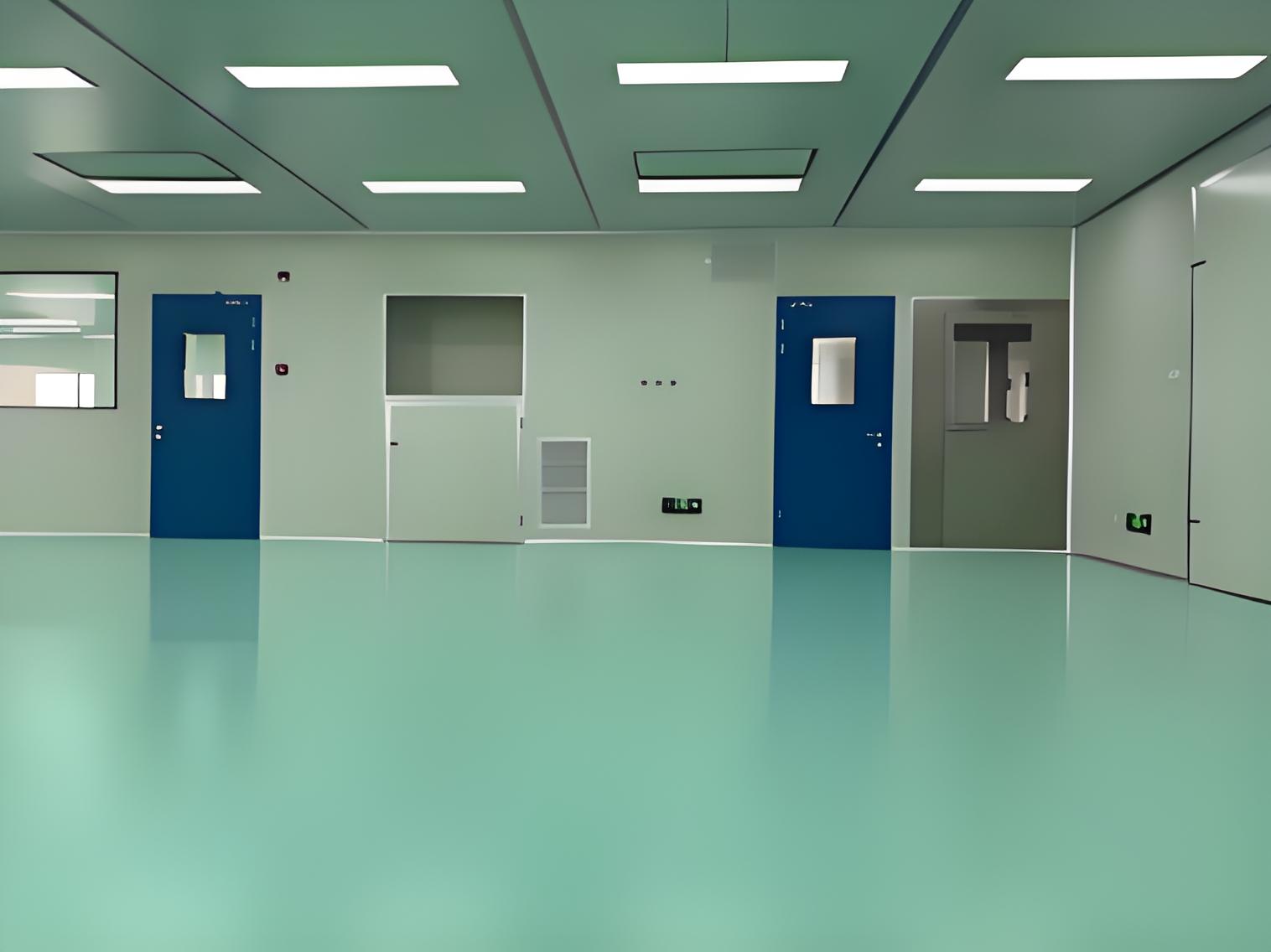
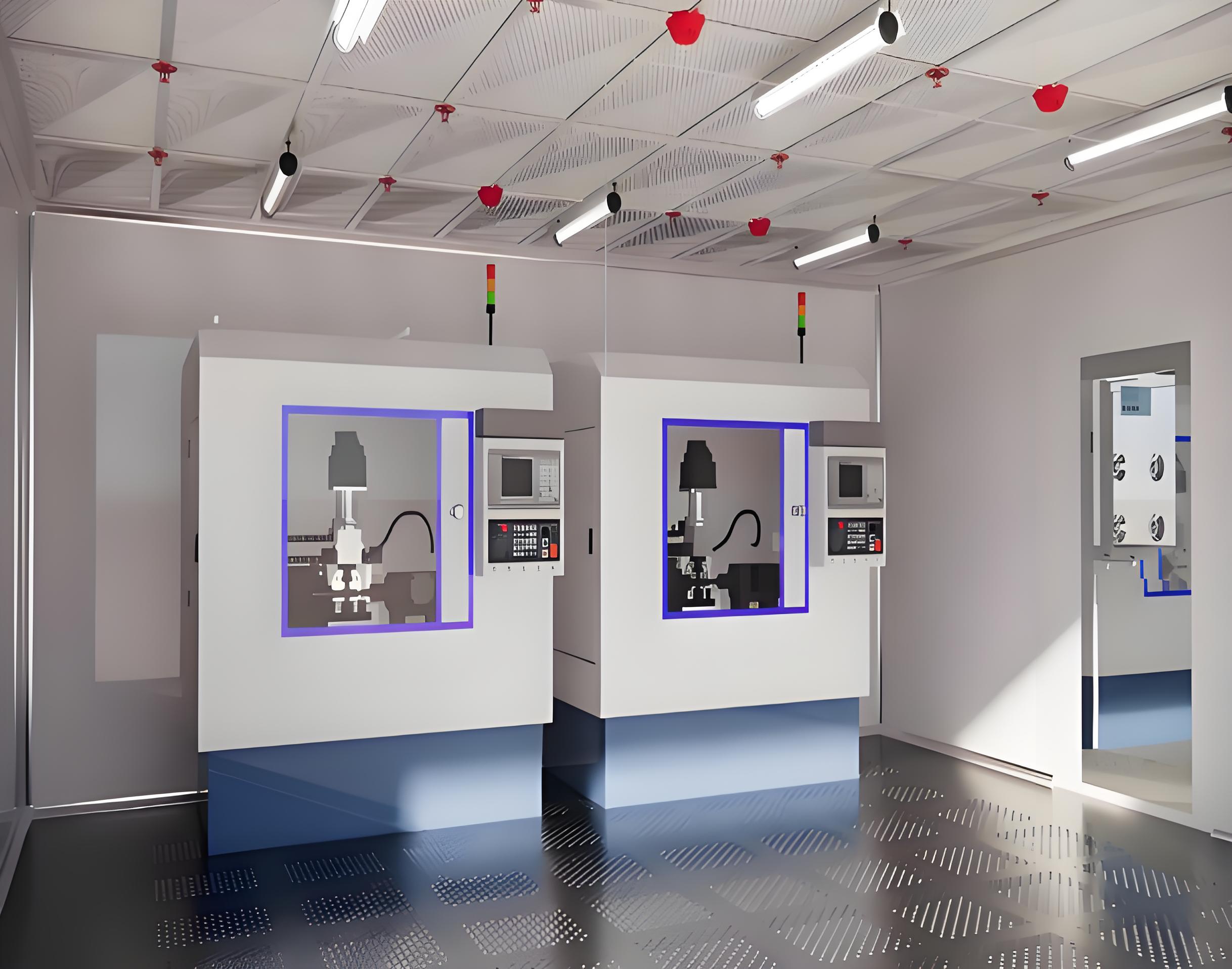
In controlled environments where airborne particles, microbial contamination, and electrostatic discharge directly impact product yield and patient safety, the specification of Cleanroom Engineering Decoration determines operational success. Unlike conventional interior finishes, cleanroom surfaces must exhibit zero porosity, chemical resistance, and continuous cleanability under strict ISO 14644-1 classifications. This article provides a technical deep dive into material selection, jointing strategies, and modular construction—drawing from real-world projects across aseptic filling lines, wafer fabrication bays, and medical device assembly.
Leading engineering firms such as TAI JIE ER have documented that over 40% of operational deviations originate from inappropriate decoration solutions (e.g., peeling coatings, open crevices, incompatible sealants). Below, we dissect seven engineering pillars that form a resilient Cleanroom Engineering Decoration strategy, integrating seamless flooring, rigid wall panels, and coved corner technologies.
All decorative elements within an ISO Class 5–8 cleanroom must satisfy three non-negotiable criteria: non-shedding, low outgassing, and resistance to frequent sanitization. The following materials have achieved industry consensus:
Epoxy self-leveling flooring – Seamless, static-dissipative (10⁶–10⁹ Ω), and compatible with hydrogen peroxide vapor.
Polyvinyl chloride (PVC) electrostatic discharge (ESD) tiles – Heat-welded seams eliminate moisture traps, ideal for dry process areas.
Baked enamel or powder-coated steel panels – Class A fire rating and impact resistance for wall partitions.
304/316L stainless steel cladding – Mandatory for aseptic zones requiring frequent hot water washing.
Modified polyurethane (PU) wall coatings – Provide chemical resistance against alcohols, aldehydes, and quaternary ammonium compounds.
Recent advances include antimicrobial nano-silver additives integrated into epoxy resin and low-VOC polyurea systems that cure within 2 hours, reducing construction downtime by 30% (TAI JIE ER internal data).
The weakest points in any Cleanroom Engineering Decoration are floor-to-wall junctions, corner intersections, and panel expansion gaps. Industry standard ISO 14644-1 requires all internal corners to be coved with a radius of at least 50 mm to eliminate right-angled dirt traps. Practical solutions include:
Preformed PVC or stainless steel coving – Thermally welded to floor and wall sheets, creating a monolithic curve.
Hybrid sealants (MS polymer + silane terminated) – Offer ±25% movement capability without cracking under dynamic pressure differentials.
Flush-mounted ceiling grid systems – Gasketed T-bars prevent particle accumulation above cleanroom modules.
Validation protocol: After installation, all seams must be inspected by a UV light (365 nm) with fluorescent tracer applied to sealant lines. Defects exceeding 0.3 mm width require immediate rework.
For projects requiring ISO Class 5 (Class 100) environments, modular cleanroom partition panels have become the preferred solution. Compared to drywall and painted surfaces, modular systems offer four distinct advantages:
Speed of installation – A 200m² modular wall set can be erected in 8 days versus 21 days for wet trades.
Zero onsite cutting – Factory-cut openings for pass-through boxes, HEPA filter housings, and utility ports prevent airborne dust generation.
Non-progressive deconstruction – Panels can be disassembled and relocated for facility upgrades without damaging structural integrity.
Integrated return air plenums – Hollow wall cavities serve as low-velocity return paths, reducing ductwork volume by 25%.
TAI JIE ER has executed over 60 modular cleanroom projects for vaccine fill/finish lines, achieving particle counts below 3,520 particles/m³ ≥0.5 μm (ISO Class 5) immediately after commissioning.
In semiconductor fabs and nanotech labs, raised access floors are mandatory for airflow management and utility routing. Key specifications for cleanroom engineering decoration regarding raised floors:
Aluminum or zinc-coated steel pedestals with 600x600 mm interlocking floor panels.
Ventilated panels (25% open area) to promote vertical laminar flow and return air recirculation through subfloor plenum.
Non-shedding edge seals – Each panel edge must be equipped with conductive gaskets to prevent particle emissions during foot traffic.
Pressure mapping tests indicate that properly sealed raised floors reduce cross-contamination risk between clean zones by 67% compared to slab-on-grade with painted surfaces.
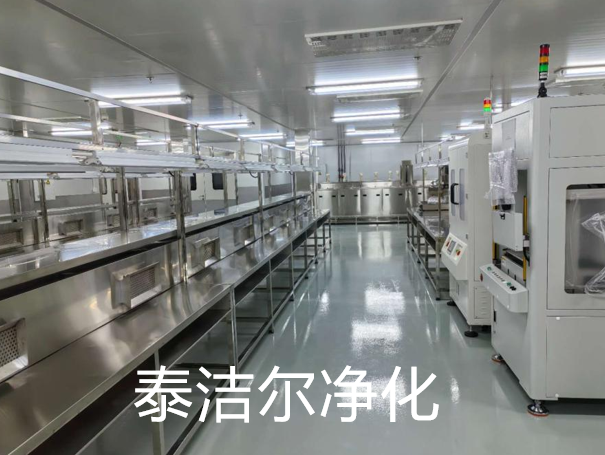
For assembly of MOSFETs, hard disk drives, and MEMS sensors, surface resistivity must fall between 10⁴ and 10¹¹ Ω/sq. Cleanroom Engineering Decoration achieves ESD control via three complementary layers:
Conductive epoxy primer (carbon fiber filled) over concrete subfloor – Resistance below 10⁴ Ω.
Static-dissipative vinyl or epoxy topcoat – Resistivity 10⁶–10⁹ Ω, grounding through copper strips connected to facility earth.
Antistatic wall panels – Embedded with carbon mesh or metallic fibers, continuity tested at 10⁸ Ω between adjacent panels.
Regular testing per ANSI/ESD S20.20 is critical: a walking body voltage generation below 100 V must be verified after installation. Failure to integrate ESD-compliant decoration can result in up to 45% yield loss in CMOS fabrication.
Decorative finishes directly influence cleanroom pressurization and air change rates (ACH). Smoothed surfaces with tight joints reduce airflow resistance, allowing lower fan energy consumption. Critical parameters for design engineers:
Surface roughness average (Ra) – For ISO Class 6 and above, Ra should be ≤ 0.8 μm to prevent microbial adhesion; polished epoxy or PU provides accurate microfinish.
Air leakage through wall/floor penetrations must be ≤ 0.05 % of room volume per hour at 50 Pa pressure difference. All pipes and conduits require compression-sealing grommets or silicone-injected boots.
Curtain-wall transition zones – Double-wall construction with negative-pressure interstitial spaces captures any leakage from external corridors.
Case example: A biologics facility with unsealed service penetrations saw 5,000 additional particles/m³ (0.5 μm) during each pressure cycle. After sealing all openings using the above method, particle counts stabilized below ISO Class 5 limits.
Before operational release, every Cleanroom Engineering Decoration project must undergo documented verification per GMP guidelines (EudraLex Annex 1, FDA Aseptic Processing Guide). The validation process includes three phases:
Visual inspection (100% coverage) – Identify any cracks, bubbles, delamination, or pinholes. Photographic evidence with annotated floor plans.
Seam integrity test (dye penetration) – Apply red ink solution to all joint intersections; permitted wicking length < 5 mm.
Surface particle emission test – Perform wipe sampling using 47 mm diameter filter discs; average particle count per wipe < 50 particles >5 μm.
ESD resistance mapping – Measure at 10 points per 100 m² using concentric ring electrodes.
Only when all acceptance criteria are met can a room be certified for aseptic processing. TAI JIE ER provides full IQ/OQ documentation packages, reducing client validation lead time by 40% through standardized protocols.
Different regulated industries demand specific decoration priorities. The table below summarizes best-in-class solutions:
Pharmaceutical (sterile injectables) – Coved epoxy floors + stainless steel wall cladding + sloped coved ceiling corners. Requires resistance to 6% H₂O₂ fogging.
Semiconductor (cleanroom Class 1/10) – Dissipative vinyl floor (conductive grid pattern) + anti-static polymeric wall panels + smooth ceiling with minipleat ULPA filters.
Medical device assembly (ISO Class 7-8) – Modulare wall system with integrated pass-throughs and washable PU paint.
Biotechnology R&D labs – Chemical-resistant epoxy floors (phenolic resistant) and seamless wall systems with integrated biosafety containment.
Based on forensic analysis of 120 cleanroom audits, the top three decoration defects are:
Edge delamination of sheet flooring – Caused by insufficient moisture barrier under epoxy. Solution: install 100 μm DPM (damp proof membrane) prior to primer.
Micro-cracking along coving seams – Due to differential thermal expansion between wall and floor. Solution: use polyurethane hybrid sealant with ±30% movement capacity.
Pinholing in epoxy coatings – Resulting from rapid solvent evaporation. Apply two-coat system with extended induction time.
Proactive quality assurance includes third-party adhesion pull-off tests (minimum 1.5 MPa for epoxy, 0.8 MPa for PU).
Emerging LSI technologies are reshaping cleanroom engineering decoration:
Photocatalytic TiO₂ coatings – Decompose organic residues when exposed to UV-A light, reducing bioburden by 99% without chemicals.
Self-healing polyurethane topcoats – Microcapsules release healing agent when scratches occur, maintaining surface integrity for 5+ years.
Embedded RFID sensing flooring – Detects foot traffic patterns and alerts when particle shedding limits are exceeded near critical zones.
Early adopters report 20% lower maintenance frequency and real-time surface contamination mapping.
A1: Ordinary systems do not address particle generation, air tightness at high differential pressures, nor sanitization chemical resistance. Cleanroom decoration requires certified low particle emission (≤ 0.1 ng/cm²/s for dynamic conditions), seamless geometry with coved corners, and documented compatibility with disinfectant rotation schedules (e.g., bleach, peracetic acid).
A2: According to ISO 14644-2, surface integrity revalidation should occur every 6–12 months, including visual crack inspection, particle wipe tests, and ESD resistance check. For high-traffic aseptic areas, semi-annual recertification is industry best practice. TAI JIE ER provides scheduled revalidation packages covering all decorative elements.
A3: Yes, provided the panels meet ATEX or NEC Class I/II requirements. Use non-sparking aluminum panels (grade 5083) with grounding continuity below 10 Ω, and seal all wall penetrations with intumescent firestop sealants. No organic coatings or static-generating surfaces are permitted in explosive dust atmospheres.
A4: For ISO Class 7-8 facilities, decoration comprises approximately 12–18% of total construction cost; for ISO Class 5-6, the share rises to 22–28% due to specialty materials (ESD epoxy, stainless steel coving, hermetically sealed door frames). Flooring accounts for 35-40% of decoration budget, walls 35-40%, ceilings and seals the remainder.
A5: VHP cycles cause oxidation of many polymers. Only VHP-grade epoxy (no amine blush), Kynar-coated stainless steel, or glass-reinforced plastic (GRP) surfaces can withstand >1,000 cycles without discoloration or erosion. Standard PVC or polyurethane degrades after 150 cycles. Always request VHP compatibility test reports per ASTM E3070 from material suppliers.
Whether you are constructing a new GMP aseptic suite, retrofitting a semiconductor bay, or upgrading medical device assembly lines to ISO Class 6, precision execution of Cleanroom Engineering Decoration is non-negotiable for regulatory compliance and yield protection. TAI JIE ER offers end-to-end engineering from material selection, modular fabrication, on-site installation, and full validation documentation (IQ/OQ) to meet global cGMP and SEMI standards.
Request a technical consultation or decoration quotation: Provide your cleanroom class (ISO or Federal Standard), area dimensions, and process requirements. Our team responds within 24 hours with preliminary material recommendations and budget estimates.
Submit your inquiry through our project form or directly email 912228126@qq.com – reference “Cleanroom Engineering decoration” for prioritized engineering support.