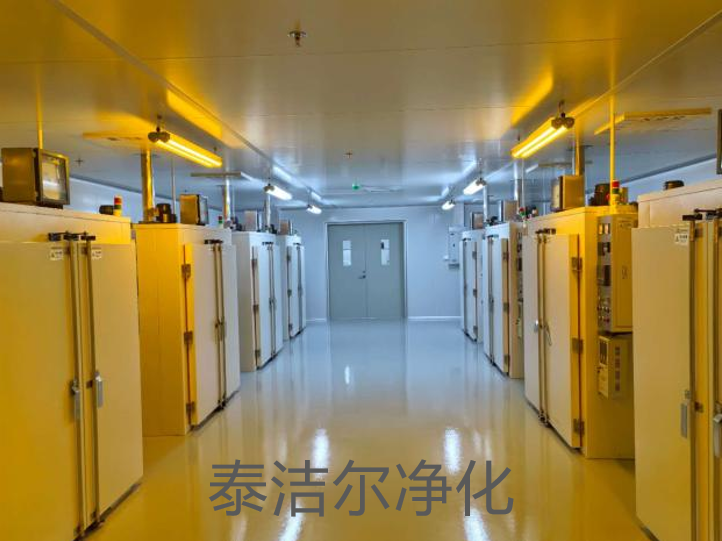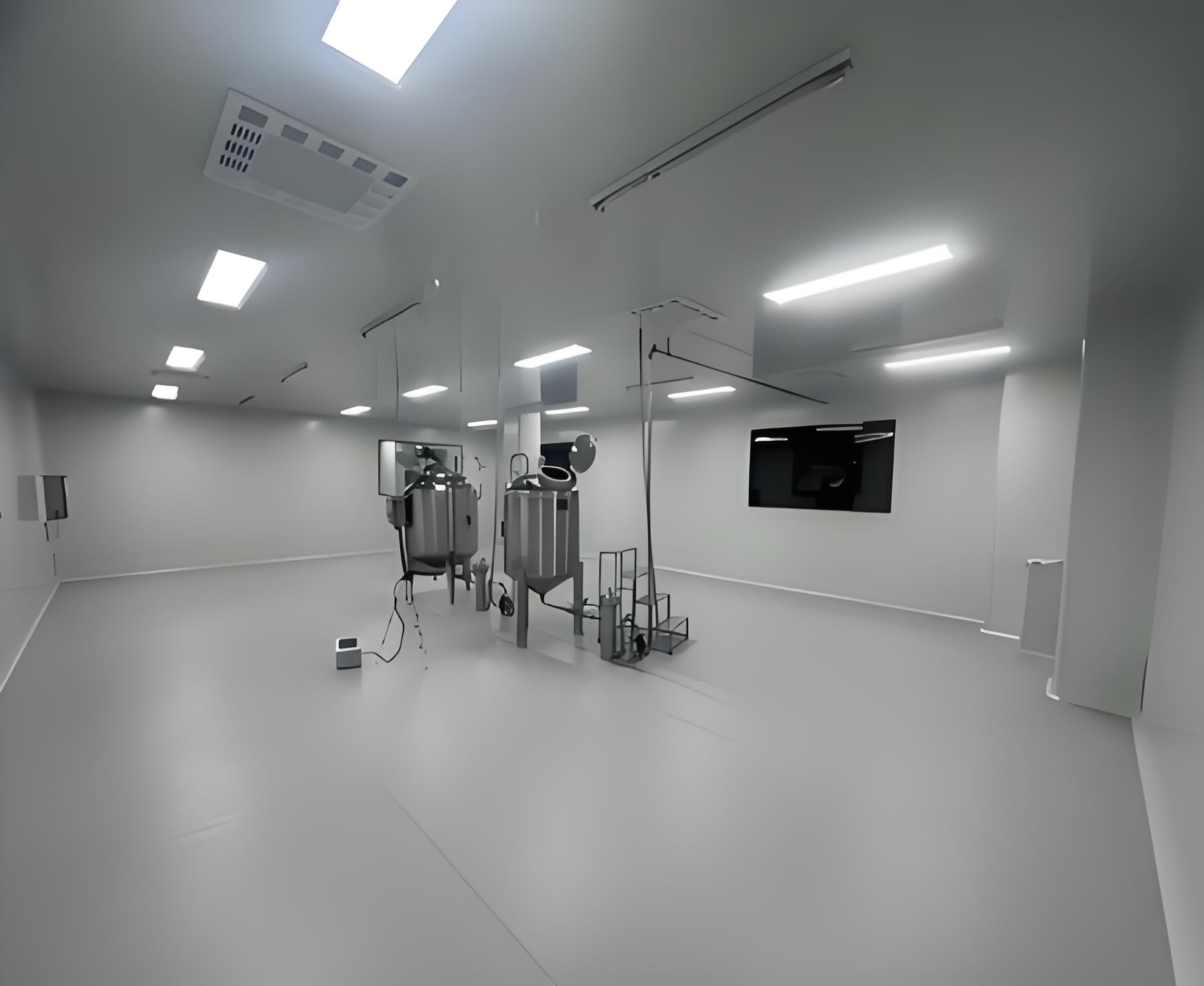
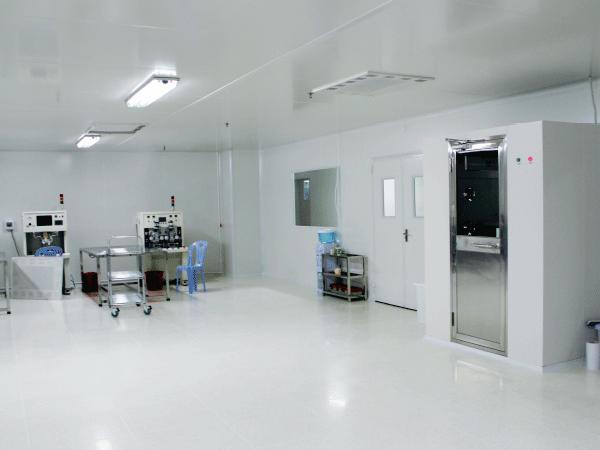

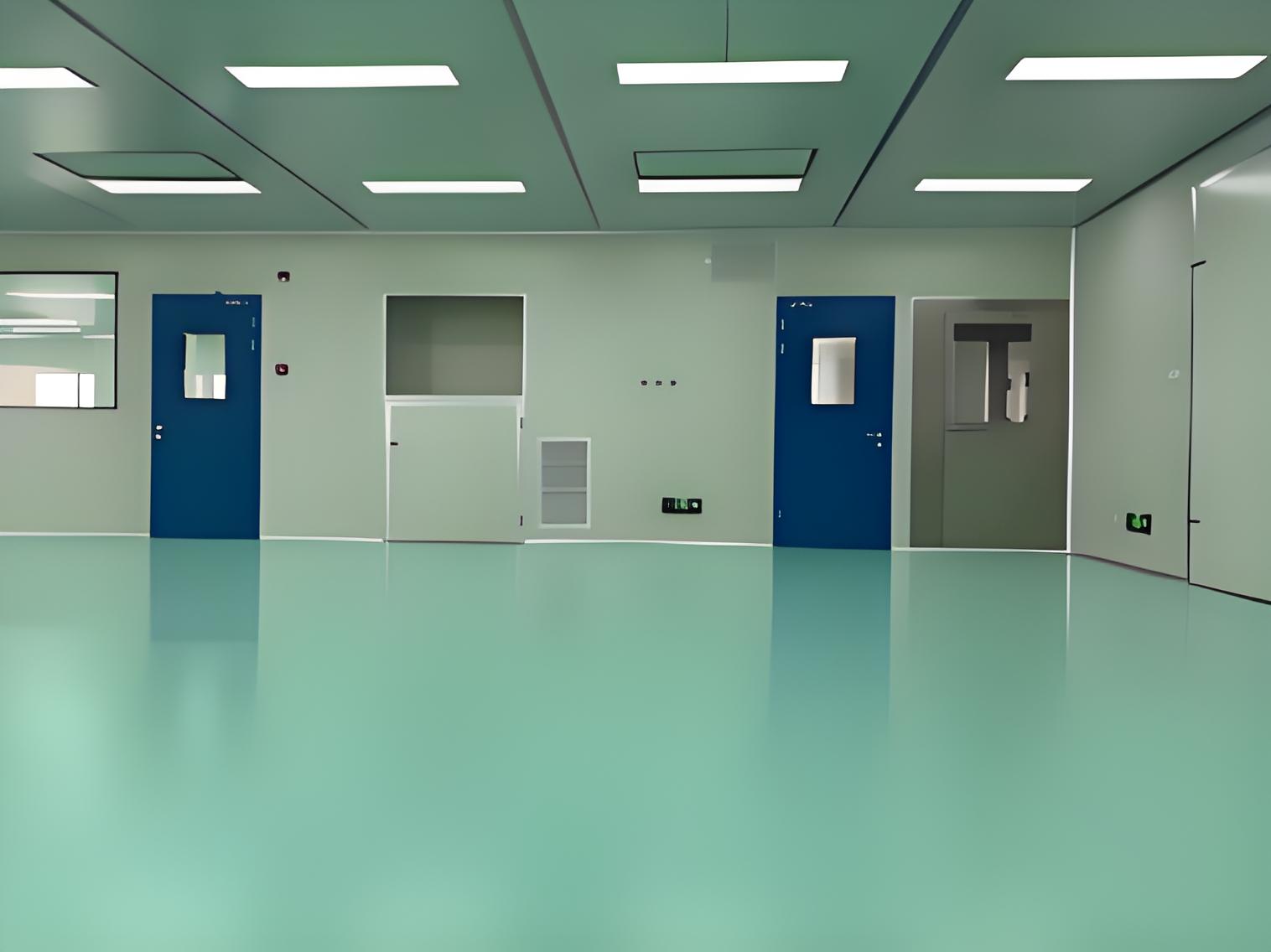
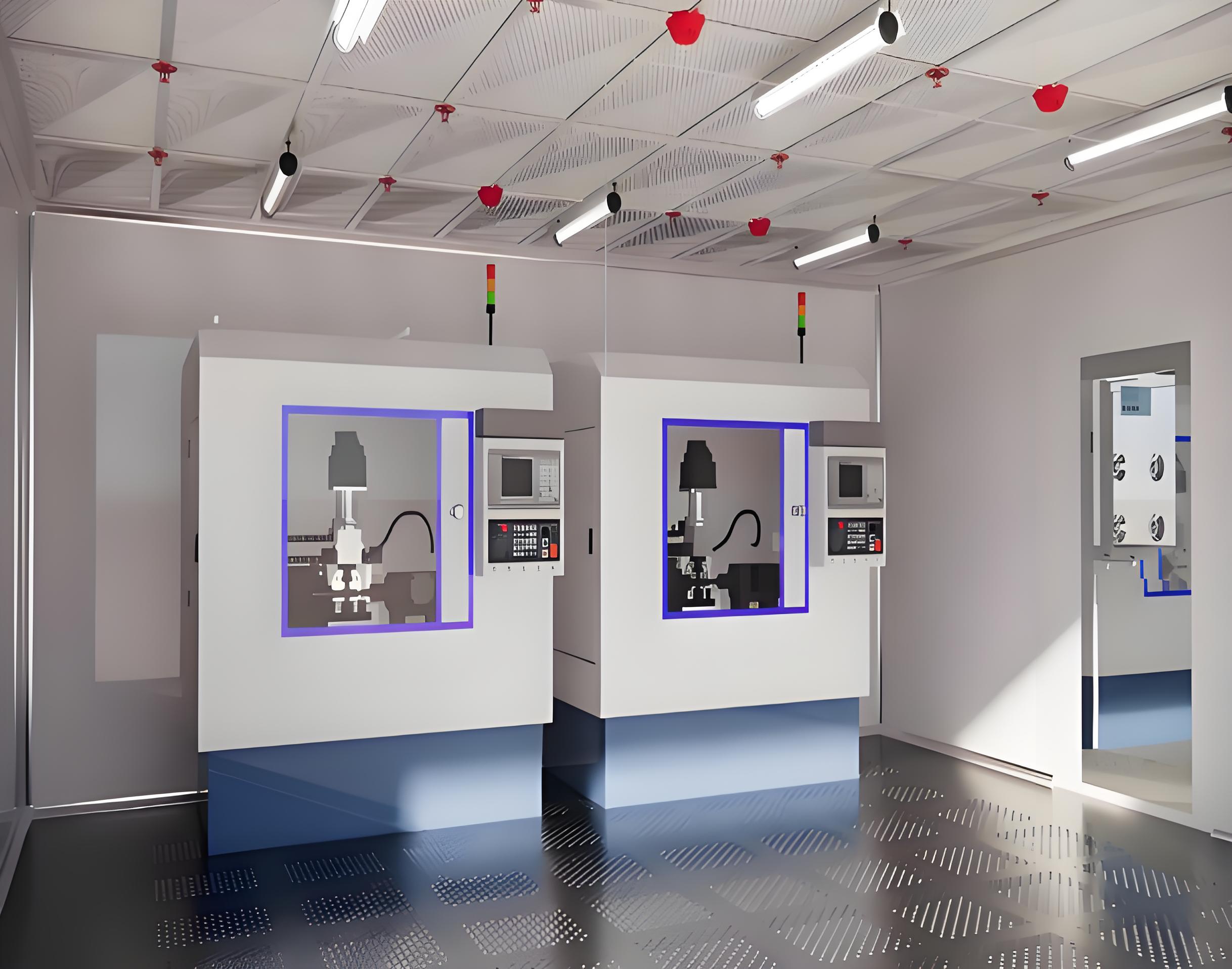
In biopharmaceutical production, medical device assembly, and cell therapy facilities, the margin between compliance and contamination is measured in microns. A robust sterile room design does not emerge from assembling off-the-shelf panels—it requires a system-level integration of airflow physics, material science, and regulatory foresight. Poor design decisions during the conceptual phase lead to recurring deviations, media fill failures, and millions in remediation costs. This guide dissects the technical anatomy of high-assurance sterile environments, addressing real-world pain points with engineering-grade solutions.
Every sterile room design must align with multiple frameworks. The EU GMP Annex 1 (2022 revision) introduced stricter requirements for contamination control strategy (CCS). ISO 14644-1 defines cleanroom classification by airborne particle concentration, while ISO 14644-2 specifies monitoring compliance. Understanding these is non-negotiable:
Grade A (ISO 5) – unidirectional airflow, ≤3520 particles (≥0.5 µm)/m³, required for critical operations like filling.
Grade B (ISO 7) – background environment for Grade A zones, ≤352,000 particles/m³.
Grade C/D (ISO 8) – less critical steps but controlled for microbial load.
The modern sterile room design integrates real-time particle monitoring and rapid intervention zones. A recurring industry defect is underestimating the impact of non-viable particle bursts from poorly sealed ceiling penetrations. Solutions include continuous pressure mapping and dynamic airflow restoration logic.
Beyond classification labels, quantifiable parameters separate functional designs from failing ones. Specialist engineers calculate:
Air change rates (ACH) – ISO 5 unidirectional rooms: 300–600 ACH; ISO 7: 60–90 ACH; ISO 8: 20–30 ACH. Lower rates in critical zones cause persistent background contamination.
Pressure cascades – Minimum 10–15 Pa differential between adjacent zones (e.g., Grade D → Grade C → Grade B). Reversal alarms must interlock with HVAC.
Recovery time – After a disturbance, particle levels must return to classification within 15–20 minutes (ISO 14644-3:2019).
Microbial action levels – Settle plates, contact plates, and air samplers; limits vary by grade.
Design failures often arise where pressure differentials are theoretically correct but physically unstable due to door motion or HVAC cycling. Implementing fast-responding VAV dampers and centralized BMS control resolves this.
The most impactful decision in any sterile room design concerns airflow pattern. For open critical processes (filling, aseptic connection), unidirectional (laminar) flow down to the work surface is mandatory. Key design principles:
HEPA filters covering ≥80% of ceiling in ISO 5 zones; terminal HEPA modules with gel-seal frames prevent bypass leakage.
Return air through low-wall returns (not ceiling returns) to maintain piston-like flow. CFD simulations identify stagnant regions behind equipment.
For Grade B/C support rooms, non-unidirectional (turbulent) flow diluted by high air change rates is acceptable, but dead zones near pass-through boxes require booster fans.
Industry pitfall: placing large equipment (isolators, freezers) directly under unidirectional flow disrupts uniform velocity. A sound design uses perforated false ceilings over non‑critical zones and relocates equipment to side corridors if cleanroom grade permits.
Surface porosity and chemical resistance dictate long-term sterility assurance. Conventional painted drywall or uncoated aluminum are unacceptable. Proven materials for sterile room design include:
304L / 316L stainless steel – for work surfaces, pass boxes, and flush-mounted equipment. Electropolished finish (Ra ≤ 0.4 µm) eliminates biofilm niches.
Epoxy coated or polyurethane seamless floors – cove bases integrated to walls, anti-static grading, resistance to peracetic acid and VHP.
Class A cleanroom panels – mineral fiber core with white PVDF or antimicrobial PVC facing, radius corners, and cam-lock joints for air-tightness.
Glass or acrylic vision panels – flush mounted, silicone-free seals, Grade A compatible.
Case example: A cell therapy facility experienced recurrent fungal contamination traced to unsealed wall-floor gaps beneath stainless steel equipment stands. A revision to cove-base epoxy and full-welded stands eliminated the bioburden source.
Human operators contribute ~75% of cleanroom contamination if flow design is mismanaged. An expert sterile room design segregates:
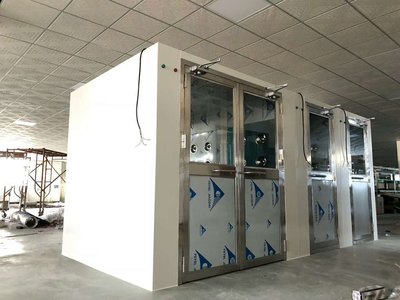
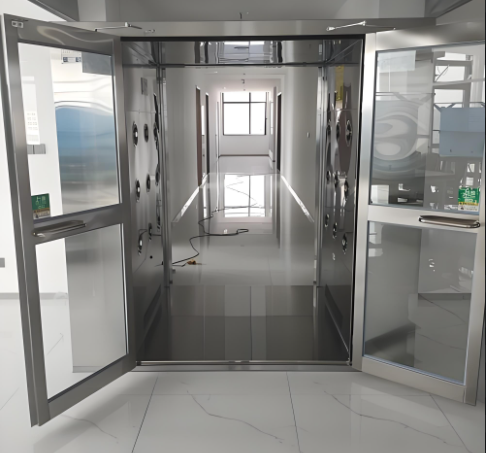
Personnel flow: Changing rooms (black → gray → white zones), gowning verification step, air showers, and interlocked doors. Pressure differentials must drop toward cleaner zones.
Material flow: Unidirectional path from receipt to storage to processing. Raw materials enter through pass-through chambers with HEPA-filtered airlocks or VHP decontamination tunnels.
Waste/exit flow – never crossing incoming material route. Dedicated bag-in/bag-out ports or pass-through autoclavable hatches.
A frequent design mistake: placing the gowning room exit too near a material airlock, causing turbulence and pressure loss. Optimal designs use separate lobbies and staggered door opening alerts.
Traditional stick-built cleanrooms suffer from long construction timelines and on-site quality variability. Engineered modular systems address these issues while maintaining ISO/GMP grades. TAI JIE ER specializes in prefabricated, validated cleanroom envelopes that reduce installation time by up to 40%. Why modular works:
Factory-tested panels and fan filter units (FFU) eliminate on-site fabrication errors.
Reconfigurable layouts allow future expansion or grade changes without structural demolition.
Integrated monitoring ports, light fixtures, and sprinkler systems are pre-engineered.
Third-party validation protocols (I/OQ) are delivered with standard documentation packages.
For contract manufacturing organizations (CDMOs), modular sterile rooms enable rapid capacity scale-up. A notable case: two ISO 7 modular suites were installed and validated in 14 weeks, compared to 9 months for conventional construction.
Even experienced teams encounter persistent flaws. Below are frequent pitfalls and concrete remedies validated across dozens of projects.
Defect 1: Positive pressure loss when doors open
Remedy:
Implement sliding automatic doors with short opening cycles and install pressure
maintenance fans in adjacent corridors.
Defect 2: Particle accumulation behind freestanding
equipment
Remedy: Design raised access floor with perforated tiles
under equipment, or use low-return plenums with directional vanes.
Defect 3: Incompatible disinfectant residues damaging
surfaces
Remedy: Specify wall/floor materials pre-tested with common
sporicides (e.g., chlorine dioxide, hydrogen peroxide). Epoxy floors with high
chemical resistance.
Defect 4: Inadequate velocity uniformity in Grade A
zones
Remedy: Perform airflow visualization smoke studies during
design; adjust HEPA density and supply diffuser pattern.
Defect 5: Uncoordinated monitoring alarms causing operator
overwhelm
Remedy: Prioritize alarms through BMS logic – only
actionable alarms (e.g., pressure cascade loss) trigger audible alerts; trending
data logged separately.
No sterile room design succeeds without a fail-safe HVAC architecture. Required features for GMP compliance:
Redundant AHUs (N+1) with automatic switchover to prevent downtime.
HEPA filter leak testing in situ (photometer scan) every 6–12 months.
Continuous monitoring of: differential pressure, temperature (20–24°C), RH (45–60%), airborne particles (0.5 µm and 5.0 µm).
Viable monitoring integration – active air samplers connected to SCADA with sample alarms.
Newer facilities also adopt rapid microbial monitoring systems (laser-induced fluorescence) that provide real-time bio-fluorescence detection, though not yet mandatory. A well-designed monitoring network reduces false positives via auto-verification.
Designing an ISO/GMP‑compliant sterile room involves dozens of interactive parameters. Generic architectural firms often overlook cleanroom-specific details, leading to change orders and requalification. By contrast, dedicated cleanroom engineering providers such as TAI JIE ER apply performance-based design and prefabrication methodologies. Benefits of expert collaboration:
Reduced total cost of ownership: energy-optimized HEPA/FFU scheduling saves 25–35% annual power.
Accelerated validation: ready-to-run protocols, IQ/OQ templates, and risk assessment files.
Operational training: simulation of aseptic behaviors, alarm handling, and gowning competency.
When selecting a partner, review case histories of similar grade requirements (e.g., ATMP, sterile fill-finish). TAI JIE ER maintains in-house engineering teams for CFD modeling, HVAC design, and modular fabrication – ensuring design intent is fully realized on site.
Q1: What is the single most critical parameter in sterile room design
for Grade A areas?
A1: Unidirectional airflow
velocity uniformity. ISO 14644-4 requires 0.36–0.54 m/s at the working height,
with ≤15% velocity variation. Without uniformity, particles from operators or
equipment can migrate into the critical zone. Smoke studies must confirm
laminarity.
Q2: Can a modular sterile room design meet EU GMP Annex 1 2022
requirements?
A2: Yes, modular systems fully comply
if designed with appropriate pressure cascades, HEPA coverage, and monitoring
systems. Many Annex 1-compliant facilities now use modular construction for
speed and reduced cross-contamination risk. Independent certification (e.g., by
Fraunhofer or SGS) is recommended.
Q3: How do you resolve recurrent moisture issues inside cleanroom
walls?
A3: Moisture usually indicates cold-bridge
condensation or inadequate vapor barrier. A thermal bridge analysis during
design and sealing all service penetrations with sanitary-grade sealants solves
it. Use closed-cell insulation in sandwich panels.
Q4: What is the typical validation timeline for a new sterile room
design?
A4: For a 200m² ISO 7/8 facility: 3–5
months (documentation, installation qualification, operational qualification,
performance qualification). Modular designs often shorten this by 30% because
components arrive pre-validated. Media fill runs (APS) require an additional
2 weeks.
Q5: How often should HEPA filters be replaced in an aseptic
processing room?
A5: Replace when integrity test
fails or pressure drop increases by 200% of initial value (not strictly
time-based). Typically, every 3–6 years in Grade A/B zones, but annual leak
tests are mandatory. More frequent changes may be needed in dusty environments
upstream of prefilters.
Ensuring robust sterile room design is an engineering discipline that directly impacts patient safety and regulatory compliance. Each decision from airflow modeling to surface material selection influences cleanroom performance over its lifecycle.
Partner with TAI JIE ER to transform your aseptic processing requirements into a validated, turnkey facility. Our experts provide full-cycle support – from conceptual design, 3D CFD simulation, modular fabrication, to IQ/OQ/PQ documentation.
Send your inquiry to our engineering team:
Email: 912228126@qq.com
Visit:
TAI JIE ER Official
Website for project consultation and free preliminary design
assessment.
Request your site-specific risk analysis and budget proposal within 48 hours.