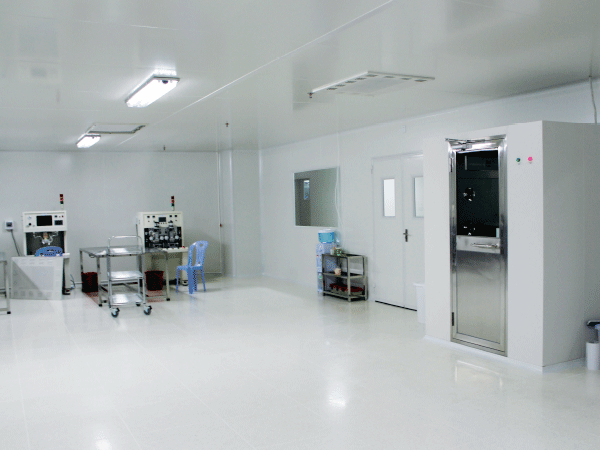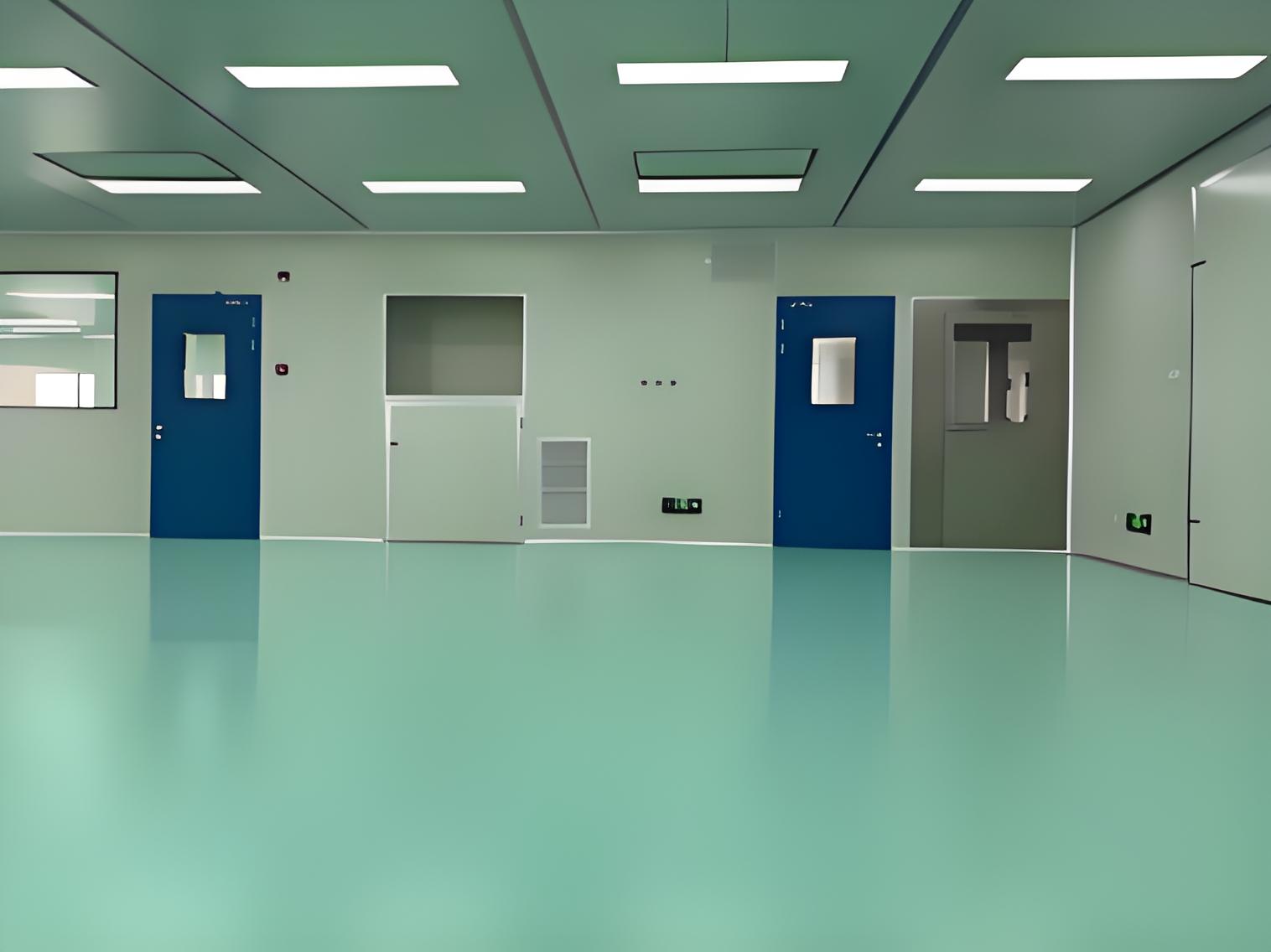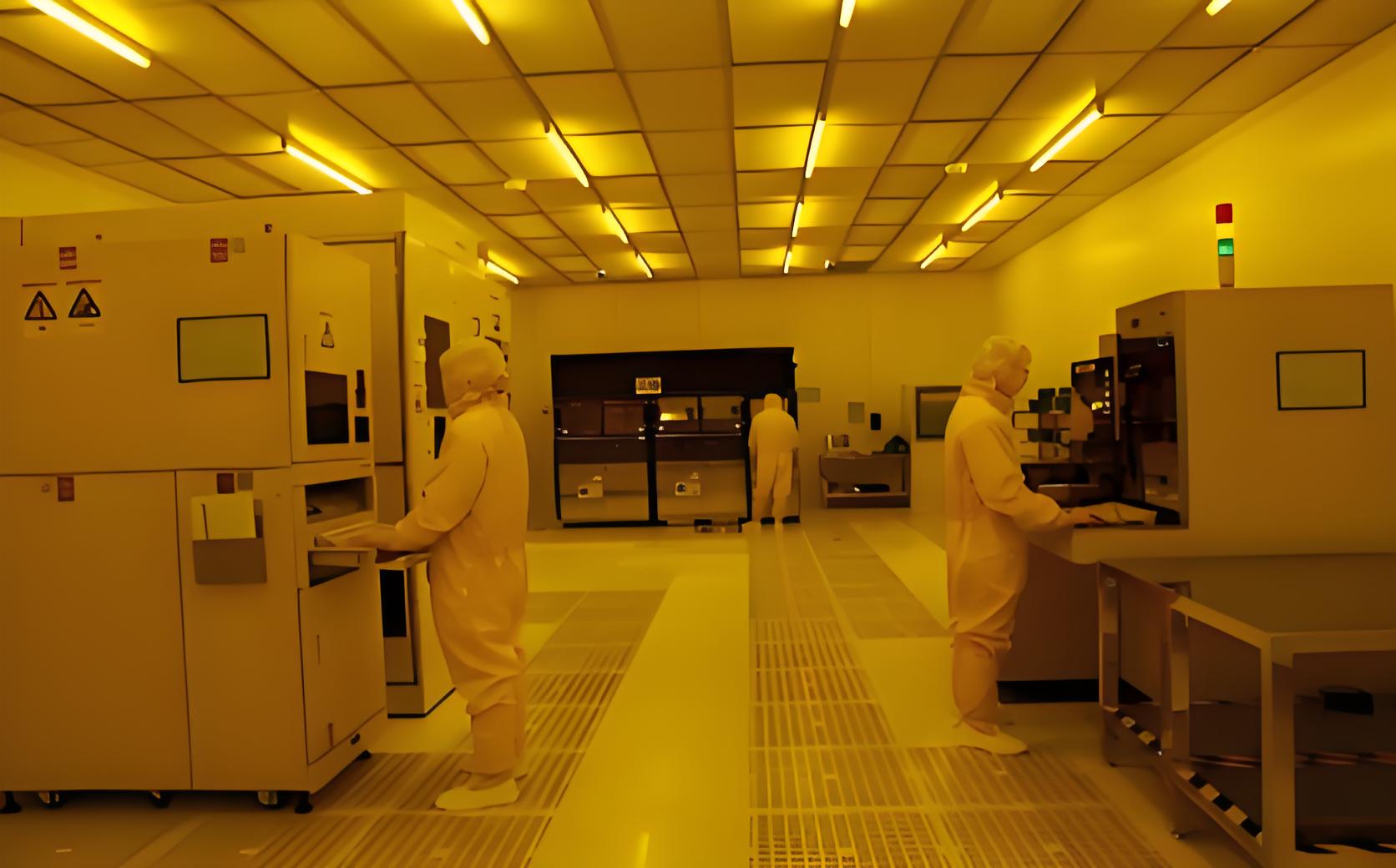

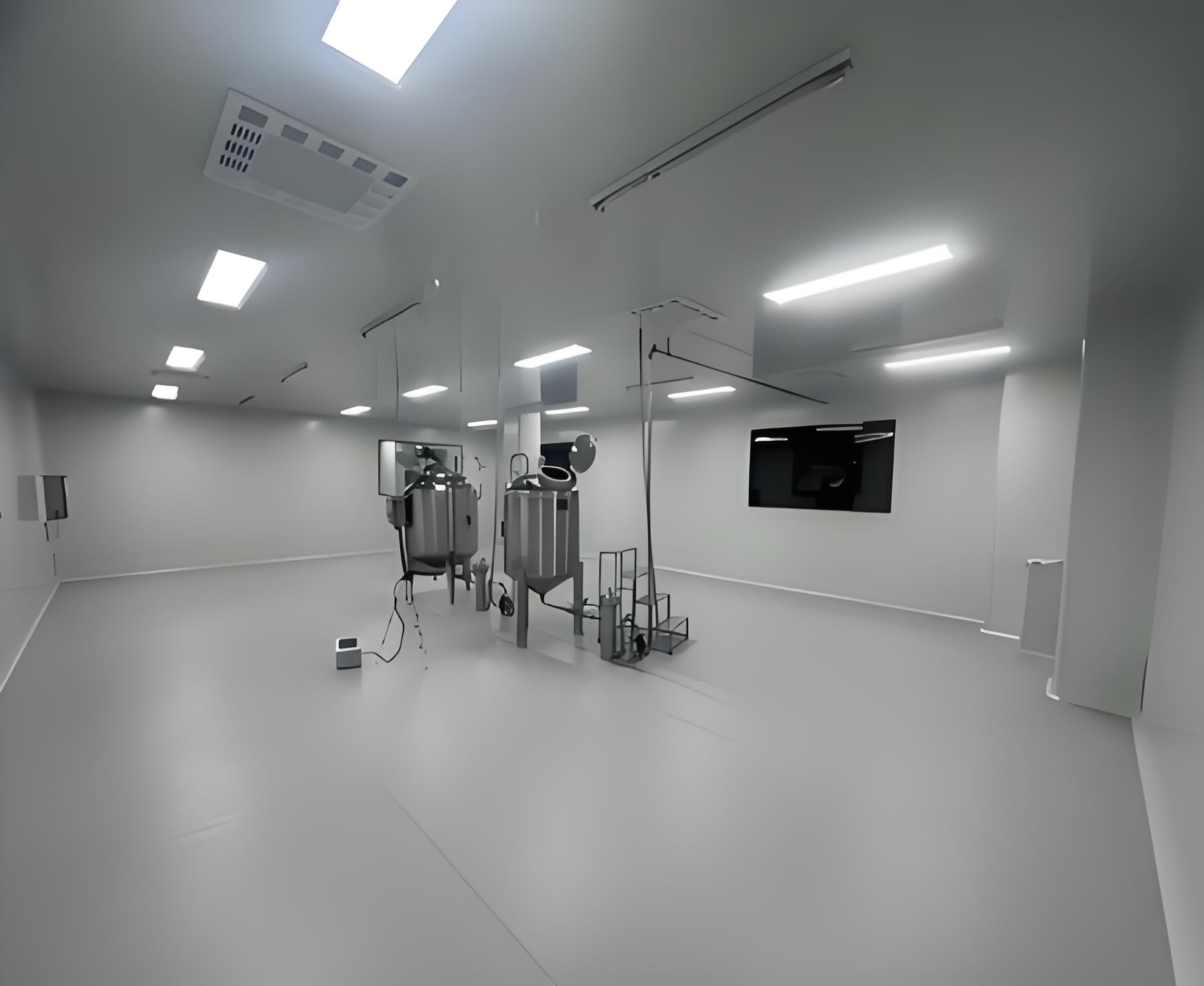
A Sterile laboratory is not merely a cleanroom; it is a controlled environment where microbial contamination is reduced to defined limits, typically to less than 1 CFU per cubic meter for Grade A zones. Based on 60+ aseptic facility projects for pharmaceutical QC, cell therapy, and medical device manufacturing, this guide details the engineering decisions that ensure a sterile laboratory meets ISO 14644-1:2015 and EU GMP Annex 1 requirements. TAI JIE ER has delivered turnkey sterile laboratories for global biotech clients, and their validation protocols inform the technical parameters described below.
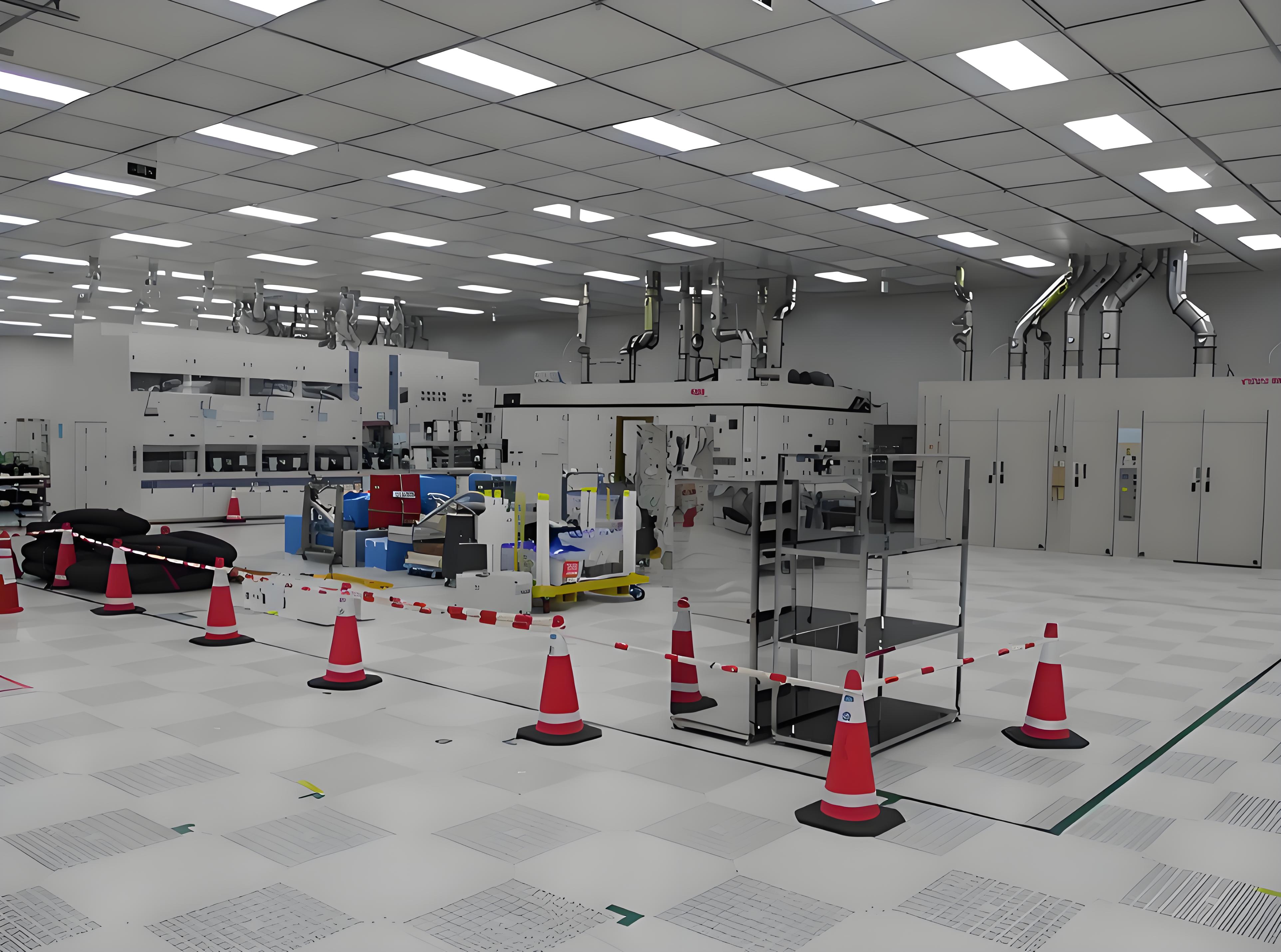
Every sterile laboratory is designed to one of four EU GMP grades, each with specific air change rates and particle limits:
Grade A (ISO 5, Class 100): Unidirectional airflow, 360–600 ACH, ≤ 3,520 particles ≥0.5 µm/m³. Used for aseptic filling, open product handling.
Grade B (ISO 6, Class 1,000): Turbulent flow, 150–240 ACH, ≤ 352,000 particles ≥0.5 µm/m³. Background for Grade A zones.
Grade C (ISO 7, Class 10,000): 60–90 ACH, ≤ 3,520,000 particles ≥0.5 µm/m³. For less critical steps like buffer preparation.
Grade D (ISO 8, Class 100,000): 15–30 ACH, no in‑operation limit for particles ≥0.5 µm. For gowning and material transfer areas.
Air change rate alone does not guarantee sterility; the airflow pattern must sweep particles away from critical zones. A properly engineered sterile laboratory uses CFD simulation to verify unidirectional flow uniformity (velocity 0.36–0.54 m/s at working height, coefficient of variation ≤15%). TAI JIE ER includes airflow visualization studies as a standard deliverable.
The core of any sterile laboratory is terminal HEPA or ULPA filters. Specifications:
Grade A & B: ULPA U15 (99.9995% efficiency at 0.12 µm MPPS) or H14 (99.995%).
Grade C & D: H13 (99.95%) or H14 filters.
Microbial challenge: Filter retention for Bacillus subtilis var. niger (1 µm) must exceed 99.99%.
In situ leak testing: Scan every filter and housing using PAO (polyalphaolefin) challenge at 10–20 mg/m³; acceptance criterion ≤0.01% penetration for H14.
Many sterile laboratory projects fail due to bypass leakage around filter frames. TAI JIE ER uses gel‑seal or knife‑edge frames with continuous gasketing, and performs leak testing at both filter face and frame perimeter.
To prevent ingress of non‑sterile air, a sterile laboratory must maintain a positive pressure cascade (or negative for containment). Typical differentials:
Grade D to Grade C: 10–15 Pa
Grade C to Grade B: 15–20 Pa
Grade B to Grade A: 20–30 Pa (or using isolator technology for Grade A without pressure differential to B).
Airlocks are mandatory between zones. Two types:
Bubble airlock: Higher pressure inside the airlock, pushes contamination back to both sides.
Sink airlock: Lower pressure inside, draws contaminants from adjacent zones – used for containment labs.
TAI JIE ER installs redundant pressure sensors with alarms; any deviation > ±2 Pa triggers an audible alert and logs to the building management system. In one recent sterile laboratory project, this system prevented a 4‑hour contamination event by alerting operators to a door seal failure.
Surfaces in a sterile laboratory must be smooth, non‑porous, and resistant to disinfectants (70% IPA, peracetic acid, chlorine dioxide). Specifications:
Walls: Epoxy‑coated gypsum board (Ra ≤ 0.8 µm), or modular aluminum panels with PVC laminate. No exposed fasteners.
Ceilings: Perforated or solid aluminum panels with gasketed T‑grid. Ceiling HEPA modules must be flush‑mounted to avoid dust traps.
Floors: Seamless epoxy or polyurethane resin, thickness ≥ 2 mm, with coving at wall junctions (radius ≥ 25 mm). ESD‑dissipative (10⁶–10⁹ Ω) if required for electronic instrumentation.
Work surfaces: 304 or 316L stainless steel, #4 finish (Ra 0.5 µm), with rounded corners and no crevices.
Outgassing from sealants is a hidden risk. TAI JIE ER uses low‑VOC, biocide‑resistant hybrid polymer sealants that pass ISO 14644-8 (chemical contamination) testing. In one project, replacing silicone with these sealants reduced volatile organic compound levels by 70% during the first month of operation.
The mechanical plant for a sterile laboratory must manage latent loads from personnel (up to 500 BTU/hr per person) and equipment. Key design decisions:
Dedicated outdoor air system (DOAS): Pre‑conditions 100% outside air to dew point < 6°C, removing condensation risk.
Cooling coils: 8–10 rows deep, face velocity ≤ 2.2 m/s to prevent condensate carryover. Stainless steel drip pans with double slope (≥ 5°).
Humidity setpoint: 45–55% RH for typical sterile labs; for ESD‑sensitive environments, 45–50% RH ±3% tolerance. Use clean steam humidifiers (pure steam) – avoid ultrasonic types that aerosolize minerals.
Duct construction: Stainless steel or galvanized with internal smoothness. No internal thermal insulation (use external wrap). All seams sealed with solvent‑free duct sealant.
Terminal HEPA housings: Must be accessible for scanning without breaking room seal. TAI JIE ER uses mini‑pleat, low‑resistance filters with upstream test ports.
Failure to account for heat gain from autoclaves (30–50 kW) or biological safety cabinets (BSCs) leads to temperature drift. TAI JIE ER performs detailed load calculations using ASHRAE Fundamentals, oversizing cooling capacity by 20% to accommodate future equipment.
A sterile laboratory requires strict segregation of clean and dirty pathways. Standard design elements:
Personnel gowning sequence: Change room (Grade D) → air shower → gowning room (Grade C) → airlock → sterile corridor (Grade B) → Grade A zone via pass‑through or RABS.
Material transfer: Double‑door autoclave or pass‑through chamber with HEPA‑filtered air and UV‑C sterilization (254 nm, ≥ 1,000 J/m²).
Waste exit: Separate pass‑through with unidirectional flow from clean to dirty side.
Gowning materials: Sterile, non‑shedding Tyvek or polypropylene coveralls, double gloves, face masks, and hoods. Gowning must be recertified annually.
A common failure mode is personnel movement causing particle spikes. In a TAI JIE ER‑designed sterile laboratory, air shower velocity is set at 25 m/s for 30 seconds, removing 95% of particles from gowns before entering Grade B. This reduced viable particle counts by 60% compared to designs without air showers.
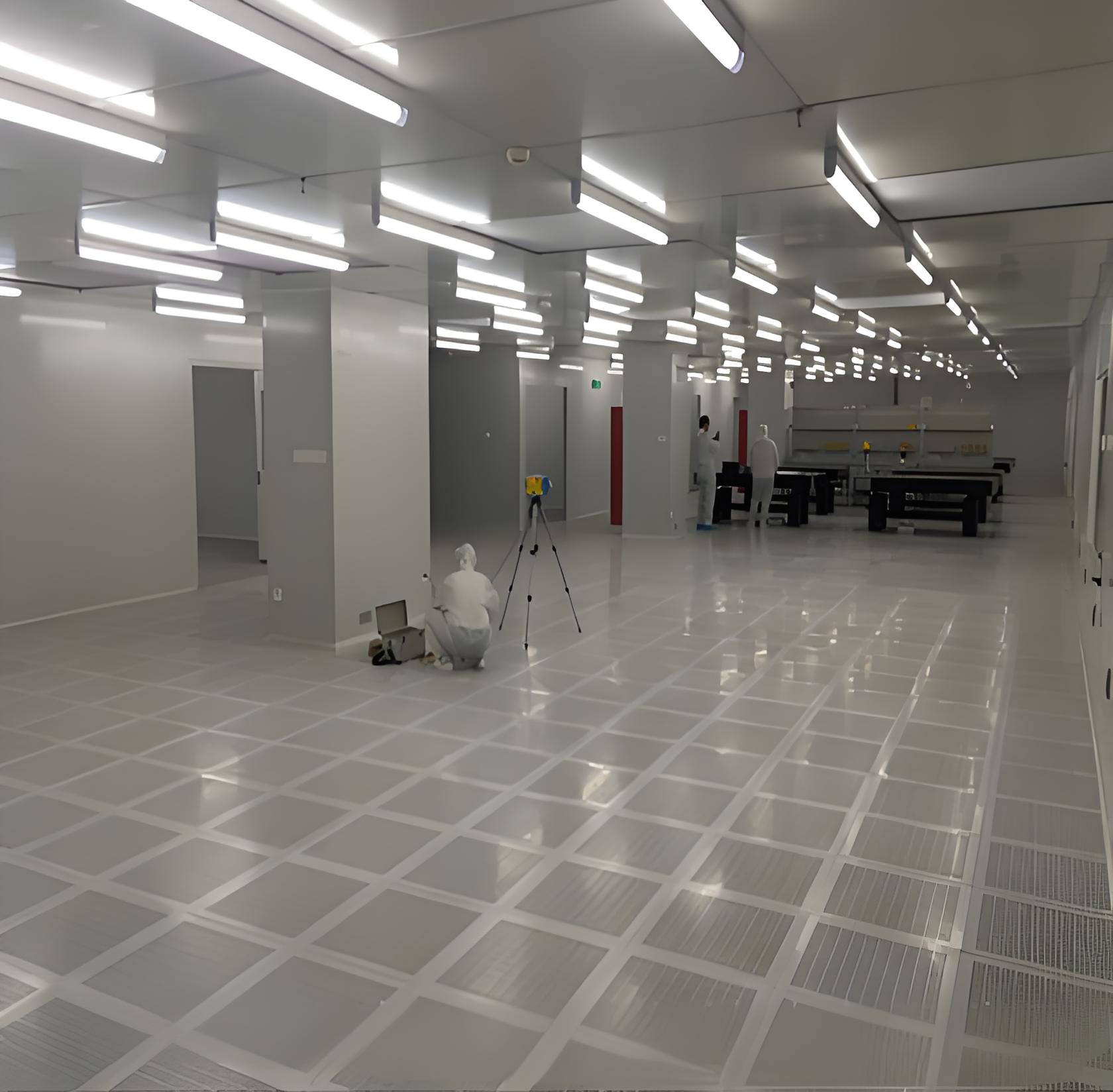
No sterile laboratory is operational without a full validation package. Required tests:
Installation Qualification (IQ): Verify filter model numbers, serial numbers, and installation documentation. Check ductwork leakage (≤2% of design flow).
Operational Qualification (OQ): Perform filter integrity scanning (PAO test), air velocity uniformity, pressure differential mapping, temperature/humidity mapping (24 hours, 1‑minute logging), and recovery test (particle challenge).
Performance Qualification (PQ): Three consecutive days of active air sampling (≥1 m³ per sample point), surface contact plates (≥5 plates per 10 m²), and glove/finger dab sampling. Acceptance: Grade A – 0 CFU per 1 m³; Grade B – ≤1 CFU per 1 m³; Grade C – ≤10 CFU per 1 m³; Grade D – ≤100 CFU per 1 m³.
Smoke studies: Visualization of unidirectional airflow using water fog generator, recorded in video for regulatory submission.
TAI JIE ER provides a 300‑page validation report for each sterile laboratory, including raw data, statistical analysis, and deviation reports. Their engineers remain on site until all microbial limits are met.
Based on post‑validation audits of 35 sterile labs, three recurring issues compromise sterility:
Air return short‑circulation: HEPA supply air is drawn directly into return grilles without sweeping the work zone. Solution: place returns at low level (≤ 300 mm above floor) and ensure supply diffusers are at least 2 m away from returns. Use perforated raised floors for laminar flow zones.
Biofilm formation in drain traps: Floor drains in Grade C/D areas can harbor Pseudomonas. Solution: use dry traps (no standing water) or drain with continuous hot water circulation (80°C) and regular disinfection with 5% peracetic acid.
Glove integrity failures in isolators: Repeated flexing leads to pinhole leaks. Solution: install automatic glove leak testers (pressure decay at 1.5 kPa, hold for 60 seconds) before each batch. TAI JIE ER integrates these testers into the facility’s PLC.
Proactive monitoring is key. TAI JIE ER installs real‑time viable particle counters (laser‑induced fluorescence) in Grade A zones, providing continuous data to the BMS. In one sterile laboratory, this system detected a HEPA leak within 2 hours of occurrence, preventing product contamination.
Q1: What is the difference between a cleanroom and a sterile
laboratory?
A1: A cleanroom controls airborne
particle concentration per ISO 14644, but does not necessarily guarantee
microbial sterility. A sterile laboratory adds microbial limits (e.g., 0 CFU for Grade A), requires biodecontamination
(VHP or chlorine dioxide), and follows aseptic processing protocols. All sterile
labs are cleanrooms, but not all cleanrooms are sterile labs.
Q2: How often should a sterile laboratory be
recertified?
A2: For Grade A and B zones, recertify
every 6 months (particle count, filter integrity, air velocity, pressure
differentials). Grade C and D annually. Microbial monitoring (active air,
surface, personnel) must be performed each day of operation. TAI JIE ER offers
service contracts that include recertification with 48‑hour turnaround.
Q3: Can a sterile laboratory be built within an existing
non‑cleanroom building?
A3: Yes, but significant
modifications are needed: new HVAC with 100% fresh air capability, reinforced
ceiling to support HEPA modules (40–60 kg/m²), seamless epoxy flooring, and
airtight wall/ceiling penetrations. A retrofit sterile laboratory typically costs 30–50% more per square meter than new construction due to
demolition and structural upgrades. TAI JIE ER provides feasibility studies and
turnkey retrofits.
Q4: What is the most common source of contamination in sterile
labs?
A4: Personnel. Studies show that 70–80% of
microbial contamination originates from operators (shedding skin, improper
gowning, rapid movements). Mitigations: restrict number of personnel in Grade A
zone, enforce full sterile gowning (including hoods and beard covers), implement
dynamic air showers at entry, and train on slow, deliberate movements. TAI JIE
ER’s training program reduces operator‑related contamination by 50% within 6
months.
Q5: What biodecontamination method is recommended for a sterile
laboratory?
A5: Vaporized hydrogen peroxide (VHP)
is the industry standard for Grade A/B zones. Parameters: H₂O₂ concentration
300–400 ppm, relative humidity 30–40%, dwell time 90–120 minutes, followed by
aeration to <1 ppm. Alternative methods: chlorine dioxide gas (for
spore‑forming organisms) or UV‑C (for surfaces only, not shadowed areas). TAI
JIE ER integrates automated VHP generators with room interlocks to ensure
safety.
Q6: What documentation is required for regulatory approval (FDA, EMA)
of a sterile laboratory?
A6: You need: (1)
Validation Master Plan, (2) IQ/OQ/PQ protocols and reports, (3) HVAC drawings
with filter locations and pressure cascade maps, (4) Microbial monitoring data
(3 consecutive days minimum), (5) Gowning qualification records, (6) Cleaning
and disinfection validation (log reduction studies). TAI JIE ER provides a
complete documentation package ready for submission.
A sterile laboratory demands rigorous attention to HVAC design, material selection, pressure cascades, and validation protocols. Cutting corners on filter integrity testing or microbial monitoring leads to product recalls and regulatory actions. For pharmaceutical, biotech, and medical device companies, partnering with an experienced engineering firm like TAI JIE ER ensures that every component—from airlocks to autoclaves—is specified, installed, and qualified to meet global sterile processing standards.
Ready to build or upgrade your sterile laboratory? Submit your required grade, room size, and application (cell therapy, aseptic filling, QC microbiology). TAI JIE ER’s engineering team will respond within 2 business days with a conceptual design, budget estimate, and a sample validation protocol.
Request a sterile laboratory consultation or turnkey quote: Send your
requirements →
For urgent projects, email
912228126@qq.com with subject “Sterile lab inquiry” for a
24‑hour technical response.