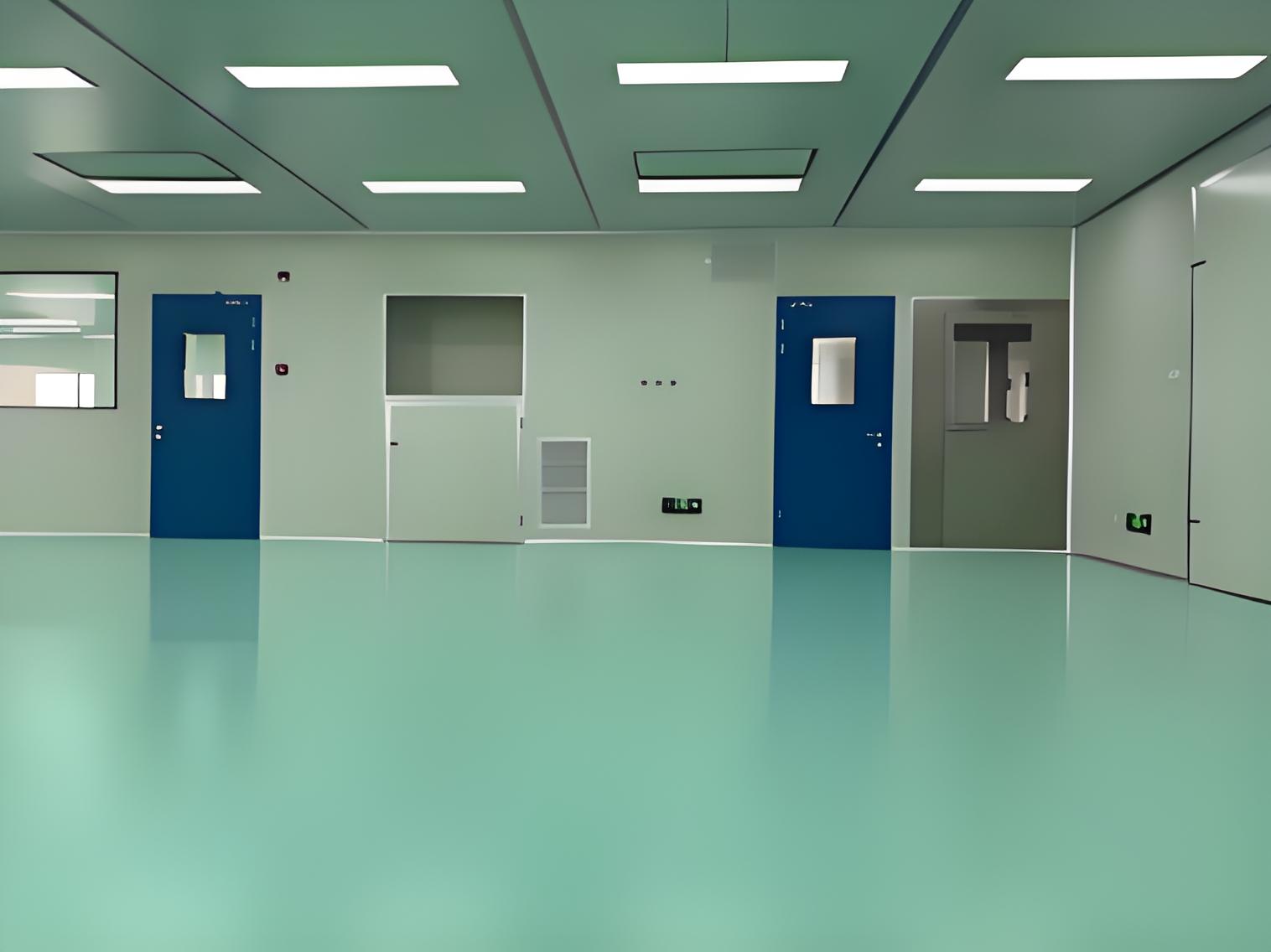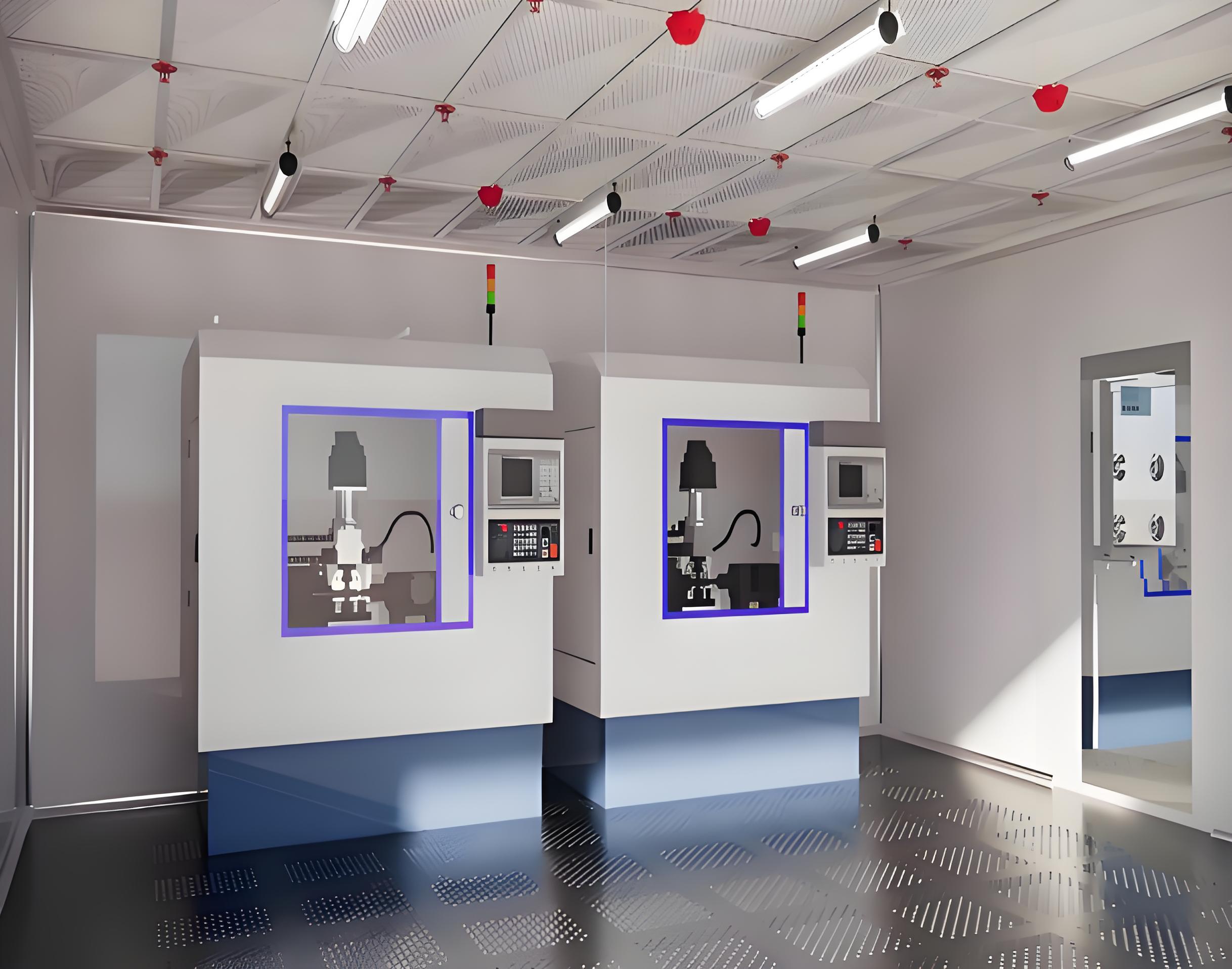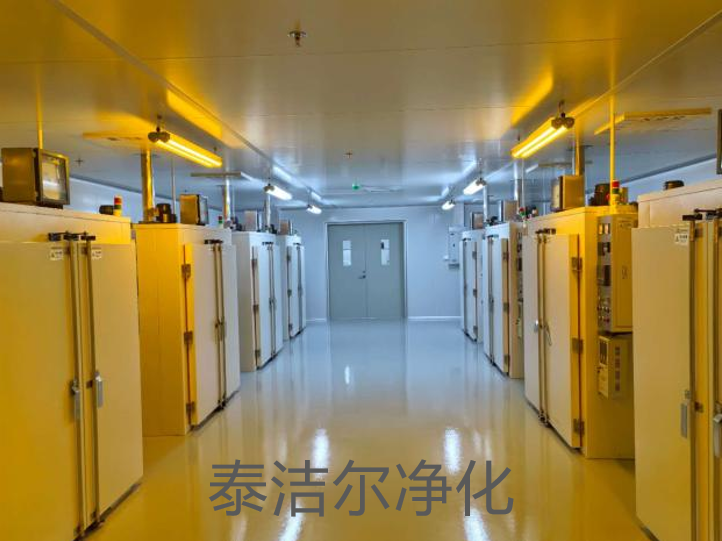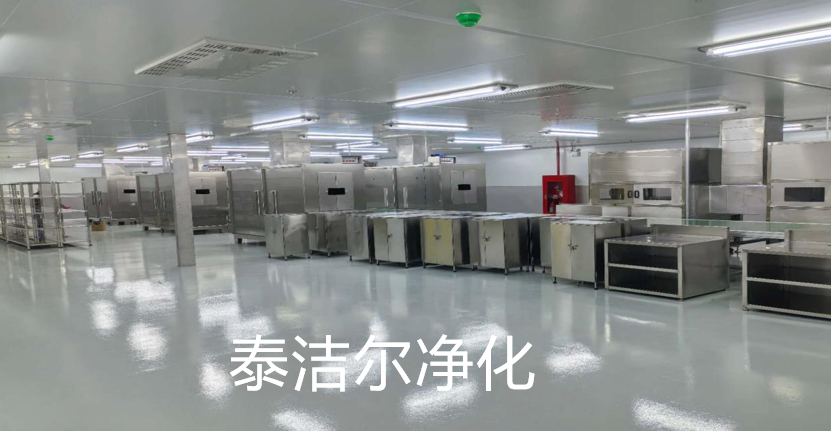

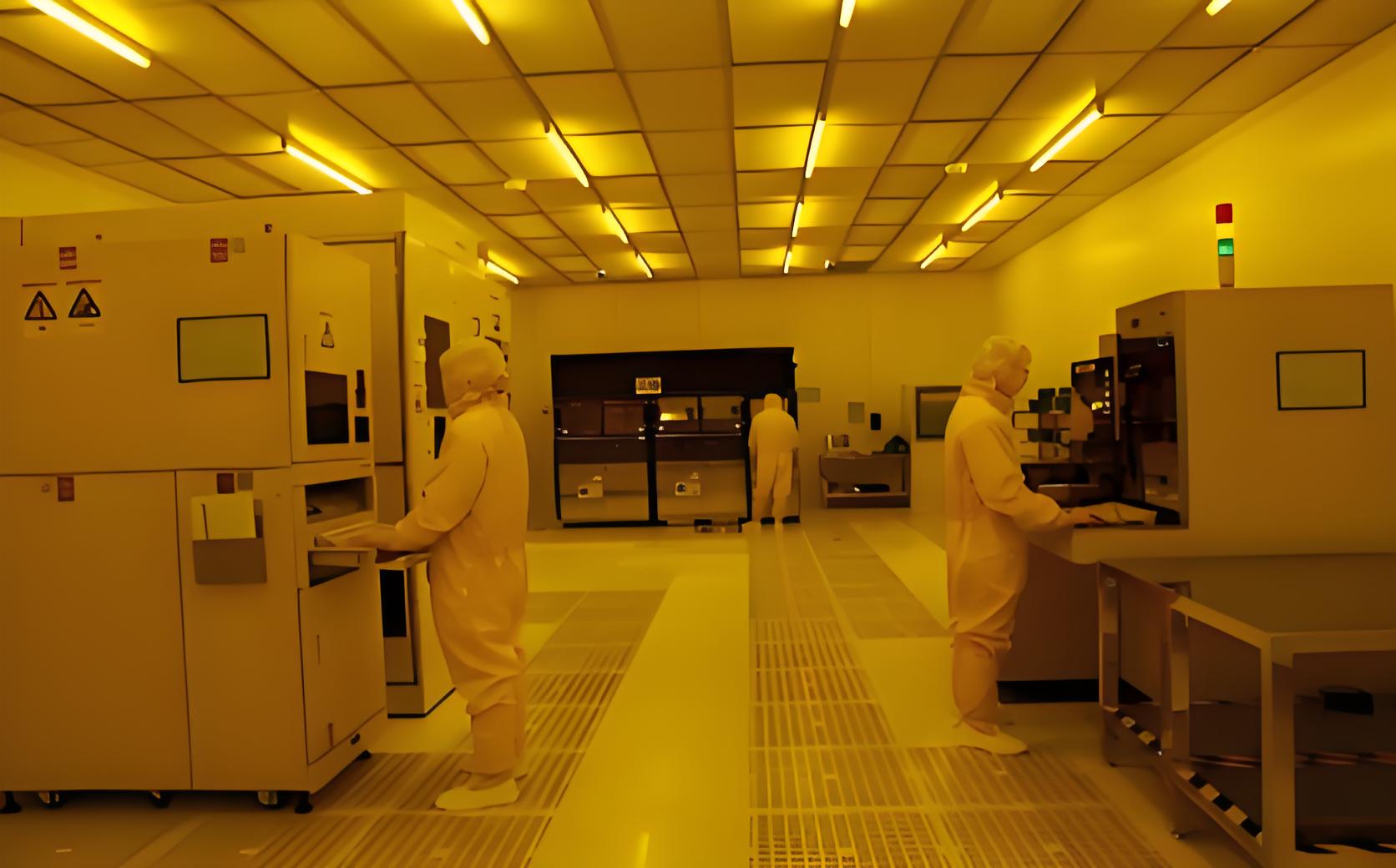

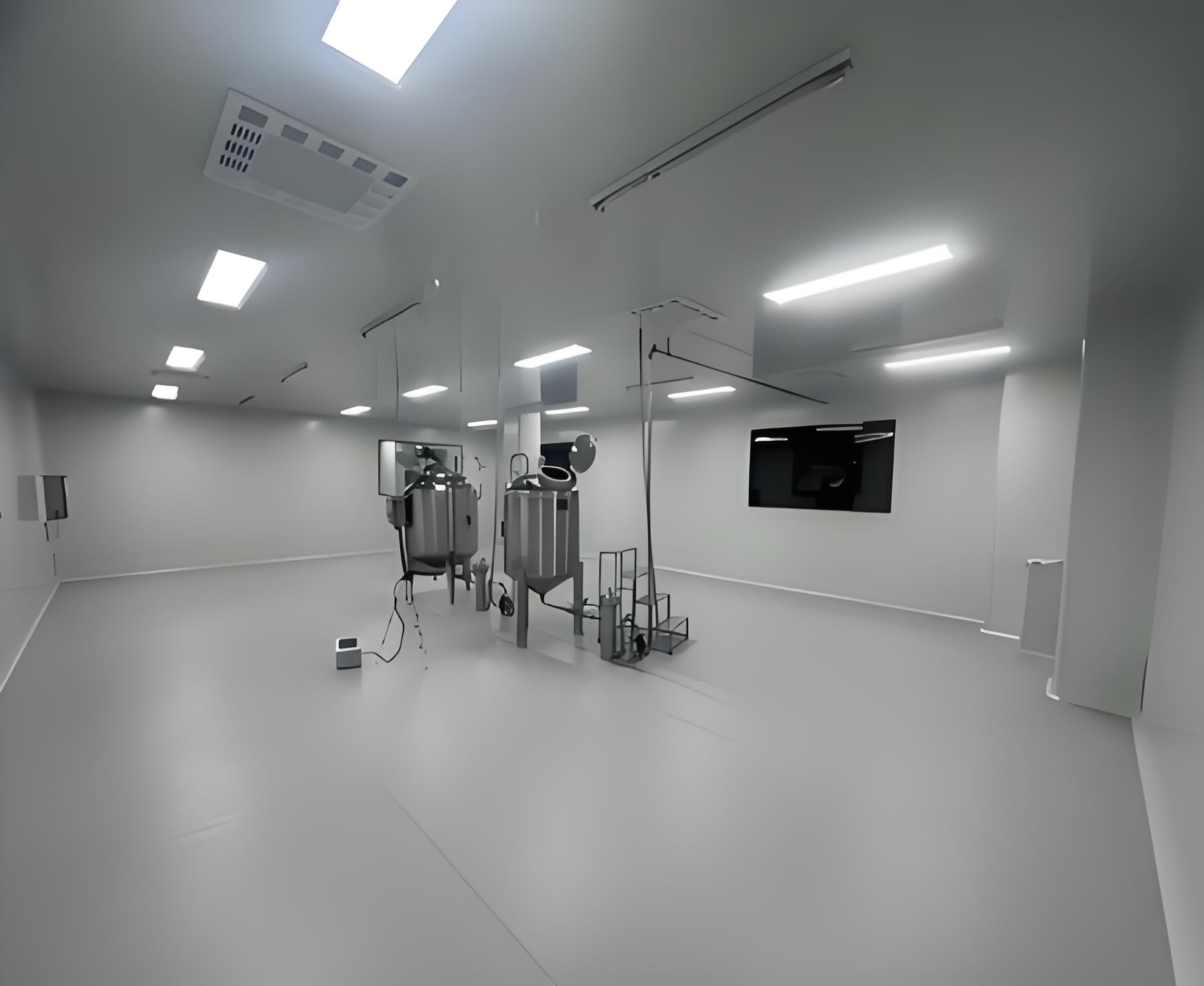
The convergence of stringent regulatory oversight and advanced formulation science demands a robust physical environment. For cosmetic manufacturers, the difference between a market recall and brand longevity often resides in the microscopic control of the production atmosphere. Achieving ISO 22716 or regional FDA cosmetic GMP guidelines necessitates specialized expertise in **Cosmetic GMP Cleanroom Engineering**. This discipline extends far beyond standard construction; it involves the precise orchestration of airflow dynamics, surface decontamination kinetics, and psychrometric stability to protect emulsions and anhydrous products from microbial and particulate insult.
Unlike pharmaceutical sterile processing, cosmetic manufacturing presents unique challenges: high organic load from natural oils, intermittent water activity, and the presence of alcohol or propellant vapors. A poorly designed HVAC system in this context can lead to condensation sweating, cross-contamination of fragrance compounds, or the proliferation of biofilm within ductwork. Consequently, engineering decisions made during the front-end loading phase dictate the operational envelope of quality assurance for decades.
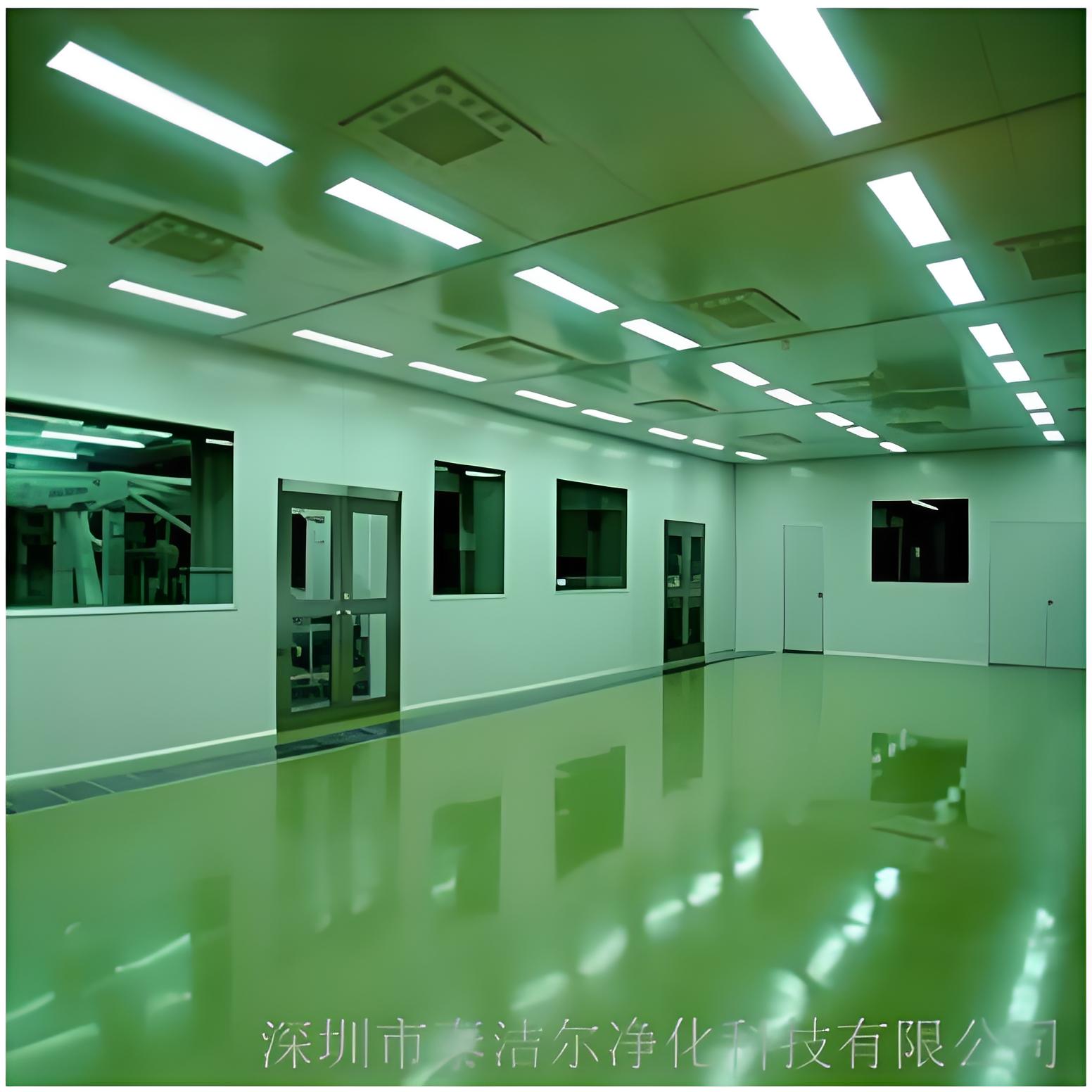
1. Differential Pressure Cascades and Containment Philosophy
The cornerstone of any **Cosmetic GMP Cleanroom Engineering** project is the establishment of a verifiable pressure differential hierarchy. The goal is to create a protective envelope that moves air from the cleanest core (filling and compounding) outward toward ancillary areas (washing and corridors). However, cosmetics introduce the variable of volatile organic compounds (VOCs) from solvents and fragrances.
Managing Air Migration with Product Off-Gassing
In a typical pharmaceutical setup, the pressure cascade is linear. In a cosmetic facility, engineers must account for "fugitive odor" migration. A fragrance blending suite requires a negative pressure relative to the corridor but positive pressure relative to the drain sump. This nuanced **cleanroom pressure balancing** prevents the olfactory contamination of unscented product lines while ensuring general area protection. Specifications often call for a minimum differential of 12.5 Pa between ISO Class 8 (EU Grade C in operation) zones and unclassified spaces, verified by in-situ magnehelic gauges and BMS trending.
2. HVAC Psychrometrics and Latent Heat Management
Temperature uniformity is a secondary concern to absolute humidity control in cosmetic suites. Many water-in-oil emulsions are highly sensitive to shearing forces caused by condensation. **Cosmetic GMP Cleanroom Engineering** places a heavy emphasis on the cooling coil selection and reheat strategy.
Low Dewpoint Operation for Powder Processing
Hygroscopic Ingredient Protection: Pressed powders and eyeshadows require environments maintained below 45% RH to prevent caking and pigment streaking during compression. This often necessitates a dedicated **desiccant dehumidification wheel** integrated downstream of the main AHU cooling coil.
Condensate Elimination: The use of hot water washdowns in mixing vessels creates steam plumes. The air handling system must have sufficient latent cooling capacity (often calculated at 25% over sensible load) to recapture this moisture within seconds to prevent ceiling drips and structural corrosion.
Air Change Rate Optimization: While ISO 14644 suggests 20-30 ACH for Class 8, cosmetic facilities with high particle generation (e.g., talc transfer) often require **local exhaust ventilation (LEV)** combined with ceiling HEPA coverage to maintain viable particle counts below 100 CFU/m³.
3. Architectural Finishes and Material Compatibility with Cosmetic Actives
The selection of wall and floor systems cannot rely solely on generic cleanroom specifications. Cosmetic formulations containing Alpha Hydroxy Acids (AHAs), Retinol, or high-concentration salts are corrosive to standard 304 stainless steel over time. **Cosmetic GMP Cleanroom Engineering** requires a forensic analysis of the chemical compatibility matrix.
Surface Finish Requirements (Ra Values)
While a 0.8 μm Ra finish is standard for pharma walls, cosmetic areas handling sticky polymers (Carbomer) benefit from electro-polished surfaces or high-performance epoxy coatings with a glass transition temperature above the CIP cycle maximum. Floor coving must be monolithic and resistant to **Quaternary Ammonium Compounds (Quats)** and alcohol-based disinfectants which degrade standard polyurethane seals. The engineering specification should explicitly prohibit the use of silicone sealants in areas exposed to cyclomethicone due to swelling failure.
4. Sanitary Utility Design: Water and Compressed Air
Perhaps the most overlooked vector of contamination in cosmetic GMP is the utility system. **Purified Water (PW) generation and distribution** must adhere to a loop design with a velocity exceeding 1.5 m/s to prevent biofilm formation, a common cause of *Pseudomonas aeruginosa* outbreaks in shampoo and lotion lines.
Point-of-Use Filtration and Deadleg Elimination
Compressed Breathing Air: For pneumatic filling machines or product overlay, air must meet ISO 8573-1 Class 0 for oil and particulate. The engineering design must include redundant 0.01 μm coalescing filters at the point of use.
Drainage and Waste Neutralization: Effluent from wash bays containing titanium dioxide or mica requires settlement interceptors. The plumbing design must prevent back-siphonage via Type AA air gaps, clearly documented in the **cleanroom utility matrix**.
5. Addressing Viable Monitoring and Data Integrity
The engineering of the facility directly impacts the validity of environmental monitoring (EM) data. Inadequate air mixing results in "dead zones" where microbial counts spike despite passing certification averages. **Airflow visualization studies** (smoke patterns) are a non-negotiable deliverable during the commissioning phase.
Placement of Active Air Samplers
For high-risk operations like lipstick molding or mascara filling, the **Environmental Monitoring System (EMS)** must be integrated into the BMS. The engineering team must anticipate the location of critical control points—specifically, the operator's hands relative to the filling nozzle—to ensure the particle counter probe is isokinetic and representative. The design must also facilitate the validation of sporicidal fogging cycles using Vaporized Hydrogen Peroxide (VHP) or chlorine dioxide gas, requiring room tightness testing and catalyst placement.
6. Operational Pain Points and Engineered Mitigations
Based on audits of numerous facilities, **TAI JIE ER** has observed recurring failure modes in cosmetic cleanrooms that are directly attributable to design omissions.
Cross-Contamination from Return Air Plenums
In older facilities, return air is often drawn through a common ceiling plenum. This allows pigment dust from a blusher suite to migrate into a moisturizer filling line via the plenum return path. Modern **Cosmetic GMP Cleanroom Engineering** mandates fully ducted returns or partitioned ceiling voids with directional pressure control. **TAI JIE ER** recommends using Computational Fluid Dynamics (CFD) modeling during the design phase to identify and eliminate these invisible pathways before steel is erected.
Inadequate Gowning Room Staging
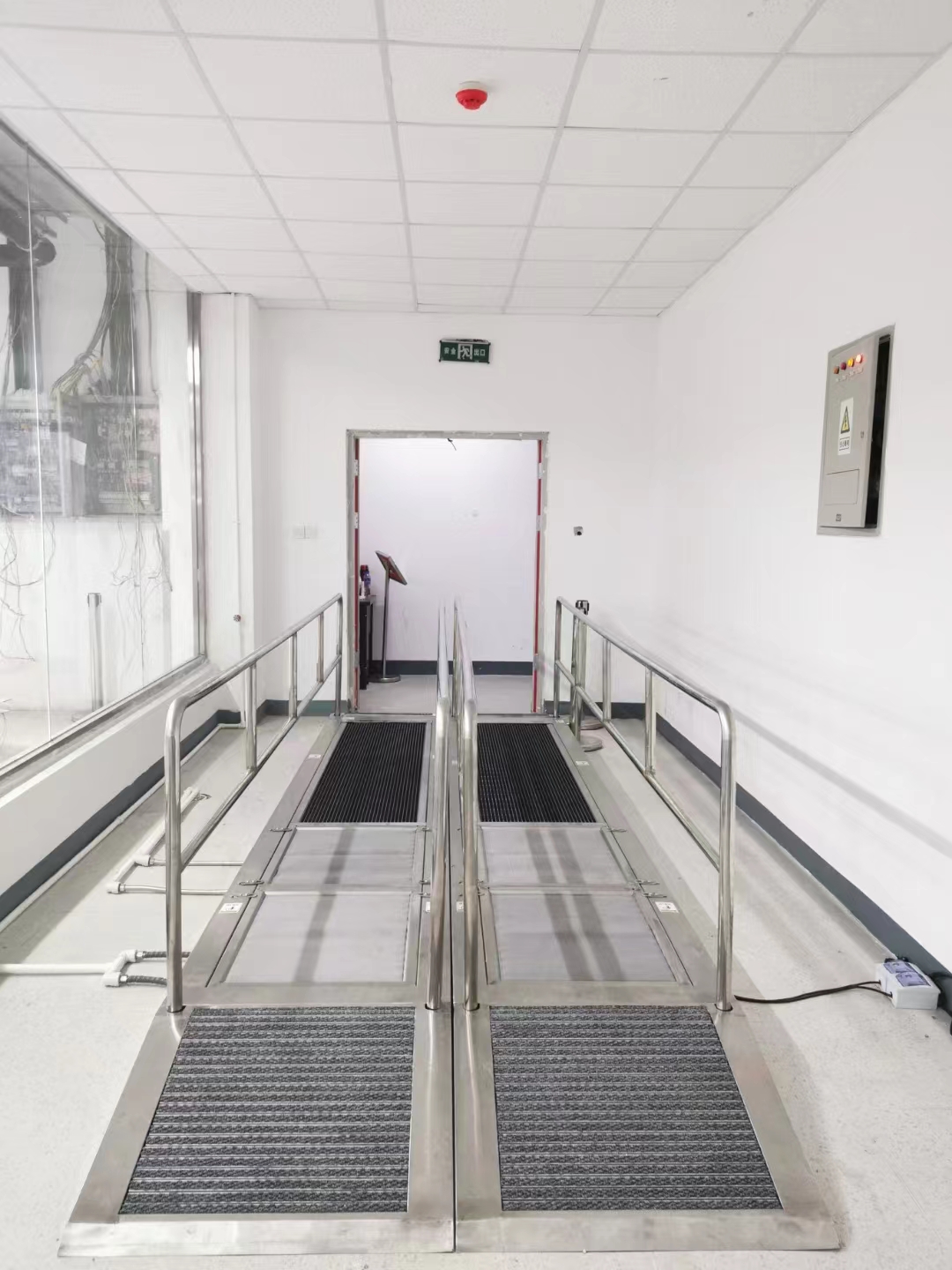
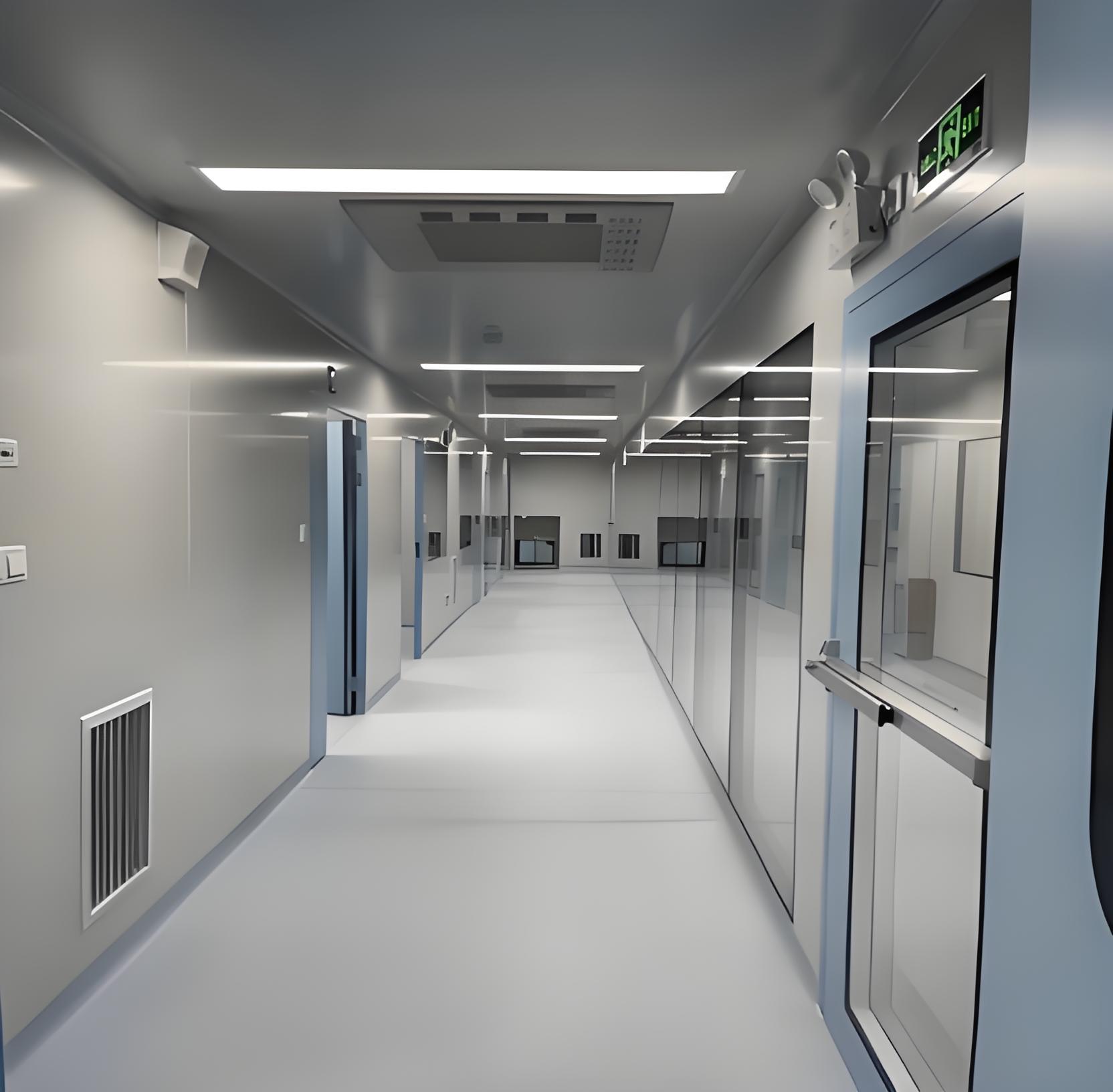
The step-over bench is often a bottleneck. The engineering layout must provide separate "black" (street) and "white" (clean) corridors with unidirectional flow of personnel and materials. Air showers are increasingly specified for cosmetic powder facilities to remove free particulate from Tyvek suits before entry into the ISO 8 compounding core.
7. Verification: Qualification Protocols and Performance Qualification (PQ)
Beyond construction, the validation package must be robust. For cosmetic GMP, the PQ phase should run for a minimum of two weeks under simulated "worst-case" production conditions. This includes running all mixing motors to generate thermal load and simulating maximum occupancy. The acceptance criteria for **non-viable particulate counting** should be aligned with ISO 14644-1, while viable limits must trend below the facility's established alert levels.
The handover of a cosmetic cleanroom is not merely a key exchange. It is the transfer of a controlled, validated ecosystem. When executed with precision by specialists like **TAI JIE ER**, the facility becomes an asset that supports innovation in texture and color while mitigating the commercial risk of microbial spoilage.
Inquiry and Technical Consultation
Developing a facility that meets global cosmetic GMP expectations requires a partner with deep understanding of both construction logistics and microbiological control strategy. Whether you are retrofitting an existing fill suite or developing a greenfield manufacturing hub, the technical due diligence applied to airflow and finishes will define your product's shelf-life integrity.
For a detailed discussion regarding your specific project parameters—including cleanroom classification, return on investment analysis, or material finish recommendations—we invite you to submit a technical inquiry. A specialized engineering team from **TAI JIE ER** is prepared to review your User Requirement Specifications (URS) and provide a comprehensive, compliance-driven proposal.
Submit your facility specifications to receive a preliminary design consultation.
Frequently Asked Questions: Cosmetic GMP Cleanroom Engineering
Q1: What ISO class is typically required for cosmetic liquid filling under GMP?
A1: For most non-sterile cosmetic filling operations (creams, lotions, shampoos), an ISO Class 8 environment (EU Grade C "at rest") is the industry benchmark for background cleanliness. However, for eye-area products or those intended for use on compromised skin, manufacturers are increasingly adopting ISO Class 7 (Grade B/C background with localized Grade A airflow protection) to mitigate microbial risk. The specific classification is driven by the product's preservative efficacy test (PET) and water activity level.
Q2: How often should HEPA filters be integrity tested in a cosmetic cleanroom?
A2: While ISO 14644-2 suggests a maximum interval of 24 months for filter leak testing, most robust cosmetic GMP programs perform an annual certification of the HEPA ceiling grid and terminal housings. Additionally, a DOP/PAO challenge test should be conducted after any maintenance activity that breaches the ceiling plane or after a major seismic event.
Q3: Can we use a portable air purifier to achieve GMP compliance in an existing warehouse?
A3: No. Compliance with Cosmetic GMP Cleanroom Engineering standards requires a purpose-built envelope with controlled surfaces, defined pressure differentials, and validated air change rates. Portable Fan Filter Units (FFUs) cannot maintain the required pressure cascade relative to adjacent uncontrolled spaces, nor can they manage the latent heat load from process equipment. They may serve as a temporary local HEPA sweep but do not constitute a certified cleanroom.
Q4: What are the specific considerations for cleanrooms handling dry powders like talc or mica?
A4: Powder handling suites require special engineering features: (1) Explosion relief venting per NFPA 684 due to combustible dust potential. (2) High-efficiency bag-in/bag-out filter housings on exhaust systems to prevent dust migration to the building exterior. (3) Smooth, crevice-free construction with sloped horizontal surfaces to facilitate wet vacuum cleaning and prevent dust accumulation on ledges. (4) Bonding and grounding of all metallic components for static dissipation.
Q5: How does the engineering of a cosmetic cleanroom differ from a pharmaceutical cleanroom?
A5: The primary difference lies in the chemical resistance of finishes and the management of volatile fragrances. Pharmaceutical facilities focus primarily on sterility and potent compound containment. Cosmetic facilities must additionally mitigate the long-term degradation of epoxies by essential oils and the corrosion of HVAC coils by acidic vapor from AHA peels. Furthermore, cosmetic GMP is more tolerant of lower air change rates for non-critical support areas, allowing for more energy-efficient engineering solutions.