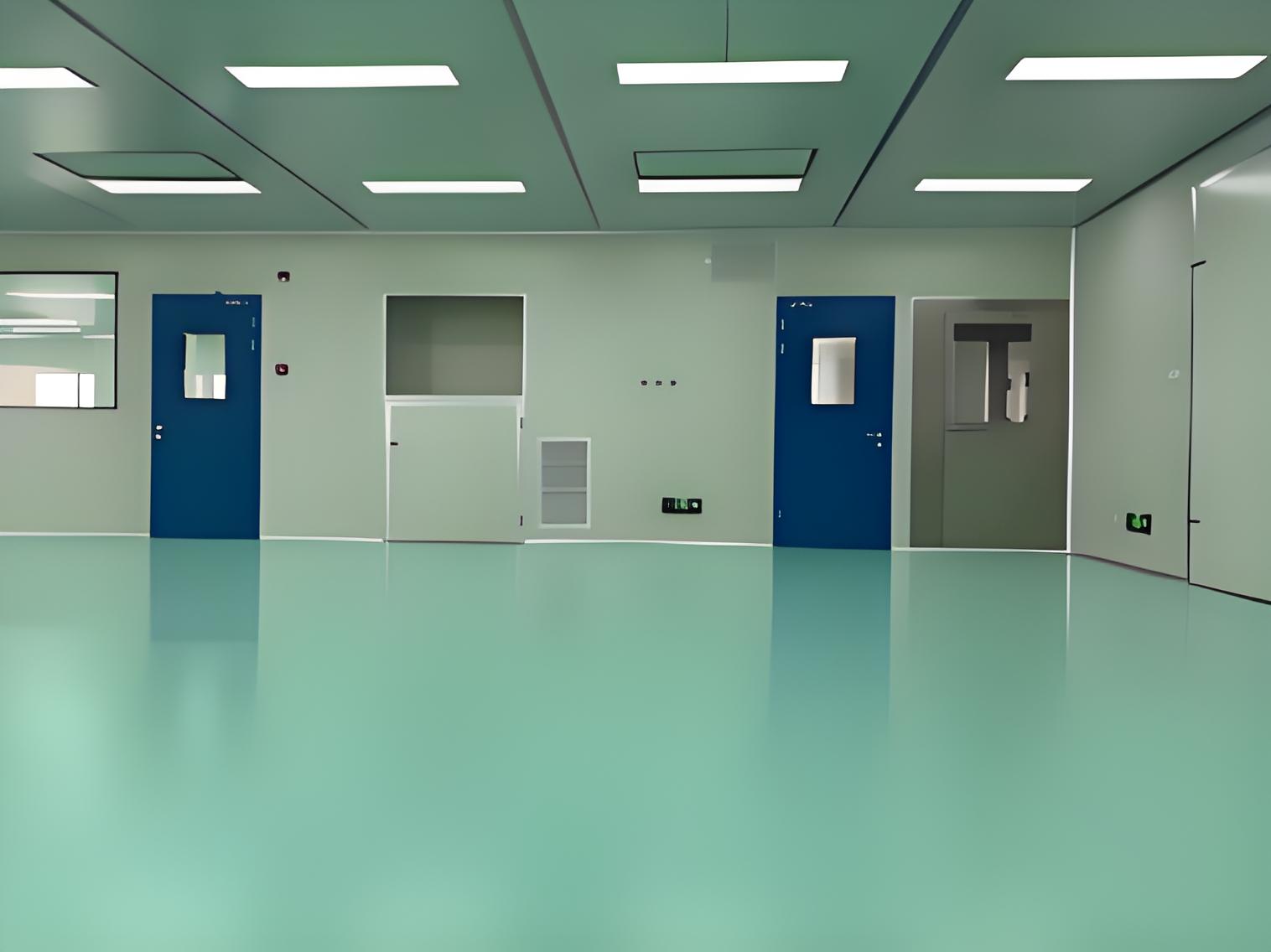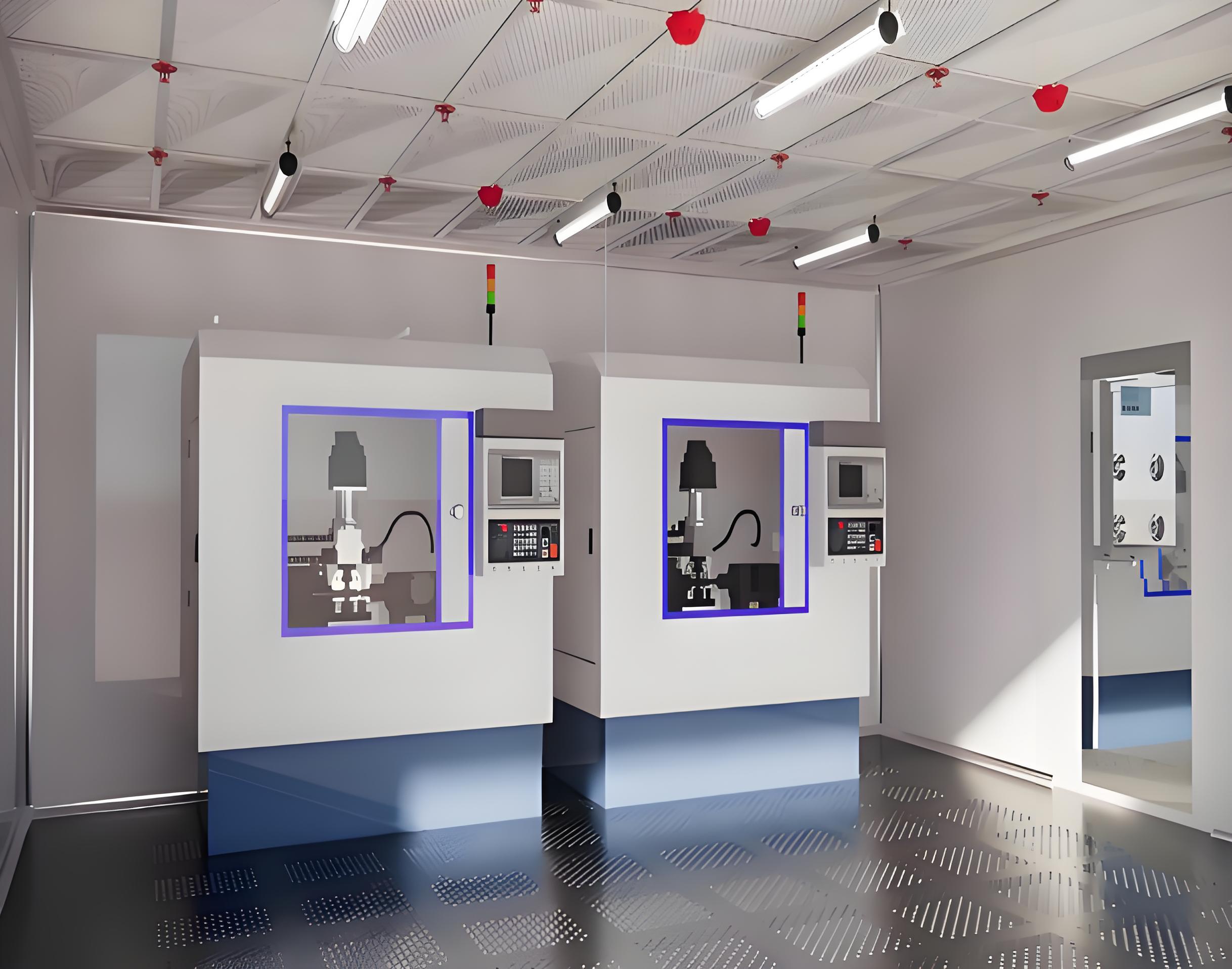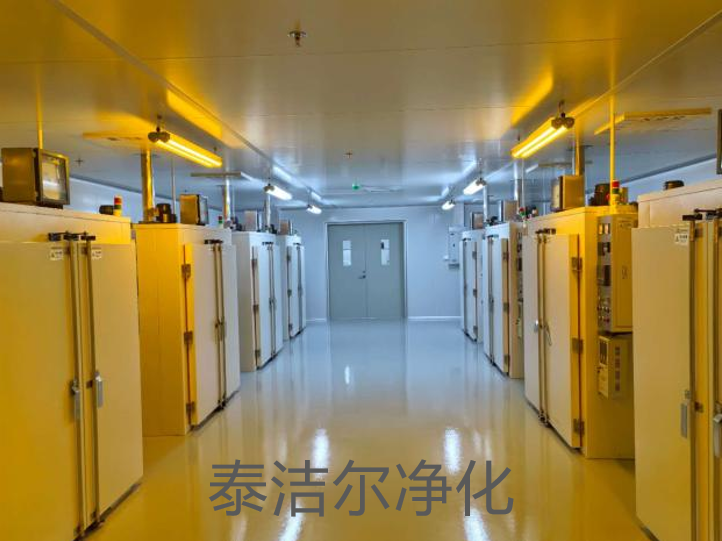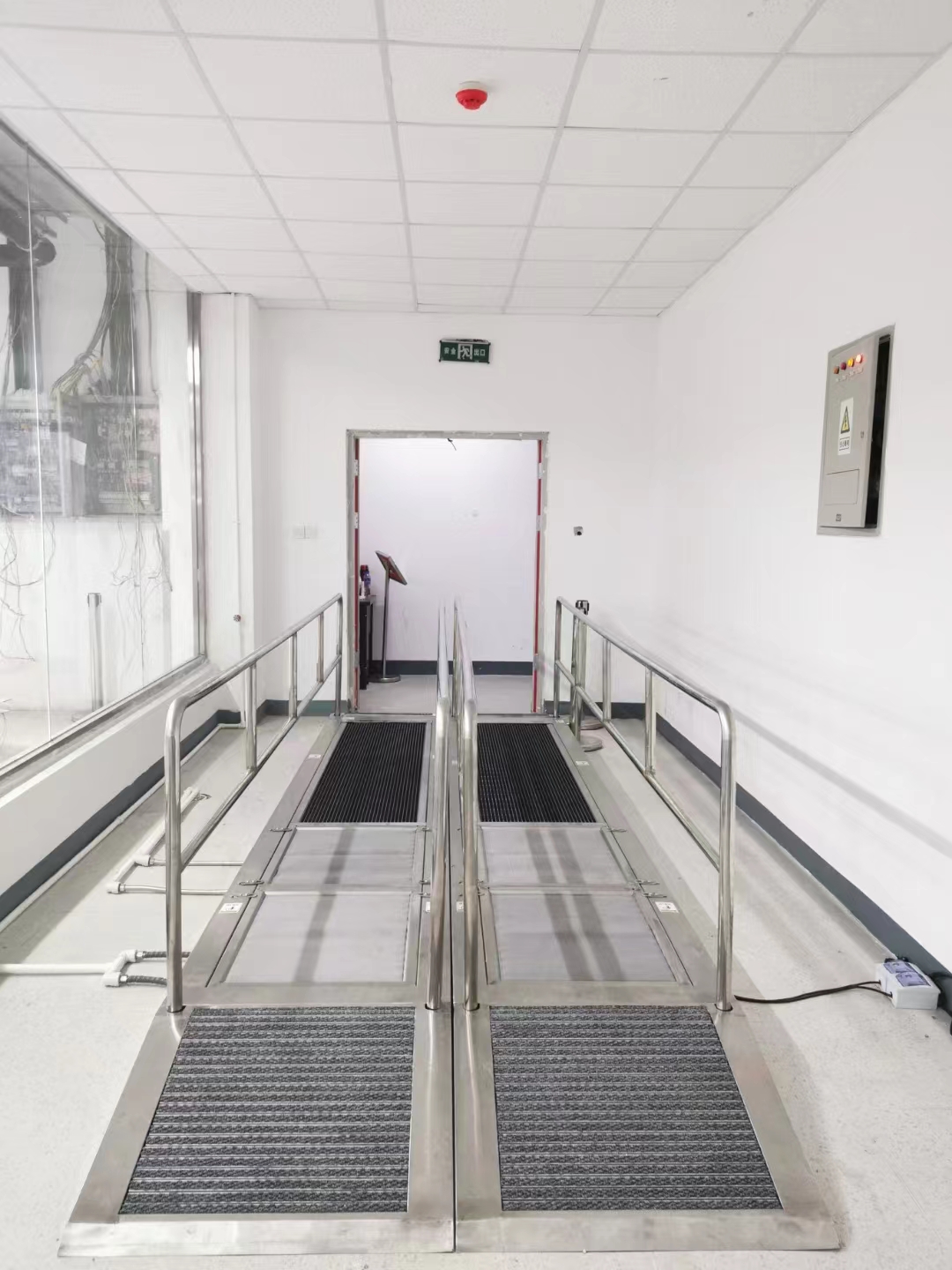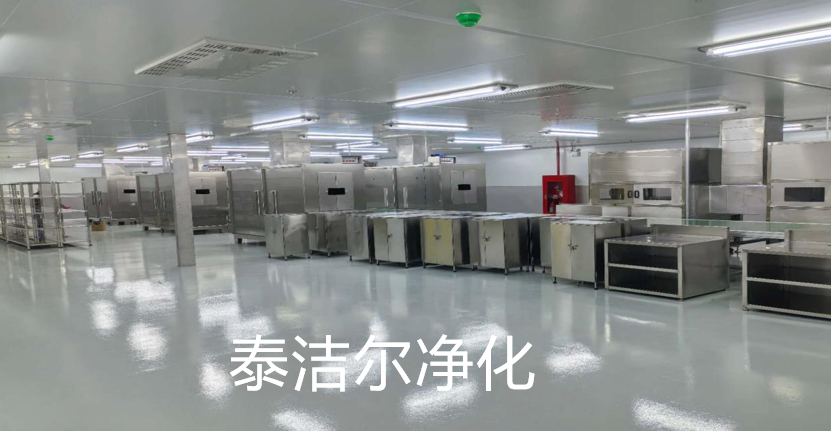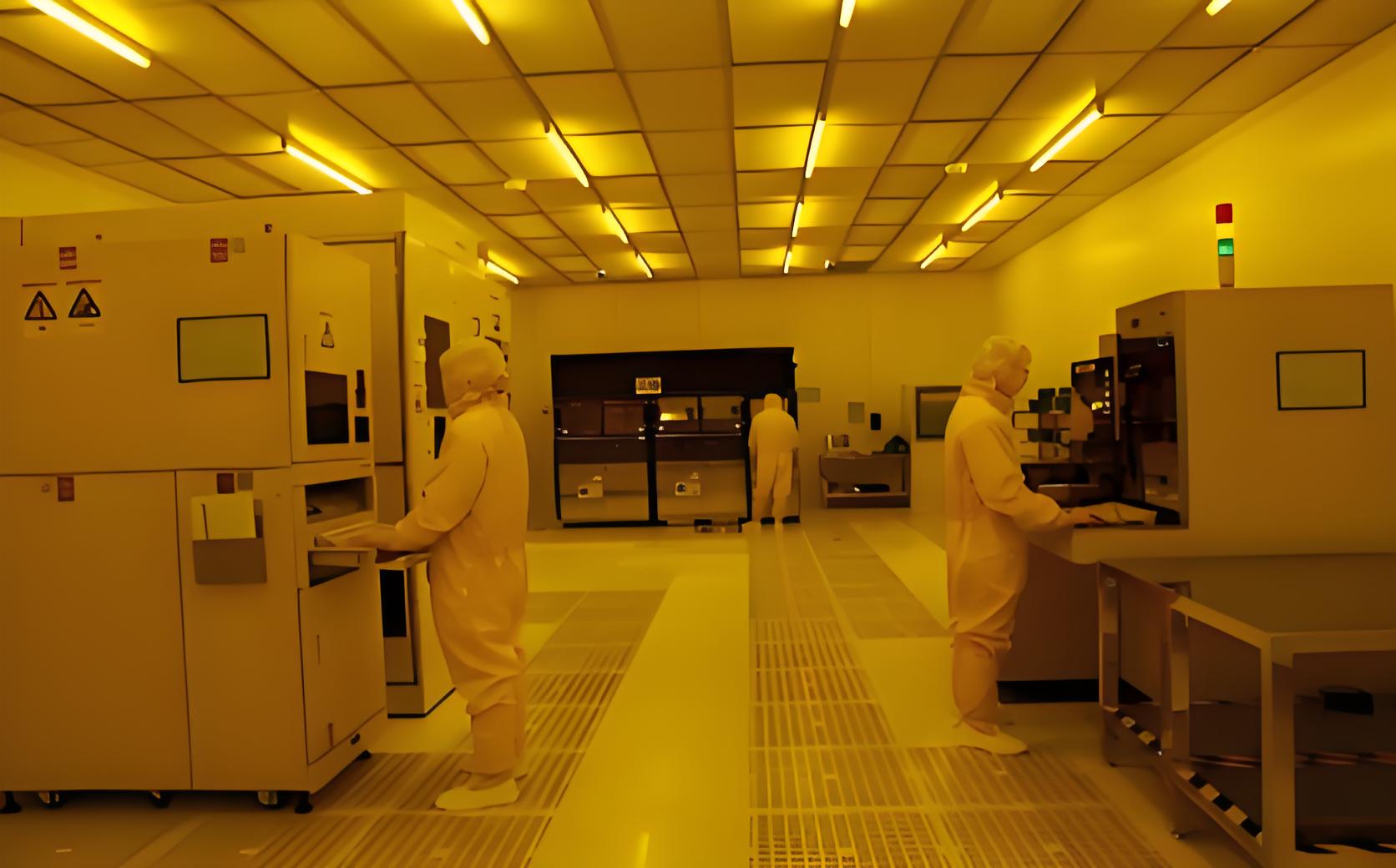
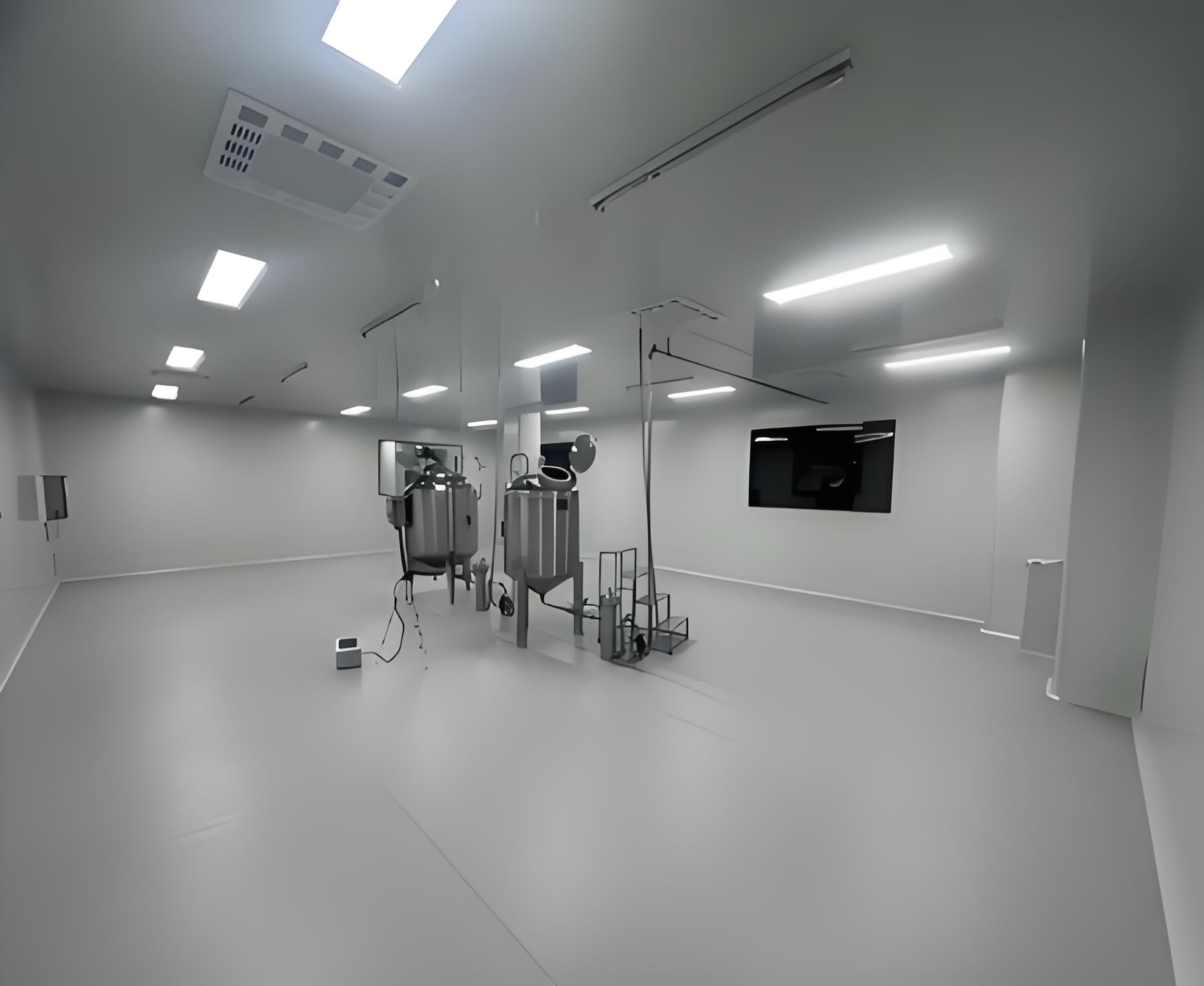
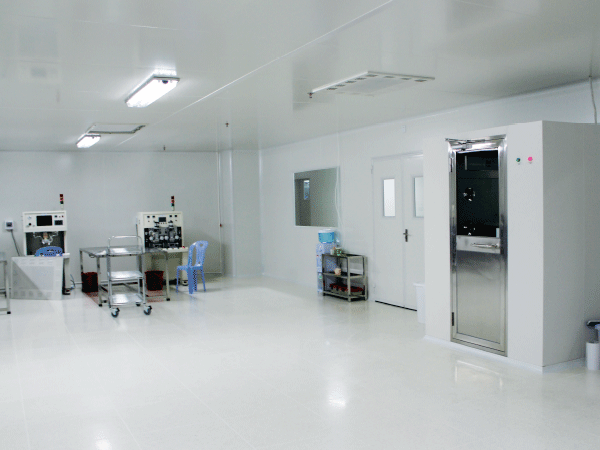
The global cosmetics industry faces mounting pressure to ensure product safety, microbial stability, and regulatory conformity. Contamination incidents—ranging from bacterial presence in liquid foundations to particulate matter in powdered products—can trigger expensive recalls and permanent brand damage. This is where Cosmetic GMP Cleanroom Engineering becomes a strategic necessity. By integrating Good Manufacturing Practice (GMP) principles with advanced cleanroom technologies, manufacturers achieve repeatable, verifiable control over airborne particles, viable microorganisms, and cross-contamination risks. This article delivers a technical deep dive into the engineering parameters, regulatory frameworks, and operational best practices that define state-of-the-art cosmetic cleanrooms.
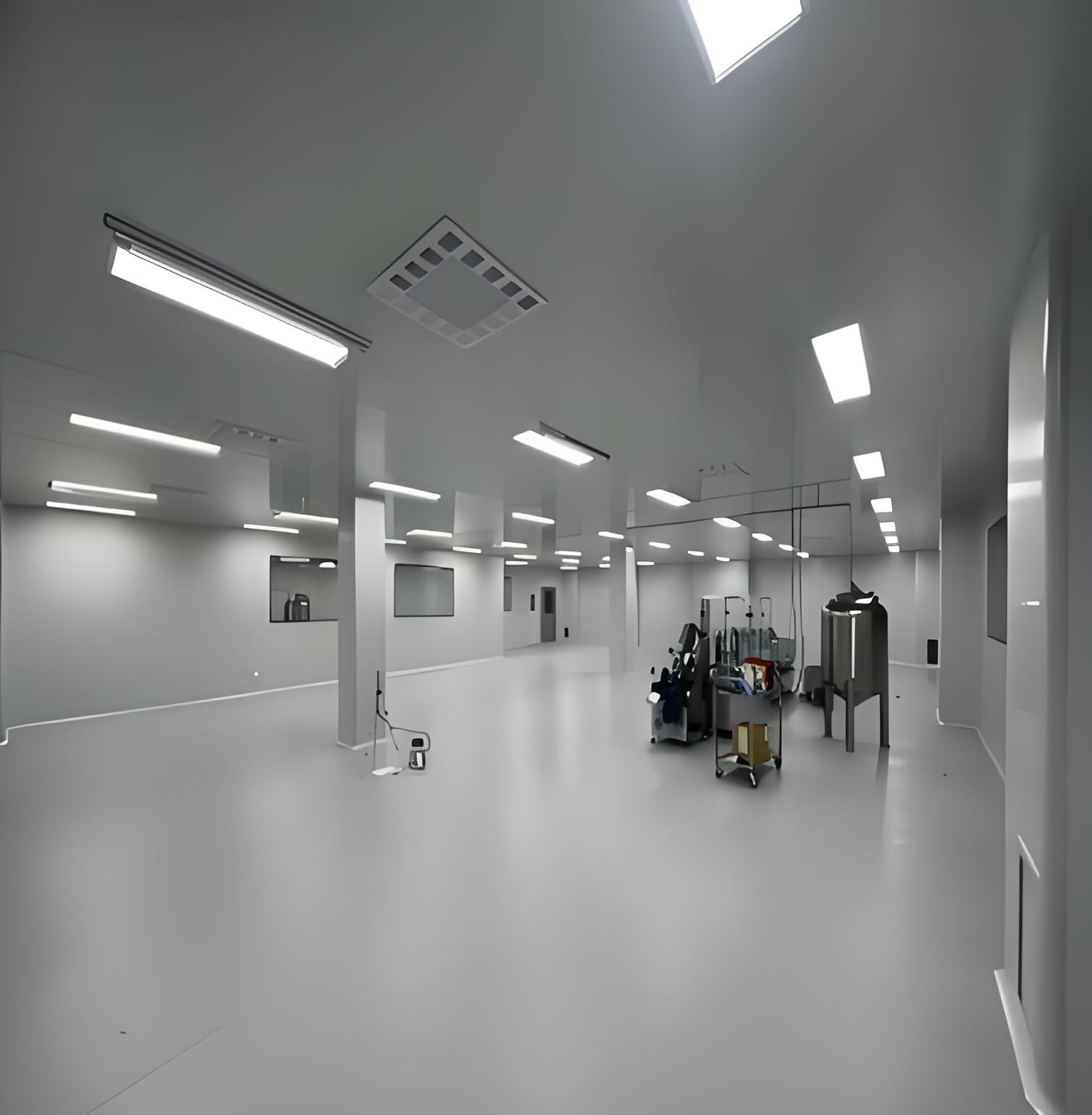
Unlike pharmaceuticals, cosmetics lack a universal mandatory code in many jurisdictions. However, ISO 22716 (Cosmetics – Good Manufacturing Practices) provides an internationally recognized framework that aligns with EU Regulation 1223/2009, ASEAN Cosmetic Directive, and FDA’s guidance for cosmetic GMP. Cleanroom engineering directly supports critical clauses:
Premises and equipment: Design prevents accumulation of dust, moisture, and residues. Surfaces must be smooth, impervious, and easy to sanitize.
Personnel hygiene: Changing rooms, airlocks, and proper gowning areas are mandatory to minimize human-shedded contaminants.
Production zone segregation: Raw material handling, compounding, filling, and packaging zones require differentiated air cleanliness grades.
Environmental monitoring: Routine particle counting and microbial air sampling are expected for high-risk stages (e.g., aseptic filling of preservative-free formulations).
Consequently, Cosmetic GMP Cleanroom Engineering translates these regulatory expectations into physical parameters: air change rates, pressure cascades, filter efficiencies, and material selection. A well-engineered cleanroom not only satisfies auditors but also reduces the risk of stability failures and consumer complaints.
Designing a cosmetic cleanroom requires a systematic approach based on the ISO 14644 series and local GMP interpretations. Below are the foundational parameters that every project must address.
Different production steps demand different cleanliness levels. The table below summarizes typical classifications (ISO 14644-1:2015, class limits at 0.5 µm):
ISO 5 (Class 100): Used for aseptic filling of products without a final preservative, or for open probiotic-containing cosmetics.
ISO 7 (Class 10,000): Common for high-risk zones: mixing of active ingredients, filling of liquid foundations, serums, and cream jars under laminar airflow hoods.
ISO 8 (Class 100,000): Suitable for compounding, raw material weighing, and general processing where microbial control is still necessary but lower particle sensitivity applies.
Non-classified but controlled: Packaging and secondary operations – positive pressure relative to outside, but lower air change rates (10–15 ACH).
Heating, ventilation, and air conditioning (HVAC) is the heart of any cleanroom. For cosmetic GMP applications, recommended air change rates are:
ISO 8: 15–20 ACH (recirculated air with 15-20% fresh air).
ISO 7: 30–60 ACH – higher end for rooms with significant personnel or machine activity.
ISO 5: Unidirectional flow, 0.45 m/s ±20% over the entire work area.
HEPA filters (H13 or H14, 99.995% efficient at MPPS) are mandatory for all supply air to classified zones. Pressure differentials must be maintained: at least 5–10 Pa between clean and less clean areas, with pressure gauges or electronic monitors. A cascade design ensures that air flows from ISO 7 to ISO 8 to unclassified corridors, pushing contaminants outward.
Cosmetic formulations often contain heat-sensitive ingredients (e.g., botanical extracts, vitamins, enzymes). Typical setpoints: 20–24°C ±2°C, relative humidity (RH) 45–65% ±5%. Stricter RH control (≤50%) may be needed for powder blending (talc, mica) to prevent clumping and microbial growth. The engineering design must incorporate low-emission materials: epoxy resin floors, powder-coated or stainless steel wall panels, coving at floor-wall junctions to eliminate crevices, and non-shedding ceiling systems.
Even with a basic cleanroom, cosmetic manufacturers repeatedly encounter four critical pain points. Understanding these drives the need for advanced Cosmetic GMP Cleanroom Engineering solutions.
Recurrent microbiological failures: Moist areas (filling rooms, wash stations) with improper drainage or stagnant water promote mold and Pseudomonas. Solution: sloped drains, seamless cove bases, and automated sanitization cycles integrated into HVAC control.
Particulate contamination from personnel: Inadequate gowning change rooms or missing air showers cause high particle counts. Engineering fix: two-stage change rooms (outer gowning + inner cleanroom gowning) with interlocked doors and a defined donning procedure.
Cross-contamination between product lines: Switching from a color pigment batch to a sensitive anti-aging cream can leave residual dust. Solution: dedicated air handling units (AHUs) for high-risk zones, plus pass-through autoclave or HEPA-filtered pass boxes.
Audit findings related to non-validated systems: Many cleanrooms lack documented commissioning, air change rate verification, or particle count mapping. A professional engineering partner provides IQ/OQ/PQ protocols to close these gaps.
Advanced cleanroom engineering addresses the above pain points through integrated design and precise execution. Below are technical strategies currently deployed in leading cosmetic facilities.
Proper zoning prevents contamination from entering critical areas. A typical layout follows:
Black zone (external corridor): Street clothes, raw material receipt.
Grey zone (transition): Changing rooms with shoe exchange, hand washing, and first gowning (coveralls, hairnets).
Clean zone (ISO 8/7): Full cleanroom garments, goggles, gloves, dedicated footwear.
Critical zone (ISO 5 LAF): Sterile gowning (if required) or restricted access barrier systems (RABS).
Material flow uses pass-through chambers with interlocked doors and HEPA-filtered air showers. For raw materials that cannot be wiped (e.g., drums of powders), an airlock with a vacuum or blow-off station removes surface particles.
Continuous monitoring of particle counts (0.5 µm and 5.0 µm channels), differential pressure, temperature, and RH is becoming standard for cosmetic GMP. Modern building management systems (BMS) provide alerts when parameters drift beyond setpoints. Microbial monitoring includes settle plates, active air samplers (e.g., MAS-100), and contact plates for surfaces. The frequency is risk-based: for ISO 7 filling zones, weekly viable monitoring; for ISO 8 areas, monthly.
Cleanroom surfaces must withstand frequent chemical disinfection (quaternary ammonium compounds, peracetic acid, or hypochlorite). Therefore, engineers specify:
Walls: Solid polypropylene or reinforced fiberglass reinforced plastic (FRP) – non-porous, resistant to oxidizers.
Floors: Static-dissipative epoxy or polyurethane with welded seams.
Workbenches: Electropolished stainless steel 304 or 316L, radiused corners.
An automated clean-in-place (CIP) system for filling nozzles and mixing vessels reduces manual intervention. Additionally, UV-C lamps in air handling units help reduce microbial load on cooling coils.
Designing and building a cleanroom is only half the journey. Owners must execute a structured validation protocol according to ISO 14644-2 and GMP guidelines. The lifecycle includes:
Design Qualification (DQ): Verifying that engineering specifications meet user requirements and GMP standards.
Installation Qualification (IQ): Checking materials, filter certifications, airflow volumes, and pressure differentials against design drawings.
Operational Qualification (OQ): Testing HVAC controls, alarm systems, interlocked doors, and particle counts under dynamic conditions (simulated production).
Performance Qualification (PQ): Monitoring over a defined period (e.g., 3 consecutive days of normal production) to prove consistent cleanliness.
After validation, cleanrooms require annual re-qualification (or sooner if modifications occur). HEPA filter integrity tests (PAO or photometer method) should be performed every 6–12 months, while air change rate and pressure differential verification should be part of semi-annual maintenance.
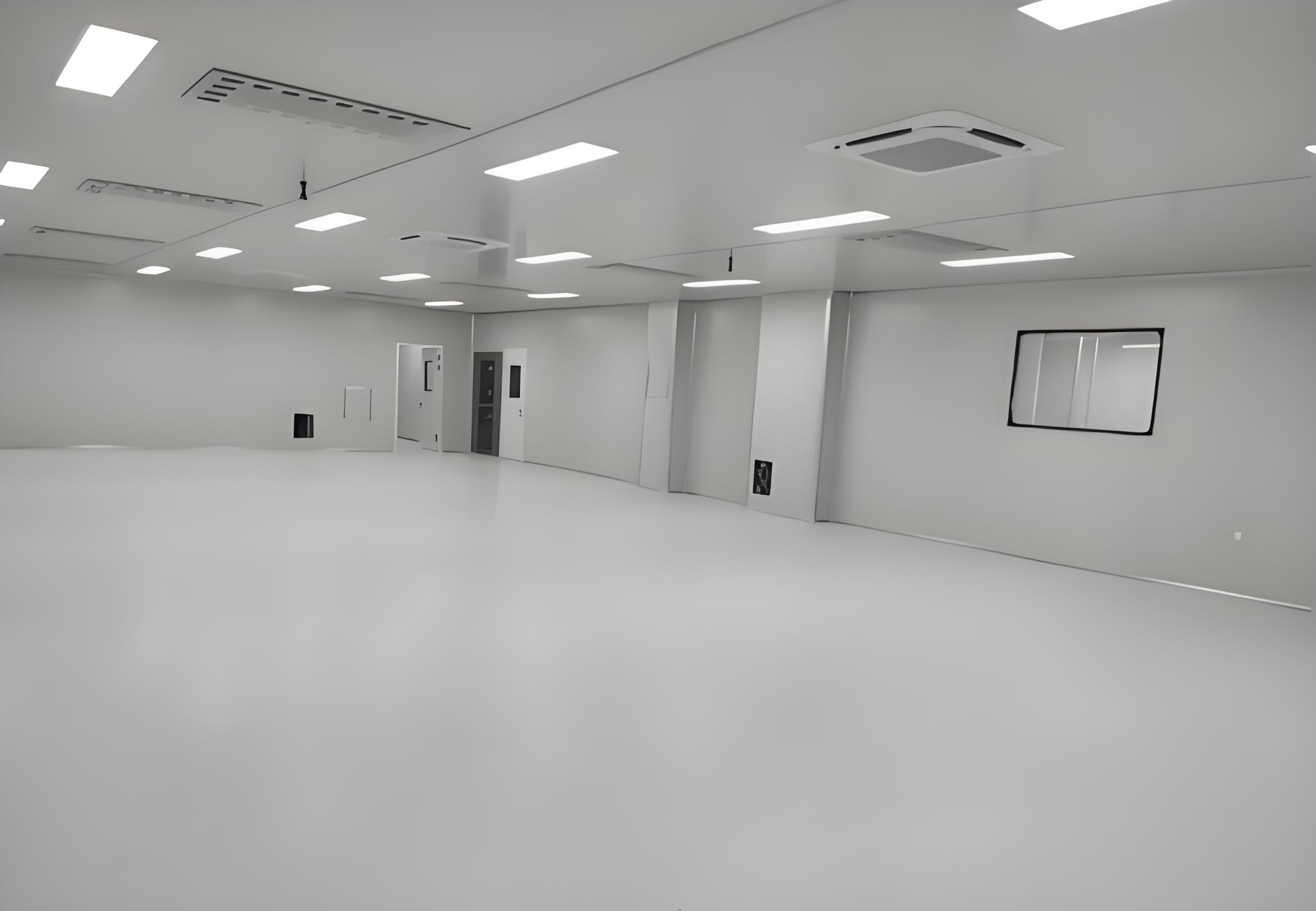
Designing a Cosmetic GMP Cleanroom Engineering solution that balances regulatory demands, operational efficiency, and budget constraints requires specialized expertise. TAI JIE ER focuses on turnkey cleanroom projects for the personal care and pharmaceutical sectors. From initial classification studies to HVAC load calculations, material selection, and final validation documentation, the team provides end-to-end support. Their engineering philosophy prioritizes:
Modular or rigid-wall cleanrooms tailored to existing building footprints.
Energy-efficient EC fan arrays and demand-controlled ventilation to reduce operating costs while maintaining ISO class.
Full compliance with local fire codes and GMP guidelines for emerging cosmetic hubs (Southeast Asia, Middle East, Latin America).
By partnering with a dedicated engineering firm, cosmetic brands avoid common pitfalls such as insufficient fresh air supply, unsealed ceiling penetrations, or incorrect differential pressure cascades. TAI JIE ER has delivered over one hundred GMP-grade cleanrooms, each validated to ISO 14644 and customer-specific microbial limits.
Q1: What is the minimum cleanroom class required for manufacturing
water-based cosmetic products (toners, gels)?
A1: Water-based
products are prone to microbial proliferation. Most global GMP guidelines
recommend ISO 7 (Class 10,000) for the filling and mixing zones, with local ISO
5 (laminar flow) protection at the point of filling. Raw material weighing can
be performed in ISO 8. However, final classification should be determined by
risk assessment: preservative-free formulas demand stricter control (ISO 7 +
LAF).
Q2: How often should HEPA filters in a cosmetic cleanroom be
tested?
A2: According to ISO 14644-2:2015, the maximum interval for
filter leak testing is 24 months for continuous or intermittent operation.
However, for high-risk zones (ISO 7 filling lines), many companies adopt
12-month intervals. Additionally, filter integrity should be rechecked after any
maintenance that could affect the housing or ductwork.
Q3: Is positive pressure mandatory in all cosmetic
cleanrooms?
A3: Yes, positive pressure (usually 10–15 Pa relative to
adjacent lower-grade areas) prevents the ingress of unfiltered air. However, for
handling highly volatile or sensitizing fragrance compounds, some manufacturers
use negative pressure containment rooms placed within an overall
positive-pressure environment, but this requires complex engineering and is
rarely needed for standard cosmetics. For general GMP, a positive pressure
cascade is sufficient.
Q4: Which wall and floor materials are preferred for frequent
disinfection with oxidizing agents?
A4: Epoxy resin floors with
polyurethane topcoats offer excellent chemical resistance against hydrogen
peroxide, peracetic acid, and sodium hypochlorite. For walls, high-pressure
laminate (HPL) or fiberglass-reinforced plastic (FRP) is suitable. Avoid painted
gypsum boards or standard vinyl – they degrade quickly. All joints must be coved
and sealed with antimicrobial sealant.
Q5: Can an existing conventional warehouse be retrofitted into a
cosmetic GMP cleanroom?
A5: Yes, with careful planning. Retrofitting
requires upgrading HVAC capacity, sealing concrete floors (using epoxy
self-leveling compound), adding smooth wall cladding, and installing new
airlocks. The main challenges are ceiling height (minimum 2.6 m for ductwork)
and external dust infiltration. A professional engineering assessment is
necessary to determine feasibility and cost. Many retrofits achieve ISO 8 or ISO
7 certification.
Q6: What is the difference between a cosmetic GMP cleanroom and a
pharmaceutical cleanroom in terms of air change rates?
A6:
Pharmaceutical cleanrooms, especially for sterile products, often require higher
air change rates (ISO 7: 60–90 ACH) and stricter microbial limits. Cosmetic GMP
cleanrooms can operate with lower ACH (ISO 7: 30–40 ACH) because most products
contain preservatives and are not injected. However, the same principles of
validated cleaning, personnel gowning, and environmental monitoring apply.
Borrowing pharmaceutical-grade engineering for premium cosmetics is common for
brands targeting export markets.
Investing in professional Cosmetic GMP Cleanroom Engineering is not just about passing audits—it directly improves product consistency, extends shelf life, and builds consumer trust. Whether you are constructing a new facility or retrofitting an existing line, expert engineering ensures that every parameter (from air change rates to material biocompatibility) aligns with ISO 22716 and local regulations. TAI JIE ER invites cosmetic manufacturers, brand owners, and contract manufacturers to discuss their specific cleanroom requirements. Obtain a customized engineering proposal, validation support, and after-sales maintenance plans.
Submit your inquiry today: Provide your production volumes, product types, and preferred cleanroom class. Our engineering team will respond with a preliminary design concept and compliance roadmap. Contact TAI JIE ER now to start your GMP cleanroom project.