
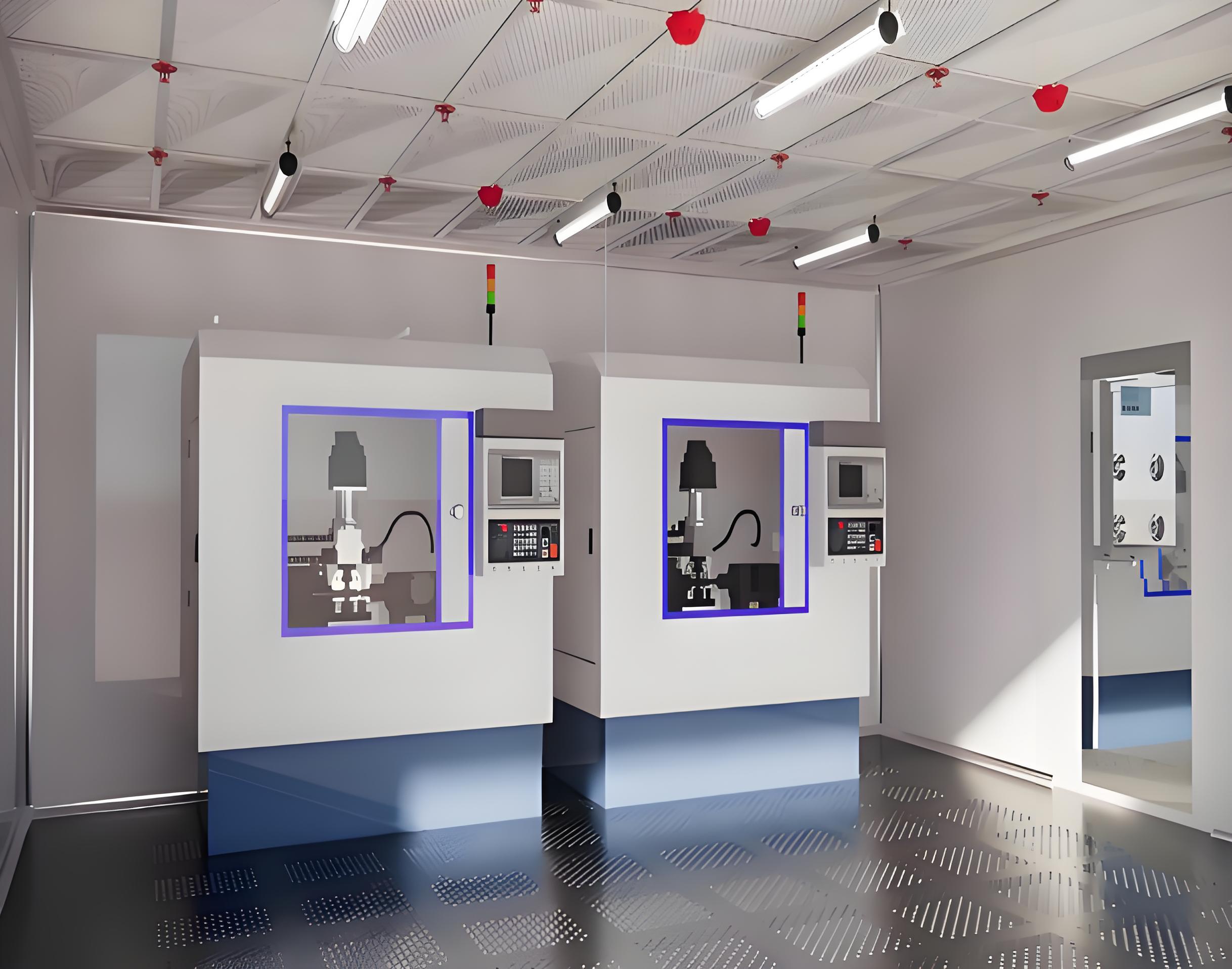
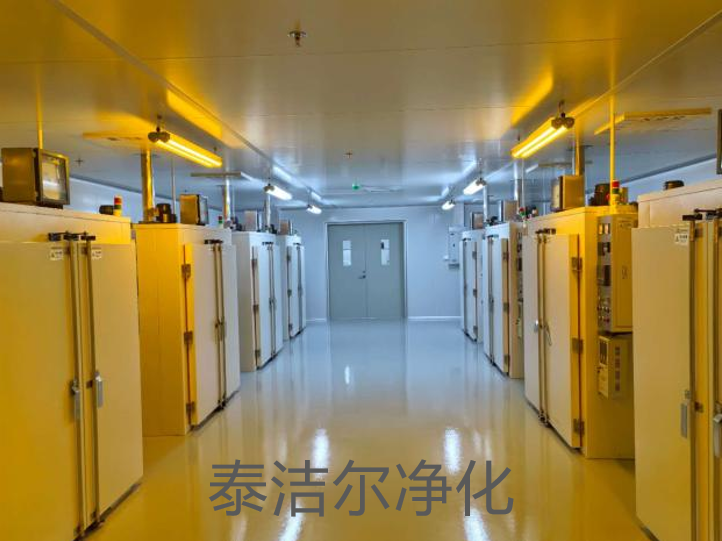
Scientific infrastructure requires precise environmental controls that exceed the requirements of standard commercial construction. Contamination control, pressure differentials, and personnel safety represent the core focus areas of research space design. Planning a successful Laboratory decoration project requires an understanding of regulatory compliance, architectural spatial layout, and advanced mechanical systems. Achieving this balance protects experimental integrity and satisfies strict regulatory bodies globally.
Modern scientific facilities must support sensitive instrumentation while providing robust containment systems for hazardous agents. Every design decision, from the selection of chemical-resistant materials to the routing of high-purity gas pipelines, directly influences operational efficiency. Consequently, a systematic engineering methodology is required to transform a raw facility footprint into a fully operational, compliant research environment.
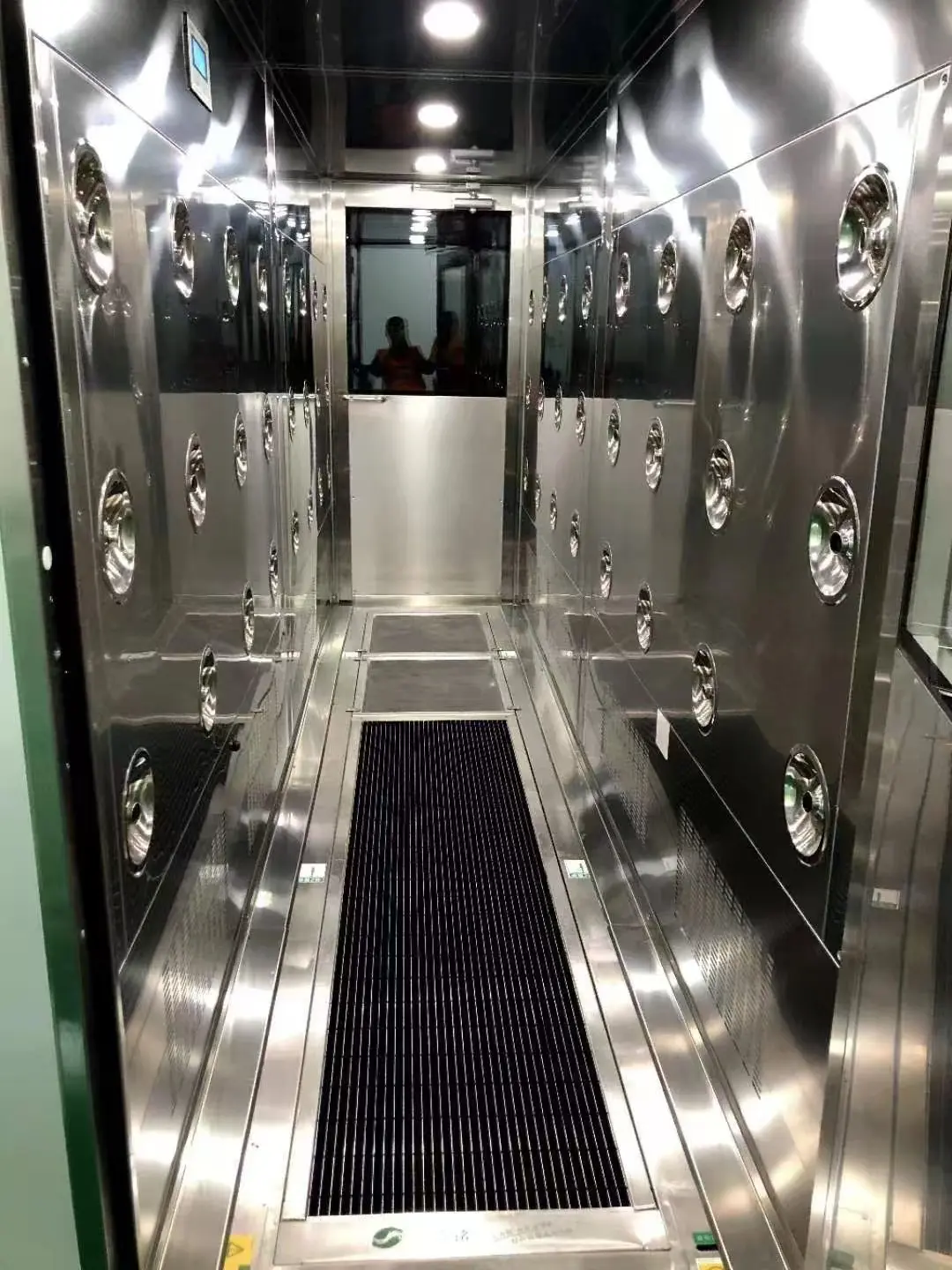
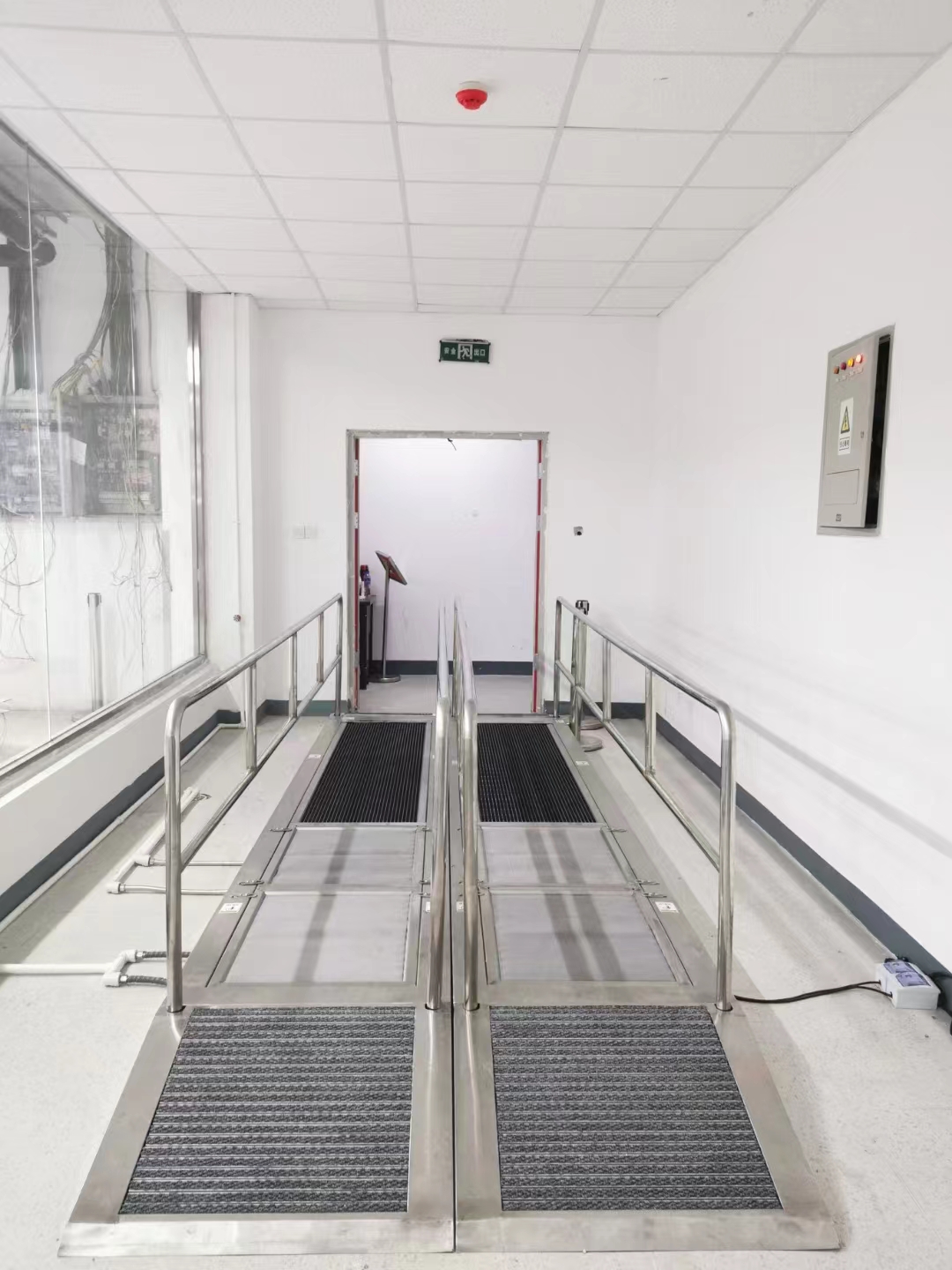
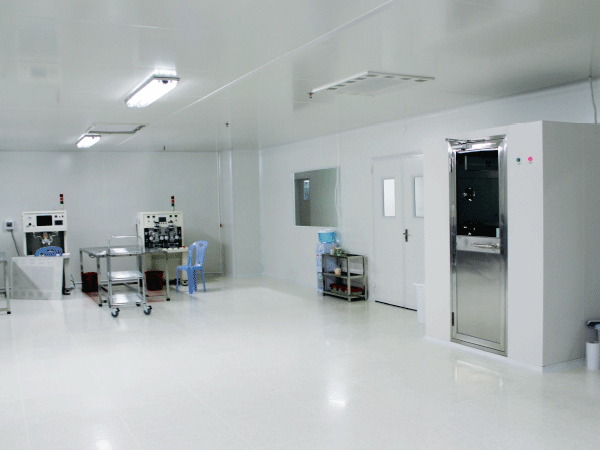
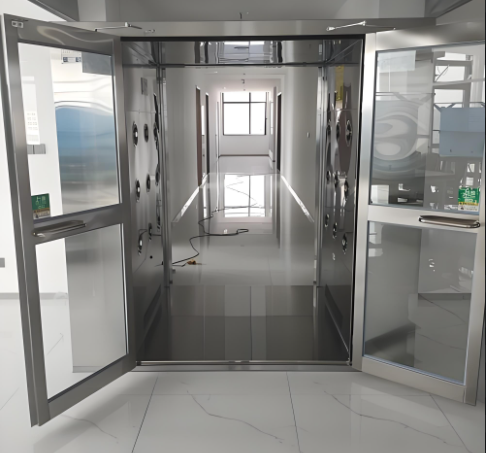
The foundational step in facility design involves establishing clear zoning pathways that separate clean research zones from support areas. Personnel movement, material flow, and waste disposal routes must be planned to prevent cross-contamination. Utilizing dynamic airlocks and specialized gowning rooms establishes physical barriers between different classification zones, maintaining structural integrity across the facility.
To implement these complex systems, partnering with an experienced EPC contractor like TAI JIE ER ensures compliance with global standards. Architectural layouts must group similar biosafety levels together to simplify ductwork routing and pressure barrier management. This strategic grouping reduces the risk of accidental exposure and simplifies daily maintenance procedures.
BSL-1 & BSL-2 Zones: These spaces require easily cleanable surfaces, hands-free handwashing stations, and negative pressure relative to public corridors to contain potential aerosols.
BSL-3 Containment Suites: These highly regulated spaces require absolute airtight seals, double-door dynamic pass boxes, HEPA-filtered exhaust systems, and dedicated effluent decontamination installations.
Support Areas: Autoclave placement, gas cylinder storage yards, and waste neutralization facilities must be positioned adjacent to primary research zones to minimize transport hazards.
Proper spatial separation also involves isolating vibration-sensitive equipment, such as electron microscopes and microbalances, from heavy mechanical plants. Placing structural isolation joints in the concrete floor slab mitigates low-frequency vibrations that could disrupt delicate measurements. Through deliberate architectural planning, the structural layout serves as the first line of defense against experimental failure and safety breaches.
Selecting the appropriate materials during Laboratory decoration determines the longevity of the facility and its ease of sanitization. Surfaces must withstand frequent washing with harsh chemical sterilants, such as sodium hypochlorite, vaporized hydrogen peroxide (VHP), and various organic solvents, without degrading or releasing particulate matter into the air.
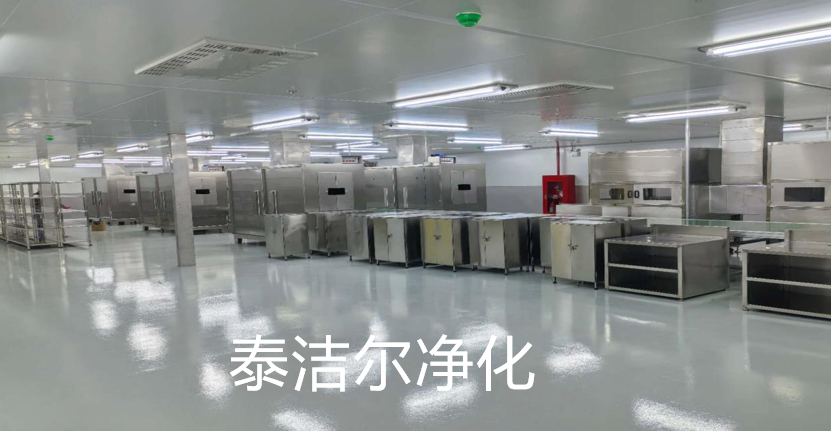
Monolithic, non-porous materials are preferred to prevent the nesting of microbial contaminants in joints and crevices. To achieve this, cleanroom-grade sandwich panels with electrostatic powder coatings are commonly utilized for wall partitions. These panels provide exceptional impact resistance and thermal insulation while maintaining a completely flush finish across the installation.
Cleanroom Wall Panels: Hollow-glass magnesium panels or rockwool sandwich panels provide Class A fire ratings and excellent structural rigidity under positive or negative pressure.
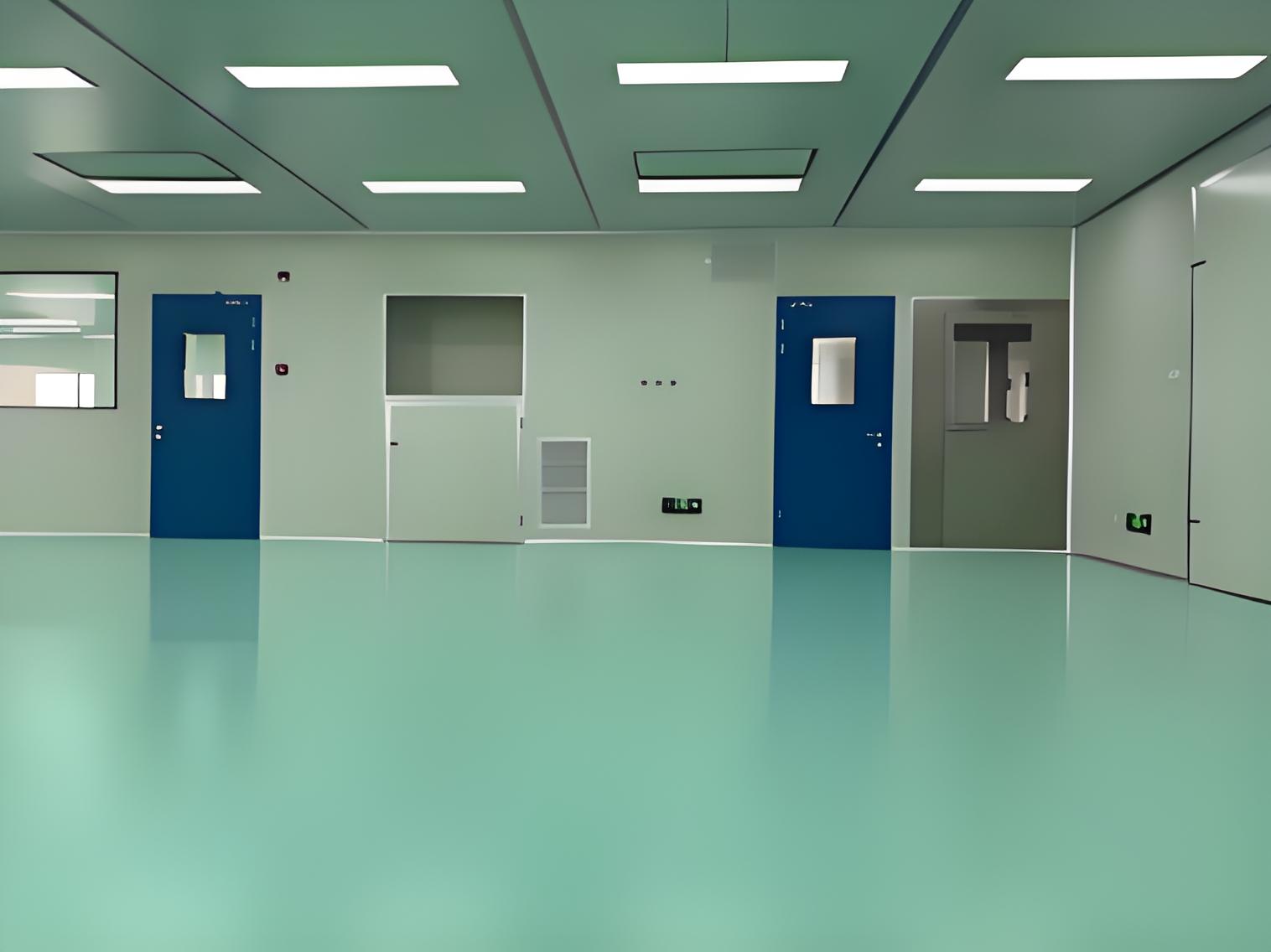
Epoxy and Polyurethane Flooring: Seamless self-leveling epoxy flooring, featuring coved wall-to-floor connections, eliminates dirt traps and resists mechanical wear from heavy mobile workbenches.
Sustained Ceilings: Heavy-duty, walk-on ceiling grids with gel-sealed HEPA filters maintain airtight boundaries while allowing maintenance personnel to service mechanical components from above.
Worktops also require careful engineering. Phenolic resin and epoxy resin boards are the industry standards for general chemical applications due to their high resistance to acids, bases, and thermal shock. For sterile environments or radioactive material handling, seamless SUS316L stainless steel worktops with integrated marine edges are preferred to contain liquid spills and simplify decontamination protocols.
Proper balancing of HVAC systems is the backbone of any safe Laboratory decoration strategy. Unlike standard commercial HVAC systems, research environments rely on once-through air systems (100% fresh air) to prevent the recirculation of hazardous fumes or volatile compounds. This approach requires precise thermal management to handle the high sensible heat loads generated by autoclaves, freezers, and analytical equipment.
The engineering team at TAI JIE ER designs these systems to prevent stagnant zones where airborne particles might collect. Maintaining steady air change rates (ACH) is necessary to dilute and remove chemical vapors or biological aerosols. Depending on the ISO cleanroom class or BSL level, air change rates typically range from 15 to over 45 changes per hour.
To visualize the system requirements, the following table outlines the general environmental parameters required across different facility types:
| Facility Type | ISO Classification | Air Change Rate (ACH) | Pressure Differential (Pa) | Filtration Level |
|---|---|---|---|---|
| Analytical Lab | ISO 8 / Unclassified | 12 - 15 | +5 to +10 (or Negative) | F8 Bag Filter + H13 HEPA |
| Biosafety Level 2 (BSL-2) | ISO 7 / ISO 8 | 15 - 25 | -10 to -15 | H14 HEPA Exhaust |
| Pharmaceutical Cleanroom | ISO 5 / ISO 6 | 30 - 60+ | +15 to +20 | 99.999% ULPA Ceiling Coverage |
Achieving stable pressure cascades ensures that air always flows from clean zones toward less clean zones, preventing contaminated air from entering sterile environments. Variable Air Volume (VAV) controllers, integrated with high-speed venturi valves, adjust airflow in milliseconds to compensate for fume hood sash movements. This level of control maintains stable room pressure and protects laboratory personnel working with volatile compounds.
A functional scientific facility relies on a complex network of process utilities that must be delivered safely to the point of use. This network includes high-purity gases, deionized water, compressed air, vacuum systems, and specialized chemical drainage lines. The routing of these utilities requires careful planning to maintain cleanroom integrity and facilitate future equipment additions.
High-purity gases such as nitrogen, argon, helium, and carbon dioxide require orbital-welded stainless steel tubing (SUS316L) with high internal finish specifications to prevent particulate generation. Centralized gas distribution manifolds, complete with automatic changeover valves and gas leak detection alarms, should be placed in dedicated, ventilated enclosures outside the primary workspace to enhance safety.
Suspended Utility Panels: Utilizing overhead service carriers provides flexible access to power, data, and gases, allowing workbenches to be reconfigured without structural demolition.
Chemical Drainage Networks: Acid waste lines must utilize high-density polyethylene (HDPE) or polypropylene (PP) pipes joined via electrofusion to prevent joint leaks and chemical corrosion.
Pure Water Loops: Deionized and ultra-pure water systems require continuous loop circulation with UV sanitization modules to prevent biofilm growth within the piping network.
Electrical distribution systems must feature robust emergency power backup, such as Uninterruptible Power Supplies (UPS) and standby diesel generators. This emergency backup is vital for protecting continuous cultivation cycles, ultra-low temperature freezers, and long-term computational experiments during power interruptions. Power outlets in wet zones must incorporate ground fault circuit interrupters (GFCI) and water-resistant enclosures to maintain safety.
The successful execution of a facility project culminates in the formal commissioning and validation phase. This structured procedure confirms that all building systems, containment barriers, and environmental controls operate in accordance with the design specifications and international regulatory expectations. For pharmaceutical and biotechnology operations, compliance with Good Manufacturing Practice (GMP) regulations is mandatory.
For facilities requiring precise validation support, TAI JIE ER provides comprehensive engineering assistance throughout the qualification lifecycle. This process consists of Design Qualification (DQ), Installation Qualification (IQ), Operational Qualification (OQ), and Performance Qualification (PQ). Each phase requires thorough documentation, including system manuals, calibration certificates, and air balancing reports.
Testing protocols include HEPA filter integrity testing using photometer aerosol challenges, room pressurization testing, and airflow visualization studies. Airflow visualization utilizes cleanroom-grade fog generators to confirm that airflow patterns are laminar and do not create turbulent zones that could trap airborne contaminants. Only after these validation steps are documented and approved can the facility begin scientific operations safely.
Q1: What are the primary structural considerations during Laboratory decoration?
A1: The primary structural considerations include floor load capacity to support heavy analytical equipment, vibration isolation slabs for sensitive microscopes, moisture-resistant and chemical-resistant wall finishes, cleanroom-grade walk-on ceilings, and proper ceiling height to accommodate complex HVAC ductwork and utility runs.
Q2: Why is a 100% fresh air system preferred over recirculated air in chemical laboratories?
A2: Recirculating air can lead to the accumulation of volatile chemical vapors, toxic gases, and hazardous aerosols inside the workspace. A 100% fresh air system (once-through system) continuously exhausts stale air to the outside through filtration or scrubbing systems, replacing it entirely with conditioned outdoor air to ensure a safe working environment.
Q3: How do pressure cascades protect clean zones from contamination?
A3: Pressure cascades rely on maintaining a positive or negative pressure differential between adjacent rooms. Positive pressure (typically +10 to +15 Pa) prevents contaminated air from entering clean sterile zones from the outside, while negative pressure (typically -10 to -15 Pa) prevents hazardous biological agents or toxic chemicals from escaping containment areas into clean corridors.
Q4: What is the difference between phenolic resin and epoxy resin for workbench surfaces?
A4: Phenolic resin worktops are lightweight, cost-effective, and offer excellent resistance to most acids, bases, and mechanical wear. Epoxy resin worktops are heavier, molded monolithic slabs that offer superior resistance to high temperatures and open flames, making them highly suitable for intensive chemical setups.
Q5: What validation standards must a cleanroom facility satisfy before operation?
A5: Cleanrooms must meet ISO 14644-1 standard classifications for airborne particulate cleanliness. Depending on the industry, they must also satisfy FDA cGMP regulations, WHO biosafety standards, ASHRAE 110 specifications for fume hood containment, and local environmental protection guidelines for chemical and biological emissions.
Engineering a modern research facility requires a balance of architectural design, advanced mechanical systems, and strict regulatory compliance. To discuss your project specifications, request a layout analysis, or consult with our cleanroom engineering team, please submit a detailed inquiry through our contact portal today.