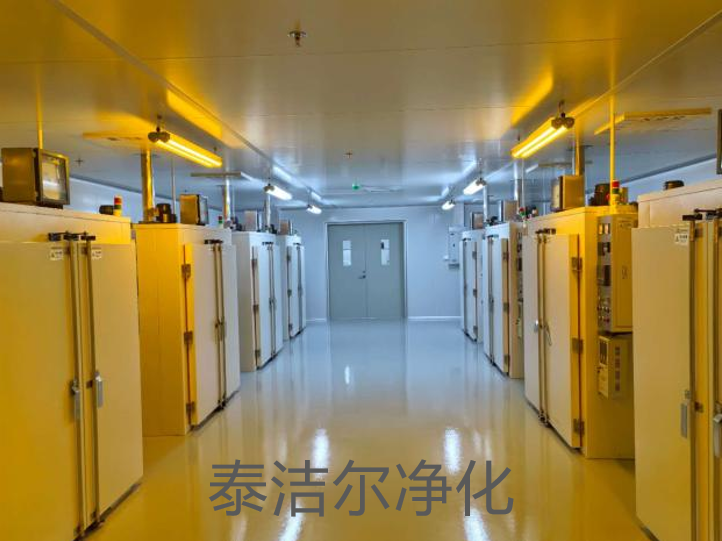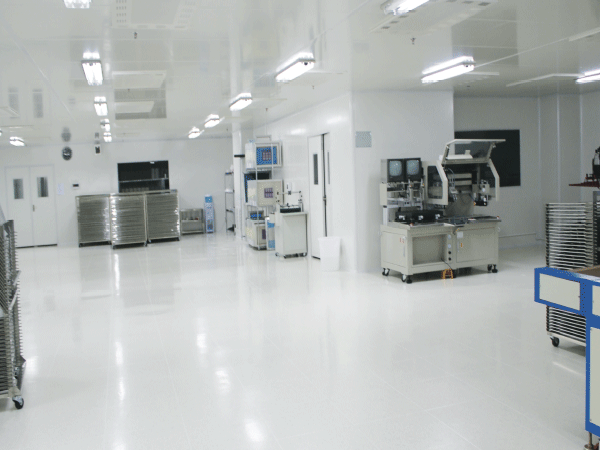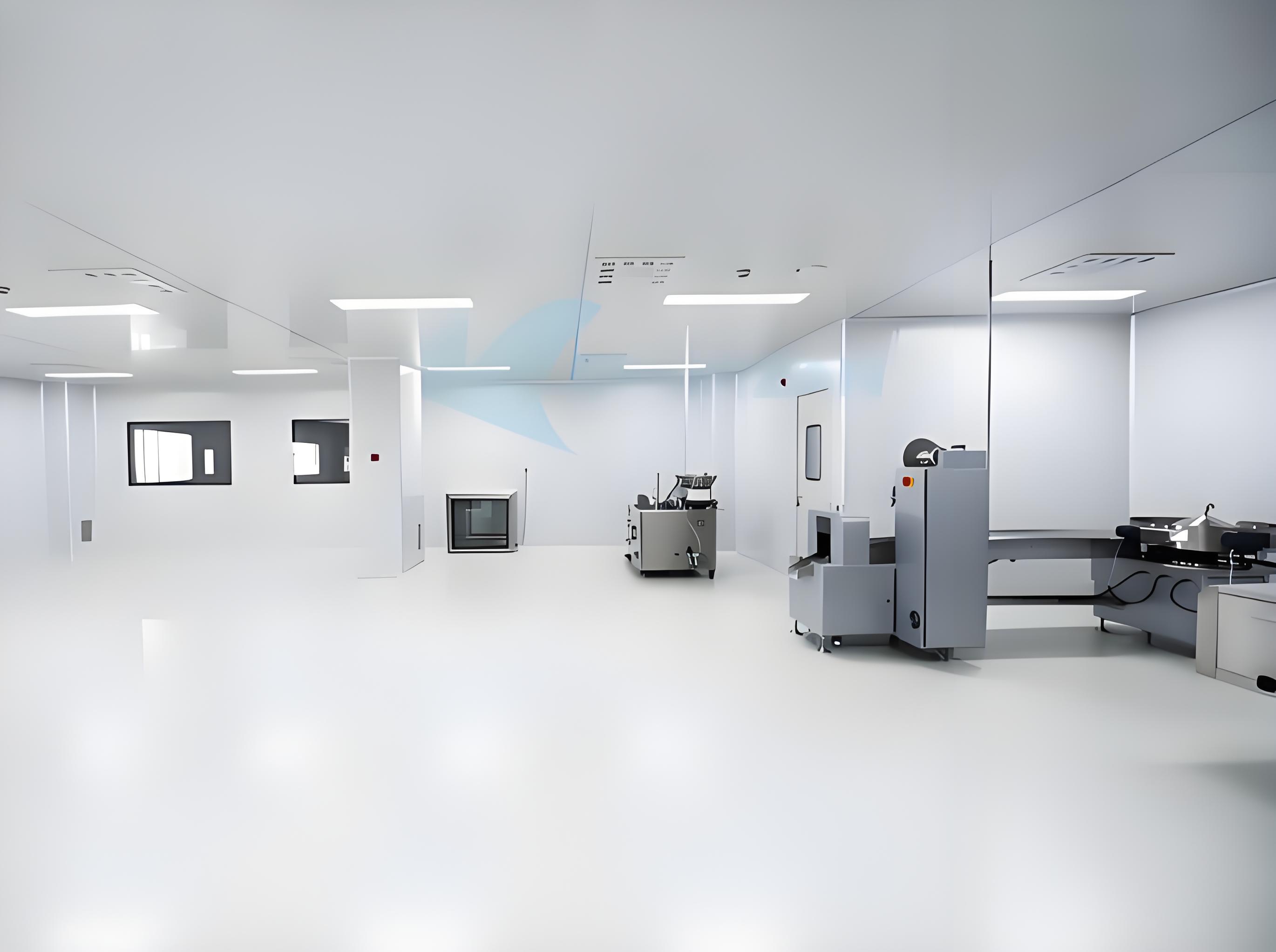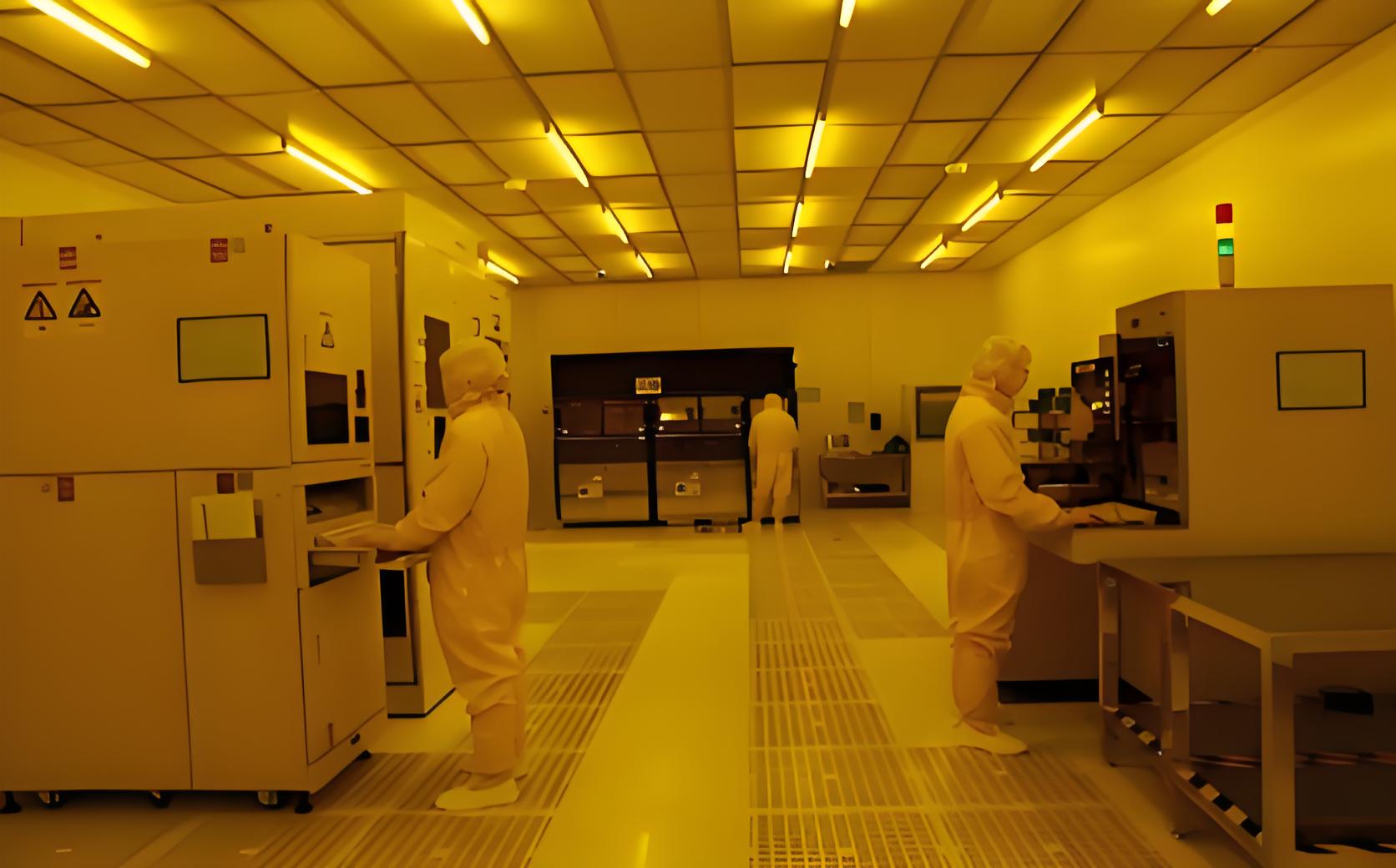

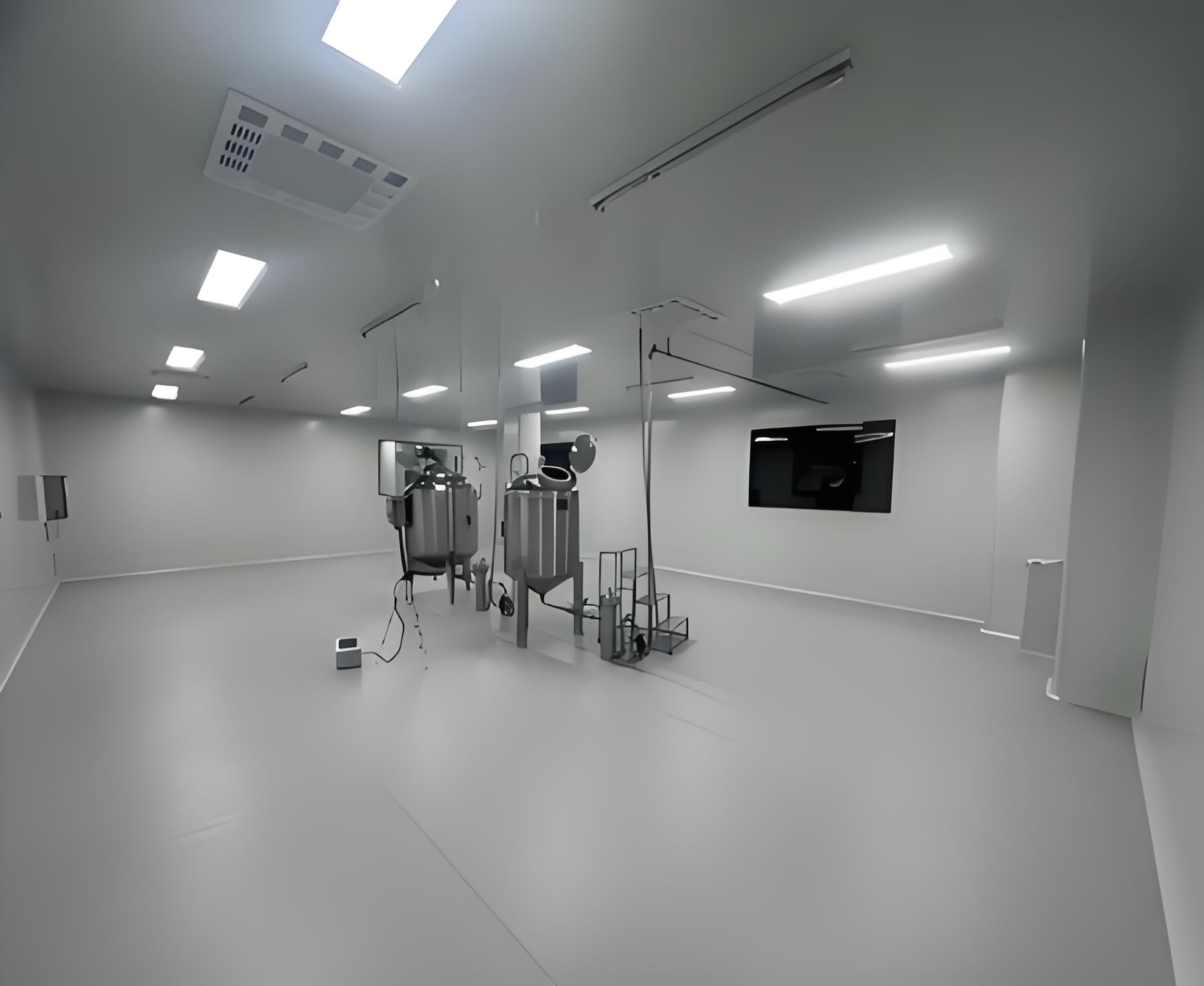
Medical device manufacturing requires absolute control over airborne particulate matter, viable micro-organisms, and surface contaminants. Regulatory bodies globally require strict environmental controls based on the risk level and intended application of the product. Implementing a standardized Medical device purification project serves as the primary defense against atmospheric batch contamination, supporting product sterility and mechanical integrity during assembly, processing, and packaging stages.
Cleanroom engineering extends far beyond standard air filtration. It encompasses modular architecture, fluid dynamics, differential pressure cascades, material transfer lockouts, and continuous environmental monitoring. Aligning these elements with ISO 13485 quality management requirements ensures cleanroom operations maintain steady-state parameters across high-volume production cycles.
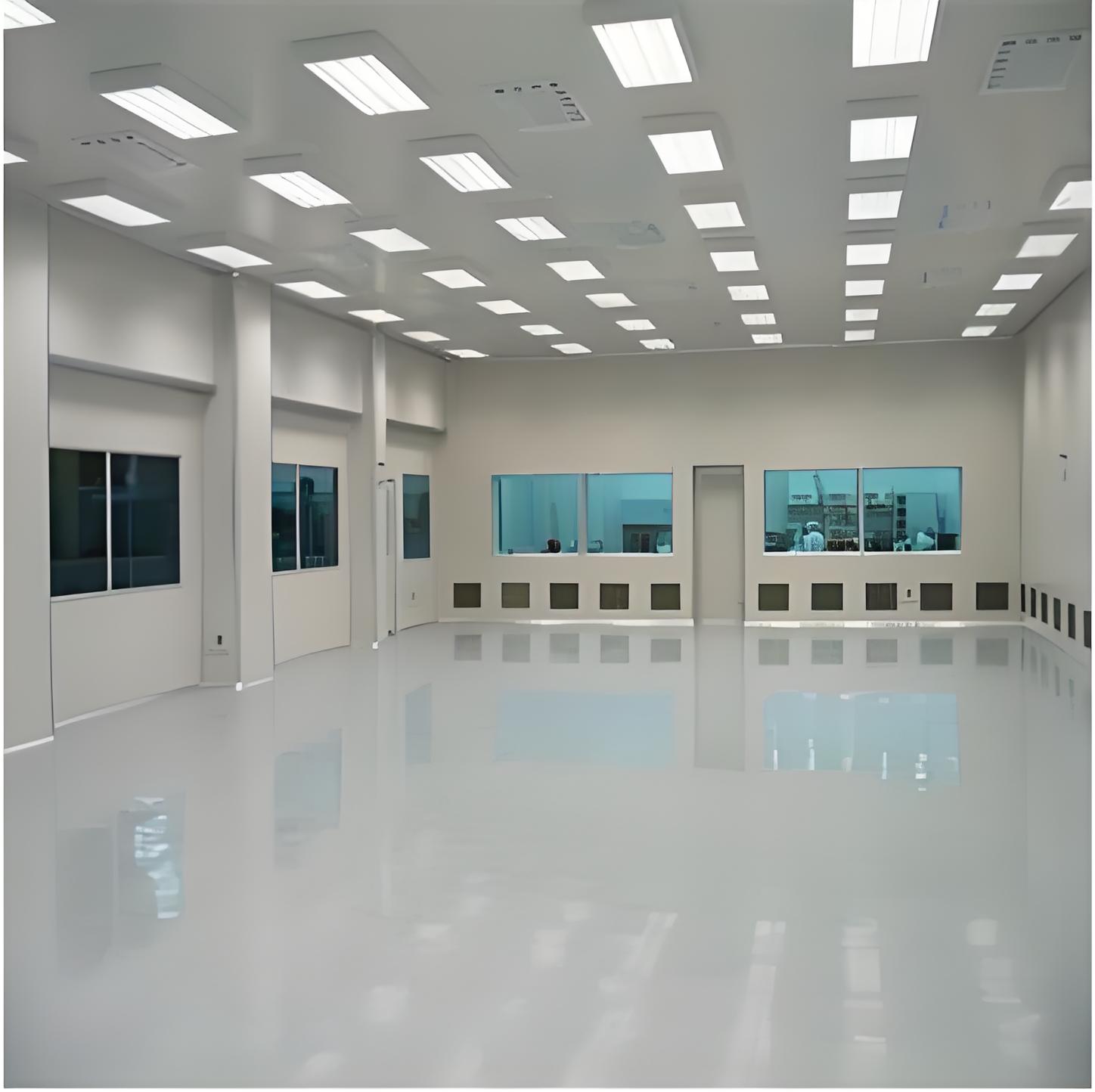
Establishing cleanroom specifications begins with determining the regulatory cleanliness grade required for the specific product line. ISO 14644-1 serves as the primary international benchmark, defining airborne particle concentration limits per cubic meter of air across particle size thresholds ranging from 0.1 to 5.0 micrometers.
Medical devices are categorized based on contact duration with the human body and invasiveness. Devices such as orthopedic implants, cardiovascular stents, and bio-absorbable sutures demand tight particle control due to the immediate health impact of particulate emboli or surface pyrogens.
Microbial bioburden control runs parallel to non-viable particle monitoring. EU GMP Annex 1 guidelines establish maximum limits for colony-forming units (CFU) using active air samplers, settle plates, and surface contact plates. Managing these dual parameters mandates integrated airflow design and comprehensive facility controls.
The core mechanism of any controlled environment lies in its Heating, Ventilation, and Air Conditioning (HVAC) system. Unlike standard commercial air handling units, a custom Medical device purification project requires precise volumetric air delivery, multi-stage filtration networks, precise humidity control, and multi-zone pressure regulation.
Maintaining air cleanliness requires high volumetric air exchanges to dilute and remove airborne particles generated by equipment and human operators. ISO Class 5 environments utilize unidirectional laminar airflow with face velocities between 0.36 and 0.54 meters per second. ISO Class 7 zones typically operate between 30 to 60 air changes per hour (ACH), while ISO Class 8 zones operate between 15 to 25 ACH.
Air filtration follows a progressive, three-stage approach:
To prevent cross-contamination from adjacent lower-grade rooms or unclassified corridors, cleanrooms utilize positive pressure cascades. Air naturally flows outward from higher cleanliness areas toward lower cleanliness areas when doors open or pass-through access ports unlock. Standard engineering parameters dictate a positive pressure differential of 10 to 15 Pascals between cleanroom suites and adjacent unclassified spaces, with a 5 to 8 Pascal gradient maintained between varying internal cleanroom classes.
When working with hazardous materials or potent active pharmaceutical ingredients combined with medical devices, negative pressure containment zones are integrated within positive pressure cleanroom envelopes to protect operators while preserving product purity. Incorporating engineered HVAC systems built by TAI JIE ER allows precise pressure balance control even during simultaneous door actuations and peak shifts.
Building materials used in cleanroom enclosures must maintain structural integrity, present smooth non-porous surfaces, resist degradation from intensive sanitization protocols, and generate zero particulate emissions. Threaded joints, exposed fasteners, and porous substrates must be completely eliminated from interior cleanroom surfaces.
Cleanroom wall systems frequently utilize modular sandwich panels composed of pre-painted galvanized steel (PPGI) or stainless steel skins surrounding a high-density core material. Core selections depend on local code compliance, fire resistance ratings, and thermal insulation requirements:
Cleanroom flooring must withstand rolling wheel loads from equipment carts, chemical exposure to sporicidal agents, and continuous foot traffic. Self-leveling epoxy resin coatings and heavy-duty static-dissipative polyvinyl chloride (PVC) sheets represent the industry standards. Epoxy systems provide a continuous, joint-free surface, while PVC sheets are thermal-welded with matching PVC rod material to create a unified barrier.
All wall-to-wall, wall-to-ceiling, and wall-to-floor junctions feature concave radius coving (typically R=50mm) constructed from extruded aluminum or smooth PVC resin. Coving eliminates right-angle corners where particulate debris and microbial spores tend to accumulate, facilitating rapid wiper contact during routine wiping cycles.
Human operators represent the primary source of particulate and bioburden contamination within controlled manufacturing spaces. A thoroughly engineered Medical device purification project implements physical isolation barriers and directional gowning sequences to control human-borne vectors.
Personnel access cleanroom processing suites through sequential airlocks designed as air pressure barriers. These transit spaces isolate different cleanliness classes while operators change into specialized cleanroom apparel (coveralls, hoods, boots, nitrile gloves, and face masks):
Door interlocking logic prevents simultaneous opening of outer and inner airlock doors, preventing atmospheric short-circuiting. Interlocks are linked to emergency override systems to preserve life safety compliance.
Raw materials, sub-assemblies, and packaging components enter clean environments through dedicated Material Airlocks (MAL) or wall-mounted pass boxes. Active pass-through chambers feature internal HEPA-recirculating air showers that flush surface particles off incoming product totes before doors release into higher-grade zones. Interlocking mechanical or electromagnetic latches maintain room isolation during transfer procedures.
In high-throughput facilities, automated continuous material transfers utilize rapid-roll cleanroom doors synchronized with conveyor lines, maintaining continuous barrier integrity while accelerating operational workflows.
Engineering a cleanroom facility culminates in systematic commissioning, environmental testing, and multi-stage qualification protocols. Operational readiness must be demonstrated through empirical data before commercial production of medical devices can begin.
System qualification follows strict Good Automated Manufacturing Practice (GAMP) and cGMP documentation structures to prove compliance:
Modern medical device manufacturing plants rely on automated Environmental Monitoring Systems (EMS) to collect real-time data across critical operational metrics. Permanently mounted optic particle counters collect continuous sample streams at designated high-risk manufacturing locations. Differential pressure transducers measure pressure drops across room barriers and filter beds, sending instant alert signals to building automation software when drift occurs.
Relative humidity is held strictly between 30% and 60% to prevent static electricity accumulation (which accelerates particulate deposition on device surfaces) while suppressing mold growth. Temperature controls maintain a comfortable 18°C to 22°C envelope, optimizing worker comfort and minimizing human sweat generation inside sterile garments.
Partnering with an experienced cleanroom solutions provider such as TAI JIE ER streamlines the entire validation pathway, ensuring cleanroom assets achieve compliance during first-pass regulatory audits.
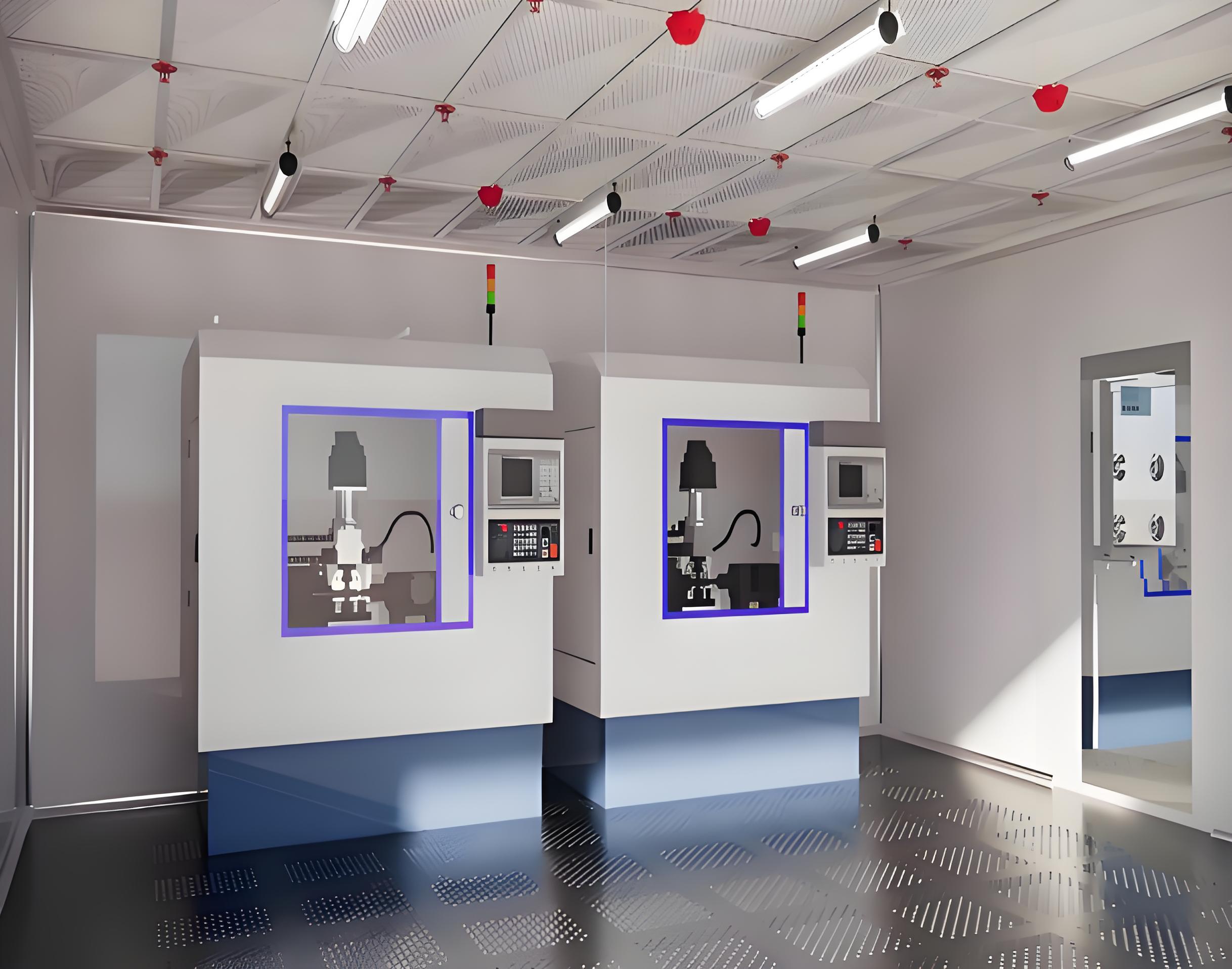
Constructing a turnkey Medical device purification project requires adapting cleanroom geometry to fit unique manufacturing methodologies. Catheter extrusion lines demand long, uninterrupted linear footprints with high air exchange rates to clear thermal off-gassing. Diagnostic kit assembly lines require tight humidity controls (frequently below 20% RH) to preserve the shelf-life of moisture-sensitive reagents.
Managing air supply distribution, structural modularity, and smooth material flow establishes a secure, repeatable production environment. Rigorous adherence to cleanroom engineering principles ensures full compliance with international safety protocols and supports high manufacturing yields across the life of the facility.
Q1: What cleanroom classification is required for manufacturing Class III implantable medical devices?
A1: Class III implantable devices generally require primary processing and assembly to take place within an ISO Class 7 (Grade C) environment, with critical assembly zones or direct product exposure areas supported by ISO Class 5 (Grade A/B) laminar airflow hoods. Specific classifications depend on whether terminal sterilization takes place downstream in the process.
Q2: How frequently must HEPA filters undergo integrity testing in a medical device cleanroom?
A2: According to ISO 14644-2 and cGMP guidelines, HEPA filter integrity testing (DOP/PAO leak testing) should be performed every 6 to 12 months. Additional testing is required immediately following filter replacement, structural repairs, or abnormal environmental monitoring readings.
Q3: What is the difference between "At-Rest" and "Operational" cleanroom qualification states?
A3: The "At-Rest" state represents a fully constructed and operational cleanroom with installed equipment functioning, but without human personnel present. The "Operational" state measures cleanroom performance while regular production processes are active and the maximum specified number of operators are working on the floor.
Q4: Why is relative humidity control critical in medical device packaging rooms?
A4: Relative humidity levels above 60% create environments favorable to microbial growth and can compromise moisture-sensitive sterile barrier packaging. Levels below 30% increase electrostatic discharge (ESD) risks, causing non-viable airborne dust to cling electrostatically to medical device components and sterile pouch substrates.
Q5: How does positive air pressure protect sterile medical device assembly zones?
A5: Positive air pressure forces clean, filtered air to flow outward whenever doors or pass-through hatches open. This outgoing air barrier prevents unfiltered air, dust particles, and microbes from lower-grade or unclassified adjacent areas from entering the higher-grade processing room.
To discuss your facility specifications, request cleanroom engineering support, or initiate an inquiry for an upcoming project, contact our specialized engineering team at TAI JIE ER today to schedule a detailed technical consultation.