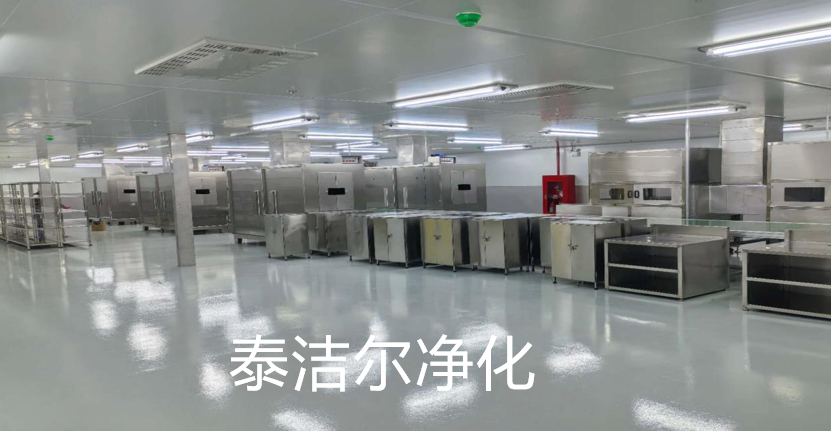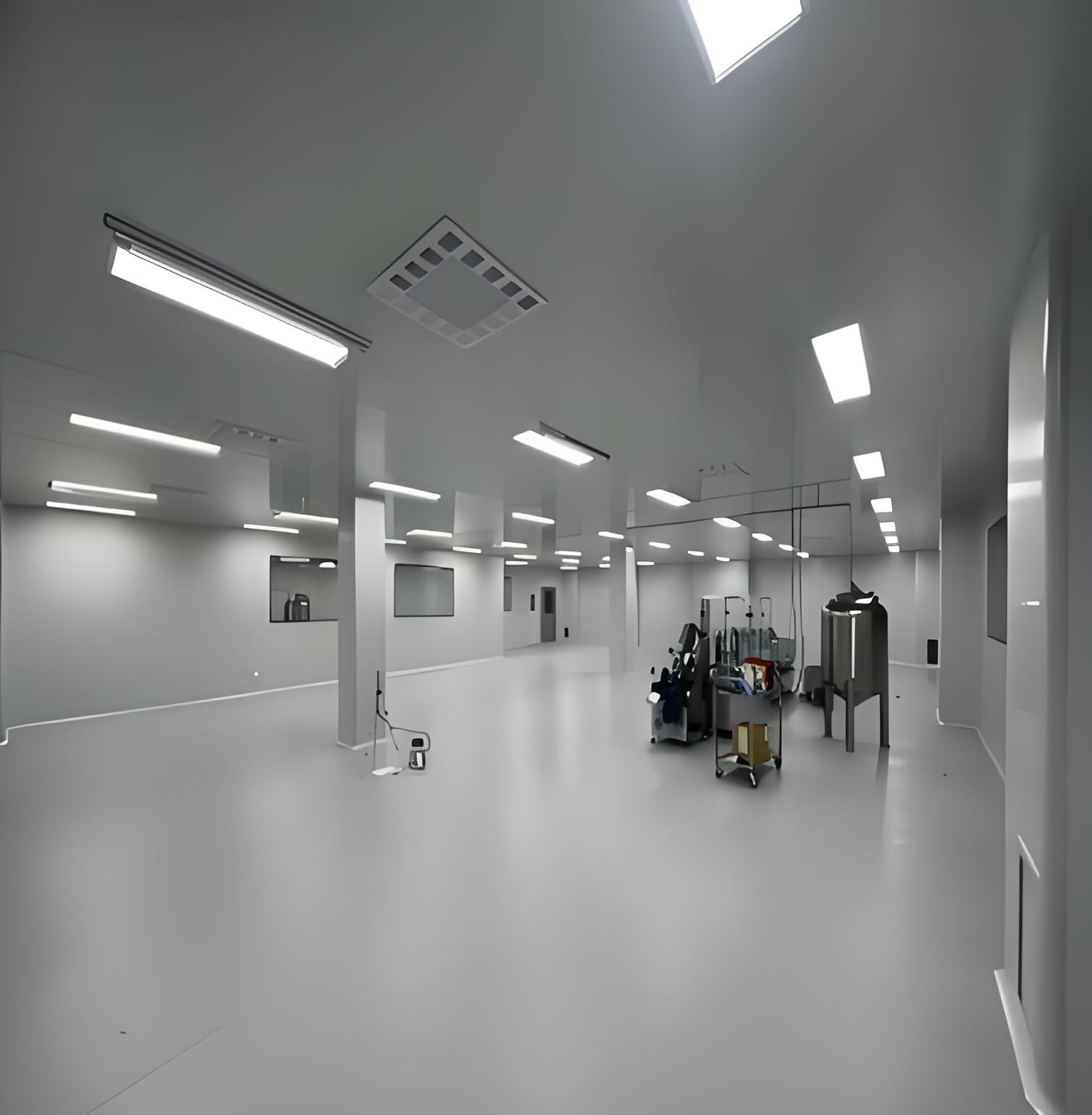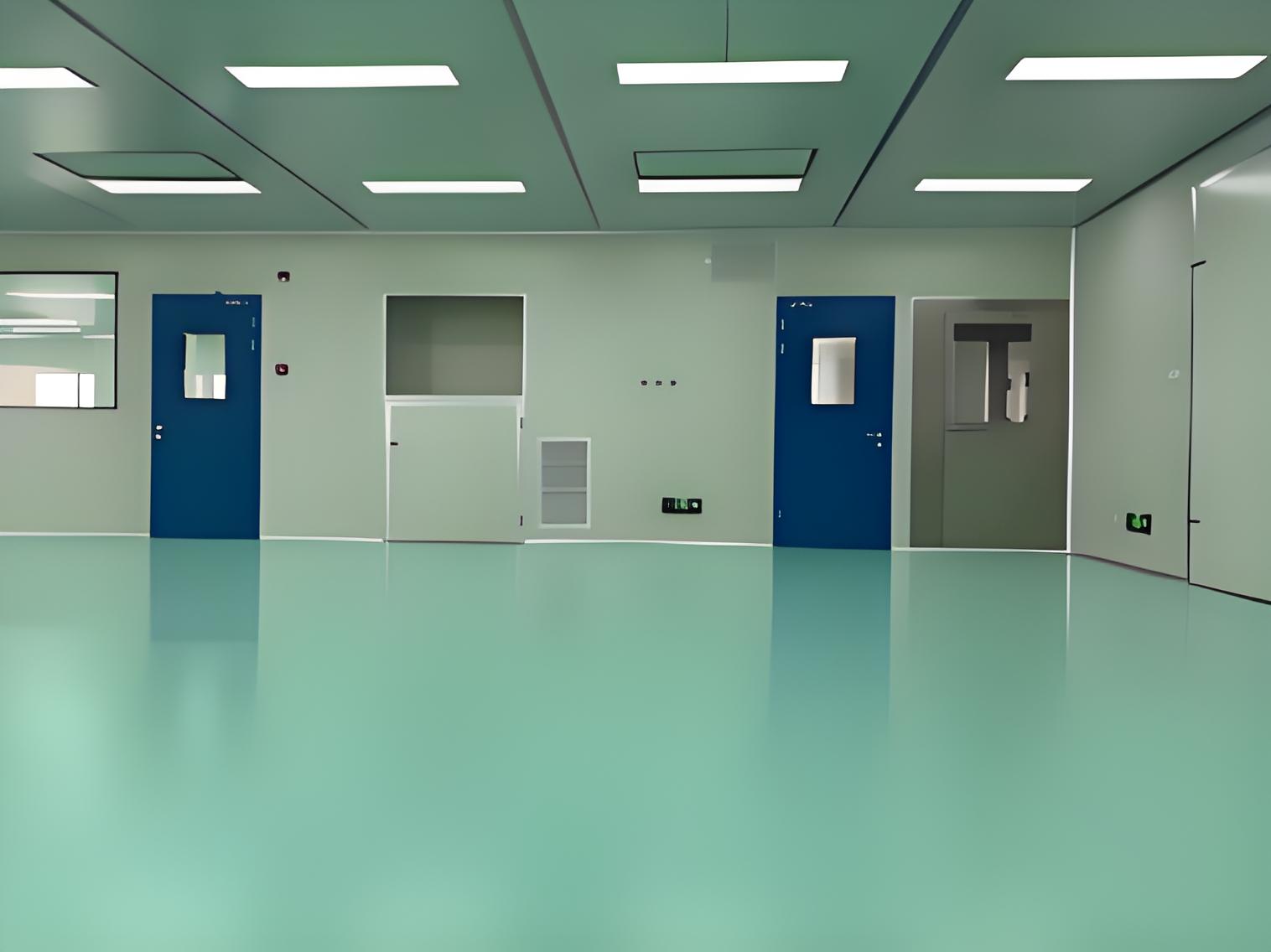
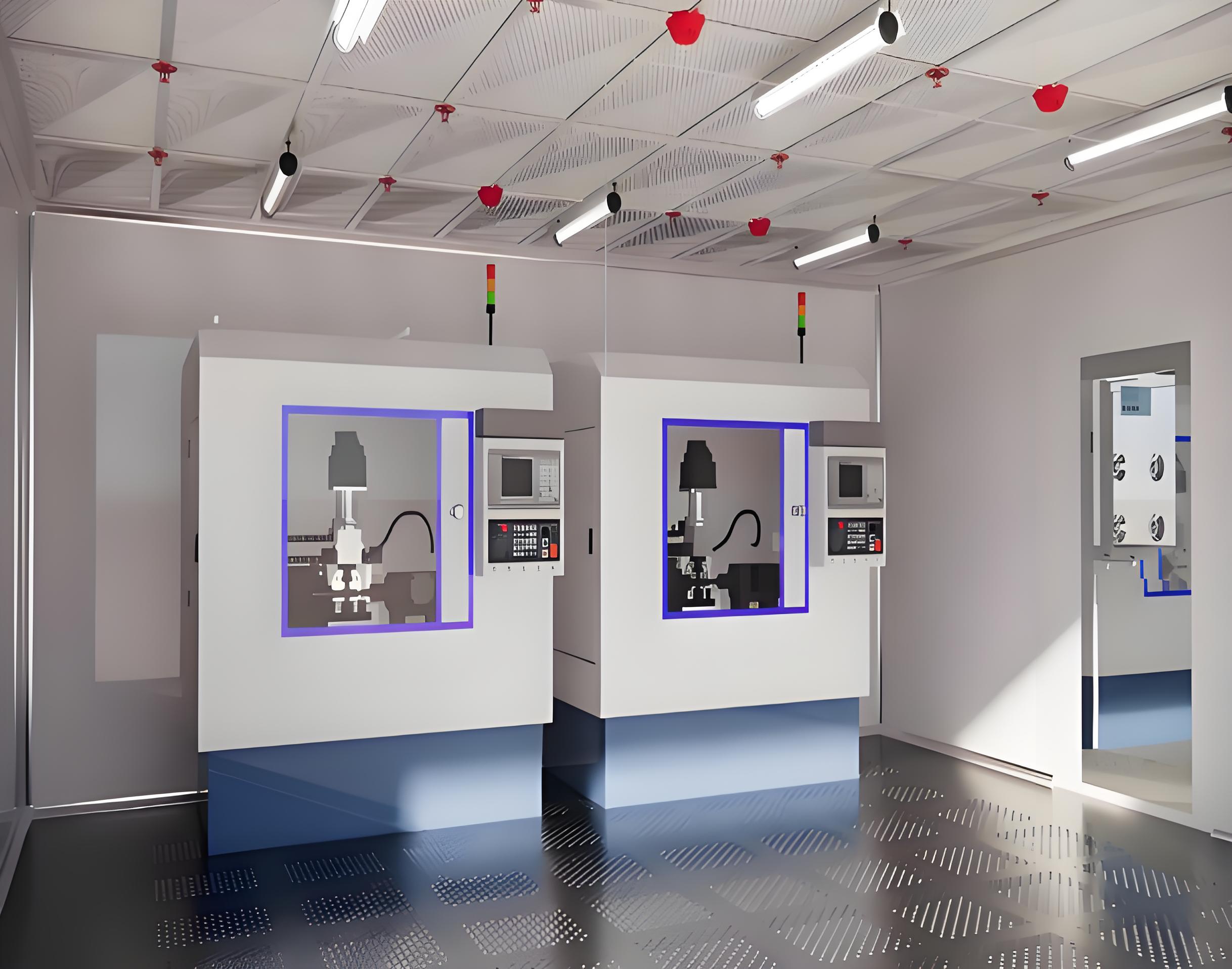
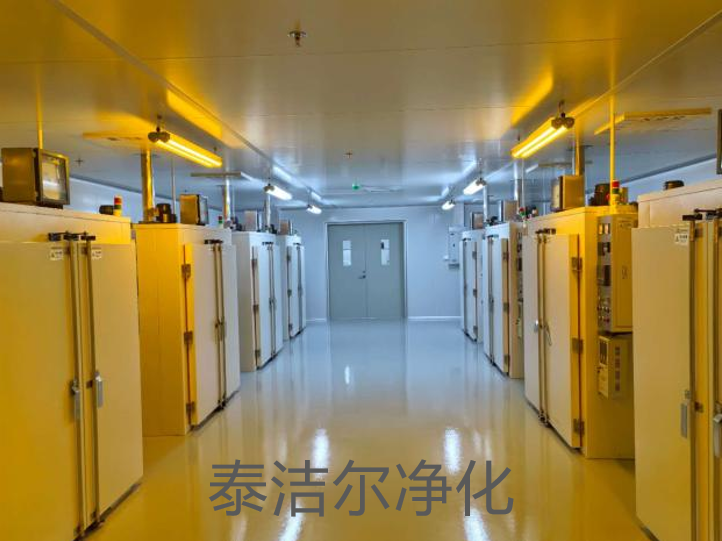
Cosmetic manufacturing processes require stringent airborne particle management and microbiological control to maintain product purity. Global regulatory frameworks, including ISO 22716 and the Modernization of Cosmetics Regulation Act (MoCRA), mandate high standards for environmental cleanliness. Executing an effective Cosmetic GMP Cleanroom Engineering project requires precise integration of structural envelopes, air handling mechanisms, pressure balance systems, and process utilities.
Contamination in cosmetic production stems from multiple vectors, including airborne particulates, operator shed skin cells, ambient humidity, and improper cleanroom pressurization. Liquids, creams, lotions, and powders possess distinct sensitivity profiles. Formulations containing aqueous phases present high potential for microbial proliferation if exposed to non-sterile environments during compounding and filling. Advanced cleanroom infrastructure establishes a controlled perimeter that minimizes environmental microflora and airborne pollutants.
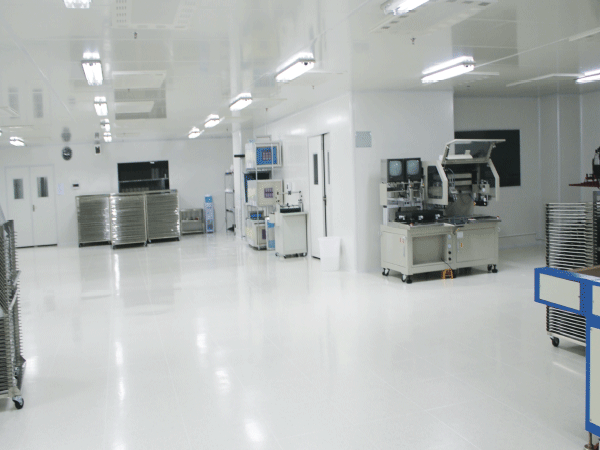
Compliance with cosmetic Good Manufacturing Practices relies on recognized global standards. ISO 22716 provides guidelines for the production, control, storage, and shipment of cosmetic products. While pharmaceutical cleanrooms operate under strict EU GMP Grades A through D, cosmetic manufacturing facilities typically align their cleanliness criteria with ISO 14644-1 standards, targeting ISO Class 7 and ISO Class 8 environments depending on the operational phase.
Establishing these parameters demands targeted thermal management, humidity control, and air exchange rates. Cosmetic GMP Cleanroom Engineering balances these parameters to maintain stable ambient conditions, preventing condensation that supports mold growth and volatile organic compound (VOC) accumulation.
The heating, ventilation, and air conditioning (HVAC) system functions as the core protective mechanism in cleanroom facilities. The system must process massive volumes of outdoor air, extract moisture, filter micro-particulates, and maintain continuous directional airflow. High-performance air handling units (AHUs) engineered specifically for cosmetic production utilize multi-stage filtration trains.
Primary filtration begins with G4 pre-filters that capture coarse dust particles, followed by F8 or F9 secondary bag filters designed to protect downstream dehumidification cooling coils. Final filtration relies on High-Efficiency Particulate Air (HEPA) filters rated at H13 or H14, capable of removing 99.97% to 99.995% of particles down to 0.3 microns. Specialist engineering teams, such as TAI JIE ER, design custom HVAC configurations that accommodate severe sensible and latent heat loads generated by jacketed mixing kettles, emulsifiers, and automated filling lines.
Air change rates (ACH) dictate the speed at which airborne contaminants are diluted and removed from the cleanroom volume:
Air distribution patterns rely on turbulent non-unidirectional airflow across general compounding areas, while localized unidirectional laminar airflow (LAF) hoods are installed directly over filling nozzles and open container accumulation tables. Maintaining a face velocity of 0.36 to 0.54 meters per second across unidirectional flow zones ensures that particulate fallout cannot land on unsealed containers.
The physical structure enclosing the cleanroom environment must present smooth, impermeable, and non-shedding surfaces that withstand continuous exposure to aggressive chemical sanitizers, including isopropyl alcohol, hydrogen peroxide vapor, and quaternary ammonium compounds. Modular wall panel systems form the primary barrier in modern facilities.
Wall panels typically utilize double-sided galvanized steel or aluminum skins treated with anti-static, chemical-resistant resin coatings. Core materials are selected based on strict thermal insulation and fire rating requirements:
Floor design requires equal engineering precision. Heavy machinery traffic, thermal shocks from steam cleaning, and liquid spills demand seamless heavy-duty floor coatings. Polyurethane cement and self-leveling epoxy systems applied at thickness levels of 3mm to 6mm create non-porous surfaces. Wall-to-floor junctions, wall-to-wall corners, and wall-to-ceiling transitions must feature pre-formed PVC or aluminum coving profiles with continuous radius curves. This eliminates 90-degree angles where organic residue, moisture, and bacteria gather.
Flush-mounted double-glazed tempered glass windows integrated seamlessly into modular wall panels eliminate ledges that collect dust. Cleanroom doors feature drop-down bottom seals, electromagnetic interlocks, and smooth perimeter gaskets to maintain hermetic seal integrity during pressure shifts.
Preventing cross-contamination between adjacent processing zones requires precise differential pressure control. Cleanroom spaces are arranged along positive or negative pressure cascades depending on the nature of the product processed. Engineering teams implementing Cosmetic GMP Cleanroom Engineering establish structured airlock buffers between zones of varying cleanliness classifications.
In standard cosmetic production handling creams and lotions, the highest positive pressure is maintained inside the primary filling suite. The pressure steps down progressively through buffer rooms, personnel airlocks (PAL), material airlocks (MAL), and unclassified corridors:
Powder handling areas—such as eye shadow pressing rooms, face powder blending suites, and dry raw material weighing booths—require reversed pressure cascades. These zones are maintained under negative relative pressure compared to surrounding corridors. This negative gradient prevents airborne cosmetic dust from migrating outward into adjacent production areas, protecting neighboring lines from allergen and color pigment cross-contamination.
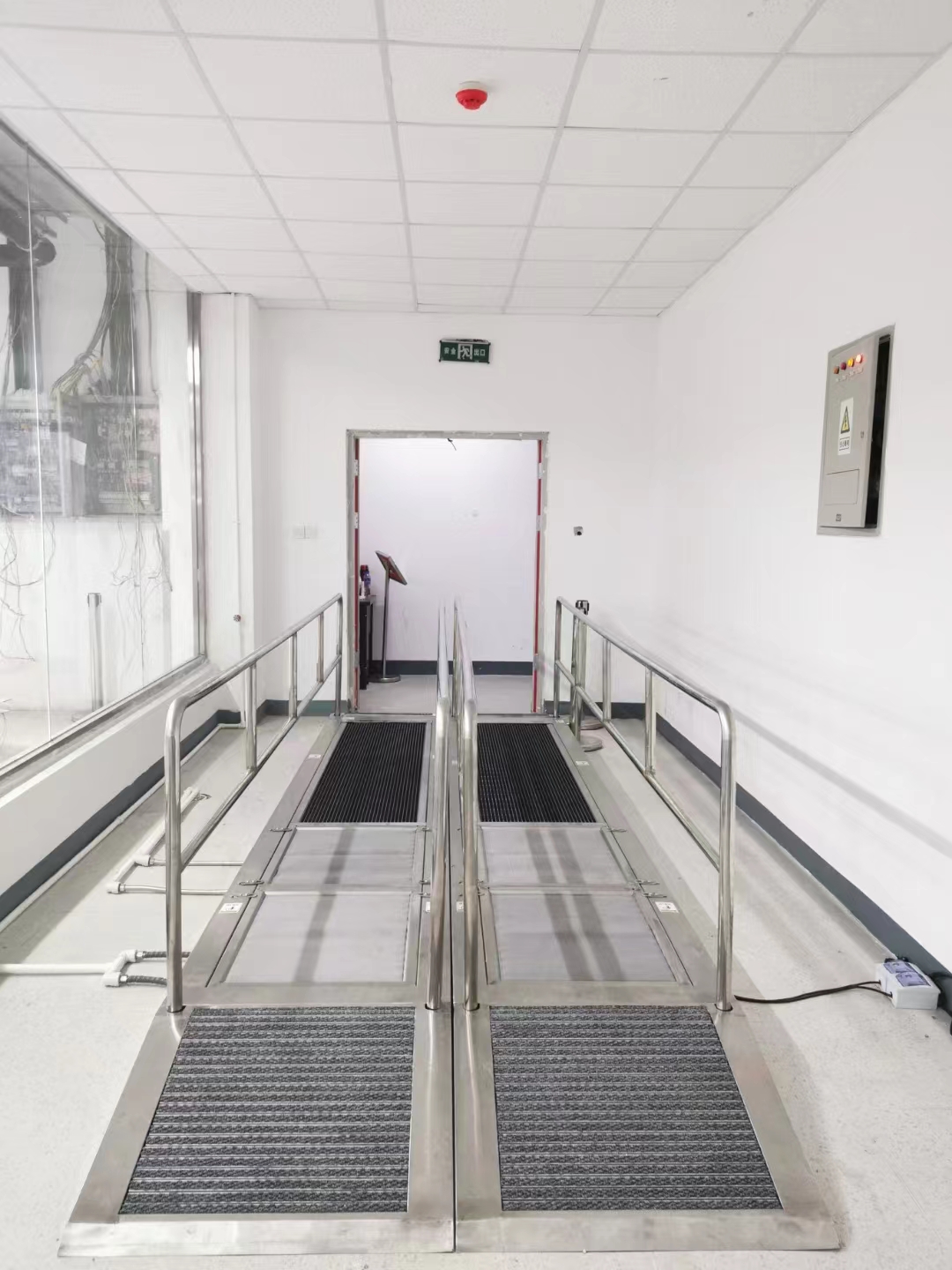
Personnel and material flows must remain strictly segregated within the facility layout. Personnel enter through sequential gowning stages (outer garment removal, hand washing, cleanroom suit donning, and air shower passage). Materials enter through dynamic pass boxes equipped with UV-C germicidal lamps and HEPA-filtered air flush mechanisms that remove surface contaminants from raw material containers before entry.
Utility distribution networks running through cleanrooms introduce potential entry points for contaminants if penetration seals and pipe routes are improperly executed. Compressed air, purified water, vacuum lines, and steam pipes must penetrate cleanroom walls and ceilings through airtight, silicone-sealed stainless steel escutcheon plates.
Purified water (PW) distribution represents one of the most micro-biologically sensitive components of cosmetic production facilities. Water serves as a primary raw material in formulation and a final rinsing agent for process equipment. Advanced installation practices by engineering specialists like TAI JIE ER integrate full 316L stainless steel loop systems featuring continuous recirculation at velocities exceeding 1.5 meters per second. This high fluid velocity prevents biofilm formation along internal pipe walls.
Compressed air coming into direct contact with cosmetic products or container inner surfaces must undergo multi-stage oil removal, refrigeration drying, and point-of-use sterile filtration using 0.2-micron hydrophobic membrane filters to prevent moisture and microbial injection into batch vessels.
Physical construction of a cleanroom facility represents only the initial phase of compliance. Full operational readiness relies on structured validation frameworks that verify performance parameters across variable load conditions. Comprehensive Cosmetic GMP Cleanroom Engineering includes systematic validation protocols executing Design Qualification (DQ), Installation Qualification (IQ), Operational Qualification (OQ), and Performance Qualification (PQ).
Validation verification steps encompass multiple quantitative field tests conducted under both "as-built" and "operational" states:
Continuous environmental monitoring programs monitor routine operational parameters once production commences. Automated Building Management Systems (BMS) collect real-time data from differential pressure transmitters, temperature sensors, and relative humidity probes installed throughout the facility. Portable or continuous optical particle counters, active air samplers, and settle plates monitor airborne microbial counts, ensuring that bioburden remains within strict acceptance criteria.
Sustained environmental stability requires strict maintenance regimes, routine recalibration of environmental sensors, and preventative HVAC maintenance. Filter differential pressure gauges (Magnehelic pressure indicators) must undergo regular checks to monitor dust accumulation across pre-filters and HEPA units. Replacing pre-filters according to planned pressure-drop schedules protects final HEPA filters from premature loading, reducing operational interruptions.
Gowning procedures, sanitation chemical rotation schedules, and cleaning protocols executed by facility operators directly impact cleanroom longevity. Partnering with an experienced cleanroom solutions provider ensures that structural materials, airflow dynamics, and utility layouts align precisely with evolving international cosmetic regulations.
Q1: What ISO cleanroom class is mandatory for cosmetic manufacturing under ISO 22716?
A1: ISO 22716 does not explicitly specify a single mandatory ISO class number, but industry standard practice requires ISO Class 7 (Grade C equivalent) for primary filling and open product handling zones, and ISO Class 8 (Grade D equivalent) for raw material compounding and bulk formulation areas.
Q2: How often should HEPA filters in a cosmetic cleanroom undergo integrity testing?
A2: HEPA filter integrity testing (PAO/DOP leak testing) should be performed at least once every 12 months during routine facility re-qualification, or immediately following any filter replacement or structural HVAC modification.
Q3: Why is continuous relative humidity control important in cosmetic cleanroom engineering?
A3: Relative humidity levels above 60% create environments conducive to fungal and bacterial growth on structural surfaces, while humidity levels below 30% increase static electricity charges that attract airborne particles to packaging containers and powder handling surfaces. Optimal cleanroom humidity is typically maintained between 45% and 55%.
Q4: What is the primary difference between pharmaceutical cleanrooms and cosmetic cleanrooms?
A4: Pharmaceutical cleanrooms adhere strictly to EU GMP Grade A-D or US FDA aseptic processing guidelines with heavy regulatory oversight and mandatory continuous particle monitoring. Cosmetic cleanrooms focus on ISO 22716 standards, targeting bioburden control, cross-contamination prevention, and flexible cleanroom envelope designs suitable for high-product-turnover manufacturing schedules.
Q5: How does positive relative pressure prevent product contamination in cleanrooms?
A5: Positive pressure maintains higher static air pressure inside the cleanroom relative to surrounding unclassified spaces. When doors or airlocks open, clean air flows outward, preventing unconditioned, dirty ambient air from entering controlled production zones.
Planning, expanding, or upgrading a cosmetic production facility requires advanced technical alignment between structural, HVAC, and process piping domains. The engineering team at TAI JIE ER delivers tailored Cosmetic GMP Cleanroom Engineering solutions compliant with global regulatory standards. Submit your project floor plans, process specifications, and air handling requirements to receive a comprehensive engineering assessment and project specification proposal.