
In critical manufacturing and research environments—spanning semiconductor fabrication, biopharmaceutical production, and advanced healthcare facilities—the physical infrastructure directly determines operational outcomes. Purification engineering decoration represents the intersection of construction methodology, contamination control physics, and regulatory compliance. This discipline extends beyond aesthetic finishing; it encompasses systematic approaches to surface behavior, particle dynamics, and microbial management. Industry leaders such as TAI JIE ER have demonstrated that meticulous purification engineering decoration reduces contamination-related yield losses by 40–60% in ISO Class 5 cleanrooms, translating to millions in annual operational savings. This analysis examines the technical frameworks, material selection criteria, and implementation protocols that define contemporary purification engineering decoration, drawing from global standards and field-proven practices.
Purification engineering decoration encompasses all interior finishing elements within controlled environments—walls, ceilings, flooring, utility penetrations, and transition interfaces—designed to support and maintain specified cleanliness levels. Unlike conventional construction, purification engineering decoration requires every material and joint to function as an active barrier against particulate generation, microbial colonization, and chemical off-gassing. The decorative aspect is entirely subordinated to functional purity: surfaces must be non-shedding, chemically resistant, cleanable, and capable of withstanding repeated decontamination cycles. TAI JIE ER emphasizes that successful purification engineering decoration begins with understanding the end-user's operational profile—whether the facility handles aseptic filling, gene therapy vectors, or sub-10nm semiconductor nodes—because each application imposes distinct surface roughness tolerances, airflow interaction requirements, and cleaning chemical compatibilities.
Material choice constitutes the foundational decision in Purification engineering decoration. The selection process must balance multiple, often competing, performance attributes. Modern purification engineering decoration deploys:
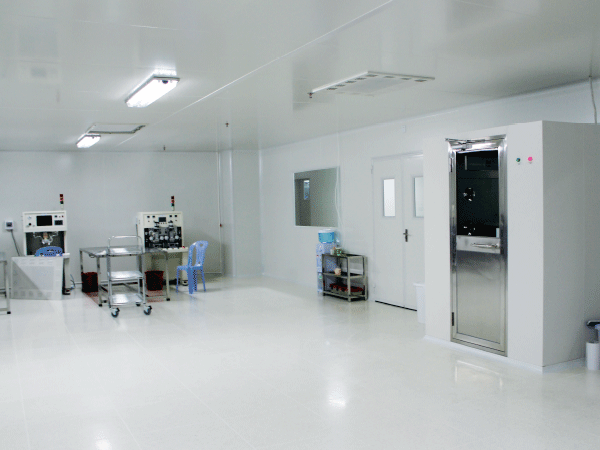
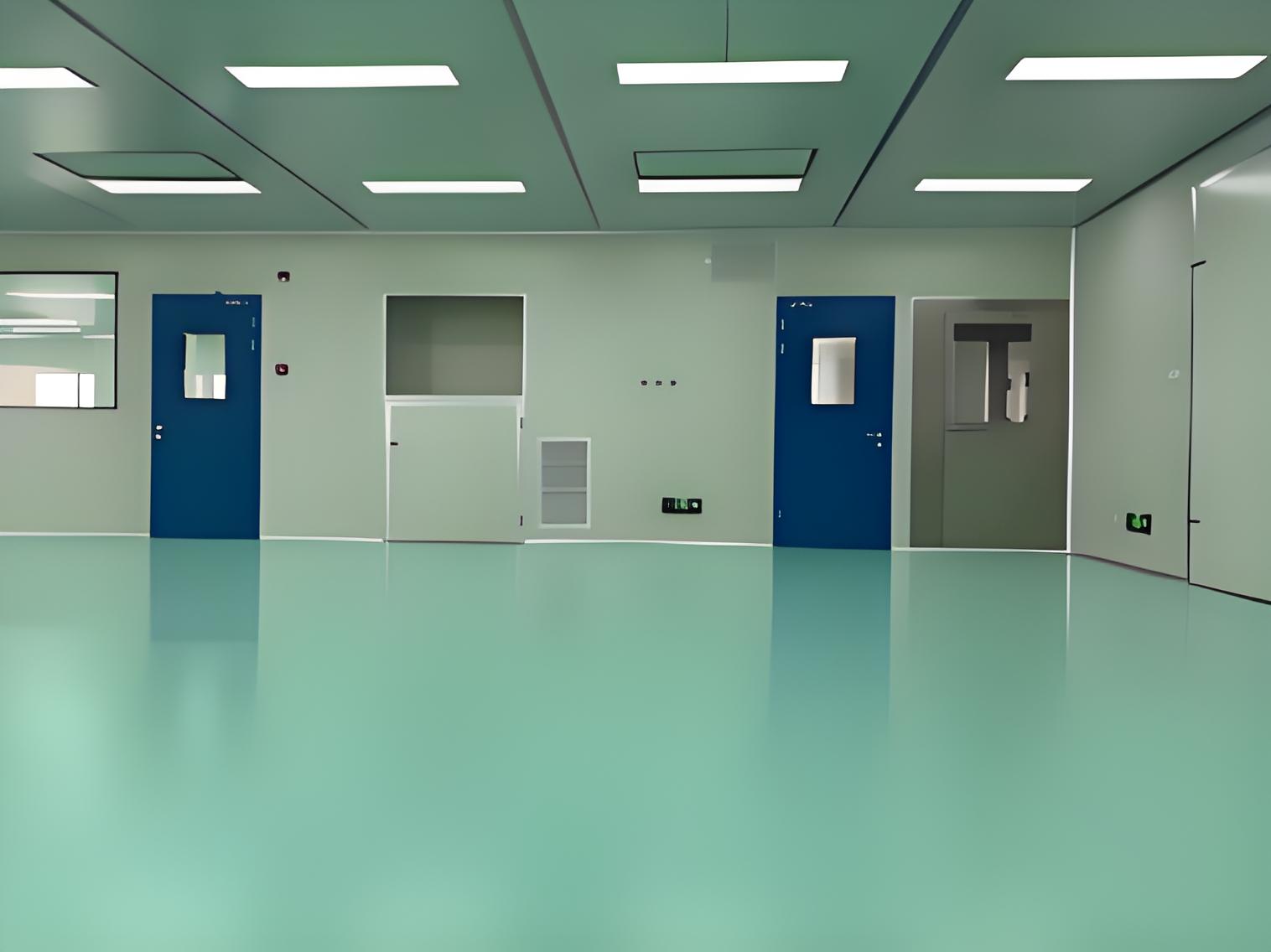
Panelized wall systems using polyurethane or mineral-core sandwich panels with factory-applied finishes. These systems achieve surface roughness values below 0.8 μm Ra, essential for preventing particle entrapment. Joint designs incorporate cam-lock or tongue-and-groove mechanisms with compressible gaskets to maintain differential pressure integrity.
Flooring solutions ranging from fluid-applied polyurethane seamless systems to high-performance vinyl sheets with heat-welded seams. Purification engineering decoration specifies flooring with static-dissipative properties (10⁶–10⁹ Ω) where electrostatic discharge poses product risks, alongside chemical resistance to aggressive sanitizers like peracetic acid and hydrogen peroxide vapor.
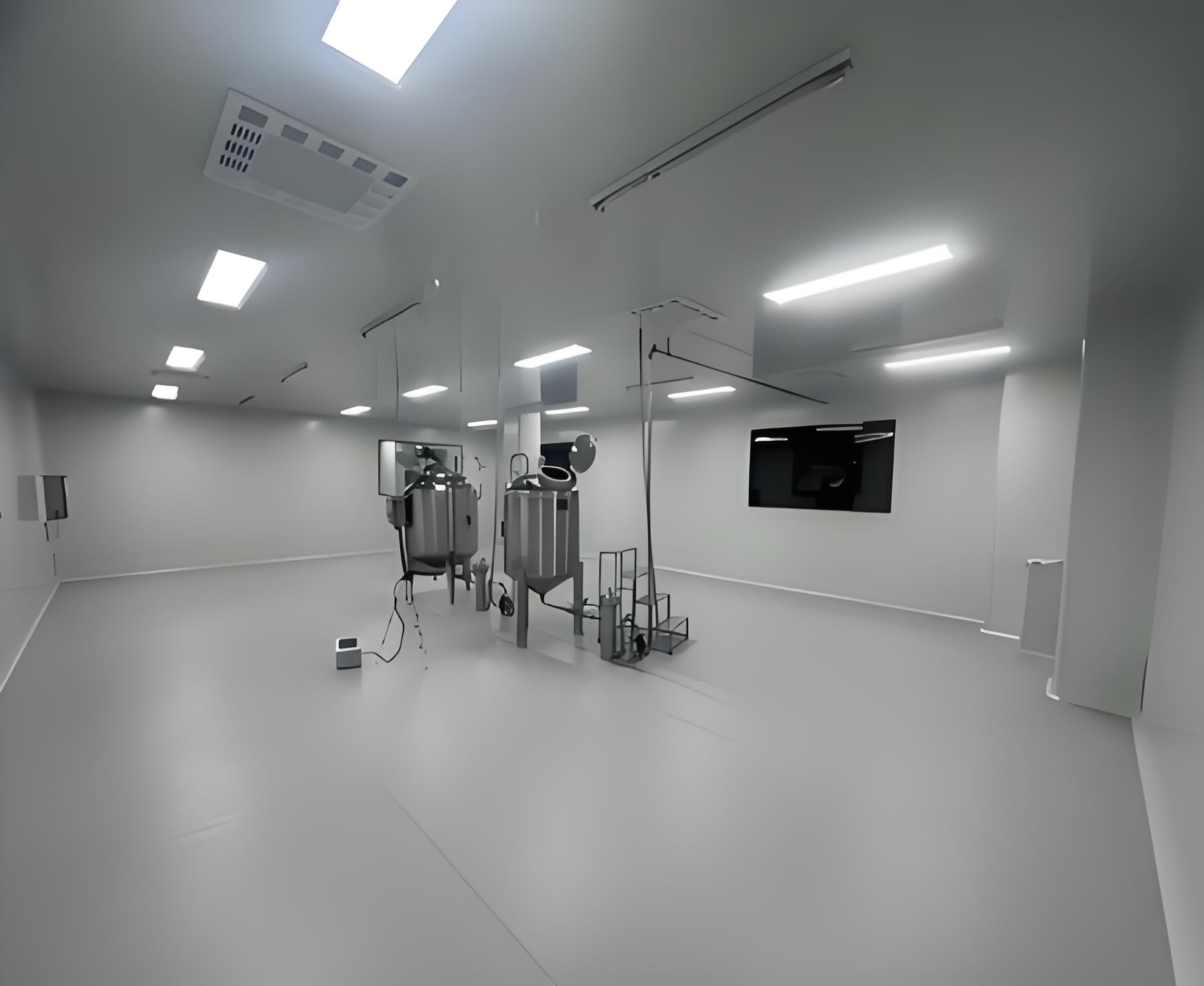
Ceiling systems integrating filter fan units (FFUs), utility raceways, and LED luminaires within a cleanroom-compatible grid. Ceiling purification engineering decoration must accommodate periodic filter changes without compromising the barrier envelope—a requirement that drives designs with tool-less access panels and negative-pressure plenum seals.
Penetration management through purpose-engineered passing boxes, transfer hatches, and utility ports. Each penetration in purification engineering decoration introduces a potential leakage path; therefore, designs incorporate double-wall constructions, pressure-relief dampers, and validated sealants with documented low-outgassing characteristics.
Across these material categories, TAI JIE ER advocates for a risk-based qualification process: candidate materials undergo accelerated aging tests, chemical compatibility panels, and particle generation assessments under simulated operational stresses. This empirical approach ensures that Purification engineering decoration deliverables meet both immediate performance targets and long-term durability requirements.
The interaction between structural finishes and airflow patterns represents a critical, often underestimated, dimension of purification engineering decoration. Unidirectional flow environments—common in ISO Class 5 or Grade A zones—demand ceiling-to-floor air movement with minimal turbulence. Purification engineering decoration influences this through:
Ceiling coverage ratios affecting FFU distribution density and face velocity uniformity. Designers calculate the percentage of ceiling area occupied by filter modules, balancing coverage against structural load capacity and lighting requirements.
Return air plenum design integrated with wall cavities or raised floor systems. Low-return layouts in purification engineering decoration minimize cross-contamination risk by extracting particles near their generation sources.
Surface geometry and airflow disruption: protruding light fixtures, exposed utility runs, or unplanned protrusions create eddy zones where particles accumulate. Effective purification engineering decoration recesses all services into interstitial spaces, maintaining a flush plane throughout the working volume.
Computational fluid dynamics (CFD) modeling has become standard practice in purification engineering decoration, allowing engineers to visualize airflow streams and identify stagnation zones before construction commences. Post-installation, smoke-trace testing verifies that the finished environment achieves the predicted airflow patterns—a validation step frequently required by regulatory bodies during facility licensure.
Purification engineering decoration initiates with a thorough translation of ISO 14644-1 or EU GMP Annex 1 classification levels into tangible building requirements. This translation involves:
Particle concentration targets dictating surface finish grades and joint sealing protocols. ISO Class 8 environments permit less stringent finishes compared to ISO Class 4, where even microscopic surface irregularities become particle reservoirs.
Air change rates influencing ceiling grid layout and FFU capacity. Higher air change rates demand robust structural support for additional filter modules—a consideration that affects ceiling purification engineering decoration design.
Pressure cascade schemes establishing required leakage rates across walls and doors. Negative-pressure containment zones, such as those handling potent compounds, require purification engineering decoration with documented airtightness up to 50 Pa differential pressure.
Cleaning and disinfection protocols: facilities employing vaporized hydrogen peroxide (VHP) cycles require materials and sealants certified for oxidative resistance. Purification engineering decoration specifications must explicitly list VHP-compatible components to prevent premature degradation and bioburden entrapment.
At this stage, TAI JIE ER conducts cross-functional workshops where design engineers, process owners, and quality assurance representatives collaboratively review purification engineering decoration documentation—identifying potential gaps between architectural intent and operational reality.
On-site execution distinguishes successful Purification engineering decoration from standard industrial fitting. The construction sequence follows strict contamination-containment measures:
Pre-construction cleaning of all materials entering the controlled zone. Receiving areas perform HEPA-vacuuming and wipe-downs with approved solvents, documenting each batch's cleanliness status.
Sequential installation progressing from subfloor preparations through wall framing, ceiling grid erection, panel mounting, and finally floor finishing. This ordered approach prevents cross-contamination between construction phases.
Joint verification using ultraviolet (UV) inspection for adhesive applications and non-destructive pressure-decay testing for sealed penetrations. Purification engineering decoration quality plans typically require 100% inspection of all butt joints and corner intersections.
Post-construction wipe-down protocols using validated cleaning agents to remove construction residues—particles, oils, and volatile organic compounds (VOCs) that could outgas during operations.
Throughout construction, environmental monitoring captures airborne particle counts and surface viabilities, providing real-time feedback on purification engineering decoration effectiveness. Any deviations trigger immediate corrective actions, maintaining the integrity of the overall build.
In parenteral drug manufacturing, purification engineering decoration addresses contamination sources at microbial and particulate levels. The decoration must support aseptic processing zones with surfaces that withstand repeated wet disinfection and sterilant exposure. Cove bases—curved transitions between wall and floor—eliminate sharp corners that accumulate moisture and organic residues. Purification engineering decoration in this sector also incorporates advanced monitoring ports for continuous particle counting and viable air sampling, embedding these devices flush with finished surfaces to avoid turbulence generation.
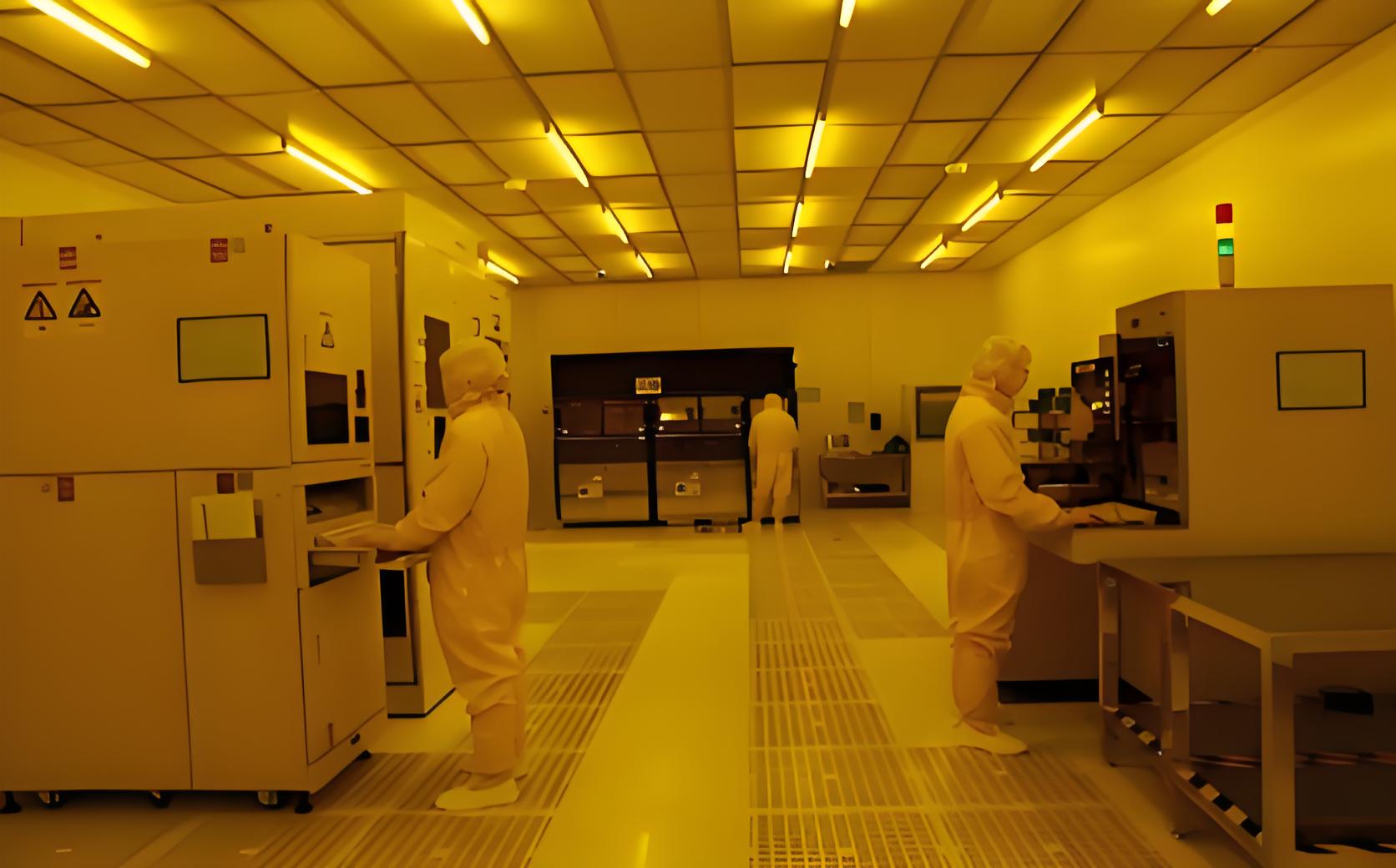
For microelectronics fabrication, Purification engineering decoration focuses on airborne molecular contamination (AMC) control beyond simple particle filtration. Construction materials undergo rigorous outgassing tests to ensure low levels of volatile organic compounds, acid gases, and bases—all of which can etch or deposit on silicon wafers. Purification engineering decoration specifies stainless steel or anodized aluminum for exposed hardware, avoiding galvanic corrosion products. The decoration design accommodates stringent vibration control, isolating cleanroom structures from building mechanical systems through floating floors and decoupled wall panels.
Hospital operating theaters and high-containment biological laboratories require purification engineering decoration that supports both contamination control and decontamination procedures. Wall surfaces must tolerate intermittent vapor-phase sterilization while maintaining color stability for clear visual inspection. Purification engineering decoration in these settings integrates gas-tight pass-throughs for specimen transfer and waste disposal, ensuring biohazard containment remains uncompromised.
Despite rigorous planning, purification engineering decoration projects encounter recurrent challenges. Experienced practitioners have developed standardized solutions:
Thermal expansion management: Building materials expand and contract with temperature fluctuations, potentially opening microscopic gaps. Solution: install expansion joints with flexible, particle-impermeable membranes designed for cleanroom service.
Corrosion under cleaning: Aggressive cleaning chemistries can attack surface finishes, creating roughened areas that harbor contaminants. Solution: specify electropolished or passivated stainless steel in high-exposure zones, and enforce strict dilution protocols.
Electrical bonding integrity: Static charge accumulation on non-conductive surfaces attracts particles electrostatically. Solution: incorporate conductive or dissipative flooring and wall panels with verified grounding continuity, tested quarterly.
Lighting fixture contamination: Luminaires generate heat and collect dust on upper surfaces. Solution: deploy sealed, flush-mounted fixtures with smooth external profiles and accessible cleanings—a feature of modern purification engineering decoration.
Transition zones: Material transfer airlocks and personnel gowning areas introduce particle loads. Solution: design purification engineering decoration with vestibule layouts incorporating airflow sweeps and sticky-mat stations to capture external contamination.
Project teams that proactively address these challenges—often through pre-construction mock-ups and destructive testing of joint samples—consistently deliver purification engineering decoration outcomes that exceed baseline specifications.
Commissioning Purification engineering decoration involves a battery of tests to confirm compliance with design intent. The verification protocol includes:
Particle count recovery tests: releasing a known concentration of test aerosol and measuring the time required to return to background cleanliness—a direct indicator of air exchange effectiveness and surface deposition characteristics.
Surface particle measurements: using contact plates or swab sampling to quantify bioburden and non-viable particle densities on finished surfaces.
Airflow visualization: employing smoke generators to map air movement across the entire working plane, identifying dead zones or recirculation patterns.
Pressure differential mapping: verifying that all inter-room pressure cascades remain within specified tolerances, ensuring containment integrity.
Following commissioning, continuous monitoring systems track critical parameters—temperature, relative humidity, differential pressure, and particle counts—providing ongoing assurance that purification engineering decoration maintains its performance envelope. Periodic re-qualification at predefined intervals catches any degradation in surface finishes or seal integrity, enabling targeted remediation before product quality is compromised.
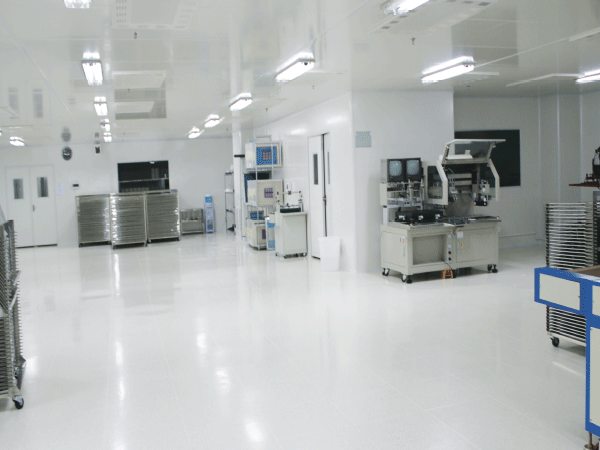
Conventional construction prioritizes structural integrity, aesthetics, and cost-efficiency, with limited consideration for surface contamination behavior. Purification engineering decoration systematically addresses particle generation, microbial adhesion, chemical resistance, and cleanability as primary design drivers. Every material, joint, and finish is selected and installed to maintain specified cleanliness levels under operational stresses—a fundamental shift from general building practices.
The classification of a cleanroom—ISO Class 5, 7, or 8—directly dictates the allowable particle concentrations, which in turn determine surface roughness limits, joint seal requirements, and cleaning frequencies. Purification engineering decoration translates these numerical targets into construction specifications: smoother surfaces for higher classifications, more robust joint sealing, and integration with HVAC systems to achieve required air change rates. Without proper decoration, even the best filtration fails to meet classification criteria due to re-entrainment from rough surfaces or leakage through unsealed penetrations.
For ISO Class 5 or Grade A environments, materials include powder-coated or stainless-steel panels with surface roughness below 0.5 μm Ra, fluid-applied polyurethane or epoxy flooring with seamless installations, and ceiling systems incorporating HEPA/ULPA filter modules with aluminum frames. Sealants and gaskets are chosen for low outgassing and compatibility with hydrogen peroxide or peracetic acid decontamination. For less demanding classifications, high-pressure laminates and vinyl flooring remain viable alternatives, provided they meet particle-shedding and cleanability standards.
Retrofit projects are feasible but present challenges related to structural constraints, existing utility routing, and operational downtime. Successful retrofits typically adopt panelized wall systems that install over existing surfaces, minimizing demolition and debris. Flooring overlays using self-leveling compounds can correct substrate irregularities before applying new seamless finishes. However, ceiling modifications—particularly increasing FFU density—often require structural reinforcement. Early engagement with purification engineering decoration specialists, such as TAI JIE ER, helps assess retrofit feasibility and develop phased implementation schedules that maintain partial production operations.
Routine maintenance includes scheduled surface cleaning using validated agents and methods, periodic inspection of sealant integrity at wall-floor-ceiling interfaces, filter replacement according to differential pressure readings, and re-testing of electrical continuity for static-control flooring. Additionally, annual re-qualification campaigns—covering airborne particle counts, airflow velocity, and pressure differentials—confirm that decoration components remain within specification. Any modifications or repairs must follow documented change-control procedures to avoid introducing non-conforming materials or techniques.
ESD-sensitive processes require purification engineering decoration with static-dissipative or conductive properties. Flooring systems incorporating conductive carbon or metallic fibers, combined with wall panels that include conductive layers, create a continuous path to ground. Grounding verification—measuring resistance-to-ground—forms a standard quality check during installation. Regular testing ensures that cleaning agents do not degrade ESD performance over time.
When product contamination occurs, purification engineering decoration surfaces become primary investigation points. Surface swabs and particle mapping help determine whether contamination originated from surfaces (re-entrainment from rough finishes), joints (leakage through deteriorating seals), or utilities (breaches through penetrations). Facilities with thorough documentation of their purification engineering decoration—material certificates, installation records, and qualification reports—can rapidly trace potential sources and implement corrective measures, reducing investigation timelines and production stoppages.
For organizations planning new controlled-environment facilities or upgrading existing cleanroom infrastructure, detailed technical consultation ensures that purification engineering decoration aligns with operational goals and regulatory requirements. TAI JIE ER offers comprehensive support—from initial feasibility assessments and material selection through installation oversight and validation. Our engineering team provides site-specific recommendations, budget planning, and project scheduling to minimize production disruption. Submit your facility parameters, cleanliness targets, and process requirements for a structured evaluation of purification engineering decoration strategies tailored to your application.