
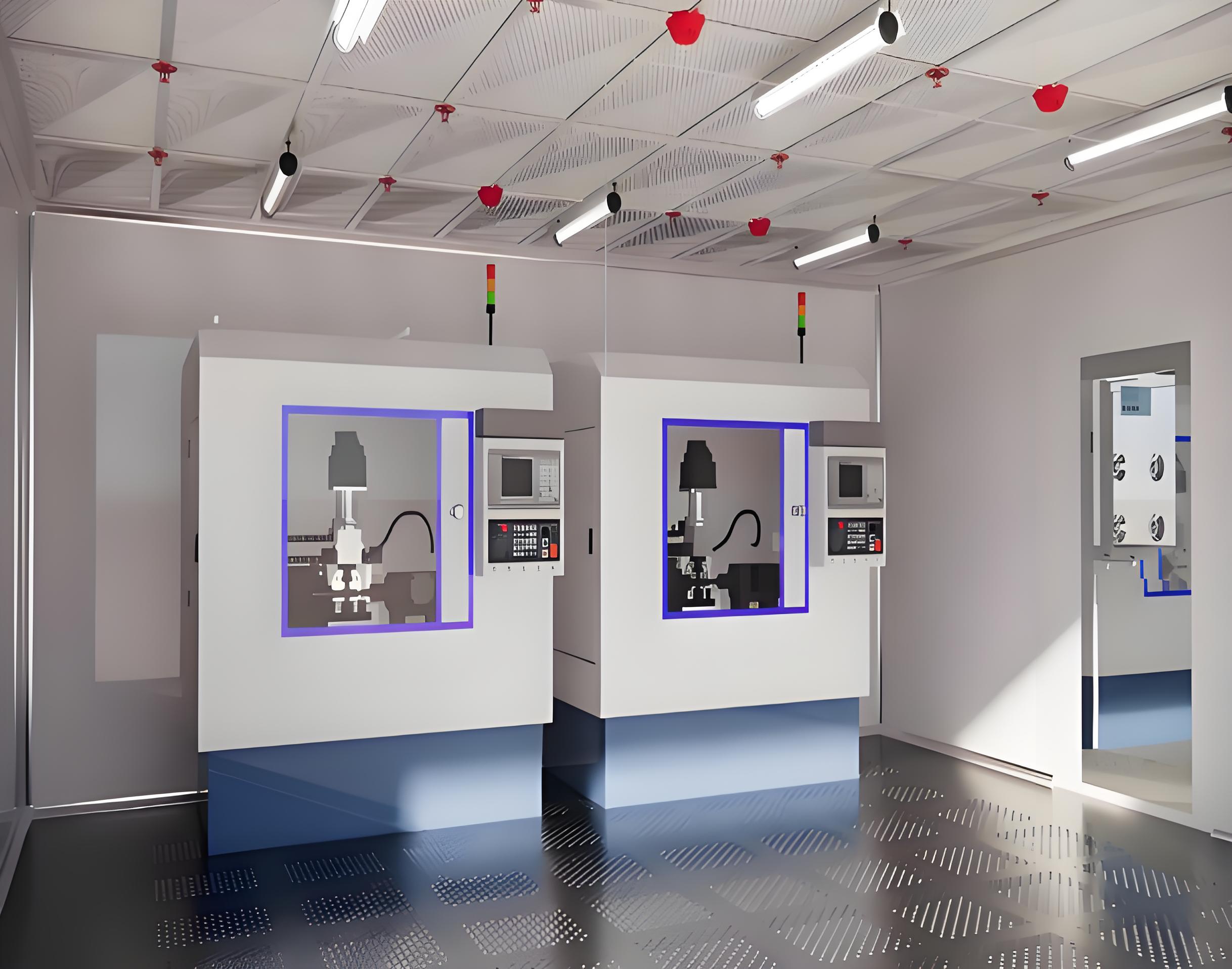
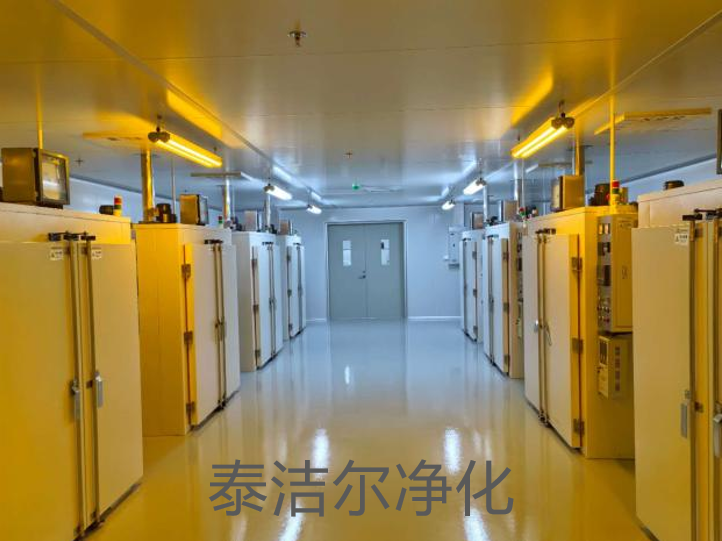
Precision research, pharmaceutical development, and high-containment bioscience require specialized physical environments capable of maintaining absolute environmental stability. Laboratory engineering serves as the foundational discipline that bridges the gap between scientific ambition and physical infrastructure. Designing and executing these facilities requires moving far beyond commercial building practices, mandating rigorous technical control over thermodynamic parameters, airborne particulate concentrations, fluid dynamics, and electromagnetic interference.
A successful controlled research facility operates as an interconnected machine. Every component, from high-efficiency particulate air (HEPA) filtration arrays to specialized effluent decontamination systems, influences the integrity of the surrounding research and operational safety. Modern facility design requires meticulous execution across structural, mechanical, electrical, and plumbing (MEP) disciplines to eliminate cross-contamination, ensure personnel protection, and satisfy international regulatory standards.
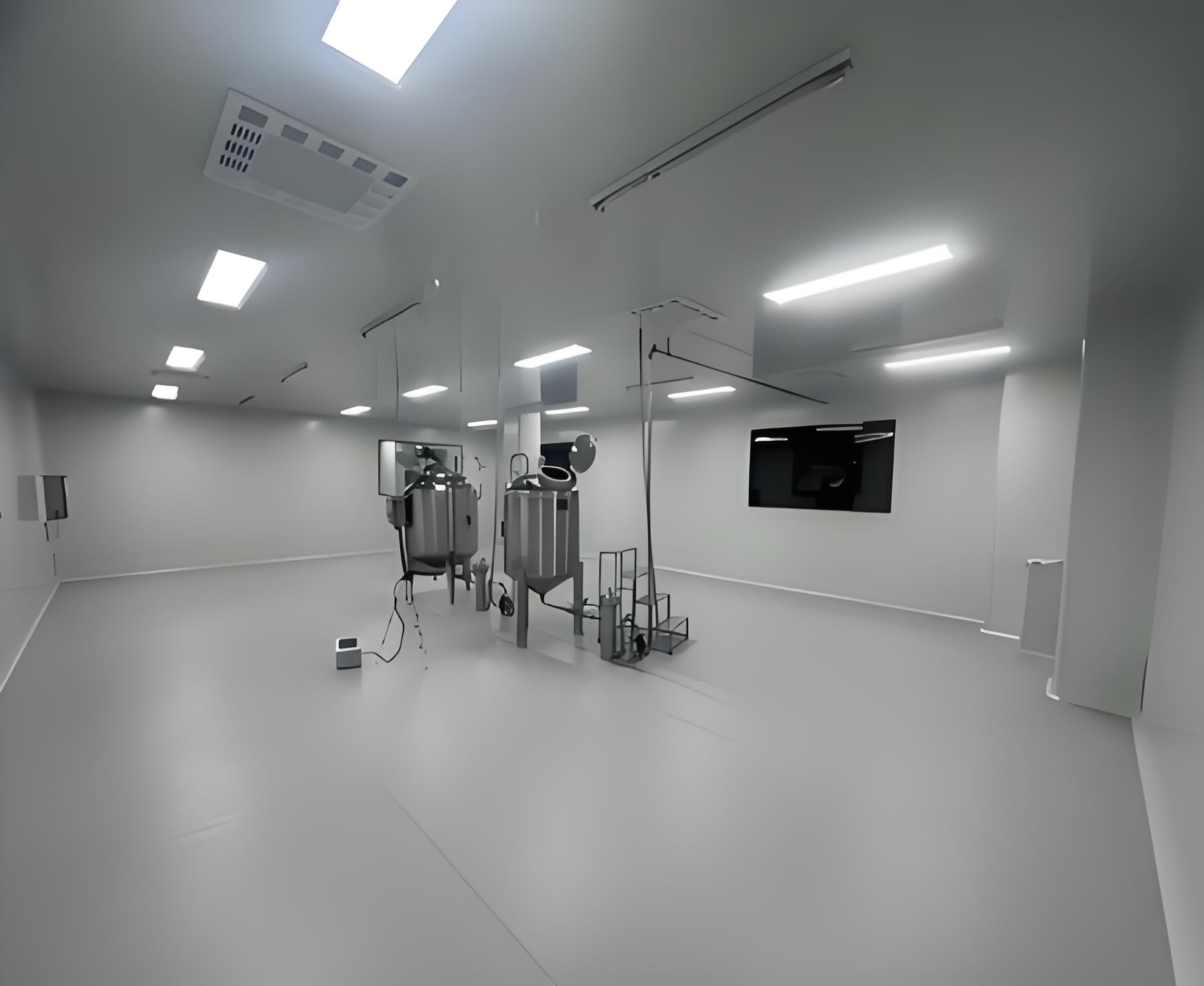
Achieving regulatory compliance and process viability begins with the structural and mechanical harmonization of the facility footprint. Laboratory engineering coordinates the physical architecture with complex support systems to isolate operations while streamlining scientific workflows.
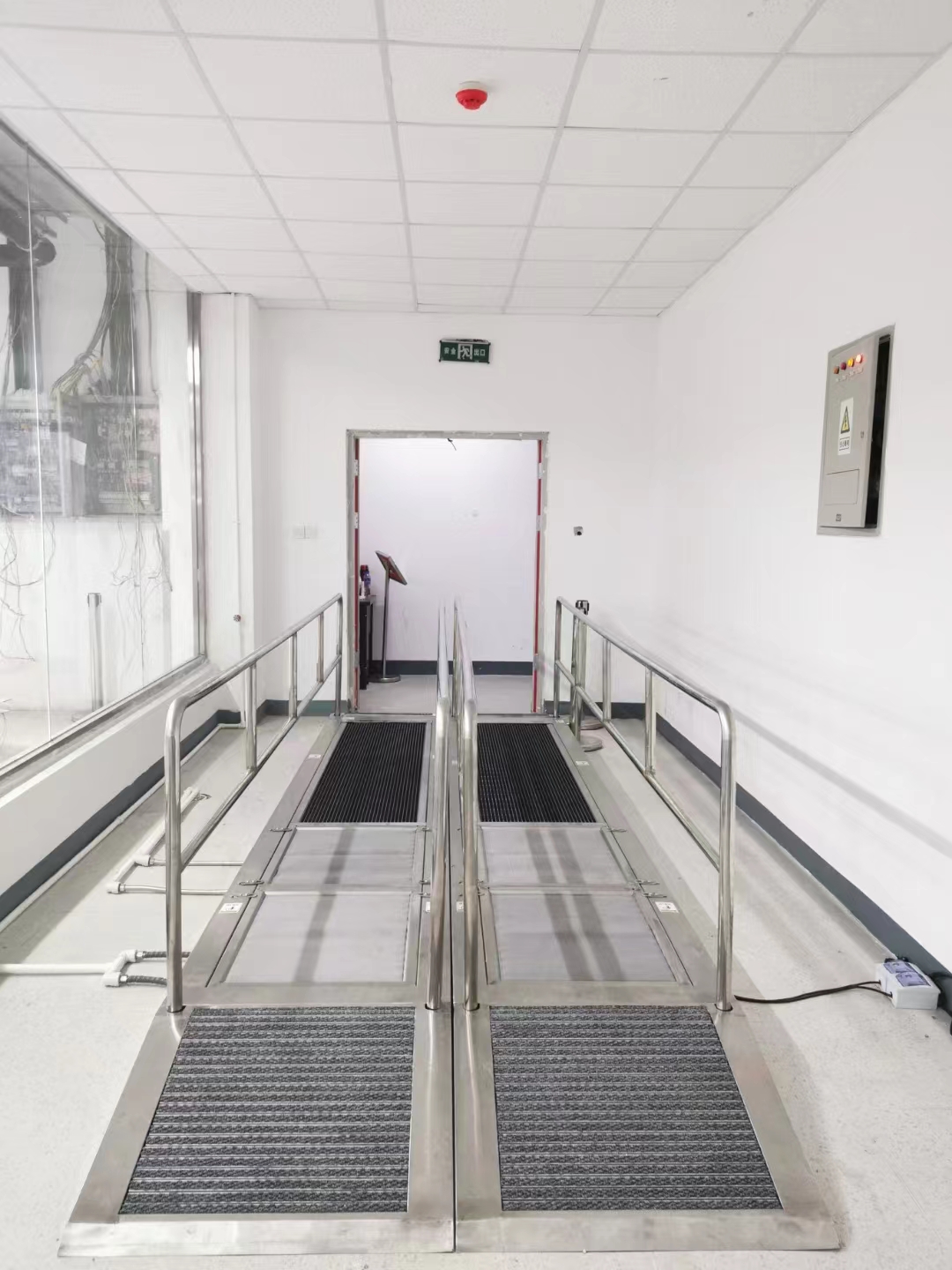
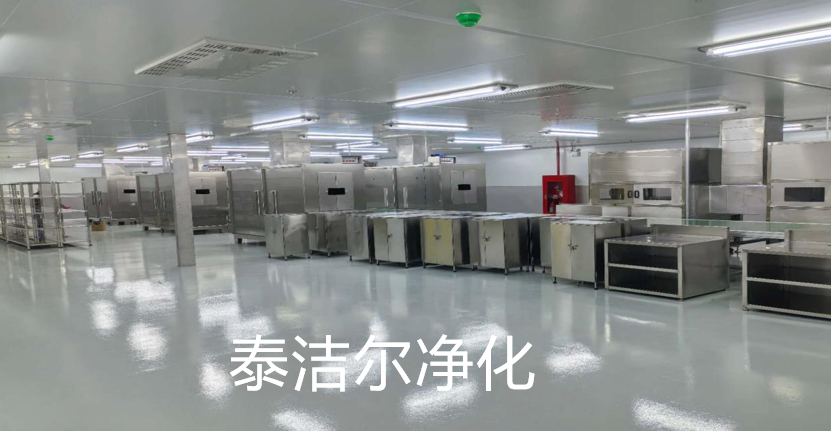
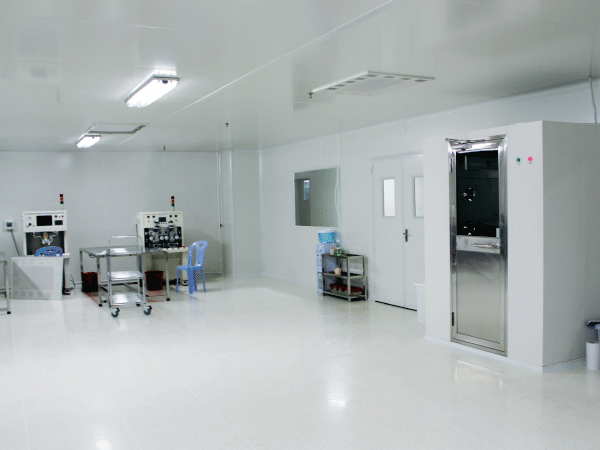
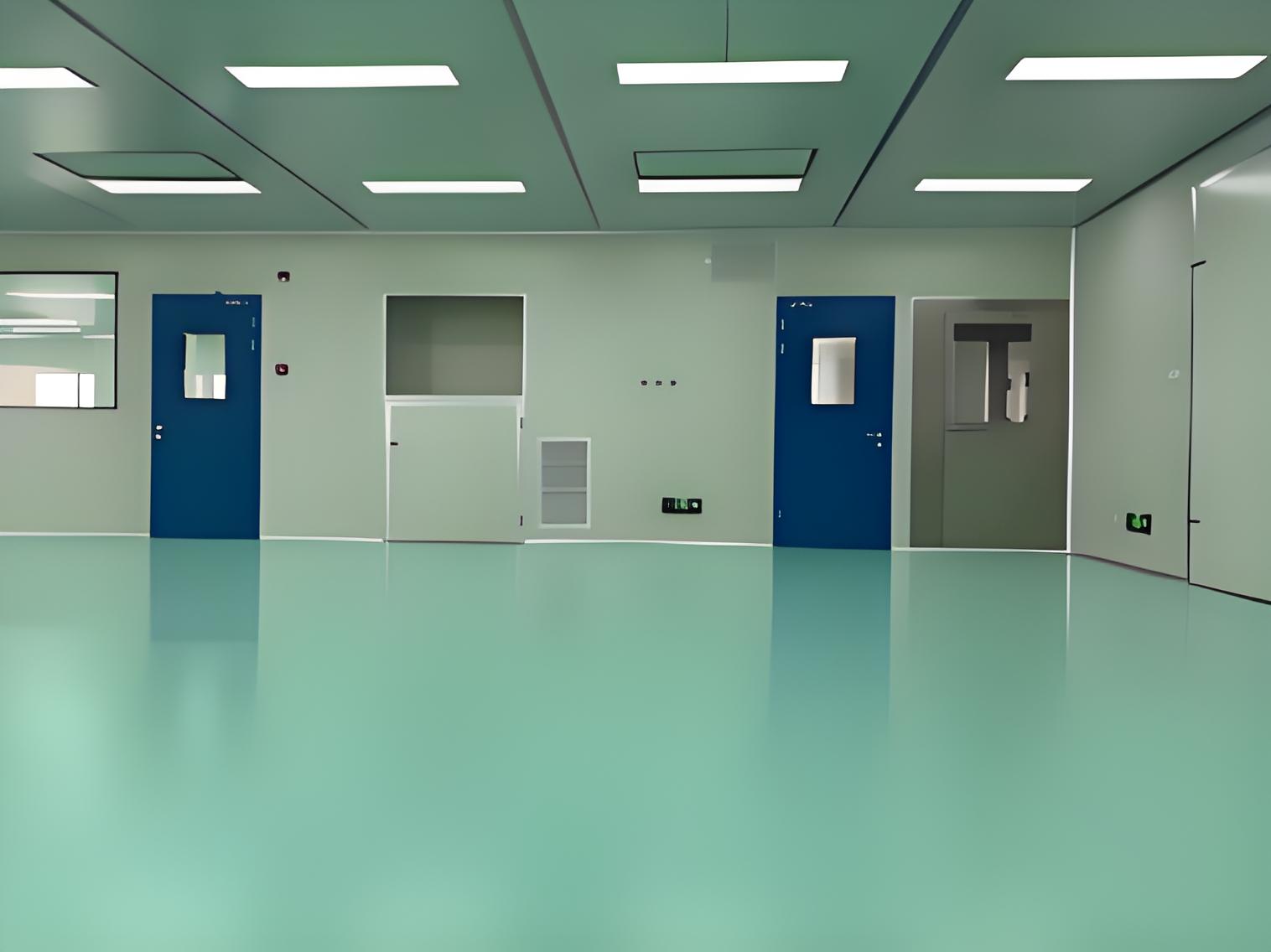
Modern spatial planning relies on the conceptual isolation of dirty, transitional, and clean zones. Segregation protocols dictate that raw material receipt, preparation spaces, active synthesis suites, and analytical cleanrooms remain separated by physical barriers and interlocked airlocks. Personnel entry flows must run counter to waste egress pathways to prevent biological and chemical cross-transport. Walls and ceilings require smooth, non-porous, monolithic surfaces—typically constructed from continuous polyvinyl chloride (PVC), high-pressure laminates, or prefabricated modular cleanroom panels—capable of withstanding aggressive vaporized hydrogen peroxide (VHP) or chlorine dioxide decontamination cycles.
HVAC systems represent the largest capital and operational investment within controlled laboratory spaces. These systems must deliver continuous conditioning, filtration, and dilution without causing air turbulence that could disrupt primary containment devices. Key engineering considerations include:
Dedicated single-pass air systems for chemistries generating toxic, volatile, or explosive off-gases, eliminating the circulation of contaminated air.
High volumetric air exchange rates, often ranging from 20 to 60 air changes per hour (ACH) depending on the ISO cleanroom classification or biosafety level designation.
Dynamic heating and cooling coils calibrated to respond instantaneously to fluctuating internal thermal loads caused by process equipment, autoclaves, and continuous ultra-low temperature (ULT) freezers.
Acoustic and vibration attenuation via isolated slab foundations and inertia bases for air-handling units, safeguarding nanometer-scale imaging and analytical balance precision.
Controlled air movement remains the most effective barrier against airborne particulate migration. By maintaining calibrated differential pressure gradients between adjacent rooms, engineers dictate the exact direction of airflow across boundaries, doorways, and utility penetrations.
Positive-pressure regimes protect sensitive processes, such as cell and gene therapy manufacturing or semiconductor micro-fabrication, from ambient particulate ingress. In these layouts, cleanrooms maintain an outward pressure gradient, commonly stepped at differentials of +10 to +15 Pascals per threshold level relative to less critical spaces. Clean filtered air continually purges the room, forcing air out through relief dampers or designated transfer ports whenever containment boundaries breach.
Conversely, biological containment facilities (such as BSL-3 and BSL-4 suites) and cytotoxic handling rooms require negative-pressure regimes. The laboratory interior sits at a lower atmospheric pressure than surrounding anterooms and corridors, ensuring that air rushes inward, preventing pathogens or aerosols from escaping the containment envelope. Engineering negative pressure spaces necessitates precise air-tracking systems, using high-speed venturi air valves capable of modulating supply and exhaust flows within milliseconds of door openings to maintain a continuous, uncompromised negative vacuum.
TAI JIE ER approaches these complex airflow interactions through advanced computational fluid dynamics (CFD) modeling during the pre-construction phase. CFD simulations analyze thermal plumes, air velocity vectors, and stagnation zones, verifying that terminal supply diffusers and low-wall exhaust grilles generate optimal laminar or non-unidirectional sweeping patterns across the working plane.
Primary containment devices, including chemical fume hoods, biosafety cabinets (BSCs), and local exhaust ventilation (snorkels), represent points of dynamic interaction between operators and volatile compounds. Engineering these systems demands precise velocity profiles to maintain chemical capture efficiency under varying physical conditions.
Modern design relies heavily on Variable Air Volume (VAV) systems configured to the ASHRAE 110 containment testing methodology. VAV controllers modulate sash position sensors and venturi valves to maintain a constant face velocity—typically 0.4 to 0.5 meters per second (80 to 100 feet per minute)—regardless of whether the sash is wide open or lowered to the resting position. This dynamic control dramatically reduces the overall energy consumption of the facility without degrading operator protection.
Exhaust ductwork engineering requires materials carefully selected for specific chemical exposure profiles:
Type 316L stainless steel, continuously welded via Tungsten Inert Gas (TIG), for standard biological exhaust, clean steam, and general process utilities.
Fiberglass-reinforced plastic (FRP) or fluoropolymer-coated (ETFE) stainless steel for high-concentration acid digestion, perchloric acid exhausts, and aggressive solvent extraction.
Polypropylene (PP) and high-density polyethylene (HDPE) drainage systems equipped with neutralization basins to safely manage laboratory liquid effluent before discharge into municipal mains.
Exhaust stacks must terminate well above the facility's building wake and aerodynamic recirculation boundary layer. High-plume dilution fans entrain ambient air, projecting exhaust streams vertically at discharge velocities exceeding 15 meters per second to prevent contaminated air from re-entering adjacent HVAC intake louvers.
Laboratory operations depend entirely on continuous, uncompromised utility streams delivered directly to the point of use. Laboratory engineering treats these utility networks as extensions of the experimental apparatus, subjecting them to rigorous installation, testing, and validation protocols.
Purified water systems—encompassing Reverse Osmosis (RO), Continuous Electrodeionization (CEDI), and Water for Injection (WFI)—require closed-loop circulation loops constructed without dead legs. Fluid velocities within the distribution piping must consistently exceed 0.9 meters per second to prevent biofilm development. Sanitary piping systems require automated orbital welding in an inert argon environment, verified via internal boroscopic inspection and complete material traceability logs.
Specialty and bulk gas distribution networks (including nitrogen, helium, argon, and high-purity oxygen) demand distinct engineering precautions. Systems must incorporate automatic changeover manifolds, point-of-use coaxial containment tubing for toxic or pyrophoric chemistries, and line-break detection sensors tied directly into emergency gas shutoff (EGSO) systems. Every penetration point where process piping traverses fire barriers or cleanroom boundary envelopes must be hermetically sealed with certified elastomeric boots or modular transit frames to preserve room air balances.
Scientific infrastructure operates within an intricate matrix of international standards and regulatory mandates. Engineering teams must harmonize architectural and technical parameters to guarantee full legal, structural, and biosafety compliance across the operational lifecycle.
Key standards governing these designs include:
ISO 14644-1 and ISO 14644-2: Standardized classification of clean air suites based on airborne particulate concentrations per cubic meter, establishing monitoring intervals and particulate parameters from Class 1 through Class 9.
CDC/NIH Biosafety in Microbiological and Biomedical Laboratories (BMBL): Definitive operational and containment benchmarks for BSL-1 through BSL-4 operations, detailing mechanical redundancies, directional airflow criteria, and personal protective protocols.
cGMP (Current Good Manufacturing Practice) Annex 1: Specific requirements for the manufacture of sterile medicinal products, emphasizing dynamic cleanroom monitoring, clean-up recovery periods, and contamination control strategies (CCS).
NFPA 45: Standard on Fire Protection for Laboratories Using Chemicals, determining chemical storage inventory limits, fire separation assemblies, and automatic suppression systems.
Engineering execution within these environments requires an exhaustive Commissioning, Qualification, and Validation (CQV) approach. Design Qualification (DQ), Installation Qualification (IQ), and Operational Qualification (OQ) protocols provide the documented verification trail demanded by bodies such as the US FDA, European EMA, and international accreditation organizations.
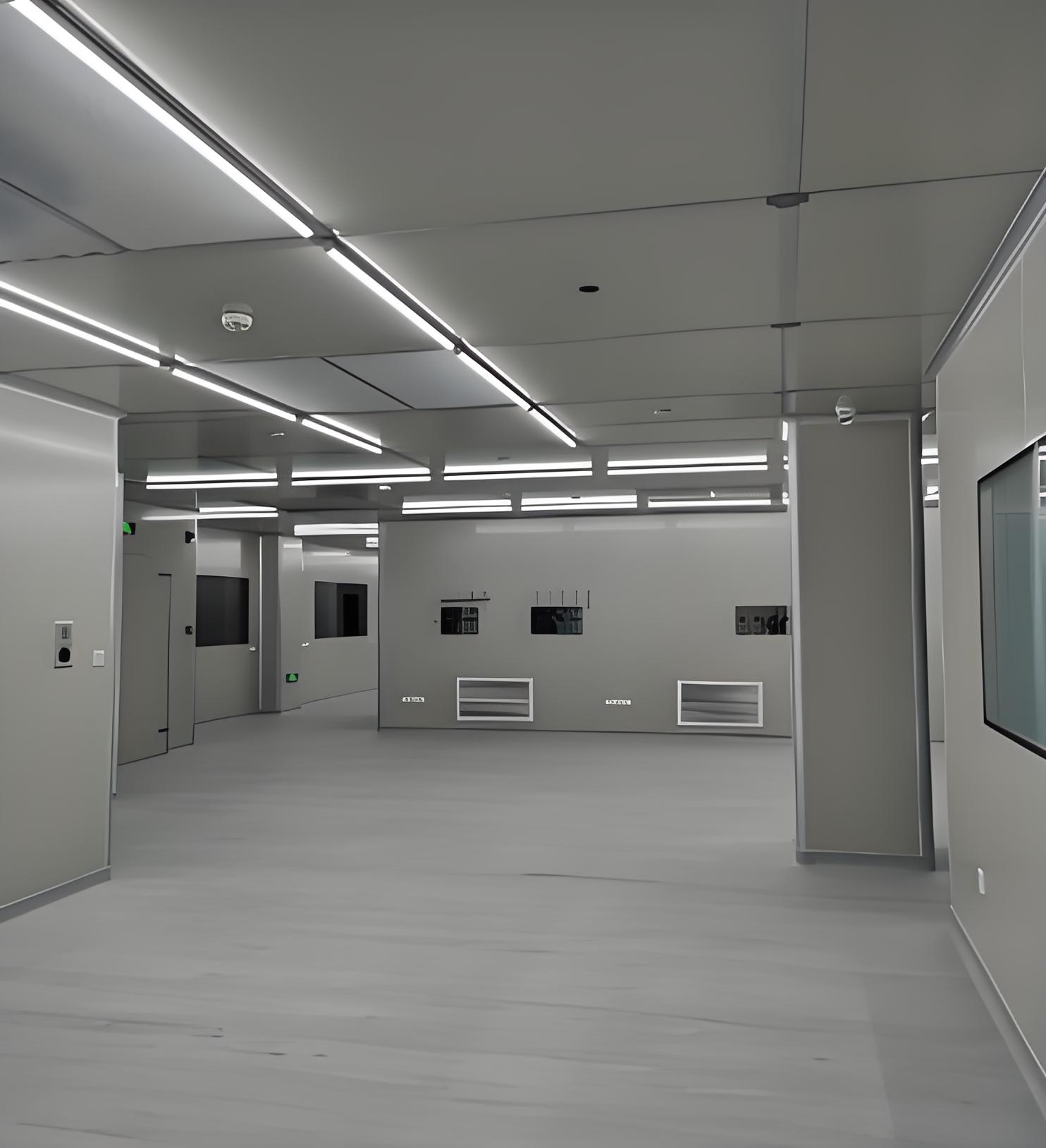
Controlled environments face distinct operational vulnerabilities throughout their lifecycles. Ambient temperature drift, uncontrolled particulate infiltration, and undetected utility cross-connections degrade research integrity and compromise operating safety. Mitigating these points of failure demands a predictive engineering perspective built on redundancy and active monitoring.
HVAC system downtime represents a critical failure mode. Laboratories rely on N+1 or 2N mechanical redundancies across chillers, supply fans, and exhaust blowers. Automated building management systems (BMS) continuously cross-reference static pressure differentials, damper positions, and temperature curves. If an active fan fails, automated backdraft dampers isolate the offline unit while the standby fan ramps to operational speed within seconds, preventing backdrafts and preserving differential pressure gradients.
TAI JIE ER addresses contamination pathways by implementing fully integrated Environmental Monitoring Systems (EMS) that operate independently from the foundational BMS. These dedicated architectures utilize continuous optical particle counters, active air samplers, and non-dispersive infrared sensors to detect anomalous excursions before operational baselines diverge from specification.
Commercial HVAC focuses primarily on occupant thermal comfort through recirculated air, low air change rates (typically 2 to 6 ACH), and baseline filtration (MERV 8 to 13). Laboratory HVAC demands precise environmental stability, high volumetric flow rates (10 to 60+ ACH), 100% single-pass outside air for chemical safety, tight relative humidity control, absolute HEPA/ULPA filtration, and constant differential room pressure control to manage particulates and vapors.
Air change rates depend on ISO cleanroom class targets, process heat loads, equipment placement, and the rate of particulate generation anticipated from operators and operations. While an ISO Class 8 cleanroom may function properly at 20 ACH, an ISO Class 5 suite often requires 240 to 360 ACH, relying on unidirectional laminar airflow to sweep particulates away from open processes instantly.
Positive pressure is selected when the primary goal is protecting an exposed, highly sensitive product or process from external environmental particulates, such as in sterile pharmaceutical compounding. Negative pressure is mandated when the biological agents, volatile compounds, or hazardous powders handled within the room present an exposure hazard to surrounding personnel or external corridors.
Laboratories consume between four and ten times more energy than standard commercial facilities, primarily due to the conditioning and moving of massive volumes of air. VAV systems automatically decrease air volume when fume hood sashes close and room thermal loads drop, reducing fan motor energy consumption, chiller load requirements, and thermal heating demand while maintaining safety thresholds.
Environmental containment barriers are sensitive to mechanical fluctuations, filter loading, and door openings. Periodic checks provide only isolated point-in-time data. Continuous differential pressure monitoring alerts operators the moment a system experiences an upset, allowing real-time intervention to preserve containment conditions and maintain valid research parameters.
Executing an advanced, high-performance research facility demands multidisciplinary technical alignment from the preliminary concept phase through formal commissioning. System layouts, air balance calculations, and regulatory alignment require deep technical domain expertise to produce facilities that are efficient, compliant, and durable.
Connect with the TAI JIE ER technical consulting team to review your facility's mechanical parameters, discuss containment specifications, or schedule an in-depth infrastructure design consultation. Our engineers evaluate your exact operational requirements to develop reliable, compliant controlled environments tailored to your process objectives.