
Sterile drug manufacturing demands rigorous control over airborne particulate matter, viable microorganisms, and surface contaminants. In sterile fill-finish processing, active pharmaceutical ingredient (API) synthesis, and biopharmaceutical operations, modern pharmaceutical purification engineering forms the foundational framework for maintaining environmental cleanliness. Regulatory authorities, including the United States Food and Drug Administration (US FDA) and the European Medicines Agency (EMA), set strict standards under cGMP and EU GMP Annex 1. Meeting these international requirements requires a comprehensive system design that unifies specialized heating, ventilation, and air conditioning (HVAC) systems, high-integrity cleanroom structural envelopes, and precise control protocols. Experienced cleanroom solution providers like TAI JIE ER deliver complete contamination control infrastructure that aligns with complex regulatory mandates.
The core of cleanroom contamination control lies in the mechanical HVAC configuration. An engineered air distribution scheme controls particle movement, evacuates generated impurities, and regulates ambient environmental parameters.
Cleanroom environments rely on precise airflow patterns to protect products from deposition of airborne particulates:
Achieving required particulate limits involves multi-tier filtration sequences designed to extend filter longevity and maintain high air purity:
Establishing correct differential pressure gradients prevents air migration from areas of lower cleanliness to areas of higher cleanliness. High-grade cleanroom zones maintain a positive pressure differential relative to adjacent lower-grade spaces, typically between 10 to 15 Pascals. Conversely, facilities handling potent compounds, live viruses, or hazardous biological materials utilize negative pressure containment cascades to keep active airborne materials within processing boundaries, relying on dedicated pharmaceutical purification engineering solutions to protect exterior spaces.
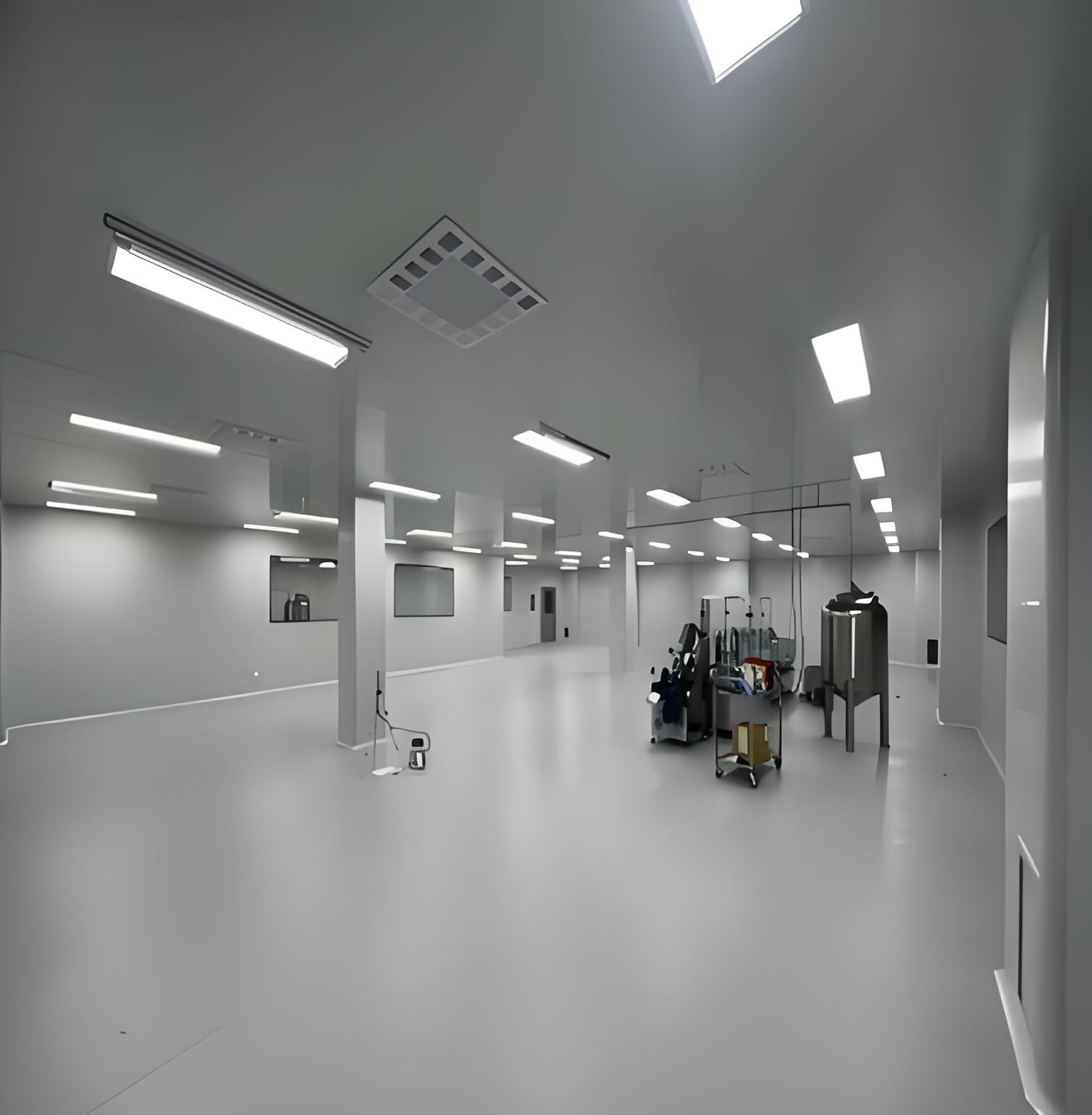
Physical cleanroom structures must complement HVAC airflow mechanics. Non-porous, smooth, and easily cleanable materials ensure that chemical sanitization and gaseous decontamination protocols operate effectively.
Cleanroom wall systems must withstand frequent cleaning cycles and mechanical stress without degrading or releasing fibers:
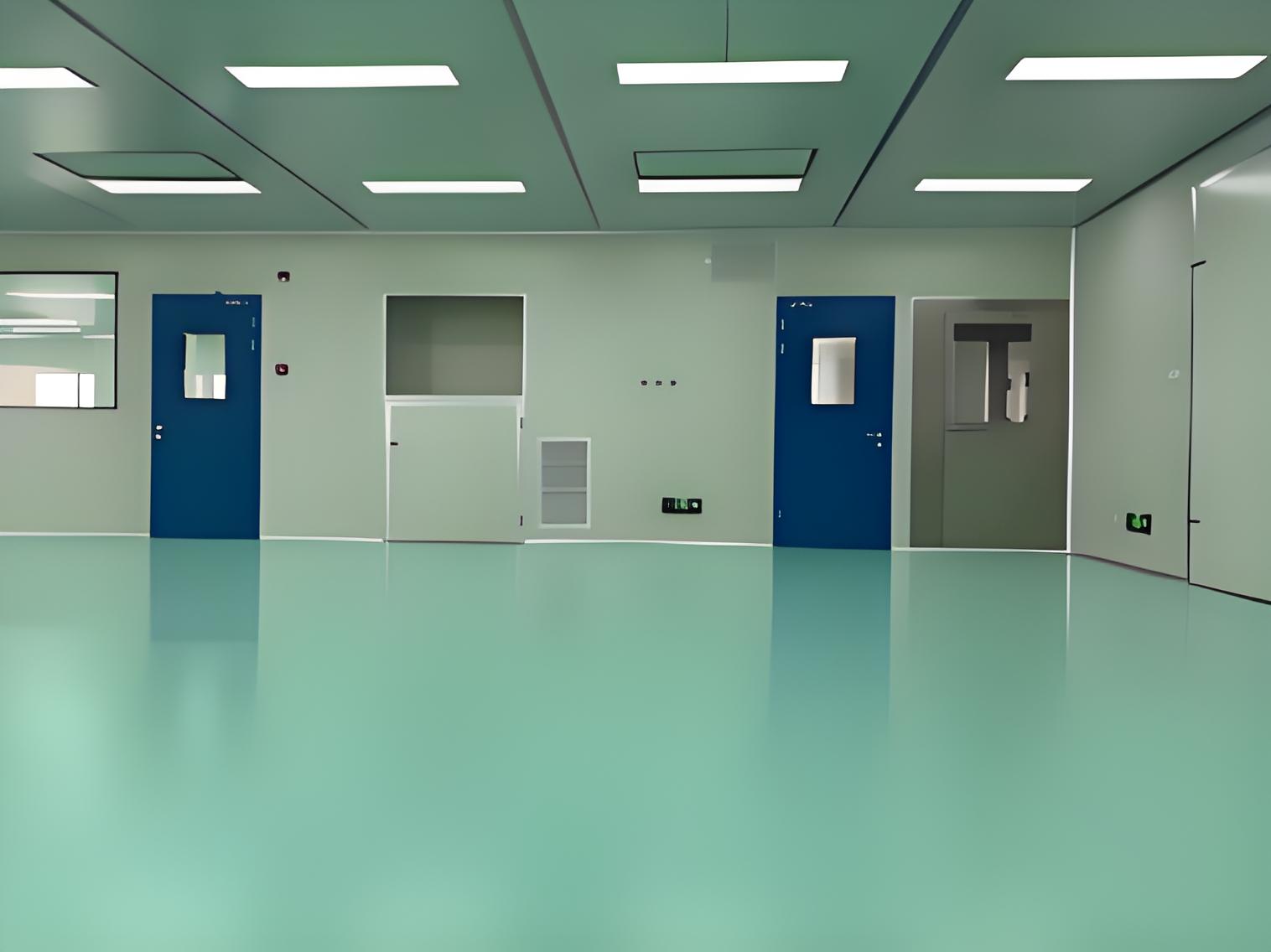
Floors in pharmaceutical facilities endure heavy traffic, movement of mobile vessels, and exposure to aggressive cleaning reagents:
Multi-product facilities and complex pharmaceutical synthesis processes present heightened potential for cross-contamination. Structural and mechanical isolation strategies must be embedded into early facility layouts.
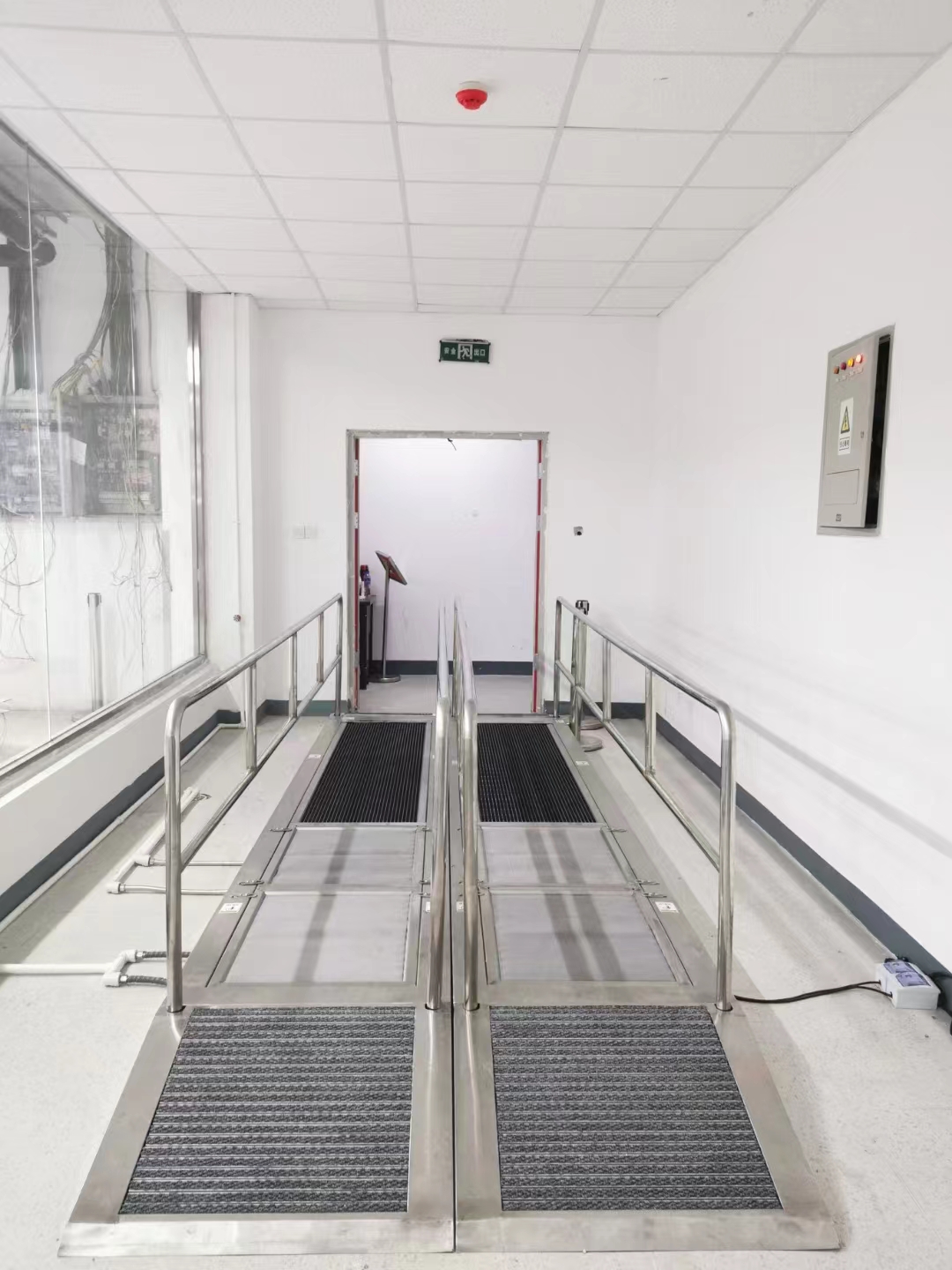
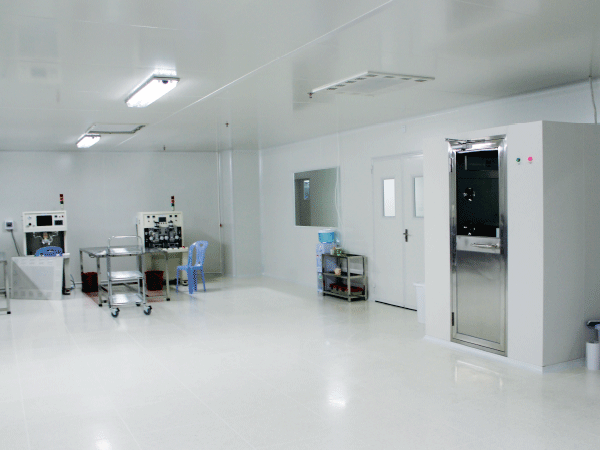
Personnel and material transitions represent major potential vectors for particle ingress. Specialized transition zones isolate operational environments:
Maintaining stable relative humidity (RH) and ambient temperatures directly impacts both product stability and microflora control:
A cleanroom system cannot achieve commercial operational status without formal validation proving compliance with design specifications and regulatory standards. Implementation of modern pharmaceutical purification engineering principles requires structured documentation across all project phases.
Qualification follows a systematic life-cycle strategy aligned with ISPE baseline guides and FDA qualification frameworks:
Continuous monitoring provides real-time oversight of cleanroom environmental parameters. Automated Environmental Monitoring Systems (EMS) integrate networked sensors to record data for key parameters:
All digital records generated by automated monitoring systems must adhere to FDA 21 CFR Part 11 requirements for electronic records, audit trails, and data integrity.
Fast-track biopharmaceutical developments have driven adoption of modular cleanroom build methodologies. Pre-engineered modular components accelerate installation schedules while maintaining regulatory compliance.
Modular cleanroom elements—including wall panels, walkables ceiling systems, duct spools, and integrated utility chases—are manufactured under controlled factory conditions. Off-site construction minimizes field-generated dust, shortens on-site construction timelines, and enables parallel execution of civil building works and cleanroom fabrication.
Modern bioprocesses frequently change scale and workflow configurations as pipeline molecules progress through clinical phases. Modular wall systems allow easy reconfiguration of space without total structural demolition. Engineering methodologies provided by TAI JIE ER incorporate adaptable panel connections and expandable air handling distribution systems, allowing facilities to adjust layout footprints rapidly to support changing manufacturing demands.
Implementing a compliant, high-performing facility requires aligning process requirements, mechanical design, dynamic HVAC controls, and validation documentation. Industry stakeholders seeking customized cleanroom facility solutions can partner with specialist teams in pharmaceutical purification engineering to transform technical requirements into scalable, fully compliant manufacturing environments.
Designing and constructing cleanrooms compliant with global regulatory standards requires targeted engineering expertise. For assistance with cleanroom structural layouts, HVAC balancing designs, environmental control retrofits, or new facility inquiries, reach out directly to the specialized engineering team at pharmaceutical purification engineering solutions to submit your project requirements and receive expert guidance.
Q1: What are the primary differences between Grade A, Grade B, Grade C, and Grade D cleanroom classifications under EU GMP Annex 1?
A1: EU GMP Annex 1 classifies cleanrooms based on permissible airborne particle counts under "at-rest" and "in-operation" conditions. Grade A is designed for high-risk aseptic operations (e.g., filling lines) featuring unidirectional airflow (0.36–0.54 m/s). Grade B serves as the immediate background zone for Grade A aseptic processing. Grade C and Grade D are lower-tier cleanroom environments used for less critical stages of sterile drug manufacturing, such as component preparation, solution formulation, and equipment washing.
Q2: How is HEPA filter integrity testing performed in a pharmaceutical cleanroom?
A2: HEPA filter integrity testing, commonly referred to as the PAO (Polyalphaolefin) or DOP challenge test, involves introducing a controlled challenge aerosol upstream of the filter media. An aerosol photometer or discrete particle counter scans the downstream face of the filter and its mounting frame at a distance of approximately 2 to 3 cm. A downstream concentration exceeding 0.01% of the upstream challenge indicates a leak that requires repair or filter replacement.
Q3: Why is differential pressure cascade mapping vital in cleanroom design?
A3: Differential pressure cascades prevent unfiltered or lower-grade air from entering cleaner zones. By maintaining higher static pressure in cleaner rooms relative to less-clean adjoining spaces (typically a 10 to 15 Pascal difference), air flows outward whenever doors or pass-throughs are opened. This pressure differential prevents airborne dust, microorganisms, and cross-contaminants from migrating into sterile product zones.
Q4: How does a cleanroom air recovery test demonstrate HVAC system effectiveness?
A4: The cleanroom recovery test evaluates the ability of the air handling system to evacuate airborne particulate matter after a brief contamination event. The test measures the time required for the room to reduce particle concentrations by a factor of 100 (100:1 recovery time) after being artificially loaded with particulates. EU GMP Annex 1 guidelines typically require cleanrooms to achieve target cleanliness levels within a 15-to-20-minute recovery period.
Q5: What surface materials are best suited for cleanroom construction to withstand Vaporized Hydrogen Peroxide (VHP) decontamination?
A5: Materials chosen for VHP exposure must be non-porous, corrosion-resistant, and non-reactive to oxidizing gases. Preferred wall panel coatings include PVDF (Polyvinylidene Fluoride) finish coats, anodized aluminum, and high-grade 316L stainless steel. For flooring, dense self-leveling epoxy coatings and hot-welded PVC sheet systems with sealed edges prevent hydrogen peroxide gas from penetrating subsurface substrates.