
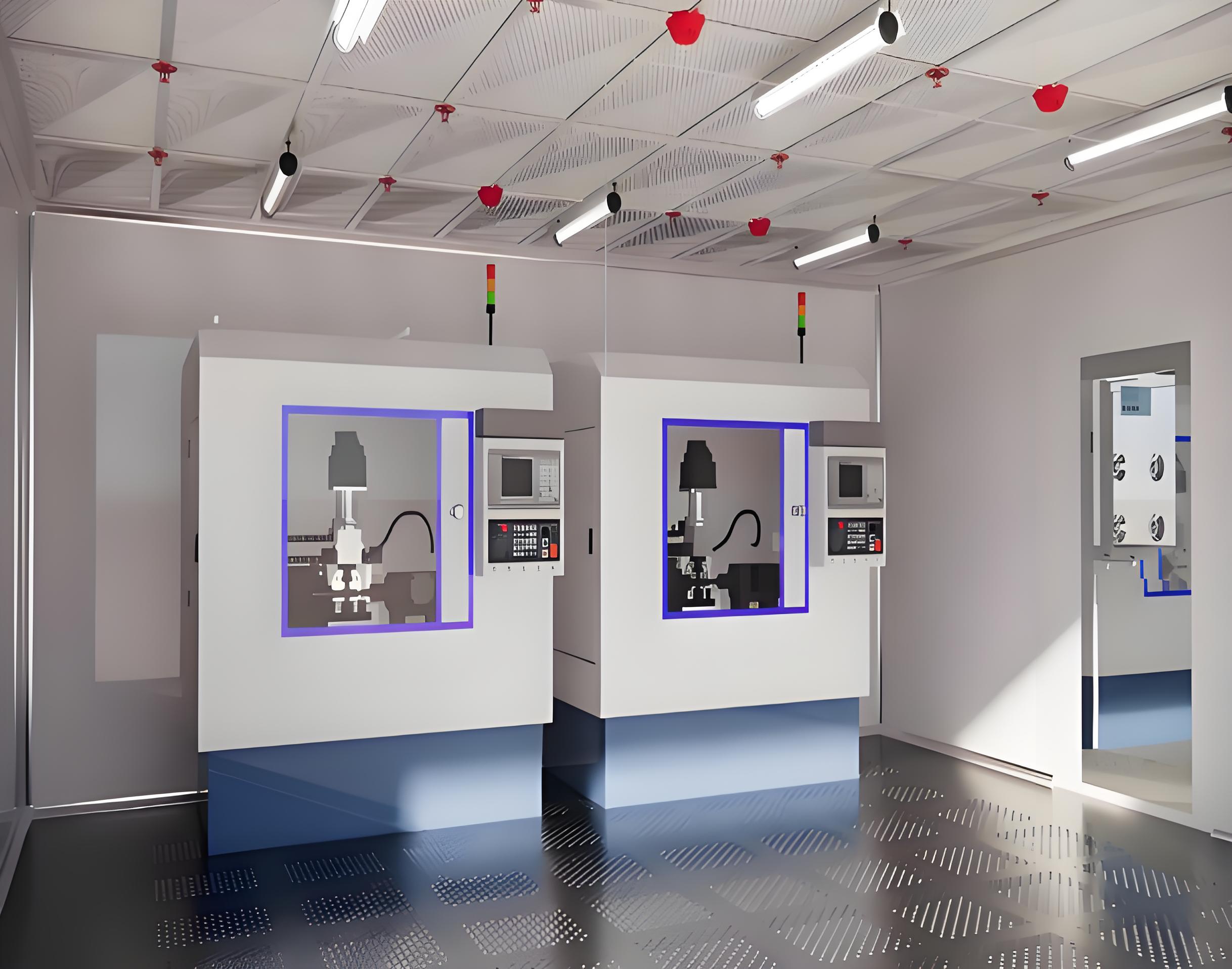
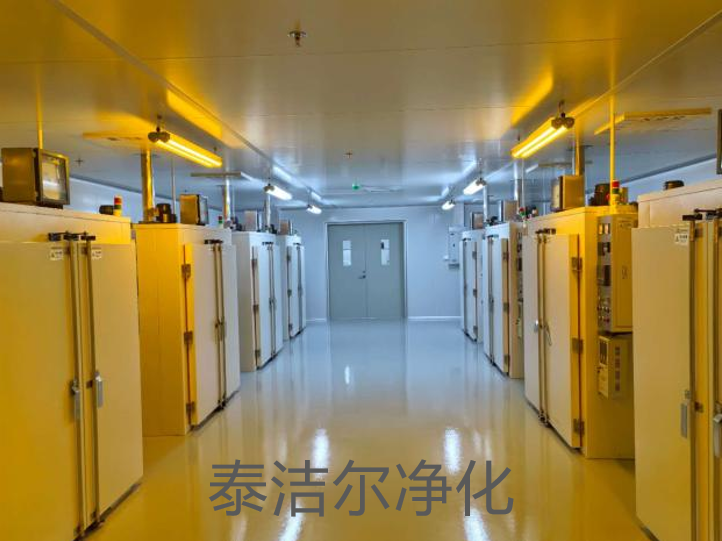
A laboratory purification project addresses the systematic design and implementation of contamination control measures within research and production environments. These projects tackle the core challenge of maintaining defined environmental conditions across multiple zones with varying cleanliness requirements. In multi-zone laboratories, where activities span from routine analytical testing to high-potency compound handling, the purification strategy must account for diverse contamination sources and transmission pathways. The complexity of these environments demands a layered approach that integrates architectural design, mechanical systems, and operational procedures into a cohesive contamination control framework. This integrated methodology forms the foundation of any successful laboratory purification project.
Every laboratory purification project rests on three interdependent pillars: airborne contaminant control, surface decontamination, and waste management. These systems operate in concert to create a controlled environment that protects both experimental integrity and personnel safety. Each pillar addresses a distinct contamination pathway, yet their performance remains interconnected through the overall facility design.
Airborne particulate and microbial contaminants represent the most pervasive threat in laboratory settings. The purification infrastructure addresses this through HEPA filtration, airflow management, and pressure differentials. HEPA filters, rated at 99.97% efficiency for 0.3-micron particles, serve as the primary barrier against airborne contaminants. The filter placement—whether in terminal housings at the point of delivery or in centralized air handling units—determines overall system performance. Airflow patterns, either unidirectional or turbulent, influence particle removal efficacy. Unidirectional flow sweeps particles away from critical zones, making it suitable for ISO 5 or Grade A environments. Turbulent flow relies on air changes per hour (ACH) to dilute contaminant concentrations, commonly applied in ISO 7 or Grade C spaces. Pressure differentials between adjacent zones prevent cross-contamination by directing airflow from cleaner to less clean areas. A cascade of pressure gradients, typically ranging from 15 to 30 Pascals, ensures that any leakage moves outward from high-purity zones.
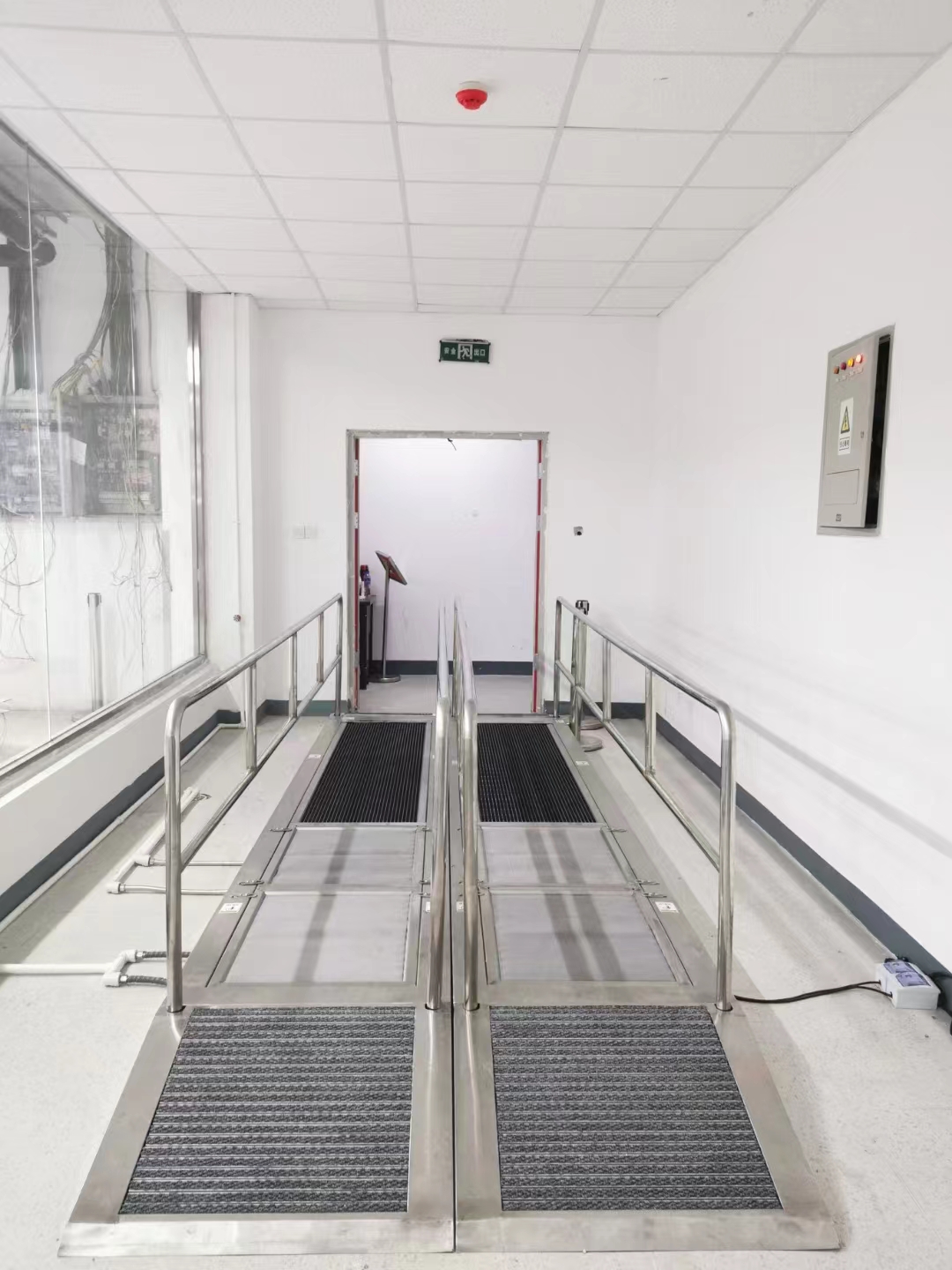
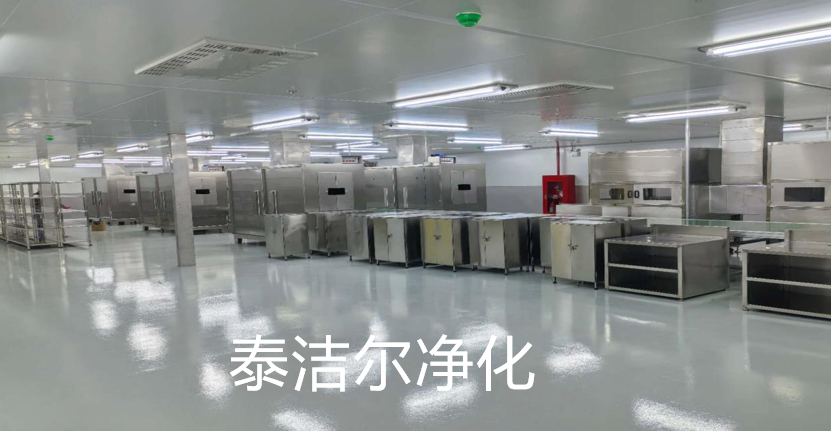
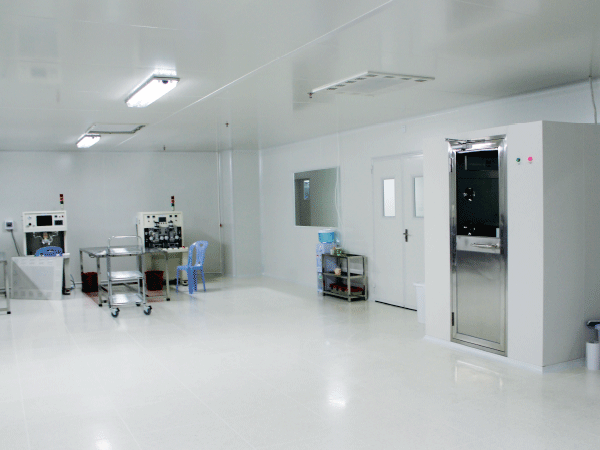
Surface contamination poses a distinct challenge that airborne control systems cannot address directly. Laboratory purification projects incorporate protocols for surface decontamination using chemical agents, ultraviolet radiation, or vapor-phase hydrogen peroxide. The selection of decontamination methods depends on surface material compatibility, microbial spectrum, and residue tolerance. Stainless steel surfaces, common in laboratory furniture and equipment, withstand repeated chemical exposure. Epoxy-coated or polyurethane finishes provide additional resistance to aggressive cleaning agents. The decontamination cycle includes pre-cleaning to remove organic soil, application of the disinfectant with appropriate contact time, and post-treatment rinsing where required. Equipment entering the clean zone undergoes material transfer protocols that may include pass-through chambers with interlocking doors and separate supply and exhaust air connections.
The waste stream from laboratory operations contains chemical, biological, and radioactive constituents that require containment and neutralization. A laboratory purification project addresses waste management through segregated collection, in-line treatment, and terminal disposal systems. Biological waste passes through autoclave or incineration pathways. Chemical waste undergoes neutralization or solvent recovery before discharge. Liquid effluent from laboratory drains passes through sump tanks and pH adjustment systems prior to municipal sewer release. The waste handling infrastructure must prevent backflow and cross-connection between clean utility systems and waste lines. Air gap separations and check valves provide physical barriers against contamination migration.
Understanding contamination sources informs the design of effective purification strategies. Personnel remain the single largest contamination vector, shedding millions of skin cells and fibers per minute. Laboratory attire—including gowns, gloves, and face masks—provides the first line of defense. The purification project specifies gowning procedures, donning sequences, and material specifications for cleanroom garments. Raw materials and consumables entering the laboratory introduce external contaminants that require incoming inspection and quarantine protocols. Packaging materials must withstand decontamination procedures without degrading or shedding particles. Equipment brought into the facility undergoes surface cleaning and, in some cases, gaseous decontamination before installation. The processes conducted within the laboratory—weighing, mixing, filling, or sampling—generate contaminants that the purification system must capture at the source through local exhaust ventilation or containment enclosures. Each contamination vector demands specific control measures that the laboratory purification project must address comprehensively.
The engineering design phase determines the long-term performance of a laboratory purification project. Several factors influence the selection and configuration of purification systems. The design process translates functional requirements into physical infrastructure, balancing contamination control with operational efficiency.
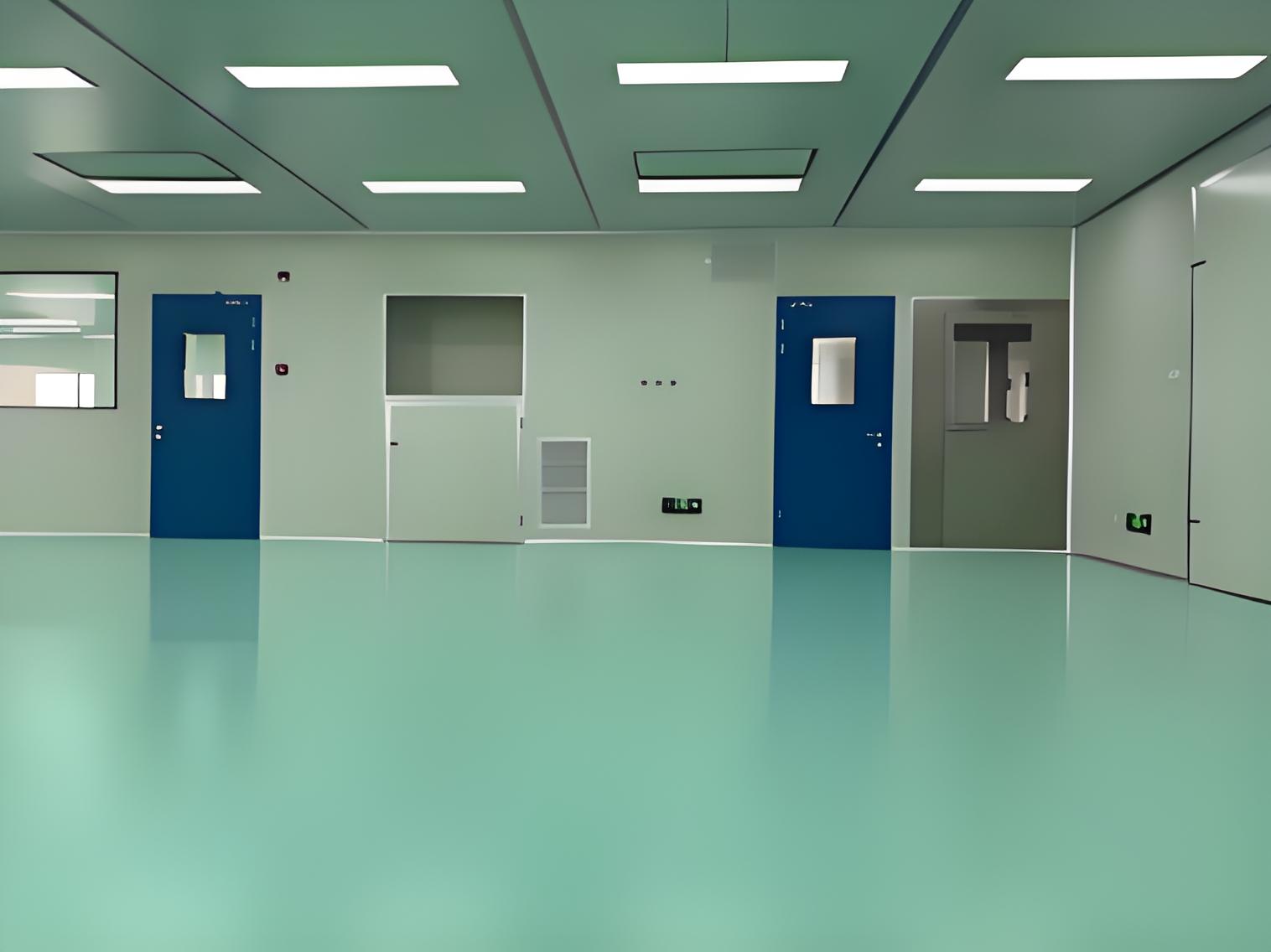
A systematic risk assessment identifies contamination hazards and defines the required cleanliness levels for each zone. The assessment considers the nature of materials handled, the sensitivity of analytical methods, and the potential for cross-contamination between incompatible activities. Zoning assigns cleanroom classifications—ISO 8, ISO 7, ISO 6, or ISO 5—based on the risk profile. Higher-risk operations demand stricter controls. The zoning plan dictates the architectural layout, with airlocks and gowning areas separating zones of different classifications. Material and personnel flow paths are designed to minimize cross-contamination risk, with one-way traffic patterns where feasible. The zoning strategy directly influences the complexity and cost of the purification infrastructure.
The choice of purification technologies reflects the specific contamination challenges identified in the risk assessment. HEPA filtration systems with variable air volume (VAV) control adapt to changing heat loads and occupancy patterns. Ultraviolet germicidal irradiation (UVGI) in air handling units reduces microbial proliferation on cooling coils. Chemical filtration using activated carbon or potassium permanganate removes volatile organic compounds (VOCs) and corrosive gases. For surface decontamination, automated systems applying hydrogen peroxide vapor or chlorine dioxide offer reproducible results with minimal operator exposure. The technology selection balances effectiveness against operational practicality, considering factors such as cycle time, residue generation, and material compatibility. Each technology choice carries implications for maintenance requirements and long-term reliability.
Validation demonstrates that the purification system consistently achieves the specified cleanliness parameters. The validation protocol includes particle counting under dynamic conditions, microbial air sampling, and surface swabbing. Airflow visualization studies, using smoke or tracer gas, confirm that airflow patterns meet design expectations. Pressure differentials and ACH rates are measured and documented. After validation, continuous monitoring sustains the state of control. Real-time particle counters, pressure transducers, and temperature/humidity sensors provide data for trending and alarm notification. The monitoring system detects deviations before they compromise the laboratory environment, enabling corrective actions to restore conditions. This ongoing verification process ensures that the laboratory purification project maintains its intended performance over time.
Laboratory purification projects operate within a framework of regulatory standards that define acceptable practices and performance criteria. ISO 14644 remains the predominant standard for cleanroom classification and monitoring, specifying airborne particulate cleanliness classes from ISO 1 to ISO 9. The standard provides test methods for particle counting, airflow velocity, and pressure differential measurement. For pharmaceutical laboratories, the EU GMP Annex 1 imposes additional requirements for aseptic processing, including contamination risk assessment and environmental monitoring. The standard emphasizes a holistic approach to contamination control, integrating facility design, equipment qualification, and personnel training. Other relevant standards include ISO 14698 for biocontamination control and ISO 15189 for medical laboratory quality management. Compliance with these standards requires documentation of all design decisions, validation activities, and monitoring results. The regulatory landscape continues to evolve, with increasing emphasis on risk-based approaches and continuous improvement. Organizations undertaking a laboratory purification project must stay current with regulatory updates to ensure ongoing compliance.
Laboratory purification projects encounter operational challenges that test the resilience of designed systems. Pressure differential maintenance during door openings and HVAC system transitions represents a persistent challenge. Engineering responses include fast-acting dampers, dedicated pressurization fans, and interlocking door controls that minimize the duration of pressure loss. Variability in contamination loads across different work shifts or production campaigns presents another challenge. The purification system must accommodate peak loads without compromising performance. Variable speed drives on fans and demand-controlled ventilation adjust air volumes to match actual conditions. Aging infrastructure poses a further challenge, as filter efficiency declines and mechanical components wear. Preventive maintenance schedules, with filter replacement and system recalibration, sustain performance over the facility lifecycle. The integration of building management systems (BMS) provides centralized oversight of all purification equipment, enabling remote monitoring and fault diagnostics. Each challenge requires a specific engineering response that the laboratory purification project must anticipate during the design phase.
The successful execution of a laboratory purification project depends on collaboration between facility designers, equipment suppliers, and end-users. Each stakeholder brings essential expertise to the project. Designers translate regulatory requirements into engineering specifications. Equipment suppliers, such as TAI JIE ER, provide validated solutions that meet performance criteria. End-users contribute operational knowledge that shapes the usability and practicality of installed systems. This collaborative approach ensures that the purification project delivers a facility that meets cleanliness requirements while supporting efficient laboratory operations. For facilities seeking to implement or upgrade contamination control infrastructure, the laboratory purification project represents a significant commitment to quality and safety. The project scope extends beyond equipment installation to encompass validation, training, and ongoing support. Organizations that prioritize systematic planning and rigorous execution achieve sustained compliance and operational excellence.
Q1: What is the typical duration of a laboratory purification project?
A1: The duration varies based on facility size, complexity, and regulatory requirements. A typical project spans 6 to 18 months from initial design to final validation. The timeline includes architectural modifications, equipment installation, system commissioning, and performance qualification. Projects involving existing facility retrofits often require additional time for shutdown coordination and contamination clearance verification.
Q2: How often should HEPA filters be replaced in a laboratory purification project?
A2: HEPA filter replacement frequency depends on operating conditions and contaminant loading. Standard practice recommends replacement every 2 to 5 years, with annual integrity testing using aerosol photometry. Facilities with high particulate loads or continuous operation may require more frequent replacement. Filter performance monitoring through pressure drop measurement provides data for condition-based replacement scheduling.
Q3: What are the critical parameters for monitoring in a laboratory purification project?
A3: Critical monitoring parameters include airborne particle counts (0.5µm and 5.0µm), pressure differentials between zones, temperature and relative humidity, air change rates, and microbial contamination levels. Viable particulate monitoring through settle plates, contact plates, or active air samplers supplements non-viable particle counting. The monitoring program must align with the facility's cleanliness classification and regulatory requirements.
Q4: How does a laboratory purification project address microbial contamination?
A4: Microbial contamination control combines physical removal through HEPA filtration, surface decontamination using chemical disinfectants, and procedural controls such as gowning and material transfer protocols. The project design incorporates UVGI in air handling units to prevent microbial growth on coils and drain pans. Surface materials with antimicrobial properties may be specified in critical zones. The validation protocol includes microbial challenge testing to demonstrate system effectiveness.
Q5: Can a laboratory purification project be implemented in an existing facility?
A5: Retrofitting an existing facility for purification is feasible but presents additional challenges. The project must address constraints such as limited ceiling space for ductwork, existing utility routing, and operational continuity requirements. Modular cleanroom solutions and portable purification equipment offer flexible options for retrofit projects. The project scope must include thorough contamination assessment and sequential zone commissioning to minimize disruption to ongoing operations.
Q6: What documentation is required for a laboratory purification project?
A6: Documentation includes design drawings, equipment specifications, validation protocols and reports, standard operating procedures (SOPs) for purification system operation, maintenance schedules, and training records. Regulatory compliance requires a comprehensive quality management system that documents all aspects of the purification project. The documentation package serves as evidence of due diligence for regulatory inspections and audit purposes.
For professional assistance with your laboratory purification project, contact TAI JIE ER through the official website. The engineering team provides comprehensive support for purification system design, equipment selection, installation, and validation. Submit an inquiry to discuss your specific requirements.