
A sterile laboratory represents a controlled environment where microbial contamination is minimized through a combination of engineering controls, procedural rigor, and continuous monitoring. These laboratories serve as the backbone for pharmaceutical manufacturing, medical device assembly, and life sciences research where product sterility is paramount. The core challenge in designing and operating a sterile laboratory lies in maintaining defined microbial cleanliness levels across multiple zones that may house activities with varying contamination risks. From aseptic filling lines to sterility testing suites, each zone demands a tailored approach to contamination control that addresses specific microbial threats. The integration of HEPA filtration, pressure differentials, surface disinfection protocols, and personnel gowning procedures forms the basis of any effective sterile laboratory program. This layered defense strategy ensures that even in high-risk processing areas, the microbial load remains within acceptable limits as defined by regulatory standards such as ISO 14698 and EU GMP Annex 1.
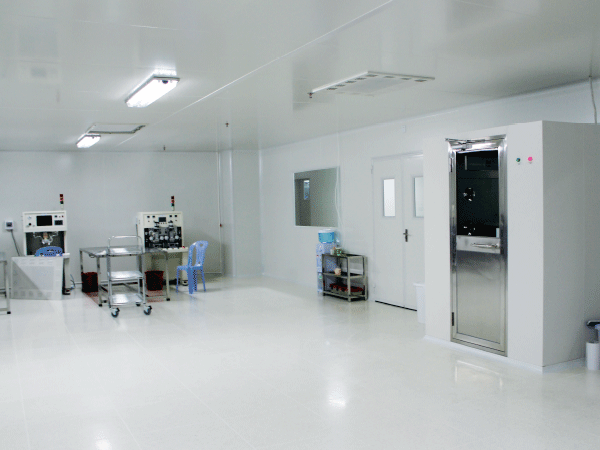
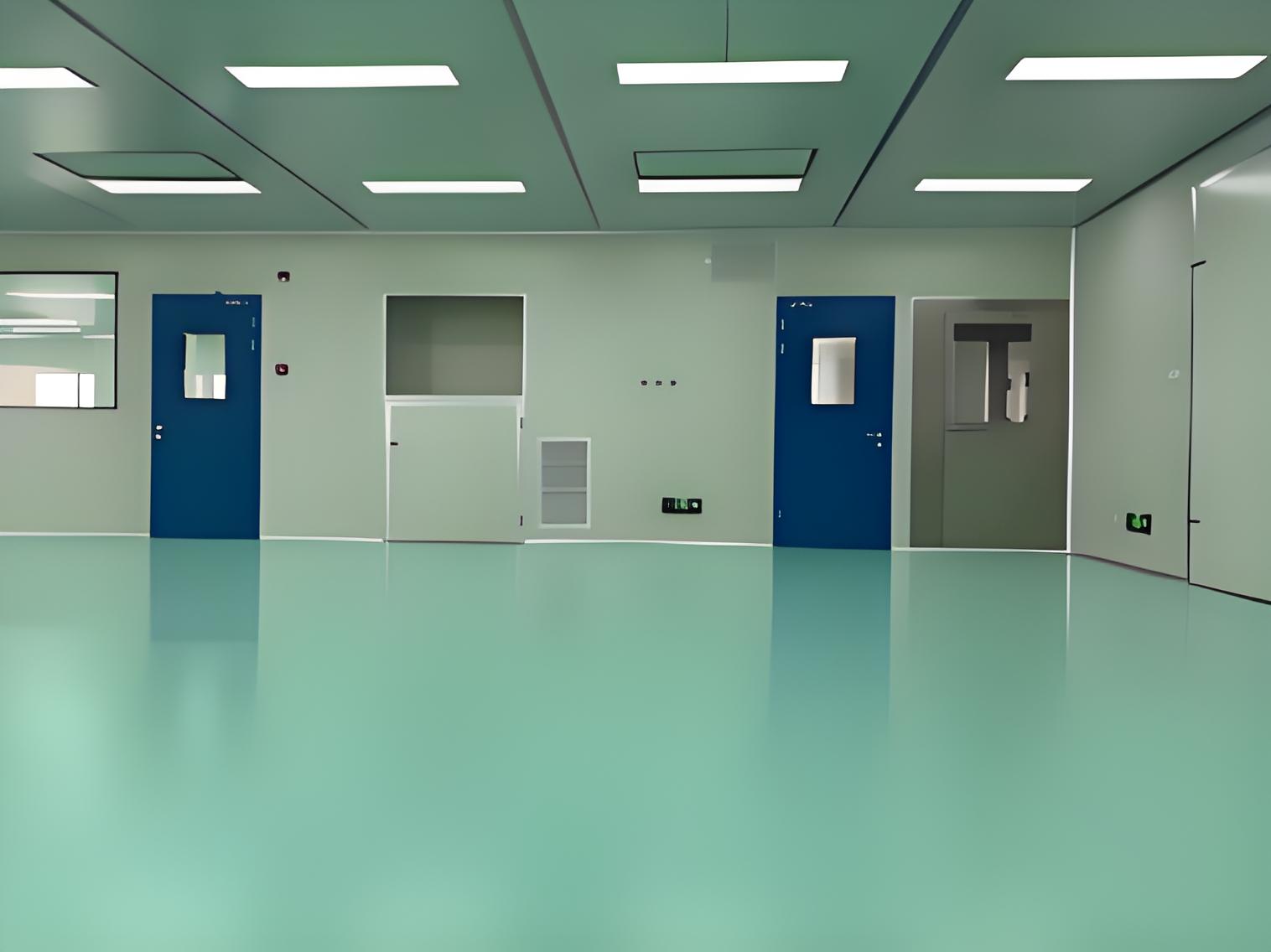
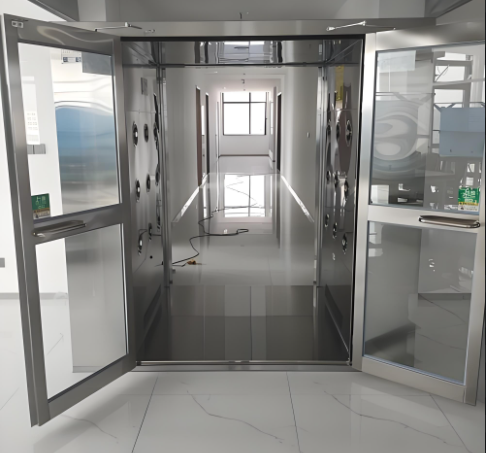
The physical layout of a sterile laboratory directly influences its ability to prevent microbial ingress and cross-contamination. The design process begins with a contamination risk assessment that maps out all potential sources of microorganisms, including personnel, raw materials, equipment, and the surrounding environment. Based on this assessment, the laboratory is divided into zones of increasing cleanliness, typically progressing from gowning areas to preparation rooms, and finally to the core aseptic processing zone. Each zone operates under a pressure cascade that ensures airflow moves from cleaner to less clean areas, effectively containing any contamination that might be generated in lower-grade zones. Material transfer airlocks with interlocking doors prevent the direct exchange of air between zones, while pass-through chambers equipped with UV light or vaporized hydrogen peroxide (VHP) provide surface decontamination before materials enter the sterile core. The architectural finishes in a sterile laboratory are selected for their ease of cleaning and resistance to microbial colonization. Seamless flooring, coved corners, and smooth wall panels eliminate crevices where microorganisms could accumulate, while antimicrobial coatings on high-touch surfaces provide an additional layer of protection.
Heating, ventilation, and air conditioning (HVAC) systems represent the primary engineering control for airborne contamination in a sterile laboratory. The HVAC design must deliver air that is filtered through HEPA or ULPA filters, with efficiencies of 99.997% at 0.3 microns for HEPA and 99.999% for ULPA filters. The filtered air is supplied in a unidirectional or turbulent flow pattern depending on the cleanroom classification. For ISO 5 (Grade A) zones, unidirectional flow at velocities of 0.36–0.54 m/s sweeps particles away from critical work areas. In ISO 7 (Grade C) or ISO 8 (Grade D) zones, turbulent flow with air changes per hour (ACH) rates between 20 and 40 dilutes airborne contaminants to acceptable levels. The pressure differential between adjacent zones is maintained at 15–30 Pascals to prevent the migration of contaminated air from lower-grade to higher-grade areas. Pressure sensors continuously monitor these differentials, triggering alarms if deviations exceed set limits. The HVAC system also controls temperature and humidity, with ranges typically set at 18–24°C and 30–60% relative humidity to minimize microbial growth and maintain operator comfort. Condensation on cooling coils is managed through adequate drainage and UVGI to prevent biofilm formation and subsequent microbial shedding into the airstream.
Surface disinfection in a sterile laboratory follows a rigorous schedule that addresses all exposed surfaces, including floors, walls, equipment, and workbenches. The selection of disinfectants depends on the spectrum of activity required, surface material compatibility, and residue considerations. Common disinfectants used in sterile laboratories include quaternary ammonium compounds, chlorine-based agents, hydrogen peroxide, and peracetic acid. These agents are applied through a combination of manual wiping, spraying, and in some cases, automated fogging systems. The disinfection process follows a sequence of cleaning—removing organic soil and residues—followed by the application of the disinfectant with a specified contact time to achieve the desired log reduction. Rotating disinfectants on a weekly or monthly basis prevents the development of resistant microbial strains. For critical surfaces such as isolator interiors or biosafety cabinet work surfaces, sporicidal agents such as hydrogen peroxide vapor or chlorine dioxide gas are used to eliminate bacterial spores. The effectiveness of the disinfection program is verified through surface sampling, using contact plates or swabs that are incubated to determine the viable microbial count.
Environmental monitoring serves as the ongoing verification that the sterile laboratory remains within established contamination limits. The monitoring program includes air sampling for viable particles, surface sampling for microbial contamination, and personnel monitoring. Air sampling is performed using active samplers that draw a known volume of air across a nutrient agar plate, or using settle plates that passively collect airborne particles settling onto the agar surface. The frequency and location of sampling points are determined by the risk assessment and regulatory requirements. Surface sampling uses contact plates pressed against representative surfaces or swabs that are subsequently cultured. Personnel monitoring includes glove prints and gown samples to ensure that gowning procedures effectively contain operator-generated contamination. The monitoring data is trended over time to detect shifts in contamination patterns, enabling proactive adjustments to cleaning and disinfection schedules. Alert and action limits are established for each monitoring parameter, with action limits triggering investigation and corrective measures. The monitoring program is documented in standard operating procedures (SOPs) that specify sampling methods, incubation conditions, and data interpretation guidelines.
Personnel remain the most significant source of microbial contamination in any sterile laboratory. Humans shed approximately 10^6 skin cells per minute, many of which carry commensal bacteria or fungi. Gowning procedures are designed to contain this shedding while ensuring operator comfort and freedom of movement. The gowning sequence for entry into a sterile laboratory typically begins with removing street clothes and donning dedicated undergarments, followed by the application of shoe covers, head covers, face masks, and cleanroom coveralls or gowns. Disposable gloves, often double-layered, complete the gowning assembly. The gowning process takes place in a graded sequence of rooms, with each step moving the operator to a cleaner environment. Operators receive comprehensive training on gowning techniques, including how to put on and remove garments without contaminating themselves or the environment. Behavior within the sterile laboratory is governed by SOPs that limit movement, prohibit unnecessary conversation, and enforce strict adherence to aseptic technique. Personnel are trained to avoid abrupt movements that could generate turbulence and disturb laminar airflow patterns. Regular certification of gowning proficiency and periodic requalification ensures that operators maintain the required aseptic competencies throughout their tenure in the sterile laboratory.
Sterile laboratories operate under a comprehensive regulatory framework that defines acceptable microbial limits, testing methods, and operational practices. ISO 14698 serves as the global standard for biocontamination control, providing guidance on the principles and methods for monitoring and control of microbial contamination in cleanrooms and controlled environments. The standard addresses both airborne and surface contamination, with recommendations for sampling strategies, incubation conditions, and data interpretation. For pharmaceutical applications, the EU GMP Annex 1 sets out detailed requirements for sterile manufacturing, including the classification of cleanrooms based on airborne particle and microbial limits. The annex specifies environmental monitoring frequencies, alert and action limits, and validation requirements for sterilization processes. The US FDA guidance on sterile drug products produced by aseptic processing reinforces these requirements, emphasizing the need for comprehensive contamination control strategies. Compliance with these standards requires a quality management system that documents all aspects of sterile laboratory operations, from facility design and equipment qualification to personnel training and environmental monitoring. The documentation serves as evidence of compliance during regulatory inspections and is essential for maintaining market authorization for sterile products.
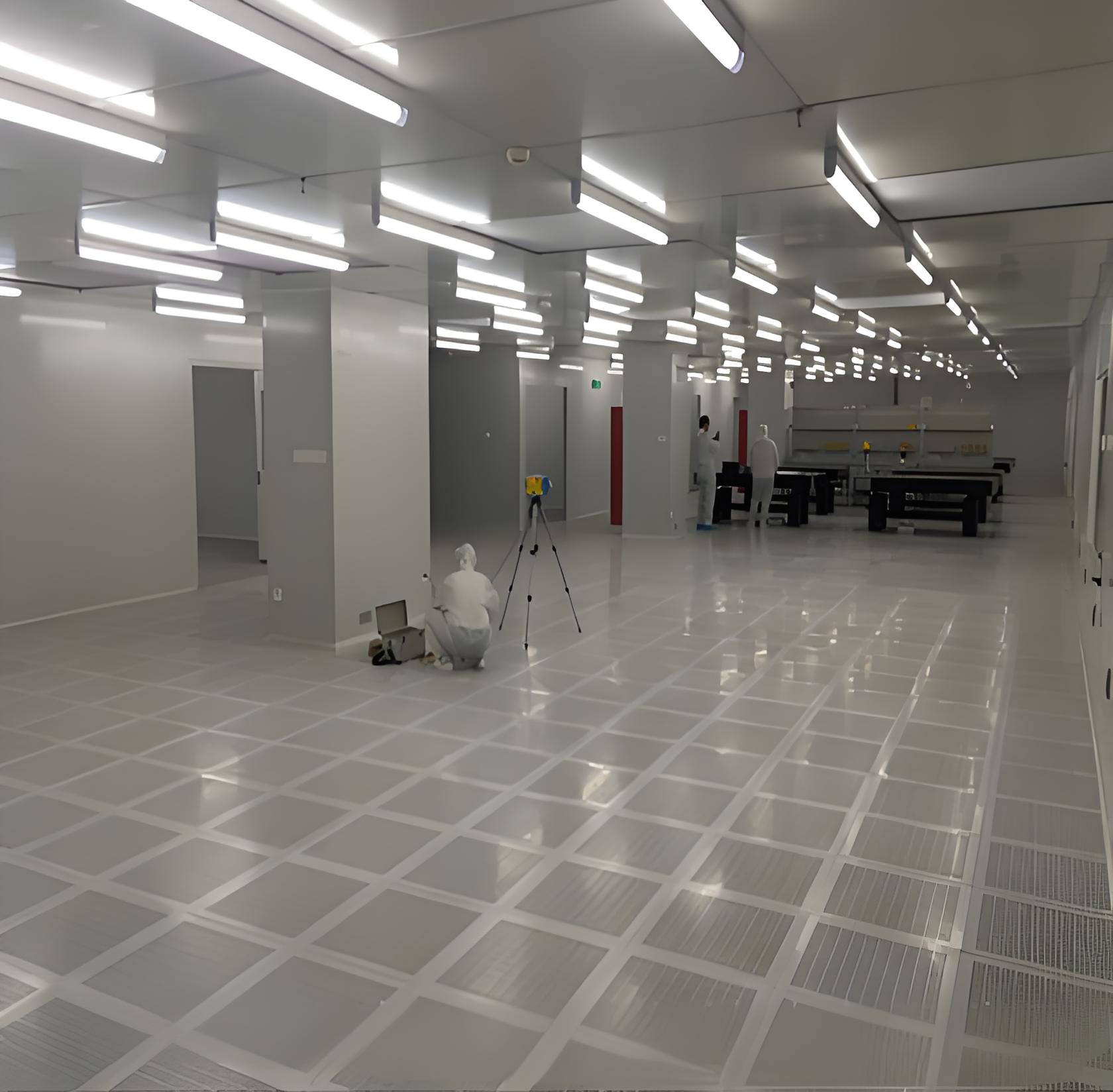
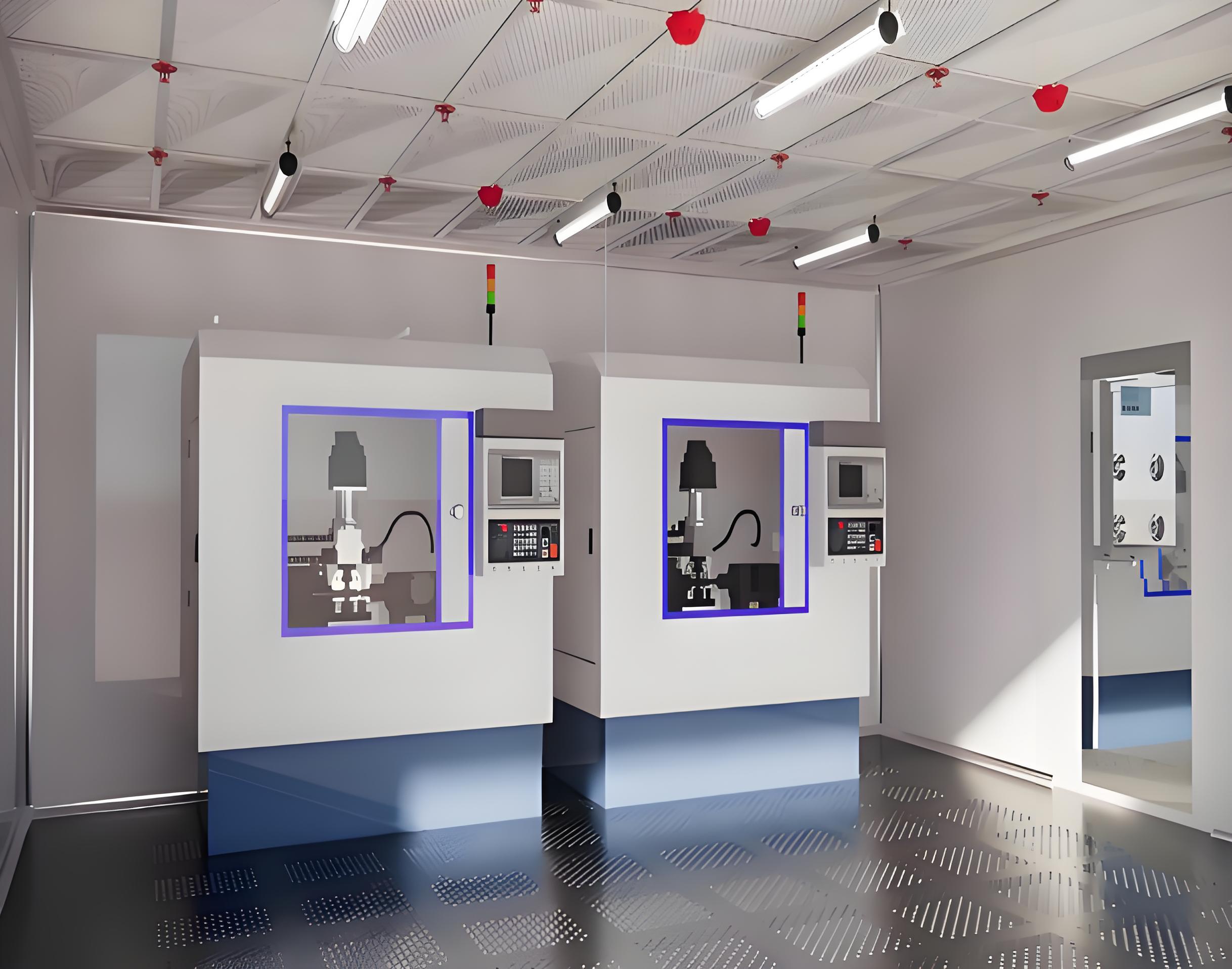
Maintaining sterility in a dynamic laboratory environment presents ongoing operational challenges. One persistent challenge is the transition between different processing activities, which may introduce different contamination risks. For example, switching from a non-viable particle-generating process to an aseptic filling operation requires thorough decontamination of equipment and surfaces to prevent cross-contamination. Engineering responses include the use of dedicated processing lines or rooms for high-risk activities, with isolator or restricted access barrier systems (RABS) providing physical separation between operators and the sterile environment. Another challenge is the management of equipment entrances and exits, where equipment brought into the sterile laboratory must undergo decontamination and, in some cases, sterilization before use. Pass-through chambers with VHP or UV treatment provide a solution, allowing equipment to be safely transferred without compromising sterility. The ingress of utilities such as gases, water, and electricity into the sterile zone must be designed to prevent contamination, with sterile filters on gas lines and sanitary fittings on water systems. Power outlets and control panels are installed with flush-mounted designs that facilitate cleaning and minimize particle entrapment. The integration of building management systems (BMS) provides real-time monitoring of all critical parameters, enabling rapid response to deviations and reducing the risk of contamination events.
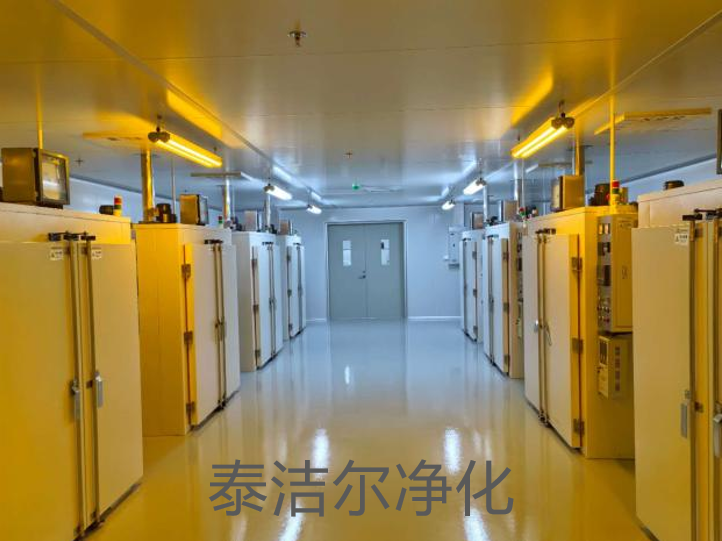
The successful operation of a sterile laboratory depends on the effective integration of all these systems and procedures. Each component—HVAC, disinfection, monitoring, gowning, and compliance—must function in concert to achieve the required microbial cleanliness levels. The design and commissioning of a sterile laboratory require collaboration between facility engineers, equipment suppliers, and end-users. TAI JIE ER provides validated engineering solutions for sterile laboratory projects, covering the full spectrum of design, equipment selection, and validation services. Their expertise extends to the integration of HVAC systems, cleanroom enclosures, and material transfer solutions that meet the stringent requirements of regulatory standards. For organizations undertaking a new sterile laboratory project or upgrading an existing facility, professional engineering support is essential to navigate the complexities of contamination control and achieve sustained compliance.
Q1: What is the difference between a cleanroom and a sterile laboratory?
A1: A cleanroom controls airborne particle concentrations, while a sterile laboratory specifically addresses microbial contamination control. The sterile laboratory implements additional measures such as sporicidal disinfection, personnel monitoring, and validated aseptic techniques to ensure the absence of viable microorganisms.
Q2: How often should environmental monitoring be performed in a sterile laboratory?
A2: Monitoring frequency depends on the cleanroom classification and risk level. ISO 5 (Grade A) zones typically require continuous particle monitoring and daily microbial sampling. Lower-grade zones (Grade C or D) are sampled weekly or monthly. The monitoring schedule is defined in the site's contamination control strategy and is subject to periodic review.
Q3: What is the role of isolator technology in a sterile laboratory?
A3: Isolators provide a sealed, physically separated environment with its own HEPA-filtered air supply. They are used for high-risk aseptic operations, such as sterility testing or cell therapy processing, to eliminate operator intervention as a contamination source. Isolators can be decontaminated using VHP cycles, providing a defined sterility assurance level.
Q4: How do you validate the disinfection program in a sterile laboratory?
A4: Validation includes testing the efficacy of each disinfectant against representative microorganisms using carrier tests or surface challenge tests. The test demonstrates a log reduction of 3-6 logs depending on the target organism. The validation considers different surface materials, contact times, and application methods used in the laboratory.
Q5: What is the maximum allowable microbial limit in a Grade A sterile laboratory?
A5: According to EU GMP Annex 1, Grade A zones must have a microbial limit of less than 1 colony-forming unit (CFU) per 1 m³ of air (active sampling) and less than 1 CFU per settle plate over a 4-hour exposure. Surface limits are defined as less than 1 CFU per contact plate or per 25 cm².
Q6: Can an existing facility be upgraded to a sterile laboratory standard?
A6: Retrofitting an existing facility to meet sterile laboratory standards is feasible but requires careful assessment of existing infrastructure. The upgrade may involve replacing HVAC systems, installing new filtration, upgrading surface finishes, and implementing new gowning and disinfection protocols. The project must include comprehensive validation to demonstrate that the upgraded facility meets the required microbial limits.
For professional support on your sterile laboratory project, contact TAI JIE ER through the official website. The engineering team provides design consultation, equipment supply, installation, and validation services. Submit an inquiry to discuss your specific requirements.