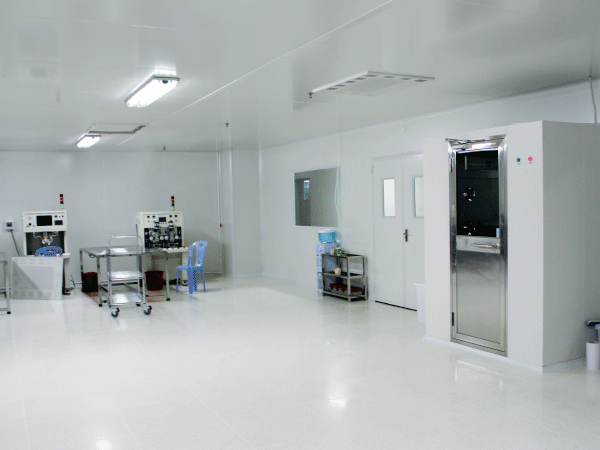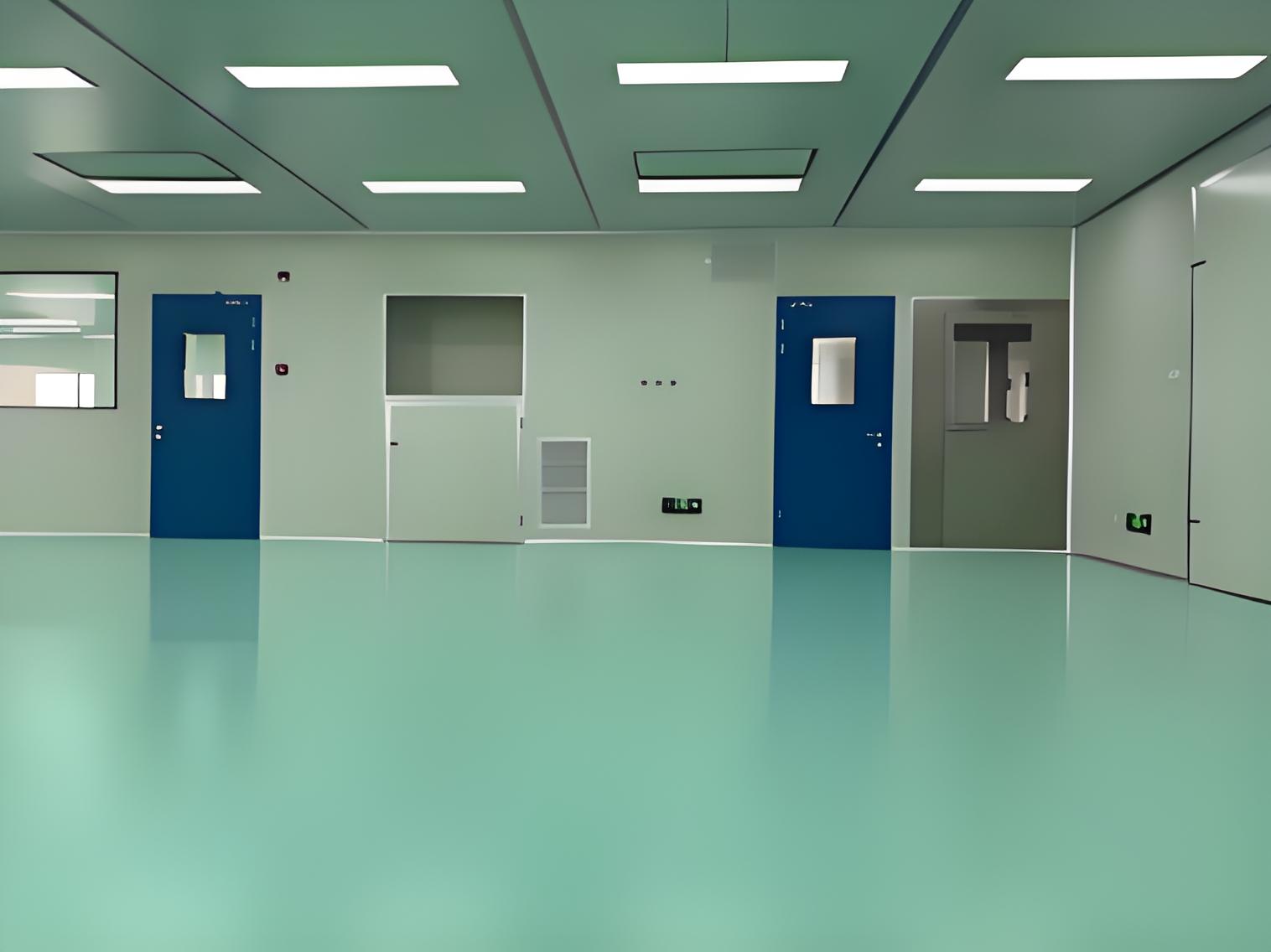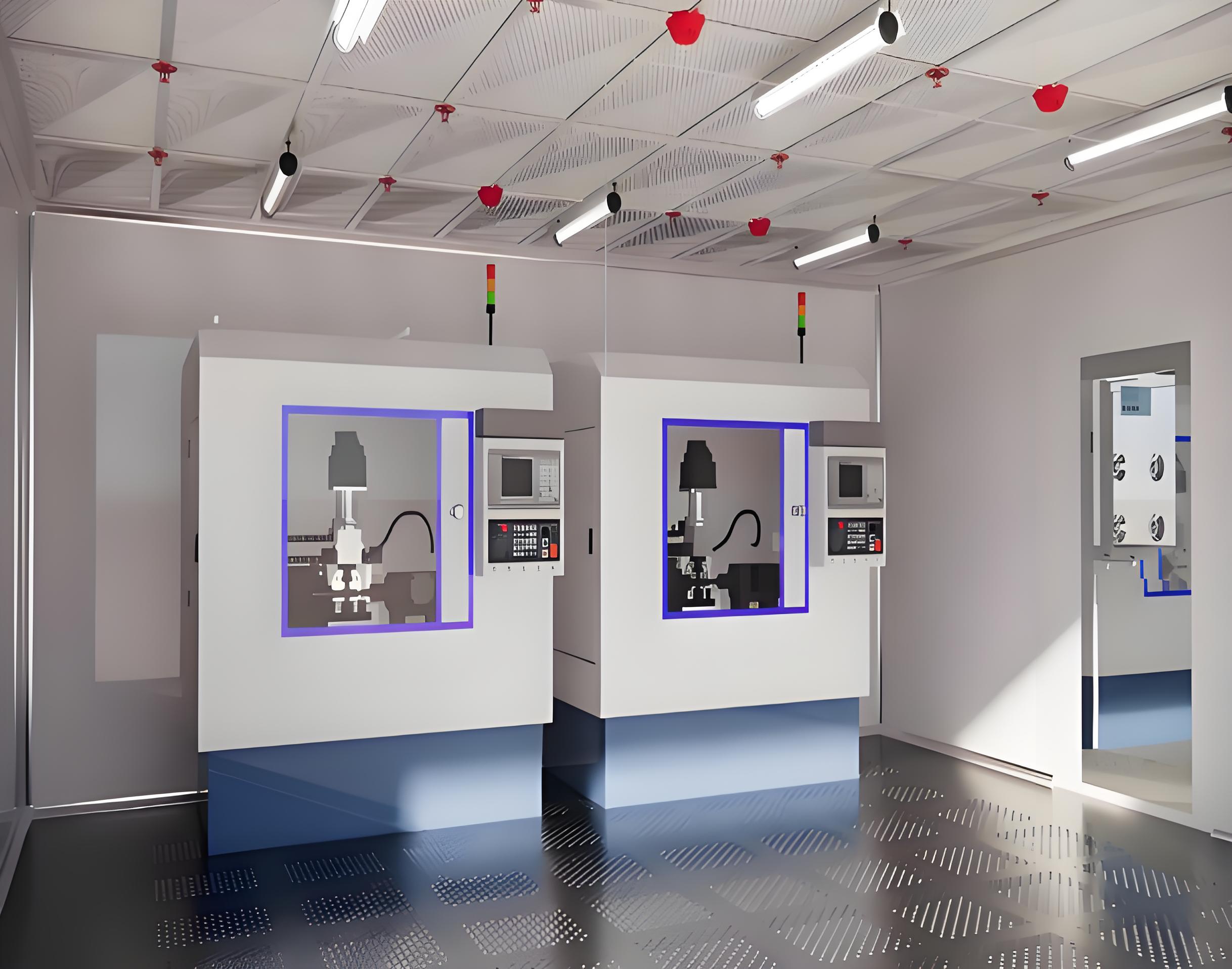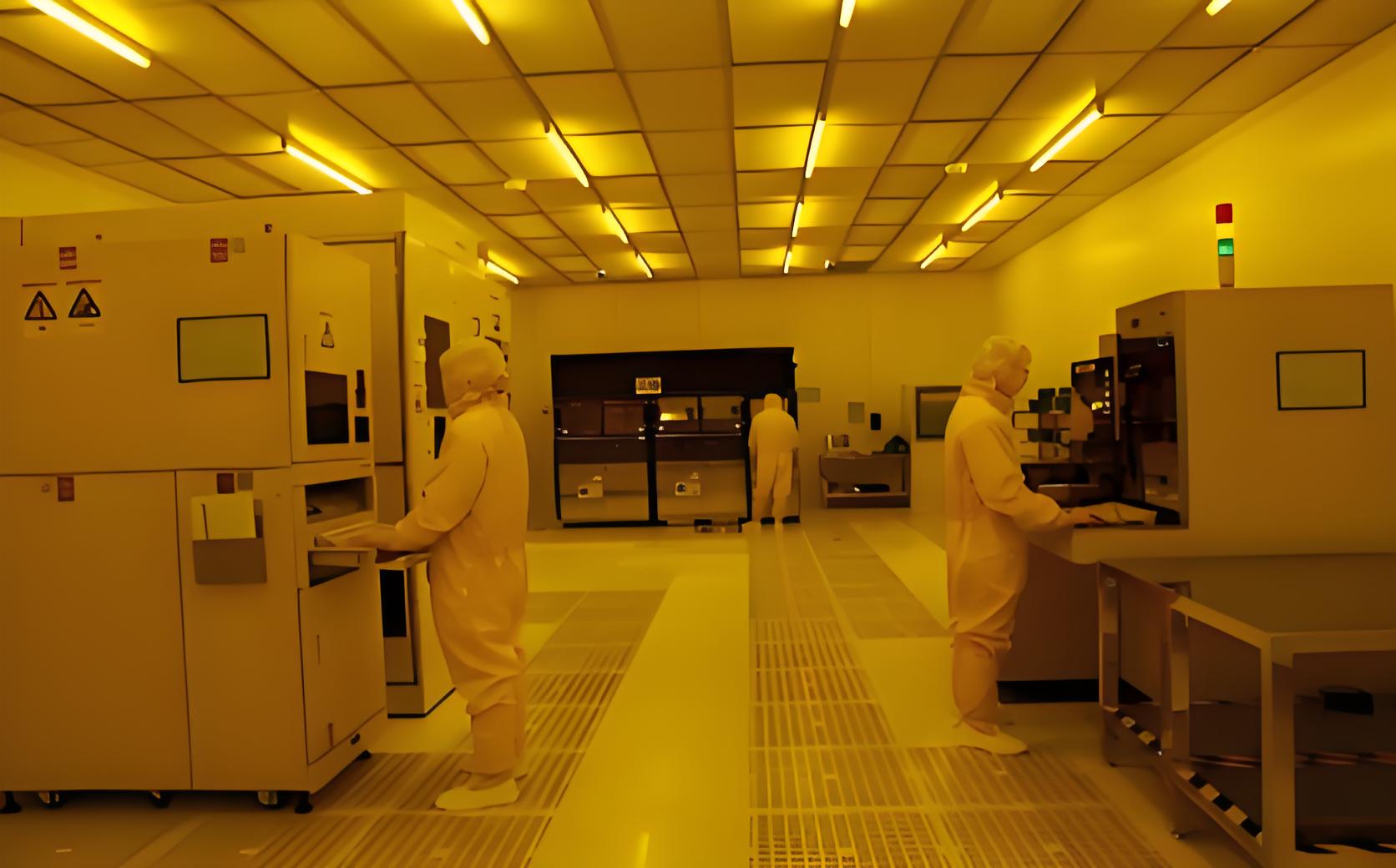

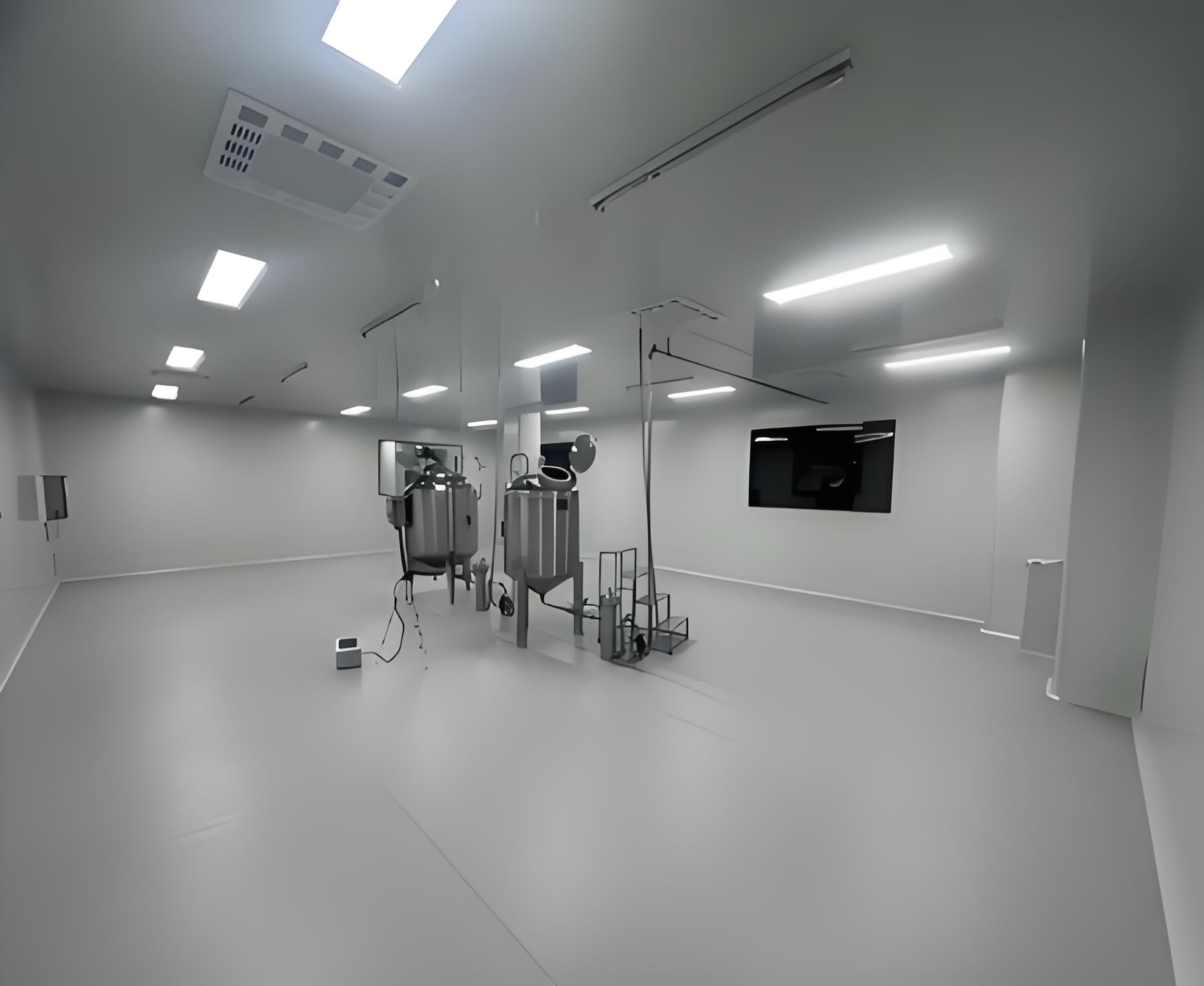
Maintaining stringent atmospheric cleanliness inside large-scale industrial, pharmaceutical, and electronic manufacturing facilities requires a systemic approach to air movement and airborne particulate isolation. Ambient air carries high loads of microscopic dust, fungal spores, pollen, and synthetic particulates that compromise sterile production lines and sensitive processing zones. Standard commercial HVAC installations are built primarily for thermal comfort and basic filtration, rendering them inadequate for environments demanding strict compliance with ISO 14644 or Good Manufacturing Practice (GMP) standards. Executing a comprehensive Central air conditioning system purification project addresses these deficiencies through dynamic pressure regulation, fine-tuned humidity control, and multi-tiered filtration arrays.
Modern clean facility design treats air handling as an integrated physical shield rather than a simple cooling mechanism. Achieving high levels of indoor air quality (IAQ) and microbial suppression requires precise fluid dynamics calculations, smooth internal surfaces to prevent particle adhesion, and seal integrity throughout the entire mechanical footprint. Engineering organizations such as TAI JIE ER design system configurations tailored specifically to neutralize chemical vapors, bio-aerosols, and microscopic matter before air enters process-sensitive zones.
Contamination control relies on progressive, multi-stage air filtration where each successive layer captures smaller particle spectra while protecting down-line filtration units from premature loading. Air handling units (AHUs) engineered for contamination-free distribution employ a minimum of three distinct filtration tiers.
Managing air velocity across these filter banks remains a decisive factor in preventing media face velocity blowout and particle bypass. Designing spacious filter plenums lowers face velocity to ranges between 1.5 m/s and 2.2 m/s, which boosts particle capture efficiency via interception, impaction, and Brownian diffusion mechanisms.
Humid conditions inside cooling coil compartments create optimal conditions for fungal and bacterial biofilm formation. Left unaddressed, these biological growths detach during operation, contaminating long duct runs and introducing airborne contaminants directly into clean zones. A expertly designed Central air conditioning system purification project incorporates specialized mechanical features to keep internal AHU surfaces dry and biologically inert.
Double-skin AHU casings fabricated from 304 or 316 stainless steel with smooth, non-porous interior walls eliminate crevices where moisture and dust accumulate. Sloped, multi-directional condensate trays constructed from corrosion-resistant metals ensure continuous water drainage without stagnant pooling. Complementing these physical features, high-output Ultraviolet Germicidal Irradiation (UVGI) arrays emitting C-band UV light (254 nm wavelength) focus directly on coil faces and drain pans. This radiation breaks down the microbial DNA and RNA of molds, bacteria, and viruses, maintaining clean heat-transfer surfaces without releasing harmful chemical byproducts into downstream air channels.
Controlling airflow directions prevents cross-contamination between clean zones and adjacent lower-purity spaces. Establishing positive static pressure differentials forces conditioned, purified air outward through wall openings, door gaps, and conveyor slots, preventing unconditioned surrounding air from intruding into regulated spaces.
Implementing a stable pressure cascade demands balancing supply air, return air, and exhaust air volumes via automated Variable Air Volume (VAV) controls and motorized balancing dampers. High-precision pressure transmitters monitor differential pressures in real time, adjusting variable frequency drives (VFDs) on supply and exhaust blowers to maintain precise room pressure relationships.
For applications where hazardous material, volatile compounds, or active pharmaceutical ingredients (APIs) are processed, isolation zones operate under negative pressure regimes. This structural arrangement holds toxic or active particles within designated containment enclosures, safeguarding surrounding facility corridors and adjacent clean rooms.
Distribution ductwork acts as the physical conduit for purified air, demanding high structural integrity and internal cleanliness throughout fabrication, installation, and operation. Standard HVAC ductwork often suffers from air leakage through open seams and flanges, introducing non-filtered air into the stream while degrading fan energy output.
Executing a turnkey Central air conditioning system purification project requires ducting constructed to Class C or Class D tightness standards according to EN 12237 guidelines. Duct sections utilize continuous laser welding or specialized sealant applications along snap-locks and companion flanges. Internal surfaces receive intensive degreasing, solvent cleaning, and protective capping during transportation to prevent jobsite dust from contaminating internal surfaces prior to system startup.
Flow geometry within duct runs directly influences turbulence levels and sound profiles. Internal turning vanes, long-radius elbows, and gradual transition pieces reduce internal flow friction, minimizing static pressure losses and preventing localized air stagnation where fine dust could settle out of the airstream.
Validating an engineered system requires structured testing protocols to verify that air balance, particle metrics, and environmental parameters meet specified cleanliness thresholds. System commissioning follows a progressive path from static verification to dynamic operational testing under full load conditions.
During testing phases, specialized technicians perform aerosol photometer leak tests (using PAO or DOP challenge agents) on all installed HEPA filter frames to confirm zero edge-seal leakage. Facilities relying on specialized engineering solutions designed by TAI JIE ER benefit from pre-validated module assemblies that streamline commissioning and simplify ongoing regulatory audits.
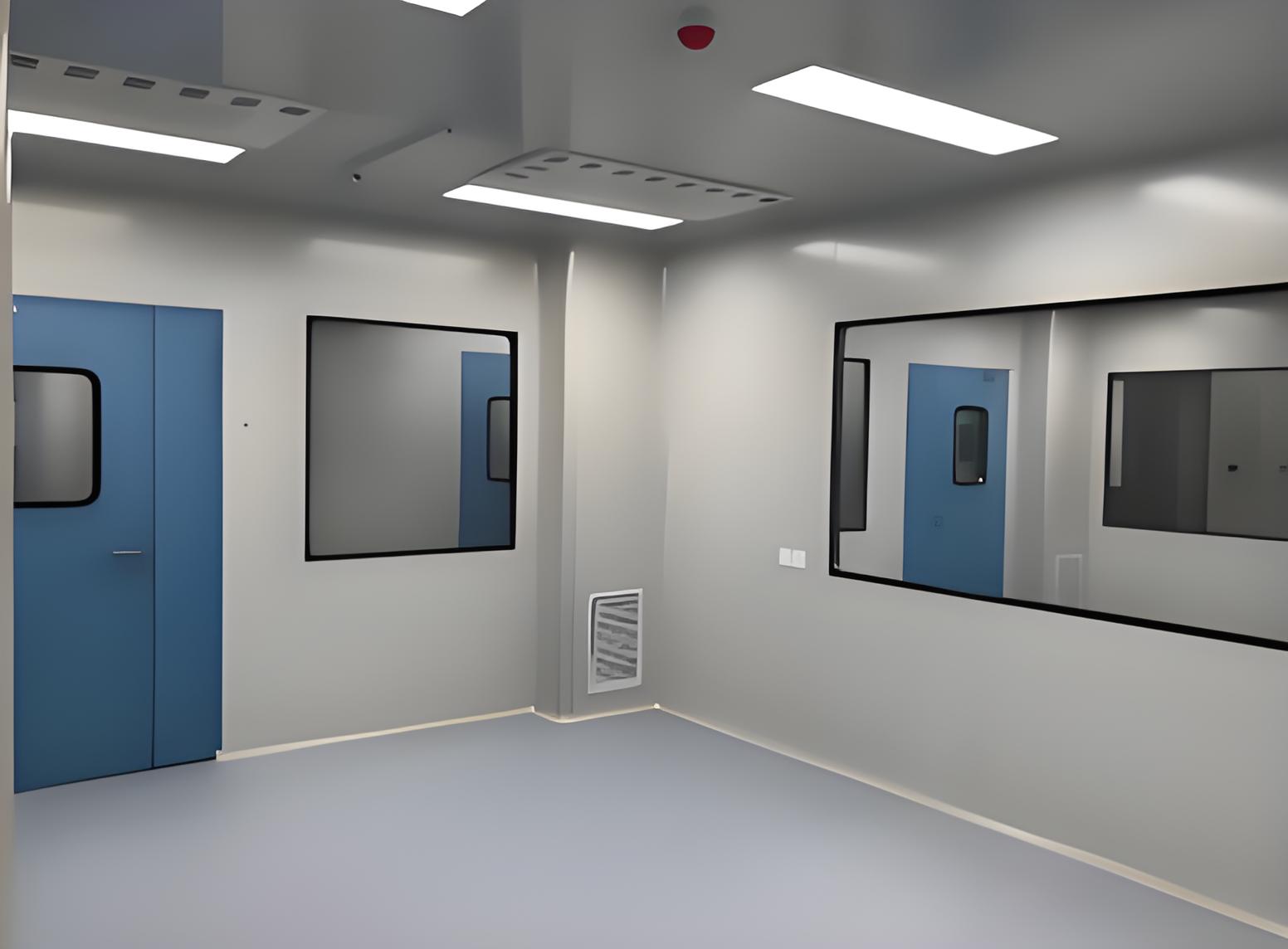
Integrating advanced air purification technologies directly into supply plenums offers continuous air decontamination beyond static particulate filtration. Incorporating multi-stage photo-catalytic oxidation (PCO) units, plasma air ionization matrices, and high-efficiency gas-phase absorption beds targets gaseous pollutants, volatile organic compounds (VOCs), and persistent facility odors that pass through mechanical particulate filters.
Photo-catalytic systems utilize broad-spectrum UV light source tubes focused on titanium dioxide (TiO2) dynamic mesh grids. This reaction generates short-lived hydroxyl radicals and superoxide ions that oxidize organic airborne molecules into trace water vapor and carbon dioxide. Meanwhile, continuous gas-phase activated carbon and impregnated alumina filter banks adsorb acid gases and solvent vapors, protecting sensitive electronic assembly lines and high-purity biological cultures from chemical contamination.
Integrating these purification sub-systems into a unified Central air conditioning system purification project establishes multi-layered protection against airborne particles, living micro-organisms, and gaseous contaminants. Tailored ductwork configurations, robust building management system (BMS) integration, and modular component positioning simplify routine maintenance while ensuring stable operational compliance over extended service lifetimes.
Systemic air control serves as a foundational pillar for operational excellence in high-purity environments. Through rigorous engineering, detailed fluid dynamic design, precise pressure cascade controls, and advanced filtration media selection, a tailored Central air conditioning system purification project delivers clean, compliant indoor environments that protect sensitive operations and meet international regulatory standards.
Q1: What sets cleanroom-grade air purification projects apart from conventional commercial HVAC upgrades?
A1: Cleanroom-grade projects prioritize airborne particle containment, directional pressure control, sterile condensation handling, and precise humidity levels rather than mere thermal comfort. They utilize multi-tier filtration cascades featuring terminal HEPA/ULPA filters, high air-change rates, sealed low-leakage ductwork, and specialized stainless-steel air handling units tailored to ISO 14644 and GMP regulatory guidelines.
Q2: How do engineers determine the correct air change rate per hour (ACH) for a high-purity facility?
A2: Recommended ACH values depend on the required cleanliness classification level, internal heat load, localized particle generation rates, and occupancy density. ISO Class 8 areas typically require 10 to 25 air changes per hour, whereas ISO Class 5 spaces may demand 240 to 480 laminar airflow exchanges per hour to constantly sweep particles away from sensitive zones.
Q3: Which filter maintenance schedule preserves baseline performance and prevents pressure overload?
A3: Differential pressure gauges monitor pressure drops across each filter stage continuously. Primary pre-filters typically undergo replacement every 1 to 3 months, secondary bag or rigid filters require servicing every 6 to 12 months, and terminal HEPA filters operate effectively for 3 to 5 years depending on loading levels, upstream air quality, and operational hours.
Q4: Why is precise relative humidity control necessary within air purification duct systems?
A4: Maintaining relative humidity levels strictly between 45% and 55% suppresses static electricity build-up that damages sensitive electronic microchips, prevents mold spore germination, stabilizes hygroscopic materials, and ensures consistent human comfort without creating excess condensation within cooling coil channels.
Q5: How does UVGI technology operate inside high-velocity air handling units?
A5: High-intensity C-band UV lamps (254 nm wavelength) mounted downstream of cooling coils deliver focused ultraviolet energy directly to coil surfaces and air channels. This energy shatters microbial genetic structures, inactivating bacteria, viruses, and fungal spores as they pass through the irradiated airflow zone, keeping cooling coil fins clean and biologically inert.
To upgrade your existing mechanical air infrastructures or discuss engineering specifications for an upcoming clean environment facility, contact the technical engineering specialists at TAI JIE ER. Request an engineering consultation and detailed project Inquiry through our official platform today.