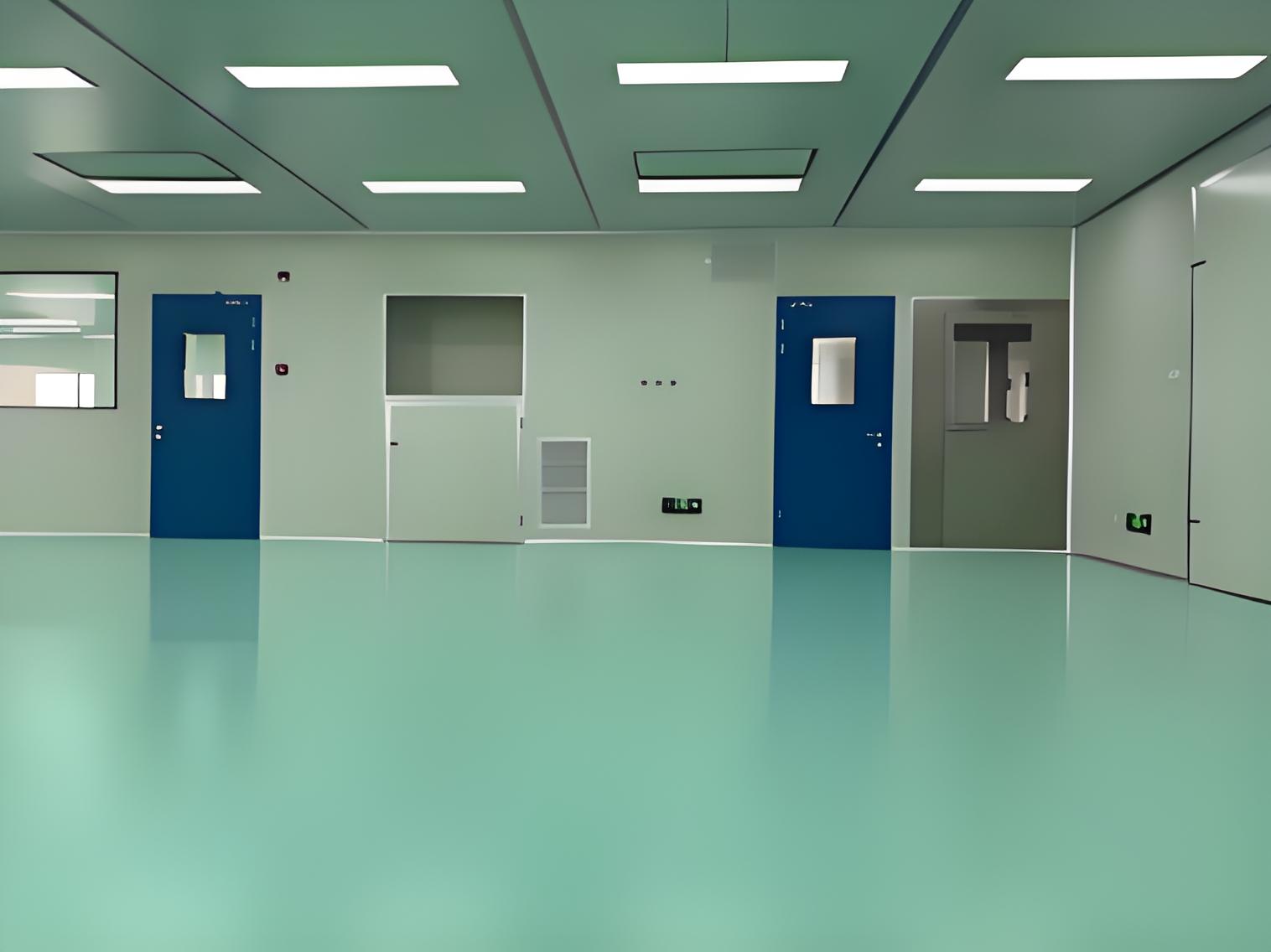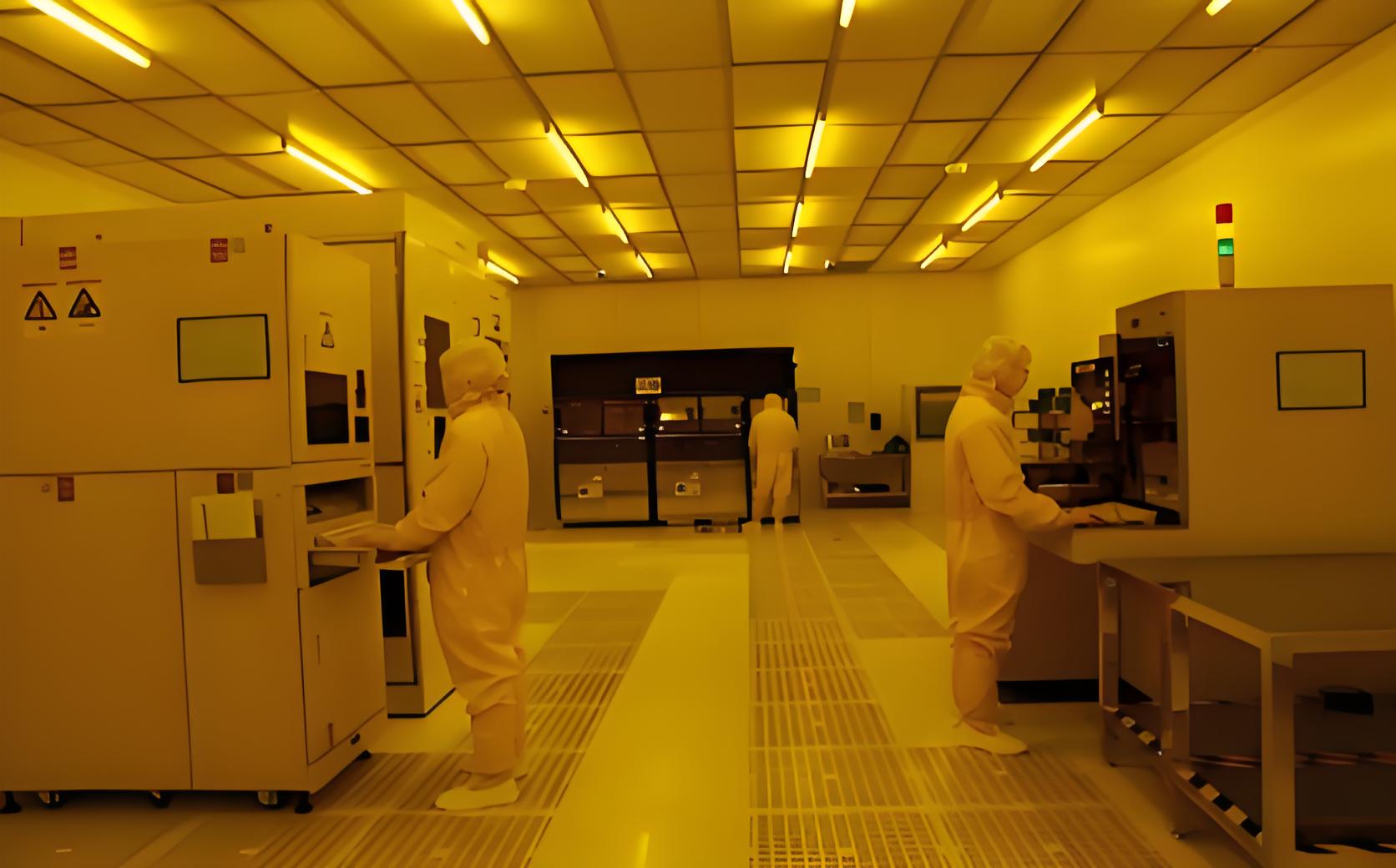

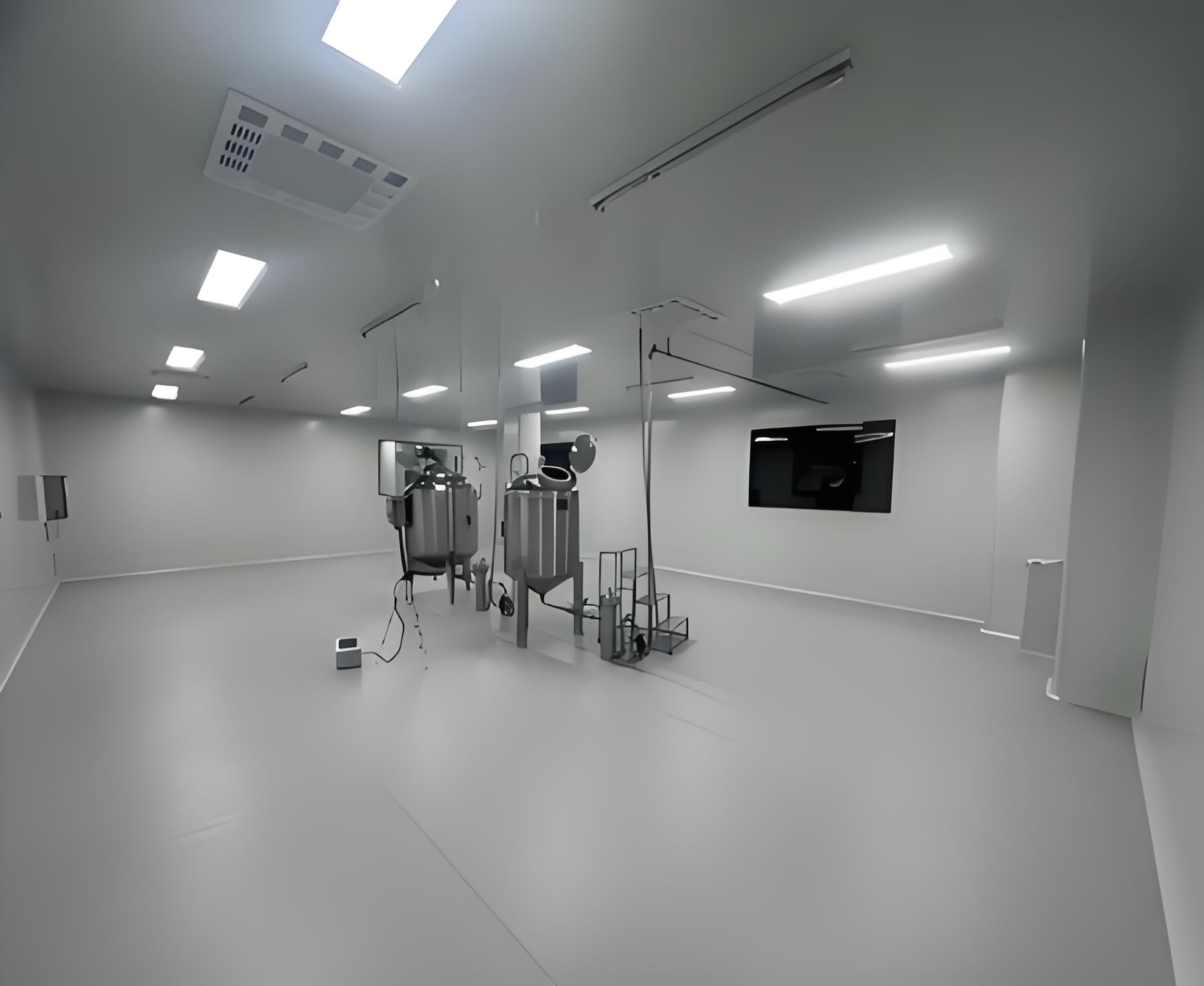
Contaminant control in food production environments has moved beyond regulatory obligation into a core competitive differentiator. A properly structured Food purification project directly influences product safety, shelf life, and brand integrity. This article examines the technical architecture, implementation phases, and validation protocols that define a robust purification strategy for food manufacturing facilities.
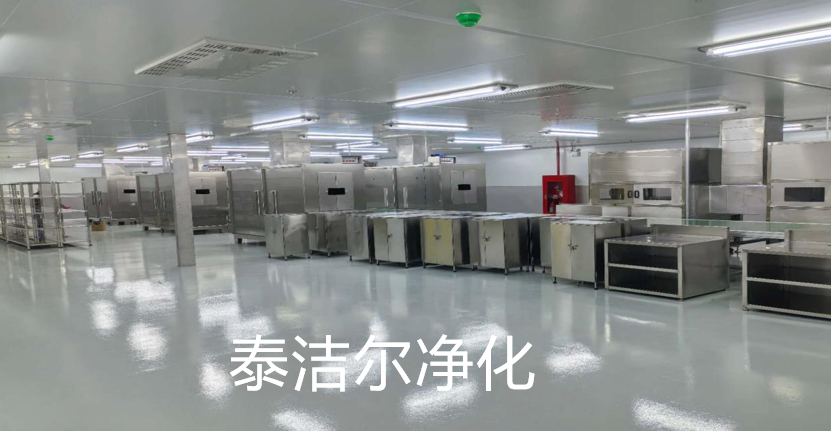
Food production lines face contamination risks from airborne particulates, microbial pathogens, surface residues, and process water. These hazards are not merely quality issues—they carry regulatory, financial, and reputational consequences. Export-oriented producers, in particular, must meet the hygiene standards of multiple jurisdictions, each with its own testing and documentation requirements. A Food purification project addresses these pressures through a systematic, layered approach to environmental control.
Modern purification frameworks operate on the principle of hazard prevention rather than reactive correction. This shift demands engineering solutions that integrate air handling, surface sanitation, and water treatment into a unified operational protocol. The following sections break down the core subsystems that constitute a comprehensive purification strategy.
An effective purification architecture rests on three interdependent pillars. Each subsystem must be designed not in isolation but as part of a holistic contamination control strategy.
Airborne particles and microorganisms represent one of the most pervasive contamination vectors in food processing. A well-engineered air purification system employs multi-stage filtration, often beginning with pre-filters that capture larger particulates, followed by high-efficiency particulate air (HEPA) or ultra-low penetration air (ULPA) filters for sub-micron particles. Pressure differentials between clean and service zones prevent cross-contamination, while airflow patterns are modelled to minimise stagnant zones where contaminants could accumulate.
These air management measures are not standalone; they interact closely with surface and water purification protocols. For instance, the choice of chemical sanitisers in surface cleaning must account for their volatility and potential impact on air quality sensors.
Contact surfaces—conveyor belts, filling nozzles, storage tanks, and packaging equipment—require scheduled sanitation with validated agents. The selection of sanitisers depends on the residue profile of the food product, the material compatibility of equipment, and the required dwell time for microbial kill. Many facilities now adopt automated clean-in-place (CIP) systems that standardise the cleaning cycle, reducing human error and documentation gaps.
Surface purification directly affects the microbiological load that can transfer to the final product. This is particularly critical in ready-to-eat and dairy processing, where post-pasteurisation contamination is a known hazard.
Water used as an ingredient, for rinsing, or in steam generation must meet potable or higher standards depending on the application. A Food purification project typically includes reverse osmosis (RO) with pre-treatment, ultraviolet (UV) disinfection, and final microfiltration. For ultra-pure requirements, electrodeionisation (EDI) or distillation may be added. The entire water loop—storage, distribution, and point-of-use—must be designed to prevent biofilm formation.
Water purification is often the most capital-intensive component of the overall project, yet it delivers the most direct impact on product consistency and safety.
Different food categories impose distinct purification demands. A meat processing facility requires intense surface and air sanitation to control psychrophilic bacteria, while a powdered infant formula plant demands exceptional dryness and particle control to prevent nutrient oxidation and microbial growth. Bakery operations face unique challenges with flour dust, which can be both an allergen and a fuel for dust explosions, necessitating specialised dust collection and spark detection.
Each application drives specific design choices within the Food purification project. For wet processing environments, the emphasis shifts to drainage design and humidity control to discourage mould. For dry processing, air filtration efficiency and low-humidity maintenance become priorities. This application-driven approach ensures that purification investments directly address the dominant hazard profile of each production line.
Executing a purification project requires a structured, phased methodology that balances engineering rigour with operational continuity. The following stages represent industry-standard practice for projects of this scale.
Before any equipment is specified, the project team conducts a comprehensive contamination survey. This includes air sampling at multiple points, surface swabbing, and water testing over a production cycle. The baseline data defines the required performance envelope for the purification systems. This phase also maps production flow to identify cross-contamination risks, such as proximity of raw material receiving to finished product packing.
Engineering calculations determine air change rates, filter loadings, water flow capacities, and chemical dosing regimes. Equipment vendors are evaluated not only on product specifications but also on after-sales support and spare parts availability. This phase often involves computational fluid dynamics (CFD) modelling for air distribution and hydraulic simulation for water networks. The design deliverables include a validated user requirement specification (URS) that becomes the benchmark for acceptance testing.
At this stage, TAI JIE ER offers engineering consultation to align system capacities with production throughput and regulatory targets, ensuring that the chosen configuration does not overshoot or undershoot actual needs.
Physical installation proceeds with strict adherence to good engineering practices (GEP). Pipework is passivated, filters are integrity-tested, and sensors are calibrated against traceable standards. Commissioning runs each subsystem independently, then progressively integrates them. Performance qualification (PQ) is conducted under simulated production conditions, with samples analysed in accredited laboratories to verify that purification targets are met consistently.
Operational excellence depends on well-documented procedures and skilled personnel. Standard operating procedures (SOPs) are drafted for routine operation, changeover, and emergency response. Training programmes cover not only equipment handling but also interpretation of monitoring data and corrective actions. This human factor is often underestimated, yet it determines whether the engineered system delivers its intended performance over the equipment lifecycle.
Post-handover, the purification system enters a phase of continuous monitoring. Trends in particle counts, microbiological data, and water quality are reviewed at defined intervals. Any drift from baseline triggers investigation and remedial action. This feedback loop ensures that the Food purification project remains effective as production conditions evolve, such as new product lines or changes in raw material sources.
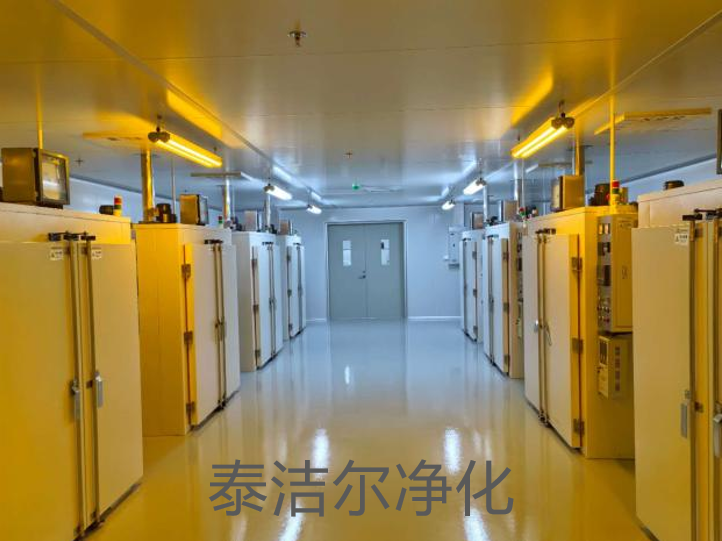
Regulatory bodies including the FDA, EFSA, and various national food safety authorities require documented evidence that purification systems perform as specified. Validation is not a one-time event but a documented lifecycle process encompassing design qualification (DQ), installation qualification (IQ), operational qualification (OQ), and performance qualification (PQ). The validation package must demonstrate statistical confidence that the system consistently produces an environment meeting predetermined acceptance criteria.
Common reference standards include ISO 14644 for cleanrooms, ISO 8573 for compressed air quality, and USP <1231> for water systems. Many food manufacturers also adopt hazard analysis and critical control points (HACCP) principles, integrating purification system parameters as critical control points (CCPs) with defined monitoring frequencies and corrective actions. Documentation from the validation process serves as evidence during regulatory audits and buyer inspections, directly influencing market access.
For exporters, alignment with Codex Alimentarius guidelines and country-specific import requirements is non-negotiable. A purification project that is validated to international benchmarks provides a competitive advantage, reducing the need for product testing at destination ports and expediting customs clearance. TAI JIE ER has supported multiple facilities in achieving these validation milestones through targeted engineering support and documentation review.
Q1: What is the typical timeline for completing a Food purification project in an existing production facility?
A1: The timeline varies with facility size, production complexity, and the scope of modifications. For a medium-sized plant with moderate retrofit requirements, the entire cycle from hazard assessment to operational handover generally spans 8 to 14 months. This includes design, procurement, installation, validation, and staff training. Projects involving new builds or extensive structural changes may extend to 18–24 months.
Q2: How does a Food purification project address allergen cross-contamination?
A2: Allergen control requires a combination of physical segregation, airflow management, and rigorous cleaning validation. The purification project designs separate air handling zones for allergen-containing and allergen-free production areas, often with independent filtration and pressure cascades. Surface cleaning protocols are validated for allergen removal using ELISA testing, and shared equipment undergoes dedicated cleaning campaigns with extended dwell times.
Q3: What are the most common validation failures in food purification systems, and how can they be prevented?
A3: Common failures include inadequate air change rates under peak production loads, filter bypass due to improper installation, and microbial regrowth in water distribution loops. Prevention starts with realistic design margins, rigorous installation verification, and a robust water sanitisation schedule that includes periodic shock treatments. Regular requalification exercises, rather than relying solely on initial validation, also help detect performance degradation early.
Q4: Can a Food purification project be phased to align with budget cycles without compromising product safety?
A4: Phased implementation is feasible when prioritised by risk. The highest-risk areas—such as post-lethality handling zones and ingredient water systems—are addressed first. Lower-risk zones like raw material storage can be scheduled for later phases. However, any phasing plan must include interim monitoring and enhanced testing to ensure safety is not compromised during the transition period.
Q5: How do purification requirements differ between wet and dry food processing environments?
A5: Wet environments (e.g., sauces, dairy, beverages) focus on humidity control, drainage design, and water purification to prevent microbial proliferation. Dry environments (e.g., flour milling, spices, powdered products) prioritise low humidity to prevent caking and microbial growth, along with explosion-proof dust collection systems. The purification project must adapt its filtration, sanitation, and monitoring strategies to the specific physical properties of the processed materials.
Q6: What documentation is required to demonstrate the effectiveness of a Food purification project to regulatory auditors?
A6: Auditors typically request the validation master plan, individual IQ/OQ/PQ reports, ongoing monitoring logs (particle counts, microbiological data, water quality), calibration certificates for instruments, training records for operators, and change control documentation for any modifications made after the initial validation. This documentation should be organised in a traceable manner, with clear references to the acceptance criteria and any deviations or corrective actions taken.
For further information on engineering support for your purification project, including system design, validation protocols, and compliance documentation, please contact our project team through the TAI JIE ER inquiry portal. Our engineers provide application-specific guidance to align purification infrastructure with your production goals and regulatory targets.