
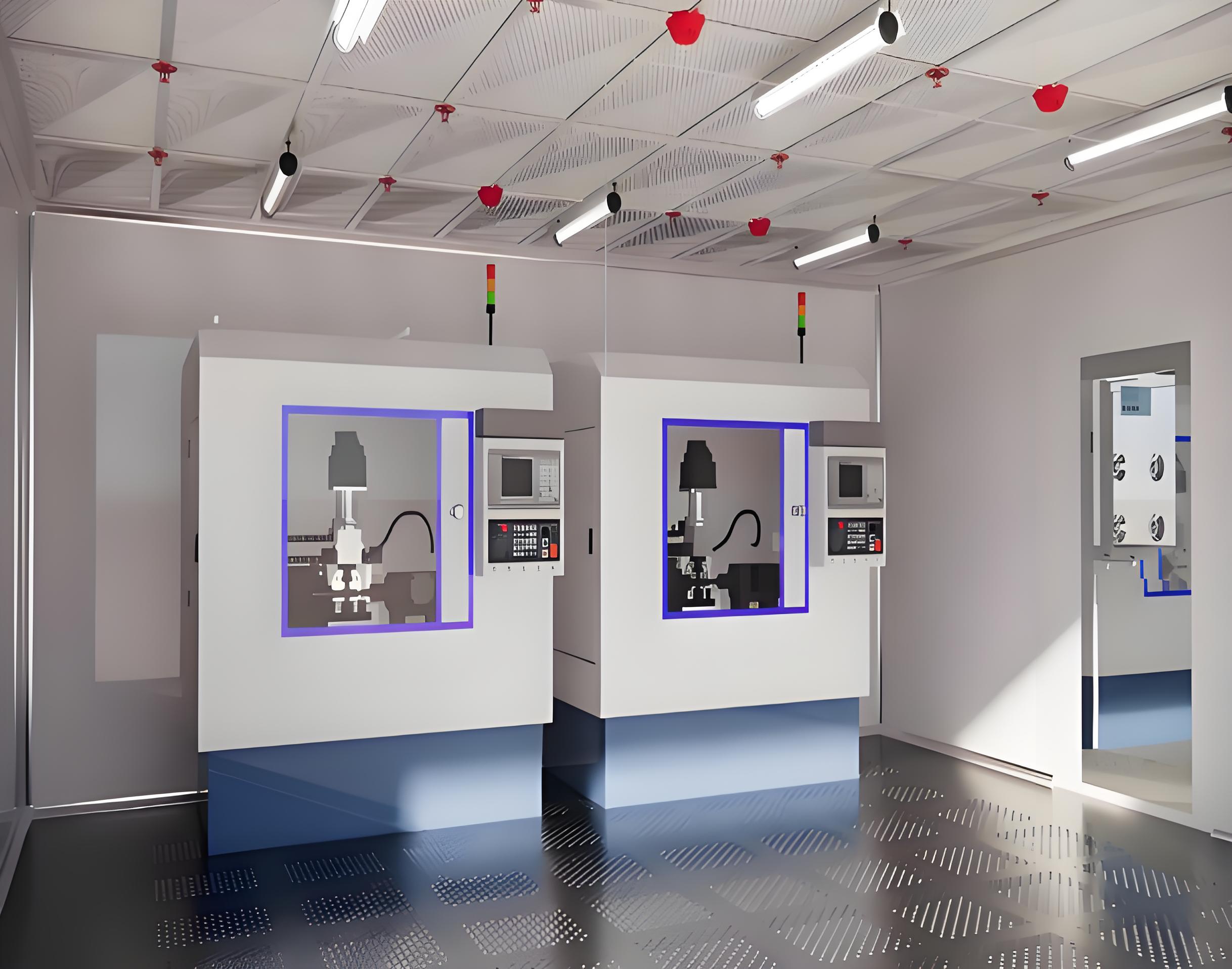
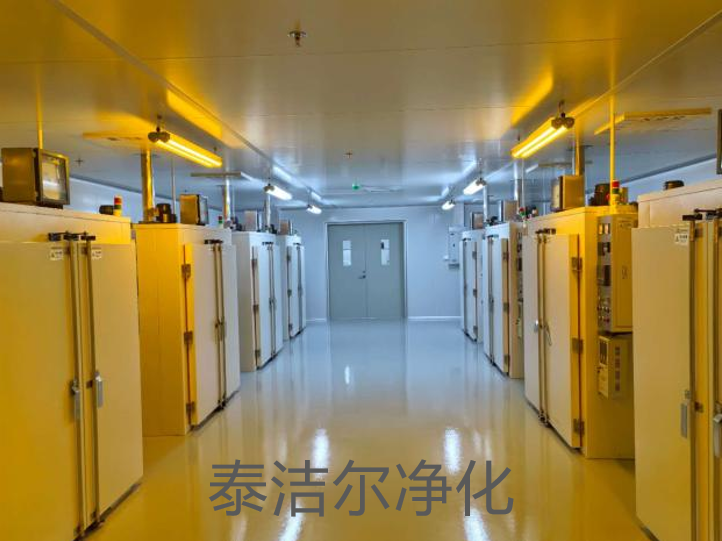
The physical environment of a research facility directly influences experimental outcomes, operational efficiency, and personnel safety. A well-conceived laboratory design transcends mere spatial arrangement; it embeds functional intelligence into walls, ventilation systems, and work surfaces. For over a decade, TAI JIE ER has provided engineering solutions that align with this philosophy, delivering environments where scientific rigor meets architectural precision. This article examines the technical pillars that define robust laboratory design, from airflow dynamics to material resilience, offering a framework for facility planners, project managers, and compliance officers.
At its foundation, effective laboratory design begins with a clear understanding of work processes. Each laboratory type—whether analytical chemistry, molecular biology, or materials testing—imposes distinct spatial and operational demands. The functional core encompasses three interrelated layers:
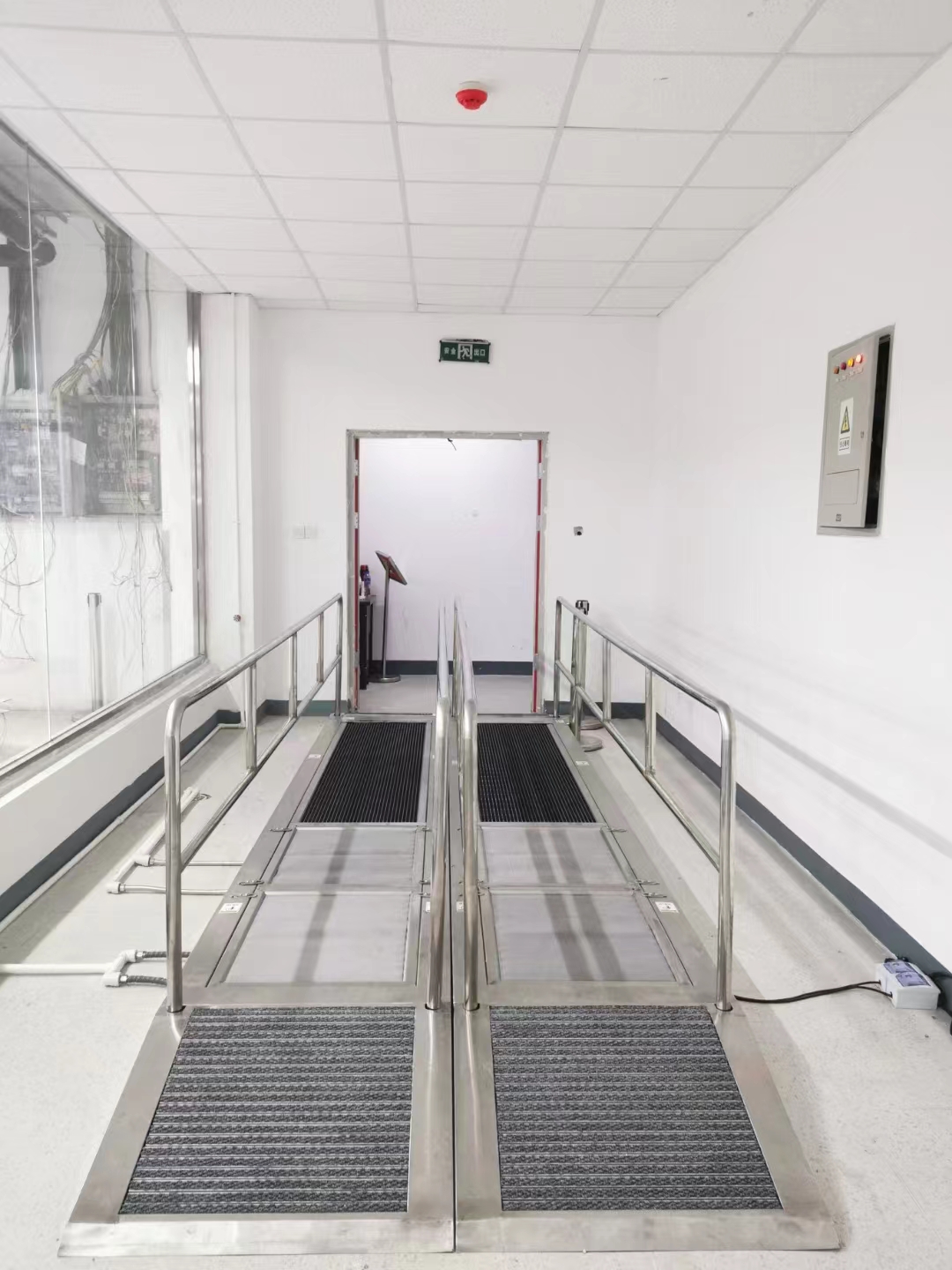
Zoning and adjacency: Separation of wet (liquid-handling) and dry (instrumentation) zones prevents cross-contamination and protects sensitive equipment. Buffer zones between high-traffic corridors and critical work areas reduce particulate ingress.
Workflow optimization: Sample receiving, preparation, analysis, and storage should follow a unidirectional path that minimizes redundant movement and reduces the risk of mix-ups.
Ergonomic integration: Bench heights, under-counter storage, and service drops (gas, vacuum, data) must accommodate both seated and standing procedures, reducing physical strain over long shifts.
These elements are not independent. A change in zoning directly affects service routing and ventilation requirements, which in turn influences structural load and ceiling plenum depth. This interdependence demands a systems-level approach from the earliest planning stages.
Among all engineering subsystems, ventilation exerts the greatest impact on laboratory safety and data integrity. Airflow management in a laboratory design must achieve three simultaneous objectives: containment of hazardous fumes, thermal stability for sensitive instruments, and energy efficiency. The following parameters define a high-performance ventilation strategy:
Pressure differentials: Cleanrooms and biosafety labs require cascading pressure gradients (positive for sterile areas, negative for containment zones). A minimum differential of 5–10 Pa between adjacent spaces is typical, with alarms triggered at 80% of setpoint.
Air change rates (ACH): ACH values range from 6–12 for general chemistry labs to over 20 for animal housing or BSL-3 facilities. These rates must be validated through tracer-gas decay tests during commissioning.
Filtration efficiency: HEPA filters with ≥99.97% efficiency at 0.3 µm are standard for ISO 5–8 cleanrooms. For applications involving volatile organic compounds (VOCs), activated carbon scrubbers are integrated into the exhaust stream.
Variable air volume (VAV) vs. constant air volume (CAV): VAV systems with occupancy-based setpoint modulation reduce energy consumption by 30–50% compared to CAV, while maintaining required minimum ACH during unoccupied periods.
The interaction between fume hoods and room-level ventilation deserves particular attention. High-performance laboratory design incorporates hood sash position sensors that modulate exhaust volume, balancing containment with energy conservation. This integration requires close coordination between mechanical engineers and control system programmers during the design phase.
Surface materials in a laboratory endure continuous exposure to chemical reagents, mechanical abrasion, and thermal cycling. Material choices directly affect contamination control, maintenance frequency, and long-term operational cost. A durable laboratory design evaluates each surface type based on its specific exposure profile:
Bench tops: Epoxy-resin and solid phenolic materials offer broad chemical resistance and can be repaired in situ. Stainless steel (type 316L) is preferred for high-temperature or corrosive environments, though it requires passivation to prevent chloride stress-corrosion cracking.
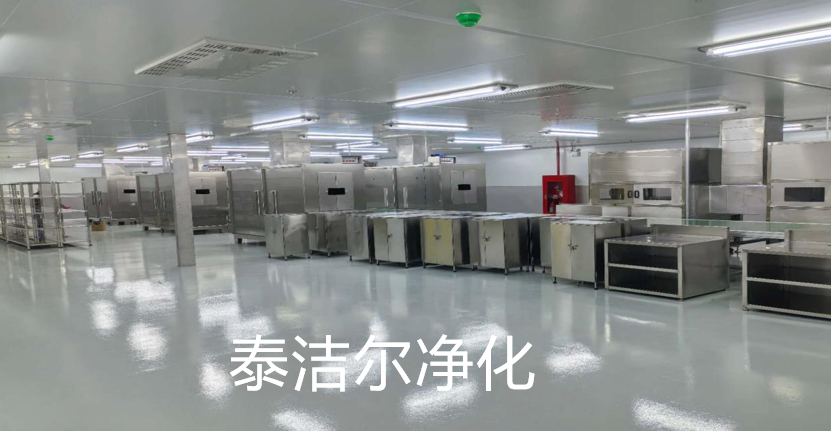
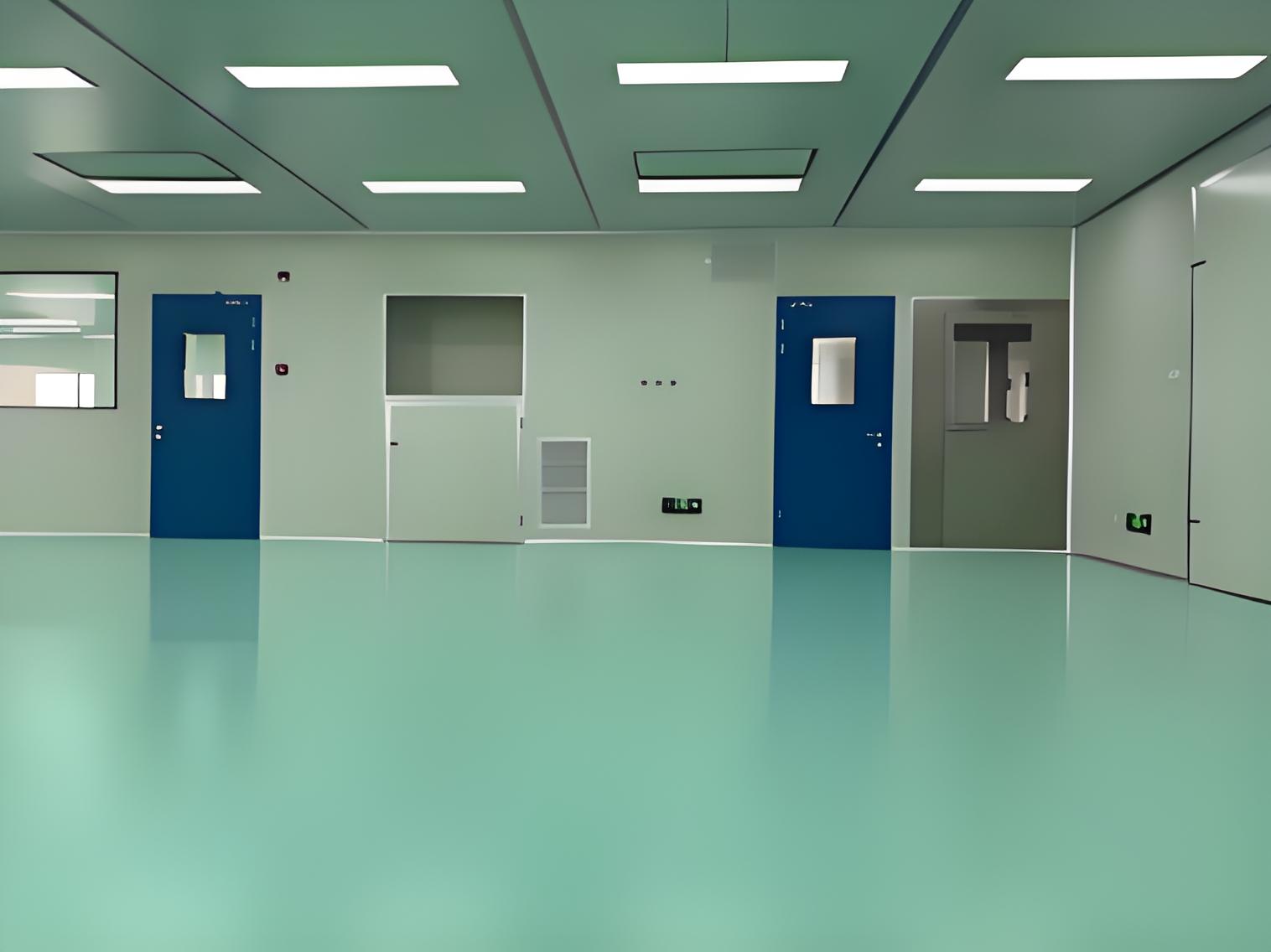
Flooring: Seamless epoxy terrazzo or polyurethane-based systems provide monolithic surfaces that eliminate grout lines—a common source of microbial harborage. Electrostatic dissipative (ESD) flooring is specified where sensitive electronics are handled, with resistance values between 10⁶ and 10⁹ ohms.
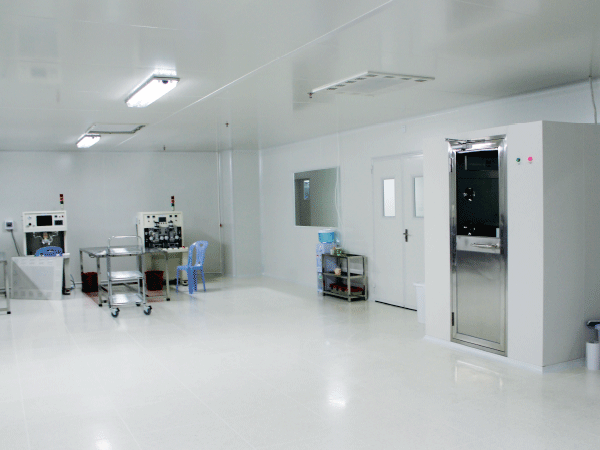
Walls and ceilings: Prefabricated metal panels with baked-on powder coatings offer a cleanable, impact-resistant surface. For cleanroom applications, flush-mounted light fixtures and smooth transitions between panels prevent dust accumulation.
Casework and storage: Polypropylene or PVC cabinetry resists corrosion from acid storage, while epoxy-coated steel provides strength for heavy equipment loads. Under-bench waste piping should be PVC or polypropylene, with accessible cleanouts for maintenance.
These material decisions must be documented in a comprehensive finishes schedule that specifies manufacturer, installation method, and quality acceptance criteria. TAI JIE ER emphasizes this documentation as a prerequisite for successful project execution, ensuring that each surface performs as specified over its intended service life.
A laboratory design that meets or exceeds regulatory requirements is not optional—it is a fundamental condition for licensing, accreditation, and operational continuity. The applicable framework varies by jurisdiction and application, but several standards are universally recognized:
ISO 14644: Cleanroom classification based on airborne particulate concentration (Classes 1 through 9). For pharmaceutical QC labs, ISO 7 (Class 10,000) is commonly specified, with ISO 5 (Class 100) zones for aseptic processing.
ANSI/ASHRAE 110: Performance testing of fume hoods, including face velocity (0.4–0.6 m/s) and containment efficiency (tracer gas < 0.05 ppm).
GMP (Good Manufacturing Practice) Annex 1: For sterile products, this mandates environmental monitoring, airflow visualization studies, and clear zoning between clean and dirty operations.
NFPA 45: Fire protection standard for laboratories, specifying maximum allowable quantities of flammable liquids, storage cabinet requirements, and fire-rated separations.
Local building codes: Seismic bracing, egress pathways, and accessibility provisions must be incorporated, often exceeding the minimum requirements of national standards.
Compliance should be treated as a design driver, not an afterthought. Engaging regulatory consultants during the schematic design phase prevents costly retrofits and accelerates the commissioning process. A robust laboratory design includes a compliance matrix that maps each standard to a specific design feature, verification method, and responsible party.
Scientific research evolves rapidly—new analytical techniques, automation platforms, and safety protocols emerge within the lifespan of a typical facility. A rigid laboratory design becomes an obstacle to progress, while a modular approach accommodates change without major disruption. Key principles of modular design include:
Grid-based service distribution: Ceiling-mounted service carriers (for gas, electricity, data, and vacuum) with standardized access points allow reconfiguration of bench layouts without core drilling or trenching.
Demountable partition systems: Wall panels that can be relocated within a grid framework enable room resizing in response to changing equipment footprints or team sizes.
Prefabricated utility skids: For HVAC and process systems, skid-mounted assemblies shorten installation lead times and allow off-site testing, reducing on-site commissioning complexity.
Flexible casework: Mobile storage carts and adjustable shelving provide immediate adaptability for evolving storage needs, while fixed cabinets remain anchored to service zones.
This modular strategy does not sacrifice structural integrity or safety; it requires careful detailing of seismic bracing for relocatable components and certification of modular panels for fire resistance. TAI JIE ER has developed standardized modular solutions that maintain compliance across multiple reconfiguration scenarios, reducing the total cost of ownership through extended facility life.
Laboratories are among the most energy-intensive building types, with HVAC systems often accounting for 60–70% of total energy consumption. A sustainable laboratory design reduces this load through a combination of passive strategies and active controls, all while maintaining the strict environmental conditions required for research integrity.
Heat recovery systems: Exhaust air energy recovery (enthalpy wheels or run-around loops) captures 60–80% of sensible and latent heat, pre-conditioning incoming fresh air and reducing chiller and boiler loads.
Demand-controlled ventilation: CO₂ sensors and occupancy detectors modulate outdoor air delivery based on actual occupancy, reducing unnecessary heating and cooling during low-activity periods.
Natural ventilation strategies: In climate zones where outdoor air quality permits, operable windows in low-hazard areas can supplement mechanical ventilation, though this requires careful integration with pressure control systems.
High-performance glazing: Double- or triple-pane low-e glass with external shading reduces solar heat gain, lowering cooling loads without compromising daylighting for occupant well-being.
Energy modeling during the design phase validates these strategies, comparing projected performance against baseline ASHRAE 90.1 requirements. This analytical approach ensures that efficiency measures are cost-effective and do not introduce unanticipated risks to process stability.
The modern laboratory generates vast amounts of environmental data—temperature, humidity, differential pressure, particle counts, and equipment status. A forward-looking laboratory design integrates building management systems (BMS) with laboratory information management systems (LIMS) to create a unified data ecosystem. This integration delivers:
Real-time anomaly detection: Continuous monitoring of critical parameters with automated alerting to facility operators and safety officers, reducing response time to excursions.
Predictive maintenance: Trend analysis of equipment performance (e.g., fan vibration, filter pressure drop) enables scheduled interventions before failures occur, minimizing downtime.
Audit trail generation: Automated logging of environmental conditions supports regulatory inspections and quality investigations, with data stored in secure, tamper-evident formats.
Occupancy and utilization analytics: Sensor networks track space usage patterns, informing future laboratory design decisions and resource allocation.
Implementing these intelligent systems requires early collaboration between IT infrastructure teams and controls engineers. Network bandwidth, data storage capacity, and cybersecurity protocols must be addressed in the design brief. TAI JIE ER incorporates these digital requirements as a standard layer in its engineering workflow, ensuring that physical and digital infrastructures are developed in parallel.
Q1: What is the most critical factor in laboratory design for chemical research?
A1: Ventilation and fume containment are paramount. Chemical research laboratories require robust fume hood systems with face velocities between 0.4 and 0.6 m/s, coupled with a dedicated exhaust system that maintains negative pressure relative to adjacent spaces. The hood placement must consider cross-draft from doors, windows, and HVAC diffusers to maintain containment integrity.
Q2: How does laboratory design differ for pharmaceutical quality control labs versus academic research labs?
A2: Pharmaceutical QC labs operate under GMP regulations, requiring stricter environmental monitoring, documented cleaning protocols, and segregated areas for sample receipt, preparation, and analysis. Academic research labs typically have more flexible layouts and variable occupancy patterns, but must still meet basic safety standards (NFPA 45, local building codes). The core laboratory design principles—zoning, ventilation, and material selection—apply to both, but the performance criteria and validation rigor are significantly higher in QC environments.
Q3: What are the common mistakes in laboratory design that affect long-term operations?
A3: Three frequent oversights are: (1) underestimating utility demands (power, water, and gas) for future instrumentation, leading to capacity constraints; (2) inadequate coordination between architectural finishes and MEP systems, causing conflicts in ceiling plenums and wall penetrations; and (3) neglecting operator workflow, resulting in excessive walking distances and cross-contamination risks. These issues can be avoided through rigorous programming and 3D coordination during design development.
Q4: How does modular laboratory design impact commissioning and validation timelines?
A4: Modular systems can shorten commissioning timelines because prefabricated components undergo factory acceptance testing (FAT) before delivery. On-site validation focuses on interconnection points and system integration, rather than individual component performance. However, modular designs require detailed interface specifications to ensure that modular and site-built elements integrate seamlessly—particularly for fire-rated penetrations and seismic bracing.
Q5: What standards should be referenced for cleanroom laboratory design?
A5: ISO 14644-1 for cleanroom classification, ISO 14644-3 for test methods, and ISO 14644-4 for design and construction are the primary references. For pharmaceutical applications, EU GMP Annex 1 provides specific guidance on grade classification (A, B, C, D) and environmental monitoring. Additional references include IEST-RP-CC012 (cleanroom glazing) and IEST-RP-CC018 (cleanroom housekeeping). These standards should be integrated into the design criteria from the outset.
Q6: Can sustainable design strategies be applied to high-hazard laboratories?
A6: Yes, but with careful risk assessment. Heat recovery is permissible on exhaust streams that are non-flammable and non-reactive, provided that cross-contamination between exhaust and supply air is eliminated through physical separation and pressure balancing. Demand-controlled ventilation is effective in low-hazard zones, while high-hazard areas (e.g., solvent storage, toxic gas handling) maintain constant ventilation rates. Fire dampers and emergency shutdown protocols must override any energy-saving measures in alarm conditions.
Q7: How should laboratory design address noise and vibration from equipment?
A7: Sensitive instruments (e.g., electron microscopes, mass spectrometers) require vibration-damping platforms and isolated foundations. Noise from pumps and compressors is managed through acoustic enclosures and silencers on intake and exhaust ducts. A comprehensive laboratory design includes a vibration and acoustic assessment during the site selection and layout phases, with mitigation measures integrated into the structural design.
Inquiry
For detailed engineering specifications, modular system configurations, or compliance mapping for your next project, contact our technical team directly. TAI JIE ER provides end-to-end support from concept design through to commissioning and validation. Submit your project requirements via the inquiry form on our website to receive a tailored proposal within 48 hours.