
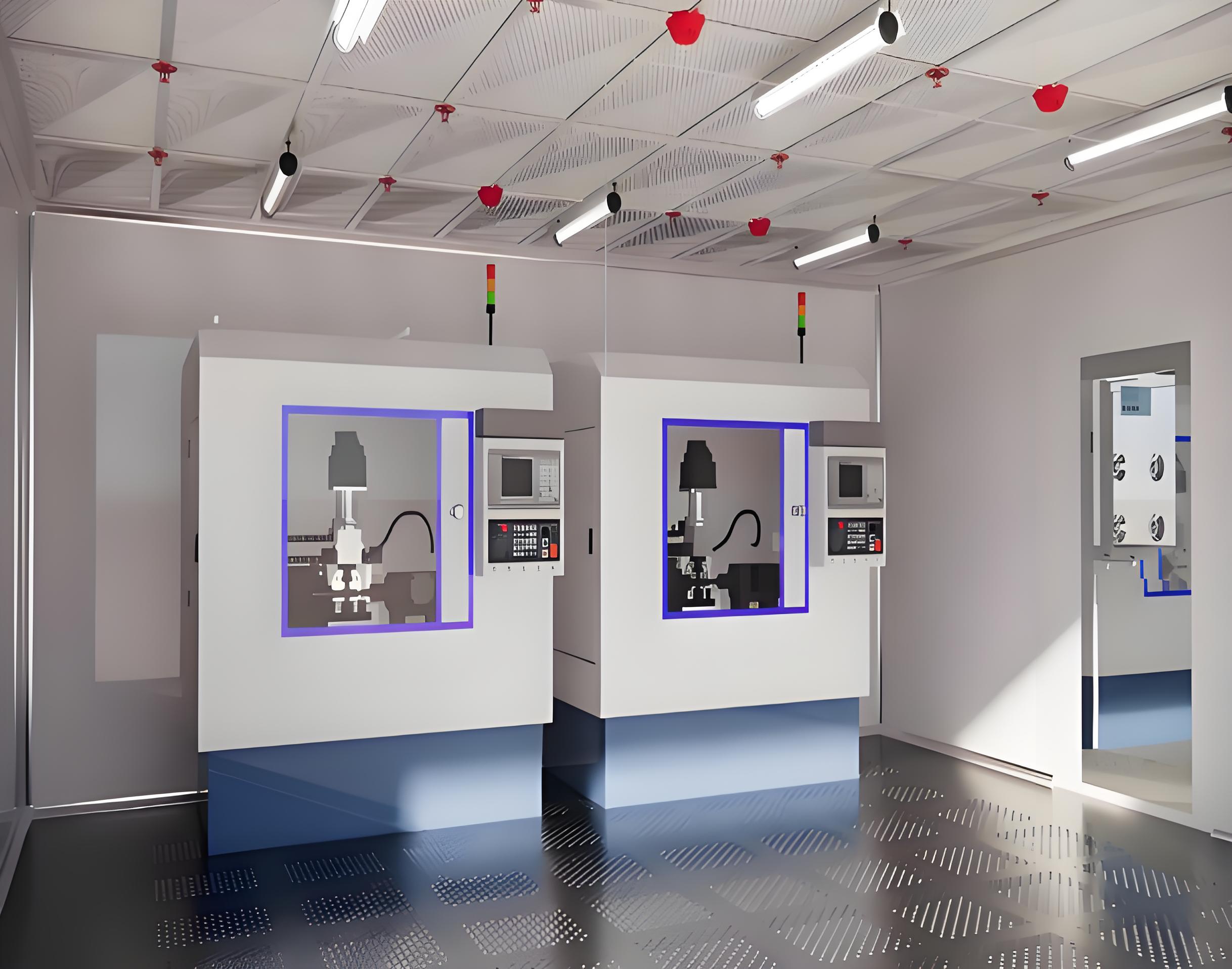
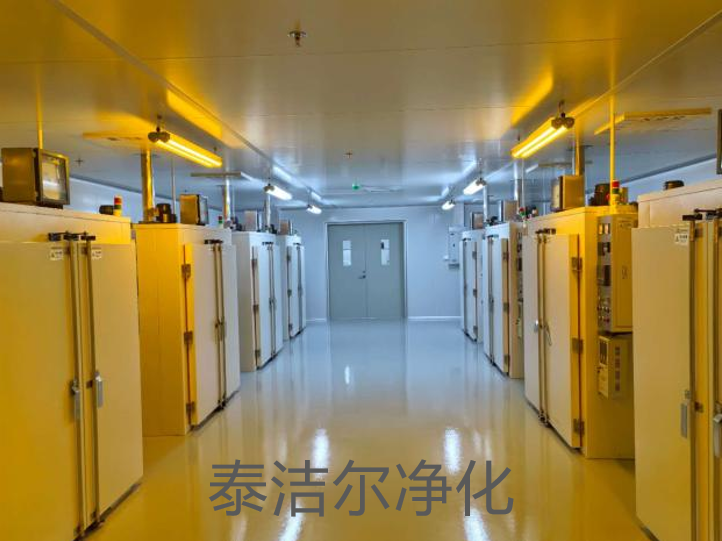
In the pharmaceutical, biotechnology, and academic research sectors, the built environment is not merely a passive container for scientific activity. It is an active, dynamic system that directly influences experimental validity, staff safety, and operational continuity. The discipline of Laboratory Engineering encompasses the planning, design, construction, and ongoing optimization of these specialized facilities. It bridges architectural fundamentals with stringent process requirements, ensuring that every square meter supports reproducible science and regulatory defensibility.
This article examines the technical pillars of contemporary Laboratory Engineering, addressing contamination control, HVAC performance, compliance frameworks, and the growing influence of digital tools. For engineering managers, facility directors, and EHS officers, understanding these interconnected systems is foundational to mitigating operational risk and extending the useful lifespan of critical assets.
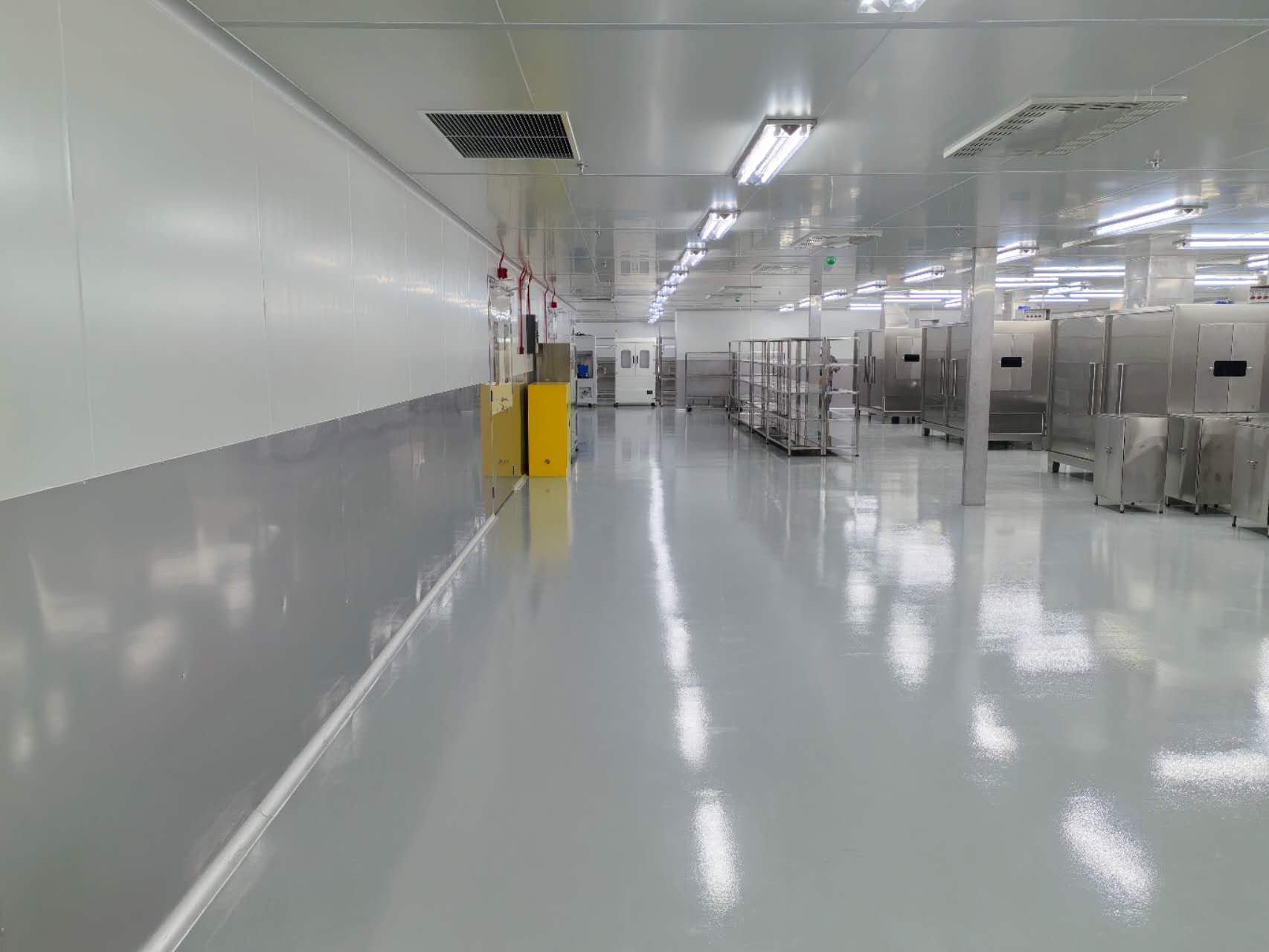
Laboratory Engineering cannot be reduced to a single specialty. It is an interdisciplinary field that synthesizes civil engineering, mechanical design, electrical distribution, and process chemistry. A well-engineered laboratory must accommodate diverse workflows — from organic synthesis and cell culture to analytical chromatography and electron microscopy — each with distinct environmental tolerances.
Laboratory buildings impose unique structural demands. Vibration-sensitive instruments such as scanning electron microscopes and atomic force microscopes require isolated foundations and slab-on-grade designs that dampen ambient oscillations from nearby roads or mechanical equipment. Floor loading capacities must account for dense equipment like autoclaves, bulk storage freezers, and distillation columns. Ceiling heights need to accommodate overhead utility distribution—exhaust ducts, chilled water pipes, and electrical busways—while maintaining adequate clearance for fume hoods and biosafety cabinets.
Modular construction approaches are gaining traction because they allow phased commissioning and future reconfiguration. Demountable wall systems, raised access floors, and pre-terminated utility connections reduce downtime during renovation cycles. However, modularity must be balanced against the stringent air-tightness requirements of containment zones, where even minor leakage can compromise pressure cascades and operator protection.
The mechanical core of any research facility is its HVAC system, which accounts for roughly 40–60% of total energy consumption. Unlike commercial office buildings, laboratories require 100% outdoor air supply in most wet-lab spaces, with dedicated exhaust paths to prevent cross-contamination. This once-through design eliminates recirculation but imposes substantial thermal loads that must be managed through heat-recovery wheels, run-around coils, or enthalpy exchangers.
Electrical distribution must support both steady-state base loads and intermittent peak demands from equipment like X-ray generators, laser systems, and mass spectrometers. Uninterruptible power supplies (UPS) and emergency generators are standard for critical areas, with automatic transfer switches ensuring seamless transition during grid disturbances. Grounding and bonding protocols are particularly rigorous in laboratories handling flammable solvents or static-sensitive electronic components.
The following technical domains represent the non-negotiable building blocks of effective Laboratory Engineering. Each pillar interacts with the others, requiring an integrated design approach rather than isolated component selection.
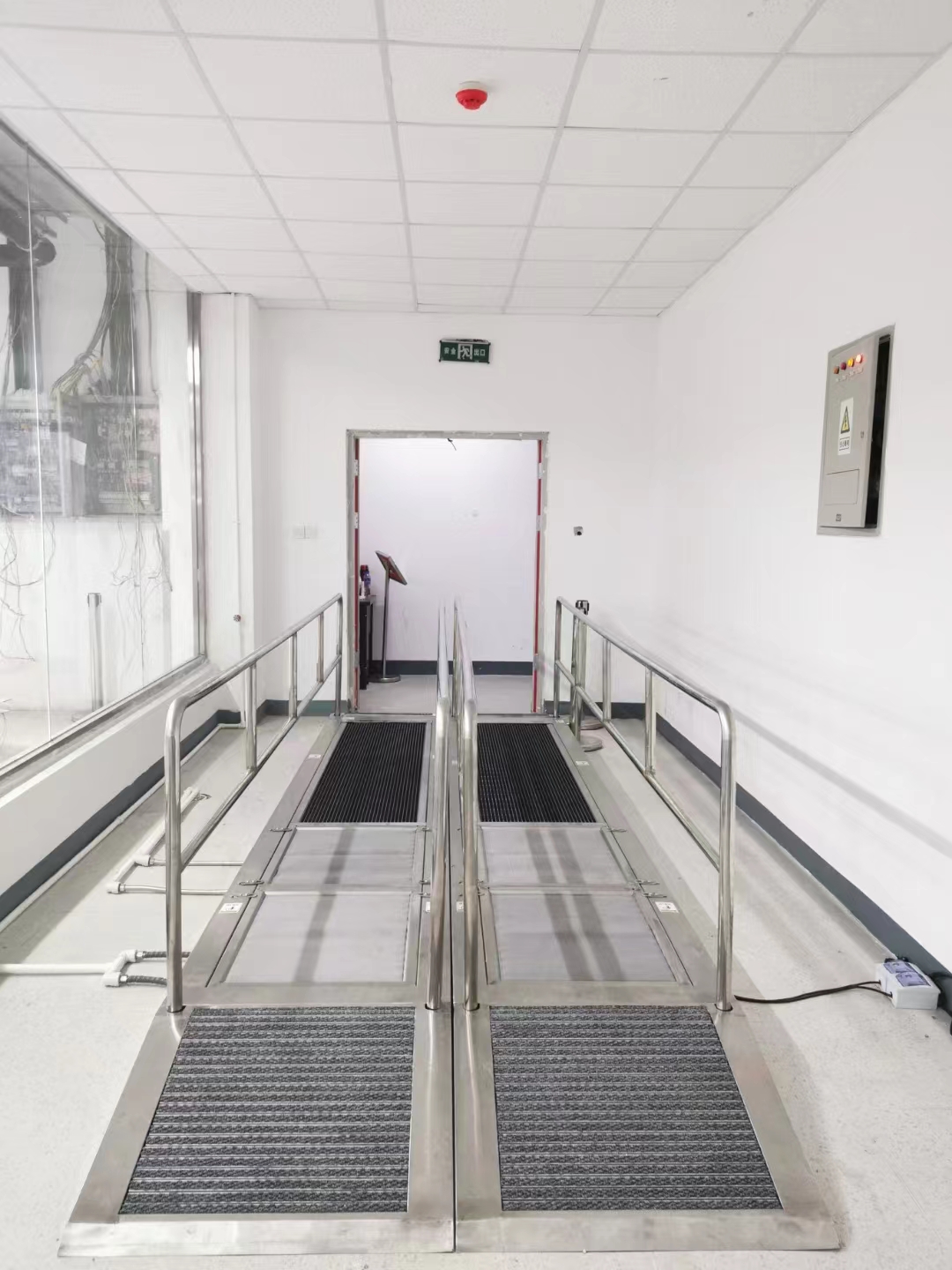
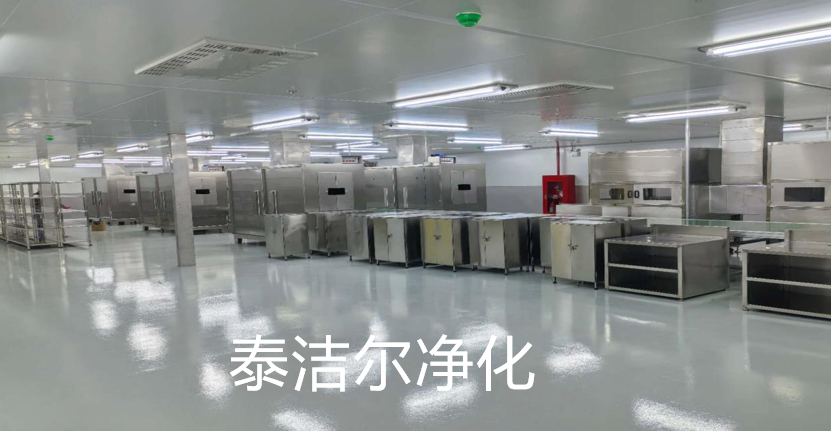
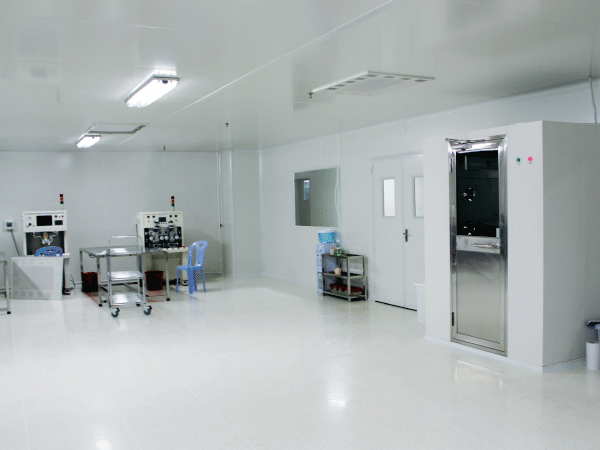
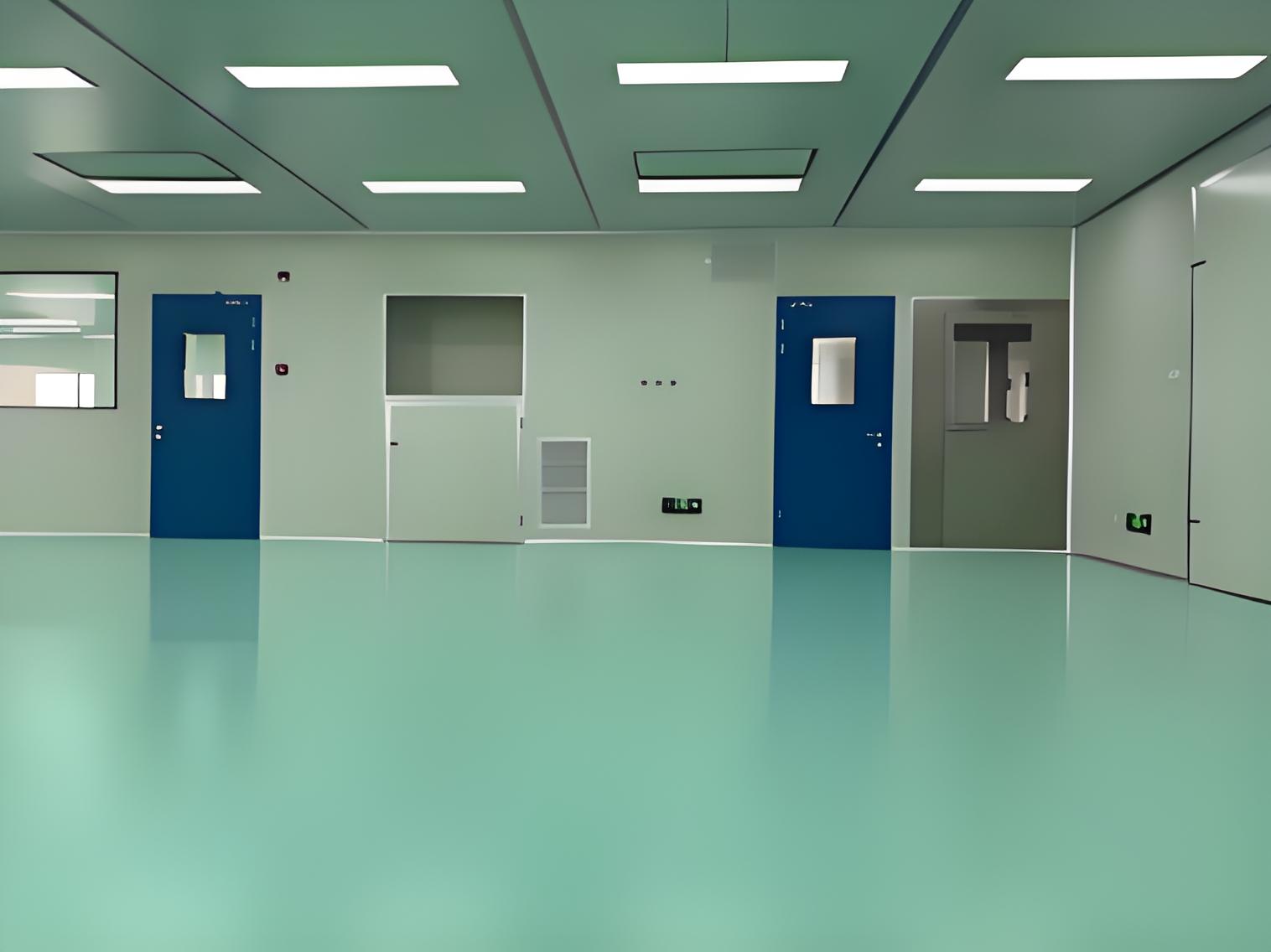
For GMP-compliant production and sterile compounding, particulate and microbial contamination must be rigorously controlled. Cleanroom classification follows ISO 14644 standards, with designated zones ranging from ISO 8 (background) to ISO 5 (critical processing areas). Achieving these classifications requires careful selection of air-handling units with HEPA or ULPA filtration, appropriate air-change rates (typically 20–60 ACH for ISO 7–8 spaces), and positive pressure differentials between adjacent zones.
Pressure cascades are engineered to flow from cleanest to dirtiest areas, preventing inward leakage of unfiltered air. This is accomplished through supply/exhaust air balancing, with pressure sensors providing real-time feedback to variable-air-volume (VAV) controllers. Personnel and material transfer protocols are equally critical; airlocks, pass-through chambers, and gowning areas are dimensioned to minimize turbulent disruption during entry and exit.
Surface materials also play a pivotal role. Epoxy resin flooring, seamless vinyl wall coverings, and stainless-steel work surfaces resist chemical attack and are easily sanitized. Coving at wall-floor junctions eliminates sharp corners where debris can accumulate, simplifying routine cleaning and periodic decontamination campaigns.
Beyond cleanroom applications, general-purpose laboratories require carefully tailored airflow strategies. Fume hoods are the primary local exhaust devices, and their performance depends on constant face velocity (typically 0.4–0.6 m/s) across the sash opening. Modern high-performance hoods incorporate VAV dampers that adjust exhaust volume based on sash position, reducing energy waste when the sash is lowered. However, VAV systems must be commissioned with stable velocity profiles to avoid turbulence that could draw contaminants toward the operator's breathing zone.
For biological safety cabinets (Class II Type A2 or B2), the engineering focus shifts to recirculated air filtration and exhaust stack dispersion. B2 cabinets exhaust 100% of air to the outside, necessitating careful coordination with the building's exhaust system to maintain balanced static pressure. Stack design must consider prevailing wind patterns and adjacent air intakes to prevent re-entrainment of exhausted fumes.
Dedicated laboratory HVAC systems often employ chilled beams or radiant panels for sensible cooling, decoupled from the ventilation air stream. This approach reduces ductwork size and improves thermal comfort while minimizing the risk of condensation on chilled surfaces—a critical consideration in humid climates.
Perchloric acid digestion, hydrofluoric acid etching, and solvent extraction workflows generate highly corrosive or toxic effluents that demand specialized exhaust treatment. Stainless-steel or polypropylene ductwork is specified based on chemical compatibility, with welded joints and minimal horizontal runs to prevent condensate accumulation. Scrubbers—packed-bed or venturi types—neutralize acid gases before atmospheric release, while carbon adsorbers remove organic vapors.
Exhaust fan selection involves evaluating static pressure requirements, corrosion resistance, and redundancy for critical applications. Redundant fan arrays with automatic fail-over ensure that containment is maintained even during maintenance or equipment failure. Stack height and discharge velocity are calculated using dispersion models to meet local air quality regulations and protect nearby occupants.
Compliance is not an administrative afterthought; it is embedded in every engineering decision. Global regulatory bodies—the FDA, EMA, WHO, and national pharmacopoeias—require documented evidence that facilities operate within validated parameters. This evidence is generated through engineering controls, not simply paperwork.
Several reference documents provide the backbone for laboratory engineering specifications:
ISO 14644 – Cleanroom classification and monitoring.
ISO 15190 – Safety requirements for medical laboratories.
ASHRAE Standard 110 – Method of testing performance of fume hoods.
NFPA 45 – Fire protection for laboratories using chemicals.
EU GMP Annex 1 – Manufacturing of sterile medicinal products (revision).
Each standard imposes specific verification protocols—particle counts, airflow visualization tests, filter integrity scans—that must be executed at defined intervals. The engineering team must incorporate access points, test ports, and viewing windows to facilitate these activities without disrupting ongoing research.
Validation follows a lifecycle approach: design qualification (DQ), installation qualification (IQ), operational qualification (OQ), and performance qualification (PQ). For critical systems like HVAC and purified water, re-validation is triggered by any significant modification or after a defined calendar period. This documentation burden necessitates meticulous record-keeping; many organizations now deploy digital logbooks and automated data-acquisition systems to capture trended parameters continuously.
Alarm management is another compliance touchpoint. Alerts for temperature excursions, pressure deviations, or equipment failures must be triaged and responded to within predefined time windows. The engineering design should include redundant alarming pathways—audible, visual, and remote notification—to ensure no event goes unnoticed during off-hours.
Energy intensity is a defining characteristic of research facilities. However, sustainability is increasingly viewed through the lens of operational resilience rather than merely environmental stewardship. Efficient laboratories consume less utility capacity, generate fewer emissions, and experience lower long-term maintenance costs—direct benefits to the bottom line.
Beyond heat recovery, several strategies reduce energy footprints:
Demand-controlled ventilation: Sensors for occupancy, volatile organic compounds (VOCs), and CO₂ modulate outdoor air intake based on actual usage rather than fixed schedules.
High-efficiency motors and drives: Premium-efficiency fan and pump motors, paired with variable-frequency drives, trim electrical consumption during partial-load conditions.
Daylight harvesting and LED lighting: Properly oriented windows and skylights reduce artificial lighting demand, while LED luminaires with occupancy sensors minimize wasted illumination.
Thermal energy storage: Chilled water storage tanks shift cooling production to off-peak hours, reducing chiller size and peak electrical demand charges.
These measures must be evaluated against initial capital expenditure and payback periods, but the operational savings often justify the investment within 5–7 years.
Laboratory waste streams include chemical, biological, radioactive, and general solid wastes. Engineering solutions for waste reduction include:
Point-of-generation neutralization for acidic or basic waste.
Centralized solvent recovery distillation units.
On-site autoclaving for biohazardous materials before disposal.
Segregated drainage systems separating chemical effluents from sanitary sewage.
Water conservation is another frontier. Reverse osmosis (RO) and deionization (DI) systems produce high-purity water for analytical work, but reject water (from RO) can be reclaimed for cooling towers or irrigation, reducing overall facility water withdrawal.
Smart building technologies are reshaping how laboratories are monitored and managed. Real-time data acquisition, coupled with machine learning analytics, enables predictive maintenance and anomaly detection that surpasses traditional rule-based alarm systems.
Modern BMS platforms integrate HVAC, lighting, access control, and fire alarm subsystems into a unified interface. Custom dashboards display energy consumption, environmental conditions, and equipment runtime, with automated reporting for regulatory submissions. For multi-building campuses, centralized BMS allows facility teams to compare performance metrics and benchmark operational efficiency across sites.
BMS-generated data also supports root-cause analysis. When a fume hood alarm occurs, historians can correlate the event with weather data, utility supply variations, or other equipment start-ups, accelerating diagnosis and repair.
In GLP and GMP settings, data integrity is paramount. Electronic batch records, automated calibration logs, and digital chain-of-custody tracking reduce manual transcription errors and provide audit trails that satisfy 21 CFR Part 11 requirements. Engineering infrastructure must support these digital workflows with adequate network bandwidth, redundant storage, and cybersecurity measures to protect against unauthorized access or data corruption.
Automation extends to environmental monitoring: particle counters, temperature probes, and pressure transmitters feed data directly into the BMS, which can trigger corrective actions—such as adjusting damper positions or activating backup fans—without human intervention. This closed-loop control minimizes response latency and reduces the workload on on-call engineering staff.
For organizations seeking to upgrade or develop new laboratory facilities, partnering with an experienced engineering firm ensures that these digital capabilities are integrated from the conceptual phase rather than retrofitted later. TAI JIE ER provides comprehensive Laboratory Engineering services that encompass mechanical, electrical, and digital infrastructure, delivering facilities that meet both current scientific demands and future adaptability requirements.
Q1: What is the difference between Laboratory Engineering and
laboratory design?
A1: Laboratory design typically refers to the
spatial arrangement and aesthetic planning of workspaces. Laboratory Engineering
is a broader discipline that includes the detailed engineering of mechanical,
electrical, plumbing, and structural systems—HVAC, exhaust, utilities, and
controls—to ensure that the facility performs reliably under both normal and
emergency conditions. Engineering quantifies performance parameters (airflow,
pressure, temperature, humidity) and verifies them through commissioning and
validation.
Q2: How often should laboratory HVAC systems be
re-commissioned?
A2: Re-commissioning frequency depends on the
criticality of the space and the rate of change in occupancy or equipment. For
GMP facilities, re-commissioning is typically performed annually or after any
significant system modification. Non-regulated research labs may follow a 2–3
year cycle, but regular trending of performance data can identify deterioration
earlier, allowing for targeted corrective actions rather than full
re-commissioning.
Q3: What are the most common pitfalls in laboratory engineering
projects?
A3: Common issues include: underestimating heat gains from
equipment, designing insufficient exhaust capacity for future fume hood
additions, neglecting to coordinate structural penetrations with MEP routes, and
inadequate attention to pressure cascade testing during startup. These pitfalls
often stem from a siloed design process where architects, engineers, and
end-users do not align requirements early.
Q4: Can existing office buildings be converted into functional
laboratories?
A4: Conversion is technically possible but often
expensive. Office floor plates typically have lower ceiling heights, less
structural load capacity, and different column spacing than purpose-built labs.
Moreover, utility risers and exhaust stacks must be retrofitted, which can be
disruptive. A feasibility study should assess the existing building's mechanical
capacity, zoning restrictions, and the cost of upgrades before proceeding. In
many cases, a new build or a gut renovation of an existing lab shell is more
cost-effective.
Q5: What is the role of computational fluid dynamics (CFD) in
laboratory engineering?
A5: CFD modeling simulates airflow,
temperature distribution, and contaminant dispersion within a laboratory space.
It is used during the design phase to optimize fume hood placement, supply
diffuser locations, and exhaust stack configurations. CFD can also predict the
effectiveness of emergency purge systems and the impact of open doors on
pressure gradients. While CFD does not replace physical testing, it
significantly reduces the number of design iterations needed to achieve robust
performance.
Q6: How does laboratory engineering address biosafety level (BSL)
requirements?
A6: BSL-3 and BSL-4 facilities require engineering
controls beyond standard labs: double-door entry with interlocked controls,
negative pressure cascades, dedicated supply and exhaust HEPA filtration, and
effluent decontamination systems. The engineering design must also incorporate
sealed penetrations, welded wall panels, and robust building envelope integrity.
Operational protocols for maintenance and waste handling are tightly coupled
with these physical barriers to prevent pathogen release.
Q7: What future trends are shaping laboratory
engineering?
A7: Key trends include: increased use of prefabricated
and modular utility racks, integration of artificial intelligence for predictive
equipment maintenance, adoption of low-global-warming-potential refrigerants,
and the development of net-zero-energy laboratory prototypes. Additionally,
remote monitoring and virtual commissioning are becoming more common, enabled by
IoT sensors and cloud-based data platforms.
For tailored engineering solutions that address your specific research workflows, regulatory obligations, and sustainability targets, contact the engineering team at TAI JIE ER to discuss your project requirements and receive a preliminary assessment.
Learn more about Laboratory Engineering services →