In aseptic processing and controlled-environment manufacturing, the physical layout and engineering systems of a cleanroom directly determine product safety, batch consistency, and regulatory compliance. Sterile room design is not a one-size-fits-all blueprint; it is a systematic discipline that integrates airflow dynamics, material science, pressure relationships, and operational workflows. For production facilities handling biologics, parenteral drugs, implantable devices, or advanced cell therapies, even minor deviations in room architecture can compromise sterility assurance levels (SAL) and trigger costly batch rejections.
This article examines the technical pillars that underpin effective sterile room design, drawing on engineering best practices and regulatory frameworks such as ISO 14644, EU GMP Annex 1, and FDA guidance. The discussion moves beyond generic checklists to address real-world design trade-offs, failure modes, and integration strategies that separate functional cleanrooms from truly contamination-resistant environments.
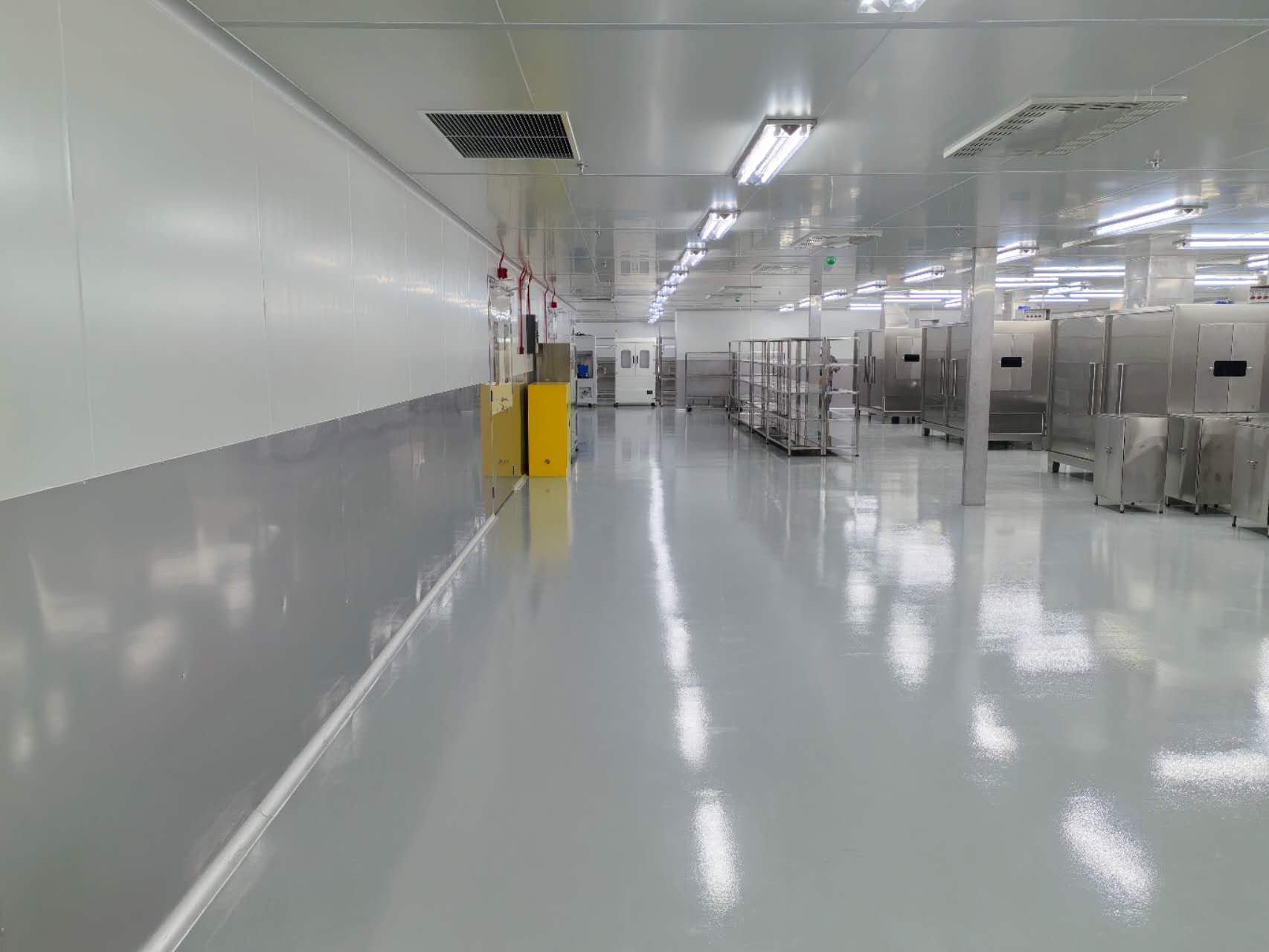
Every successful sterile room design begins with a hazard analysis that identifies potential contamination sources—personnel, raw materials, equipment, air, water, and surfaces. This risk-based approach dictates the classification of zones (Grade A, B, C, D under GMP) and determines the required air changes, particle counts, and microbial monitoring frequencies. A common oversight in early-stage projects is prioritizing cost or aesthetics over functional zoning; the consequence is often inadequate segregation between high-risk and low-risk activities.
Risk assessment also drives the selection of HVAC configurations. For instance, a facility manufacturing sterile ophthalmic solutions demands unidirectional airflow over fill-areas, while a laboratory handling low-burden components may operate with non-unidirectional turbulent flow. The engineering team must model particle dispersion patterns using computational fluid dynamics (CFD) to validate that the chosen system achieves the required recovery times and cleanliness grades under worst-case loading conditions.
Four interdependent parameters form the technical backbone of any aseptic environment. Each must be specified, validated, and continuously monitored throughout the facility lifecycle.
HEPA (High-Efficiency Particulate Air) or ULPA filters are the primary barriers against airborne contamination. The design must specify filter positions, terminal velocities, and coverage patterns to ensure sweeping airflow that carries particles away from critical zones. For Grade A areas, air velocities typically range from 0.36 to 0.54 m/s at working height, with filter integrity testing (DOP/PAO) performed during commissioning and periodically thereafter.
Return air pathways are equally important. Poorly placed returns can create stagnant zones or recirculation eddies that trap contaminants. A well-engineered sterile room design incorporates low-level returns near floor level, combined with ceiling-mounted supply diffusers, to establish a vertical unidirectional flow that flushes the work envelope efficiently.
Differential pressure gradients ensure that contaminants from adjacent less-clean areas do not infiltrate the sterile core. Typical pressure differentials range from 10 to 15 Pa between adjacent GMP grades, with higher pressures in the cleanest zones. The design must account for door openings, airlock volumes, and buffer zones to maintain these gradients during normal operations and when personnel transfer materials.
Pressure monitoring points should be strategically placed at airlocks and pass-through hatches, with alarms triggered when deviations exceed ±5 Pa. A robust sterile room design also includes interlock systems on doors to prevent simultaneous opening of airlock pairs, preserving the pressure cascade during material transit.
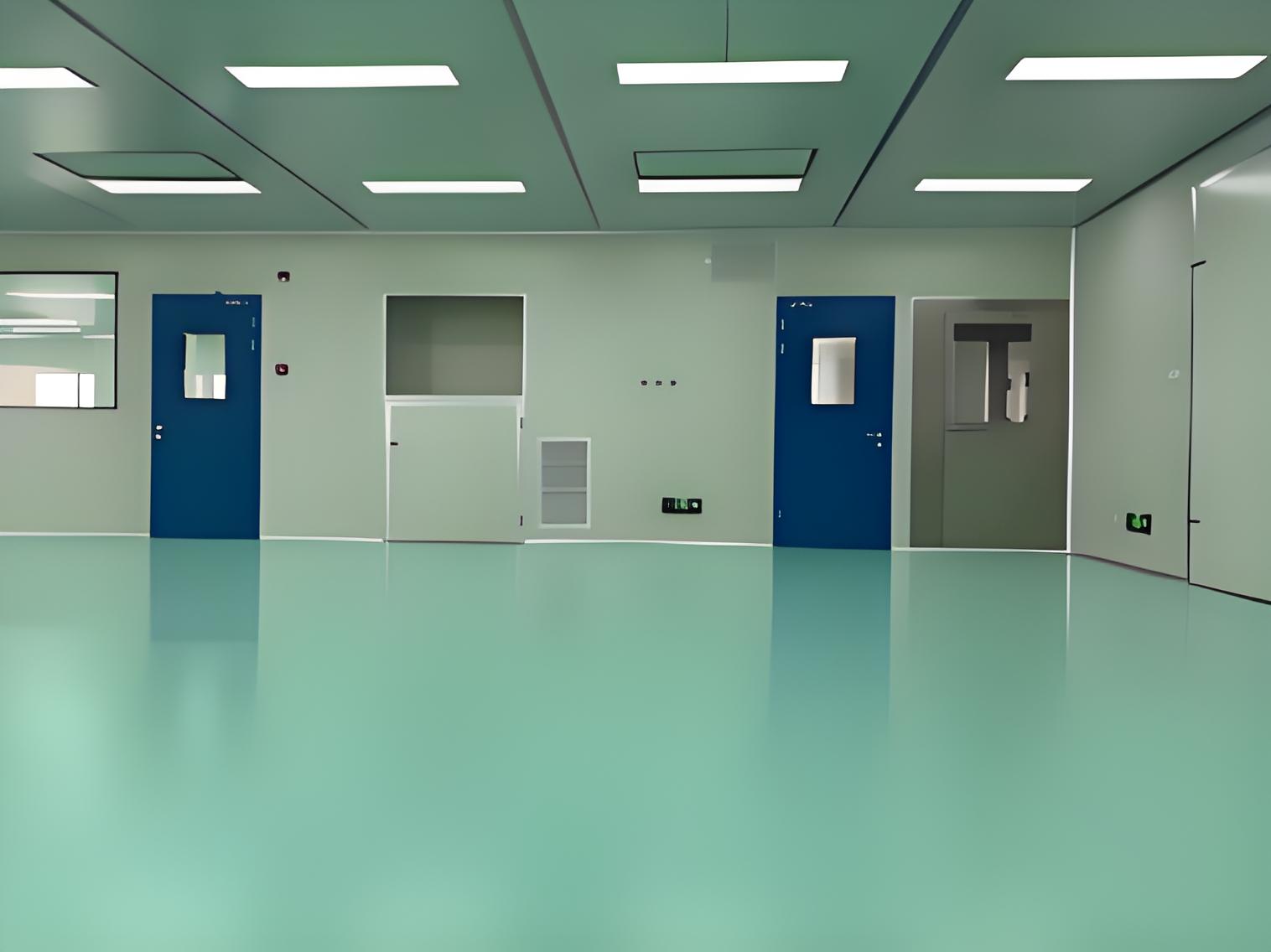
Wall panels, floorings, and ceiling systems must be impervious, non-shedding, and resistant to cleaning agents. Coated steel, epoxy resin, or polyvinyl chloride (PVC) sheeting are common choices, but the joints and transitions require equal attention. Cove bases (curved floor-wall junctions) eliminate right-angle crevices where bioburden can accumulate. In high-moisture areas, sloped floors with integrated drainage prevent pooling and reduce microbial proliferation.
The surface roughness value (Ra) for stainless steel workbenches and equipment should not exceed 0.8 μm to facilitate thorough sanitization. Material certifications should include cytotoxicity and extractable tests, particularly for processes involving direct product contact.
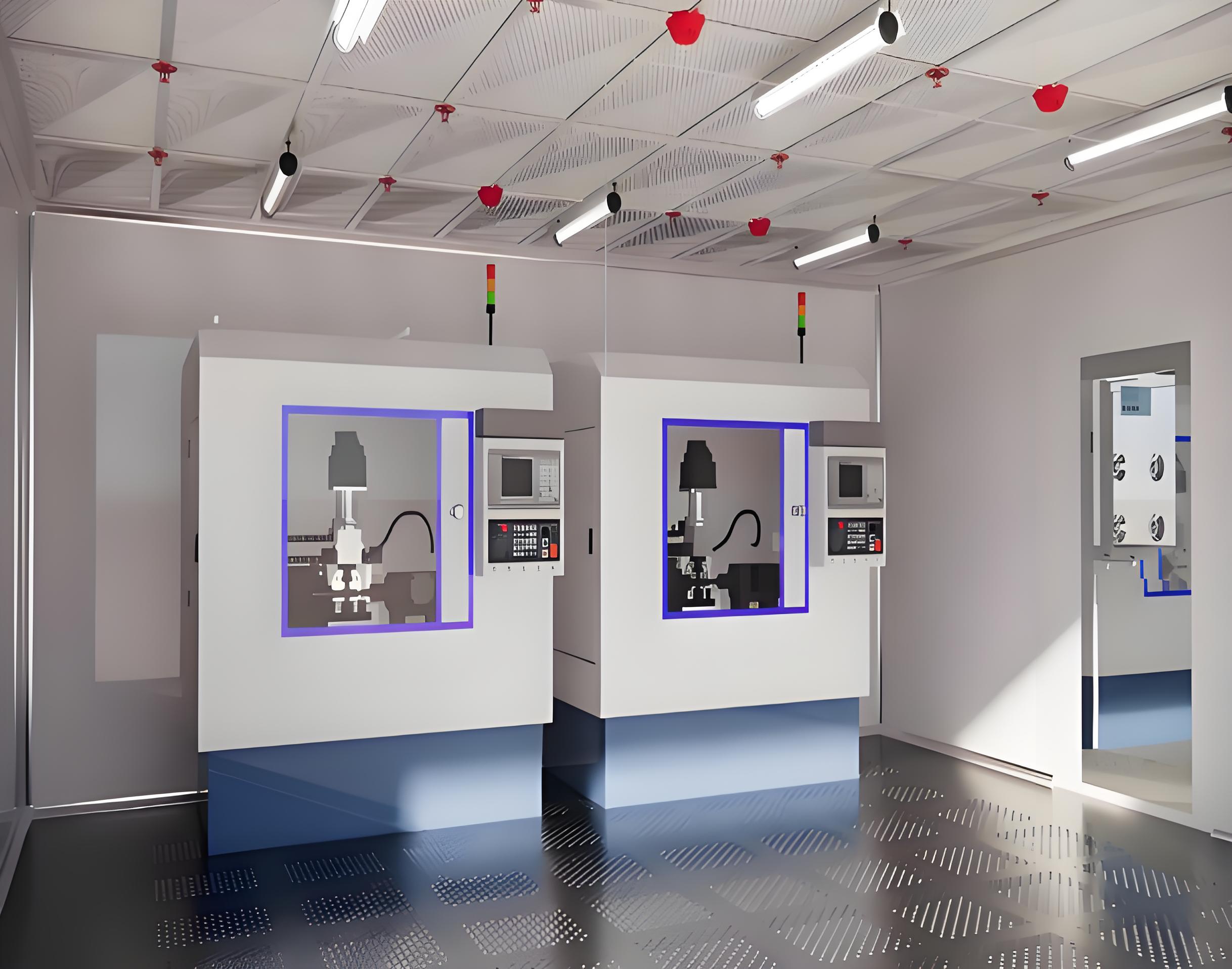
While core engineering principles remain constant, the operational context introduces distinct design drivers. Pharmaceutical fill-finish lines require complex conveyor integrations and vial-handling automation within restricted-access barrier systems (RABS) or isolators. Biological safety labs (BSL-3 or BSL-4) demand additional containment features, including effluent decontamination and airtight seals on penetrations.
For cell and gene therapy manufacturing, cleanroom layouts must accommodate multiple clean corridors, incubator banks, and cryogenic storage units while maintaining strict separation between patient-specific batches. The sterile room design in such cases often incorporates modular wall systems that allow reconfiguration as production scales or protocols evolve.
Medical device assembly, particularly for implantable products, requires static control measures—conductive flooring, ionizers, and grounded workstations—to prevent electrostatic discharge (ESD) that can attract particles or damage sensitive electronic components. Each application imposes unique load profiles on HVAC systems, electrical infrastructure, and monitoring networks, necessitating a design that balances flexibility with rigorous contamination control.
Even well-intentioned sterile room design projects encounter recurring challenges. One frequent issue is underestimating the heat and moisture load from equipment and personnel, leading to HVAC oversizing or, conversely, insufficient dehumidification capacity. This can be addressed by conducting a detailed cooling load calculation (using ASHRAE or Carrier methods) that accounts for process equipment, lighting, and operator occupancy during peak production shifts.
Another pitfall is inadequate attention to utility penetrations—pipes, conduits, and data cables that breach the cleanroom envelope. Each penetration must be sealed with validated gland systems or welded sleeves to maintain pressure integrity and prevent microbial ingress. A proactive sterile room design includes a utility matrix that maps every penetration point, assigns sealing specifications, and schedules verification testing prior to room certification.
Human factors also influence design efficacy. Workflow patterns that require operators to cross contamination zones or reach over open product containers introduce unacceptable risks. The solution lies in ergonomic layout planning, with pass-through hatches, bidirectional viewing panels, and clear physical demarcation between material prep and filling areas. Simulation exercises with actual operators during the design phase often reveal practical improvements that drawing reviews miss.
TAI JIE ER applies these engineering insights across its project portfolio, integrating CFD-modelled airflow, pressure mapping, and material selection into a cohesive sterile room design framework that meets both regulatory expectations and operational throughput targets.
Traditional stick-built cleanrooms involve on-site cutting, welding, and finishing, which extend construction timelines and introduce variability in workmanship. Modular construction—using prefabricated wall panels, ceiling grids, and utility chases—offers predictable quality, faster installation, and easier future expansion. Panel systems with cam-lock or bolted connections can be reconfigured without demolishing structural elements, allowing facilities to adapt to new product lines or increased capacity.
From a sterile room design perspective, modular systems must still comply with fire safety, acoustic, and structural requirements. However, the ability to perform factory acceptance testing (FAT) on panels and seals prior to delivery significantly reduces on-site commissioning risks. For established manufacturers and emerging biotech firms alike, modular approaches represent a pragmatic route to achieving ISO 5 (Class 100) or better environments without the long lead times of conventional construction.
Instrumentation and control systems form the nervous system of any sterile facility. Real-time monitoring of differential pressure, temperature, humidity, and particle counts feeds data to a building management system (BMS) that alerts operators to excursions and logs trends for regulatory review. The sterile room design should specify sensor placement, calibration intervals, and redundancy levels to ensure data integrity—a factor increasingly scrutinized by data integrity guidance (e.g., ALCOA+ principles).
TAI JIE ER emphasizes integrated BMS solutions that link environmental monitoring with equipment interlocking, reducing the risk of undetected deviations during critical processes. This holistic approach streamlines validation efforts and provides a defensible data trail for regulatory submissions.
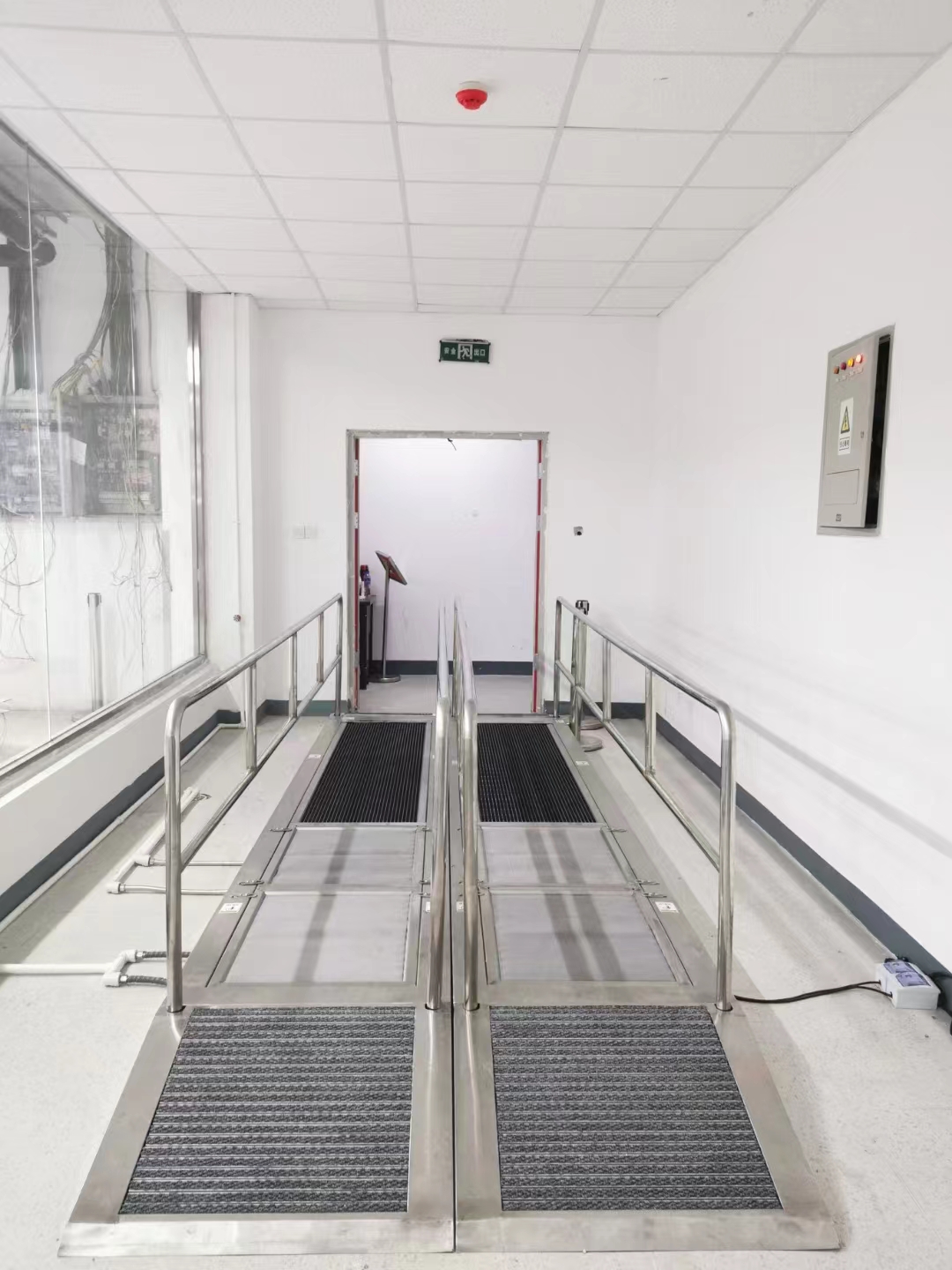
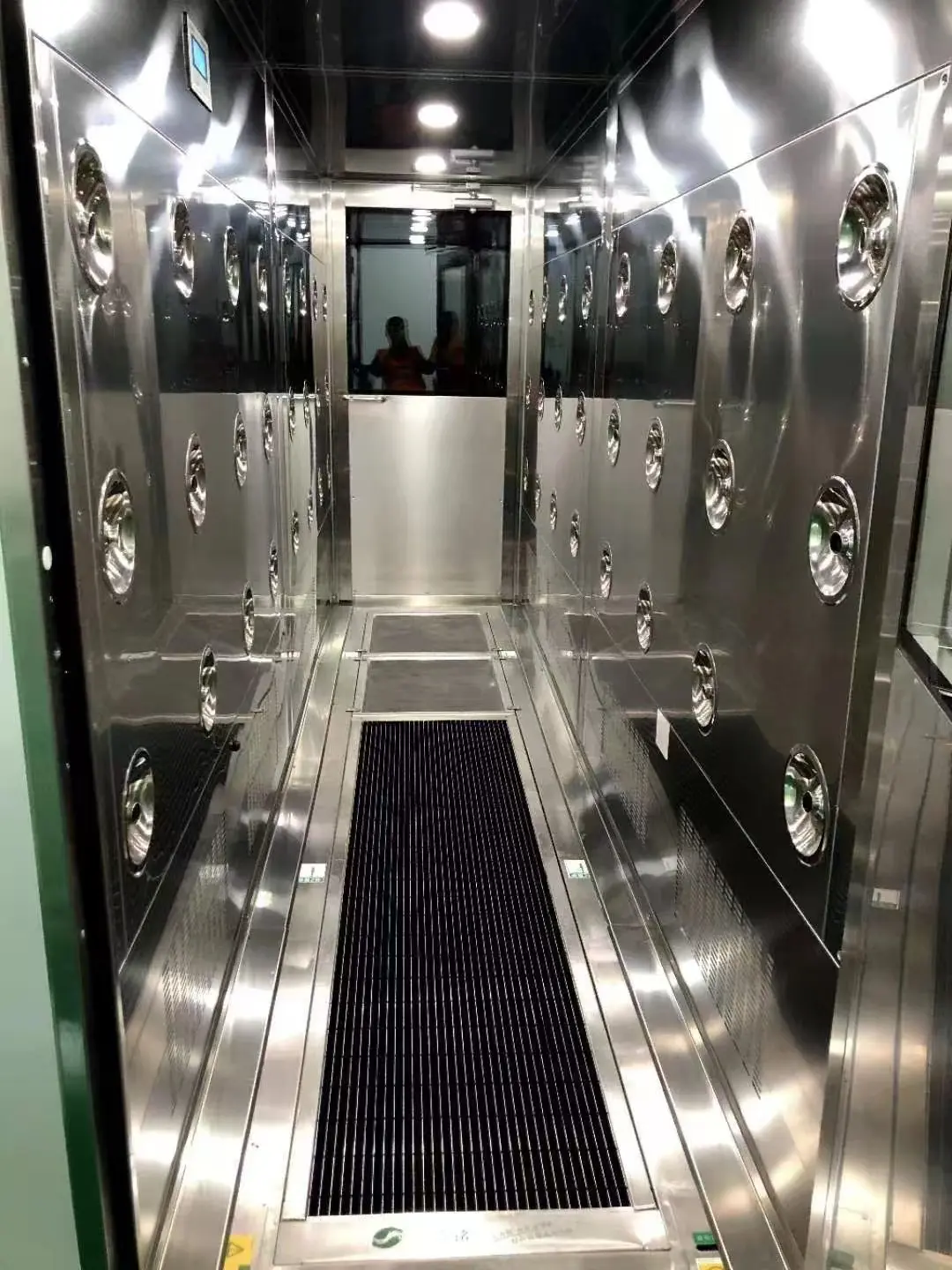
Transitioning from design to operation, the importance of personnel training and gowning protocols cannot be overstated. Even the most sophisticated sterile room design cannot compensate for improper gowning or aseptic technique. Therefore, the facility should include dedicated gowning rooms with clear segregation between street clothing, cleanroom garments, and sterile suits. Air showers or sticky mats at entry points add an extra layer of particle removal, though their efficacy should be validated through particle counting studies.
Routine monitoring and periodic requalification ensure that the sterile room design continues to perform as intended. This includes HEPA filter integrity testing, airflow visualization (smoke studies), and microbial surface sampling. Any modifications to equipment, ventilation, or operational procedures should trigger a change-control review and, where necessary, revalidation of the affected zones.
The convergence of these engineering disciplines—aerodynamics, material science, automation, and human factors—defines a mature sterile room design. It is not a static document but a living framework that evolves with regulatory updates, technological advances, and production experience. Engaging experienced engineering partners early in the project lifecycle mitigates risks and aligns design outcomes with business objectives.
For organizations planning new aseptic facilities or upgrading existing cleanrooms, the sterile room design process is an investment in product quality and patient safety. A methodical, evidence-based approach reduces the likelihood of environmental failures, enhances batch yield, and supports rapid market entry for sterile products. Sterile room design expertise translates directly into operational resilience—a competitive advantage in today's stringent regulatory landscape.
Should you require further technical consultation or a detailed project proposal, we invite you to reach out to our engineering team. TAI JIE ER offers comprehensive design-build services, from concept development to validation support, ensuring your sterile room design meets the highest industry standards. Our sterile room design solutions are tailored to your specific process needs, delivering reliable, certifiable environments for aseptic manufacturing.
Q1: What is the difference between sterile room design and cleanroom
design?
A1: Cleanroom design broadly covers controlled environments
with specified particle limits, while sterile room design specifically addresses
aseptic processing requirements—including microbial control, pressure cascades,
and validated sanitization. Sterile rooms typically operate at ISO 5 (Grade A)
or stricter conditions and incorporate features like unidirectional airflow,
interlocked airlocks, and materials that resist microbial adhesion.
Q2: How do you determine the air change rate in a sterile
room?
A2: Air change rates are derived from the required cleanliness
grade, room geometry, heat load, and occupancy. For Grade A/ISO 5 environments,
the design often targets 300 to 540 air changes per hour (unidirectional flow).
Engineers use particle generation models and recovery time calculations
(typically 15–20 minutes to achieve ISO 5 after a contamination event) to
finalize the rate, followed by validation via airflow visualization and particle
counting.
Q3: Can existing buildings be retrofitted for sterile room
design?
A3: Yes, but retrofitting imposes constraints on ceiling
height, structural loading, and utility routes. A thorough feasibility study
must assess floor flatness, column placement, and HVAC shaft access. Modular
panel systems and self-contained fan-filter units can simplify retrofits, though
the sterile room design must also address fire compartmentation and seismic
requirements. Successful retrofits require close coordination between
structural, MEP, and process engineers.
Q4: What validation documents are required for a sterile room
design?
A4: Key documents include a User Requirements Specification
(URS), Design Qualification (DQ), Installation Qualification (IQ), Operational
Qualification (OQ), and Performance Qualification (PQ). Supporting protocols
cover HEPA filter integrity (DOP/PAO), airflow velocity and uniformity, particle
count mapping, differential pressure verification, microbial surface sampling,
and recovery rate tests. All records must adhere to data integrity guidelines
and be maintained for regulatory inspection.
Q5: How does sterile room design address personnel contamination
risk?
A5: Personnel are the primary contamination source. The design
mitigates this through gowning procedures, personnel flow segregation
(donning/doffing areas), limited access via electronic badge systems, and
behavioral constraints such as no rapid movements. Aseptic processing areas are
often equipped with video monitoring to reinforce proper technique.
Additionally, the sterile room design may include air showers, sticky mats, and
dedicated gowning pass-throughs to reduce particle shedding before entry.
Q6: What maintenance schedule is recommended for sterile room design
systems?
A6: Routine maintenance includes quarterly HEPA filter
integrity testing, monthly pressure differential and temperature/humidity
calibration, and weekly surface cleaning with validated disinfectants. Annual
requalification of the entire sterile room design—covering airflow, particle
counts, and microbial levels—is standard practice. Filter replacement cycles
depend on pressure drop readings and ambient particle loads; most facilities
change pre-filters every 3–6 months and final HEPA filters every 2–3 years,
subject to monitoring data.
Q7: Is modular construction compatible with GMP sterile room
design?
A7: Absolutely. Modular systems are widely accepted by
regulators, provided they meet the same material, seal, and performance criteria
as traditional construction. The key advantage is consistent factory
fabrication, reducing field variability. For GMP compliance, the sterile room
design must include comprehensive traceability of panel batches, sealant
certifications, and installation torque records. Many modular suppliers offer
pre-validated panel systems that accelerate project approval.
Ready to discuss your sterile room design project? Our engineering team provides end-to-end support from concept to commissioning. TAI JIE ER delivers robust, certifiable cleanroom environments that align with your production schedule and regulatory roadmap. Contact us for a sterile room design consultation tailored to your specific application requirements.