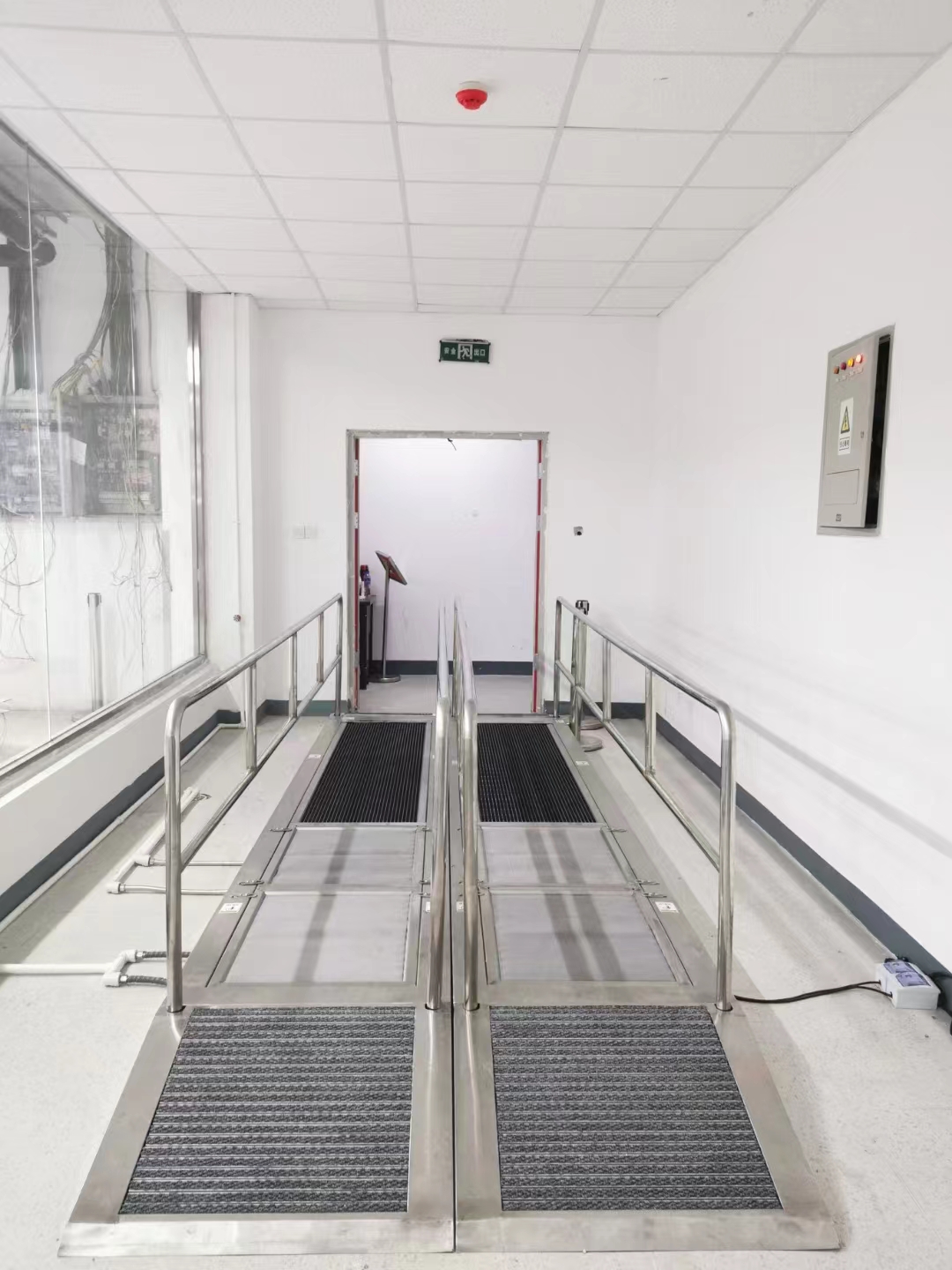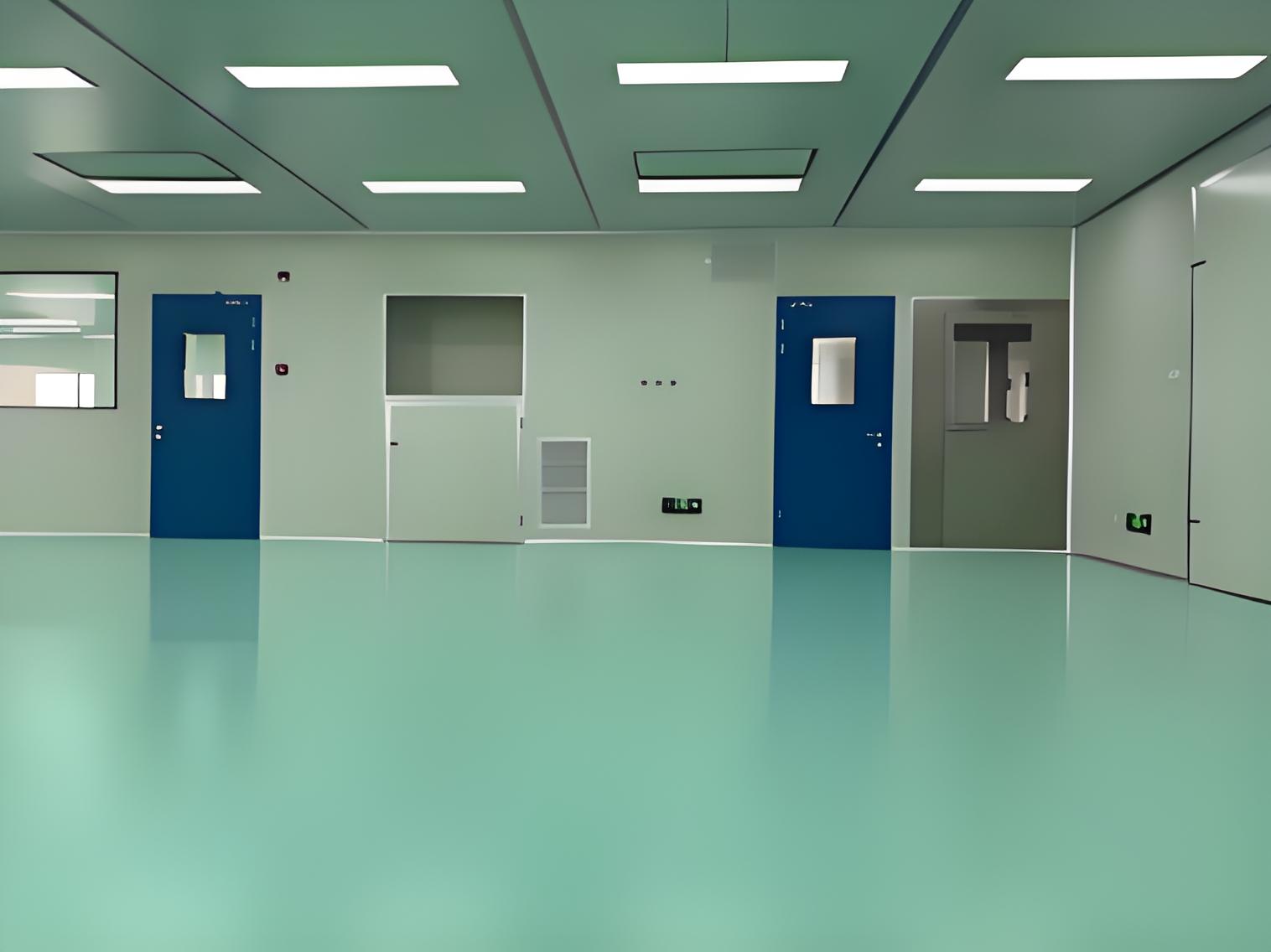
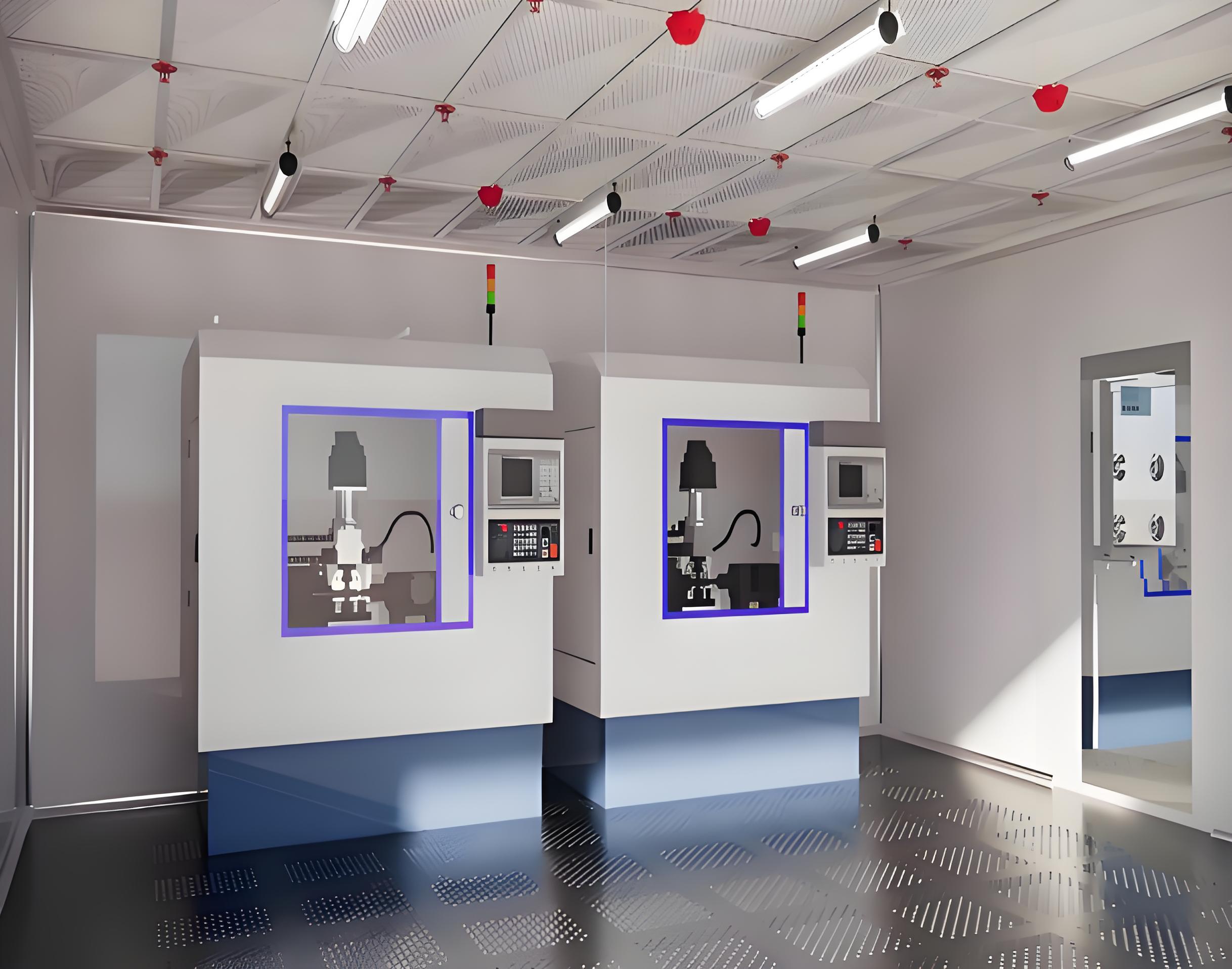
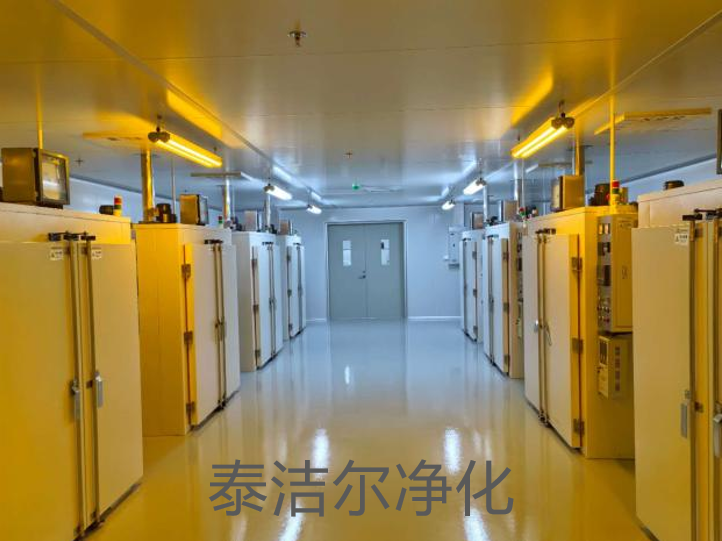
In pharmaceutical manufacturing, semiconductor fabrication, and medical device assembly, the interior finish of a controlled environment directly determines contamination control efficacy. Cleanroom decoration extends beyond visual appeal—it encompasses material science, airflow integration, and microbial defense mechanisms. This article examines seven engineering principles that guide robust cleanroom decoration strategies, drawing from operational data and international standards.
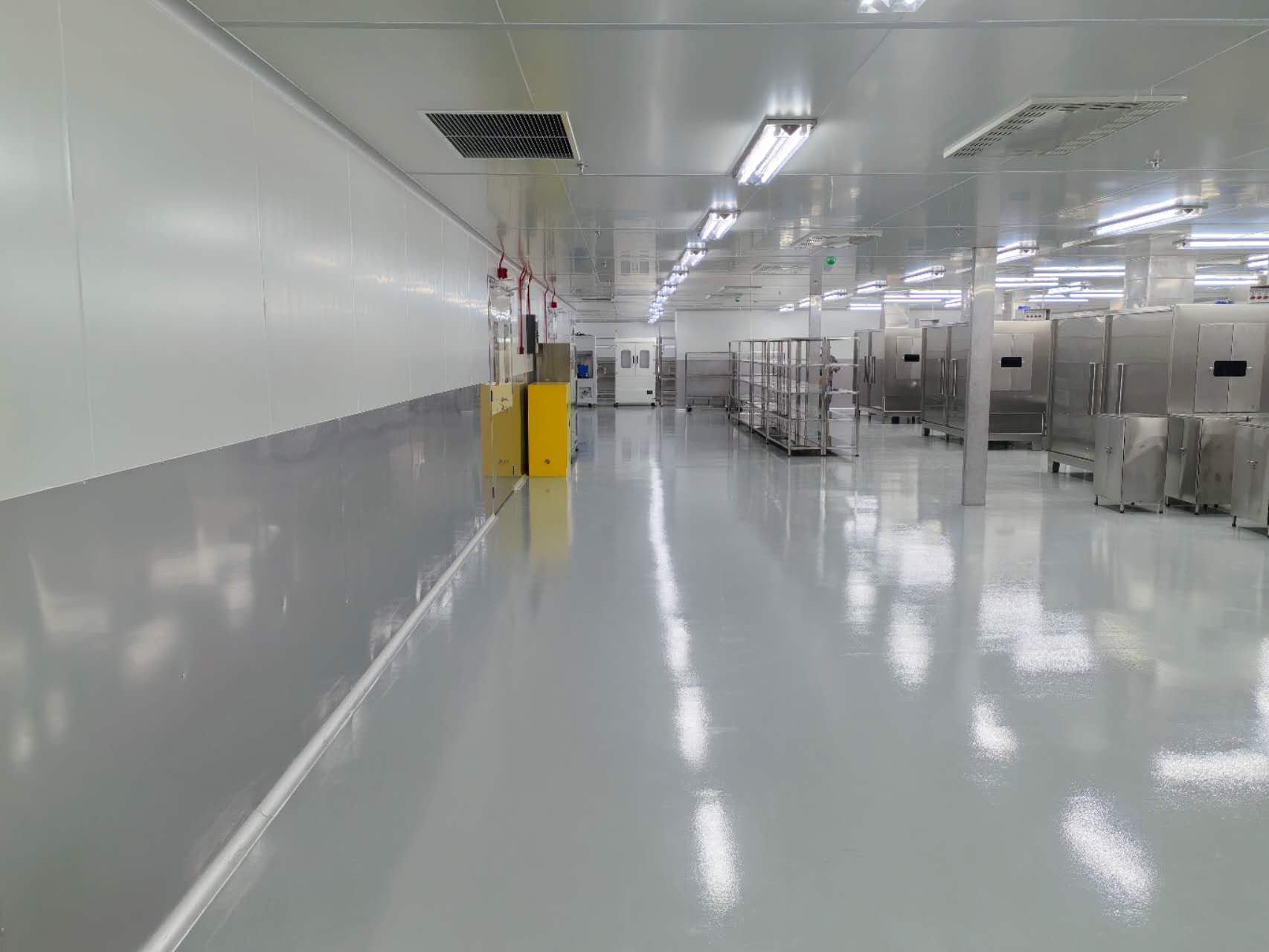
Every cleanroom decoration project begins with a clear classification requirement. ISO 14644-1 defines particle concentration limits, while GMP Annex 1 imposes microbial monitoring criteria. These classifications dictate surface finish parameters—from wall panel flatness to floor seam integrity. A Class 5 (ISO 5) environment, for instance, requires wall surfaces with less than 0.5 mm joint gaps to prevent particle accumulation. The decoration system must support differential pressure gradients, typically 15–20 Pa between adjacent zones, ensuring unidirectional airflow remains undisturbed.
Surface roughness values (Ra) are another foundational metric. Pharmaceutical cleanrooms often specify Ra ≤ 0.8 µm for stainless steel workstations, while semiconductor facilities demand Ra ≤ 0.4 µm to minimize particle shedding. These figures are not arbitrary; they derive from empirical studies correlating surface texture with cleanability and particle retention. TAI JIE ER integrates these parameters into its prefabricated panel systems, offering certified surface profiles for each ISO class.
Modular wall panels dominate modern cleanroom decoration due to their adaptability and cleanability. Polyurethane core panels with electrophoretic-coated steel facings provide structural rigidity while resisting chemical disinfectants. The coating must withstand repeated wiping with 70% isopropanol or peracetic acid without delamination. Panel joints employ cam-lock mechanisms with silicone gaskets, achieving pressure decay rates below 0.5% per minute during integrity testing. For aseptic processing areas, cove base transitions—curved junctions between wall and floor—eliminate right-angle crevices where microbes can harbor.
Seamless epoxy flooring systems remain the benchmark for high-grade cleanrooms. These fluid-applied floors feature self-leveling properties that produce monolithic surfaces without grout lines. Conductive epoxies dissipate static charge, with resistance values between 10⁴ and 10⁹ Ω, protecting sensitive electronic components. The installation protocol involves moisture vapor emission testing (ASTM F1869) to prevent blistering, followed by a primer coat, base layer, and wear coat with aluminum oxide aggregate for slip resistance. Polyurethane topcoats offer enhanced chemical resistance for areas exposed to strong oxidizers.
Cleanroom ceilings serve dual roles: structural support and HEPA filter housing. Grid systems with powder-coated aluminum profiles accommodate 2'×4' filter modules, allowing up to 99.97% efficiency at 0.3 µm particle size. Recessed LED luminaires with IP65-rated housings provide 750–1000 lux illumination levels while maintaining positive pressure seals. The ceiling plenum acts as a return air pathway, requiring internal surfaces to be smooth and cleanable. Perforated ceiling tiles are avoided in high-grade areas to prevent fiber shedding, with solid panels preferred.
Surface finishes directly influence airflow patterns. In turbulent mixing rooms, wall protrusions like exposed conduit or uneven panel joints create vortices that trap particles. Computational fluid dynamics (CFD) simulations show that every 1 mm surface irregularity increases local turbulence intensity by 3–5%. Consequently, TAI JIE ER recommends flush-mounted utility boxes and recessed sprinkler heads to maintain laminarity. For unidirectional flow systems, ceiling-mounted filter coverage should exceed 80% of the ceiling area, with decorative elements like support columns clad in smooth, non-porous panels.
Air return strategies also influence decoration choices. Low-level returns in pharmaceutical cleanrooms prevent particle re-suspension from floor activity. Baseboard returns, integrated into wall panels, must feature removable grilles for cleaning. The velocity profile at return grilles should stay below 0.5 m/s to avoid particle redeposition. Each decoration element—from door frames to pass-through chambers—requires aerodynamic consideration, ensuring pressure gradients remain stable during occupancy.
GMP-compliant cleanrooms prioritize microbial control over particulate cleanliness. Decoration materials must withstand frequent sanitization cycles with sporicidal agents. Wall coatings based on epoxy-phenolic resins resist bleaching and swelling, while flooring incorporates antimicrobial additives like silver ions. Cove base junctions are particularly scrutinized during regulatory audits, with inspectors using ATP swabs to verify surface cleanliness. Decoration documentation must include material certificates, curing reports, and surface roughness measurements for each batch.
Advanced node fabrication (below 5 nm) demands ISO Class 3 environments with stringent particle control down to 0.1 µm. Decoration materials must exhibit low outgassing rates—total hydrocarbon emission below 0.5 µg/m²·hr. Stainless steel 304L panels with electropolished finishes dominate, paired with ESD-safe flooring that maintains 10⁶–10⁹ Ω resistance. The decoration system integrates grounding networks under floor tiles, connected to facility earth with 1 Ω impedance. Vibration control becomes critical, with floor slabs isolated from building structure using spring dampers.
ISO Class 7 and 8 environments for medical devices balance cost with functionality. Decoration solutions often incorporate modular PVC wall panels with antimicrobial topcoats, offering easier installation and replacement. Flooring options include vinyl composition tile (VCT) with static-dissipative properties, though seamless epoxy remains preferred for wet processing areas. Pass-through chambers and interlocking doors are decorated with smooth, crevice-free surfaces to facilitate cleaning between production batches.
Field-installed cleanroom decoration requires systematic protocols to avoid contamination during construction. Pre-installation activities include fumigation of the worksite and air flushing with HEPA-filtered air. Panel erection follows a sequence from floor to ceiling, with wall panels aligned using laser levels. Joint sealants—typically two-component polysulfide—are applied in continuous beads, with excess removed using spatulas. Flooring application demands controlled temperature (15–25°C) and humidity (below 75%) to prevent curing defects. Each installation phase concludes with particle counting (0.5 µm and 5.0 µm) to verify that construction activities haven't compromised the envelope.
Commissioning involves pressure decay testing of the entire envelope. A cleanroom with proper cleanroom decoration demonstrates less than 10% pressure loss over 20 minutes. Surface cleanliness verification uses contact plates or swab sampling, followed by ATP bioluminescence to assess organic residues. Documentation packages include installation drawings, material traceability records, and test reports—all essential for regulatory submission.
Regulatory bodies require evidence that decoration materials and installation processes meet defined standards. ISO 14644-3 specifies test methods for surface cleanliness, while IEST-RP-CC018 provides guidelines for cleanroom housekeeping and surface cleaning. For pharmaceutical applications, EU GMP Annex 1 mandates that surfaces be "smooth, impervious, and easily cleanable," with specific emphasis on weld integrity and sealant compatibility. Decoration subcontractors must supply qualification dossiers including:
Material safety data sheets (MSDS) for all coatings and sealants
Third-party particle emission test reports (BS EN ISO 14644-1)
Chemical resistance certifications against common disinfectants
Thermal expansion coefficients to prevent joint failure under temperature cycling
TAI JIE ER aligns its decoration systems with these frameworks, offering pre-validated assemblies that reduce project lead times. Their engineering team provides on-site support during qualification runs, ensuring that surface sampling and airflow visualization tests are passed on the first attempt.
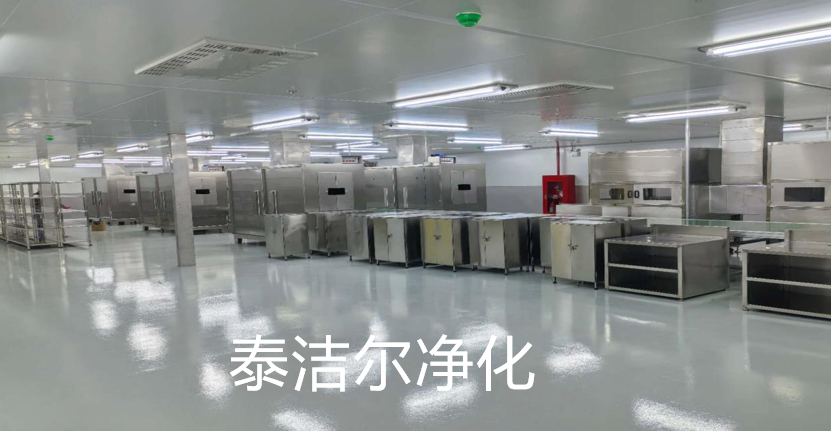
Over time, cleanroom surfaces degrade due to chemical exposure, mechanical wear, and thermal cycling. Proactive maintenance schedules—including annual recoating of epoxy floors and replacement of worn panel gaskets—preserve the integrity of the decoration system. Regular particle fallout monitoring (using witness plates) identifies areas where surface deterioration may be occurring. For wall panels, scratch depth gauges measure coating thickness, with recoating recommended when thickness falls below 80% of original. Flooring systems undergo gloss retention testing, with readings below 60% indicating polymer breakdown. These maintenance metrics ensure that the cleanroom continues to meet its classification throughout its service life.
Q1: What is the primary difference between cleanroom decoration and
standard interior finishing?
A1: Cleanroom decoration prioritizes
contamination control over aesthetics. While standard finishing focuses on
visual appeal and durability, cleanroom decoration integrates seamless surfaces,
minimal crevices, and materials that resist particle shedding and microbial
growth. Each component—from wall joints to floor transitions—is engineered to
support ISO or GMP classifications, with strict surface roughness and
cleanability requirements.
Q2: How does cleanroom decoration affect airflow and pressure
differentials?
A2: Surface finishes influence airflow by altering
turbulence and pressure loss. Smooth, flush-mounted panels reduce localized
turbulence that can trap particles. Decoration elements like cove bases and
flush doors maintain pressure gradients by minimizing air bypass routes. CFD
simulations routinely demonstrate that proper decoration reduces pressure drop
across the cleanroom envelope by up to 15%, improving energy efficiency.
Q3: Can existing conventional rooms be converted into cleanrooms
through decoration alone?
A3: Partial conversion is possible, but
the existing structure must support the demands of a cleanroom. Decoration
upgrades—such as installing modular wall panels, seamless flooring, and
HEPA-compatible ceilings—can upgrade a space to ISO Class 7 or 8. For higher
classifications (ISO Class 5 or above), the entire HVAC system and structural
envelope typically require redesign, as decoration alone cannot compensate for
air handling deficiencies.
Q4: What certification or testing is required after cleanroom
decoration installation?
A4: Post-installation testing includes
particle count verification (ISO 14644-1), pressure decay integrity testing,
surface cleanliness sampling (contact plates or swabs), and airflow
visualization (smoke tests). For pharmaceutical facilities, additional microbial
monitoring (settle plates or active air samplers) is mandatory. Documentation of
these tests forms part of the facility qualification package for regulatory
submissions.
Q5: How often should cleanroom surfaces be recoated or
refurbished?
A5: Recoating intervals depend on usage intensity and
chemical exposure. Epoxy floors typically require recoating every 5–8 years,
while wall coatings may last 10–15 years with proper care. High-traffic areas or
zones exposed to aggressive disinfectants may need more frequent attention.
Regular gloss retention testing and thickness measurements guide maintenance
scheduling to prevent surface degradation that could compromise cleanliness.
Q6: Are there specific decoration materials that are incompatible
with certain cleanroom applications?
A6: Yes. For example, PVC
panels are unsuitable for high-temperature sterilization processes (autoclaving)
due to thermal deformation. Epoxy coatings with aromatic amines can discolor
under UV exposure, making them less ideal for semiconductor photolithography
areas. TAI JIE ER provides material selection matrices that map each product's
compatibility with disinfectants, temperature ranges, and cleanroom classes.
Q7: How does cleanroom decoration contribute to ESD
control?
A7: Decoration systems incorporate static-dissipative
flooring, conductive wall panels, and grounded workstations. Flooring with
resistance between 10⁴ and 10⁹ Ω drains charges from personnel and equipment,
while wall surfaces with conductive pigments prevent charge accumulation.
Grounding buses connect all metallic decoration components to facility earth,
creating a controlled electrostatic environment that protects sensitive
electronics from ESD events.
For detailed engineering consultation on your cleanroom decoration project, including material selection, installation protocols, and compliance planning, please direct your inquiries to our technical sales team. TAI JIE ER offers comprehensive support from design through commissioning, ensuring your controlled environment meets operational and regulatory standards.