For facilities in pharmaceutical manufacturing, biotechnology, and semiconductor fabrication, contamination control is not a single measure but a systematic discipline. At the core of this discipline lies purification engineering design—a structured methodology that integrates spatial planning, HVAC engineering, filtration hierarchies, and operational protocols into a unified contamination management framework. Unlike generic cleanroom construction, purification engineering design addresses the specific particle, microbial, and chemical contamination risks unique to each production environment.
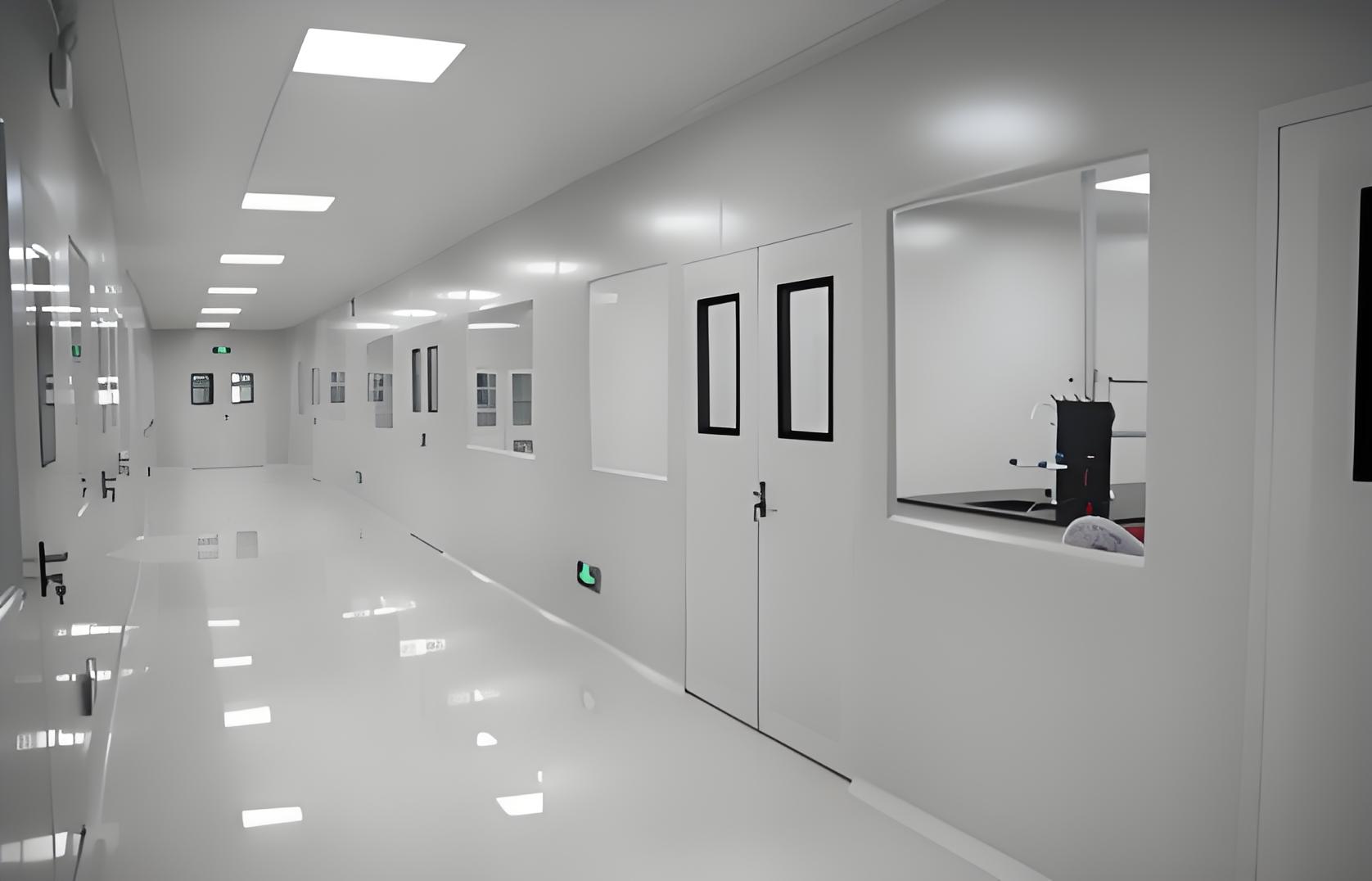
Effective purification engineering design begins with a rigorous characterization of contamination sources. In pharmaceutical aseptic filling, for instance, the primary concern is viable particles (microorganisms) shed by operators and equipment. In semiconductor photolithography, non-viable airborne molecular contaminants (AMCs) as small as 0.1 micrometres can degrade yields. These divergent requirements demand that purification engineering design adopt a risk-based approach, aligning with ISO 14644 cleanroom classifications and GMP Annex 1 guidelines for sterile products.
The design process typically follows a cascading logic: first, define the cleanliness class required for each process zone; second, model the airflow and pressure cascades needed to maintain those classes; third, select filtration and air-handling equipment capable of delivering the specified performance; and finally, validate the system through comprehensive particle counts and microbial monitoring. This sequence ensures that every decision in purification engineering design is traceable to a defined contamination risk, rather than being based on generic best practices.
ISO 14644-1 establishes classification limits for airborne particle concentrations across eight classes, from ISO Class 1 (the strictest) to ISO Class 8. Purification engineering design translates these limits into tangible design parameters. For an ISO Class 5 pharmaceutical filling suite, the design must achieve ≤3,520 particles per cubic metre for particles ≥0.5 µm, and ≤20 particles per cubic metre for particles ≥5.0 µm under "at-rest" conditions. These thresholds directly influence the choice of HEPA filter efficiency (H14 or U15 grade), the number of air changes per hour (typically 240–480 for ISO Class 5), and the configuration of laminar airflow hoods over critical zones.
Semiconductor fabs often require ISO Class 3 or even Class 2 environments, which demand ULPA filters with 99.9995% efficiency at 0.12 µm, alongside advanced chemical filtration to remove acid gases and volatile organic compounds. The design must also accommodate the heat loads from processing equipment, which can exceed 1 kW per square metre of floor space—a factor that significantly influences cooling load calculations within the overall HVAC system architecture.
Heating, ventilation, and air conditioning (HVAC) systems constitute the mechanical backbone of any purification engineering design. The HVAC system must not only condition the air to specified temperature and humidity tolerances but also establish the directional airflow and pressure differentials that contain contaminants at their source. In multi-zone facilities, pressure cascades are engineered so that air flows from cleaner to less clean areas, typically maintaining a pressure differential of 10–15 Pascals between adjacent zones of different classification.
Recirculating air handling units (AHUs) with HEPA/ULPA filtration banks are standard components. The filtration stage sequence in purification engineering design usually follows a three-tier configuration: pre-filters (MERV 8–10) to capture larger particulates, medium filters (MERV 14–16) for fine dust, and terminal HEPA/ULPA filters at the point of air delivery. This staging extends the service life of the expensive terminal filters while ensuring that the final air stream meets the required cleanliness grade. For facilities handling potent compounds or biological agents, additional provisions such as bag-in/bag-out filter housings and decontamination systems are integrated into the design.
Airflow pattern selection is a pivotal decision in purification engineering design. Laminar (unidirectional) airflow, where air moves at a uniform velocity along parallel streamlines, is specified for critical zones requiring ISO Class 5 or better. The airflow velocity typically ranges from 0.36 to 0.54 m/s, sufficient to sweep particles away from the work area before they can settle on exposed products. Turbulent (non-unidirectional) airflow, with its mixing characteristics, is acceptable for ISO Class 6–8 environments where the contamination risk is lower.
Hybrid designs are increasingly common, especially in large-scale manufacturing suites. For example, a fill-finish line may have a laminar flow hood over the filling needle (ISO Class 5), while the surrounding room operates at ISO Class 7 with turbulent airflow. This zoning approach reduces initial capital expenditure and ongoing energy consumption, as only the most critical areas require the intensive air-change rates associated with laminar flow. Computational fluid dynamics (CFD) modelling is now a standard tool in purification engineering design, enabling designers to visualise airflow patterns, identify dead zones, and optimise diffuser and return grille placements before construction begins.
The principles of purification engineering design are universal, but their application varies significantly across industries. In parenteral drug manufacturing, the design must incorporate aseptic processing constraints, including the segregation of personnel and material flows, the use of pass-through chambers with airlocks, and the integration of vapourised hydrogen peroxide (VHP) decontamination cycles for isolator systems. The design must also account for the cleaning and sanitisation of surfaces, favouring materials like 316L stainless steel and epoxy-coated panels that resist corrosion and are easy to decontaminate.
For cell and gene therapy facilities, purification engineering design takes on additional complexity. These processes often involve open manipulations of living cells, requiring biosafety containment (BSL-2 or BSL-3) in addition to particulate cleanliness. The design must accommodate gloveport installations, rapid transfer ports, and single-use equipment connections, all while maintaining the stringent environmental monitoring required for regulatory compliance. TAI JIE ER has developed modular cleanroom solutions that address these intersecting requirements, offering prefabricated panels and integrated HVAC systems that reduce on-site construction time while maintaining full compliance with Annex 1 and ISO 14644 standards.
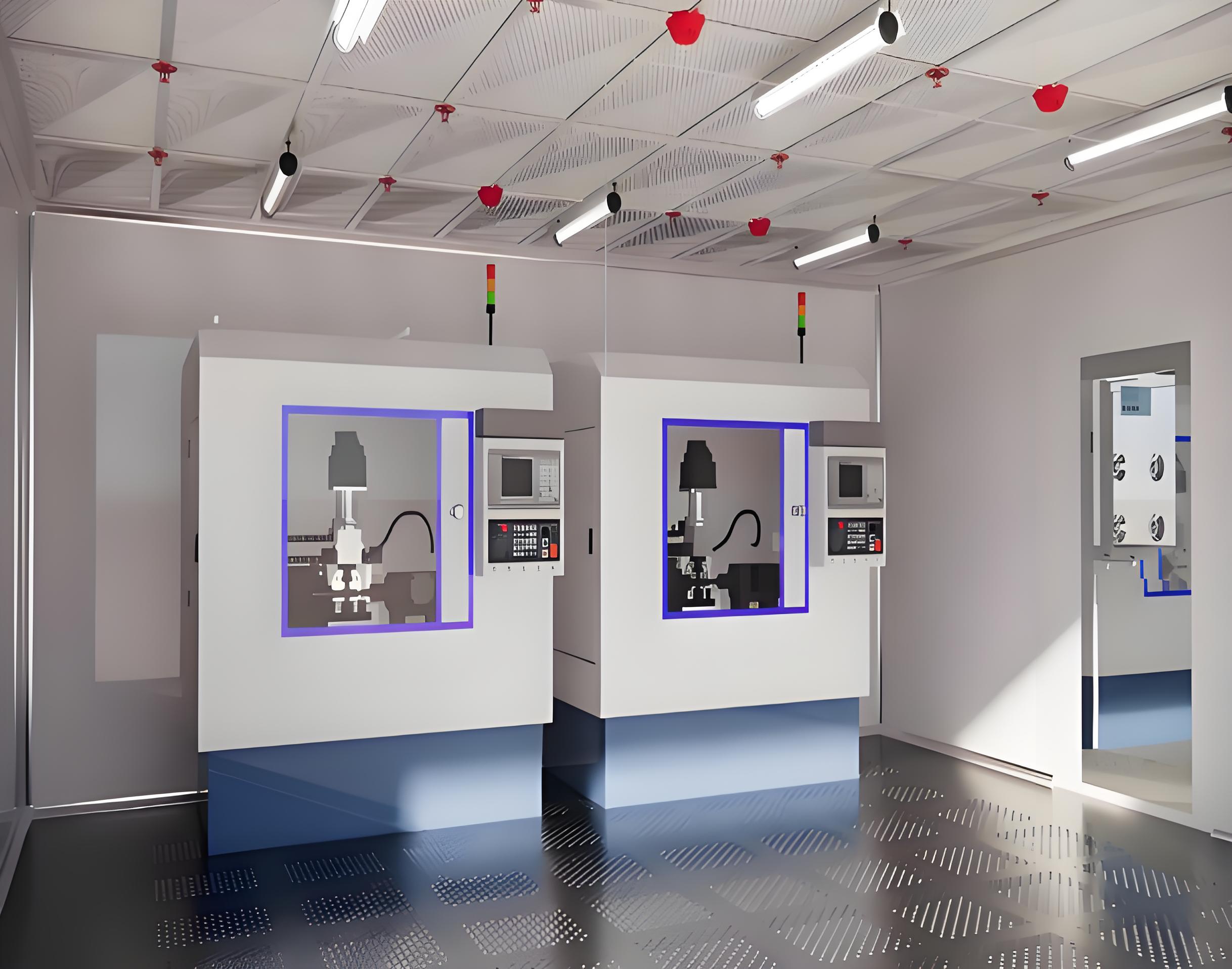
In semiconductor fabs, purification engineering design faces the challenge of controlling sub-micrometre particles and chemical contaminants simultaneously. The design must incorporate mini-environment enclosures around photolithography tools, with separate recirculating filtration systems that maintain ISO Class 1 conditions inside the tool enclosures while the surrounding fab operates at ISO Class 3–5. Vibration isolation and temperature stability (within ±0.1°C) are also critical, as thermal expansion can misalign photomasks at nanometre scales. The HVAC system in these facilities consumes up to 40% of the total fab energy budget, driving a growing emphasis on energy-efficient designs that use variable-speed drives, heat recovery wheels, and low-pressure-drop filter configurations.
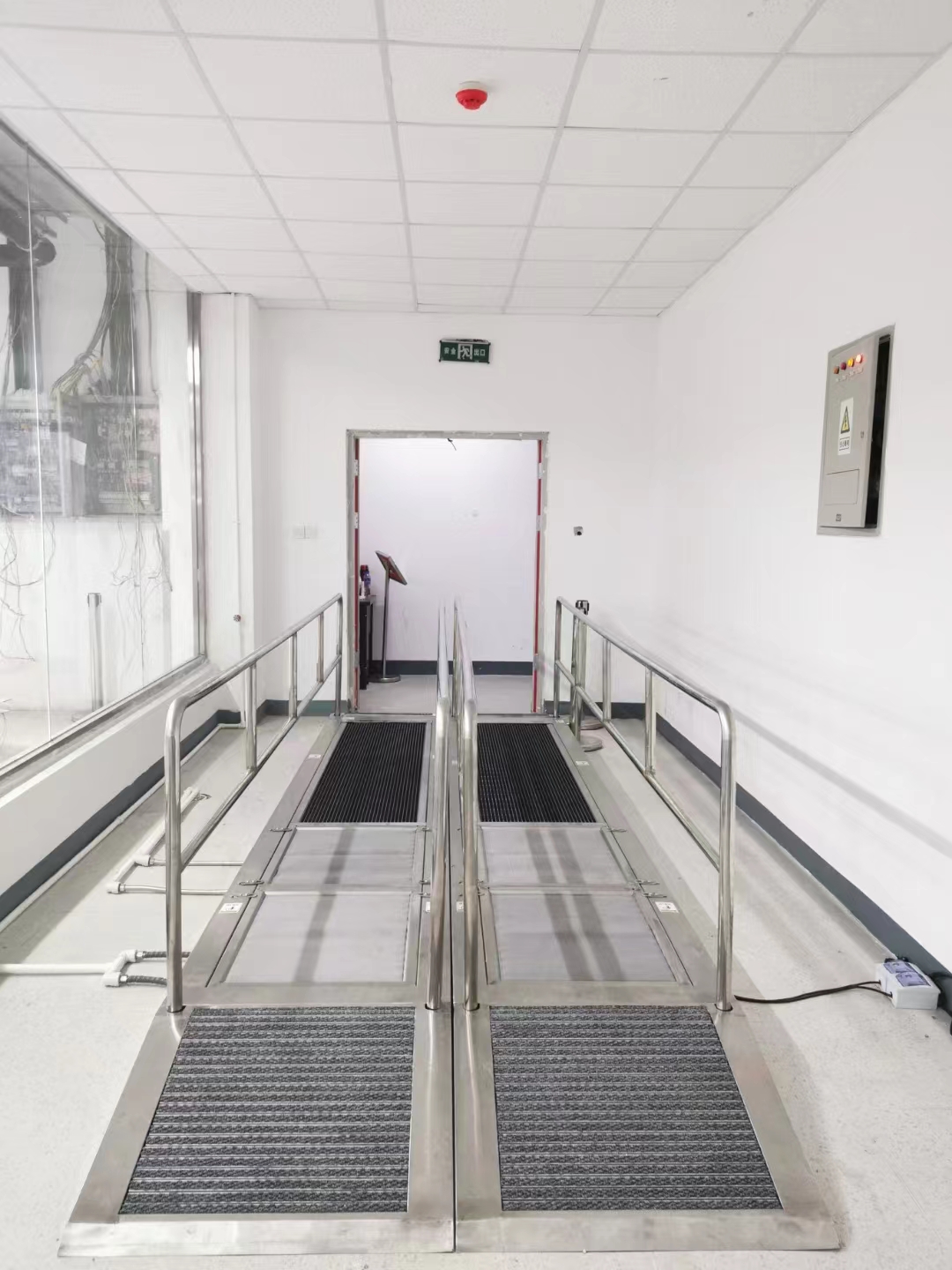
Even well-executed purification engineering design encounters operational challenges. One persistent issue is the contamination introduced by personnel, despite the use of cleanroom garments and gowning protocols. Engineering controls, such as air showers at gowning room exits and the use of automated material handling systems, reduce human interventions. Another challenge is maintaining pressure differentials during HVAC system filter loading, which increases resistance and reduces airflow. Designing systems with variable air volume (VAV) boxes and automatic damper controls, coupled with a building management system (BMS) that adjusts supply air based on differential pressure readings, offers a practical solution.
Microbial contamination in pharmaceutical facilities often traces back to condensation points within HVAC ducts, where moisture accumulation creates niches for mould and bacterial growth. TAI JIE ER addresses this through the use of antimicrobial-coated ductwork and the incorporation of desiccant dehumidification wheels that maintain dew points well below the surface temperature of cooling coils. This proactive approach prevents condensation from forming in the first place, reducing the risk of biofilm development and the subsequent need for costly shutdowns and decontamination campaigns.
The evolution of purification engineering design is being driven by two major forces: the increasing potency of pharmaceutical products and the rising energy costs associated with cleanroom operation. Potent APIs and antibody-drug conjugates require containment levels that go beyond particle control, necessitating the integration of RABS (restricted access barrier systems) and isolators into the design from the outset. Meanwhile, the push for sustainability has led to the adoption of fan-filter units (FFUs) with EC motors, which offer better part-load efficiency than traditional AC motors, and the use of demand-based ventilation that adjusts air-change rates based on real-time particle counts.
Digital twinning—creating a virtual replica of the cleanroom and its HVAC system—is emerging as a powerful tool in purification engineering design. Designers can simulate pressure drops, temperature distributions, and contamination events to test design alternatives without physical prototyping. This capability reduces design iteration time and provides a validation dataset that can be presented to regulators during facility inspections. As the industry moves toward continuous manufacturing and real-time release testing, purification engineering design must evolve to support closed-loop, automated production lines where contamination control is embedded in the process rather than being an external barrier.
Q1: What is the primary difference between a cleanroom and a facility designed through purification engineering design?
A1: A cleanroom is a physical space that meets certain particle count criteria, whereas purification engineering design is a comprehensive engineering process that considers the entire contamination control lifecycle—from architectural layout and material selection to HVAC system sizing, airflow modelling, and validation protocols. Purification engineering design ensures that the cleanroom not only meets cleanliness specifications at startup but can maintain them over years of operation under varying production loads and environmental conditions.
Q2: How does purification engineering design handle the transition between different ISO classifications within a single facility?
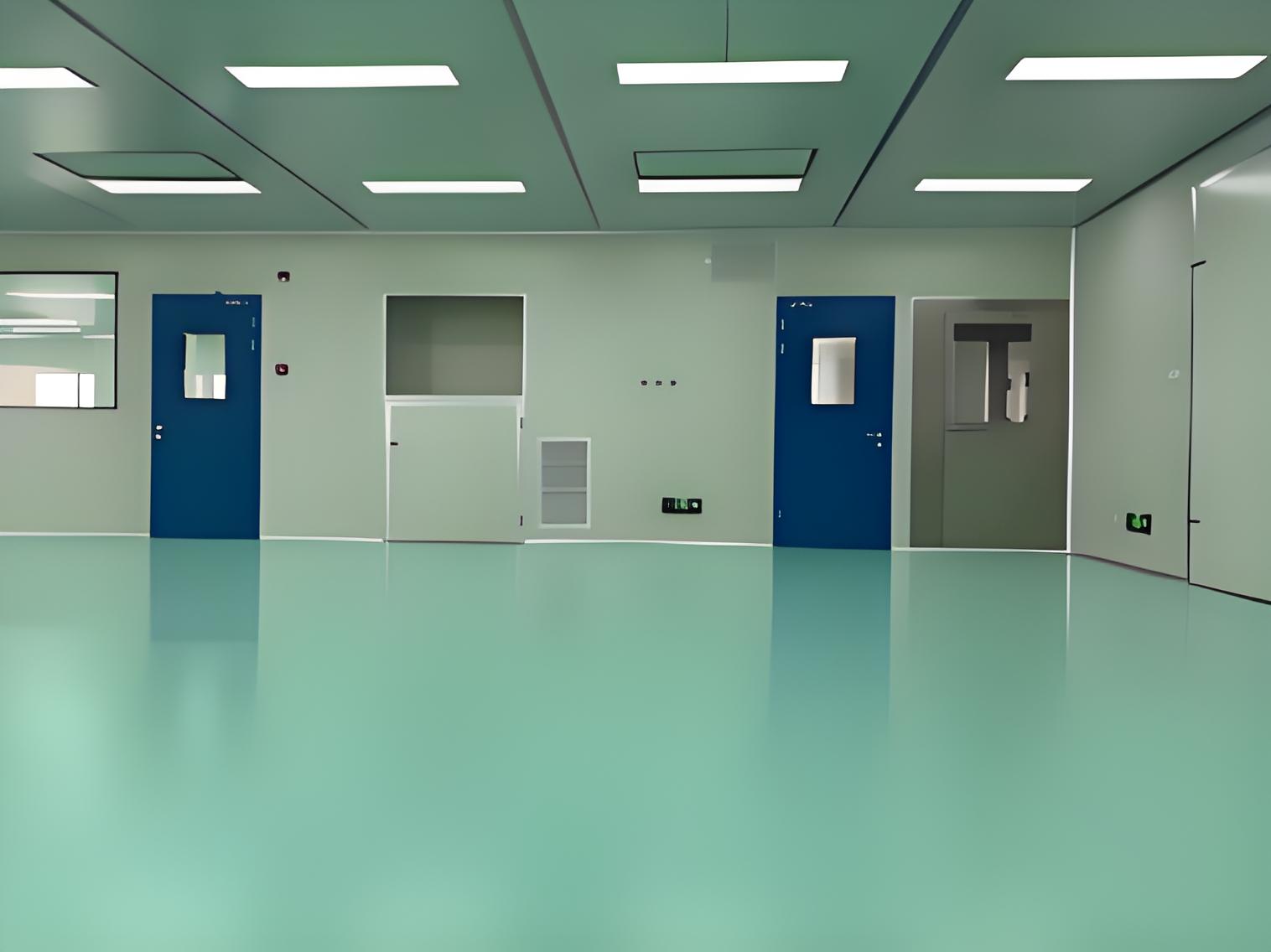
A2: The transition is managed through pressure cascades and airlocks. Each zone is maintained at a specific pressure relative to adjacent zones, with higher-pressure zones allocated to cleaner areas. Airlocks (also called change rooms) act as buffer spaces, with differential pressure monitoring and interlocked doors to prevent simultaneous opening. Purification engineering design specifies the minimum pressure differentials (typically 10–15 Pa) and the air-change rates required to maintain these gradients, while also incorporating redundancy in critical zones to ensure compliance during filter loading or HVAC maintenance.
Q3: What role does computational fluid dynamics (CFD) play in purification engineering design?
A3: CFD modelling allows engineers to predict airflow patterns, particle dispersion, and temperature distributions within the cleanroom before installation. This is particularly valuable for large or geometrically complex spaces where empirical data from prior projects may not apply. Designers use CFD to optimise the placement of supply diffusers, return grilles, and equipment layouts, reducing the risk of stagnant zones where contaminants could accumulate. CFD also helps validate that the airflow patterns will remain stable under worst-case conditions, such as when multiple personnel are present in the suite.
Q4: How often should HEPA filters be replaced in a purification engineering design?
A4: Replacement intervals are determined by pressure drop monitoring rather than a fixed schedule. As filters load with particulates, the resistance to airflow increases; when the pressure drop reaches 1.5 to 2 times the initial value (or when the system can no longer maintain the required airflow rate), replacement is indicated. In practice, HEPA filters in pharmaceutical facilities typically last 3–5 years, while pre-filters may need replacement every 6–12 months, depending on the ambient air quality and the effectiveness of the pre-filtration stages.
Q5: Can purification engineering design be applied to existing facilities, or is it only for new construction?
A5: Retrofit applications are common and often necessary as product portfolios evolve or regulatory standards become more stringent. A retrofit purification engineering design involves a detailed assessment of the existing HVAC capacity, pressure boundary integrity, and filtration performance, followed by targeted upgrades such as adding FFUs, installing additional airlocks, or reconfiguring ductwork to improve airflow. While retrofitting is more constrained than new construction, experienced engineering teams can achieve significant improvements in cleanliness and operational reliability without the capital expenditure of a full rebuild.
For more information on how TAI JIE ER can support your next purification engineering design project, including feasibility studies, detailed engineering, and validation services, please contact our engineering team directly.
Ready to discuss your project requirements? Send your inquiry to our technical sales team for a detailed engineering consultation.