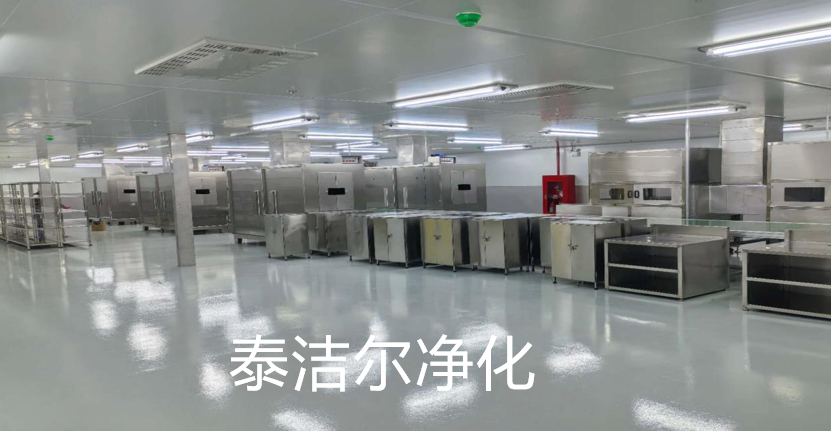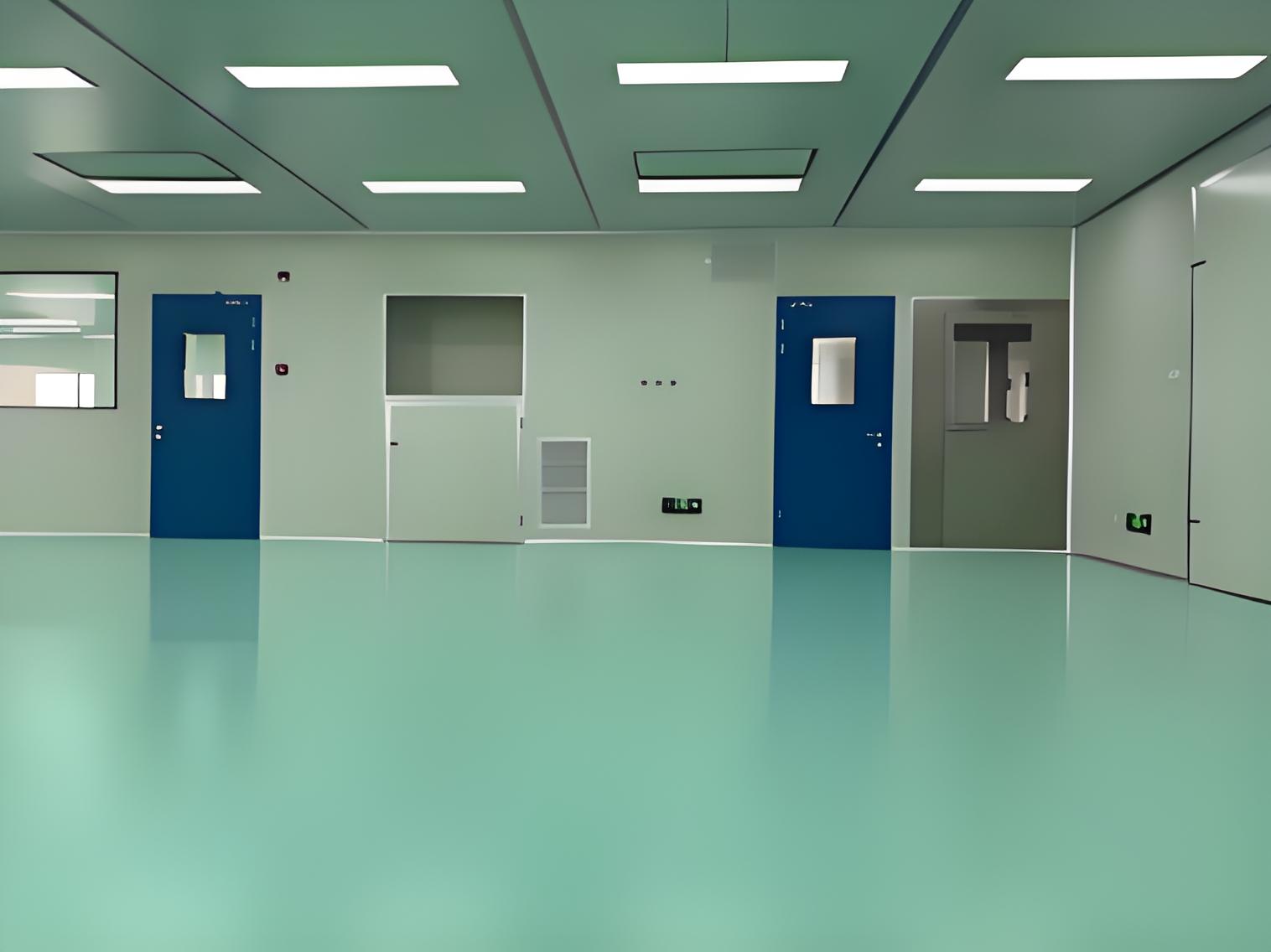
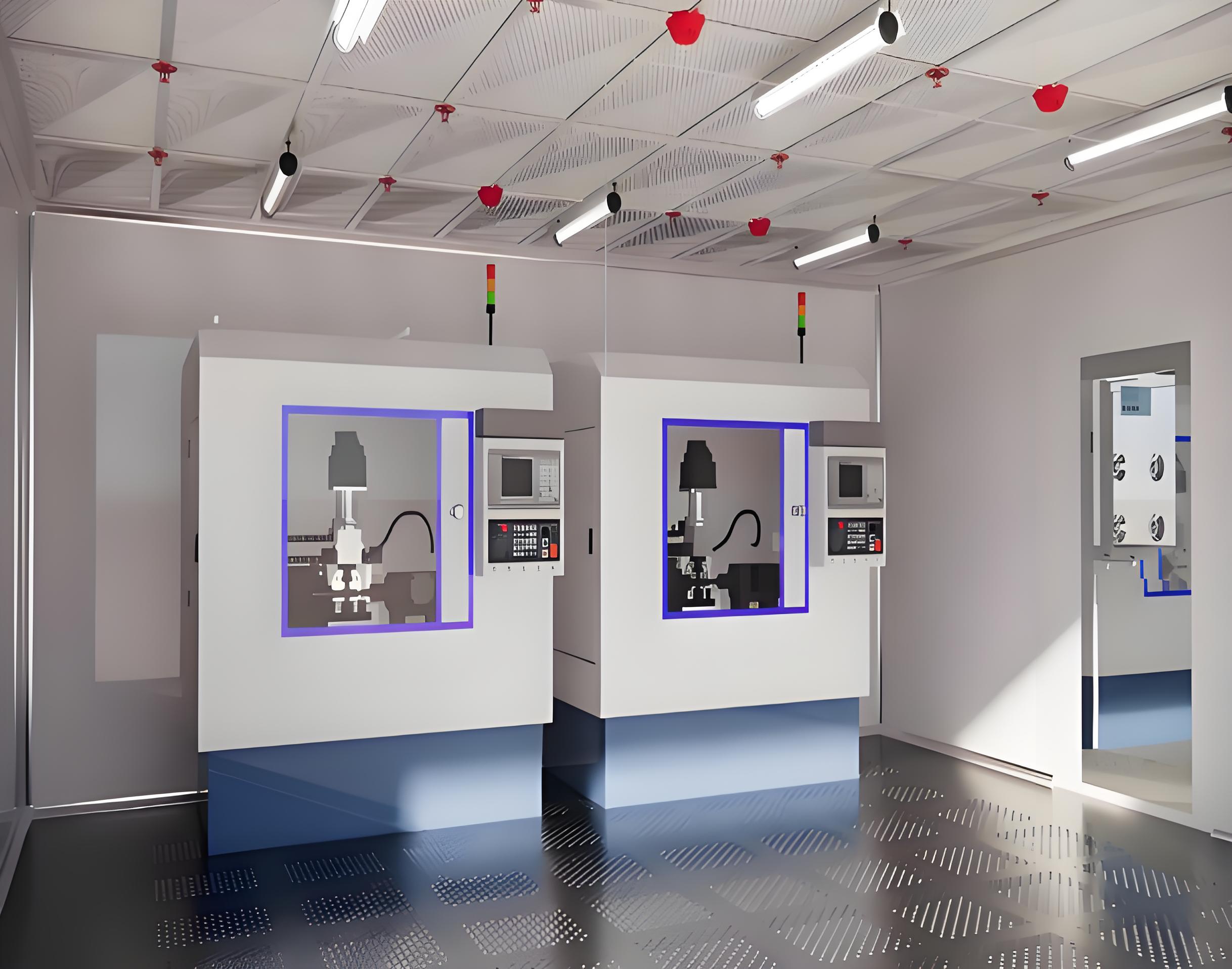
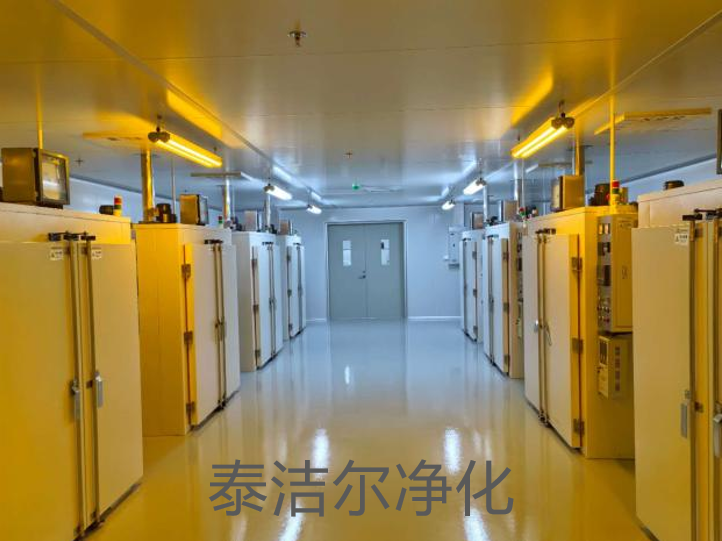
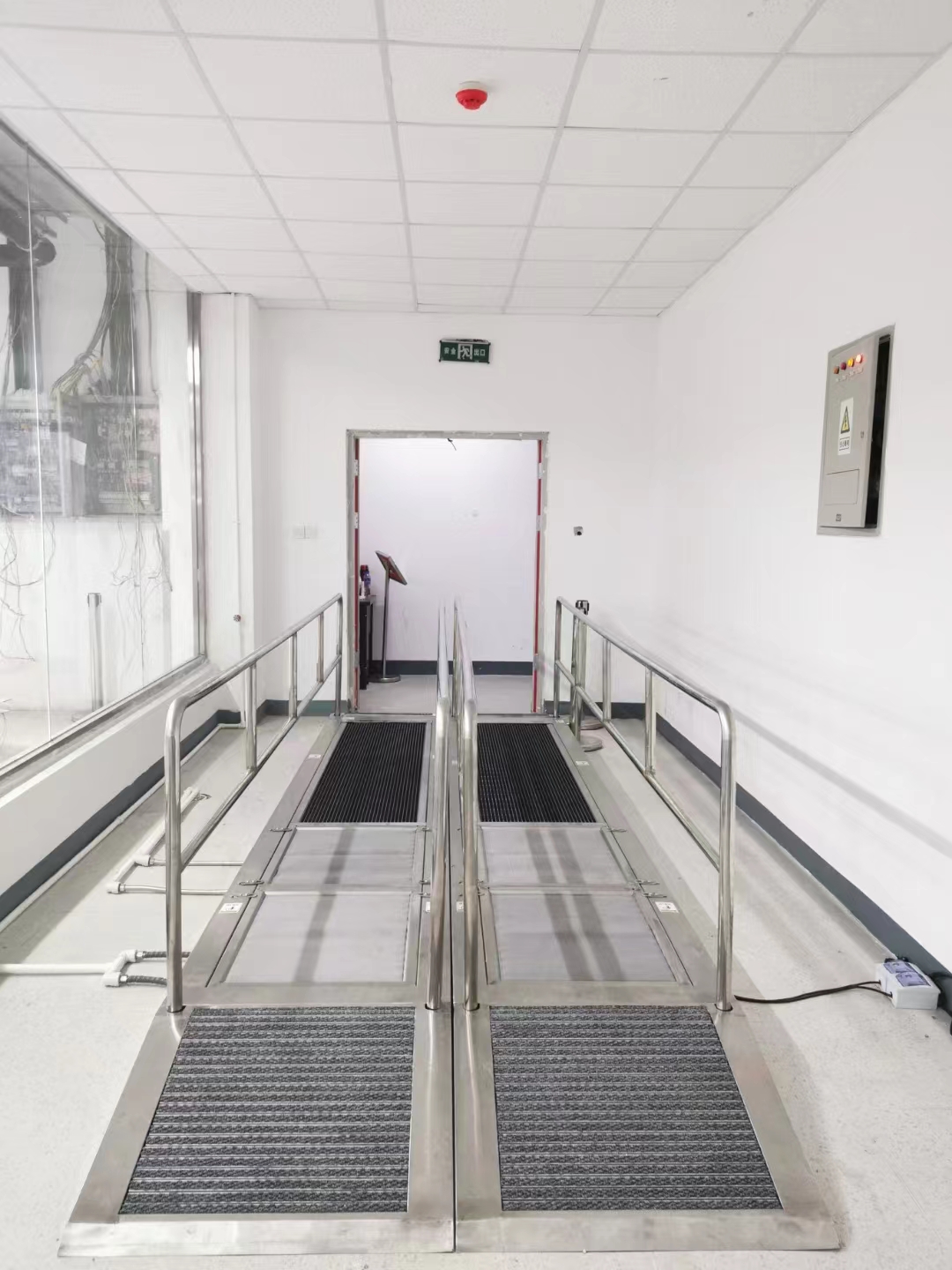
In sensitive manufacturing environments—biopharmaceutical filling lines, semiconductor fabs, and medical device assembly—the built environment directly determines product sterility and yield. Unlike standard interior finishing, Purification engineering decoration represents a systematic discipline that integrates wall/ceiling/floor panel engineering, pressurized envelope integrity, particle-shedding control, and dynamic airflow compatibility. This article examines the technical backbone of controlled environment finishing, covering substrate selection, joint sealing protocols, cleanroom material validation, and integration with filtration cascades—all essential for meeting ISO 14644-1, EU GMP Annex 1, and FED-STD-209E benchmarks.

Effective cleanroom construction goes beyond aesthetic smoothness. It requires a holistic approach where every surface, seam, and penetration supports unidirectional or non-unidirectional airflow without generating or retaining contaminants. Below are the foundational disciplines every engineer must specify.
Surface materials in pharmaceutical or microelectronics cleanrooms must exhibit low outgassing, resistance to frequent sanitization (VHP, ozone, bleach), and zero particle release under airflow velocities of 0.2–0.5 m/s. Standard options include:
Polyurethane seamless flooring – Electrostatic dissipative (ESD) variants, self-leveling, welded with hot air tools to avoid bacterial harborage.
Modified epoxy panels – Low volatile organic compound (VOC) formulations, hardness Shore D >80, scratch repair protocols.
Solid polypropylene (PP) or PVC cladding – For wet-chemistry zones, acid/alkali resistance validated by DIN 51130.
Prefabricated modular sandwich panels – Rockwool or honeycomb core, surface finished with antibacterial polyester coating (ISO 22196 tested).
Each material choice directly impacts the life-cycle performance of Purification engineering decoration; for instance, non-welded floor seams can release up to 10^6 particles ≥0.1 µm per square meter under vibration, violating ISO 7 classification.
A purification envelope must maintain differential pressure (ΔP) from 10 Pa to 50 Pa between adjacent zones. This demands:
Full adhesive-bonded panel joints with silicone-free sealants (neutral cure, low molecular siloxane).
Penetrations (conduits, sprinklers) sealed via compression grommets or double-gasket systems.
Return air plenum surfaces with smooth internal finishes – no exposed insulation or sharp edges.
Pressure-relief dampers integrated into false ceilings without bypass leakage.
Proper integration ensures that the HEPA/ULPA filter terminal’s supplied clean air is not contaminated by wall cavities or unsealed junctions. Projects failing this stage often show recovery time >20 minutes after maintenance, far beyond the 3–5 minute standard for Grade C pharmaceutical areas.
Even with high-spec materials, contamination control failures frequently originate from inadequate edge detailing or installation shortcuts. Below are real-world obstacles and corresponding countermeasures grounded in industrial hygiene.
Sharp 90° internal corners accumulate moisture and organic residues, permitting pseudomonas or staphylococcus colonization. Solution: Specify factory-formed radius coving (minimum 25 mm radius) with thermoformed monolithic sheets. Coving transitions must be welded with matching polymer rods, followed by spark testing for pinholes.
Standard aluminum tracks cause abrasion, shedding particles between 5–50 µm. Solution: Use magnetic sealing pass-through doors or pneumatic sliding doors with PTFE-coated tracks. Alternatively, install cleanroom roll-up doors (PVC strips with conductive carbon) where wash-down cycles are frequent.
Under ±45 Pa pressure differential, large-format panels (1200×2400 mm) without internal stiffeners bow, opening gap seals. Solution: Reinforce panels with 0.6 mm galvanized steel ribs at ≤600 mm centers. Require deflection testing per ASTM E72: maximum L/240 under 75 Pa load.
Leading engineering integrators like TAI JIE ER have developed modular cleanroom systems where Purification engineering decoration elements (wall panels, coving, door frames) undergo pre-assembly leak testing before site delivery, reducing on-site remediation by 60% compared to traditional construction.
Each sector imposes unique surface properties and cleanliness requirements. The following table (in descriptive form) highlights customization necessities.
Flooring: Seamless polyurethane with fungicidal additive, slip resistance R10, able to withstand 1000+ cycles of quaternary ammonium cleaning.
Wall finish: Epoxy-polyester hybrid, low surface roughness (Ra < 0.8 µm), validated for CIP/SIP environments.
Ceiling plenum: Washable aluminum extruded grid with gel-seal gaskets for leak rate ≤0.01% at 300 Pa.
Standard: EU GMP Grade A/B (ISO 5 dynamic). Air changes 60-120 ACH.
Static control: Surface resistivity 10^5 – 10^9 Ω/sq (ESD-safe). Carbon-fiber infused vinyl tiles or conductive epoxy mortar.
Vibration control: Floor panels with >2500 kN/m stiffness, isolated from structural slab via neoprene pads.
Outgassing restrictions: Total hydrocarbon emission <0.5 µg/m²/hr per SEMI S23.
Ceiling fan filter unit (FFU) interface: airtight compression frame with flatness ≤2mm over 2 meters.
Wall penetration sleeves: Hygienic design with removable covers for cleaning validation.
Light fixtures: Flush-mounted, IP65 rated, lens made of anti-static polycarbonate.
Particle monitoring integration: Embedded conduits for remote particle counters without exposed wiring.
For each scenario, the execution of Purification engineering decoration must include a joint inspection protocol using a 5000-lumen light board to detect surface defects and a smoke study to visualize airflow disruption near protrusions.
Post-construction verification is non-negotiable. Below are mandatory tests and acceptance criteria that prove decoration efficacy.
Filter integrity scanning (PAO or DEHS test): ≤0.01% penetration for HEPA H14, ≤0.005% for ULPA U15.
Room recovery test: From 100:1 particle dilution to ISO class limit ≤15 minutes (pharma) or ≤10 minutes (microelectronics).
Surface particle count (contact plates or swabs): ≤1 CFU/25cm² for Grade A; ≥5µm particles <1 per ft² via vacuum probe (IEST-RP-CC003).
Gap and crevice detection: No openings >0.2 mm visible under 50x magnification on coving, panel joints, utility ports.
Air pressure leakage test: Door and panel assembly ≤0.5% leakage area as per SMACNA standard.
Documentation packages must include material certificates (fire rating EN 13501-1 class B-s1, d0), weld logs, and torque readings for all mechanical fixings.
Modern purification envelopes are evolving toward smart cleanrooms. Pressure transducers, humidity sensors, and particle counters embed directly into modular wall panels during fabrication. Wireless communication nodes pre-installed in ceiling grids reduce post-construction drilling, preserving the integrity of Purification engineering decoration. Additionally, movable partition systems allow reconfiguring cleanroom layouts without breaking the hermetic seal – each panel features patented cam-lock joining with double silicone extrusion. This adaptability lowers requalification costs when production scales.
Companies like TAI JIE ER now provide pre-validated modular cleanroom kits where the decoration package (walls, floor, ceiling, pass-through boxes) arrives as an engineered set, guaranteed to meet ISO 14644-1 class 5-8 upon installation without on-site cutting, reducing project schedules by 30%.
Q1: What is the difference between standard cleanroom
construction and Purification engineering
decoration?
A1: Standard construction focuses on
structural integrity and basic air filtration; purification engineering
decoration specifically addresses particle shedding from substrates, seamless
hygienic detailing (radius corners, welded seams), compatibility with chemical
disinfectants, and integration with pressure cascades. It ensures every surface
contributes to contamination control rather than acting as a hidden particle
source.
Q2: Which surface roughness (Ra) values are required for
pharmaceutical purification decoration?
A2: For EU
GMP Grade A/B environments, Ra should be ≤0.8 µm for walls and ≤0.5 µm for
floors. In aseptic processing zones, surfaces must be free of scratches >0.2
mm depth. These values prevent microbial adhesion and allow effective cleaning.
Q3: Can Purification engineering decoration be retrofitted into existing
conventional warehouses?
A3: Yes, by using modular
panel systems independent of existing walls. However, the original slab must be
leveled and treated with a vapor barrier. Suspended ceiling gridwork must
support HEPA filters and lighting without flex. Retrofitted projects often
require additional sealing at column penetrations and expansion joints.
Q4: How does material outgassing influence purification decoration in
semiconductor cleanrooms?
A4: Outgassed
hydrocarbons (siloxanes, plasticizers) deposit on wafer surfaces, causing
defects in photolithography. Decoration materials must be tested per SEMI S23 or
ASTM E595 for total mass loss (TML <1.0%) and collected volatile condensable
material (CVCM <0.1%). Pre-baking panels at 50°C for 72 hours reduces
outgassing before installation.
Q5: What certification is required for a
Purification engineering decoration contractor?
A5: Key credentials include NEBB (National Environmental Balancing Bureau) Cleanroom
Performance Testing certification, ISO 14644-1 training, and factory-audit
approval from panel manufacturers. Additionally, installers should hold IEST
(Institute of Environmental Sciences and Technology) recommendations for modular
cleanroom assembly. Verify documented experience with leak-tight jointing and
ultrasonic weld inspection.
Q6: How often should post-installation requalification of
decoration surfaces occur?
A6: Annually for
particle fallout testing on walls and floors, and every 6 months for seal
integrity (positive pressure leak test). In abrasive environments (e.g., powder
handling), semiannual inspection for micro-cracks is recommended.
For engineering consultation, material selection, or a full turnkey design-build proposal for your cleanroom, pharmaceutical, or semiconductor facility, contact the technical team at TAI JIE ER. Provide your required ISO class, room dimensions, airflow pattern (unidirectional/displacement), and surface sanitation frequency. Our engineers will respond with a detailed specification package including joint detail drawings, material datasheets, and validation protocols.
Send project details directly to: 912228126@qq.com
Online inquiry form: https://www.taijieer.com/contact.html
Please
mention your target cleanroom class and industry application (pharma, biotech,
electronics, medical devices) for a prioritized response.