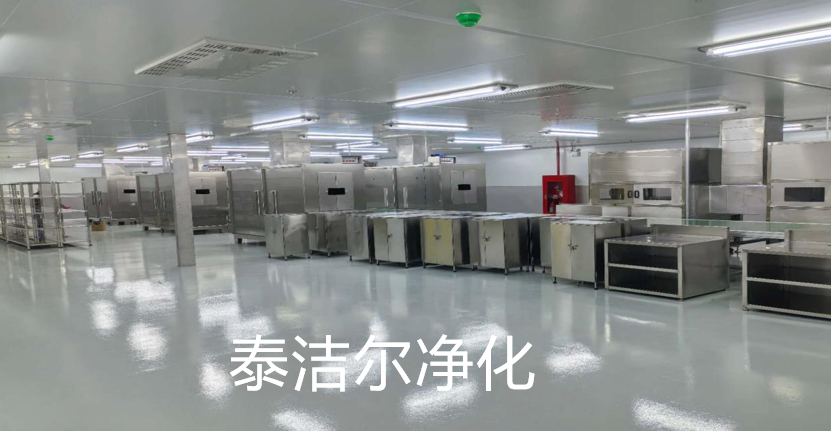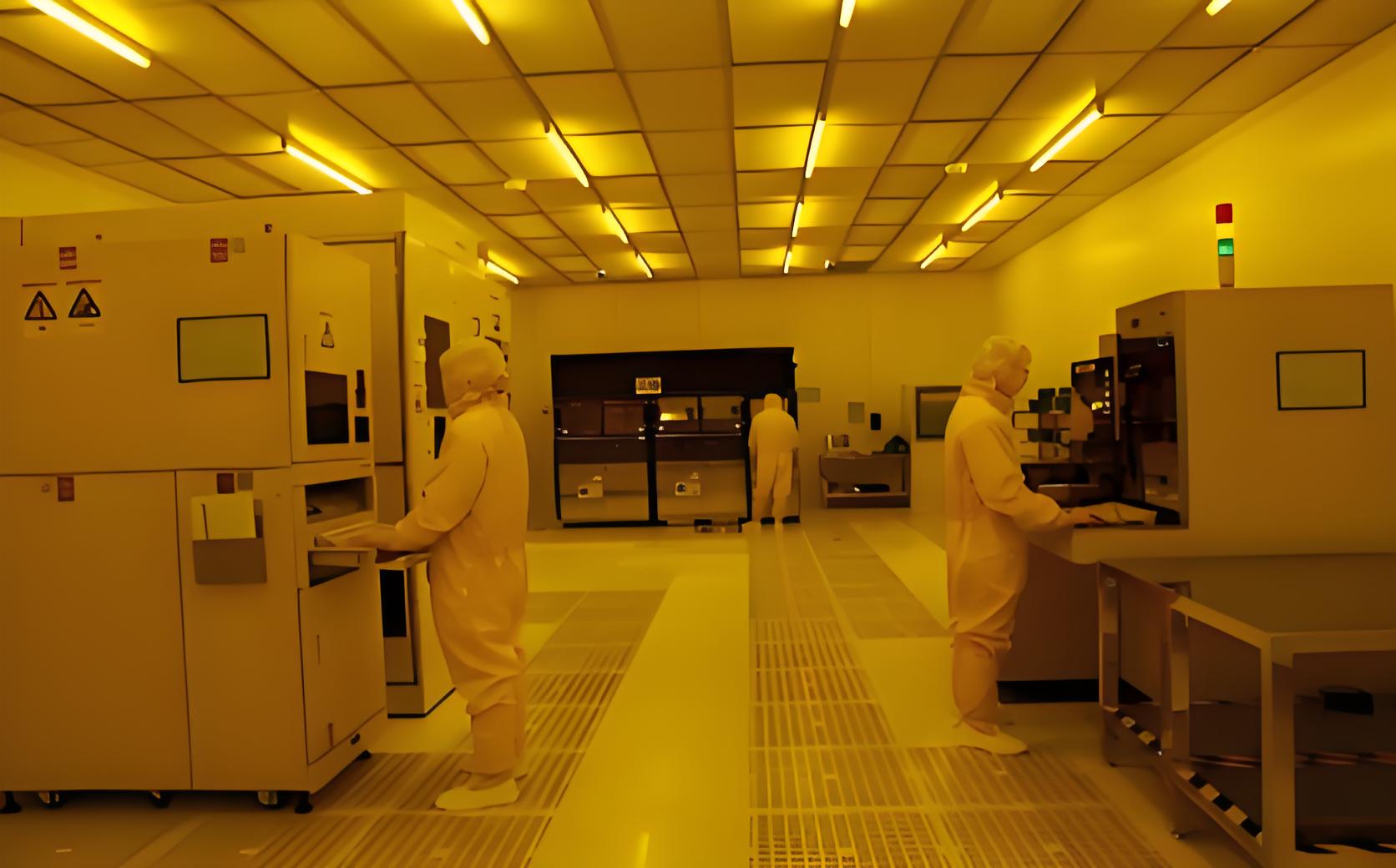
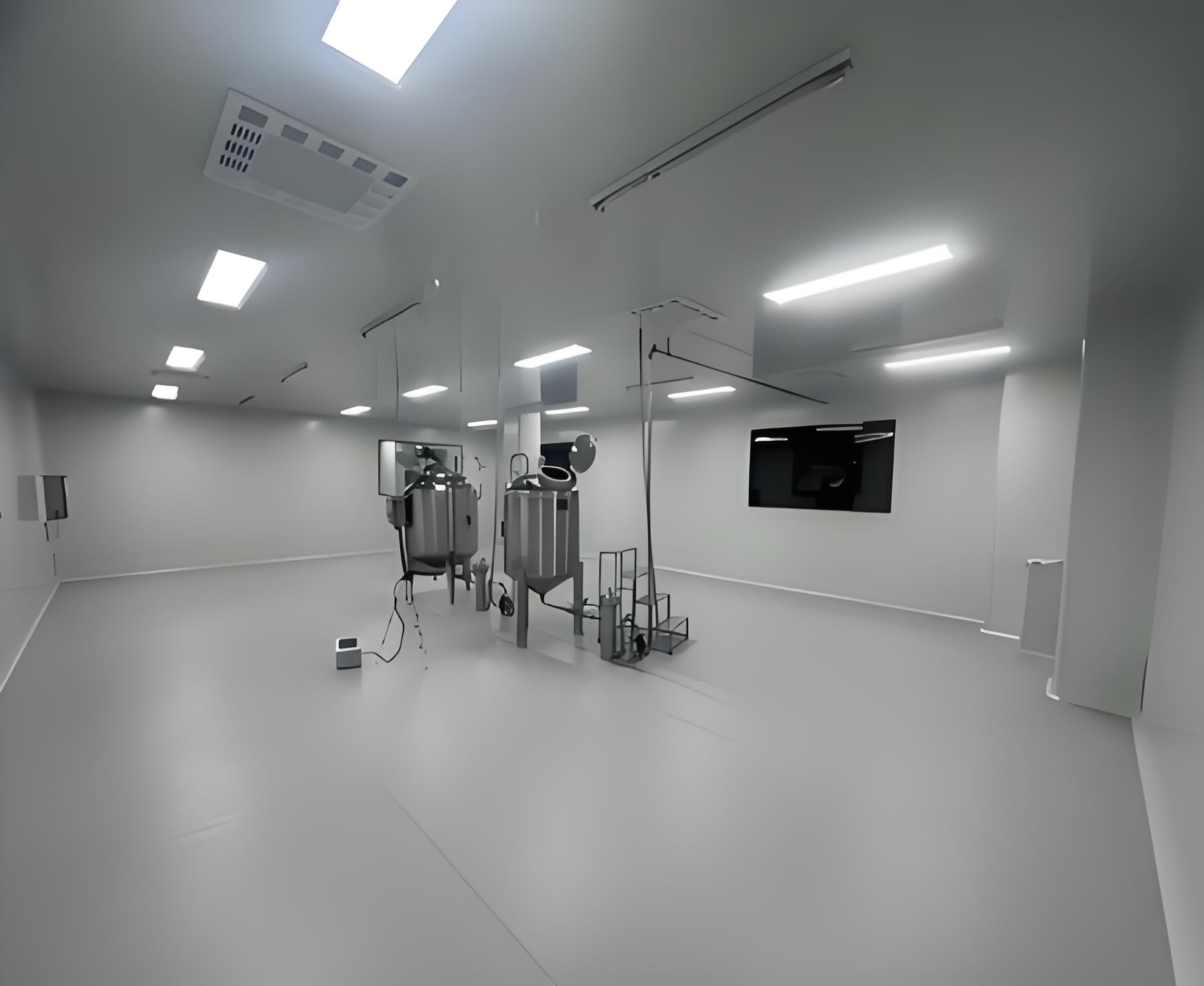
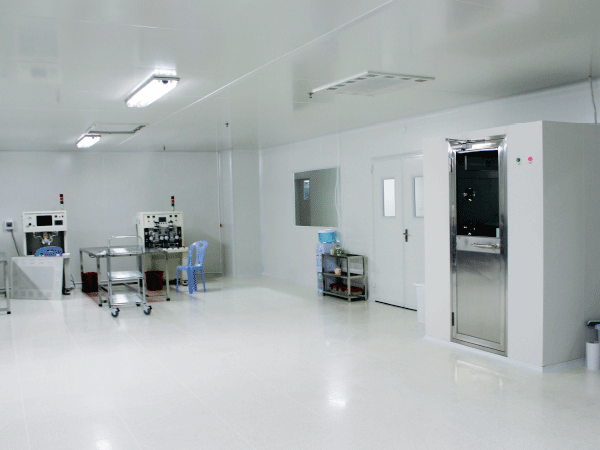
In modern biopharmaceutical manufacturing, a single microscopic particle can compromise an entire batch of sterile injectables, resulting in millions of dollars in losses. As global regulatory bodies like the FDA and EMA tighten compliance standards, facility design has moved beyond simple containment.
Pharmaceutical purification engineering is no longer just about building clean spaces. It is about creating highly controlled dynamic ecosystems where airflow, pressure differentials, and material science converge to guarantee product safety and operational efficiency.
This article provides an in-depth analysis of the technical complexities, regulatory requirements, and modern engineering practices necessary to design and operate compliant pharmaceutical cleanrooms.
A common misconception in pharmaceutical purification engineering is that more air changes per hour (ACH) and higher pressure differentials automatically guarantee better compliance. In practice, over-engineered cleanrooms often introduce significant risks.
Excessive airflow can create air turbulence, which actually suspends particles rather than sweeping them toward exhaust grilles. Furthermore, over-designed HVAC systems dramatically increase capital expenditures and operational energy consumption.
Efficient cleanroom engineering focuses on precision and optimization. By tailoring the airflow kinetics to the specific process requirements, systems achieve consistent compliance with a reduced energy footprint. Working with experienced partners like TAI JIE ER helps facilities strike this balance through computational fluid dynamics (CFD) modeling.
To systematically address cleanroom design challenges, we utilize the Dynamic Equilibrium Triad (DET) framework. This methodology divides cleanroom integrity into three interdependent pillars:
| Pillar | Key Focus Areas | Engineering Metric |
|---|---|---|
| 1. Airflow Integrity | Laminar flow patterns, filtration efficiency (HEPA/ULPA), and recovery time. | Air Change Rates (ACH), Particle Count Recovery Rate (ISO 14644-3). |
| 2. Operational Protocol | Personnel gowning procedures, material transfer pathways, and cleaning validation. | Microbiological contamination levels (CFU/m³). |
| 3. Thermal & Pressure Stability | Cascading pressure differentials, temperature control, and relative humidity management. | Differential Pressure (Pa), Temp Tolerance (±1°C), RH % Tolerance (±5%). |
According to this framework, a failure in one pillar cannot be compensated for by over-designing another. For example, high airflow velocity (Pillar 1) will not offset poor personnel habits (Pillar 2) or inadequate differential pressure (Pillar 3).
The heating, ventilation, and air conditioning (HVAC) system is the heart of any pharmaceutical purification project. It must consistently supply clean, conditioned air to meet ISO and GMP standards.
Terminal HEPA filters (99.97% efficiency at 0.3 microns) or ULPA filters are deployed depending on the cleanroom classification (Grade A to Grade D). Modern systems utilize Variable Air Volume (VAV) controllers to adjust fan speeds dynamically, maintaining precise pressure even as filter loading increases over time.
Preventing cross-contamination requires strict pressure zoning. Positive pressure cascades (typically +10 to +15 Pascals relative to adjacent lower-grade areas) prevent airborne contaminants from entering clean spaces.
Conversely, for hazardous substances, potent drugs, or live viruses, engineers design negative pressure containment zones. These protect both the operators and the external environment from accidental exposure.
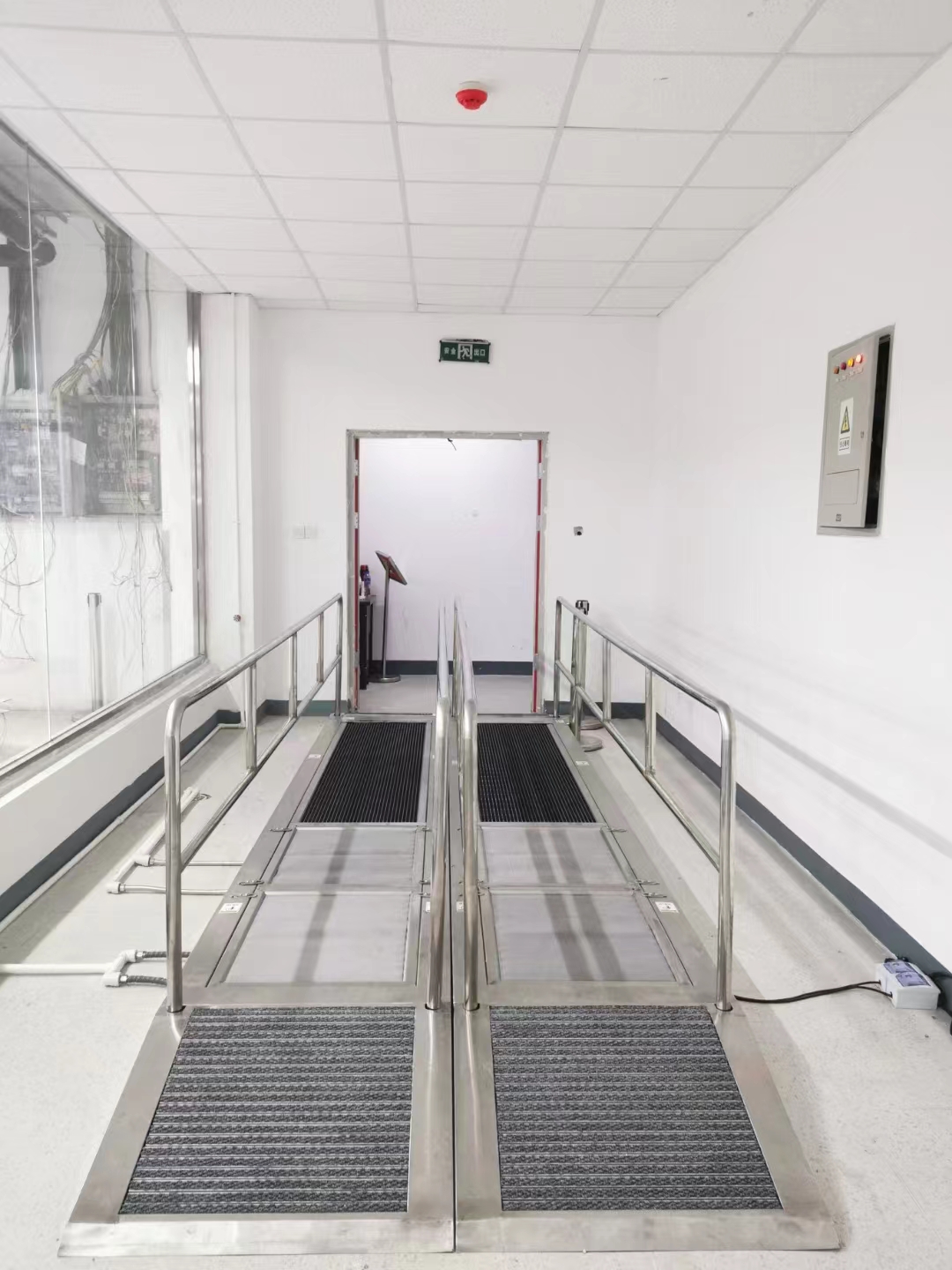
Designing these systems requires complex air balancing, utilizing airlocks (bubble, sink, or cascade configurations) to manage pressure differentials during personnel and material transitions.
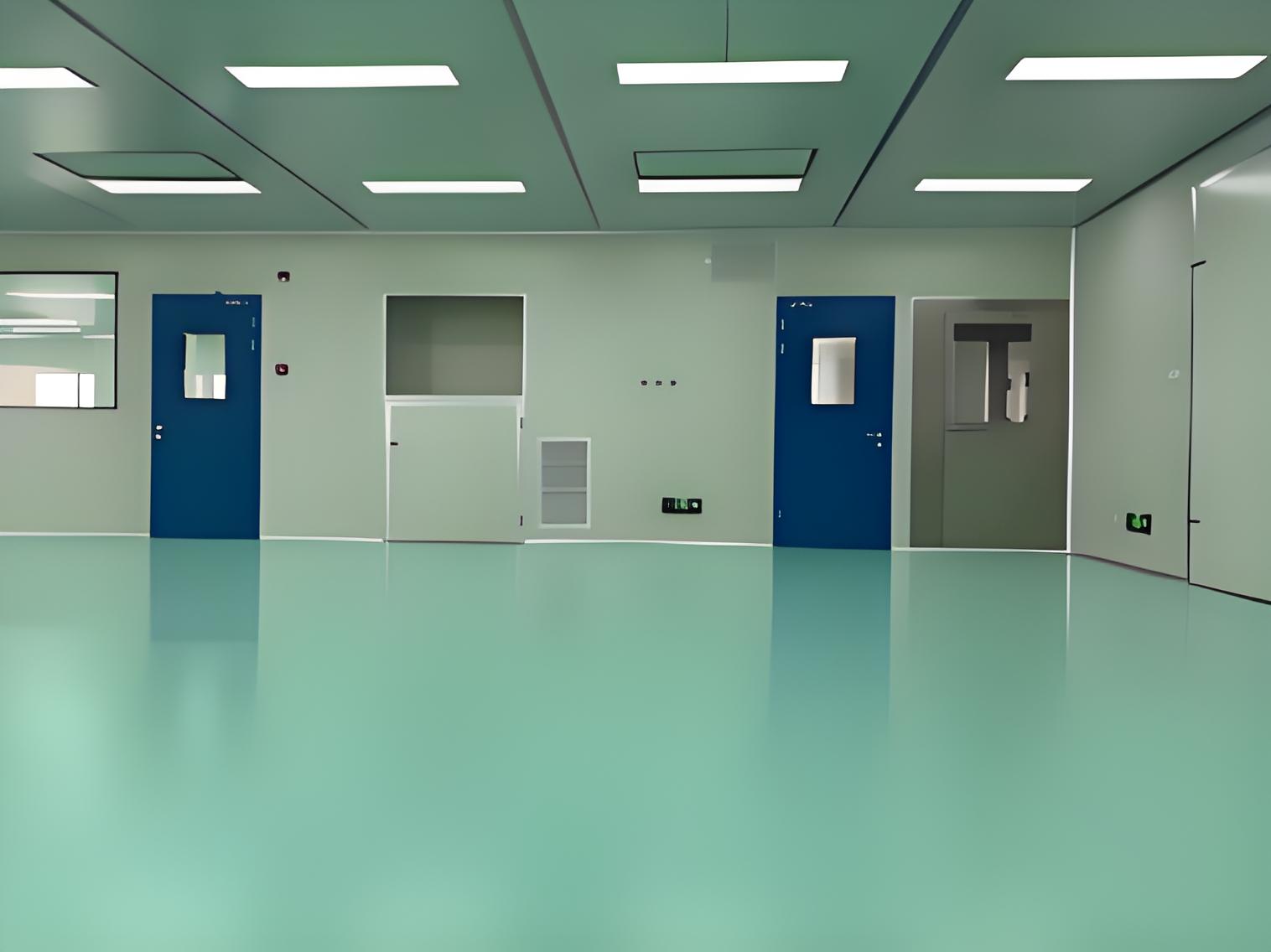
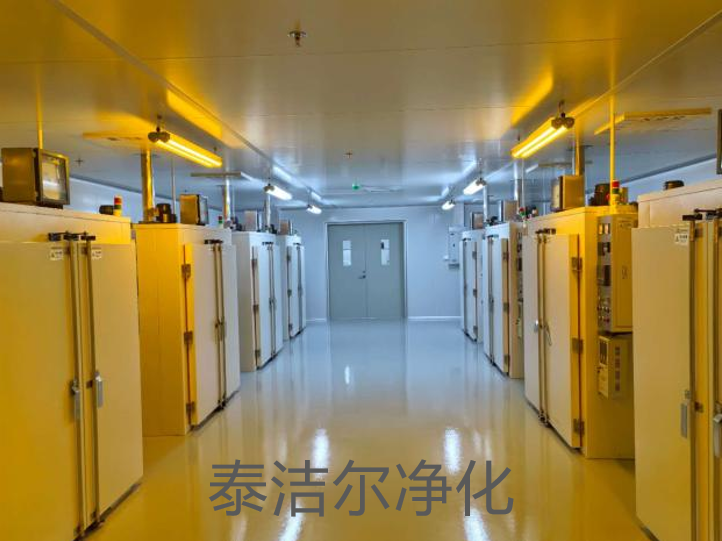
Cleanroom surfaces must be non-shedding, non-reactive, and resistant to harsh sanitizing agents. Standard materials include double-sided sandwich panels with polyurethane, rockwool, or aluminum honeycomb cores.
Flooring typically consists of self-leveling epoxy or heavy-duty PVC with welded seams. All joints between walls, floors, and ceilings are coved to prevent dust accumulation and facilitate thorough sanitization.
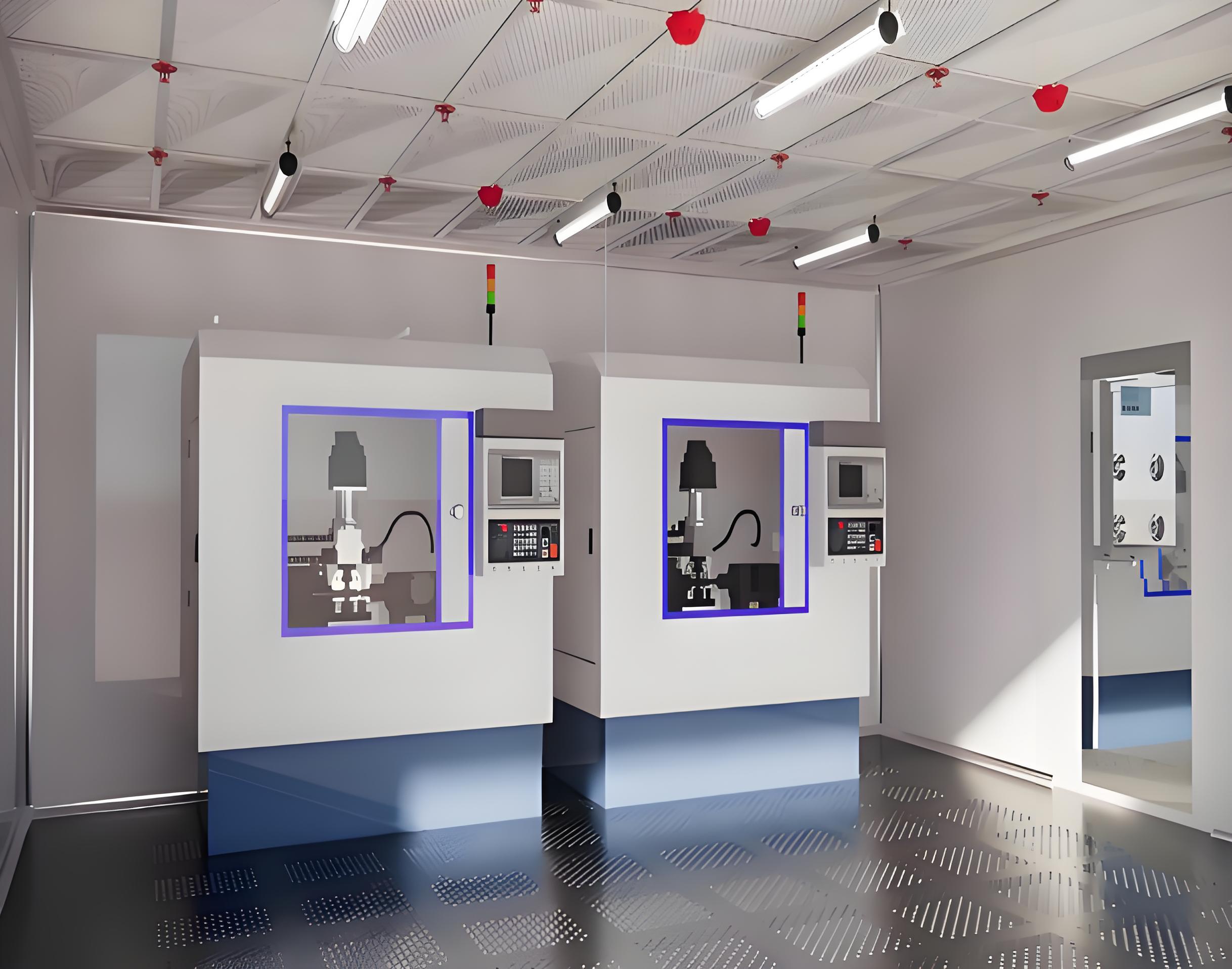
Modern pharmaceutical facilities rely on integrated Environmental Monitoring Systems (EMS). These systems continuously track temperature, humidity, differential pressure, and airborne particle counts.
If any parameter drifts close to action limits, the system triggers alerts before a non-conformance event occurs. This real-time data logging is critical for regulatory audits and batch release documentation.
This checklist outlines the critical steps required during the mechanical completion and pre-commissioning phases of a pharmaceutical purification engineering project.
| Phase / System | Verification Item | Target / Acceptance Criteria | Status (Pass/Fail) |
|---|---|---|---|
| Enclosure Integrity | Wall and ceiling panel joints, coved profiles, and sealant application. | No visible gaps; airtight seal under nominal operating pressure. | [ ] |
| HVAC & AHU | Duct leak testing and fan rotation direction. | Class C air leakage limit met according to DW143 standard. | [ ] |
| Air Filtration | HEPA filter installation and PAO (Polyalphaolefin) leak testing. | Leaker rate less than 0.01% of upstream concentration. | [ ] |
| Pressure Cascade | Differential pressure measurement between cleanrooms. | Stable differential pressure within ±2 Pa of design target. | [ ] |
| Electrical / EMS | Sensor calibration validation (Temp, RH, DP). | Traceable calibration certificates provided for all probes. | [ ] |
Energy efficiency in cleanrooms is best achieved by implementing occupied/unoccupied modes. During non-production hours, airflow rates can be reduced safely while maintaining the required pressure differentials to prevent contamination ingress. Dynamic fan speed control using high-efficiency EC motors also minimizes power consumption.
The most common issues stem from leaks in the HEPA filter gaskets, inadequate air balancing causing pressure reversals, and insufficient recovery times. Regular preventive maintenance, duct cleaning, and proper construction supervision by qualified contractors like TAI JIE ER significantly mitigate these risks.
The updated EU GMP Annex 1 places heavy emphasis on Quality Risk Management (QRM) and the implementation of a comprehensive Contamination Control Strategy (CCS). From an engineering perspective, this requires more robust barrier systems (RABS or isolators), continuous viable and non-viable particle monitoring, and fully automated decontamination systems (such as vaporized hydrogen peroxide - VHP).
Achieving compliance in pharmaceutical purification engineering requires deep technical knowledge and meticulous attention to detail. At TAI JIE ER, we deliver custom-designed, validation-ready cleanroom solutions that conform to FDA, EMA, and local GMP standards.
Our team assists you from initial concept and dynamic airflow design to system integration and qualification support. Contact us today to discuss your project requirements and optimize your production facility.