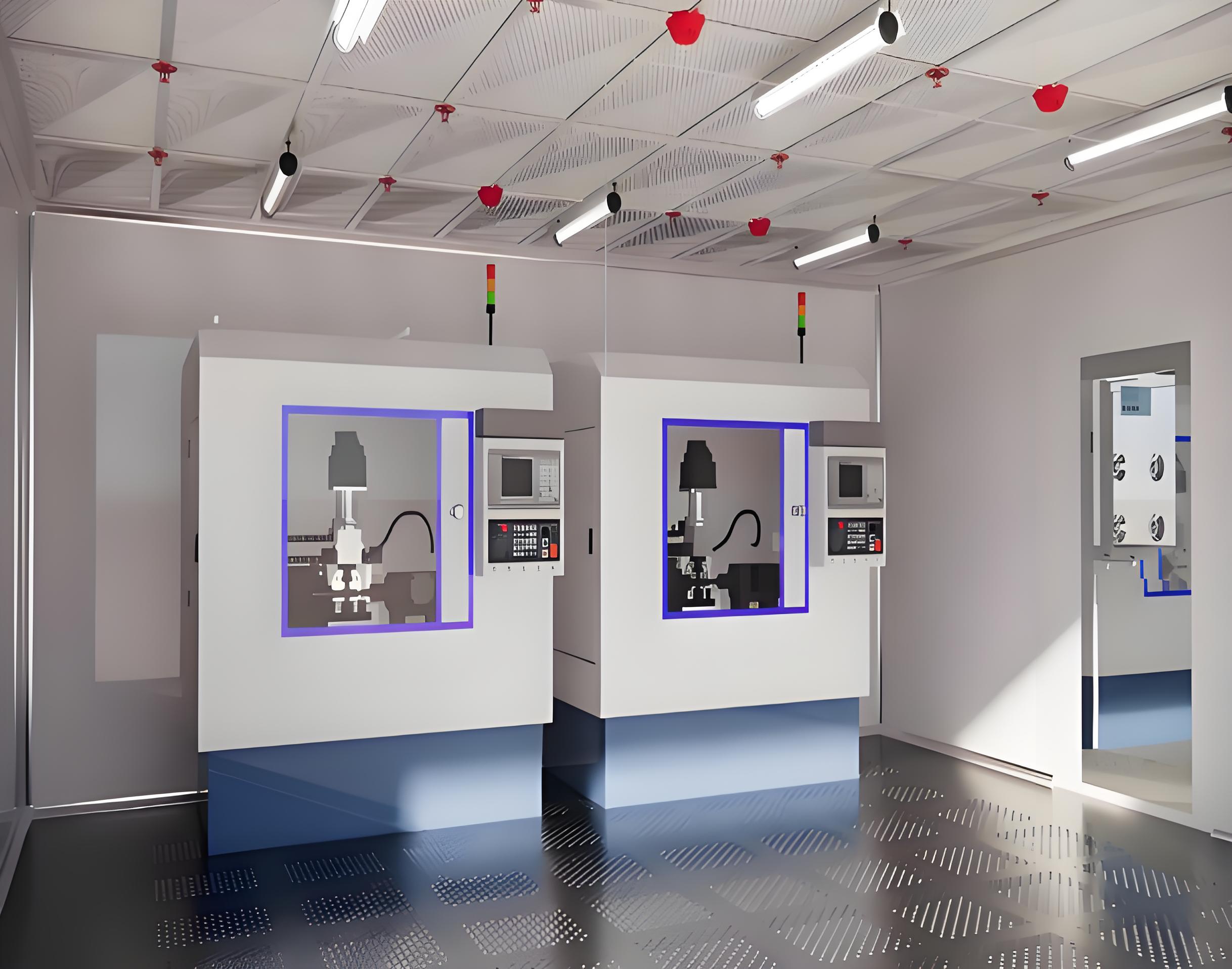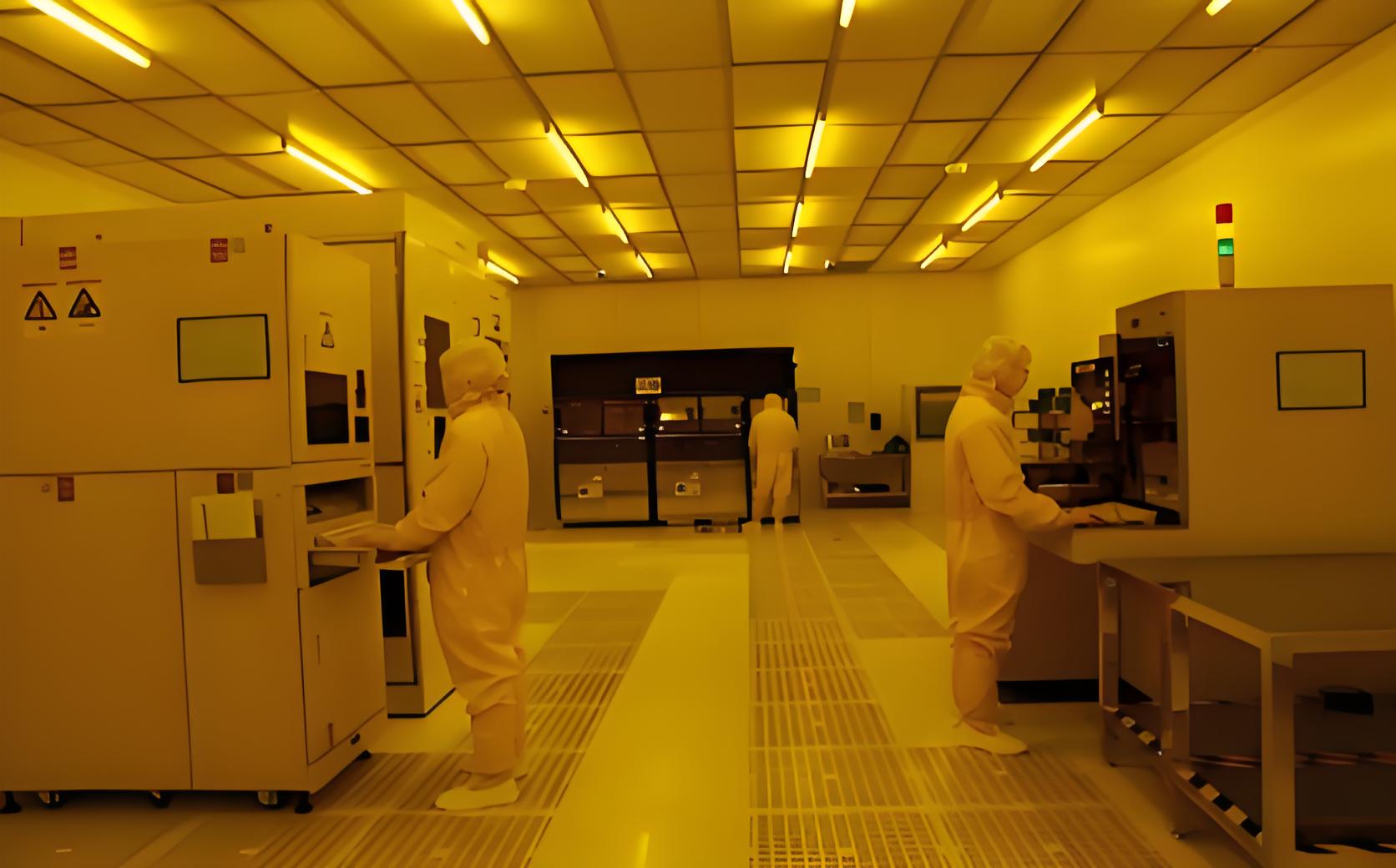
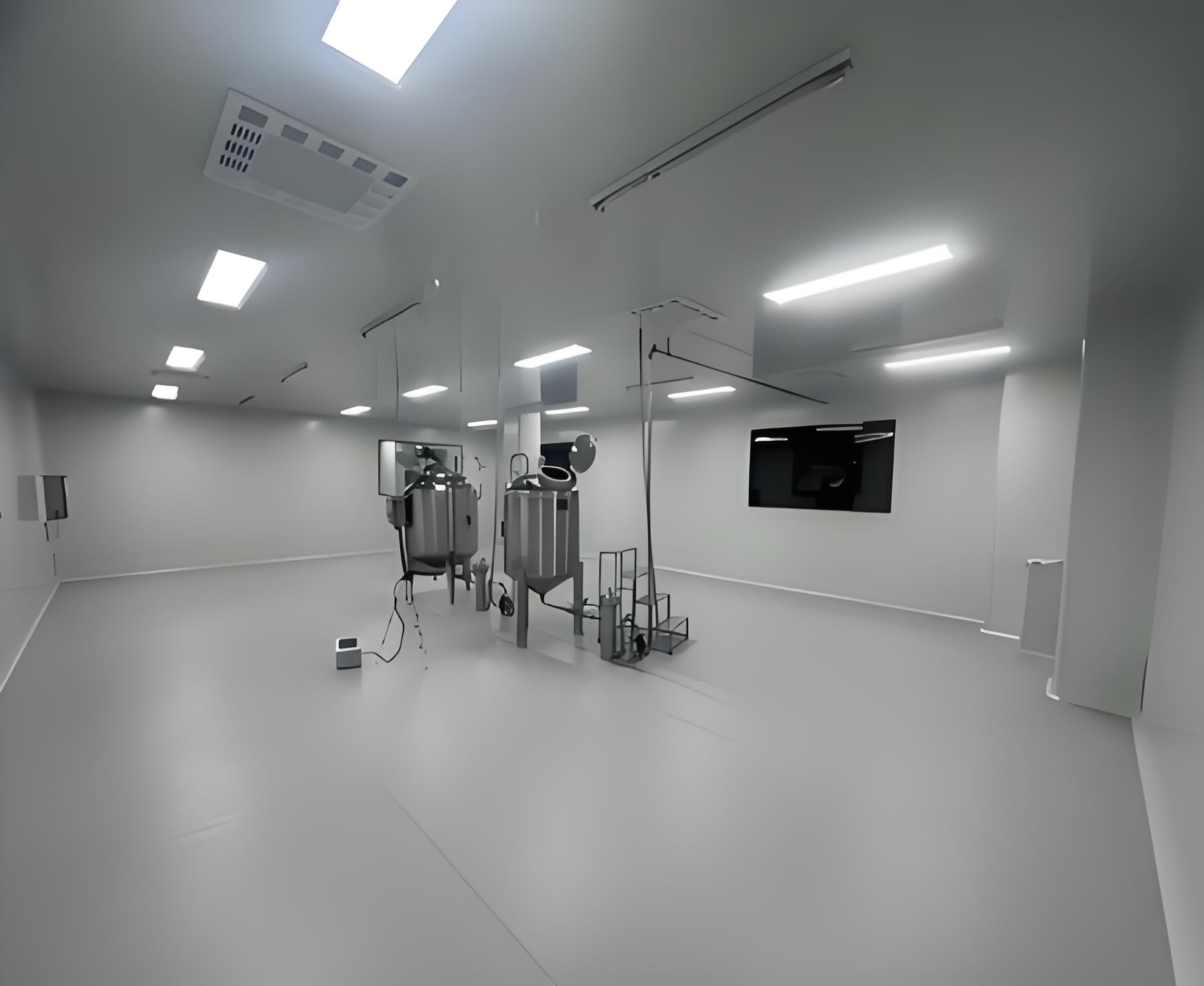
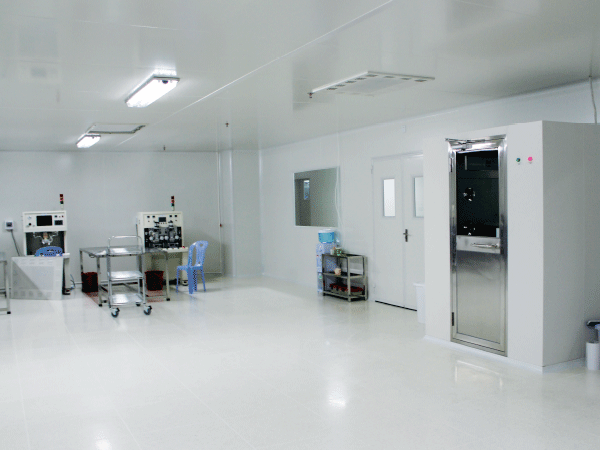

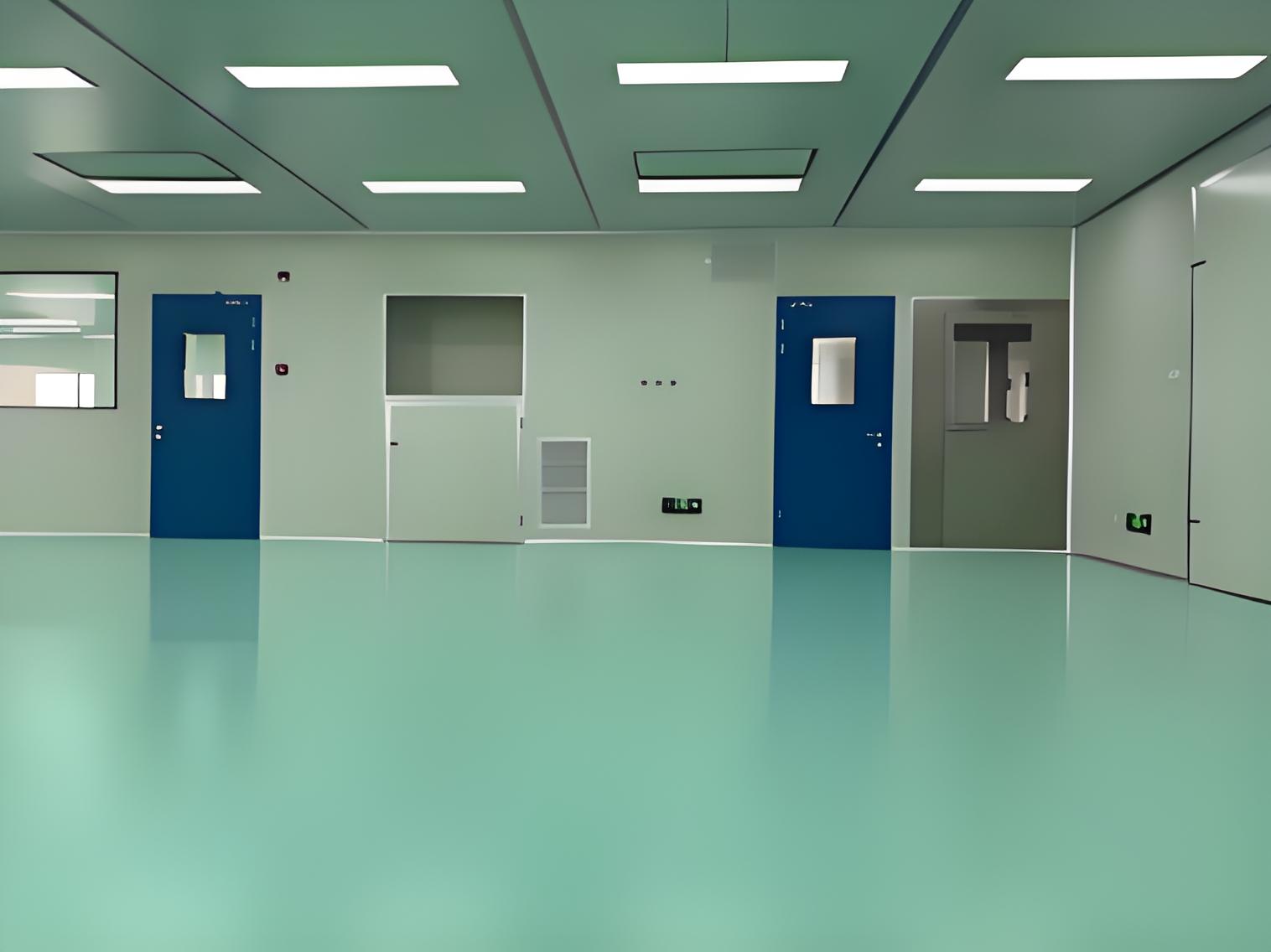
High-precision manufacturing industries demand strict environmental controls to prevent particulate contamination from compromising product integrity. Plastic injection molding, historically viewed as a heavy industrial process, has transitioned toward cleanroom environments to satisfy stringent quality standards. Sectors such as medical device manufacturing, optical sensor assembly, and semiconductor packaging cannot tolerate ambient dust or airborne fibers. Implementing a robust Injection molding purification project establishes the required atmospheric parameters to prevent product defects. Turnkey cleanroom engineering providers like TAI JIE ER design and install specialized systems that align mechanical engineering with strict contamination control protocols.
Achieving cleanroom compliance in injection molding requires a deep understanding of polymer processing and HVAC systems. Molding machinery generates substantial thermal loads, outgasses volatile compounds, and produces static charges that attract particulates. Therefore, standard cleanroom designs cannot be directly applied without addressing these specific industrial variables. A successful engineering design isolates contamination sources while maintaining temperature and humidity stability across the production floor.
During the melting and shearing of polymer resins, microscopic particles and gaseous emissions are released into the surrounding air. Raw material feeding, mold clamping movements, and component ejection represent major particulate generation points. If these particulates settle on optical surfaces or medical components before packaging, the parts are deemed scrap.
Polymers are naturally dielectric materials that accumulate static electricity during friction and rapid temperature changes. When a molded part is ejected from the steel mold cavity, it carries a high electrostatic charge. This charge acts as a physical magnet for airborne particulates. A standard factory environment allows dust to settle instantly on the warm plastic, leading to permanent cosmetic or functional defects. Integrating ionization bars and high-efficiency particulate air (HEPA) filtration within the ejector zone neutralizes these static charges, allowing the laminar airflow to sweep particles away before deposition occurs.
High temperature processing causes certain polymers to release volatile organic compounds (VOCs) and moisture. These gaseous emissions can condense on the cool surfaces of the mold cavity, forming a film that alters the surface finish of subsequent molded parts. Over time, this condensation corrodes precision mold inserts. An engineered ventilation strategy within the cleanroom balances localized extraction with supply air, capturing outgasses at the source without disrupting the protective laminar airflow pattern.
To establish a stable environment, the purification infrastructure must handle high thermal output while ensuring strict ISO cleanliness classifications. This requires a balanced integration of HVAC systems, pressure differentials, and filtration layers.
The following engineering elements are indispensable for maintaining environmental equilibrium:
These components must operate in tandem to withstand the demanding duty cycles of twenty-four-hour manufacturing plants.
Cleanrooms are classified according to ISO 14644-1 standards, which dictate the maximum allowable concentration of particles per cubic meter of air. Depending on the product application, injection molding zones are designed to meet ISO Class 5 through ISO Class 8 criteria.
ISO Class 8 environments are common for standard medical packaging and electronic enclosures. However, optical lenses and implantable medical components require ISO Class 7 or ISO Class 5 zones. To achieve these higher classifications efficiently, engineers often utilize a localized zoning approach. Rather than classifying the entire facility to a high level, localized laminar flow hoods are suspended directly over the clamping unit of the injection molding machine. This localized zoning reduces energy consumption and simplifies structural requirements.
As an experienced contractor, TAI JIE ER analyzes the specific product clean-level requirements to design localized isolation zones. This approach provides targeted particulate control where the melted polymer is exposed, while keeping the broader packaging and material handling zones at a practical, manageable ISO classification.
Integrating heavy machinery into a cleanroom environment presents physical challenges. Injection molding machines are large, require heavy maintenance access, and utilize hydraulic or electric drives that generate significant heat.
The positioning of the machine frame relative to the cleanroom wall is a major design consideration. Placing the entire machine inside the clean room increases the cooling load and introduces contamination vectors from hydraulic oil and maintenance personnel. The preferred engineering approach is to partition the machine, keeping the clamp unit inside the cleanroom while the injection unit and hydraulic power pack reside outside in a non-controlled gray space. This partition requires custom-tailored flexible seals around the tie bars to maintain pressure differentials and prevent air leakage.
Material feeding systems must also be designed carefully. Raw polymer pellets should be stored and dried outside the cleanroom, then conveyed through sealed vacuum lines directly to the machine hopper. This prevents the dust generated by raw pellets from entering the clean manufacturing area.
The performance of an Injection molding purification project must be verified through a structured testing process before manufacturing begins. This process consists of three distinct testing phases: As-Built, At-Rest, and In-Operation.
During the As-Built phase, the physical infrastructure is tested immediately after construction without equipment or personnel present. This verifies the integrity of the wall panels, ceiling grids, and ductwork sealing. The At-Rest phase occurs once the molding machines are installed but not running, establishing baseline particulate levels and air velocity profiles.
The final and most rigorous phase is the In-Operation testing. With the molding machines operating at full thermal capacity and personnel performing production duties, the system must maintain the designated ISO class. Testing during this phase monitors recovery time—the speed at which the HVAC system sweeps away a high concentration of generated particles. An engineered system must demonstrate a rapid recovery time, typically within 15 to 20 minutes, to ensure that transient spikes in particulate levels do not settle on finished components.
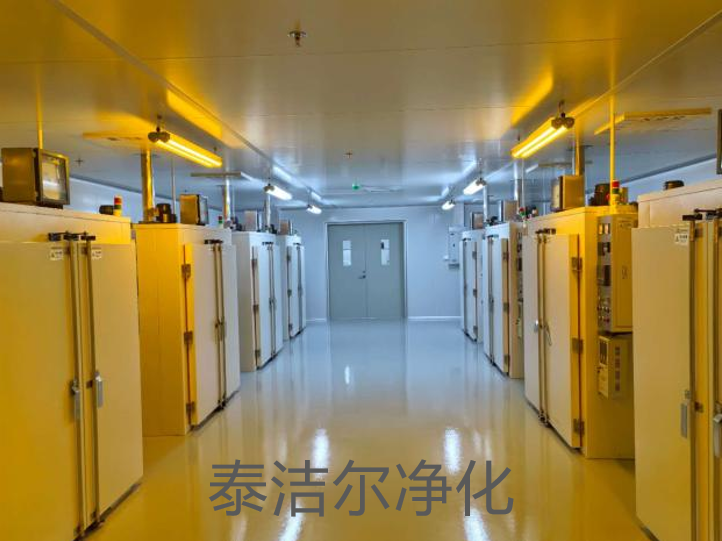
Cleanroom processing is a mandatory requirement across several high-tech vertical markets. Each application introduces specific environmental variables that must be addressed during the initial engineering design.
In medical device fabrication, preventing bioburden and pyrogen contamination is paramount. The cleanroom must not only filter physical dust but also resist microbial growth. This necessitates the use of smooth, non-porous sandwich panels that can withstand aggressive chemical sanitization agents. Flooring materials must be seamless, utilizing coved joint detailing to eliminate corners where bacteria can accumulate.
For optoelectronic components, such as camera lenses and automotive sensor covers, micro-dust is the primary failure vector. Even a sub-micron particle trapped on an optical path can distort light transmission. Consequently, the Injection molding purification project for these applications focuses on high-velocity horizontal laminar airflow systems. These systems continuously sweep across the mold surface, ensuring that any particle shed during mold opening is immediately carried away before the part is picked by a robotic arm.
Q1: Why is temperature and humidity control so vital in an injection molding cleanroom?
A1: Polymers have high thermal expansion coefficients. Minor variations in ambient temperature alter the cooling rate of the plastic in the mold, leading to warpage and dimensional deviations. Relative humidity must be tightly controlled to prevent electrostatic charge buildup in dry conditions and mold condensation in humid conditions.
Q2: How do you handle the high heat loads generated by injection molding machines inside a cleanroom?
A2: The HVAC system is engineered with dedicated sensible cooling coils and precise airflow distribution. In addition, isolating the hydraulic power units and raw material dryers outside the cleanroom wall significantly reduces the heat load that the HVAC system must offset.
Q3: What ISO cleanroom class is typically required for medical injection molding?
A3: Most medical injection molding applications require an ISO Class 7 or ISO Class 8 environment. However, the final packaging and assembly of implantable devices may require localized ISO Class 5 laminar flow zones to meet stringent regulatory standards.
Q4: How does raw material conveying affect contamination control in these projects?
A4: Raw polymer resin pellets generate dust during transport through friction. To prevent this dust from entering the cleanroom, raw materials are dried and conveyed using closed-loop vacuum systems located outside the cleanroom wall, feeding only the molten material or sealed hopper interfaces inside.
Q5: Why is electrostatic control integrated into the purification process?
A5: Molded plastic parts carry high static charges upon demolding, which attracts airborne particulates. Integrating ionizing blowers and static bars neutralizes these surface charges, allowing the cleanroom airflow to effectively prevent particle deposition.
Designing a high-performing manufacturing facility requires balancing complex mechanical loads with stringent airborne particulate standards. Partnering with a specialized cleanroom engineering provider ensures that your facility meets regulatory requirements while maintaining operational reliability. For tailored engineering designs and structured project implementation, please submit an inquiry to our technical sales team at TAI JIE ER to discuss your cleanroom facility requirements.