
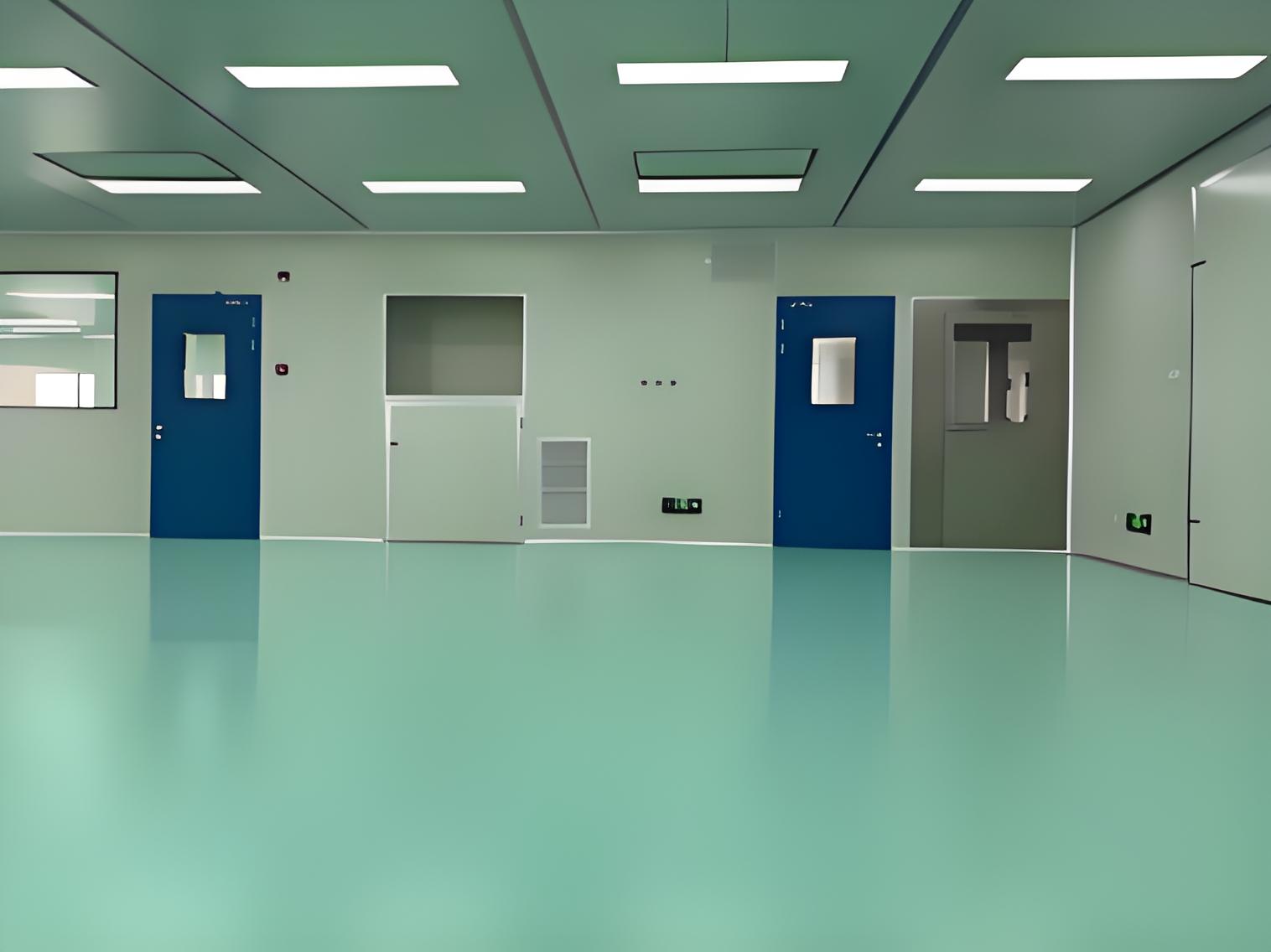
Contamination control stands as a foundational requirement across semiconductor fabrication, pharmaceutical production, medical device assembly, and aerospace engineering. A cleanroom is not merely a sealed space with air filters—it represents a systematically engineered environment where airborne particles, temperature, humidity, and pressure are precisely managed to meet defined thresholds. The performance of any cleanroom directly influences product quality, process stability, and regulatory compliance. This article examines seven parameters that determine cleanroom effectiveness, supported by industry standards and practical engineering considerations.
The foundation of cleanroom design begins with classification. ISO 14644-1 establishes a framework that quantifies airborne particulate cleanliness by particle size and concentration. Each ISO class specifies maximum allowable particles per cubic meter. For instance, ISO Class 5 permits 3,520 particles of 0.5 µm or larger per cubic meter, while ISO Class 7 allows 352,000 particles at the same size threshold. Selecting the appropriate classification requires understanding the sensitivity of the manufacturing process. Semiconductor lithography often demands ISO Class 3 or better, whereas pharmaceutical compounding may operate at ISO Class 5 or 7. The classification decision drives every subsequent design choice—from air change rates to filter selection and room pressurization.
Beyond ISO 14644, other standards such as GMP (Good Manufacturing Practice) Annex 1 and USP <797> impose additional requirements for specific industries. These standards address not only particle counts but also microbial limits, surface cleanliness, and operational procedures. A well-designed cleanroom must satisfy both the ISO classification and any sector-specific regulatory frameworks that apply to the products being manufactured.
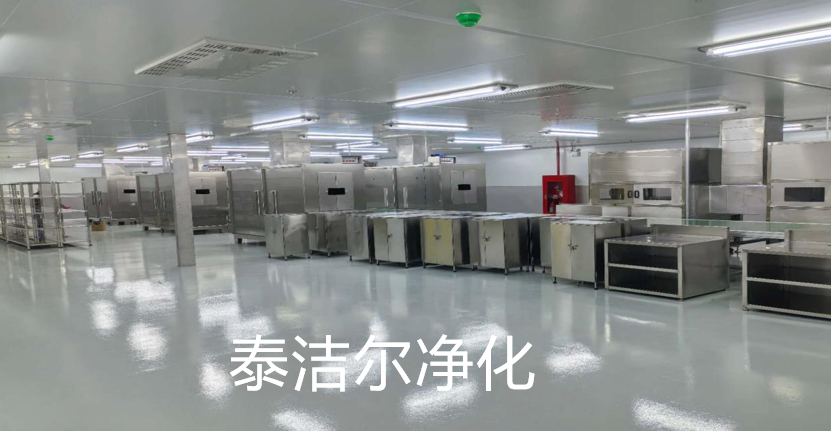
Airflow architecture represents a primary determinant of cleanroom performance. Two principal airflow regimes exist: unidirectional (laminar) flow and non-unidirectional (turbulent) flow. Unidirectional flow moves air in parallel streams at uniform velocity, typically 0.3–0.5 m/s, effectively sweeping particles away from the work zone. This pattern is mandatory for ISO Class 5 and cleaner environments. Non-unidirectional flow relies on dilution and mixing, suitable for ISO Class 6 and above, where lower particle concentrations are acceptable.
HEPA (High-Efficiency Particulate Air) filters remove 99.97% of particles at 0.3 µm, while ULPA (Ultra-Low Penetration Air) filters achieve 99.999% efficiency at 0.12 µm. Filter placement—whether in ceiling-mounted fan-filter units or in centralized air-handling systems—affects coverage uniformity and energy consumption. The number of air changes per hour (ACH) correlates with cleanliness level: ISO Class 5 typically requires 240–480 ACH, ISO Class 6 requires 90–180 ACH, and ISO Class 7 requires 30–60 ACH. These figures vary based on room geometry, heat load, and contamination sources.
Pressure differentials between adjacent rooms prevent cross-contamination. A positive pressure of 10–15 Pa relative to surrounding areas ensures that unfiltered air does not infiltrate the cleanroom. Pressure cascades are designed so that the cleanest spaces maintain the highest pressure, with progressive pressure steps through gowning areas and material transfer zones.
Construction materials influence particle generation, chemical resistance, and cleanability. Wall and ceiling panels are commonly fabricated from powder-coated steel, stainless steel, or aluminum with smooth, non-porous surfaces. Flooring materials include seamless epoxy, polyurethane, or vinyl sheet flooring with welded seams to eliminate crevices where contaminants can accumulate. Coving at wall-floor junctions facilitates cleaning and prevents particle entrapment.
Surface finishes must withstand frequent cleaning with disinfectants and solvents without degrading or releasing particles. Electrostatic dissipative (ESD) properties are often required for electronics assembly areas to prevent electrostatic discharge damage. The choice of materials also affects the room's ability to maintain temperature and humidity stability—thermal insulation properties of panels contribute to energy efficiency and process consistency.
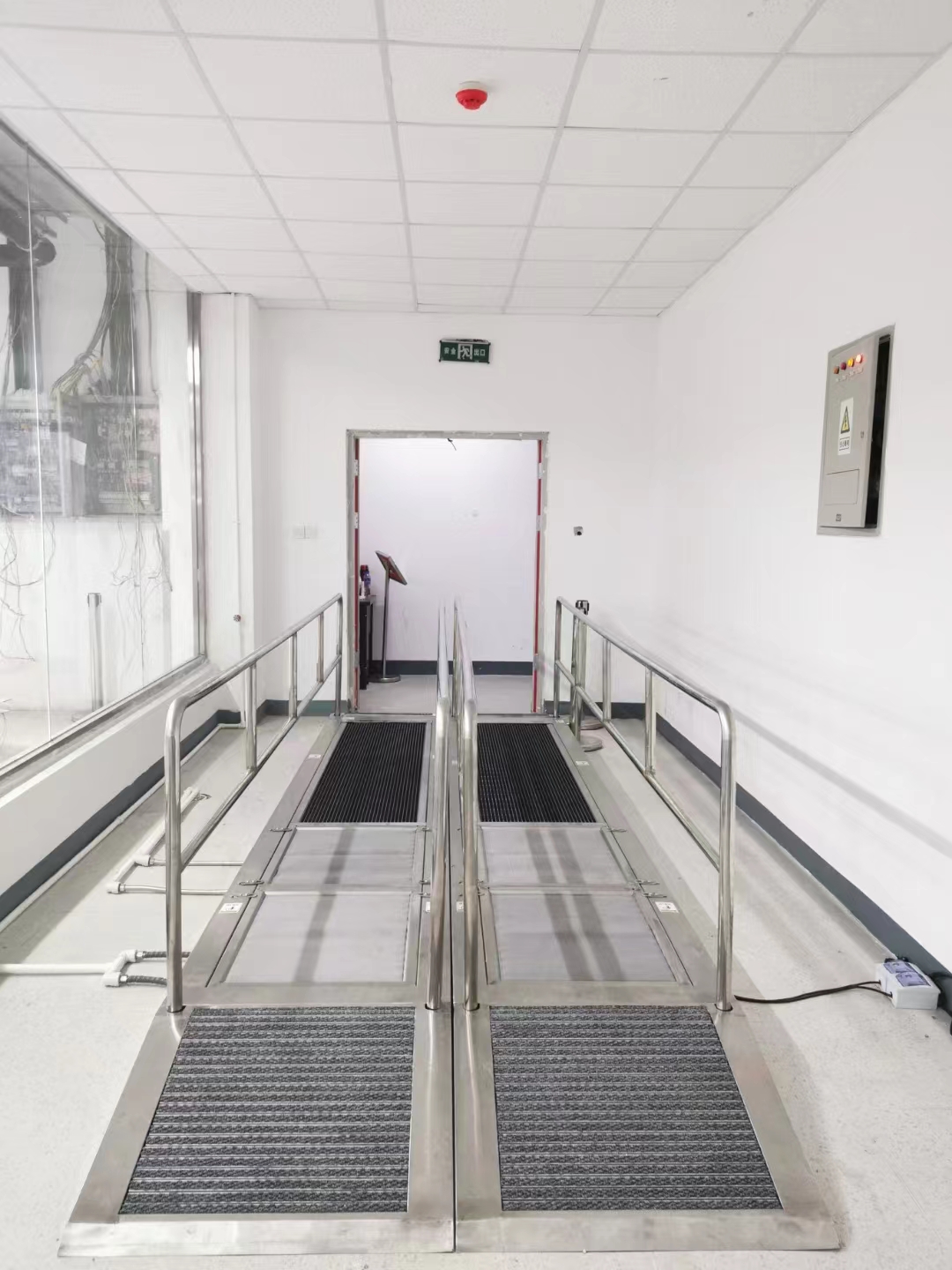
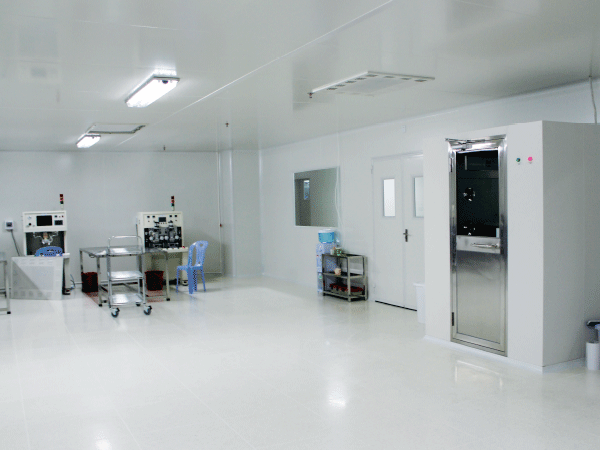
Doors, windows, and pass-through chambers must maintain airtight seals while allowing material and personnel flow. Interlocking systems and air showers at personnel entry points reduce particle ingress from gowning areas. TAI JIE ER provides engineering consultation on material selection and panel system integration for turnkey cleanroom projects, ensuring that construction choices align with both operational requirements and budget considerations.
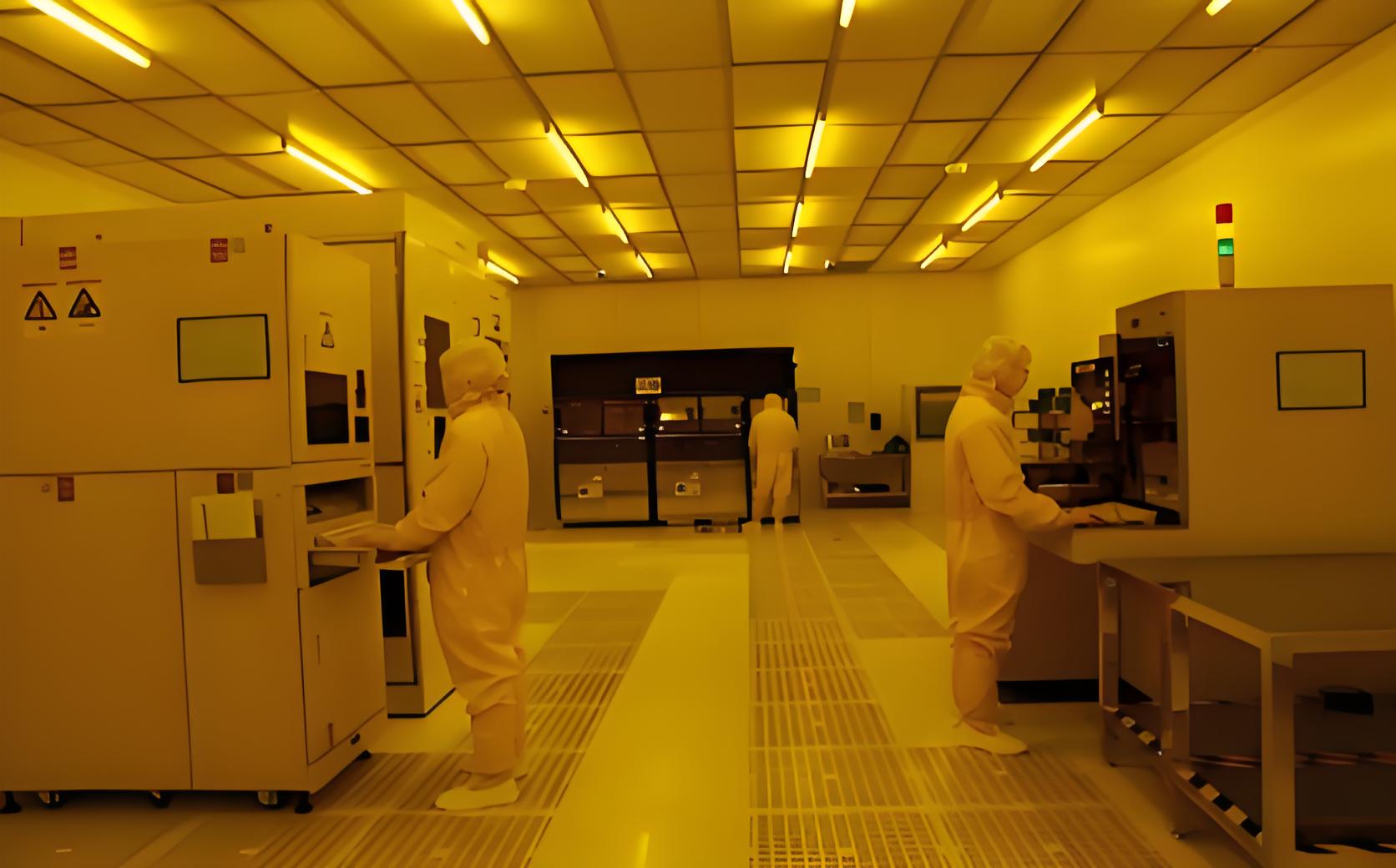
Different industries impose distinct demands on cleanroom design and operation. Semiconductor fabrication requires extreme cleanliness—ISO Class 3 or better—with strict control over airborne molecular contaminants (AMCs) that can affect photolithography processes. Chemical filtration, including activated carbon and permanganate-based media, removes volatile organic compounds and acid gases. Temperature stability within ±0.1°C and humidity within ±1% RH are often specified to prevent photoresist distortion and mask alignment errors.
Pharmaceutical manufacturing emphasizes both particle control and microbiological control. ISO Class 5 environments are required for aseptic processing zones, with continuous monitoring of viable particles (bacteria and fungi). Cleanroom surfaces must be resistant to disinfectants and sterilizing agents. Material transfer procedures, including pass-through autoclaves and vaporized hydrogen peroxide (VHP) chambers, ensure that incoming materials do not introduce contaminants.
Medical device assembly often falls between ISO Class 6 and ISO Class 8 depending on the device type and sterilization method. Implantable devices demand higher cleanliness levels than non-critical devices. Aerospace components, particularly optical systems and fuel systems, require cleanroom assembly to prevent particulate-induced failures in extreme environments. Each industry's cleanroom strategy must address the specific contaminants of concern—whether particles, chemical vapors, or biological agents.
Routine monitoring validates that the cleanroom maintains its designated classification over time. Particle counters sample air at specified locations and frequencies to detect excursions from baseline levels. Real-time monitoring systems provide continuous data on particle counts, temperature, humidity, and differential pressure, enabling immediate response to deviations. Data logging and trend analysis identify degradation in filter performance, air handler issues, or operational anomalies before they result in non-compliance.
Validation protocols, including initial performance qualification (PQ) and periodic re-qualification, demonstrate that the cleanroom operates within defined parameters. Performance qualification includes airflow velocity mapping, filter integrity testing (using DOP or PAO aerosol challenges), particle count verification under dynamic conditions, and recovery tests that measure the time required to return to cleanliness levels after a contamination event. These tests establish the cleanroom's operational envelope and provide documentation for regulatory inspections.
Occupancy classifications—at-rest, operational, and static—define monitoring expectations under different conditions. At-rest monitoring occurs when equipment is installed but personnel are absent, establishing baseline performance. Operational monitoring captures the impact of personnel activity, which is often the dominant contamination source in cleanrooms. Understanding these states helps distinguish between facility-related and procedure-related contamination causes. TAI JIE ER offers validation services and monitoring system integration to support ongoing compliance efforts.
A cleanroom's performance degrades without structured maintenance. Pre-filters and final filters require scheduled replacement based on pressure drop monitoring, airflow measurement, and time-in-service. HEPA filters typically have service lives of 3–5 years, but this varies with ambient air quality and pre-filter efficiency. Fan motor maintenance, belt replacement, and bearing lubrication are essential for air-handling units to maintain consistent airflow and pressure.
Cleaning schedules define the frequency and methods for wall, floor, and ceiling wiping, using validated cleaning agents that do not leave residues. Cleaning personnel must follow gowning and cleaning protocols to avoid introducing contamination during the cleaning process itself. Maintenance activities that require tools or materials should be planned during non-production hours and followed by thorough cleaning and re-qualification as needed.
Calibration of sensors—particle counters, temperature probes, humidity sensors, and pressure transmitters—ensures that monitoring data remains accurate and traceable. Calibration intervals follow manufacturer recommendations and regulatory expectations, typically every 6–12 months for critical sensors. Documentation of all maintenance activities, filter changes, and calibration events creates a maintenance history that supports root cause analysis and continuous improvement.
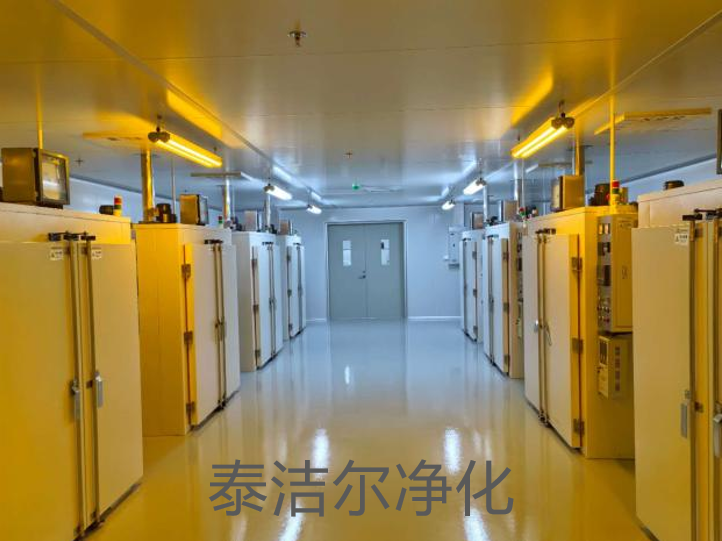
Personnel represent the primary contamination source in cleanrooms, contributing up to 75% of particles in some studies. Gowning protocols, including dedicated cleanroom garments, hoods, gloves, and boot covers, minimize particle shedding. Gowning sequences and behavioral protocols—such as minimizing unnecessary movement, avoiding rapid arm motions, and using appropriate cleaning techniques—are essential to maintaining cleanliness during occupied states.
Training programs ensure that all personnel understand cleanroom principles, gowning procedures, and contamination risks. Regular refresher training and competency assessments maintain awareness and reduce procedural errors. A culture of quality and accountability reinforces the importance of cleanroom discipline.
Material entry procedures include wiping, air showering, and staged transfer through pass-through chambers to prevent contamination from raw materials and packaging. Standard operating procedures (SOPs) for every activity—from equipment setup to sample collection—establish consistent practices that protect the cleanroom environment. Audits of procedural compliance identify opportunities for improvement and reduce variability in cleanroom performance.
A1: ISO Class 5 permits significantly fewer particles than ISO Class 7. For particles ≥0.5 µm, ISO Class 5 allows 3,520 particles per cubic meter, while ISO Class 7 allows 352,000 particles per cubic meter—a hundredfold difference. ISO Class 5 requires unidirectional airflow and higher air change rates (typically 240–480 ACH), whereas ISO Class 7 can operate with non-unidirectional airflow and lower ACH (30–60). The choice between these classifications depends on product sensitivity, with semiconductor photolithography and aseptic pharmaceutical filling typically requiring ISO Class 5 or cleaner.
A2: HEPA filter replacement intervals depend on operating conditions, pre-filter efficiency, and ambient air quality. Typical service life ranges from 3 to 5 years, but replacement should be triggered by pressure drop increase, airflow reduction, or filter integrity test failure rather than calendar time alone. Regular monitoring of filter pressure differentials and annual integrity testing (DOP/PAO testing) provides objective data for replacement decisions. Facilities operating with high pre-filtration efficiency and low ambient particulate loads may achieve longer filter life.
A3: ISO 14644 does not prescribe specific air change rates; it defines cleanliness limits. However, industry practice recommends 30–60 air changes per hour for ISO Class 7 environments. The actual rate depends on room geometry, heat load, equipment emissions, and occupancy. A properly designed ISO Class 7 cleanroom with effective filtration and well-distributed airflow may achieve compliance at the lower end of this range, while spaces with high particle generation may require higher ACH to maintain cleanliness.
A4: Airborne molecular contaminants (AMCs) are chemical vapors, gases, or volatile compounds that can chemically interact with products or processes. In semiconductor manufacturing, AMCs like ammonia, sulfur dioxide, and volatile organic compounds (VOCs) can cause photoresist defects, oxidation of metal layers, or dopant contamination. Unlike particles, AMCs are not captured by HEPA filters; they require chemical filtration using media such as activated carbon, potassium permanganate, or specialty adsorbents. Monitoring for AMCs is increasingly important in advanced manufacturing applications.
A5: Temperature and humidity directly influence product quality, process stability, and operator comfort. In semiconductor lithography, temperature variations of ±0.1°C can cause photoresist expansion or contraction, leading to overlay errors. Humidity fluctuations affect photoresist adhesion and develop rates. Controlled environments also reduce static charge accumulation, which can attract particles to product surfaces. Cleanroom HVAC systems must maintain temperature and humidity within defined tolerances, often ±0.5°C and ±2% RH for general applications, with tighter tolerances for advanced manufacturing. These parameters are integral to the cleanroom environmental control strategy.
A6: Cleanroom validation typically includes airflow velocity and uniformity testing, filter integrity testing (DOP/PAO aerosol challenge), particle count verification under both at-rest and operational states, pressure differential measurements, temperature and humidity mapping, and recovery time testing. These tests demonstrate that the cleanroom meets its specified ISO classification and operational requirements. Documentation of test results, instrument calibration certificates, and test methodologies forms the validation report required for regulatory submissions and internal quality assurance.
A7: Personnel are the dominant contamination source in cleanrooms, contributing up to 75% of airborne particles in occupied spaces. Skin flakes, clothing fibers, and hair are primary particle sources. Proper gowning—including coveralls, hoods, face masks, gloves, and boot covers—significantly reduces particle shedding. Behavioral protocols, such as slow movements, avoiding leaning over workstations, and minimizing speaking, further reduce particle generation. Training and continuous reinforcement of cleanroom behavior are fundamental to maintaining cleanliness during occupied periods. TAI JIE ER provides personnel training programs and operational procedure development to support cleanroom best practices.
For organizations planning new cleanroom facilities or upgrading existing environments, engineering expertise makes a measurable difference in compliance, performance, and operational reliability. TAI JIE ER offers comprehensive cleanroom engineering, construction, and validation services tailored to industry-specific requirements. From ISO classification selection to material specification, airflow design, and ongoing monitoring, our team supports each phase of the cleanroom lifecycle. Inquiries are welcome for project consultation, system assessment, or technical guidance.