
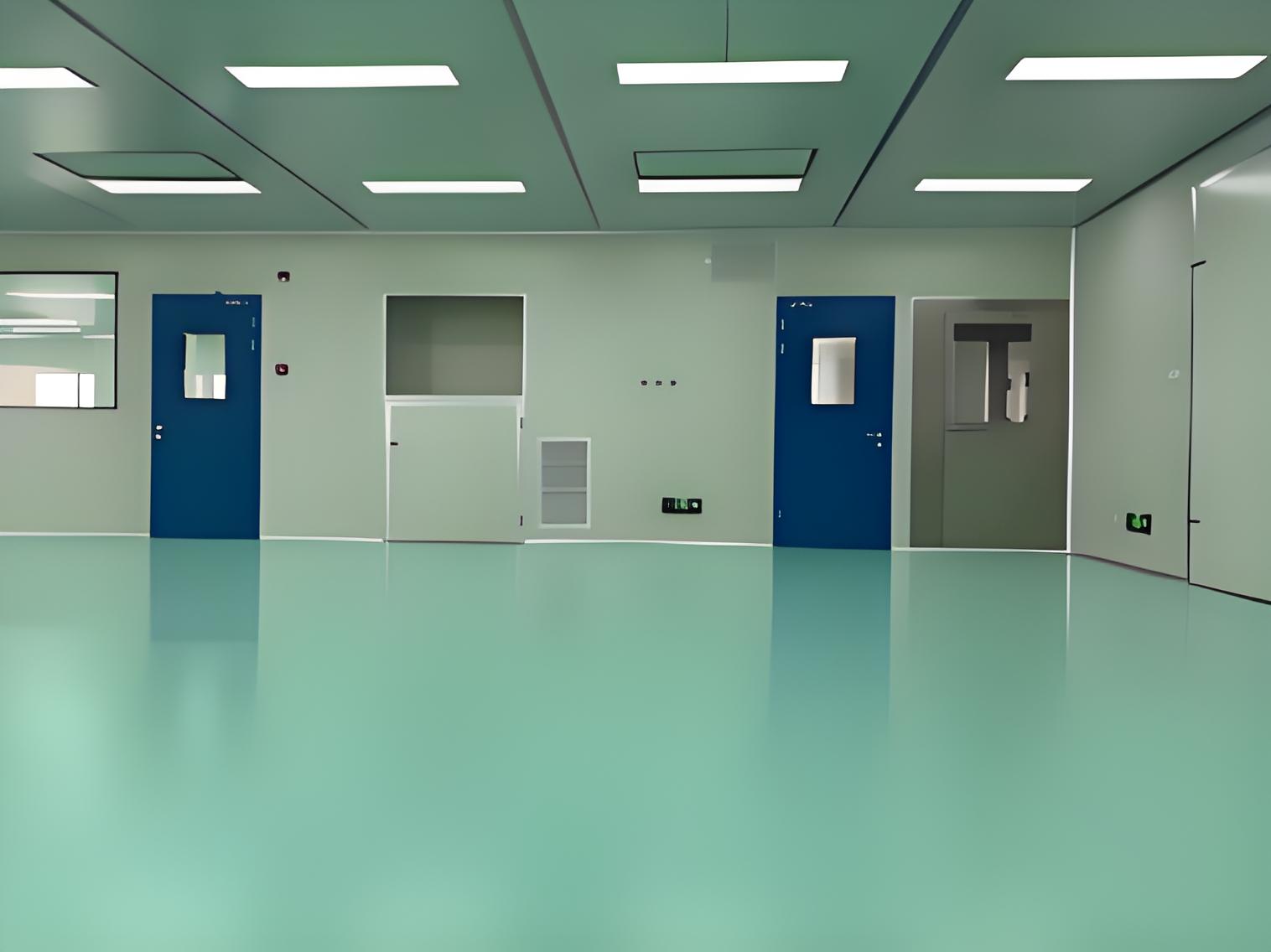
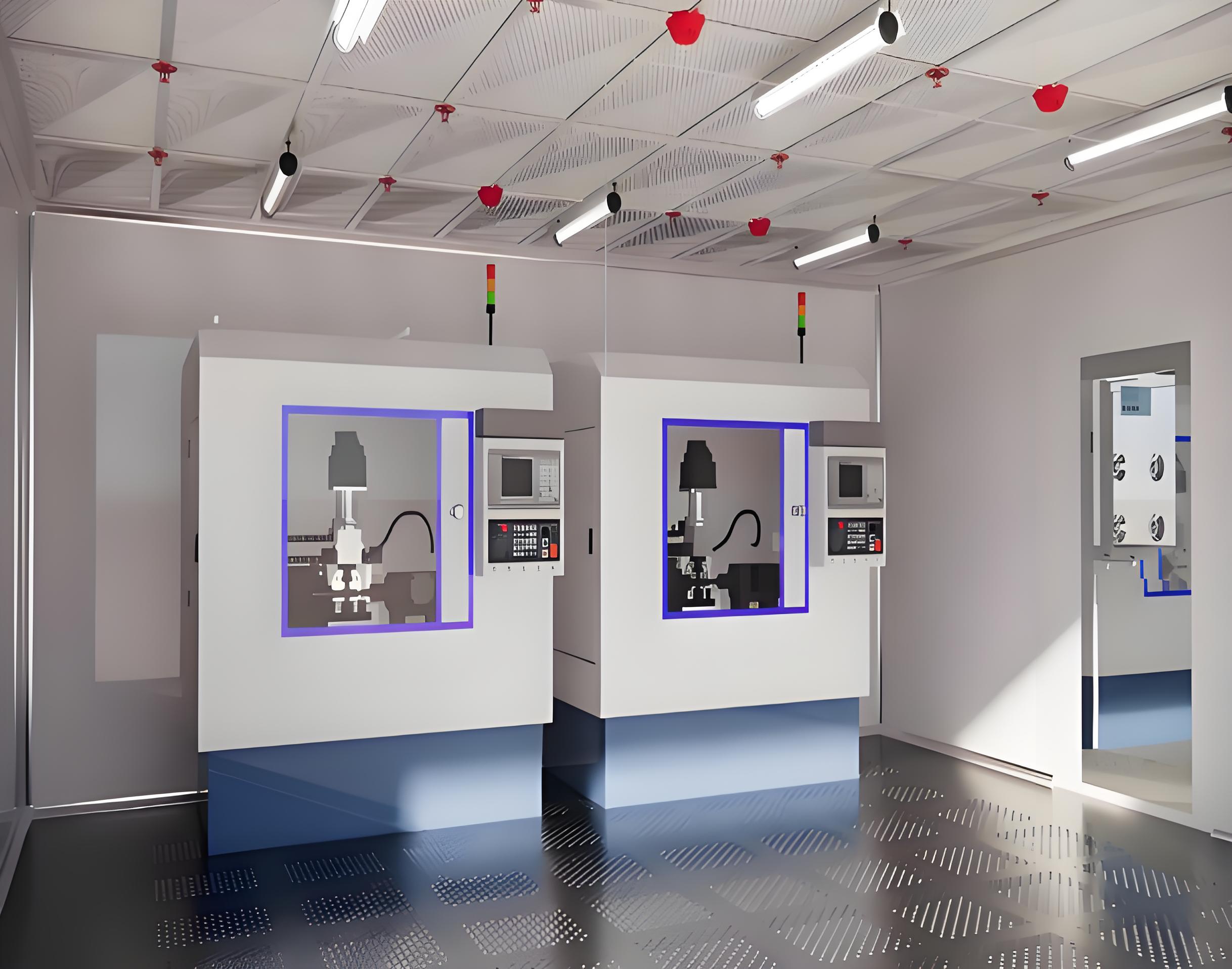
Modern scientific research demands environmental conditions where external variables are strictly controlled. Establishing a modern scientific Laboratory facility requires careful attention to cleanroom dynamics, architectural containment, and mechanical air handling. These facilities serve as the foundation for pharmaceutical development, microbiological research, and semiconductor testing, where even microscopic contamination can compromise months of research or corrupt sensitive production batches.
To meet these rigorous operational demands, specialized engineering firms like TAI JIE ER provide integrated design, procurement, and construction services. This comprehensive engineering approach ensures that every system, from structural wall panels to complex air filtration loops, functions as a unified protective barrier between the external environment and the sensitive processes housed within.
Every scientific facility operates under specific regulatory frameworks determined by the nature of the work performed. Selecting the appropriate ISO cleanliness rating (ISO 14644-1) and Biosafety Level (BSL) dictates the mechanical and structural layout of the entire facility.
Cleanrooms are categorized by the concentration of airborne particulate matter allowed per cubic meter of air. An ISO Class 5 environment, common in aseptic filling zones, permits no more than 3,520 particles of 0.5 micrometers or larger per cubic meter. In contrast, an ISO Class 7 or Class 8 zone, typical for general preparation areas, allows higher particulate thresholds but still requires strict filtration. Managing these thresholds requires a precise calculation of air change rates and laminar airflow velocities to continuously sweep particulates away from operational surfaces.
While ISO classes manage particulate contamination to protect the product, Biosafety Levels manage containment to protect the personnel and the external environment:
BSL-1 & BSL-2: Suitable for low-to-moderate risk agents. These setups focus on basic barriers, directional airflow, and hand hygiene stations.
BSL-3: Designed for indigenous or exotic agents that may cause serious or potentially lethal disease through inhalation. These facilities utilize controlled negative air pressure, double-door entry systems, and continuous HEPA filtration on exhaust air.
BSL-4: The maximum containment level for highly dangerous pathogens. These facilities require complete structural isolation, dedicated supply and exhaust air systems, liquid waste decontamination, and positive-pressure personnel suits.
The heating, ventilation, and air conditioning (HVAC) system is the primary mechanical system responsible for maintaining pressure gradients, air purity, temperature, and relative humidity.
Airflow patterns within a Laboratory depend heavily on the cleanliness classification. In high-purity zones (ISO 5 and cleaner), unidirectional (laminar) airflow is utilized, directing air in a parallel path from ceiling-mounted terminal filters down to floor-level exhaust grilles. For lower-purity spaces, non-unidirectional (turbulent) airflow patterns are acceptable, relying on rapid air dilution to lower particulate concentrations.
The air change rate (ACR) serves as a fundamental design metric. While standard commercial buildings require 2 to 4 air changes per hour, controlled environments require 20 to over 600 changes per hour depending on the cleanliness target. High-efficiency particulate air (HEPA) filters, rated at 99.97% efficiency for 0.3-micron particles, or Ultra-low particulate air (ULPA) filters, rated at 99.999% for 0.12-micron particles, are integrated into terminal ceiling housings to capture airborne biological and inert physical contaminants before they enter the clean space.
In addition to particulate filtration, precise temperature and relative humidity parameters must be maintained. Temperature variances are typically held within ±1°C to protect delicate chemical reactions and prevent the thermal expansion of high-tolerance instrumentation. Relative humidity is kept between 30% and 50% to prevent static electricity build-up, which can destroy sensitive electronic components, while preventing high-humidity levels that encourage mold and bacterial growth.
The structural shell of a controlled cleanroom must resist particulate shedding, chemical degradation from cleaning agents, and physical wear. Traditional drywall and standard ceiling tiles are unsuitable due to their porous nature and tendency to release micro-fibers over time.
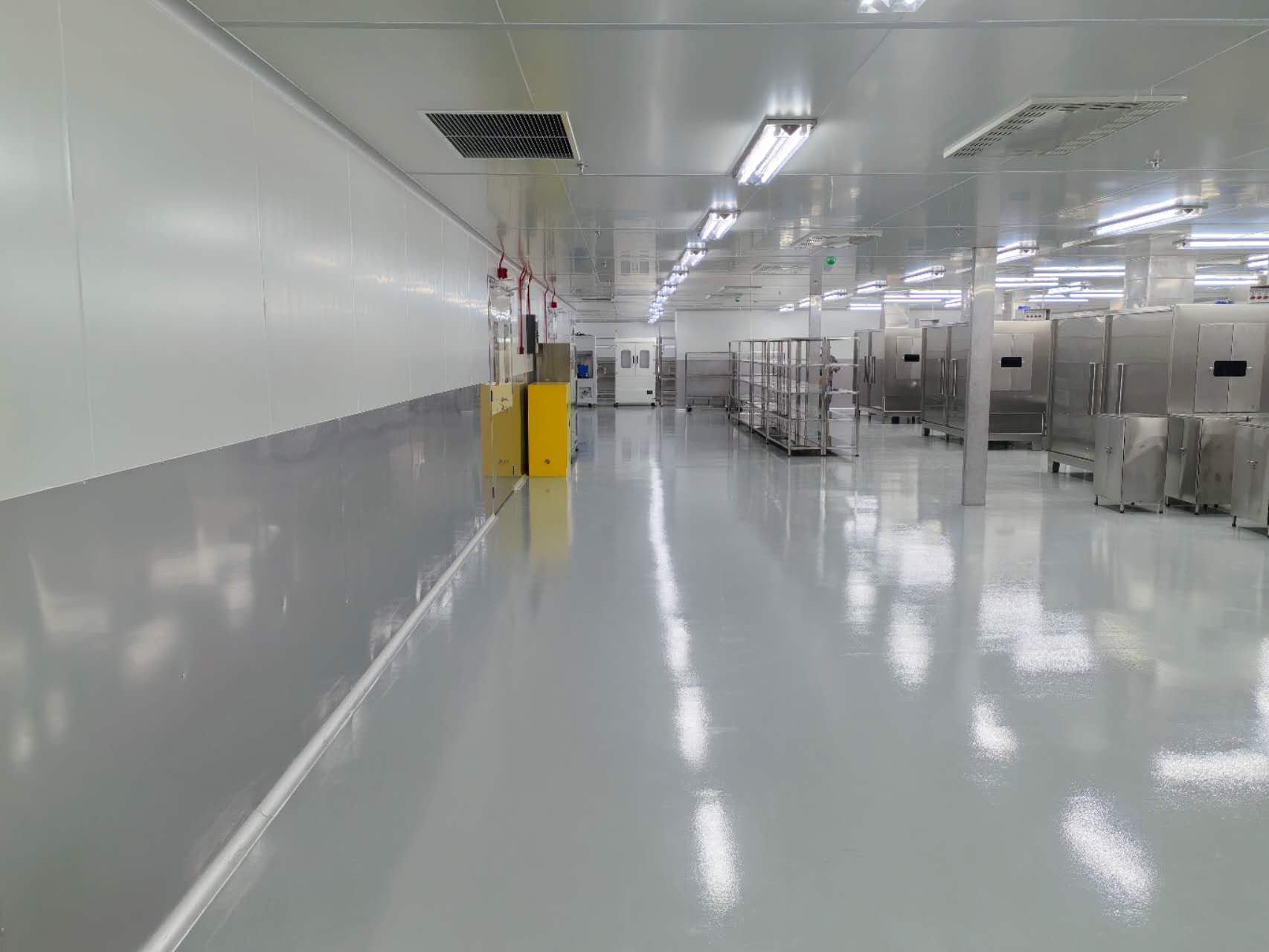
Wall and ceiling structures are built using double-skin sandwich panels. These panels often consist of pre-painted galvanized steel skins over a high-density rockwool or polyurethane core. The surfaces are coated with specialized finishes, such as polyvinylidene fluoride (PVDF) or anti-static polyester coatings, which resist damage from aggressive disinfection protocols, including Vaporized Hydrogen Peroxide (VHP) decontamination cycles.
Floor installations require seamless, non-porous materials capable of handling heavy equipment loads and chemical spills. Self-leveling epoxy flooring and heavy-duty PVC sheet flooring with welded joints are standard. Wall-to-floor and wall-to-ceiling transitions are finished with coved profiles to eliminate 90-degree corners, preventing dust accumulation and facilitating easier sanitation procedures. The integrated systems designed by TAI JIE ER focus on these seamless finishes to ensure long-term structural integrity and compliance with international standards.
Contamination control involves managing physical pressure barriers and personnel workflows to prevent cross-contamination between clean and dirty zones.
Differential pressure control is the primary defense against airborne contamination. By maintaining a pressure cascade, engineers force air to flow from areas of higher cleanliness to areas of lower cleanliness. In a typical pharmaceutical Laboratory, positive pressure prevents outside dust from migrating inward. Conversely, in a biological research facility, negative pressure prevents pathogens from escaping the containment zone. Differential pressure sensors monitor these gradients in real-time, feeding data into the building automation system to dynamically adjust supply and exhaust fan speeds.
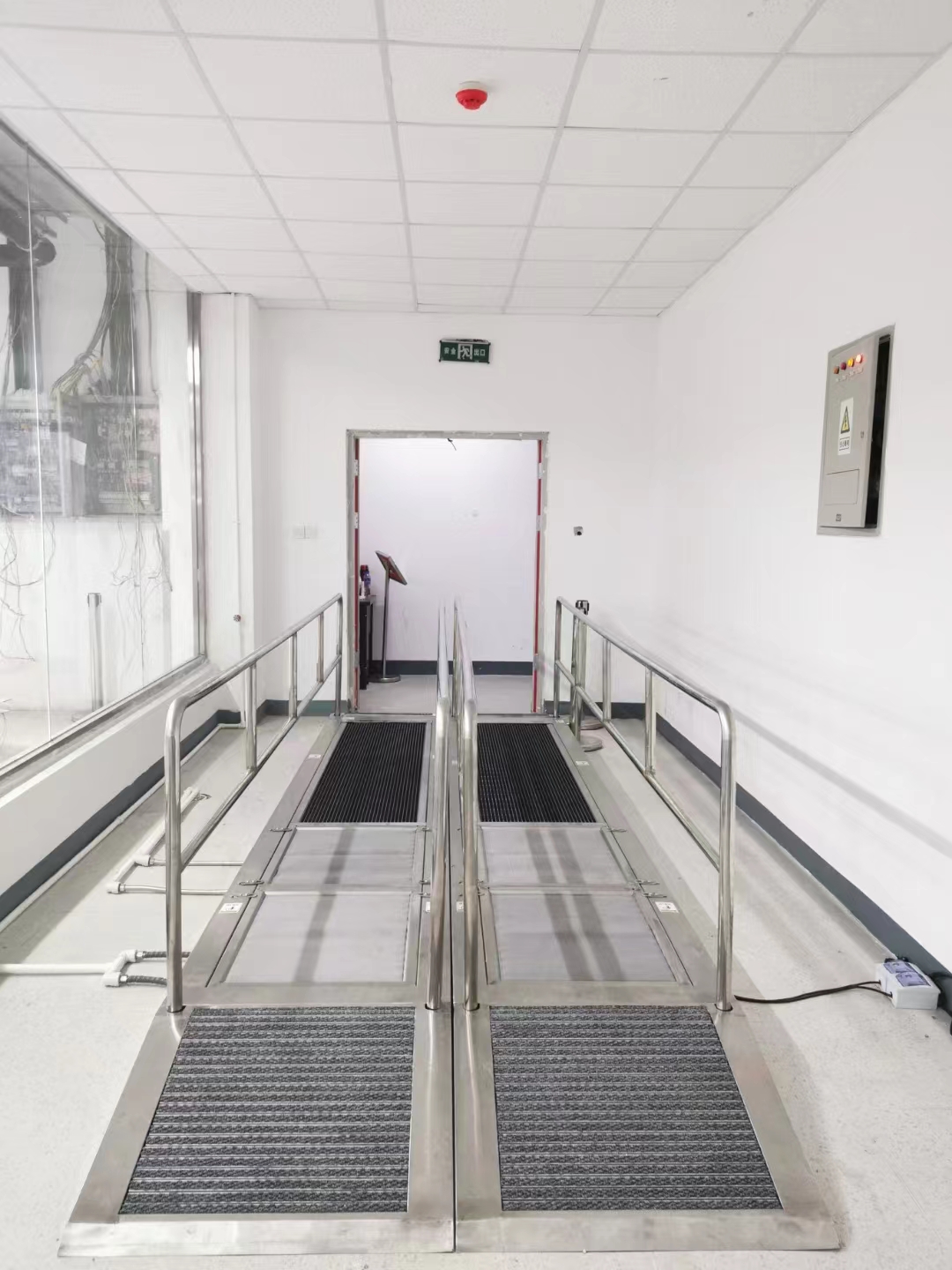
Personnel movement is the largest source of particulate generation in a clean facility. To mitigate this risk, engineering layouts incorporate specialized transition structures:
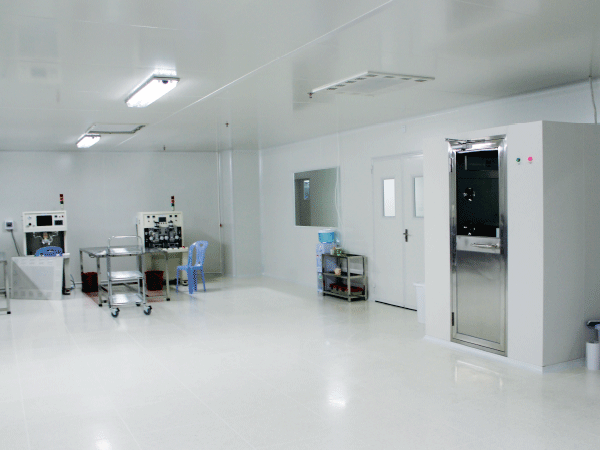
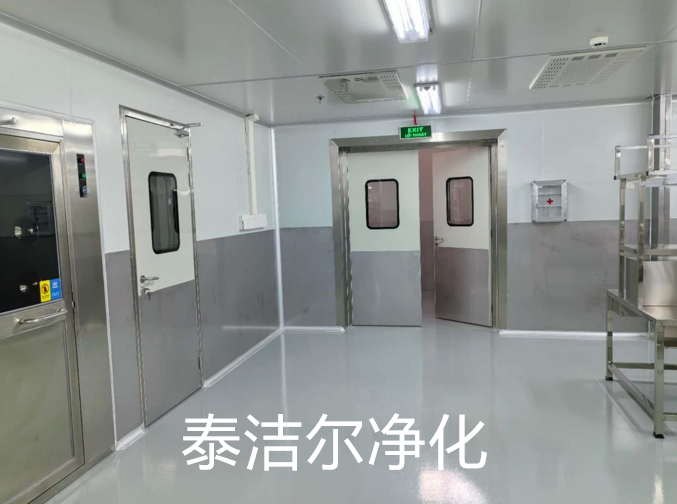
Air Showers: High-velocity air jets located at entry points to blow loose particulates off protective suits before entry.
Pass-Through Chambers: Interlocked wall transfer boxes that allow samples and tools to move between rooms without opening main doors, preserving room pressure profiles.
Multi-stage Gowning Rooms: Dedicated spaces where staff systematically transition from street clothes to specialized cleanroom apparel, following strict step-over-bench procedures.
A controlled research environment must undergo a comprehensive validation process before it can legally begin operations. Certification involves documenting that the facility meets all designed performance metrics under both static (at-rest) and dynamic (operational) states.
The qualification process follows a sequential path to verify every mechanical and structural component:
Design Qualification (DQ): Verifies that the engineering plans align with user requirements and regulatory guidelines.
Installation Qualification (IQ): Confirms that all equipment, piping, and ductwork have been installed correctly according to specifications.
Operational Qualification (OQ): Tests system functionality under extreme scenarios, verifying that alarms, pressure limits, and HVAC controls respond correctly.
Performance Qualification (PQ): Demonstrates that the environment remains consistently within target parameters under full operational loads with active personnel.
The validation processes conducted by TAI JIE ER ensure that cleanrooms are fully prepared to pass audits by regulatory bodies such as the FDA, WHO, and local environmental protection authorities. The operational lifecycle of a certified Laboratory relies on this continuous compliance, supported by recalibrated instrumentation, periodic air filter integrity testing (DOP/PAO testing), and systematic environmental monitoring protocols.
Designing, building, and validating a controlled environment requires deep engineering knowledge and a thorough understanding of regulatory standards. If your organization is planning to construct a new cleanroom facility, upgrade an existing installation, or resolve complex HVAC pressure challenges, our team of engineers is available to discuss your project requirements.
To receive a tailored technical assessment and start designing your controlled facility, please submit your project specifications through our inquiry portal.
A1: Positive pressure keeps the room pressure higher than the surrounding areas, forcing air out when doors are opened. This prevents external particulates from entering and contaminating sensitive products. Negative pressure keeps the room pressure lower, drawing air in to prevent hazardous materials, pathogens, or chemicals from escaping into outer corridors.
A2: HEPA filter replacement intervals depend on pre-filter maintenance and room cleanliness levels. Typically, terminal HEPA filters in controlled environments last between 3 to 5 years, provided that pre-filters are replaced regularly (every 3 to 6 months) to catch larger particulate debris.
A3: Standard 90-degree corners create dead zones where airflow is restricted, allowing dust and microbial contaminants to collect. Coved profiles create smooth, curved transitions between walls, floors, and ceilings, which are easy to wipe down, sanitize, and inspect during routine cleaning.
A4: An air lock acts as a transition space between zones with different cleanliness or pressure levels. By utilizing interlocking doors that cannot be opened simultaneously, the air lock prevents direct airflow between the two zones, preserving pressure cascades and preventing particulate migration.
A5: Relative humidity must be kept within a narrow range. If it drops too low (below 30%), the risk of electrostatic discharge (ESD) increases, potentially damaging micro-electronics. If it rises too high (above 50%), it can cause corrosion, promote bacterial and fungal growth, and affect the flow of hygroscopic powders.