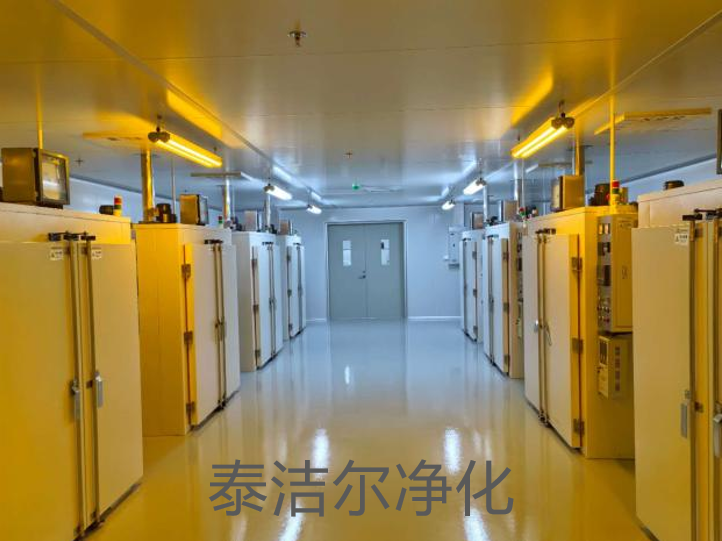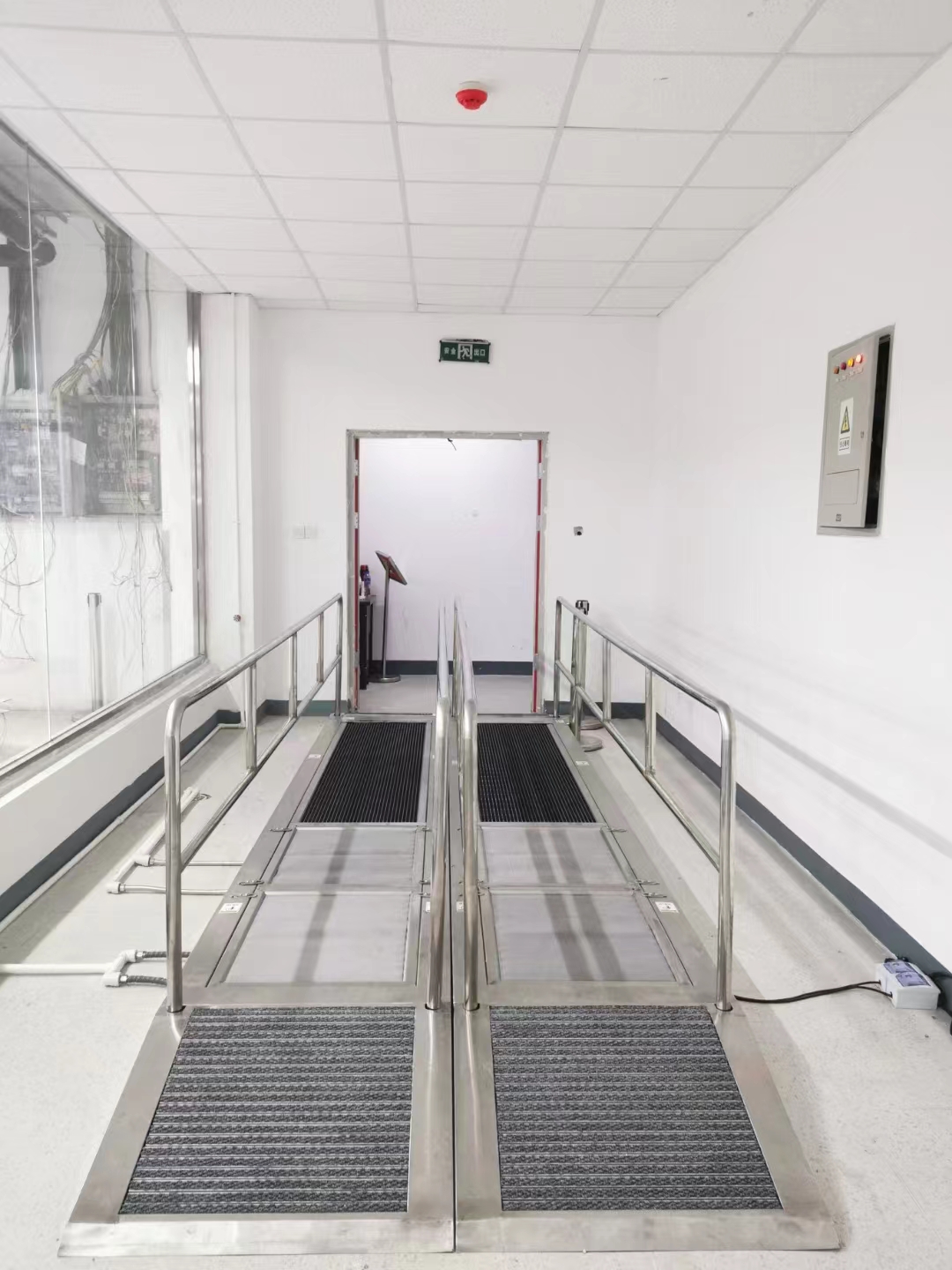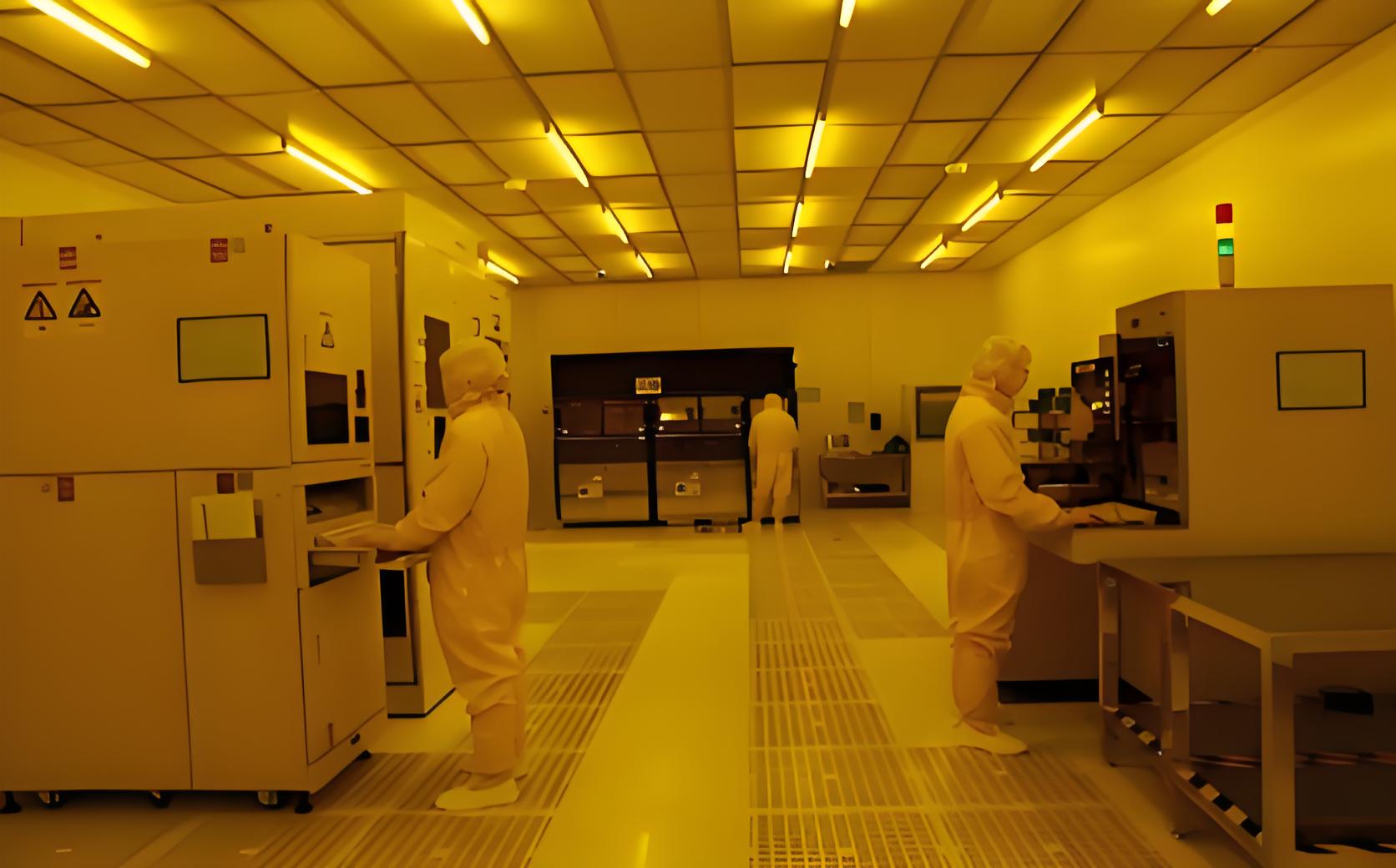
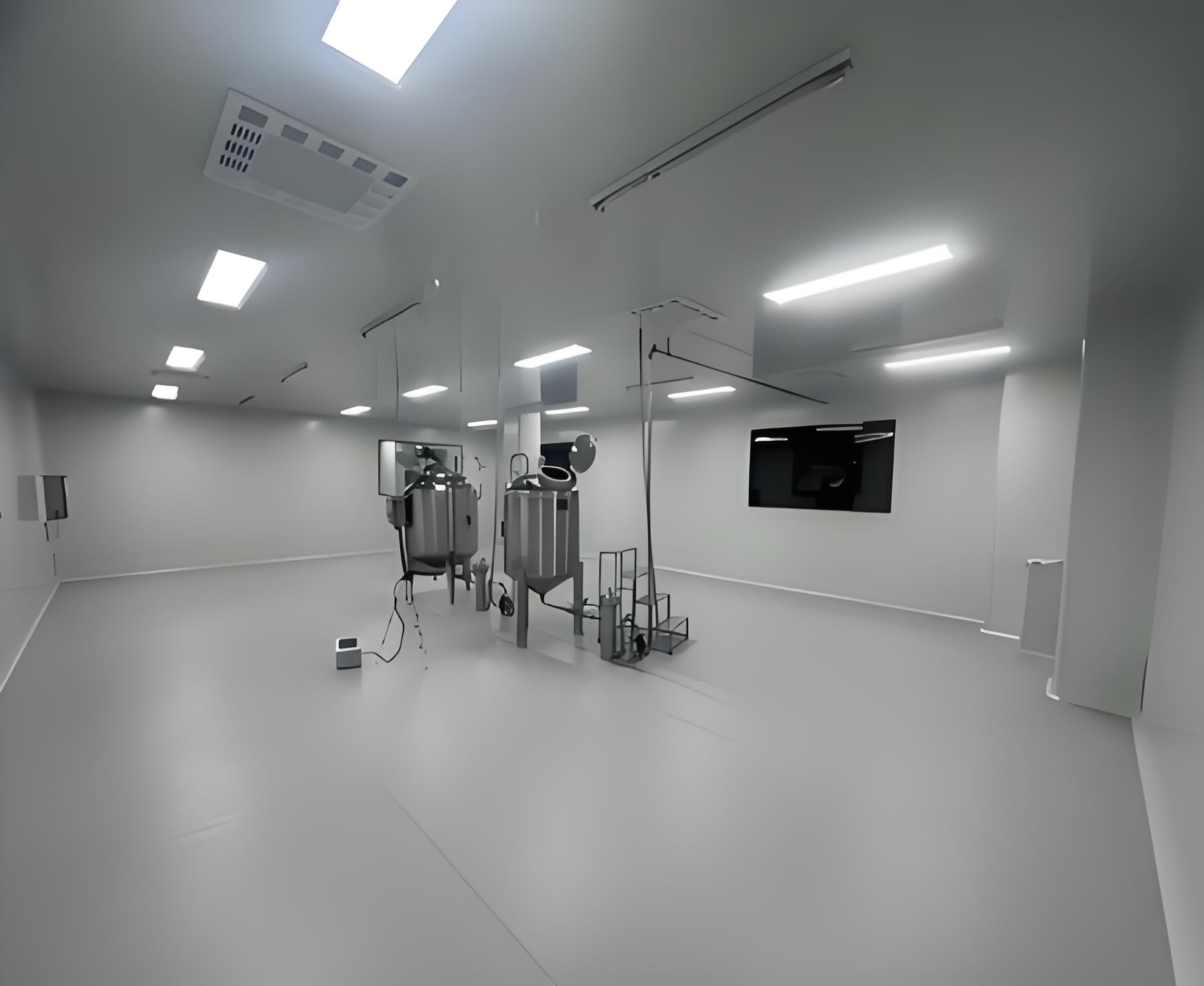
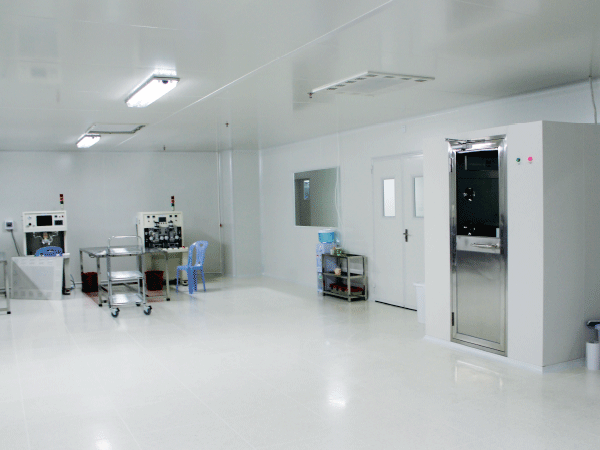

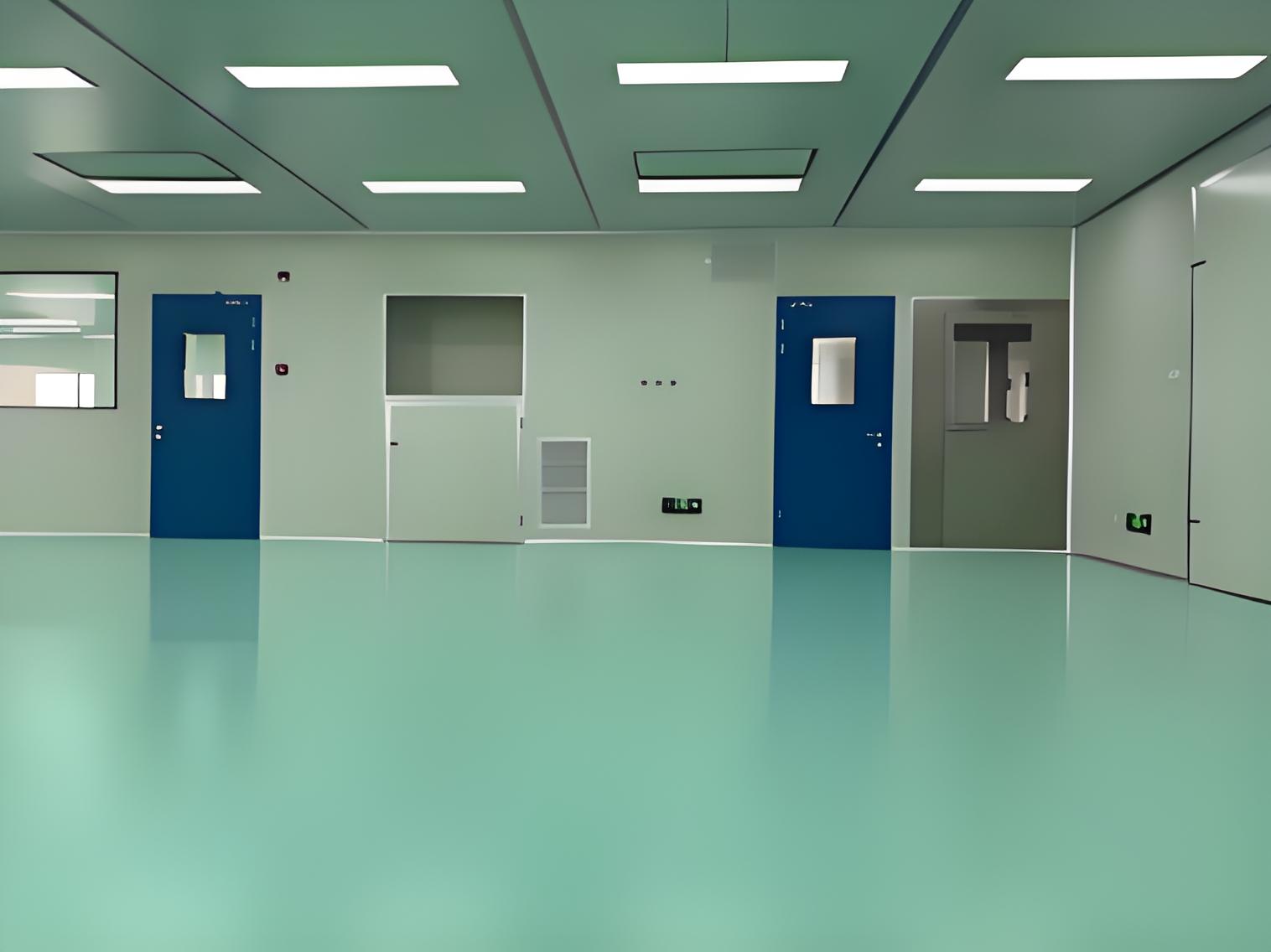
In semiconductor fabrication, pharmaceutical aseptic processing, and aerospace component assembly, the margin for particulate contamination is measured in microns. Cleanroom Engineering provides the systematic framework to establish, maintain, and verify controlled environments that meet stringent ISO 14644 standards. This examination moves beyond conceptual overviews to address the physical principles, industry-specific demands, and engineering decisions that define successful contamination control strategies.
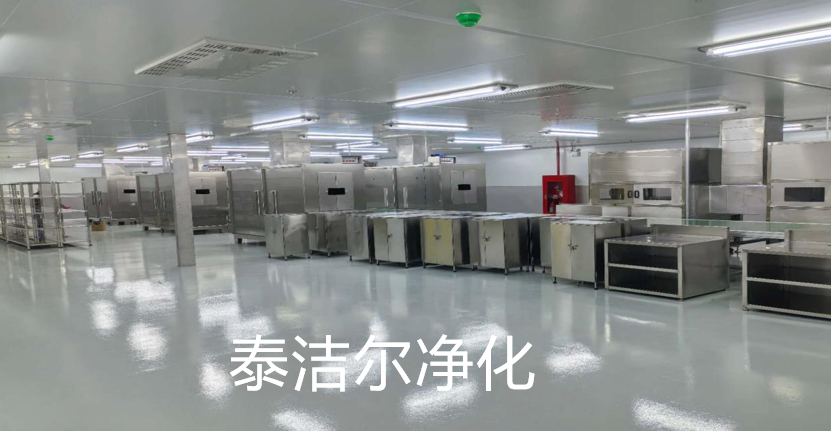
Contamination control begins with understanding particle behavior. Ambient air contains particles ranging from 0.1 µm to over 100 µm, including dust, skin flakes, fiber fragments, and airborne microbes. Cleanroom Engineering applies fluid dynamics, thermodynamics, and materials science to manage these contaminants at every stage of facility design and operation. The foundational principle is dilution and removal: supply sufficient filtered air to sweep particles away from critical zones before they settle on product surfaces.
Personnel remain the dominant contamination source in most cleanroom environments. A seated worker in standard garments generates approximately 100,000 particles per minute (≥0.5 µm), while walking increases this to several million. Equipment friction, material outgassing, and process byproducts contribute additional loads. Understanding the size distribution and settling velocity of these particles informs filter selection, airflow velocity specifications, and gowning protocols. For instance, particles below 1 µm remain suspended in air for extended periods, requiring continuous air change rates of 20 to 600 cycles per hour depending on cleanroom classification.
Unidirectional (laminar) airflow displaces particles in a single direction, typically vertically downward, achieving ISO Class 5 or better conditions. Non-unidirectional (turbulent) airflow dilutes contaminants through mixing, suitable for ISO Class 6 to 8 environments. The transition between these regimes occurs at air velocities around 0.45 m/s for vertical flow and 0.35 m/s for horizontal flow. The choice affects not only cleanliness but also energy consumption and space utilization—factors that directly influence facility operating parameters.
While the fundamental physics remain consistent, each industry imposes unique constraints on cleanroom design and operation. Semiconductor manufacturing demands extreme particle control for sub-10nm nodes, where a single 0.1 µm particle can destroy dozens of dies. Pharmaceutical production requires viable particle monitoring to prevent microbial contamination in parenteral products. These divergent needs illustrate why Cleanroom Engineering must be tailored to specific process requirements rather than applied as a generic template.
Photolithography and etching processes require ISO Class 3 to 5 environments with strict control of airborne molecular contamination (AMC). Organic compounds, acids, and bases can alter photoresist chemistry or corrode metal layers. Engineering solutions include chemical filtration (activated carbon and impregnated media), temperature stability within ±0.1°C, and humidity control to ±1% RH. Vibration isolation also becomes critical, as sub-micron alignment tolerances are vulnerable to building movement and equipment-induced oscillations.
Aseptic processing facilities must maintain ISO Class 5 conditions at filling zones, with continuous viable particle monitoring. The engineering approach emphasizes segregation of material flows—personnel, product, waste, and equipment follow unidirectional paths to minimize cross-contamination. Pressure cascades ensure air flows from cleanest to less clean areas, with differentials of 10-15 Pa between adjacent zones. Material transfer systems, including pass-through chambers and rapid transfer ports, are engineered to maintain integrity during component introduction.
Optical systems, inertial navigation sensors, and satellite components demand particulate and electrostatic discharge (ESD) control. Cleanroom engineering for these applications incorporates conductive flooring, ionized air blowers, and specialized packaging. The operational environment often includes testing at altitude or thermal vacuum conditions, requiring cleanrooms that interface with simulation chambers without compromising particle counts.
The transition from conceptual design to functional facility depends on several engineering decisions that determine long-term performance. Each principle addresses a specific contamination pathway, and together they form an integrated defense-in-depth strategy.
Heating, ventilation, and air conditioning (HVAC) systems represent the primary investment in cleanroom infrastructure. HEPA filters (≥99.97% efficiency at 0.3 µm) or ULPA filters (≥99.999% efficiency at 0.12 µm) are deployed in terminal positions, delivering air at velocities that maintain either unidirectional or mixed flow patterns. Fan-filter units (FFUs) offer modular filtration with variable speed drives for turndown during low-occupancy periods. The air handling system must also manage sensible and latent heat loads from equipment and personnel, maintaining conditions within narrow tolerances that prevent condensation or static charge accumulation.
Airflow direction—from clean to dirty—is maintained through pressure hierarchies. Higher pressure in critical zones ensures any leakage flows outward, preventing intrusion of less filtered air. Pressure differentials between 10 and 15 Pa are standard, though pharmaceutical applications may require 20 Pa or more. Control systems monitor these differentials continuously, with alarms triggering corrective actions if thresholds are breached. This dynamic pressure management is a hallmark of robust Cleanroom Engineering practice.
Walls, floors, ceilings, and work surfaces must resist particle shedding, withstand cleaning agents, and minimize crevices where contaminants accumulate. Epoxy-coated steel panels, seamless welded vinyl flooring, and stainless steel workstations are common choices. The surface finish must balance cleanability with cost—too smooth and cleaning agents may not wet effectively, too rough and particles become trapped. Engineering specifications typically require surface roughness below 0.8 µm Ra for contact surfaces.
Facility operators face recurring challenges that directly impact production yields, regulatory compliance, and operational costs. Cleanroom Engineering offers targeted solutions that address these pain points at their source, rather than managing symptoms through increased monitoring or rework.
Particle-induced defects are a leading cause of yield loss in semiconductor and display manufacturing. Engineering interventions include improving air change effectiveness (ACE) by optimizing diffuser placement, implementing minienvironments that isolate critical process tools, and using advanced filtration media that captures sub-0.1 µm particles. Real-time particle counters feed data into statistical process control (SPC) systems, enabling early detection of filtration degradation or equipment anomalies before they impact production.
Regulatory agencies require comprehensive documentation of cleanroom performance—particle counts, differential pressures, temperature, humidity, and filter integrity tests. Engineering solutions that automate data collection and reporting reduce operator workload and minimize transcription errors. Integrated building management systems (BMS) with audit trails provide defensible records for regulatory inspections. The engineering approach transforms compliance from a reactive burden to a proactive quality function.
Cleanrooms consume 30 to 50 times more energy than comparable office spaces, with HVAC accounting for over 60% of total consumption. Engineering strategies to reduce this load include demand-controlled ventilation that adjusts air changes based on occupancy and process activity, variable frequency drives on supply and exhaust fans, and heat recovery systems that capture exhaust energy. Higher efficiency filters with lower pressure drop also reduce fan energy consumption without compromising cleanliness standards.
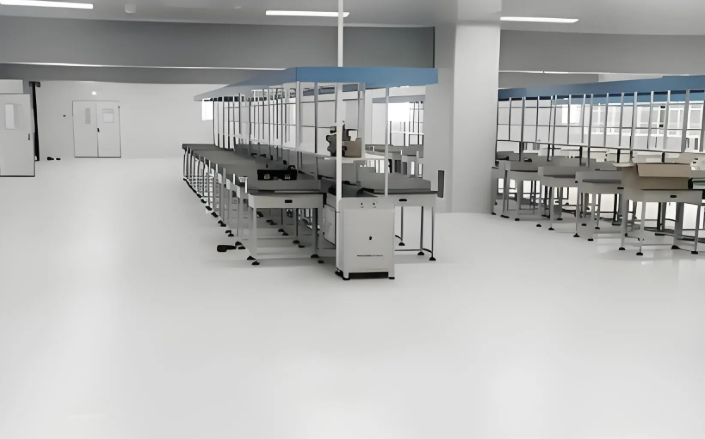
International standards provide the benchmark against which cleanroom performance is measured. ISO 14644 defines classification based on airborne particle concentration, while ISO 14698 addresses biocontamination control. Regulatory bodies including the FDA, EMA, and WHO supplement these with specific guidance for pharmaceutical manufacturing. Engineering design and ongoing operations must demonstrate compliance through rigorous testing protocols.
ISO 14644-1 specifies classification of air cleanliness by particle concentration, covering particle sizes from 0.1 µm to 5.0 µm. Certification requires sampling at defined locations, with statistical criteria for number of sample points and minimum sample volume. Classification is determined by the concentration of particles at the largest considered size, with ISO Class 3 allowing no more than 1,000 particles/m³ at ≥0.1 µm. Cleanroom Engineering must account for these limits during filter selection, airflow design, and HVAC capacity planning.
Initial certification provides a baseline, but operational validation requires ongoing monitoring to detect trends that indicate performance drift. Particle counters, air velocity sensors, and differential pressure transducers feed continuous data streams into monitoring systems. Re-qualification schedules vary by classification and regulatory expectation, with ISO Class 5 areas typically re-tested every 6 to 12 months. The monitoring strategy should include both routine sampling and non-routine events—such as after maintenance activities or equipment installation—to ensure the environment remains within specification.
Advancements in manufacturing processes and regulatory expectations continue to shape cleanroom engineering practice. Several emerging trends are influencing design decisions and operational strategies.
Prefabricated modular cleanrooms offer accelerated construction timelines and the ability to reconfigure layouts as production needs evolve. Wall panels, ceiling systems, and FFUs are assembled on-site using standardized connections. This approach reduces construction waste and allows phased expansion. For contract manufacturers and research facilities facing uncertain production volumes, modular designs provide scalability without the capital commitment of permanent construction.
For organizations seeking specialized expertise in facility design, retrofitting, or ongoing contamination control, TAI JIE ER delivers comprehensive engineering consultation and project execution. Their practice spans conceptual design through performance verification, with particular focus on semiconductor, pharmaceutical, and high-precision manufacturing sectors. TAI JIE ER applies a disciplined approach to cleanroom engineering, integrating contamination control with operational efficiency and regulatory readiness.
IoT-enabled sensors and cloud-based analytics platforms provide visibility into cleanroom performance across multiple facilities. Machine learning algorithms can identify subtle patterns—such as correlation between outdoor air quality and filter loading—to optimize maintenance schedules and reduce unplanned downtime. Digital twins of cleanroom systems allow operators to simulate the impact of modifications, such as changing airflow rates or filter configurations, before implementing changes in the physical environment.
These digital capabilities supplement traditional engineering practice, enabling data-driven decisions that enhance both control and efficiency. As sensor technology improves and analytical methods mature, the integration of digital tools will likely become standard in cleanroom engineering workflows.
Q1: What is the primary difference between ISO Class 5 and ISO Class 7 cleanrooms?
A1: The classification difference is defined by maximum allowable particle concentration. ISO Class 5 permits ≤3,520 particles/m³ at ≥0.5 µm, while ISO Class 7 permits ≤352,000 particles/m³ at the same size. ISO Class 5 requires unidirectional airflow and is typical for aseptic processing or semiconductor lithography. ISO Class 7 can operate with non-unidirectional airflow and is often used for packaging, assembly, or less critical processes.
Q2: How often should HEPA filters be replaced in a cleanroom?
A2: Replacement intervals depend on filter efficiency, environmental loading, and operational conditions. Routine testing—including aerosol photometry or particle count scanning—determines whether a filter is performing within specification. Typical replacement cycles range from 3 to 5 years, but may be shorter in environments with high particulate loads or when monitoring data indicates increasing pressure drop or reduced efficiency.
Q3: What are the most common sources of contamination in cleanroom environments?
A3: Personnel are the predominant source, contributing skin cells, hair, cosmetics, and textile fibers. Equipment generates particles through friction, wear, and outgassing. Raw materials and incoming air also introduce contaminants. Effective contamination control addresses all these sources through gowning protocols, material restrictions, HEPA filtration, and strict adherence to operational procedures.
Q4: Can existing facilities be upgraded to higher ISO cleanliness classes?
A4: Upgrading is possible but requires careful engineering analysis. Increasing cleanliness typically demands higher air change rates, more efficient filters, and improved pressure management. Retrofitting may involve replacing HVAC components, upgrading ductwork, or installing additional FFUs. The feasibility depends on existing infrastructure capacity, available space, and whether the facility can accommodate construction activities without disrupting ongoing operations.
Q5: What validation tests are required after a cleanroom is constructed or modified?
A5: ISO 14644 mandates several tests for cleanroom validation, including: particle count classification, airflow volume and velocity measurement, air pressure differential verification, filter installation integrity (leak testing), and recovery testing (ability to return to cleanliness after disturbance). Additional tests—such as temperature, humidity, vibration, and noise—may be required based on specific industry or process requirements.
Q6: How does cleanroom engineering account for emergency situations like power failure?
A6: Engineering designs include uninterruptible power supplies (UPS) and backup generators for critical HVAC and monitoring systems. Pressure differentials are maintained during power loss to prevent contamination intrusion. Emergency procedures are developed for evacuation, material protection, and restart sequences. Some facilities incorporate redundant filtration or independent air handling units to maintain basic cleanliness levels during temporary outages.
Q7: What role does humidity control play in cleanroom engineering?
A7: Humidity affects particle adhesion, static charge, microbial growth, and condensation. Semiconductor manufacturing often requires ±1% RH tolerance to prevent photoresist distortion. Pharmaceutical facilities control humidity to minimize microbial proliferation and ensure proper capsule or tablet behavior. Engineering systems incorporate dehumidification, humidification, and precise control strategies to maintain these tight ranges without compromising air change rates or filtration efficiency.
For project inquiries, consultation on cleanroom design, or assistance with contamination control challenges, contact the engineering team through the official website. Professional guidance ensures that your cleanroom facility meets industry standards and operational requirements.
Contact our engineering team for consultation and project inquiries: TAI JIE ER provides specialized expertise in cleanroom engineering across semiconductor, pharmaceutical, and precision manufacturing sectors.