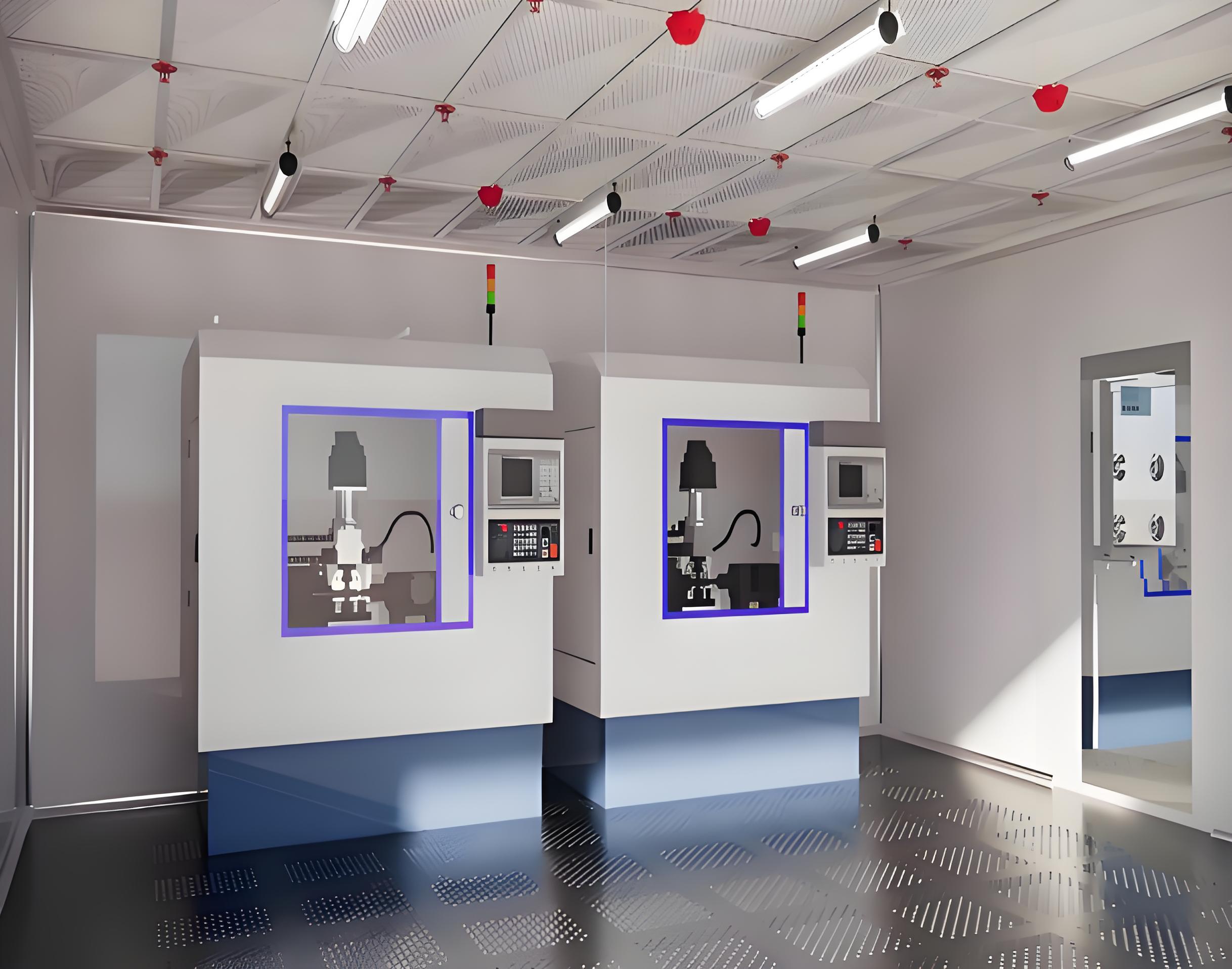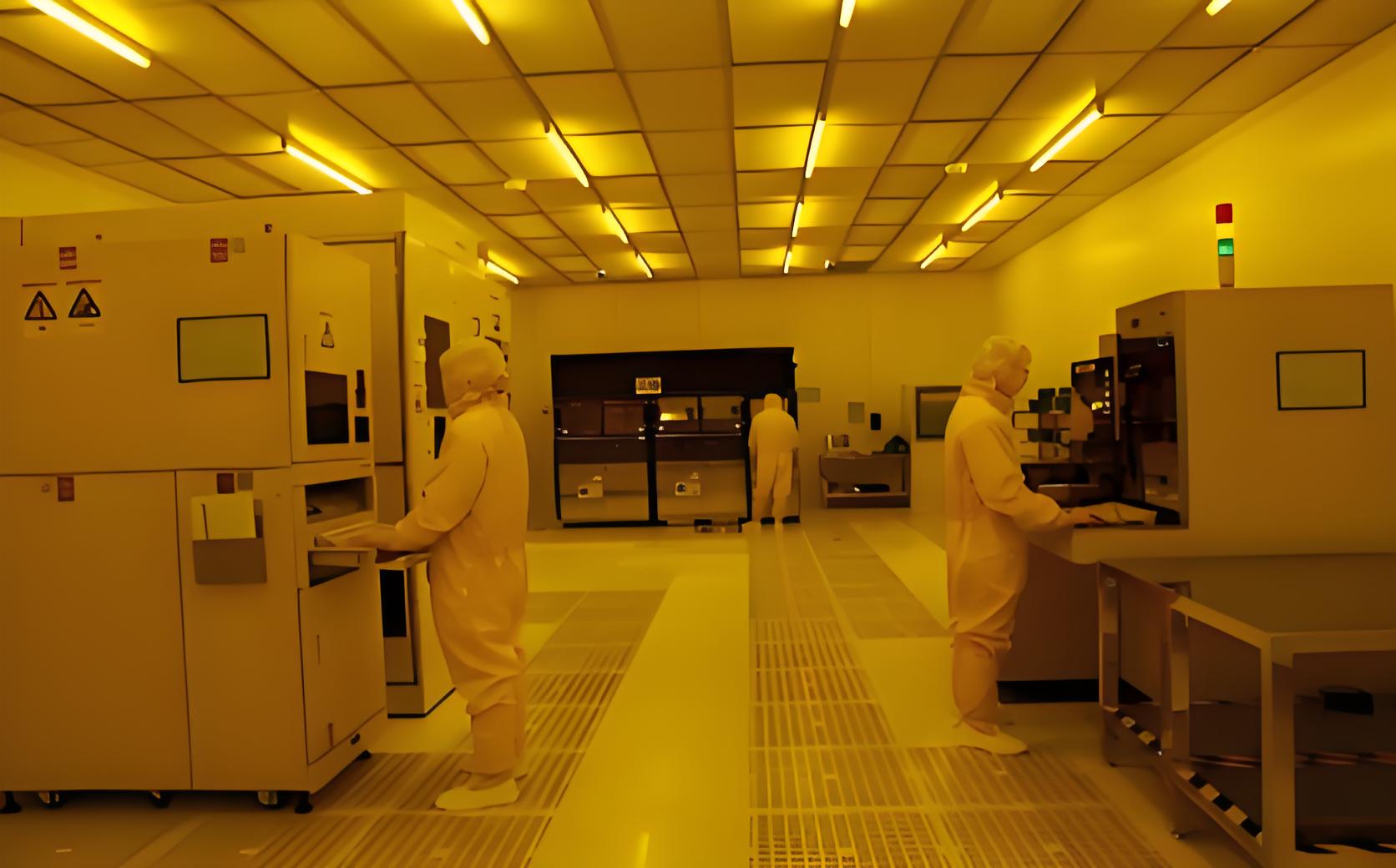
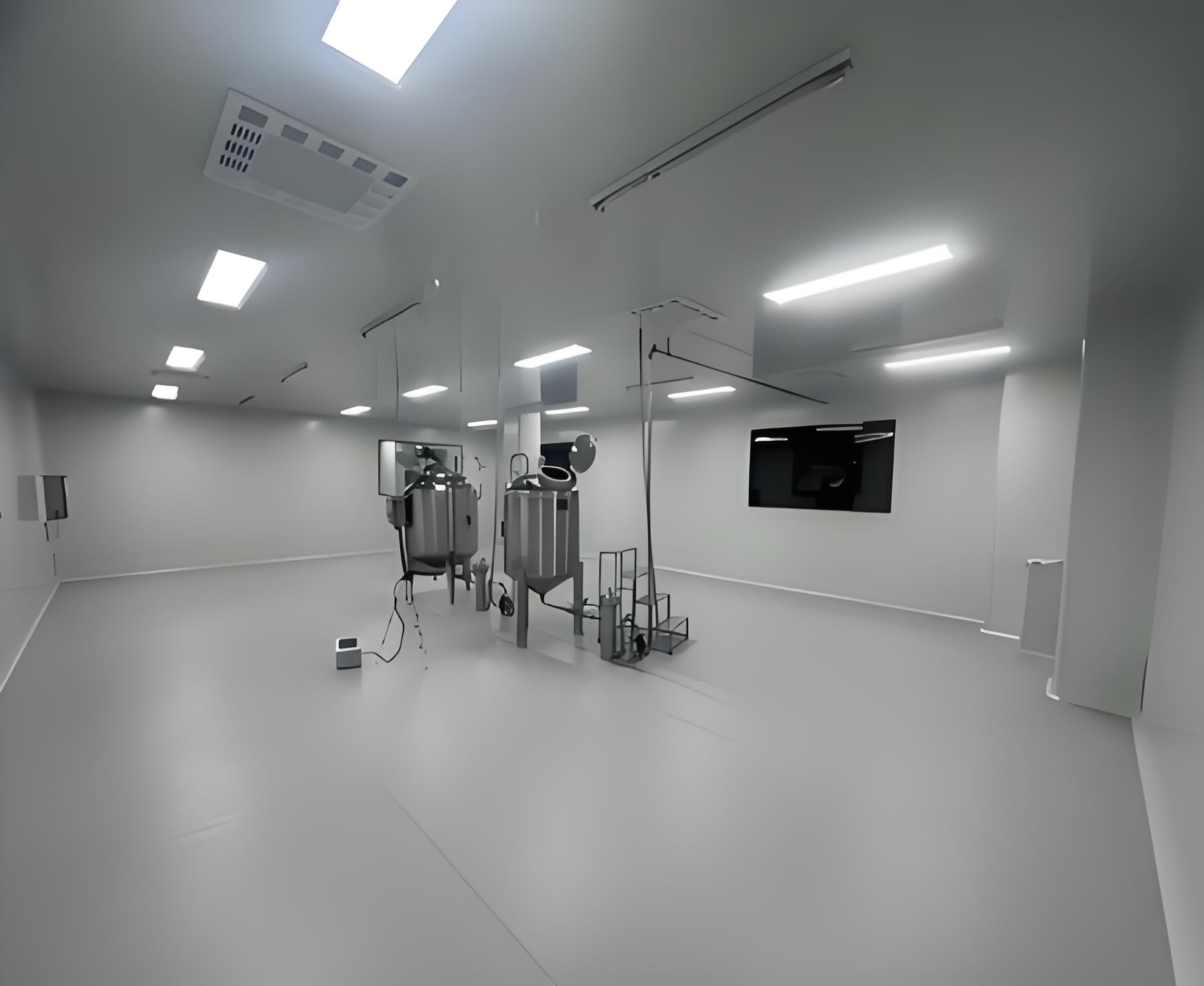
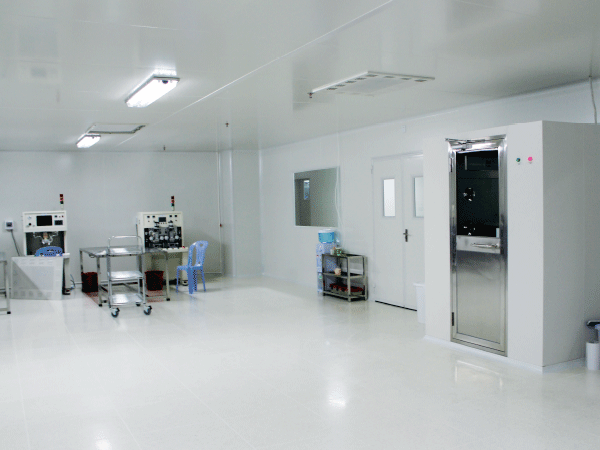

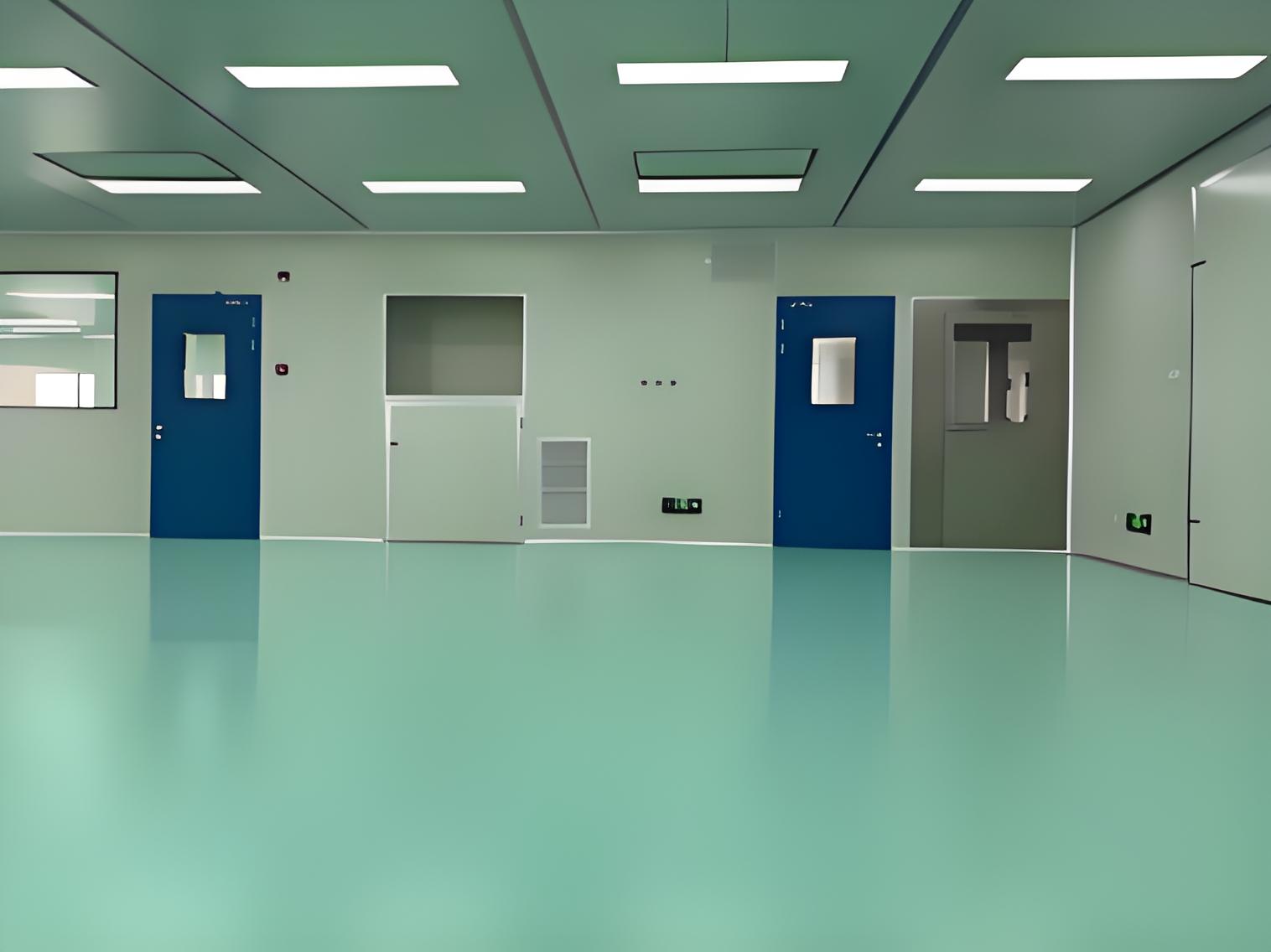
Multi-product pharmaceutical facilities face a persistent challenge: preventing cross-contamination while maintaining production efficiency. Purification Engineering provides the systematic framework to address this challenge through integrated cleanroom design, airflow management, and contamination control protocols. This analysis examines the technical underpinnings of purification engineering and its application in aseptic processing environments, with particular attention to the engineering controls that determine facility performance.
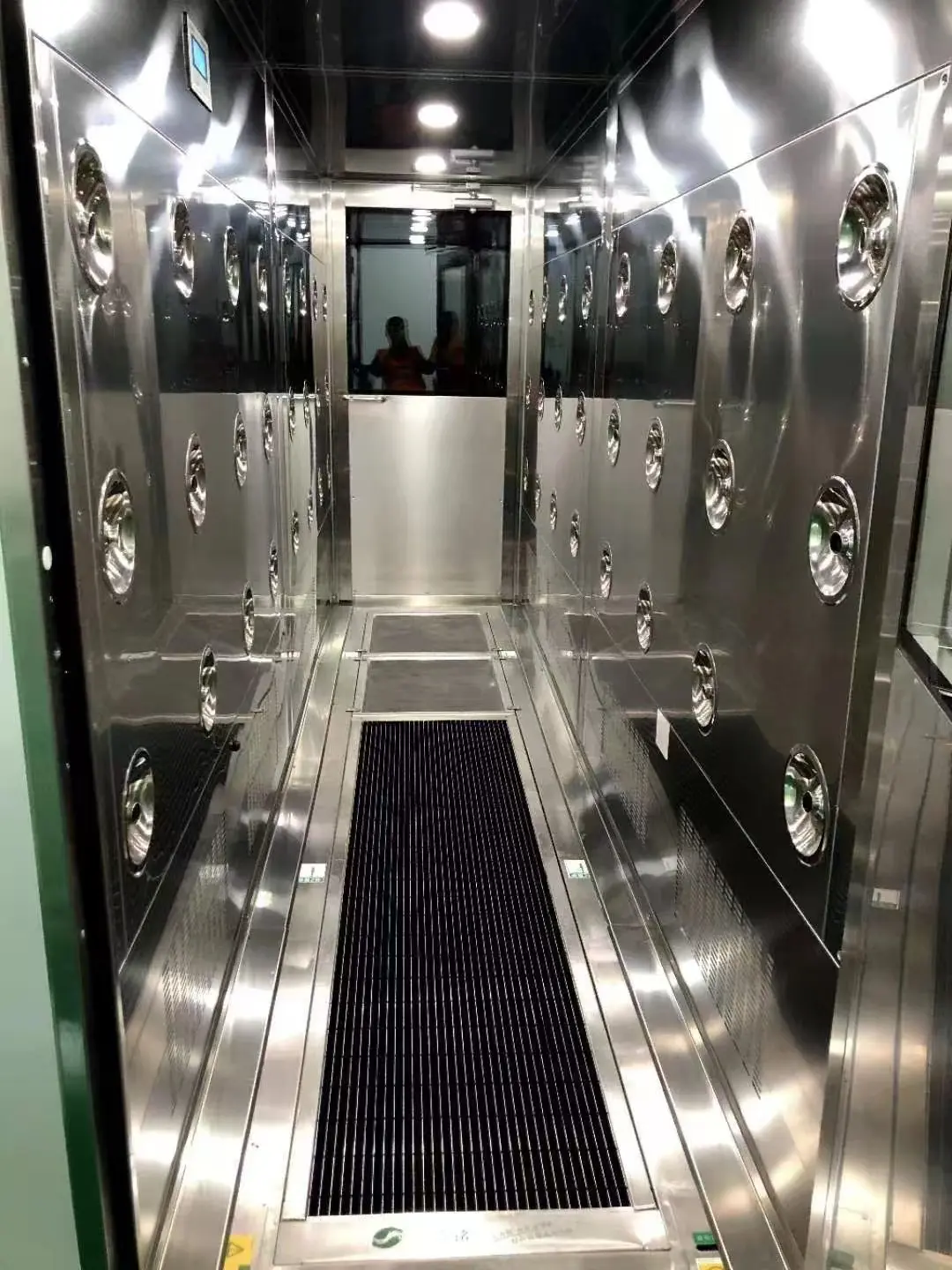
Aseptic processing demands environmental conditions that exclude microbial and particulate contamination throughout the production cycle. Purification Engineering encompasses the design, implementation, and validation of these environmental controls. The discipline extends beyond filtration to include HVAC system architecture, material flow design, personnel protocols, and continuous monitoring systems.
Filtration represents one component of a broader purification engineering strategy. Effective contamination control requires understanding particle generation sources, dispersion mechanisms, and deposition pathways. Engineers must evaluate how each production step influences airborne particle counts, surface bioburden, and viable organism presence. The engineering approach integrates:
FDA, EMA, and WHO GMP guidelines mandate specific environmental quality standards for pharmaceutical production. Annex 1 of the EU GMP guidelines, revised in 2022, places increased emphasis on contamination control strategy (CCS) and continuous environmental monitoring. These regulatory frameworks require documented evidence that purification engineering systems maintain specified cleanliness levels under normal and worst-case operating conditions. Non-compliance carries significant operational and commercial consequences, making engineering precision a business imperative.
Understanding contamination vectors informs the design of purification engineering systems. Multi-product facilities present unique challenges due to the variety of materials handled, the diversity of processing conditions, and the potential for cross-contamination between product families.
Airborne particles originate from equipment operation, material transfer, personnel movement, and facility infrastructure. Particle size distribution influences dispersion distance and deposition probability. Sub-micron particles remain suspended for extended periods and can penetrate deep into product contact surfaces. Purification engineering addresses airborne dispersion through:
Surfaces harbor microbial contamination and particulate residues. Transfer from surfaces to products occurs through direct contact, contact with contaminated equipment, or through airborne deposition that settles on surfaces then transfers to products. Purification engineering controls surface contamination through material selection, cleaning protocols, and surface finish specifications. Stainless steel with appropriate surface roughness, seamless flooring, and smooth wall finishes reduce microbial adhesion and facilitate cleaning.
Personnel remain the largest source of contamination in pharmaceutical facilities. Human skin sheds thousands of particles per minute, and microbial shedding occurs continuously. Purification engineering addresses personnel contamination through gowning protocols, air shower systems, and behavioral controls. The engineering design must accommodate personnel flow patterns, ensuring that movement does not disrupt airflow or introduce contamination into critical zones.
The effectiveness of purification engineering depends on the integration of multiple control layers. Each layer addresses specific contamination pathways, and the overall system performance depends on the interaction between layers.
Facility zoning establishes graded clean areas based on product sensitivity and process risk. The zoning strategy defines the required cleanliness levels, airflow patterns, and pressure differentials for each zone. Pressure cascades ensure that air flows from high-grade clean areas to lower-grade areas, preventing contamination ingress. A typical cascade maintains a pressure differential of 10-15 Pa between adjacent zones, with continuous monitoring to detect pressure deviations.
Zone classification follows ISO 14644 standards, with Grade A (ISO 5) areas reserved for aseptic processing and Grade B (ISO 7) areas providing background support. TAI JIE ER applies these zoning principles in cleanroom projects, ensuring that pressure cascades and airflow patterns align with product protection requirements.
Airflow architecture determines how air moves through the facility and how contamination is removed. Laminar airflow provides unidirectional air movement that sweeps particles away from critical areas, while turbulent airflow mixes and dilutes contamination. The choice between laminar and turbulent flow depends on the cleanliness grade required and the process configuration.
Filtration hierarchy includes pre-filters, intermediate filters, and HEPA/ULPA final filters. Pre-filters remove larger particles, extending HEPA filter life. HEPA filters remove 99.97% of particles 0.3 µm and larger, while ULPA filters achieve 99.999% efficiency for particles 0.12 µm and larger. Filter integrity testing (DOP/PAO testing) verifies that filters maintain their rated efficiency and that no bypass leakage occurs.
Material flow segregation prevents cross-contamination between different product streams. Purification engineering addresses material flow through dedicated corridors, pass-through chambers, and material airlocks. Pass-through chambers include HEPA-filtered air supply and interlocking doors to prevent simultaneous opening, maintaining pressure differentials and preventing contamination ingress.
Material transfer procedures specify cleaning, disinfection, and packaging requirements for materials entering clean zones. The engineering design must accommodate these procedures without compromising cleanliness or workflow efficiency.
Validation demonstrates that purification engineering systems perform as intended under defined operating conditions. The validation process includes installation qualification (IQ), operational qualification (OQ), and performance qualification (PQ). Each qualification stage verifies that system components are correctly installed, operate within specified parameters, and maintain environmental conditions over time.
Continuous monitoring provides ongoing assurance that purification engineering systems maintain performance. Monitoring parameters include:
Monitoring data supports trend analysis, identifying deterioration in system performance before contamination events occur. Purification Engineering integrates monitoring systems with facility management platforms, enabling real-time alerts and automated data recording.
The monitoring strategy must distinguish between routine variations and actionable deviations. Alert and action limits, established during validation, provide thresholds for investigation and corrective action. Trending analysis across multiple monitoring points reveals systemic issues that individual measurements might miss.
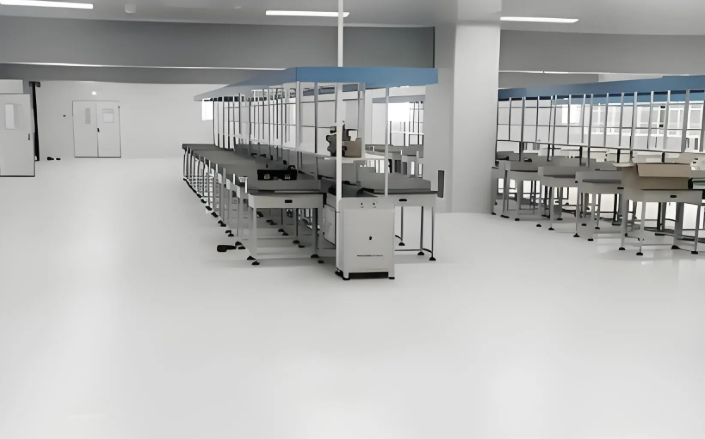
Several recurring issues compromise purification engineering effectiveness. Recognizing these pitfalls enables proactive mitigation.
Inadequate design basis documentation leads to systems that do not match actual operating conditions. Design basis must account for equipment heat loads, material transfer volumes, personnel numbers, and process emissions. Insufficient design basis results in systems that cannot maintain cleanliness during peak production periods.
Poor commissioning practices leave system issues undetected until production begins. Commissioning should include filter integrity testing, airflow visualization studies, and particle count mapping under simulated operating conditions. These tests verify that systems perform as designed and identify areas requiring adjustment.
Insufficient maintenance planning allows system performance to degrade over time. Filter replacement, motor bearing maintenance, belt tensioning, and damper calibration require scheduled attention. Maintenance must follow manufacturer specifications and documented procedures to ensure consistent system performance.
Inadequate personnel training undermines engineering controls. Personnel must understand the rationale behind gowning procedures, material transfer protocols, and behavioral controls. Training should include practical demonstrations and competency assessments to verify understanding.
Disconnected monitoring and response systems delay corrective action when deviations occur. Monitoring data must trigger defined responses based on the severity of the deviation. TAI JIE ER emphasizes integrated monitoring and response planning in its Purification Engineering projects, ensuring that data drives action rather than passive observation.
Addressing these pitfalls requires a systematic approach to purification engineering that considers the full lifecycle of the facility, from design through operation and maintenance.
Q1: What distinguishes purification engineering from standard HVAC design?
A1: Standard HVAC design focuses on thermal comfort and energy efficiency, whereas Purification Engineering prioritizes contamination control through filtration, airflow management, and pressure differentials. Purification engineering requires understanding of particle behavior, microbial control, and regulatory compliance that extends beyond conventional HVAC practice.
Q2: How does purification engineering address viable particle contamination?
A2: Viable particles (microorganisms) require distinct control strategies. Purification engineering addresses viable contamination through HEPA filtration (which removes airborne microorganisms), surface disinfection protocols, and environmental monitoring that includes microbial sampling. The engineering design must accommodate disinfection procedures without damaging system components.
Q3: What role does airflow visualization play in purification engineering validation?
A3: Airflow visualization uses smoke or fog to observe air movement patterns within clean zones. This technique verifies that laminar flow maintains unidirectional movement and that turbulent areas do not allow contamination accumulation. Visualization studies identify dead zones, eddies, and backflow patterns that compromise contamination control.
Q4: How often should HEPA filters be replaced in a pharmaceutical cleanroom?
A4: HEPA filter replacement frequency depends on operating conditions, pre-filtration efficiency, and differential pressure monitoring. Replacement is typically required when differential pressure reaches twice the initial value or when integrity testing fails. Annual integrity testing and continuous differential pressure monitoring guide replacement decisions.
Q5: What documentation is essential for purification engineering compliance?
A5: Essential documentation includes the design basis document, validation protocols and reports, standard operating procedures for system operation and maintenance, environmental monitoring records, deviation reports, and change control records. This documentation demonstrates compliance with regulatory requirements and supports investigations into contamination events.
Q6: How does purification engineering integrate with contamination control strategy (CCS)?
A6: CCS provides the overarching framework for contamination control, while purification engineering delivers the technical implementation. The CCS defines risk assessment, control measures, and monitoring requirements. Purification engineering translates these requirements into tangible systems and procedures, ensuring that engineering controls align with the facility's overall contamination strategy.
For tailored Purification Engineering solutions that address your facility's specific contamination control requirements, TAI JIE ER provides engineering consultation, design, and implementation services. TAI JIE ER works with pharmaceutical manufacturers to develop purification engineering systems that meet regulatory standards and operational demands. Submit your project specifications for a detailed engineering assessment.
Inquiry
Submit your facility parameters and contamination control requirements for a comprehensive purification engineering evaluation. Our engineering team reviews cleanroom classification needs, material flow patterns, and regulatory requirements to propose targeted solutions.
Contact TAI JIE ER to initiate your project assessment.