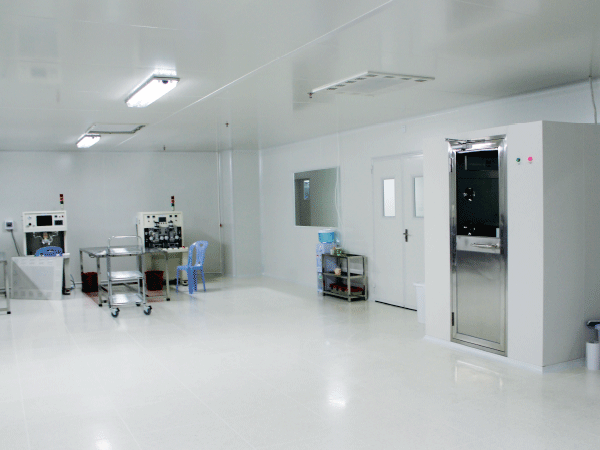
In modern biotechnology, pharmaceutical manufacturing, and microelectronics research, maintaining precise control over environmental particulates is a fundamental requirement. A commercial Laboratory purification project involves structured environmental engineering designed to minimize dust, microbes, and chemical vapors within a designated space. Achieving the required cleanliness classification demands specialized planning, systematic HVAC design, and rigorous validation procedures. With decades of cleanroom construction expertise, TAI JIE ER provides tailored engineering solutions that comply with international quality and safety benchmarks. This analysis examines the engineering protocols, design considerations, and implementation strategies necessary to execute a high-performance cleanroom installation.
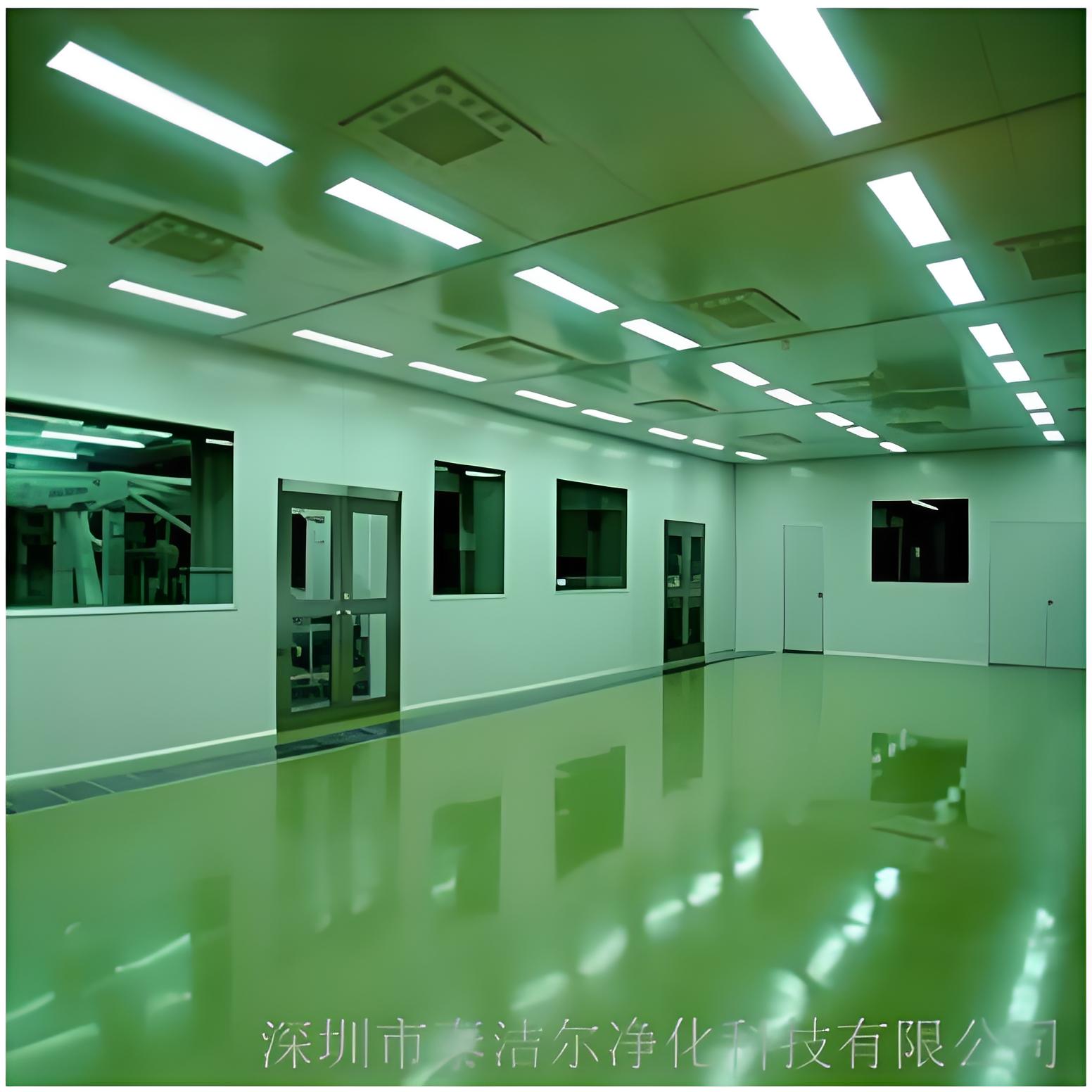
To establish a reliable baseline for any Laboratory purification project, engineers must align designs with recognized international standards, primarily ISO 14644-1. This standard classifies cleanrooms based on maximum allowable particle concentrations per cubic meter of air.
ISO Class 5: Suitable for highly sensitive operations, requiring less than 3,520 particles of size 0.5 micrometers or larger per cubic meter.
ISO Class 6: Utilized in advanced electronics and delicate analytical laboratory functions.
ISO Class 7: Often specified for pharmaceutical preparation areas, requiring secondary containment.
ISO Class 8: Common in secondary packaging areas and basic research support zones.
In biological and medical research, Biosafety Level (BSL) classifications also dictate engineering requirements. BSL-3 and BSL-4 facilities require negative pressure barriers to ensure pathogenic materials do not escape into the external environment. Conversely, pharmaceutical compounding cleanrooms require positive pressure to protect the sterile product from external contamination. Balancing these physical laws is the core objective of modern environmental engineering.
An optimized HVAC configuration is the heart of a successful cleanroom. Standard commercial ventilation systems are inadequate for removing micro-particles and maintaining the specific airflow velocity needed in a controlled environment.
To maintain ISO cleanliness ratings, cleanrooms require much higher air change rates (ACH) than standard office buildings. ISO Class 8 cleanrooms typically operate at 15 to 25 ACH, whereas ISO Class 5 cleanrooms can require 240 to 480 ACH. Airflow patterns must also be engineered based on the class requirements:
Laminar (Unidirectional) Flow: Air travels in a single, parallel direction at a constant velocity (usually around 0.45 m/s) to sweep particles away from sensitive work zones.
Turbulent (Non-unidirectional) Flow: Used in less stringent cleanrooms where clean air is introduced through ceiling diffusers and mixed with existing air to dilute contaminants before being exhausted.
Air filtration in a Laboratory purification project relies on a multi-stage process. Pre-filters (rated MERV 8 to 13) capture larger dust particles to prolong the lifespan of high-efficiency filters. High-Efficiency Particulate Air (HEPA) filters, which trap 99.97% of particles down to 0.3 microns, serve as the primary defensive barrier. For ultra-sensitive semiconductor or molecular biological labs, Ultra-Low Penetration Air (ULPA) filters are integrated to trap 99.999% of particles down to 0.12 microns.
Contamination prevention depends on maintaining a pressure cascade. Clean zones are pressurized relative to adjacent dirtier areas, ensuring that whenever doors are opened, air flows out rather than in. A differential pressure of 10 to 15 Pascals is typically maintained between rooms of different cleanliness levels. In hazardous research settings, negative differential pressure is utilized to protect personnel and the community.
The physical boundary of a cleanroom must be completely non-shedding, non-porous, and resistant to chemical disinfectants. Substandard materials can degrade under cleaning regimes, introducing particulate matter into the sterile space.
Ceiling Systems: Cleanrooms utilize integrated grid systems with gasketed ceiling tiles or walk-on ceiling panels for convenient maintenance access to the mechanical services above.
Wall Panels: Double-sided modular sandwich panels, with cores made of rockwool, polyurethane, or aluminum honeycomb, are widely used. These panels offer excellent flat surfaces, impact resistance, and sound insulation.
Flooring Solutions: Seamless epoxy resin coatings or self-leveling PVC flooring with welded joints are specified. For facilities dealing with electrostatic discharge risks, specialized anti-static ESD flooring is installed to safeguard sensitive instrumentation.
Flush Jointing: All joints between walls, floors, and ceilings are finished with coved profiles to eliminate 90-degree corners where dust and bacteria can accumulate. Door frames, windows, and utility outlets must be flush-mounted to maintain surface integrity.
Different industries require targeted strategies for cleanroom deployment. A standardized layout cannot meet the distinct requirements of diverse scientific fields.
These environments must meet Good Manufacturing Practice (GMP) standards. Particulate counts are monitored in both static (at rest) and dynamic (in operation) states. Microbiological active monitoring, using settling plates and air samplers, is mandatory to prevent product contamination.
Here, the focus shifts to preventing electrostatic discharge (ESD) and removing chemical fumes. The design often incorporates specialized chemical air filters (molecular filtration) to eliminate airborne molecular contaminants (AMCs) that can destroy silicon wafers.
When working with infectious agents, containment is paramount. These cleanrooms utilize double HEPA exhaust systems, airtight biological doors, effluent decontamination units, and continuous negative pressure control to prevent any leakage of airborne pathogens.
Constructing a fully functional cleanroom involves a highly methodical sequence of phases. Errors in the early design phase can lead to system failures during the validation process.
Conceptual Design: Defining the specific process requirements, cleanroom classification, layout flow for personnel and materials, and estimated utility requirements.
Detailed Engineering: Developing piping and instrumentation diagrams (P&ID), structural loading designs, ductwork routing, and electrical load plans. This stage is where TAI JIE ER ensures that every element aligns with the user requirement specification (URS).
Procurement and Fabrication: Selecting high-grade materials, air handling units (AHUs), fan filter units (FFUs), biosafety cabinets, and dynamic pass boxes.
On-Site Installation: Assembly under strict clean-construction protocols. The construction area is progressively cleaned as stages advance, changing from general construction to a clean-build environment.
Testing, Adjusting, and Balancing (TAB): Measuring airflow volumes, setting differential pressures, testing filter integrity using aerosol challenges (PAO testing), and confirming room recovery rates.
Validation and Qualification: Executing the formal validation protocol consisting of Design Qualification (DQ), Installation Qualification (IQ), Operational Qualification (OQ), and Performance Qualification (PQ). This ensures the completed Laboratory purification project meets regulatory standards.
Even well-constructed cleanrooms can fail to maintain compliance if operational protocols are neglected. Recognizing potential vulnerabilities is a necessary aspect of cleanroom management.
Airflow Short-Circuiting: Improper placement of supply air diffusers and return air grilles can cause air to bypass the active work zone, leaving stagnant pockets where particulates accumulate. Utilizing computational fluid dynamics (CFD) modeling during the engineering phase mitigates this issue.
Filter Bypass Leakage: Particulates can bypass filtration media if the filter frames are not properly sealed. Annual leak testing is required to identify degradation in gel seals or clamping mechanisms.
Human-Induced Contamination: Human beings are the largest source of particulate shedding in a cleanroom. Inadequate gowning procedures, excessive movement, or improper material transfer protocols can overload the filtration system. Implementing interlocking dynamic pass boxes for material transfers helps protect the inner sterile environment.
To maintain regulatory compliance, cleanroom performance must be consistently verified. This requires a structured preventive maintenance program.
Continuous Environmental Monitoring: Integrating real-time monitoring systems that record differential pressure, temperature, relative humidity, and particle counts. Automated alarms notify operators if any parameter deviates from specified limits.
Periodic Calibration: Sensors, gauges, and HVAC controllers require regular calibration against traceable national standards to ensure precise measurements.
Facility Life Cycle Management: Partnering with a reliable engineering specialist ensures that upgrades, filter replacements, and system adjustments are performed without compromising ongoing research or production. Utilizing a professional contractor like TAI JIE ER helps maintain cleanroom performance throughout its operational life.
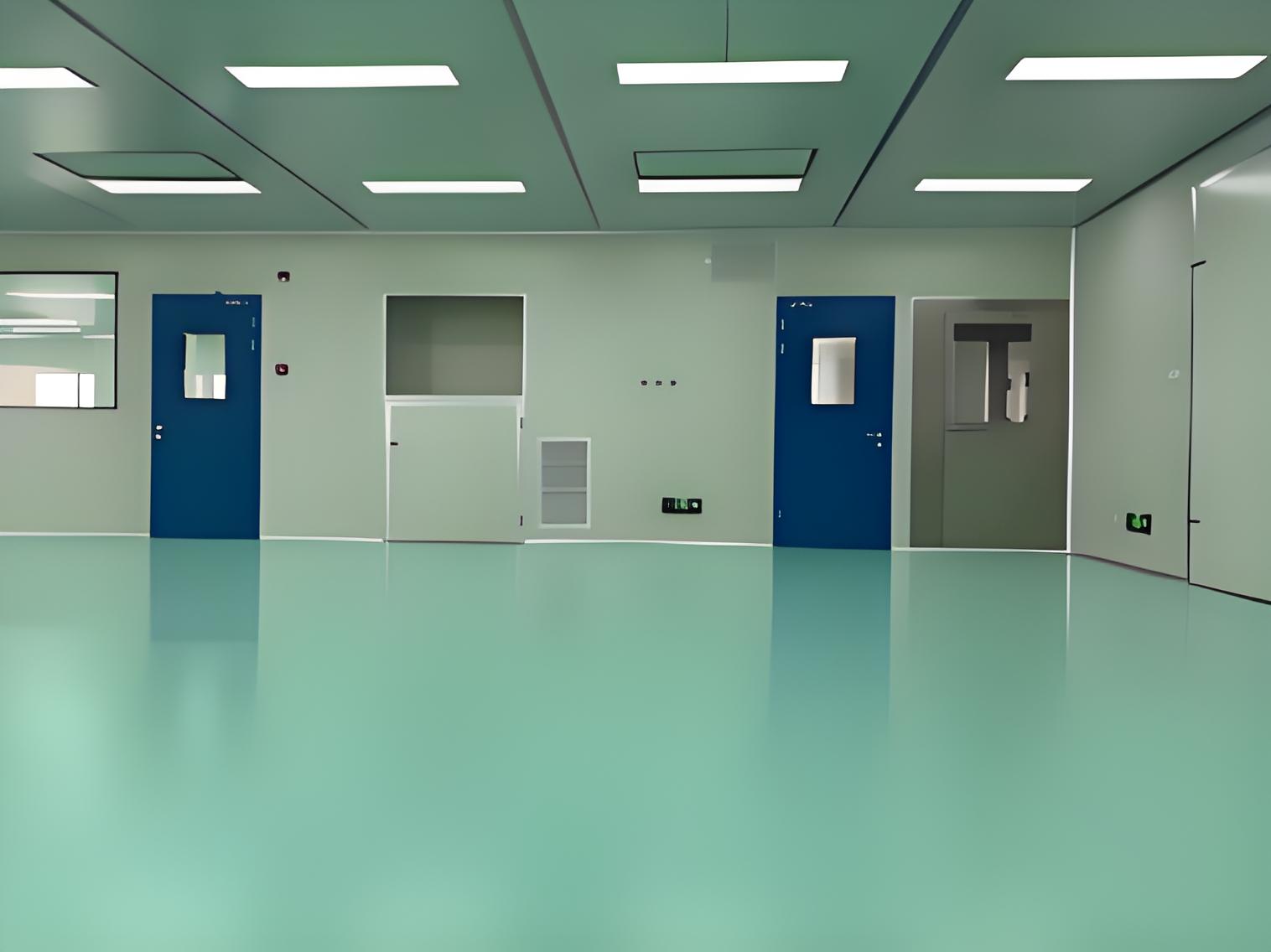
A well-executed Laboratory purification project is the result of seamless coordination between mechanical, electrical, structural, and chemical safety engineers. By taking a holistic approach to design, cleanrooms can operate reliably, protect personnel, and ensure the accuracy of scientific research.
If you are planning to build, upgrade, or validate a controlled environment, partnering with an experienced cleanroom engineering firm is key. Our team specializes in designing, fabricating, and installing advanced cleanroom facilities that meet rigorous international regulations. Contact our engineering consultants to discuss your specific cleanroom requirements, floor plans, and compliance needs. We will provide detailed assessments and structured proposals customized to your operating procedures.
Q1: What is the main difference between positive and negative pressure cleanrooms?
A1: Positive pressure cleanrooms maintain higher air pressure inside the clean area than the surrounding rooms. This prevents external particulates and contaminants from entering when doors are opened. It is typically used to protect sensitive products. Negative pressure cleanrooms maintain lower air pressure than the surrounding areas to prevent hazardous substances, pathogens, or chemicals from escaping into the surrounding environment, thereby protecting the personnel and the community.
Q2: How often should HEPA filters be replaced in a cleanroom environment?
A2: The lifespan of a HEPA filter depends on the cleanliness of the pre-filters and the overall dust load of the facility. Under normal operating conditions with high-quality pre-filtration, terminal HEPA filters generally last between 3 to 5 years. However, regular testing, such as annual aerosol challenge tests, should be performed to detect localized leaks or pressure drop increases that indicate a replacement is necessary.
Q3: What is the role of a dynamic pass box in a cleanroom?
A3: A dynamic pass box is a small enclosure equipped with HEPA filtration and interlocking doors used to transfer materials between areas of different cleanliness classifications. The internal HEPA filtration active-cleans the materials during transfer, preventing cross-contamination while eliminating the need for personnel to enter the clean zone repeatedly.
Q4: How is airflow velocity measured and controlled in unidirectional flow areas?
A4: Airflow velocity is typically measured using thermal anemometers or velocity grid sensors placed beneath the filter face. The standard industry target is 0.45 meters per second (90 feet per minute) plus or minus 20%. Control is maintained via Variable Frequency Drives (VFDs) on the supply fans, which automatically adjust fan speeds as filter resistance increases over time.
Q5: What is validation, and is it mandatory for all cleanroom installations?
A5: Validation is a documented process proving that a cleanroom consistently operates in accordance with its design specifications and regulatory standards. It involves three primary steps: Installation Qualification (IQ), Operational Qualification (OQ), and Performance Qualification (PQ). For industries regulated by agencies like the FDA or EMA, such as pharmaceuticals and medical devices, validation is a mandatory compliance requirement.