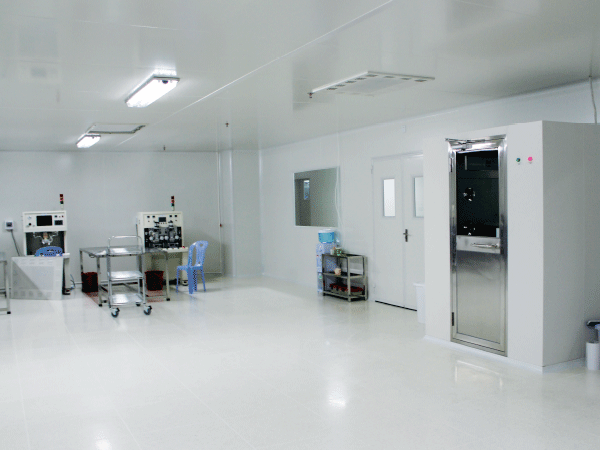
Operating a controlled environment requires a deep understanding of contamination pathways, mechanical airflow dynamics, and architectural boundary integrity. A sterile laboratory serves as the foundation for modern microbiology, pharmaceutical compounding, cell therapy production, and medical device evaluation. Achieving and sustaining sterility within these spaces requires more than basic sanitization; it demands integrated structural planning, robust HVAC engineering, and systematic personnel protocols.
For organizations planning to construct or upgrade their cleanroom infrastructure, partner selection determines the long-term feasibility of the facility. Engineering specialists like TAI JIE ER provide the design precision and construction validation necessary to meet international compliance frameworks, helping operators prevent environmental ingress and maintain sterile conditions over extended operational cycles.
Cleanroom environments are categorized under strict international regulations to ensure reproducibility and safety. The primary standard governing these facilities is ISO 14644-1, which classifies cleanrooms based on airborne particulate concentrations per cubic meter of air. For applications requiring a sterile laboratory, operations typically focus on ISO Class 5 (equivalent to Grade A under EU GMP guidelines) for high-risk aseptic interventions, supported by ISO Class 7 or Class 8 background environments.
The regulatory structure divides cleanroom parameters into distinct states: as-built, at-rest, and operational. Designing a facility to pass testing in an idle state is straightforward, but maintaining compliance during active operations with personnel present requires sophisticated airflow dynamics. Below is a breakdown of the standard particle limits required for compliance:
ISO Class 5 (Grade A/B At-Rest): Maximum of 3,520 particles per cubic meter at ≥0.5 μm. This is the zone where open sterile products, containers, and closures are exposed to the environment.
ISO Class 7 (Grade C): Maximum of 352,000 particles per cubic meter at ≥0.5 μm. Typically used for preparation stages and secondary containment.
ISO Class 8 (Grade D): Maximum of 3,520,000 particles per cubic meter at ≥0.5 μm. Used for less sensitive handling steps and gowning areas.
In addition to particulate monitoring, pharmaceutical cleanrooms must adhere to microbiological monitoring standards, tracking colony-forming units (CFUs) via active air sampling, settle plates, contact plates, and glove print tests. Aligning cleanroom geometry with these strict thresholds ensures the facility remains compliant under regulatory audits from bodies such as the FDA or EMA.
To keep particulate counts below regulatory thresholds, mechanical systems must continuously isolate and flush contaminants from the clean zone. This is achieved through three key mechanisms: high-efficiency filtration, adequate air exchange, and managed pressure cascades.
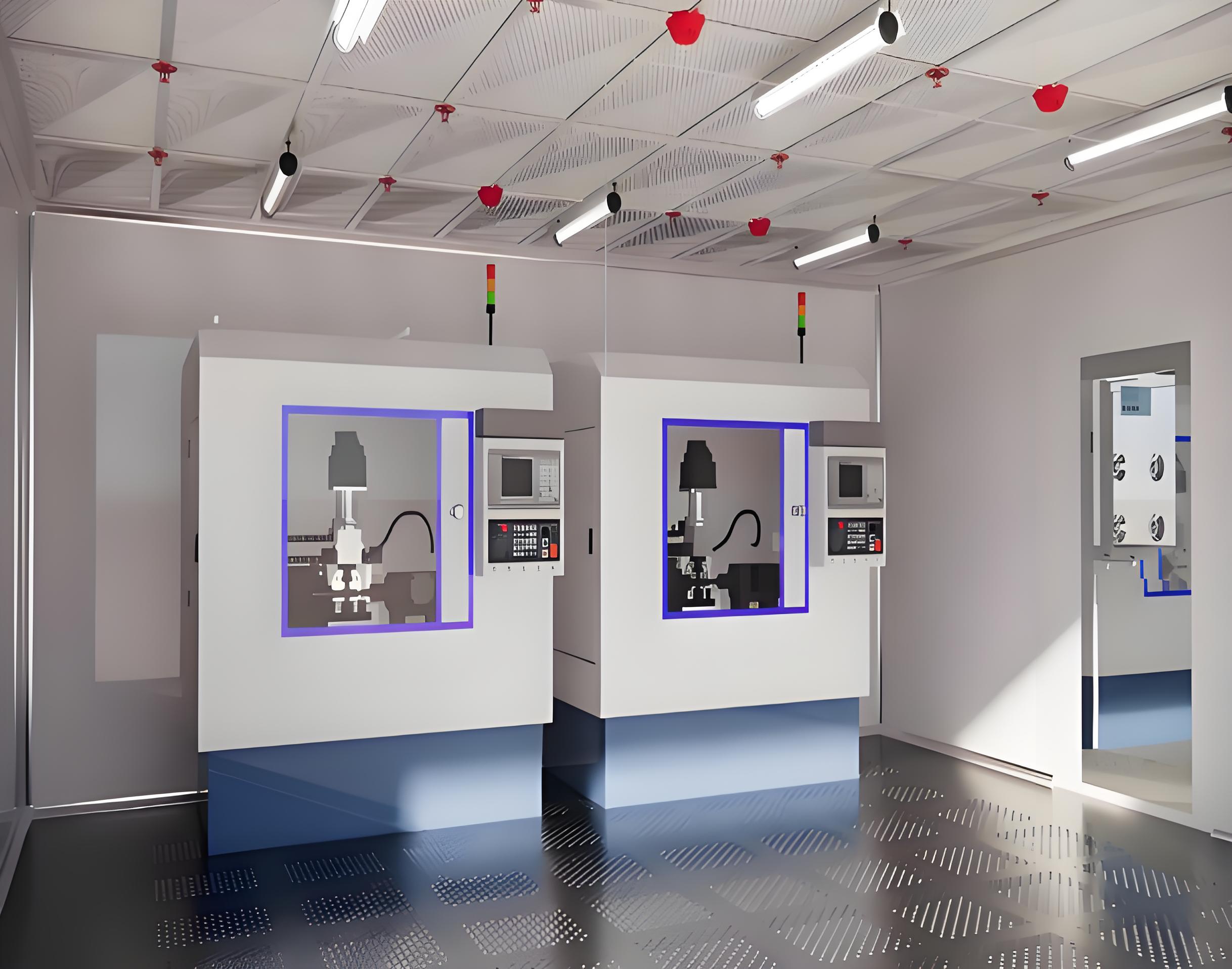
At the heart of any sterile laboratory is the HEPA filter array, which must capture at least 99.97% of particles as small as 0.3 microns. In higher-tier cleanrooms, Ultra-Low Penetration Air (ULPA) filters are utilized, achieving efficiencies of 99.999% for particles down to 0.12 microns. These filters are positioned in the ceiling terminal to supply clean, filtered air directly over the work areas, sweeping contaminants downward and away from vulnerable materials.
Dilution is a primary method for maintaining low particle levels. While standard office buildings operate on 2 to 4 air changes per hour, a specialized clean environment requires significantly higher rates to maintain its classification:
ISO Class 8: 15 to 25 air changes per hour.
ISO Class 7: 30 to 60 air changes per hour.
ISO Class 5: 240 to 480 air changes per hour, often requiring unidirectional (laminar) airflow across the entire workspace.
An equally important metric is the cleanroom recovery time—the duration required for the HVAC system to restore the cleanroom to its target classification after a localized contamination event. A well-engineered system should achieve recovery within 15 to 20 minutes of a challenge test.
To prevent dirty air from migrating into cleaner zones, cleanrooms utilize differential pressure hierarchies. Positive pressure is maintained in the cleanest rooms relative to adjacent corridors or anterooms. Typically, a pressure differential of 10 to 15 Pascals (Pa) is engineered between clean zones of different classifications.
Conversely, for sterile facilities handling hazardous pathogens, toxins, or viral vectors, negative pressure zones are required to protect operators and the external environment. In these configurations, complex pressure cascades are designed using sink or bubble airlocks to ensure that sterile air protects the product, while containment envelopes protect the surrounding facility.
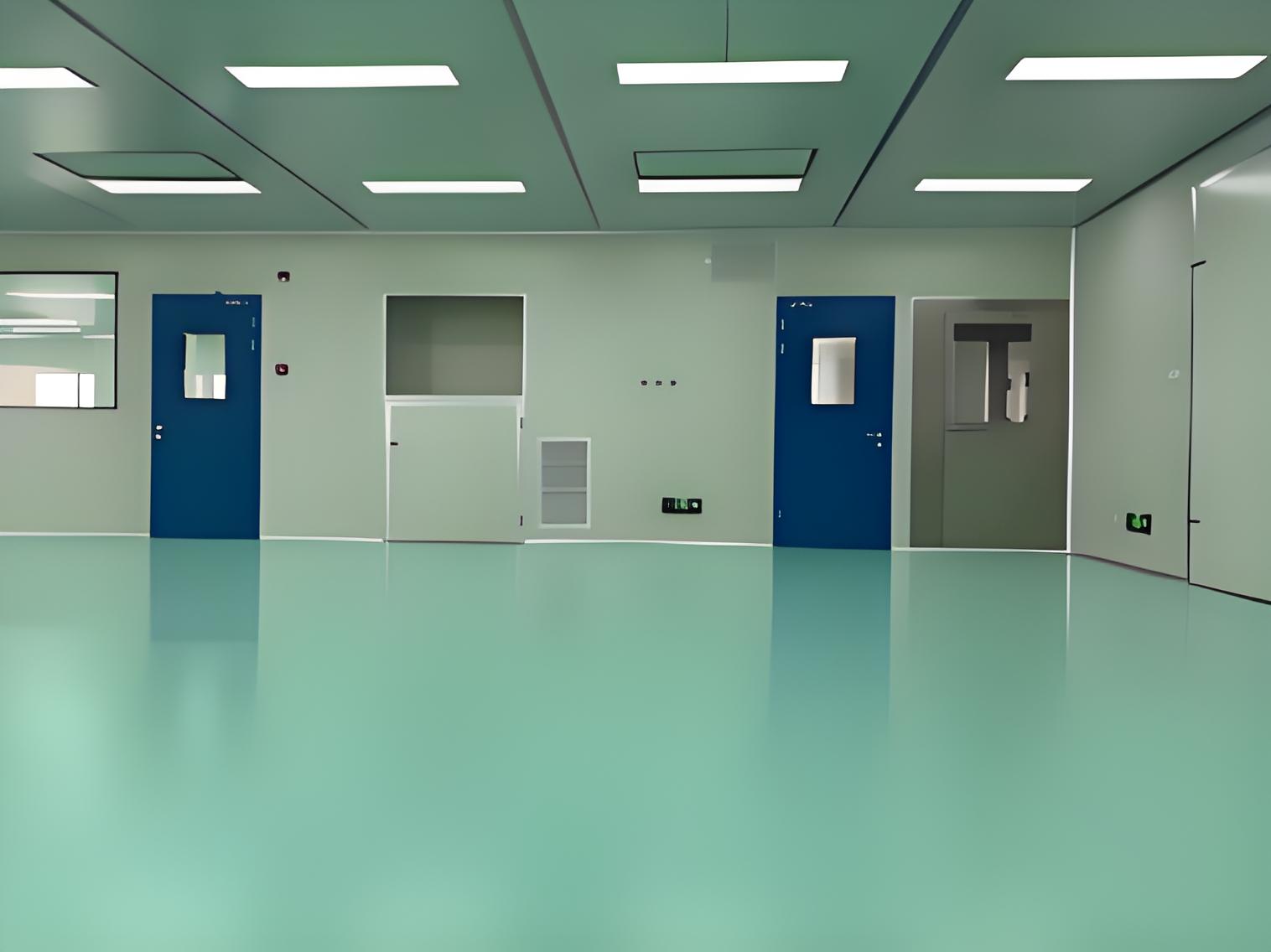
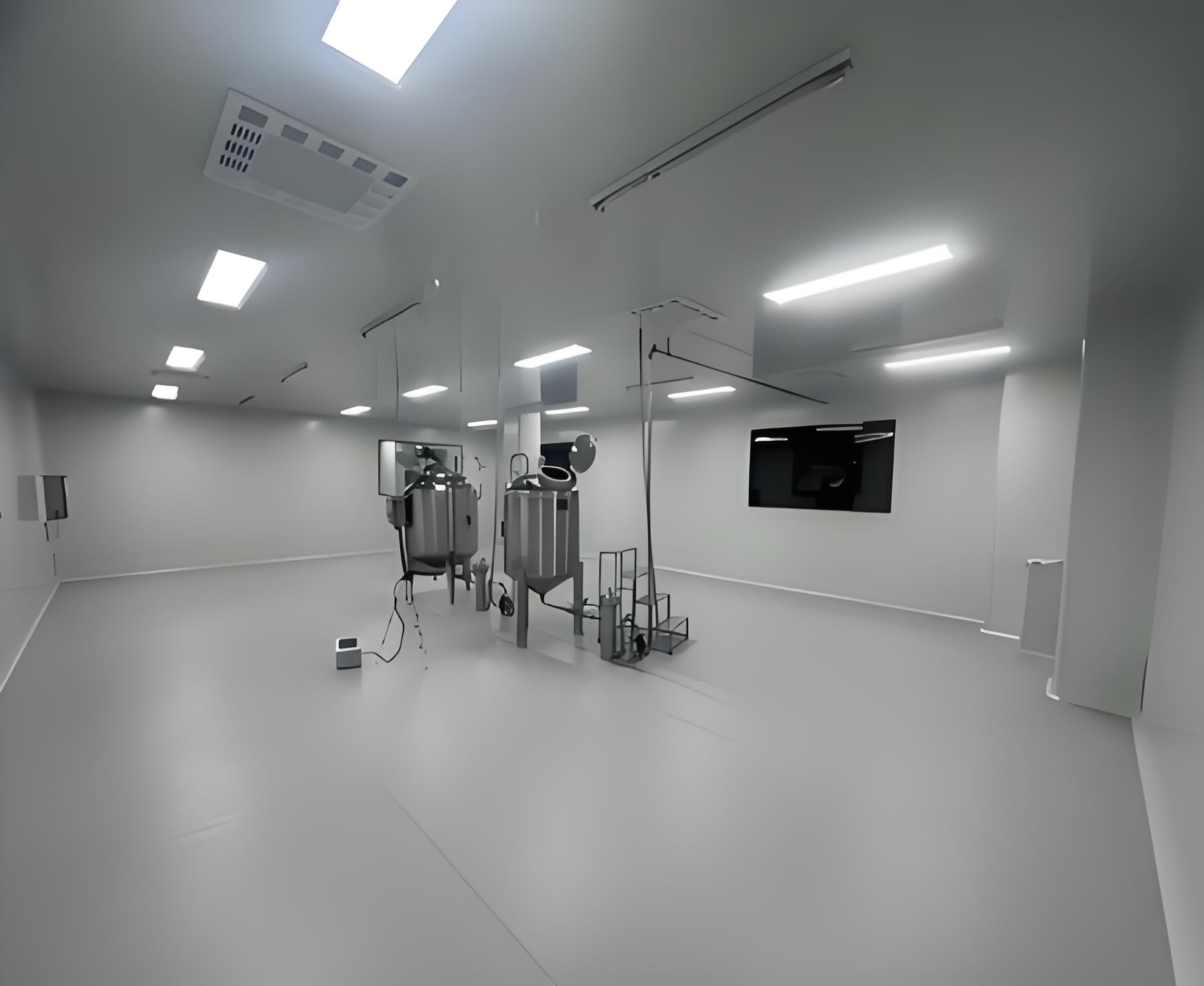
The structural shell of a sterile room must resist physical wear, chemical degradation from harsh disinfectants, and particulate accumulation. Every surface must be smooth, non-porous, and completely sealed.
Wall panels are typically constructed from high-pressure laminates (HPL) or powder-coated galvanized steel with a core of aluminum honeycomb or rockwool. These sandwich panels provide structural rigidity and thermal insulation while eliminating hollow spaces where moisture or microbial bioburden could develop. The interface between walls, floors, and ceilings is rounded using coving systems made of aluminum or PVC, preventing dust accumulation in corners and facilitating straightforward cleaning.
Floor installations require specialized materials like seamless vinyl sheet flooring with welded joints, or self-leveling epoxy coatings. These systems must resist heavy wheel loads from equipment carts and show high resistance to sanitizing agents like isopropyl alcohol, sodium hypochlorite, and vaporized hydrogen peroxide (VHP). Integrating these architectural systems requires experienced installers, which is why engineering teams like TAI JIE ER place extreme emphasis on joint sealing, flush-mounted light fixtures, and airtight window frames during the construction phase.
An HVAC system designed for a clean environment is highly complex, managing not only particle levels but also precise temperature and relative humidity. Because cleanroom operators must wear comprehensive personal protective equipment (PPE)—including non-breathing bunny suits, hoods, and double gloves—maintaining a cool, comfortable environment is necessary to prevent operator perspiration, which is a major source of biological contamination.
Typical design specifications include:
Temperature: 20°C to 22°C (68°F to 72°F), controlled within ±1°C.
Relative Humidity (RH): 30% to 50%, controlled within ±5%. This range prevents static electricity buildup (which attracts particles) and discourages microbial growth, which thrives in high-humidity zones.
The choice between laminar (unidirectional) and turbulent (non-unidirectional) airflow patterns depends on the target ISO class. Laminar airflow systems use a continuous stream of parallel air vectors moving at a uniform speed (typically 0.45 m/s ± 20%) to push particles out of the room without mixing. Turbulent systems, used in less restrictive zones, rely on filtered air mixing with room air to dilute and gradually exhaust particulate matter through low-level wall returns.
Below is a functional comparison of airflow types used in clean design:
| Airflow Configuration | Primary Application Zone | Average Air Velocity | Particle Displacement Direction |
|---|---|---|---|
| Unidirectional (Laminar) | ISO Class 5 / Grade A areas | 0.36 - 0.54 m/s | Vertical or horizontal uniform sweep |
| Non-Unidirectional (Turbulent) | ISO Class 7 to 8 / Grade C & D | Variable based on ACR | Dilution and exhaust via low-wall returns |
Even with advanced engineering controls in place, human operators remain the primary source of particulates and microbes in a sterile laboratory. Consequently, cleanroom layouts must physicalize the separation of personnel and material flows.
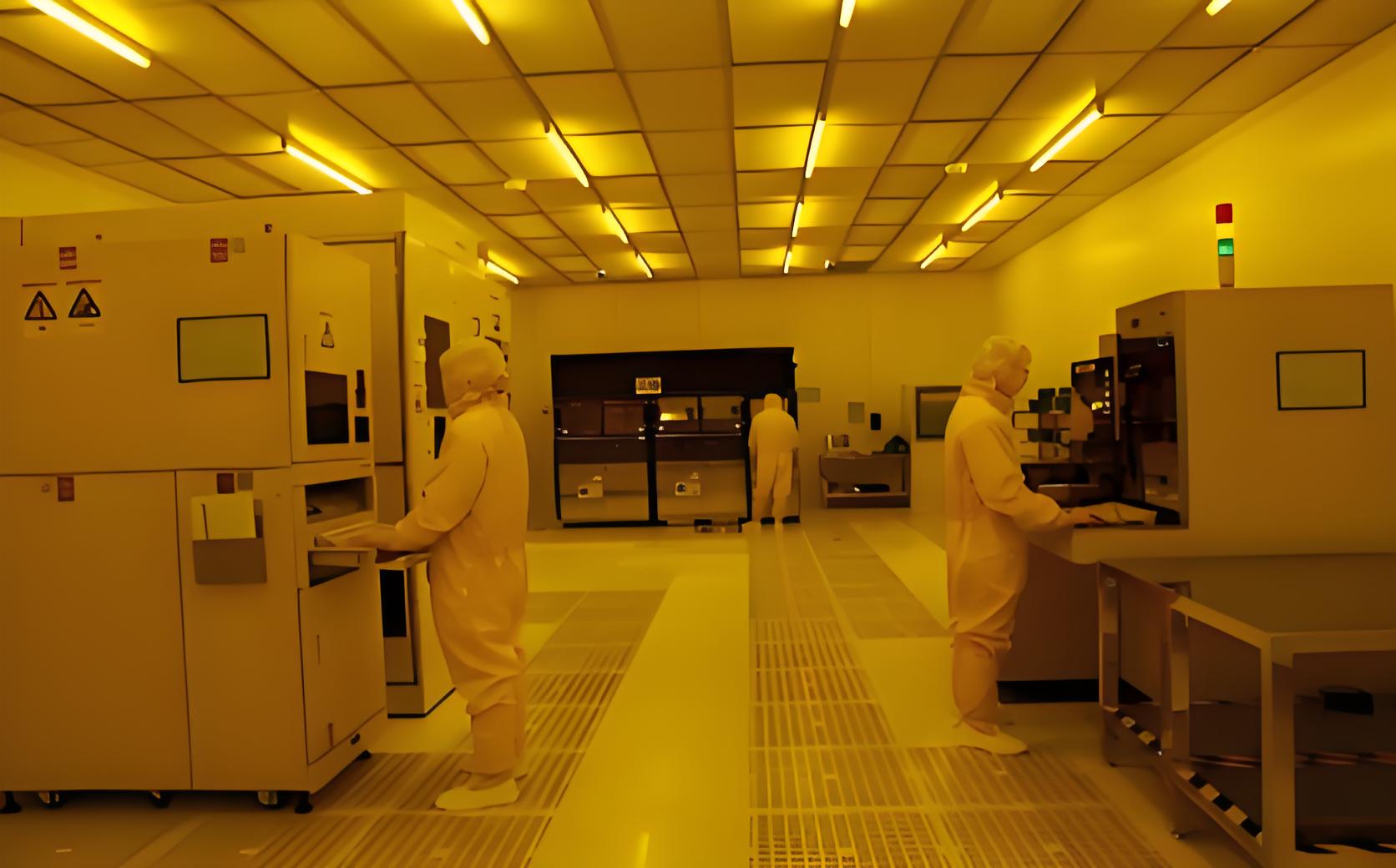
Anteroom sequences are designed to guide staff through a structured gowning process. Operators step across tacky mats, wash and dry their hands, and systematically apply sterile garments from head to toe without touching the clean exterior surfaces of the cleanroom suit. This sequence is often enforced by interlocking doors that prevent the outer change area from opening simultaneously with the inner sterile zone.
Materials must enter the cleanroom through dedicated pass-through boxes. These pass-throughs are often equipped with UV sterilization cycles or integrated VHP ports to decontaminate incoming items. By minimizing the movement of personnel in and out of the primary workspace, the mechanical load on the HVAC system is reduced, and the integrity of the positive pressure cascade remains stable.
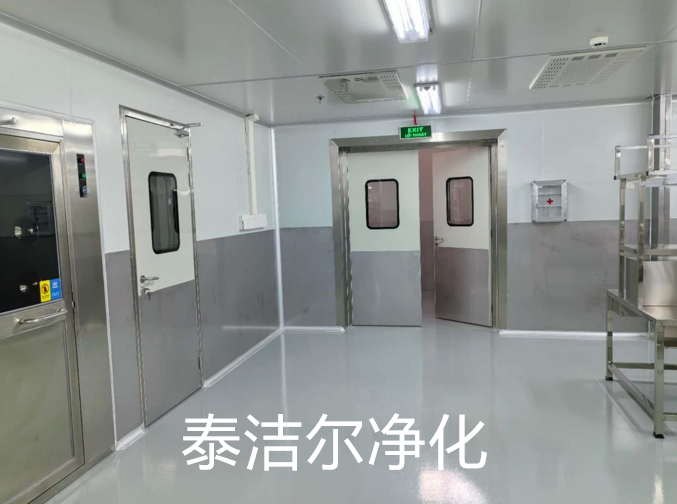
A sterile environment cannot begin operations without formal validation, proving it performs according to design specifications. This validation sequence is executed in accordance with Good Manufacturing Practices (GMP) and follows a structured progression:
Design Qualification (DQ): Verifies that the proposed cleanroom design, HVAC layouts, and material choices align with regulatory requirements and user specification documents.
Installation Qualification (IQ): Confirms that all equipment, ductwork, HEPA filters, and instrumentation have been installed correctly, matching the approved engineering drawings and manufacturer guidelines.
Operational Qualification (OQ): Tests the system's performance at-rest. This phase evaluates airflow velocities, HEPA filter integrity (via leak testing with PAO/DOP aerosol), differential pressures, and environmental controls (temperature and humidity).
Performance Qualification (PQ): Demonstrates that the cleanroom consistently maintains its classified standards under active, simulated operational loads over an extended monitoring period.
To secure a reliable qualification cycle, many global manufacturers rely on experienced design-build firms. Cleanroom specialists like TAI JIE ER provide end-to-end documentation support, ensuring that every validation phase is executed cleanly, with full traceability for future regulatory inspections.
Q1: What is the main difference between a sterile laboratory and a
standard cleanroom?
A1: A standard cleanroom focuses primarily on
controlling airborne non-viable particulates to protect manufacturing processes
(such as semiconductor assembly). A sterile laboratory controls both non-viable
particulates and viable micro-organisms (bacteria, fungi, viruses) to prevent
biological contamination, utilizing strict sterilization, sanitization, and
biological barrier systems.
Q2: Why are low-wall return air grilles preferred over ceiling
returns?
A2: Low-wall returns help create a downward, unidirectional
sweep of air. This configuration pulls particles generated by personnel and
equipment down to the floor level and out of the room, preventing contaminated
air from rising back up into the breathing zone or settling on sterile work
surfaces.
Q3: How often should HEPA filters undergo integrity
testing?
A3: According to regulatory guidelines such as ISO 14644-2
and GMP, HEPA filters in sterile manufacturing environments should undergo
integrity testing (leak testing) at least every 6 to 12 months to verify there
is no bypass leakage or filter media degradation.
Q4: Can a sterile laboratory be negative pressure instead of positive
pressure?
A4: Yes. When a facility handles biological agents,
hazardous pathogens, or viral vectors, it must use negative pressure containment
to prevent the escape of harmful materials into surrounding areas. In these
setups, specialized containment barriers protect the product, while a negative
pressure envelope protects the environment.
Q5: What are the primary causes of cleanroom validation failure
during PQ?
A5: PQ failures are commonly caused by improper personnel
behavior, insufficient gowning protocols, poorly calibrated monitoring
equipment, or HVAC systems unable to handle the heat load and particle
generation of actual operating personnel and processing machinery.
Constructing a high-performance sterile workspace requires balance between mechanical engineering, material selection, and regulatory compliance. Minor errors in pressure balancing or structural joint sealing can lead to validation failures and costly operational delays.
Our engineering team works closely with global partners to design, construct, and validate controlled environments tailored to specific process needs. For a detailed design review, structural planning assistance, or a comprehensive project consultation, please submit your specifications through our inquiry portal. We will connect you with a senior cleanroom specialist to discuss your facility requirements.