In semiconductor fabrication, precision optics assembly, pharmaceutical filling, and battery dry rooms, the physical finishing of the workspace directly determines particle generation, microbial retention, and process yield. Clean Workshop Decoration is not about aesthetics—it is a functional barrier between the manufacturing process and environmental pollutants. A poorly executed interior finishing leads to uncontrolled particle shedding, difficult sanitization, and regulatory non-compliance. This guide details technical specifications, material science decisions, and airflow integration methods required for high-performance clean workshops, based on ISO 14644-1 and GMP Annex 1 principles.
Whether you operate an ISO 7 assembly line or an ISO 5 sterile processing zone, every junction, coating, and seal matters. TAI JIE ER specializes in turnkey cleanroom interior solutions, bridging the gap between architectural finishing and process contamination control. Below, we explore actionable strategies to eliminate hidden contamination sources through professional Clean Workshop Decoration.
Before selecting panels or floor coatings, engineers must define the cleanliness class, operational parameters, and cleaning frequency. The decoration system must withstand regular disinfection (oxidizing agents, alcohol, peracetic acid) without degradation. Key performance indicators include:
Surface particle emission rate – measured by the Helmke drum test (IEST-RP-CC003.4). Surfaces should not release fibers or particles under abrasion.
Chemical compatibility – resistance to aggressive cleaning agents used in pharmaceutical or lithium-battery environments.
Electrostatic discharge (ESD) control – surface resistivity between 1×10⁴ and 1×10⁹ ohms for electronics assembly.
Moisture and microbial resistance – zero water absorption, no crevices for biofilm formation.
Achieving these requires integrating material science with HVAC and pressure hierarchy. The decoration phase must be coordinated with MEP rough-ins to maintain airtightness. A single unsealed conduit penetration can nullify a 0.5 Pa differential pressure cascade.
Traditional construction materials (drywall, standard paint, vinyl tiles) are forbidden in controlled environments. Clean Workshop Decoration relies on three core material families:
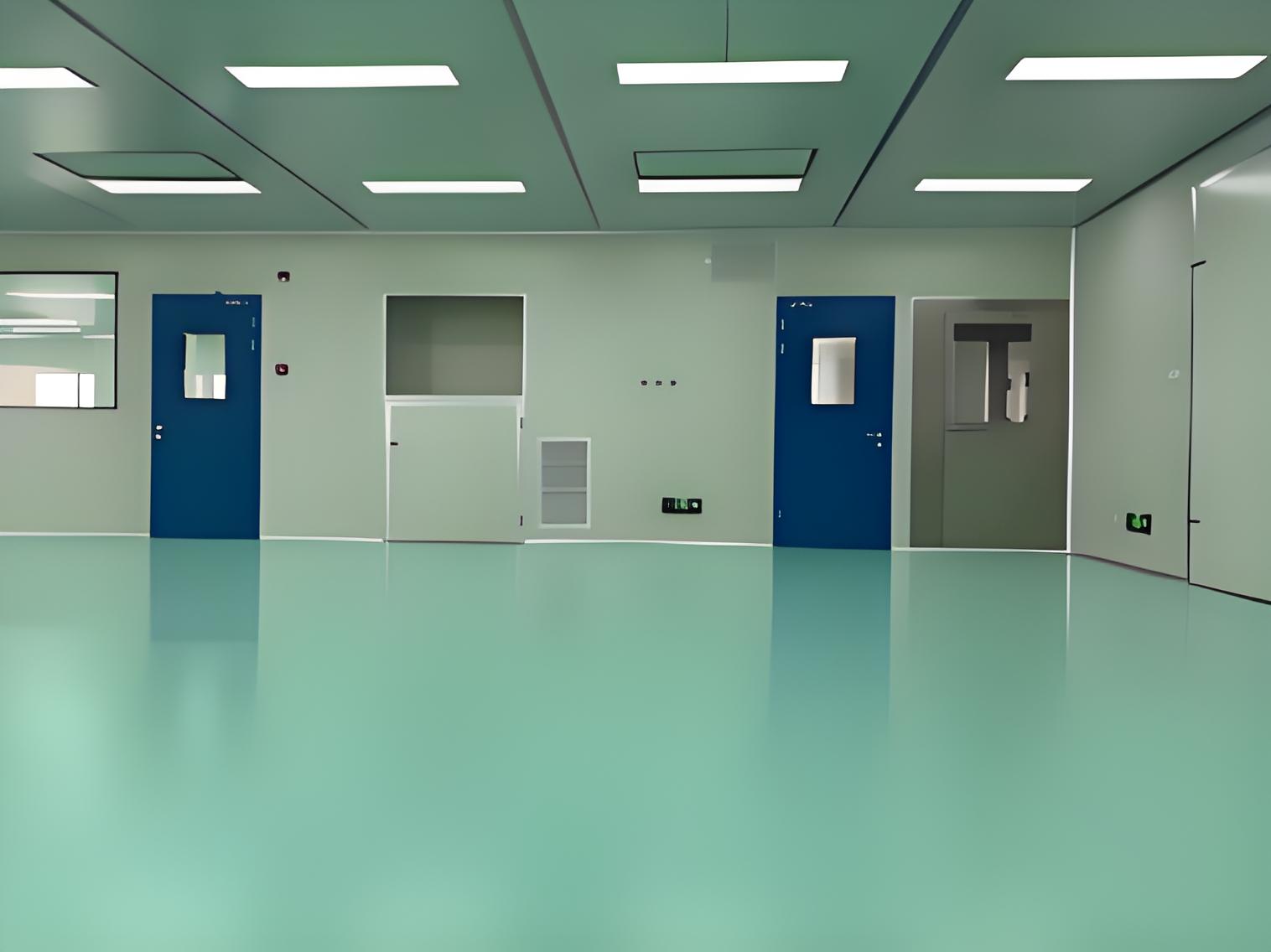
Prefabricated cleanroom panels (typically 50mm or 100mm thickness) with a sandwich structure: two metal facings (powder-coated steel, stainless steel, or aluminum-zinc alloy) and a non-outgassing core (mineral wool, honeycomb aluminum, or polyurethane). Joints are sealed with cam-lock mechanisms plus silicone or hybrid polymer sealants. For ISO 6 and cleaner zones, seamless cove base transitions (radius ≥ 25mm) are mandatory to eliminate right-angle dirt traps.
Epoxy self-leveling floors remain the industry benchmark for seamless, chemically resistant surfaces. For ESD-sensitive areas, conductive epoxy or polyurethane floors with copper grid grounding achieve surface resistance < 1×10⁶ ohms. Welded vinyl sheets (homogenous composition) offer a softer alternative for manual assembly stations but require heat-welded seams to prevent liquid ingress. Avoid tile-based flooring – grout lines are particle reservoirs.
When existing concrete structures must be used, multi-layer coating systems are applied: a primer, a conductive layer (if required), a 2-3 mm epoxy mortar, and a topcoat with anti-microbial additives (silver or zinc pyrithione). All edges, drains, and column bases receive cove forming with 45° fillets. No bare concrete or uncoated steel should remain visible inside the classified zone.
Experienced contractors like TAI JIE ER combine these materials with documented installation validation, including particle fallout tests and surface roughness measurements (Ra ≤ 0.8 µm for pharmaceutical grades). This level of detail separates functional clean workshops from superficially “clean” but non-compliant spaces.
The most expensive HEPA filters fail if the architectural envelope leaks. Decoration elements must align with the ventilation strategy – unidirectional (laminar) or non-unidirectional (turbulent). Key integration points include:
Ceiling grid and FFU mounting – the ceiling panel grid supports fan filter units with gasket seals. Grid deflection under FFU weight must be < L/200. Gaps between FFU casings and ceiling panels are sealed with gel or foam-in-place gaskets.
Return air plenums and low-wall returns – low wall returns must be flush with the wall surface, with removable perforated grilles that are cleanable. The cavity behind the grille should be coated with non-shedding epoxy.
Penetrations for utilities – process piping, electrical conduits, and data cables enter through sealed pass-through boxes or modular bulkhead connectors. Sleeves with inflatable seals or silicone grommets maintain pressure differentials. No open knockouts or unsealed cable trays are permitted.
During Clean Workshop Decoration, all weld joints on stainless steel piping inside the clean zone must be orbital welded and passivated, with surface finish Ra ≤ 0.5 µm. This prevents crevice corrosion and particle generation from oxidized welds.
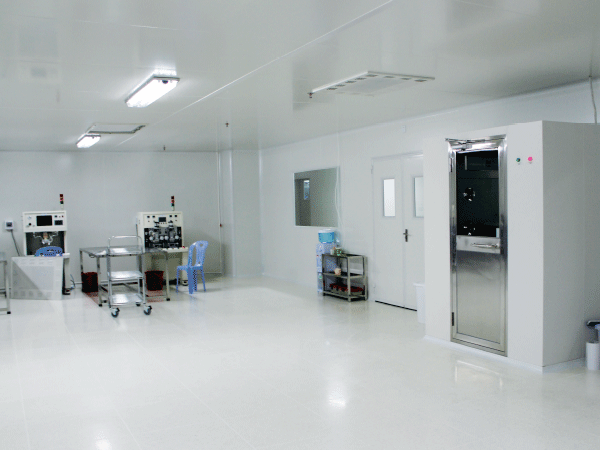
Contamination control extends beyond the clean workshop core. The decoration must facilitate logical zoning: black zone (general area) → grey zone (preparation/gowning) → white zone (clean operations). Physical barriers include:
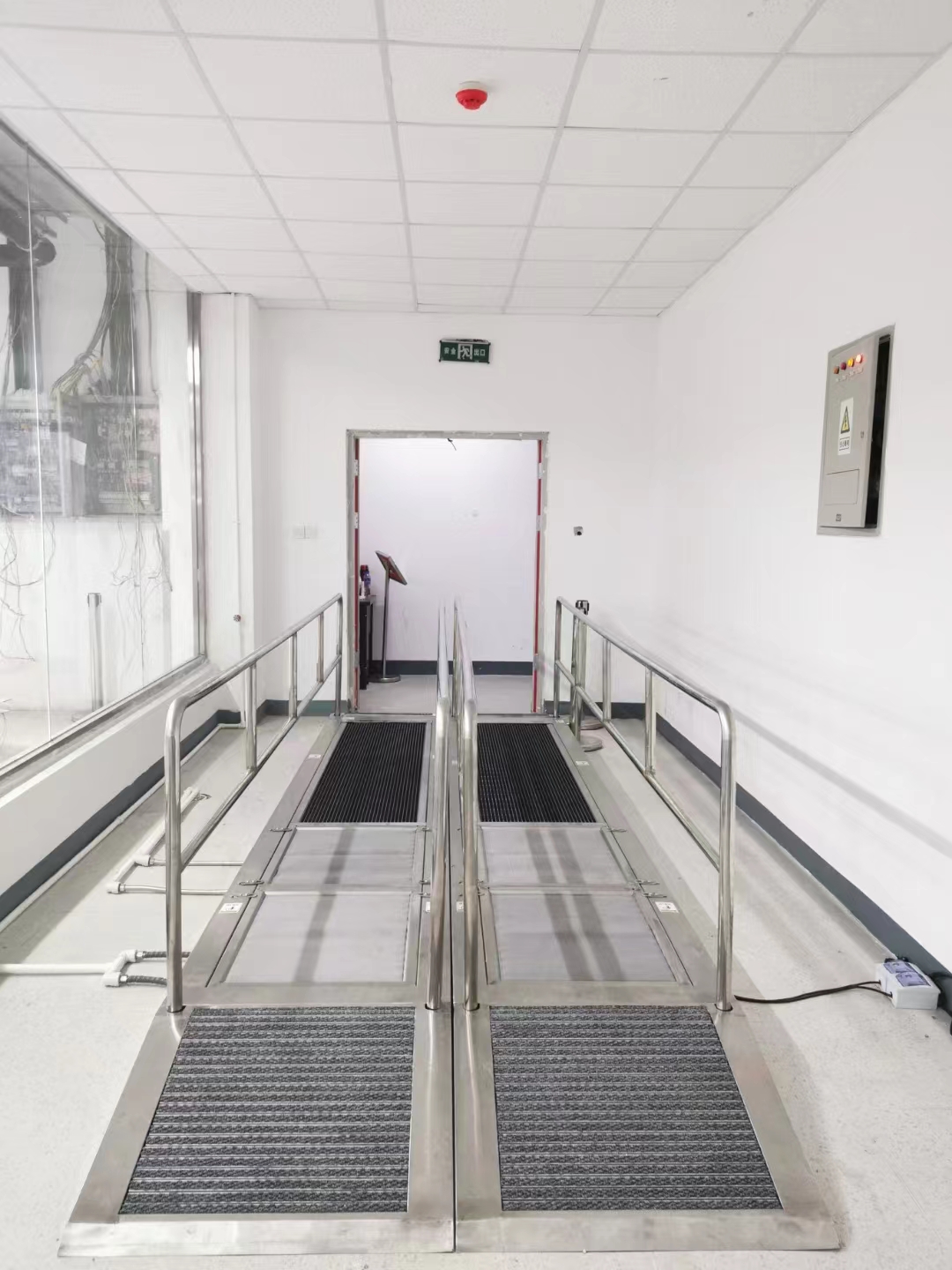
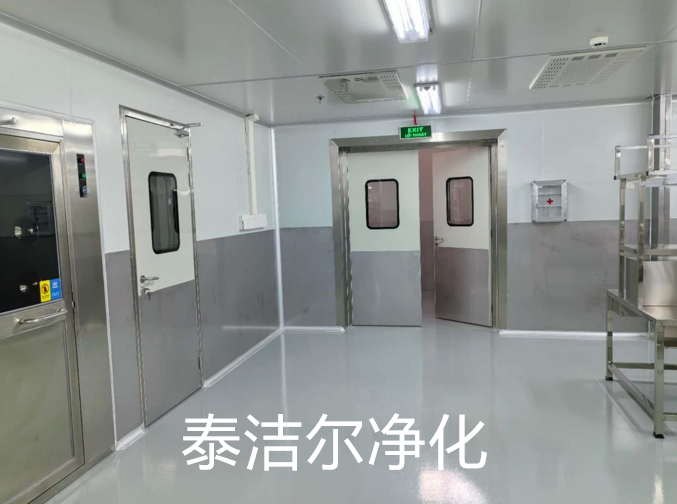
Air showers – installed at personnel entries, with stainless steel nozzles directed to remove particles from coveralls. The air shower interior walls require same material grade as the clean zone.
Pass-through boxes – interlocked chambers with UV lights for material transfer. Inner and outer doors cannot open simultaneously, preventing cross-contamination. Interior surfaces must be coved and seamless.
Gowning benches and partition walls – built with smooth, non-porous materials (HDPE or solid phenolic). Modular wall partitions allow reconfiguration when production scales.
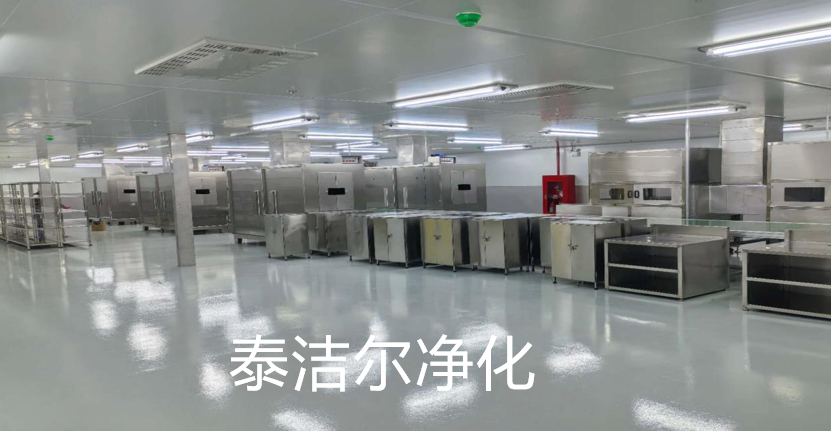
Decoration in transition zones often uses contrasting colors (e.g., blue in grey zone, white in clean zone) to increase user awareness. All furniture (tables, racks, trolleys) should be made of electropolished 304 or 316L stainless steel, with rounded corners and no hollow sections that could trap moisture.
Through hundreds of clean workshop audits, consistent decoration-related failures emerge. Below we detail each pain point and the precise technical solution required during the finishing phase.
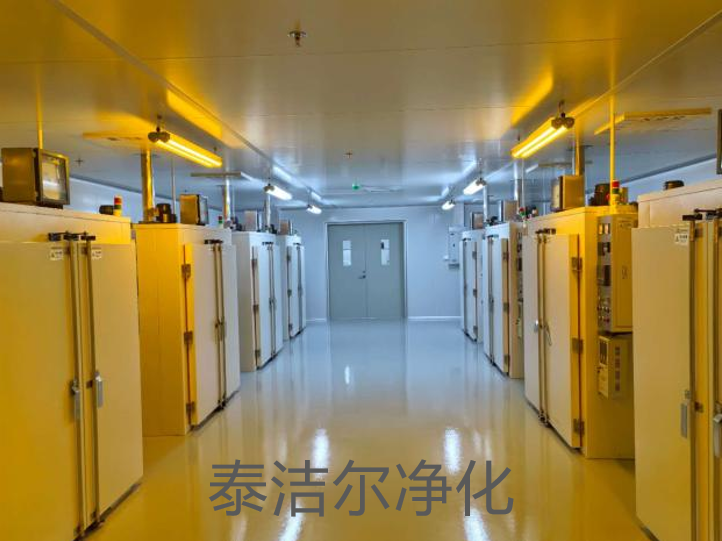
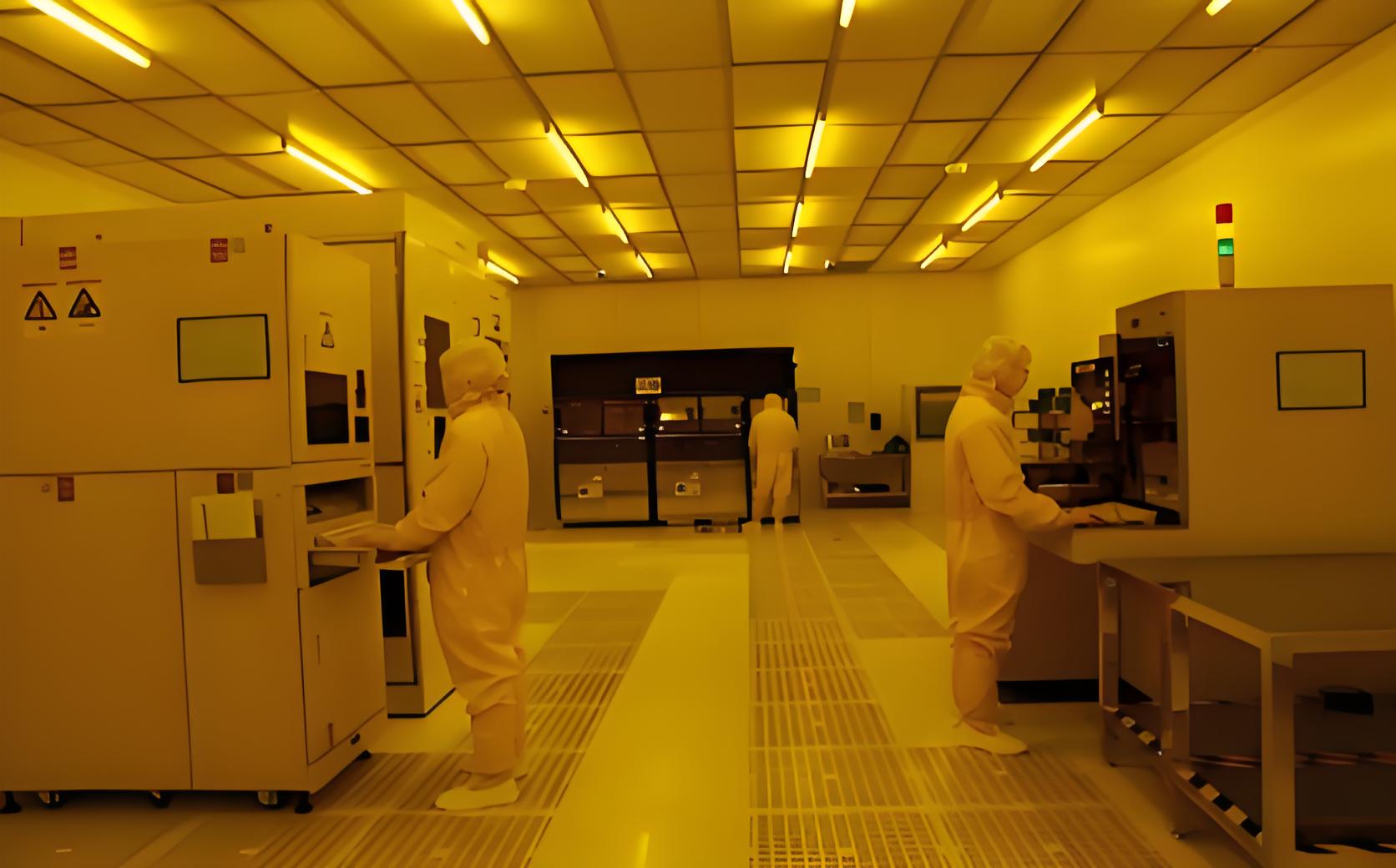
Standard fluorescent troffers have louvers and gaps that release fibers and dust. Solution: Install IP65 or IP66-rated LED cleanroom light fixtures with flush-mount, gasketed housings. The diffuser should be made of tempered glass or polycarbonate with smooth surface, no micro-grooves. Fixtures must be accessible from the technical plenum above, eliminating maintenance inside the clean zone.
Sharp 90° corners at the wall-floor intersection accumulate particles and resist mopping. Solution: Apply pre-formed PVC or epoxy coving strips (minimum radius 25 mm) with sealed top and bottom edges. In stainless steel cleanrooms, weld a curved cove base and polish it to match the floor surface. No exposed sharp angles remain.
Cheap acetoxy silicone sealants crack after UV or chemical exposure and release volatile organic compounds (VOCs) which affect sensitive processes (e.g., lens coating). Solution: Use neutral-cure, low-VOC silicone or MS polymer sealants with elongation > 400%. Apply a continuous bead without skips. For high-temperature zones, use two-part epoxy sealants.
Standard aluminum window frames have hollow sections and screw holes that trap particles. Solution: Specify cleanroom vision panels – double-glazed tempered glass set into a stainless steel or powder-coated aluminum frame with flush gasketing. Doors must be sliding or swing type with continuous hinges and magnetic seals, eliminating bottom tracks that harbor debris.
Addressing these requires a decoration partner with documented procedures. TAI JIE ER provides pre-installation mock-ups and smoke testing for each critical interface, ensuring no hidden gaps remain before final commissioning.
After completing Clean Workshop Decoration, verification protocols confirm the installation meets design specifications. The following tests are standard:
Light leak test – all seams and penetrations are inspected in darkness with a high-intensity light source. Any visible light leak indicates an air leak path.
Adhesion and porosity tests – cross-cut tape test (ASTM D3359) for coatings. No more than 5% flaking allowed. For epoxy floors, porosity is assessed by water absorption (≤0.1% by weight).
Surface particle count – using a Swab test and liquid particle counter, or contact plates for microbial surfaces. Results must be below user-defined limits (e.g., ≤ 50 particles ≥0.5 µm per cm²).
Airborne particle concentration after cleaning – perform "at-rest" particle counts to confirm that the decoration does not contribute to the background class (ISO 7 or better).
All non-conformances are documented and reworked before the workshop becomes operational. A digital log of sealant batch numbers, panel serial numbers, and coating thickness measurements supports traceability – a requirement for regulated industries like medical devices.
Decoration choices heavily influence cleaning efficiency. Smooth, continuous surfaces reduce cleaning time by 60% compared to multi-segmented finishes. For wet cleaning (foam or spray), floors must have a slight gradient (1-2%) to drains, with drains featuring flush-mounted, electro-polished strainers. Drains should include a trap filled with disinfectant seal to prevent backflow of contaminated air.
Wall surfaces intended for disinfection by wiping must have a Rockwell hardness ≥ M90 to resist scratching from abrasive cleaning pads. Avoid textured finishes despite their “modern” appearance – they trap cells and particles. Furthermore, decoration must allow for periodic smoke studies to visualize airflow; hence, permanent obstructions like hanging shelves or protruding ducts are minimized.
In high humidity processes (e.g., tablet coating), anticorrosion measures are extended to all ferrous components. Use galvanized or stainless steel fasteners exclusively; zinc-plated screws corrode within months. Vinyl or epoxy cove bases prevent moisture wicking up the walls.
A well-executed clean workshop reduces the frequency of deep cleaning shutdowns, directly improving overall equipment effectiveness (OEE). From an engineering perspective, the marginal investment in premium decoration materials pays back through fewer contamination incidents – a fact recognized by production managers and quality assurance teams worldwide.
While specific product lines vary, a modular decoration strategy allows reconfiguration without full demolition. Removable wall panels, service chases behind cleanroom panels, and elevated access floors provide routing for new process equipment. When expanding an ISO 7 area to ISO 6, adding additional FFUs is easier if the ceiling grid supports the weight and the panel seals are designed for multiple compressions. Therefore, during initial Clean Workshop Decoration, specify a ceiling load rating of at least 50 kg/m² and choose panels with replaceable gaskets. This future-proofing strategy is standard for multinational manufacturing sites.
TAI JIE ER engineers assess these scalability requirements during the conceptual phase, delivering documentation for each interface’s design life. Clients receive a material database and recommended spare sealant types, ensuring maintainability over a 10+ year lifecycle.
For engineering support, design validation, or turnkey implementation of contamination-controlled interiors, contact the project team at TAI JIE ER. Our specialists provide detailed material specifications, airflow integration reviews, and on-site installation supervision tailored to your ISO class and process requirements.
Send your inquiry with cleanroom classification, dimensions, and production type (electronics, biotech, precision machinery) to receive a compliance-oriented proposal. All communications are handled by B2B engineering staff.
Inquiry channel: https://www.taijieer.com/contact.html – Quote “Clean Workshop Decoration” for prioritized response.