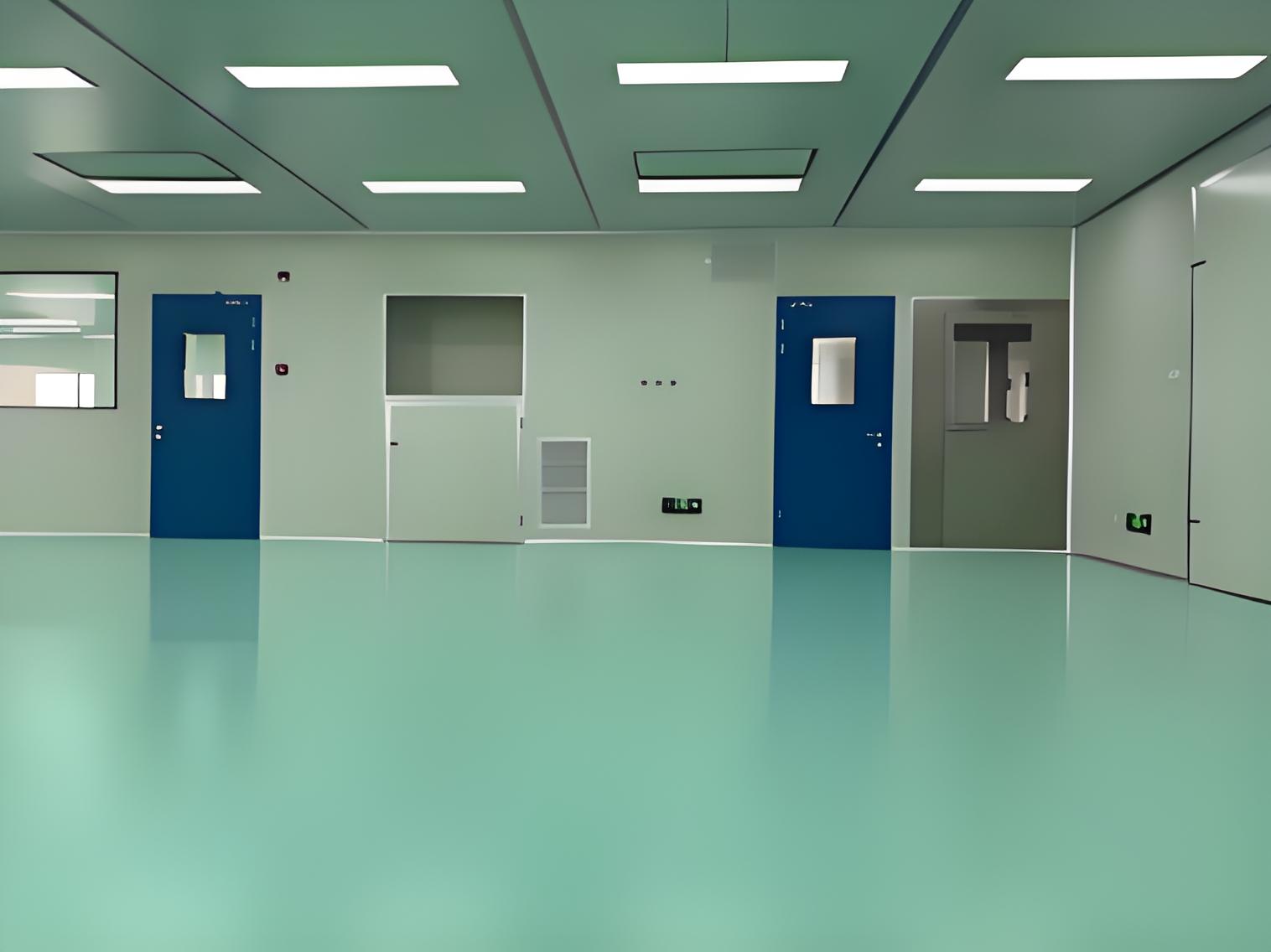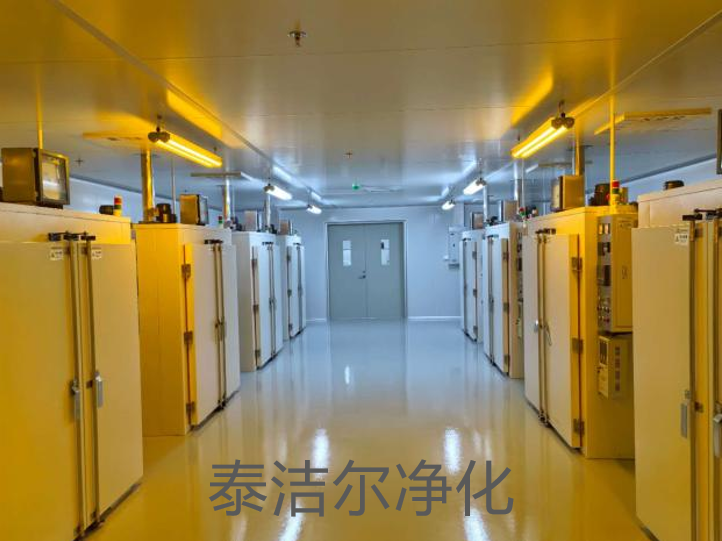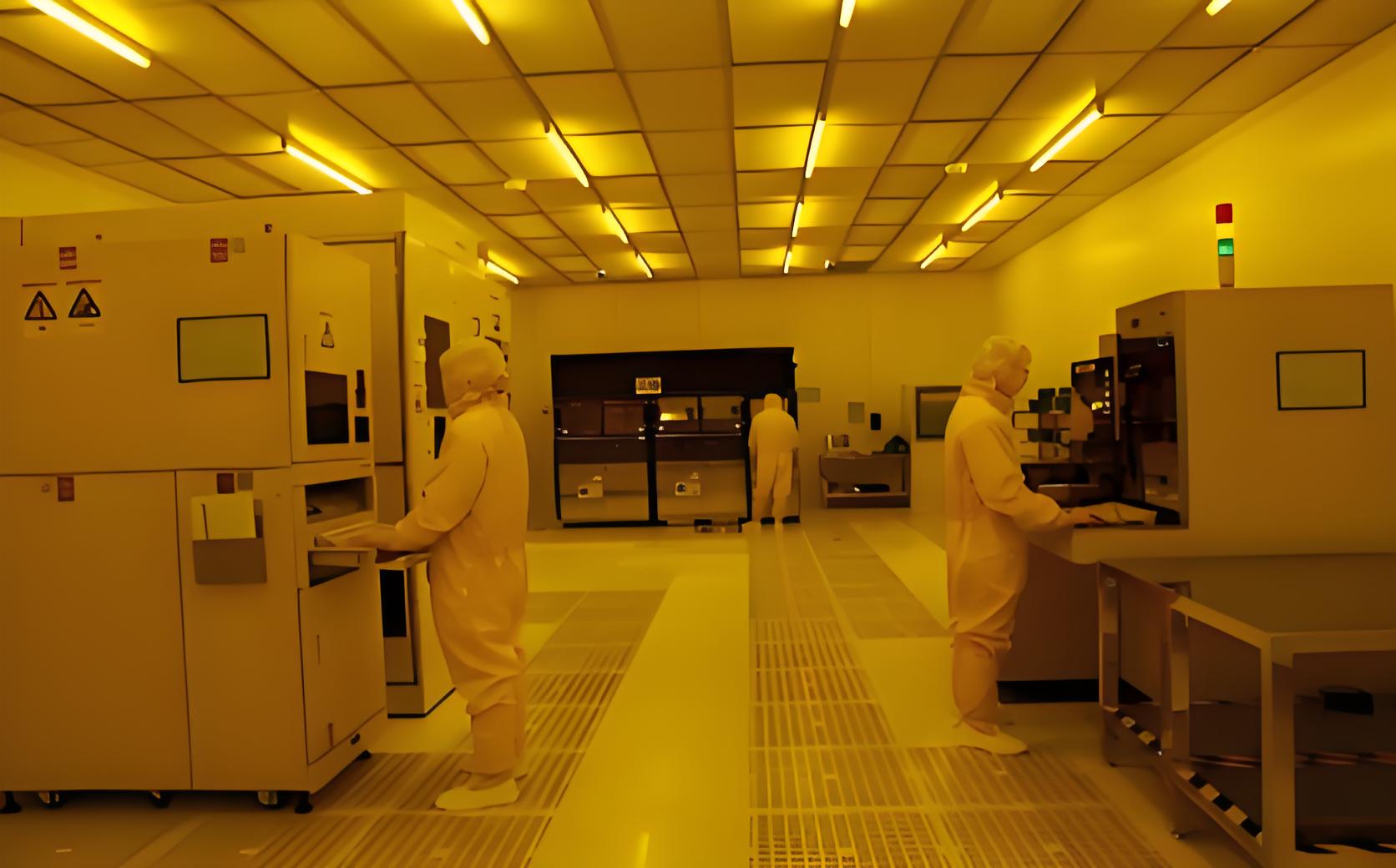

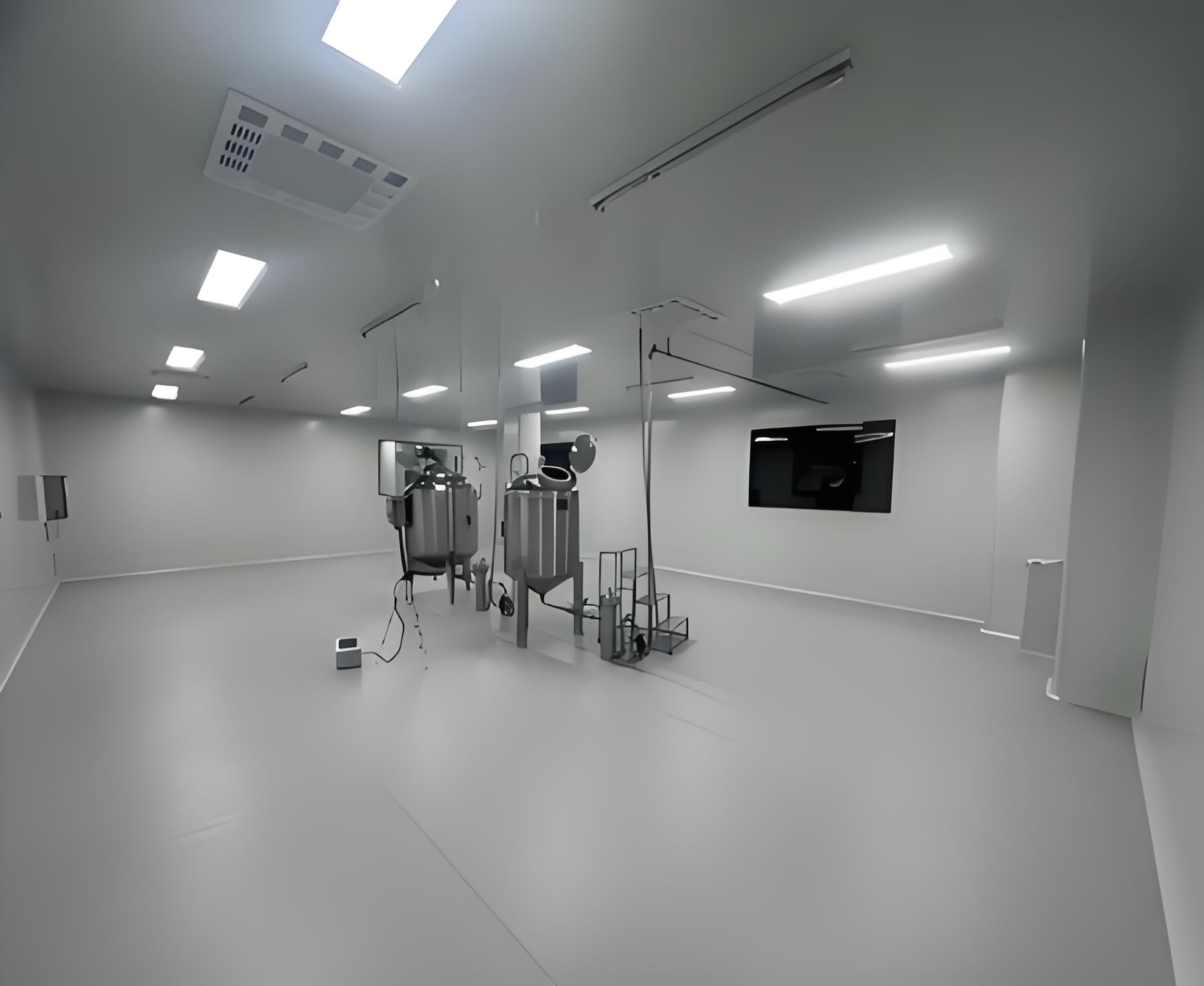
In modern high-precision manufacturing, the control of airborne particulates, viable microbes, and chemical vapors is paramount to product yield and operational consistency. Industries such as semiconductor fabrication, pharmaceuticals, biotechnology, and precision optics require highly regulated environments to conduct their operations. Implementing a robust Clean Workshop design serves as the structural and mechanical foundation for these controlled environments, isolating sensitive production processes from external contamination sources while continuously purifying the indoor air volume.
Developing an effective clean facility involves a complex integration of mechanical systems, architectural components, and strict operational protocols. To achieve compliance with international standards such as ISO 14644, engineering teams must evaluate factors ranging from fluid dynamics and air filtration pathways to static electricity and moisture control. As a leading provider of cleanroom engineering services, TAI JIE ER delivers integrated solutions that align structural design with demanding operational requirements.
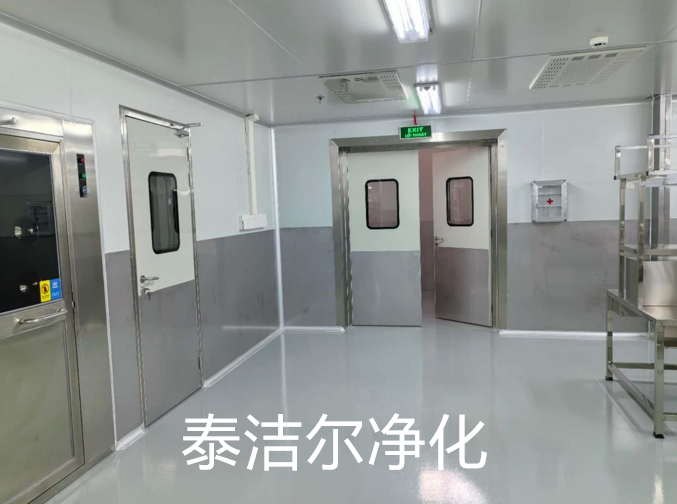
The core objective of cleanroom engineering is to limit the concentration of airborne particles within specified boundaries. Cleanroom standards are primarily governed by the ISO 14644-1 standard, which classifies clean environments from ISO Class 1 (the cleanest) to ISO Class 9 based on the maximum allowable concentration of particles per cubic meter of air.
To design an appropriate environment, engineers must identify the specific contamination vulnerabilities of the manufacturing process:
Microelectronic and Semiconductor Processes: Highly sensitive to sub-micron particulates and airborne molecular contamination (AMC). These environments typically require ISO Class 1 to ISO Class 5 designs, where even a single particle measuring 0.1 microns can cause catastrophic circuit failure.
Pharmaceutical and Life Sciences: Focused primarily on biological contaminants, including bacteria, viruses, and fungal spores. These facilities must comply with Good Manufacturing Practice (GMP) regulations (Grades A, B, C, and D), requiring stringent sanitization capabilities alongside particulate control.
Optics and Aerospace Assemblies: Susceptible to larger micro-dust particles that settle on optical surfaces or mechanical actuators, requiring ISO Class 6 to ISO Class 8 environments with localized laminar flow protection.
The configuration of airflow pattern is a decisive factor in maintaining cleanroom integrity. The choice of airflow methodology determines how quickly particles are swept away from critical workzones.
For high-cleanliness environments (ISO Class 5 and cleaner), unidirectional airflow is mandatory. Air is introduced uniformly through terminal Ultra-Low Penetration Air (ULPA) or High-Efficiency Particulate Air (HEPA) filters covering the entire ceiling, moving downward in a parallel, single-pass direction at a constant velocity (typically between 0.30 to 0.45 meters per second). It then exits through raised perforated floor panels. This approach minimizes air turbulence, ensuring that particles generated by operators or equipment are pushed directly downward and out of the room without cross-contaminating adjacent processes.
In less stringent clean zones (ISO Class 6 to ISO Class 9), turbulent airflow is utilized. Clean air is introduced through ceiling diffusers and mixes turbulently with the existing room air, diluting the particulate concentration before exiting through low-wall return grilles. While less resource-intensive than laminar systems, turbulent flow relies heavily on high air change rates to maintain the desired cleanliness level. Achieving a balance between operational efficiency and safety is a primary goal during the initial stages of Clean Workshop design.
The Heating, Ventilation, and Air Conditioning (HVAC) system is the mechanical heart of any cleanroom. Unlike standard commercial HVAC, cleanroom systems must simultaneously control air cleanliness, pressure differentials, temperature, humidity, and airflow patterns.
Designing these systems requires precise calculation of several mechanical metrics:
Air Changes Per Hour (ACH): This parameter dictates how many times the entire volume of cleanroom air is filtered and replaced in one hour. ISO Class 8 cleanrooms may require 15 to 25 ACH, whereas ISO Class 5 cleanrooms often require 240 to 480 ACH to manage particulate loads effectively.
Pressure Differentials: To prevent untreated air from infiltrating clean spaces, positive pressure must be maintained between different cleanliness zones. Typically, a positive pressure gradient of 10 to 15 Pascals is maintained between the cleanroom and adjacent, less clean areas. In cases involving hazardous materials or pathogens, negative pressure designs are utilized to contain contaminants within the room.
Relative Humidity (RH) Control: Moisture levels must be regulated within narrow limits (typically 30% to 50% RH, with tolerances as tight as ±2% in photolithography areas). Excess humidity promotes bacterial growth and metal corrosion, while low humidity enhances electrostatic discharge (ESD) hazards.
Temperature Stability: Temperature fluctuations can cause physical expansion or contraction of materials, compromising micro-mechanical alignments. Cleanrooms require steady temperatures, often maintained at 22°C (±1°C or tighter).
To realize these strict parameters, TAI JIE ER integrates high-performance Fan Filter Units (FFUs), automated control dampers, and real-time sensor networks into the mechanical design, ensuring continuous compliance with specified environmental tolerances.
The structural materials used in cleanroom construction must be carefully selected to prevent contamination generation and withstand frequent chemical disinfection.
Standard drywall is highly porous and prone to shedding particles, making it entirely unsuitable. Cleanrooms utilize prefabricated sandwich panels, often featuring outer skins of powder-coated galvanized steel, stainless steel, or aluminum, with cores filled with high-density rock wool or aluminum honeycomb. These panels provide smooth, non-shedding, and impact-resistant surfaces. All joints, corners, and intersections are sealed with specialized, non-outgassing silicone compounds, and coved corners are installed to eliminate sharp angles where dust can accumulate.
Cleanroom flooring must support heavy equipment loads, resist chemical spills, and manage static electricity. Common choices include:
Self-Leveling Epoxy Flooring: Creates a seamless, durable surface that is easy to sanitize, ideal for pharmaceutical and medical device manufacturing.
Anti-Static PVC Tiles or Sheets: Incorporate carbon veins to safely dissipate electrostatic charges, protecting sensitive electronic components.
Raised Access Floors: Standard in semiconductor cleanrooms to facilitate vertical laminar airflow, allowing air to return cleanly through the floor grid.
Integrating these architectural components into a coherent layout is a hallmark of professional Clean Workshop design, preventing structural deterioration and ensuring long-term operational integrity.
A standardized approach is ineffective for cleanroom design, as different industries present highly distinct environmental challenges.
In this sector, the primary focuses are sub-micron particulate elimination, ESD control, and the suppression of micro-vibrations. Precision lithography equipment is highly sensitive to ground tremors, requiring independent structural foundations separated from the main building shell. Furthermore, the design must incorporate Chemical Filtration Systems to remove trace Airborne Molecular Contaminants (AMCs) that can degrade silicon wafers.
Biological cleanrooms require strict adherence to regulatory validation (DQ, IQ, OQ, PQ) to ensure sterile manufacturing. The design focus shifts toward biocontainment, continuous microbiological monitoring, and the use of chemical-resistant surfaces that can withstand aggressive Vaporized Hydrogen Peroxide (VHP) sterilization cycles. Equipment layouts must prevent cross-contamination between different drug formulations.
These facilities require precise temperature stability and dust control to avoid micro-occlusions in high-precision optical lenses and solar panels. Standard cleanroom components are configured to balance air filtration efficiency with energy consumption, using variable frequency drives on fan motors to adapt to shifting production loads.
Regardless of the specific industrial focus, applying a structured Clean Workshop design guarantees that the final environment satisfies both regional production regulations and international cleanliness standards.
Humans are the largest source of particulate and microbiological contamination within a cleanroom. An effective cleanroom layout must manage the movement of personnel, raw materials, and finished products to minimize contamination transfer.
The design must incorporate dedicated transitional zones:
Gowning Rooms: Divided into distinct zones (dirty gowning, transition, clean gowning) to prevent external contaminants on street clothes from entering the clean area. Gowning areas utilize HEPA-filtered air supplies and localized exhaust.
Air Showers: Positioned at the entrance of high-cleanliness zones. High-velocity jets of filtered air strip surface particulates from cleanroom garments before personnel enter the workspace.
Pass Boxes (Material Transfer Hatches): Interlocked transfer chambers that allow materials to be passed between rooms of differing cleanliness levels without opening main doors, preserving pressure differentials.
By designing these transitional systems with interlocked doors and logical flow paths, TAI JIE ER ensures that daily operational activities do not compromise the integrity of the controlled environment.
Operating a cleanroom requires substantial energy, primarily driven by the high air change rates and constant pressure control. Designers must implement optimization strategies to reduce operational costs without sacrificing cleanliness:
Variable Speed Fan Filter Units (FFUs): Allowing fans to operate at lower speeds during non-production hours or weekends reduces power draw while keeping the room under positive pressure.
Sensory Automation: Integrating continuous particle counters, differential pressure sensors, and temperature/humidity transmitters with a central Building Management System (BMS) allows the HVAC system to make micro-adjustments in real-time.
Energy Recovery Systems: Recovering thermal energy from exhaust air streams to pre-condition incoming fresh make-up air reduces the load on heating and cooling coils.
Applying these optimization techniques during the early planning stages of Clean Workshop design ensures a reliable, resilient facility capable of supporting years of high-yield manufacturing.
Designing a clean workshop requires deep engineering knowledge, precise physical calculations, and a comprehensive understanding of regulatory frameworks. Standard HVAC designs and general construction methods cannot satisfy the rigorous demands of micro-particle and biological containment.
If you are planning to construct, upgrade, or validate a cleanroom facility, contact our engineering team to discuss your specific process requirements, target ISO classifications, and structural layouts. We provide tailormade engineering consultations to ensure your project complies with international regulatory standards.
Q1: What is the main difference between laminar and turbulent airflow in a cleanroom?
A1: Laminar (unidirectional) airflow moves air in parallel, uniform streams at a constant velocity, typically from the ceiling to the floor. This sweeps contaminants directly out of the room, which is suitable for highly sensitive areas (ISO Class 5 and cleaner). Turbulent (non-unidirectional) airflow introduces clean air through ceiling diffusers to mix with and dilute contaminants, which is appropriate for lower-grade cleanrooms (ISO Class 6 to 9).
Q2: How does a cleanroom maintain positive pressure, and why is it necessary?
A2: Positive pressure is maintained by supplying more conditioned, filtered air into the room than is exhausted from it. This excess air escapes through cracks, door seals, and dampers, preventing untreated external air and dust particles from infiltrating the clean environment from adjacent dirtier spaces.
Q3: Why is relative humidity control so critical in semiconductor cleanrooms?
A3: Relative humidity must be held within strict limits to prevent two primary issues: high humidity can cause metallic corrosion on microchip surfaces and photoresist adhesion failures, while low humidity (below 30-40%) increases the generation of electrostatic discharge (ESD), which can destroy sensitive electronic components.
Q4: How often should HEPA and ULPA filters be tested for integrity?
A4: Cleanroom standards generally recommend performing HEPA/ULPA filter integrity testing (often using aerosol photometer or discrete particle counter methods) at least once every 12 months for ISO Class 6 and below, and every 6 months for ISO Class 5 and cleaner environments, or whenever a filter shows signs of physical damage or pressure-drop deviations.
Q5: What is the purpose of a raised access floor in an ISO Class 5 clean workshop design?
A5: A raised access floor allows air to flow vertically downward through the floor panels without obstruction. The air is then drawn into return air shafts behind the walls and recirculated through the ceiling filters. This design maintains a true parallel, unidirectional airflow pattern and prevents particles from swirling near floor level.