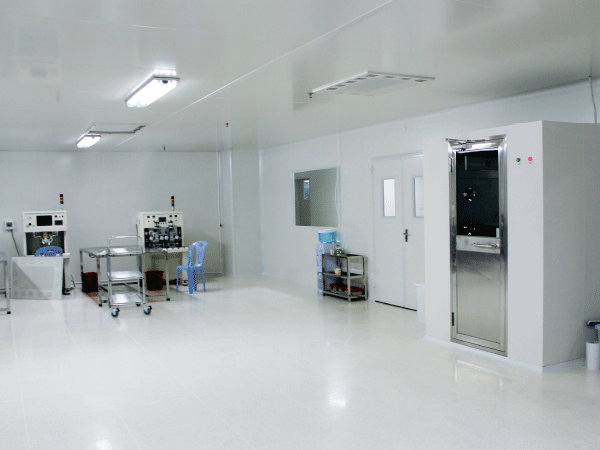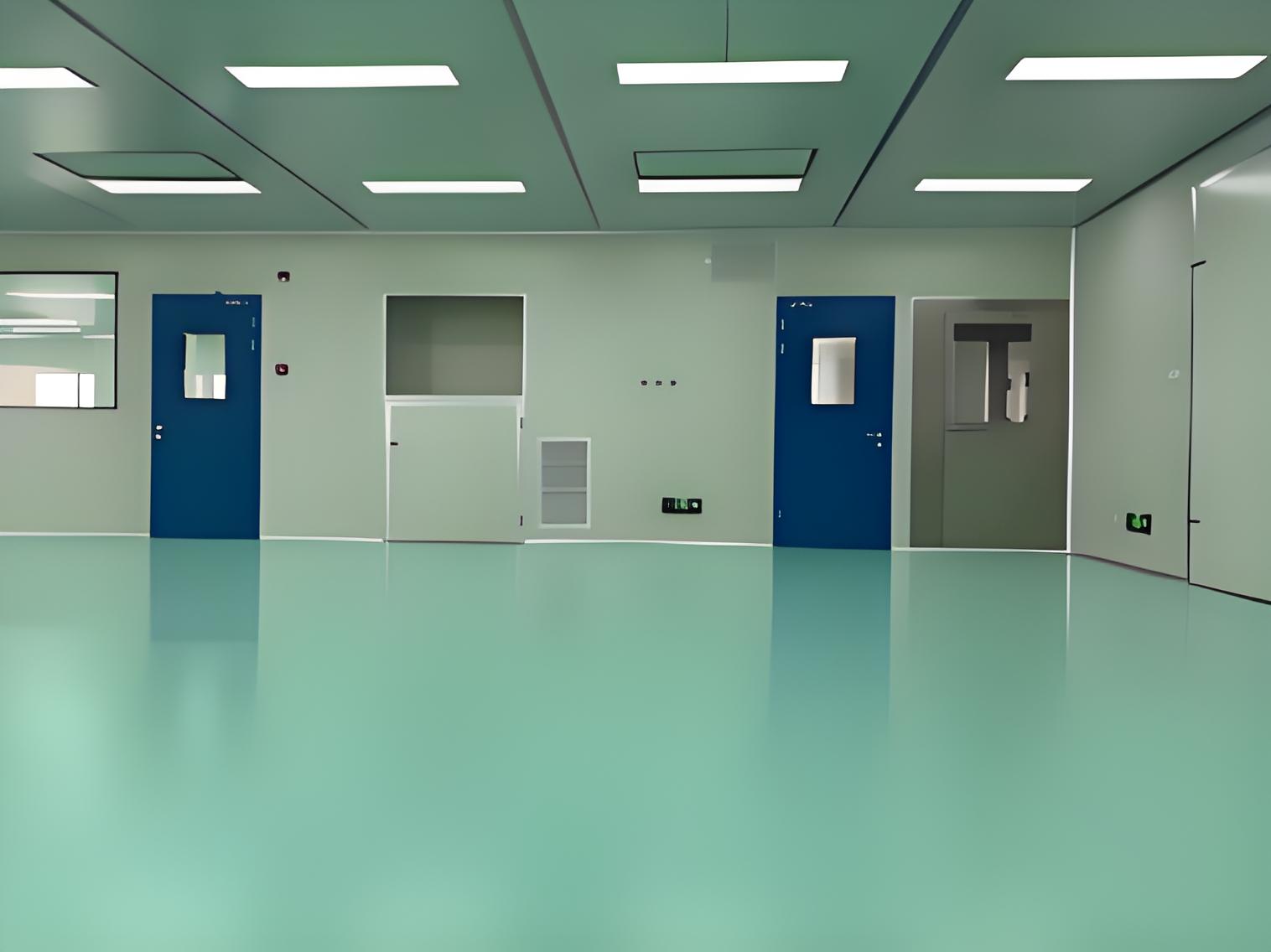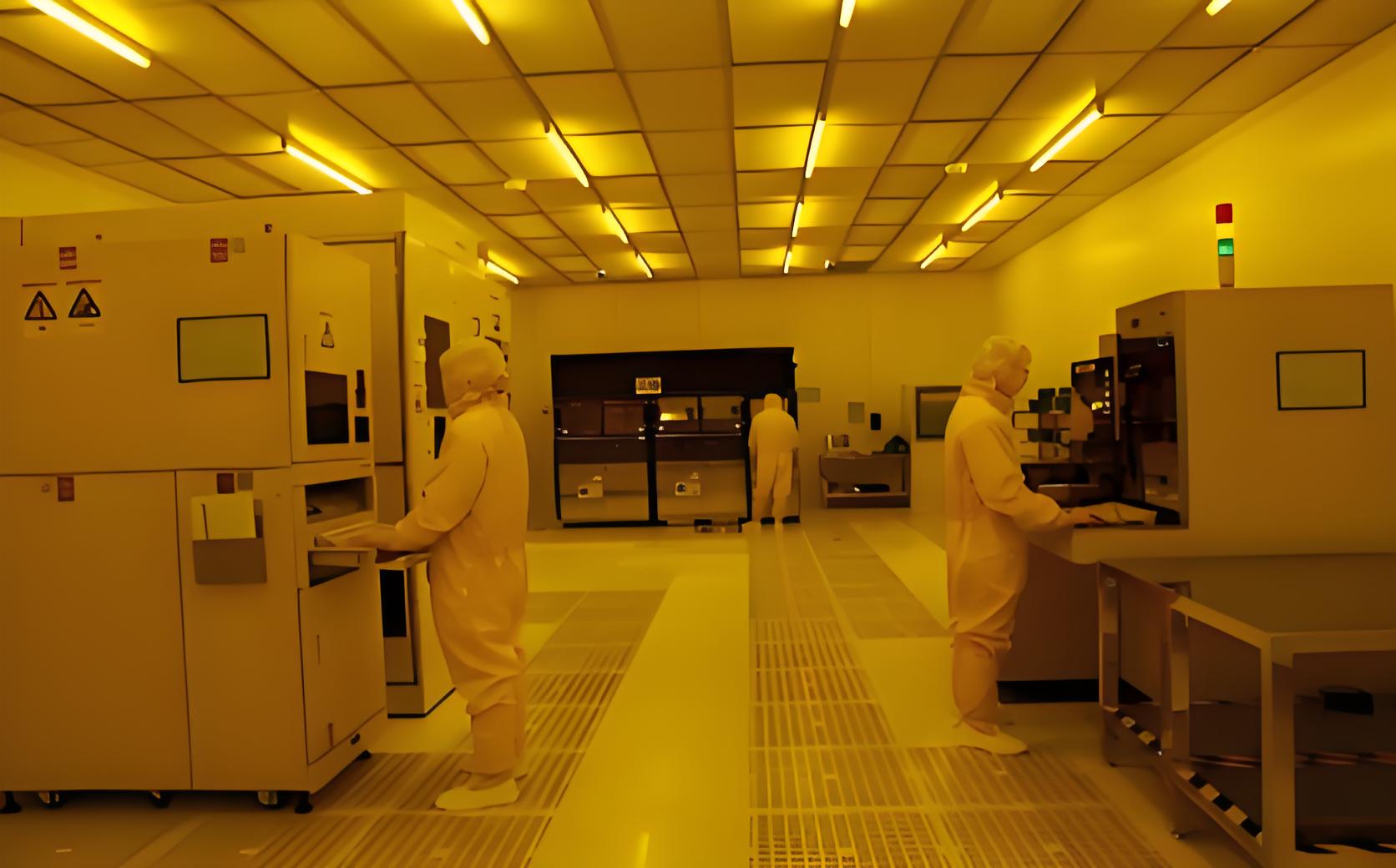

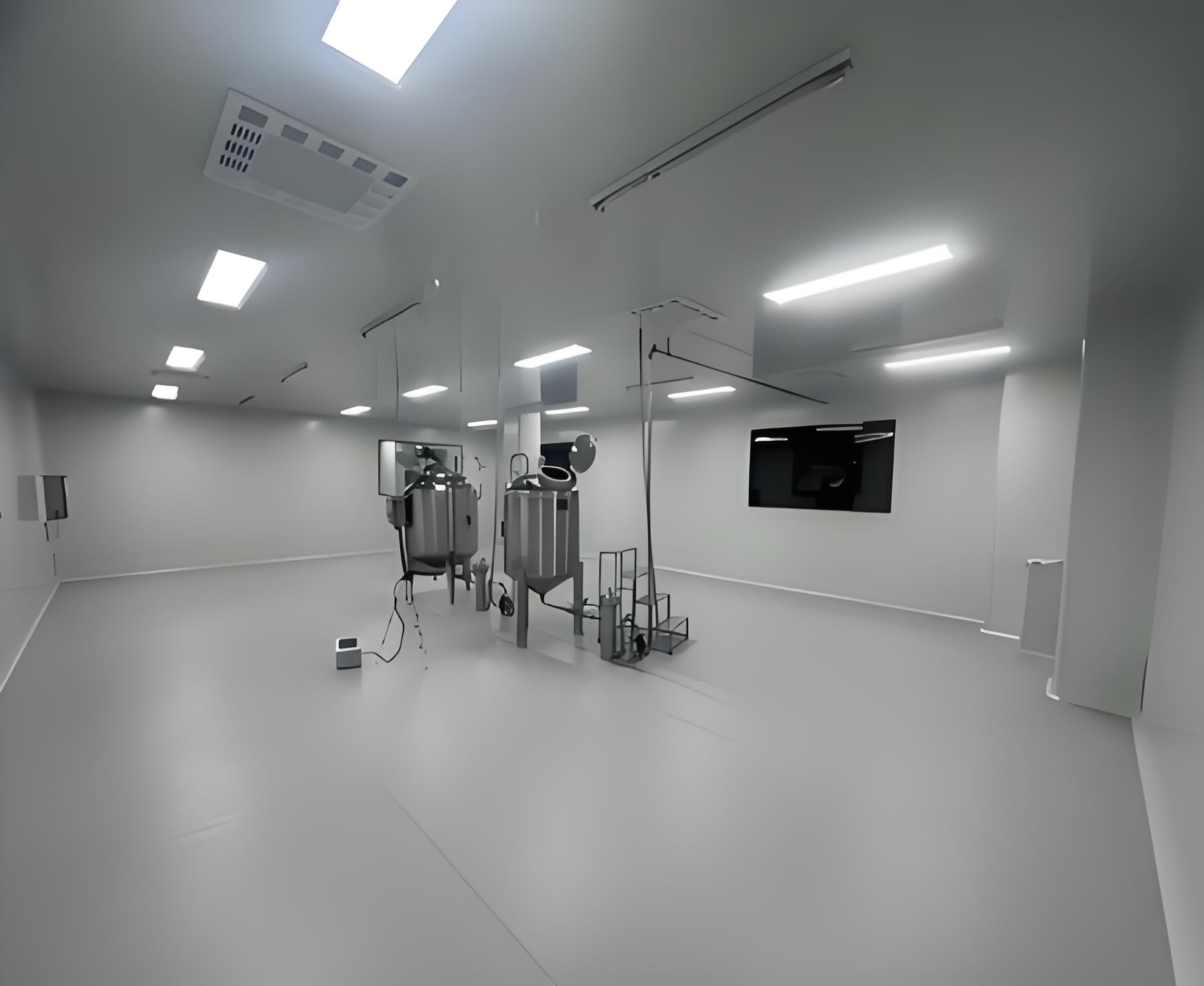
Operating a controlled processing environment requires strict adherence to international cleanliness standards. The architectural design of cleanrooms, specifically the Sterile room decoration stage, forms the physical boundary that maintains biological and particulate cleanliness. A cleanroom envelope must prevent contamination from external areas while resisting the shedding of materials from internal surfaces. Cleanroom design and manufacturing firm TAI JIE ER provides custom envelope systems engineered to align with ISO 14644 and GMP protocols, ensuring that pharmaceutical, medical device, and biotechnology facilities maintain stable operating parameters.
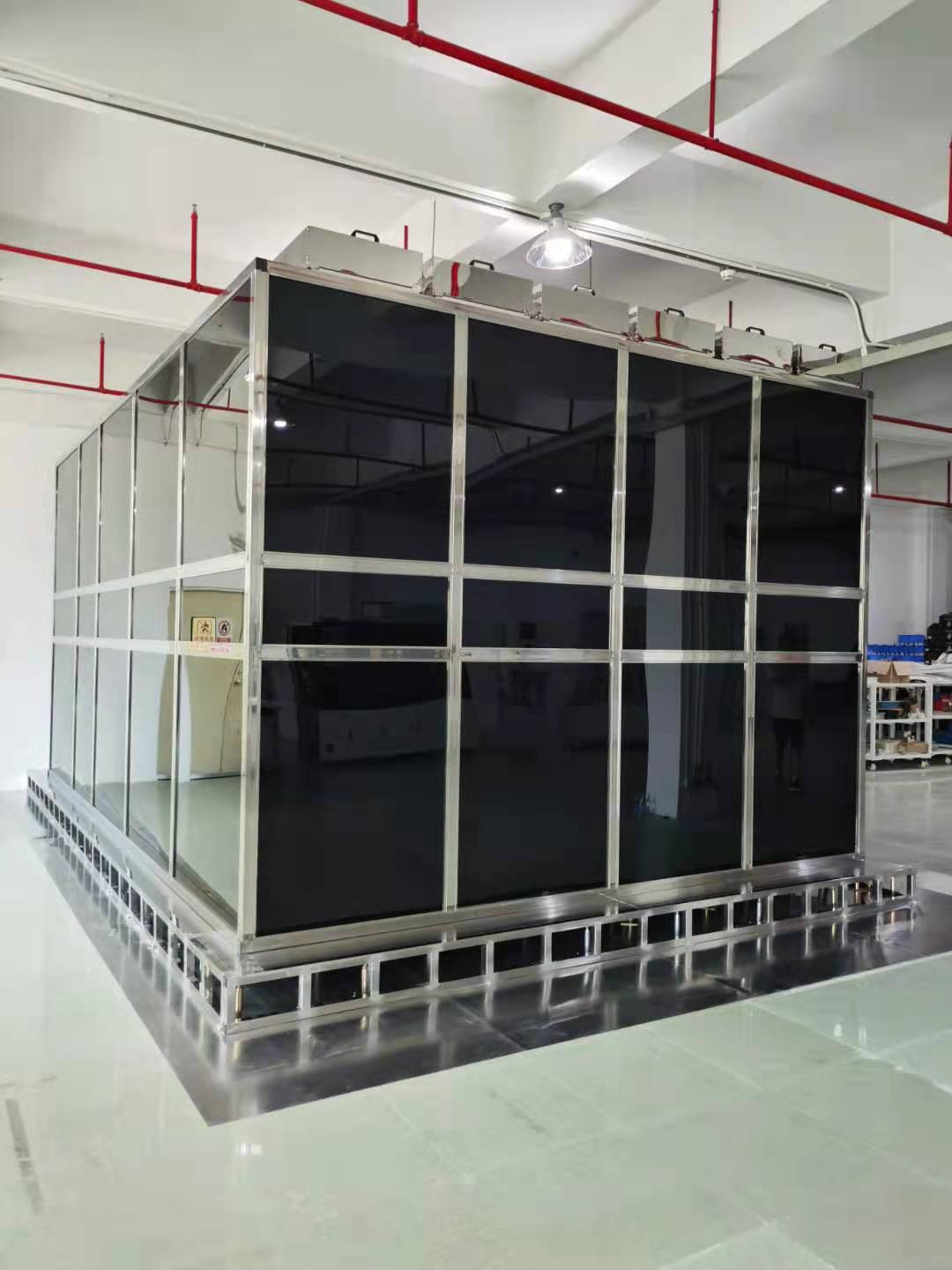
The selection of wall and ceiling partitions is fundamental to the integrity of any cleanroom. Standard drywall and conventional plaster are unacceptable due to their porosity and susceptibility to particulate shedding. In pharmaceutical facilities, successful Sterile room decoration relies on the compatibility of sandwich panels designed to resist mechanical impacts and chemical sanitization regimens.
Rockwool: Offers high fire resistance and acoustic insulation. It is utilized in areas where thermal performance and fire-rated barriers are legally mandated.
Aluminum Honeycomb: Provides high structural strength and flatness with minimal weight. Ideal for ceiling systems where structural load capacity is necessary for maintenance personnel.
Polyurethane (PU) / Polyisocyanurate (PIR): Offers thermal insulation properties, making it suitable for temperature-sensitive sterile storage and cold room environments.
The steel skins of partition panels must feature advanced chemical-resistant coatings. Common options include Pre-Painted Galvanized Steel (PPGI), Polyvinylidene Fluoride (PVDF), and High-Pressure Laminates (HPL). These surfaces must withstand daily washdowns with aggressive agents like sodium hypochlorite, peracetic acid, and vaporized hydrogen peroxide (VHP) without oxidizing, bubbling, or degrading. Engineering standards developed by TAI JIE ER emphasize the minimization of horizontal ledges, requiring wall-to-ceiling and wall-to-wall connections to be flush and integrated.
Cleanroom floors must bear constant mechanical loads, wheel traffic from material transfer carts, and exposure to corrosive chemicals. Standard concrete or tiled flooring is prohibited due to joints and porous grout lines that act as harborage points for microbial colonies.
Two primary systems dominate the controlled environment sector: self-leveling epoxy flooring and homogeneous polyvinyl chloride (PVC) sheet flooring. Epoxy floors provide a continuous, seamless surface with high compressive strength, making them ideal for heavy equipment areas. Homogeneous PVC flooring offers flexibility, impact resistance, and comfortable walking surfaces, which is preferred in pharmaceutical laboratories and aseptic filling lines.
Applying correct coving profiles during Sterile room decoration prevents the accumulation of particulates at floor-to-wall junctions. This process involves installing a solid cove backing (typically aluminum or PVC) and running the flooring material up the wall by 100mm to 150mm. This configuration creates a smooth curve (usually with a 50mm radius) that allows easy cleaning with sanitizing squeegees.
The boundary integrity of a sterile suite is challenged by doors and windows. Every opening represents a potential pathway for pressure loss and airborne contamination. Therefore, the physical design of doors and windows must prioritize flush mounting and airtight performance.
Cleanroom doors must feature flush surfaces on both sides, eliminating ledges that accumulate dust. The internal frame should be constructed from anodized aluminum or stainless steel. To maintain pressure differentials, automatic drop-bottom seals are installed. These seals mechanically descend to close the gap between the door leaf and the floor when the door is closed, preventing backflow of lower-grade air into higher-grade zones.
Windows should be double-glazed and installed flush with both wall surfaces. The cavity between the two glass panes must be filled with a dry gas or contain a molecular sieve desiccant to prevent condensation under variable cleanroom temperatures. Tempered or laminated safety glass is standard to prevent shattering if an impact occurs.
While HVAC systems handle airflow filtration and pressure control, the mechanical integration of these systems into the ceiling structure is a critical decorative step. Sealing the intersection between ceiling grids and filtration units is a primary challenge in Sterile room decoration.
Ceiling panels must be prepared with precise cutouts to accommodate HEPA/ULPA filter housings. The interface must use dry gasket seals or liquid gel seals (typically polyurethane or silicone gel) to create an airtight barrier. This prevents unfiltered plenum air from bypassing the filtration media and entering the sterile zone.
Return air ducts must be designed as vertical risers integrated within the partition walls rather than external ductwork. The grilles must be mounted flush with the wall panel surfaces and manufactured from perforated stainless steel or anodized aluminum. This design ensures that laminar airflow patterns are not disrupted by protruding fixtures.
To preserve structural containment, all mechanical, electrical, and plumbing (MEP) pathways must be integrated into the wall panels before final assembly. Exposed wiring, conduits, and piping are unacceptable in sterile processing zones.
To maintain pressure differentials, every penetrative assembly built during Sterile room decoration must be airtight. Clean utility piping, such as water-for-injection (WFI) loops and pure steam lines, must pass through wall panels using specialized stainless steel escutcheon plates. These plates are sealed on both sides of the wall using non-outgassing, medical-grade silicone. Electrical boxes, switches, and intercom systems must be recess-mounted and sealed from behind to prevent airflow leaks from the interstitial wall space into the controlled area.
The structural finish of a cleanroom is subject to strict regulatory audits by bodies such as the FDA, EMA, and national medical product administrations. Architectural components must undergo Qualification protocols, which are divided into three major stages:
Design Qualification (DQ): Verifying that the proposed material specifications, surface finishes, and joint details meet the intended ISO class and GMP grade requirements.
Installation Qualification (IQ): Confirming that the physical panels, doors, coving, and flooring are installed according to manufacturer specifications and approved engineering drawings. This includes performing pressure-decay testing on the room envelope to ensure leak rates are within acceptable design limits.
Operational Qualification (OQ): Testing the cleanroom in an "at-rest" state, ensuring that cleaning operations do not cause material outgassing and that pressure cascades function as designed without compromising seal boundaries.
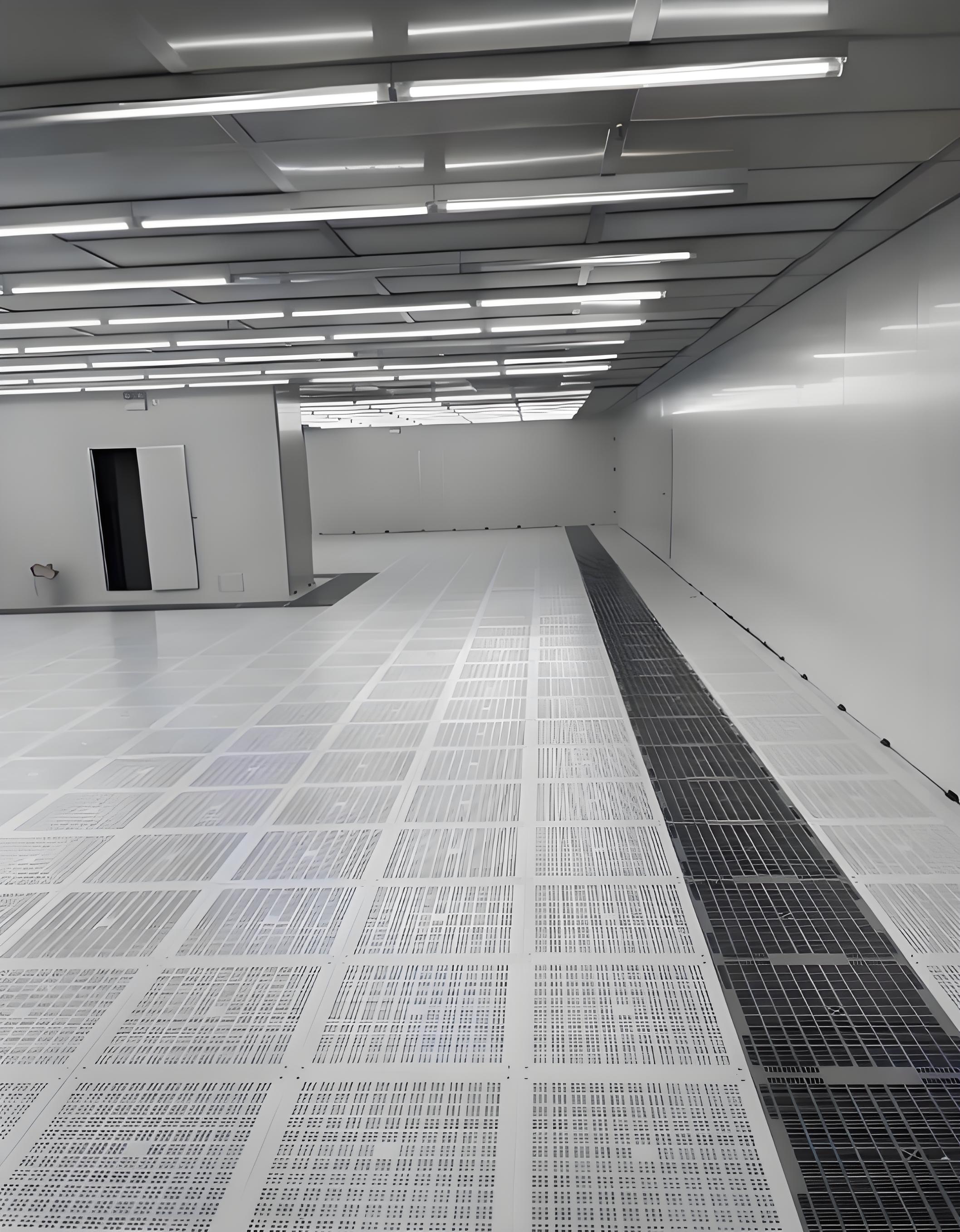
Designing a controlled environment requires precise alignment between architectural components, process utilities, and HVAC systems. Customizations must address the exact biological, particle, and structural challenges of your cleanroom operations. For custom engineering assessments and project planning, contact the cleanroom integration team at TAI JIE ER to discuss your specific structural needs and cleanroom panel configurations.
Q1: Why is high-pressure laminate (HPL) preferred over stainless
steel in some sterile room decoration projects?
A1: While stainless
steel offers high mechanical strength and chemical resistance, HPL is highly
resistant to impact, scratches, and repeated chemical wipe-downs. It does not
dent easily under impact and is resistant to localized corrosion caused by
concentrated chlorine-based sanitizers, making it a reliable choice for
high-traffic aseptic areas.
Q2: How do you prevent joint cracking between wall panels in
cleanrooms?
A2: Joint integrity is maintained by using specialized
tongue-and-groove interlocking systems combined with high-elasticity,
non-outgassing polyurethane or neutral silicone sealants. These sealants allow
for thermal expansion and structural settlement without cracking, ensuring a
continuous, non-porous surface.
Q3: What is the difference between a walkable and non-walkable
cleanroom ceiling?
A3: Walkable ceilings are constructed from thick,
structurally reinforced sandwich panels (such as aluminum honeycomb cores with
structural steel skins) designed to support the weight of maintenance
technicians working on HVAC, filtration, and lighting systems from above.
Non-walkable ceilings are lighter and require all maintenance activities to be
performed from inside the cleanroom, which increases contamination
challenges.
Q4: Why are standard domestic or commercial PVC floors unsuitable for
sterile room decoration?
A4: Commercial PVC flooring often contains
plasticizers that can outgas and contaminate cleanroom environments. It also
lacks the chemical resistance needed for cleanroom sanitizers and does not
feature a homogeneous construction. Cleanroom-grade PVC is homogeneous,
non-outgassing, and can be chemically or thermally welded to form a continuous
sheet with the coved wall transition.
Q5: How does the choice of wall decoration affect vaporized hydrogen
peroxide (VHP) decontamination cycles?
A5: Highly porous materials
or sub-standard paints will absorb VHP, reducing the concentration of gaseous
sterilant and extending aeration cycles as the absorbed gas slowly desorbs.
Proper materials, such as PVDF-coated steel or HPL panels, are non-porous and do
not absorb VHP, allowing for rapid and effective decontamination cycles.