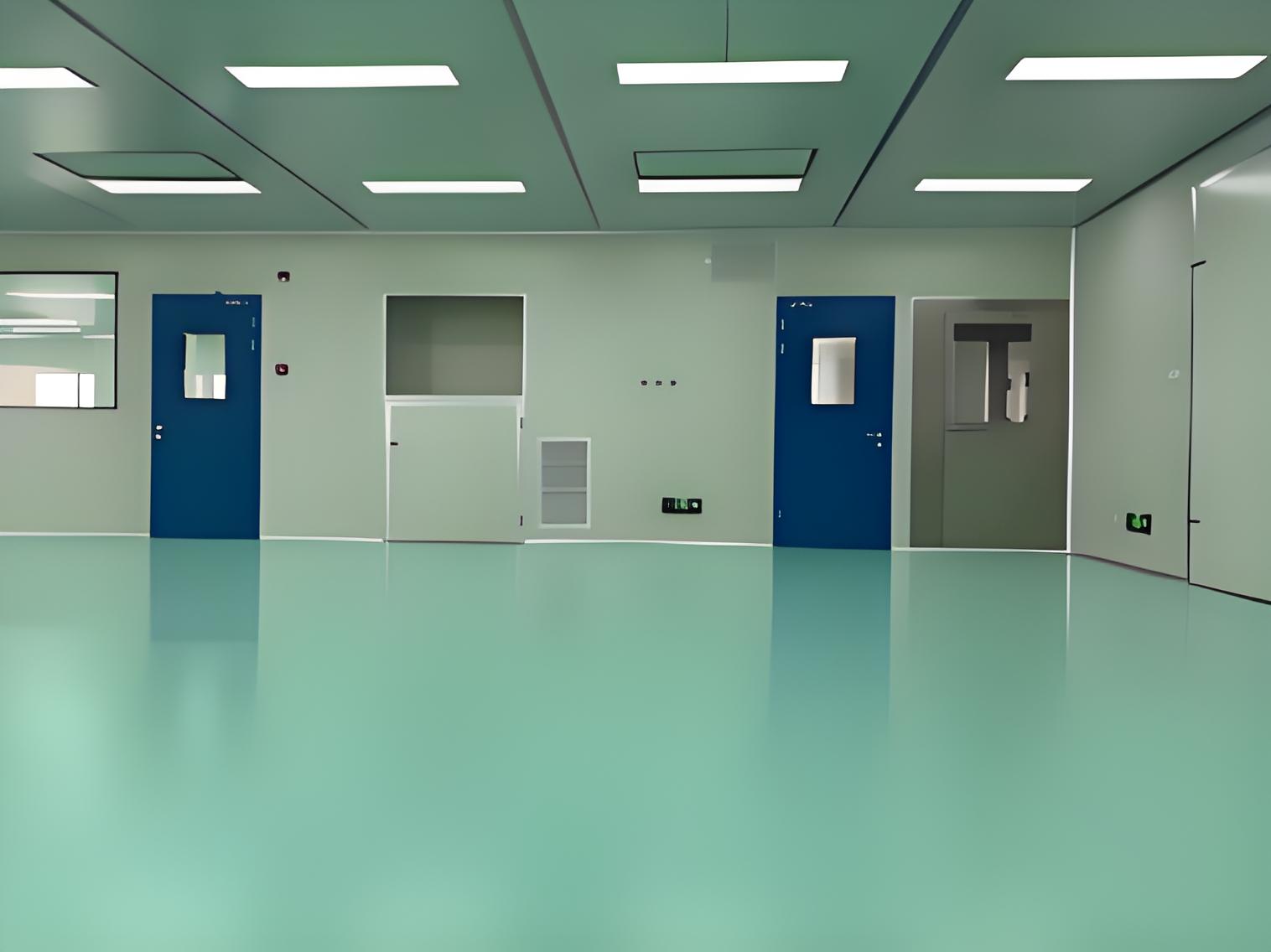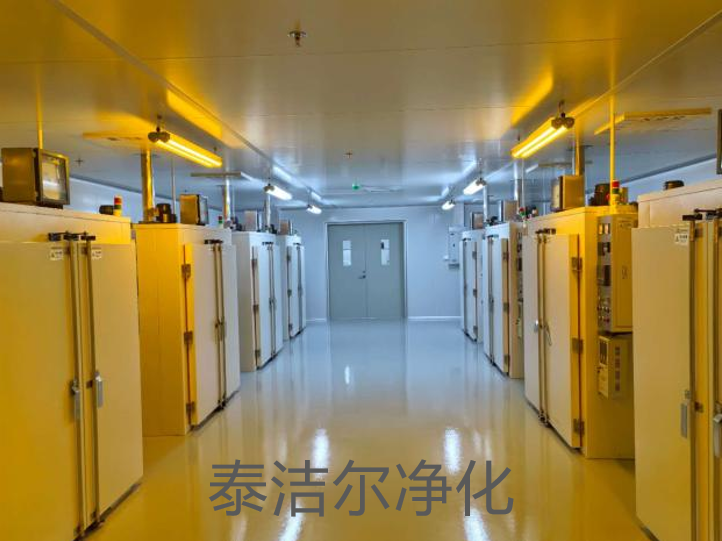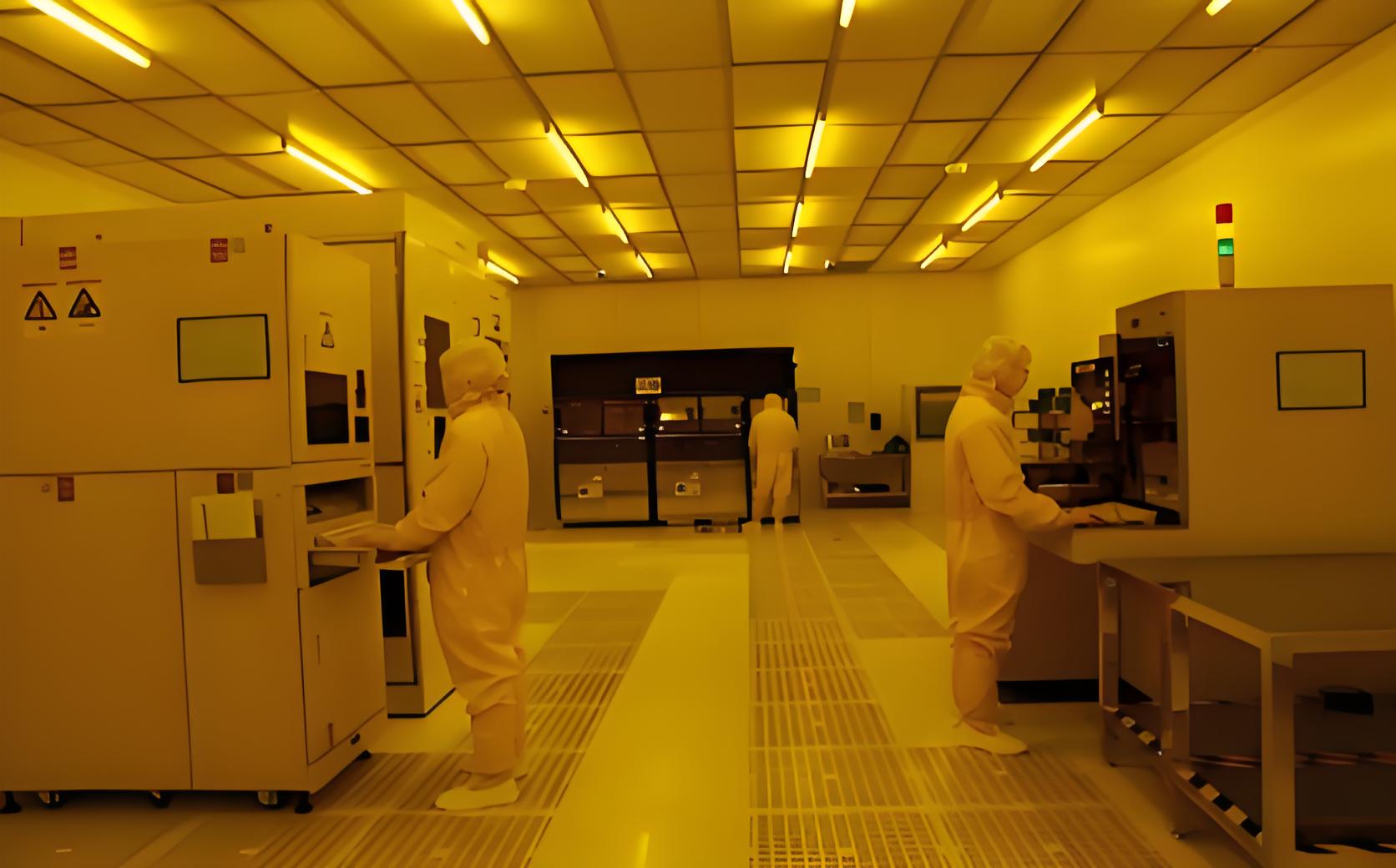

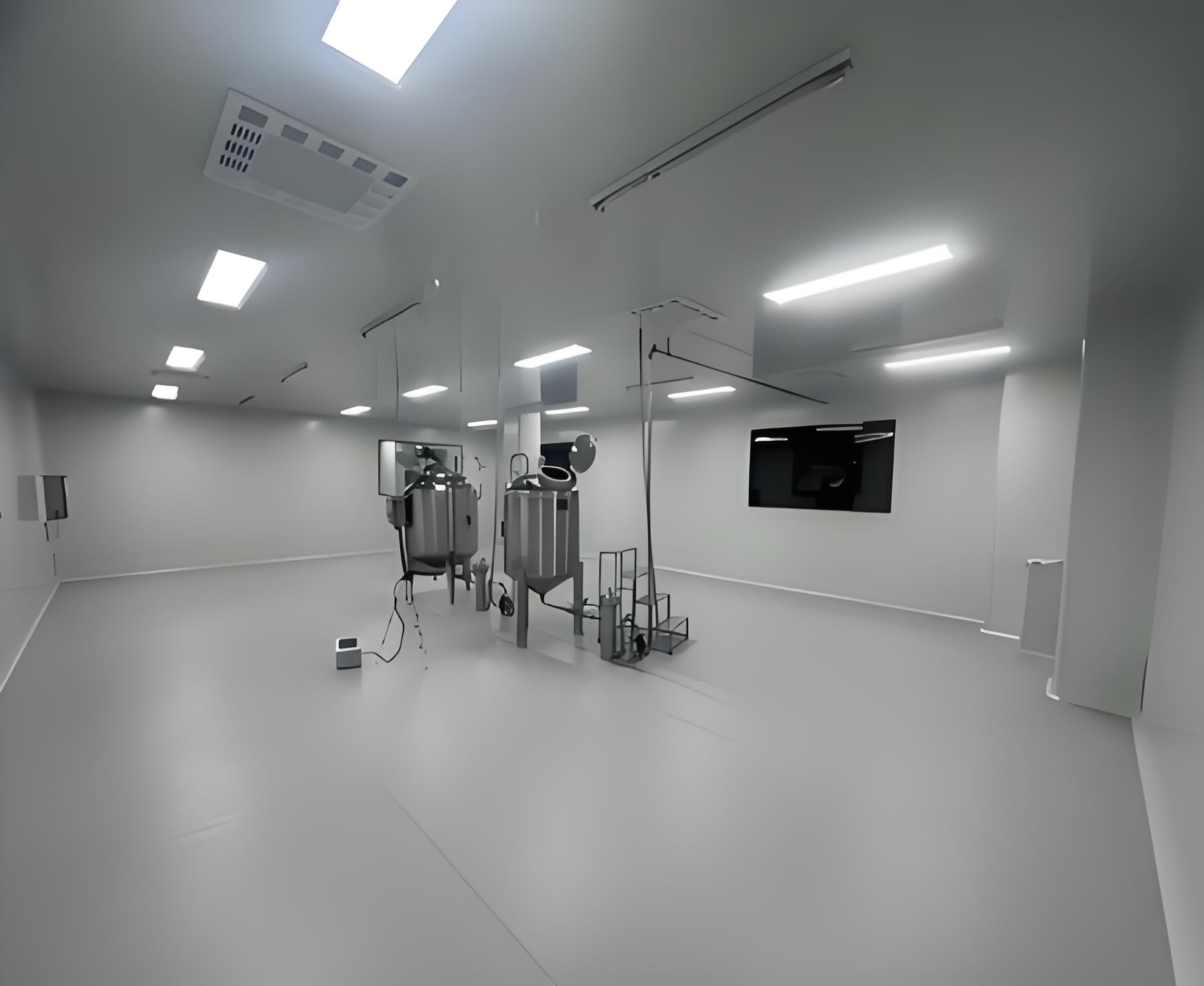
High-precision manufacturing industries require controlled environments where airborne particulates, humidity, pressure, and temperature are strictly regulated. The process of Cleanroom decoration is not merely an aesthetic undertaking; it is a highly specialized architectural engineering discipline. Every wall joint, floor coating, and ceiling fixture must satisfy stringent international cleanliness standards, such as ISO 14644 and Good Manufacturing Practice (GMP) guidelines. Failure to implement these designs correctly can lead to structural leaks, particle accumulation, and compromised production runs in pharmaceutical, biotechnology, and semiconductor facilities.
To achieve these stringent parameters, partnering with experienced specialized contractors such as TAI JIE ER is vital to ensure that structural envelopes meet the precise requirements of modern clean processes. This document examines the engineering choices, material requirements, and operational steps necessary to execute a successful controlled environment installation.
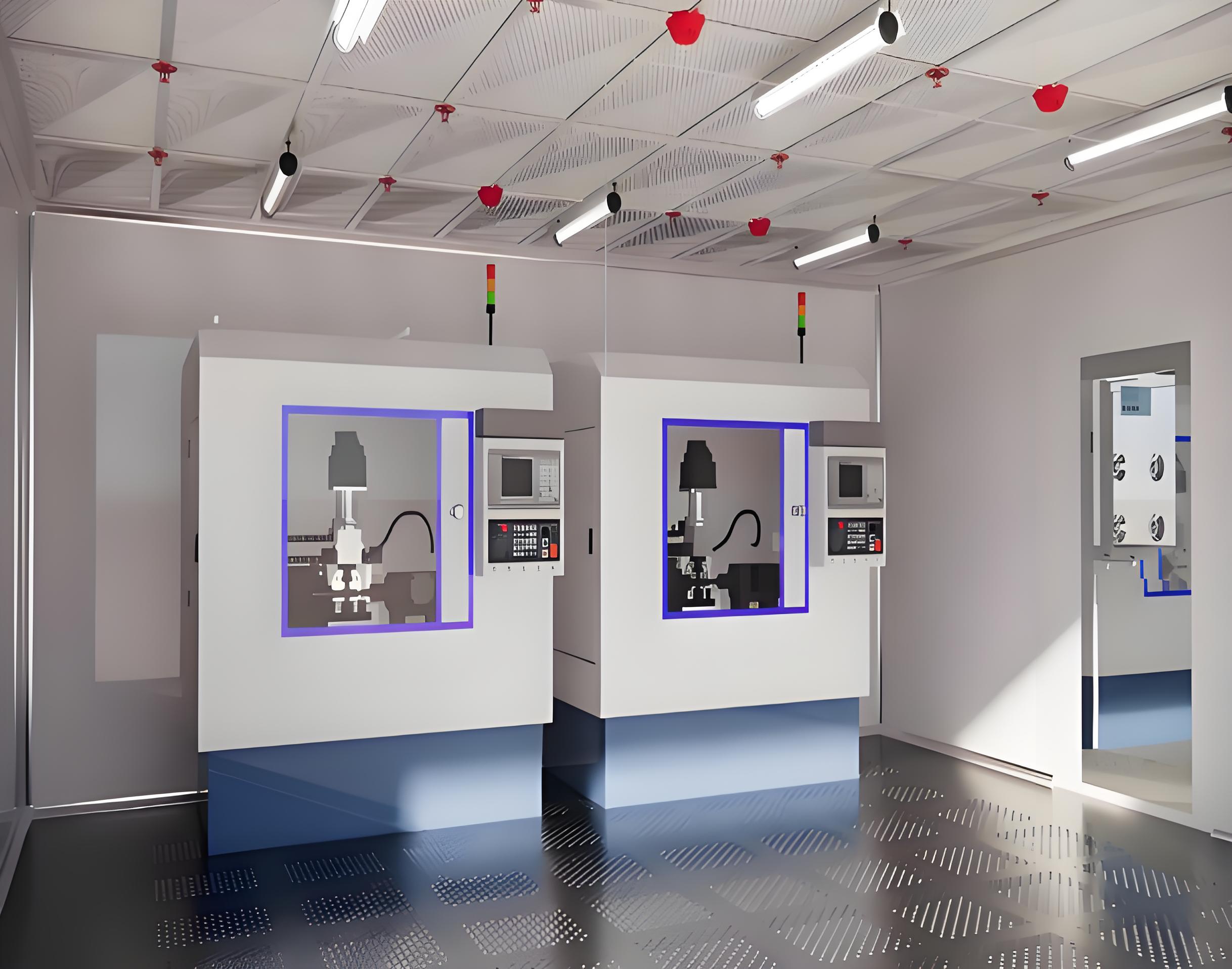
The primary objective of architectural cleanroom execution is to create an airtight, non-shedding, and easily sanitizable envelope. Standard construction practices cannot prevent micro-contamination due to material outgassing, electrostatic charge accumulation, and dust collection on rough surfaces. Specialized clean engineering addresses these challenges through targeted design rules:
Particulate Accumulation Prevention: All exposed surfaces must be completely flat, smooth, and free of crevices where airborne particles could settle.
Chemical and Mechanical Resistance: Structural materials must withstand frequent sanitization protocols involving aggressive chemical cleaning agents, such as vaporized hydrogen peroxide (VHP), isopropyl alcohol, and sodium hypochlorite, without degrading.
Static Dissipation: In semiconductor and electronics facilities, static charge can attract microscopic dust particles and damage delicate microcomponents. Wall and flooring systems must possess reliable electrostatic dissipative (ESD) properties.
Airtight Integrity: The architectural envelope must support positive or negative pressure gradients. This prevents raw, unfiltered air from entering clean zones or stops hazardous substances from escaping containment spaces.
Selecting structural materials is the foundation of cleanroom architecture. Sandwich panels are the industry standard for wall and ceiling assemblies due to their load-bearing capacity, flat surfaces, and thermal properties.
The core material of a wall panel determines its performance in terms of fire protection, insulation, and rigidity:
Rockwool: Offers exceptional fire resistance (Class A) and thermal insulation. It is highly recommended for pharmaceutical facilities where fire-safety regulations are strict.
Aluminum Honeycomb: Provides high structural strength, minimal weight, and excellent flatness. It does not absorb moisture, making it suitable for environments with high humidity control requirements.
Paper Honeycomb: A cost-efficient, lightweight option suitable for less demanding clean zones (such as ISO 8 packaging areas), though it offers lower moisture resistance.
The outer metal skin of the sandwich panels must prevent corrosion and chemical degradation. Engineering designs developed by TAI JIE ER focus on flush alignments using the following surface treatments:
Color-Coated Steel (Pre-painted Galvanized Iron - PPGI): Coated with high-durability polyester or polyvinylidene fluoride (PVDF) to resist UV exposure, moisture, and chemical washes.
Stainless Steel (SUS304 or SUS316): Utilized in sterile aseptic environments, wet cleaning zones, and areas exposed to highly corrosive chemicals. Stainless steel prevents rust and offers superior longevity under rigorous sanitization.
A major focus of any Cleanroom decoration project is the flooring. It must withstand regular personnel foot traffic, heavy equipment loads, and chemical exposure while remaining fully non-porous.
Epoxy systems are popular in pharmaceutical and chemical laboratories. The liquid epoxy is poured directly onto a prepared concrete subfloor, creating a seamless, high-gloss surface. Epoxy self-leveling floors provide excellent chemical resistance and high compressive strength. For electronic assembly spaces, carbon-filled conductive epoxy coatings are applied to drain static electricity safely to the building's ground.
In electronics, semiconductor manufacturing, and medical device assembly, homogeneous PVC roll flooring is often preferred. PVC sheets are welded together using hot-melt vinyl welding rods to form a continuous, impermeable floor. PVC offers excellent impact resistance, vibration damping, and consistent electrostatic dissipative (ESD) properties across its surface.
Ninety-degree angles are major hazards in cleanrooms because they are difficult to clean. Architectural guidelines require all wall-to-floor, wall-to-wall, and wall-to-ceiling intersections to be fitted with curved transitions called coving. Aluminum or PVC coves with a radius of 50mm ensure smooth transitions that eliminate dead corners. All panel joints, coving edges, and utility penetrations must be sealed using neutral, non-outgassing silicone sealants to guarantee absolute airtightness.
Integrating mechanical, electrical, and plumbing systems within the Cleanroom decoration framework requires careful coordination. The architectural shell must work in tandem with the heating, ventilation, and air conditioning (HVAC) system to ensure laminar or turbulent airflow paths are maintained.
Ceiling panels must be designed to support heavy terminal HEPA (High-Efficiency Particulate Air) filter housings and Fan Filter Units (FFUs). Walkable ceiling panel systems allow maintenance staff to service filters and electrical connections from the plenum space above without entering the clean area below, preventing production shutdowns. Wall panels must also accommodate return air columns, which draw air down and out of the room near floor level to maintain efficient vertical laminar flow patterns.
| ISO Class | Air Changes Per Hour (ACH) | Recommended Ceiling Coverage | Flow Pattern Type |
|---|---|---|---|
| ISO 5 (Class 100) | 240 - 480 | 35% - 70% | Unidirectional / Laminar |
| ISO 6 (Class 1,000) | 150 - 240 | 25% - 40% | Non-Unidirectional / Mixed |
| ISO 7 (Class 10,000) | 60 - 90 | 15% - 25% | Non-Unidirectional / Turbulent |
| ISO 8 (Class 100,000) | 20 - 40 | 5% - 15% | Non-Unidirectional / Turbulent |
Beyond wall panels and floors, specialized entryways and transfer accessories are required to maintain pressure differentials and facilitate safe material flow.
Doors must be manufactured with fully flush surfaces, matching the thickness of the wall panels to prevent ledge formation. They typically include automatic drop bottom seals that engage when the door closes, sealing the gap at the floor. In positive-pressure rooms, these seals prevent air leakage.
Windows should be double-glazed, flush-mounted on both sides of the wall panel, and filled with a drying agent (desiccant) or nitrogen gas to prevent internal condensation. Tempered safety glass is standard to prevent shattering under mechanical stress.
To transfer tools, raw materials, and finished goods between rooms of different cleanliness ratings without disrupting pressure balances, pass boxes are installed in wall partitions. These enclosures feature mechanical or electronic door interlocking systems, preventing both doors from being opened simultaneously. Dynamic pass boxes can also integrate localized HEPA filtration and UV lights for surface sanitization during transit.
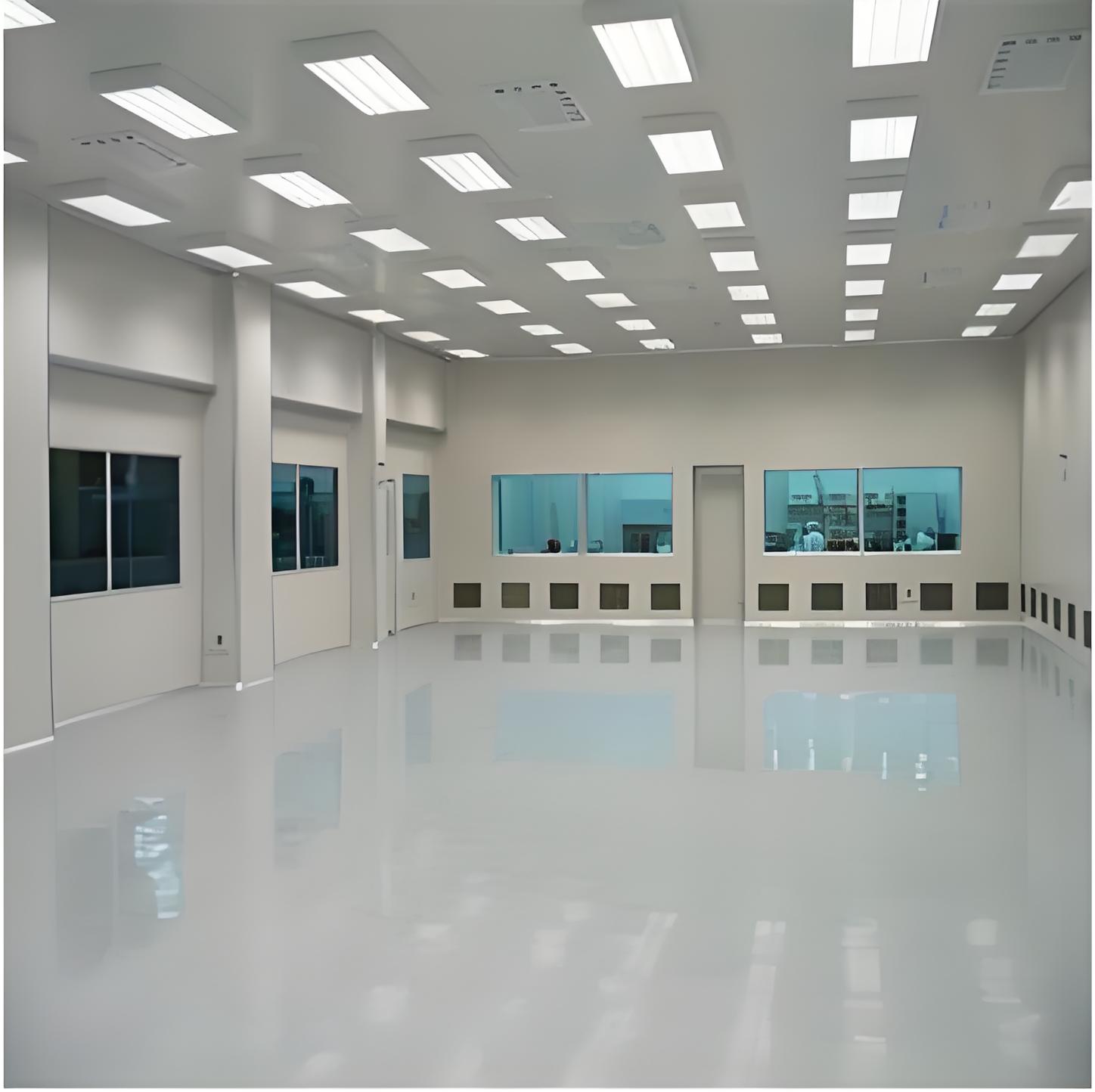
Once the physical structures are assembled, the cleanroom envelope must undergo validation testing before starting production. Testing protocols include:
Airtightness and Pressure Decay Testing: Measures the leak rate of the room at a specific test pressure to verify the integrity of panel joints, seals, and doors.
Airborne Particle Count Testing: Evaluates particulate concentrations under "as-built" or "at-rest" operational states to confirm the room meets its designated ISO classification.
Recovery Time Testing: Analyzes how quickly the HVAC and filtration systems can clear a generated aerosol challenge and return to compliance levels.
Achieving compliance with GMP or ISO standards hinges on professional Cleanroom decoration practices. Standard architectural designs cannot withstand the physical demands, pressure parameters, and sterilization cycles required by high-tech manufacturing. Proper execution demands rigorous planning, quality materials, and meticulous installation.
When planning your next project, the engineering team at TAI JIE ER can assist in designing, supplying, and installing high-performance partition systems tailored to your industrial needs. For customized structural specifications, material consultations, or project layout evaluations, please submit your detailed specifications to our engineering department. Contact us directly to send an inquiry and discuss your facility design requirements with a specialist.
Q1: Which wall panel core material provides the best fire rating for specialized clean facilities?
A1: Rockwool core sandwich panels provide the highest level of fire resistance, typically achieving Class A ratings. They are highly recommended for facilities that must adhere to strict local fire safety regulations and thermal insulation guidelines.
Q2: What is the recommended method to control static electricity accumulation on clean surfaces?
A2: To prevent electrostatic discharge, anti-static PVC flooring or dissipative epoxy systems with a copper foil earthing grid must be installed. Additionally, anti-static (ESD) surface coatings can be applied to wall panels in sensitive electronic assembly zones.
Q3: Why are flush-mounted double-glazed windows preferred over single-pane options?
A3: Double-pane flush windows prevent ledge formation where dust can settle. They are sealed on both sides of the panel, ensuring a completely flat vertical surface. The internal space is filled with desiccants or dry gas to prevent condensation.
Q4: How do dynamic pass boxes differ from static pass boxes during material transfer?
A4: Dynamic pass boxes feature active HEPA-filtered air showers and UV disinfection to clean materials during transfer, making them suitable for transfers between clean and non-clean zones. Static pass boxes do not have internal filtration and rely solely on interlocking doors for passive transfers.
Q5: How is airtightness guaranteed at structural panel junctions?
A5: Airtightness is maintained by injecting specialized neutral silicone sealant into the joint gaps between panels. This compound must have low VOC outgassing characteristics to prevent chemical contamination in vacuum or high-purity environments.