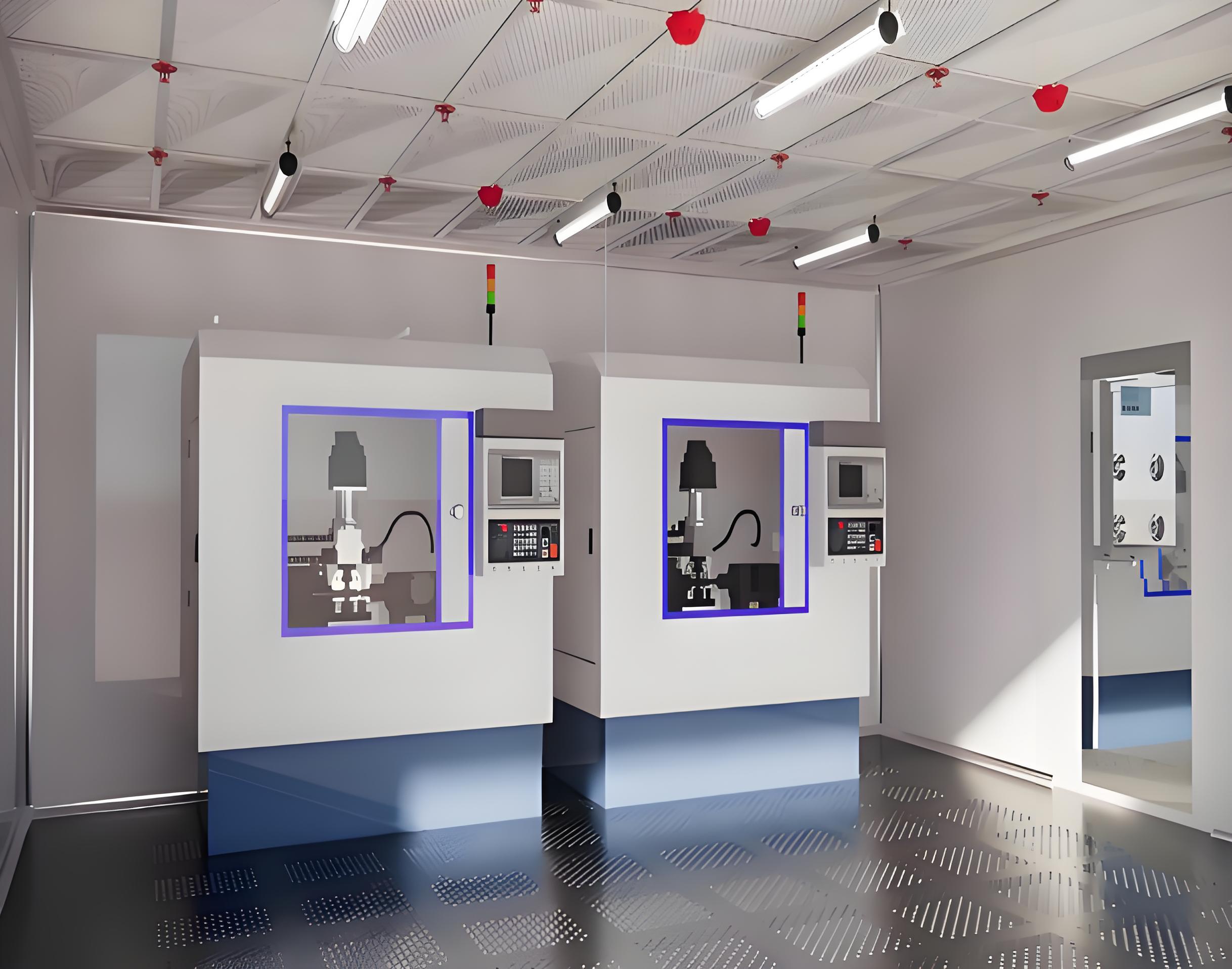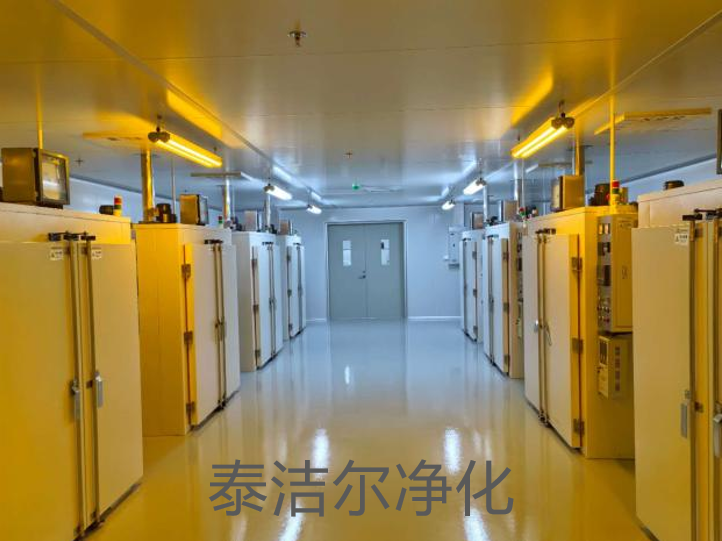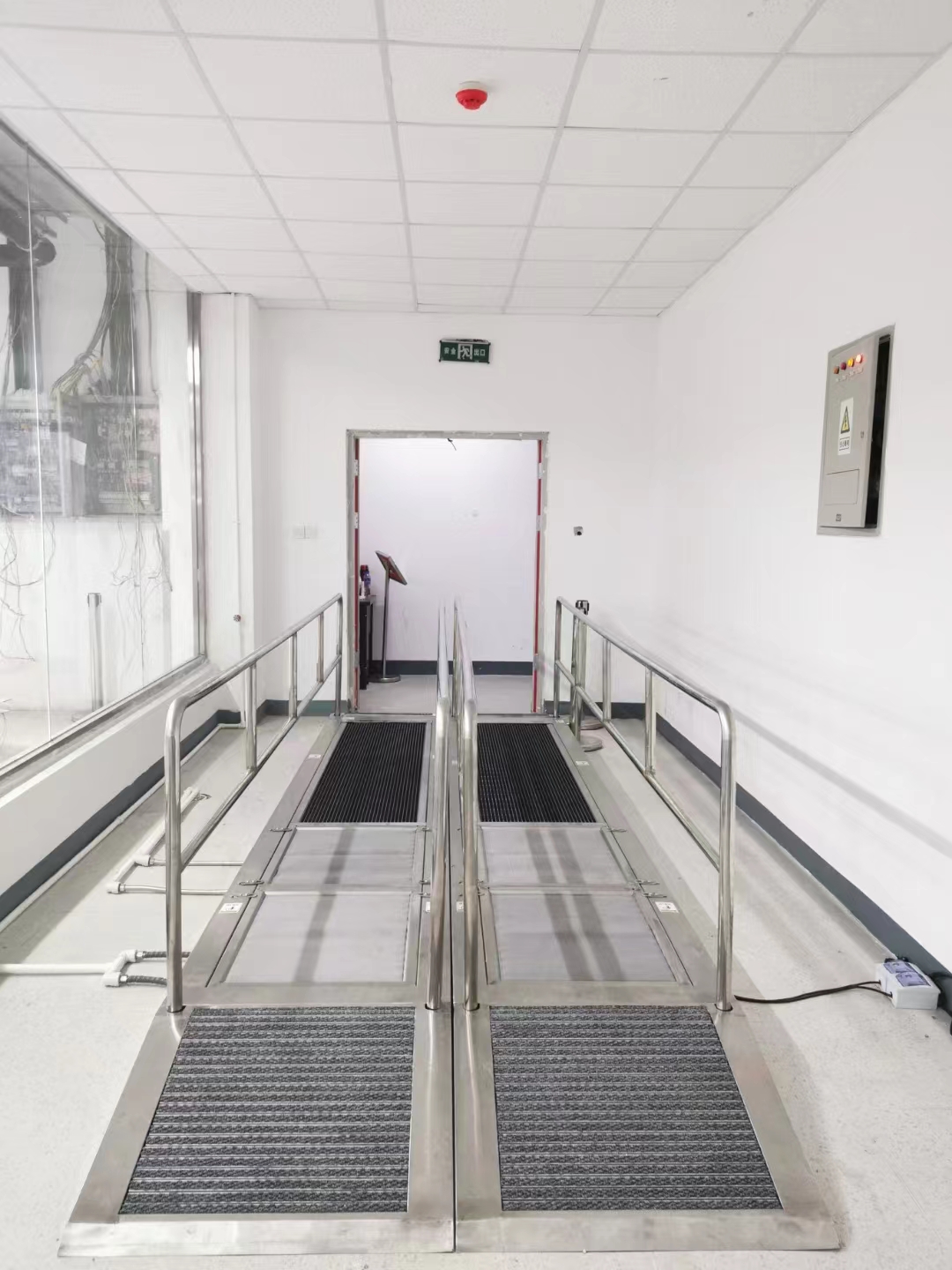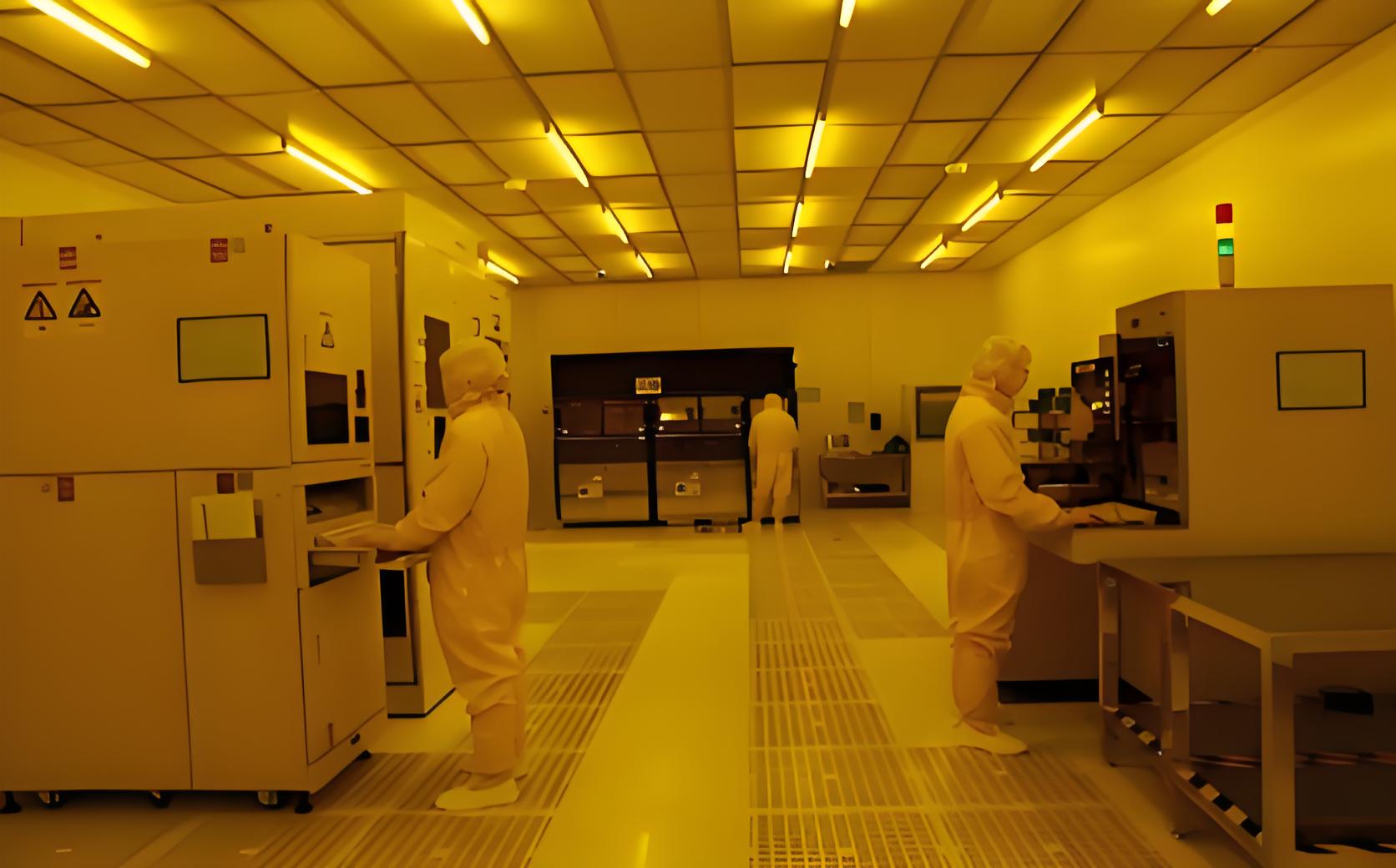
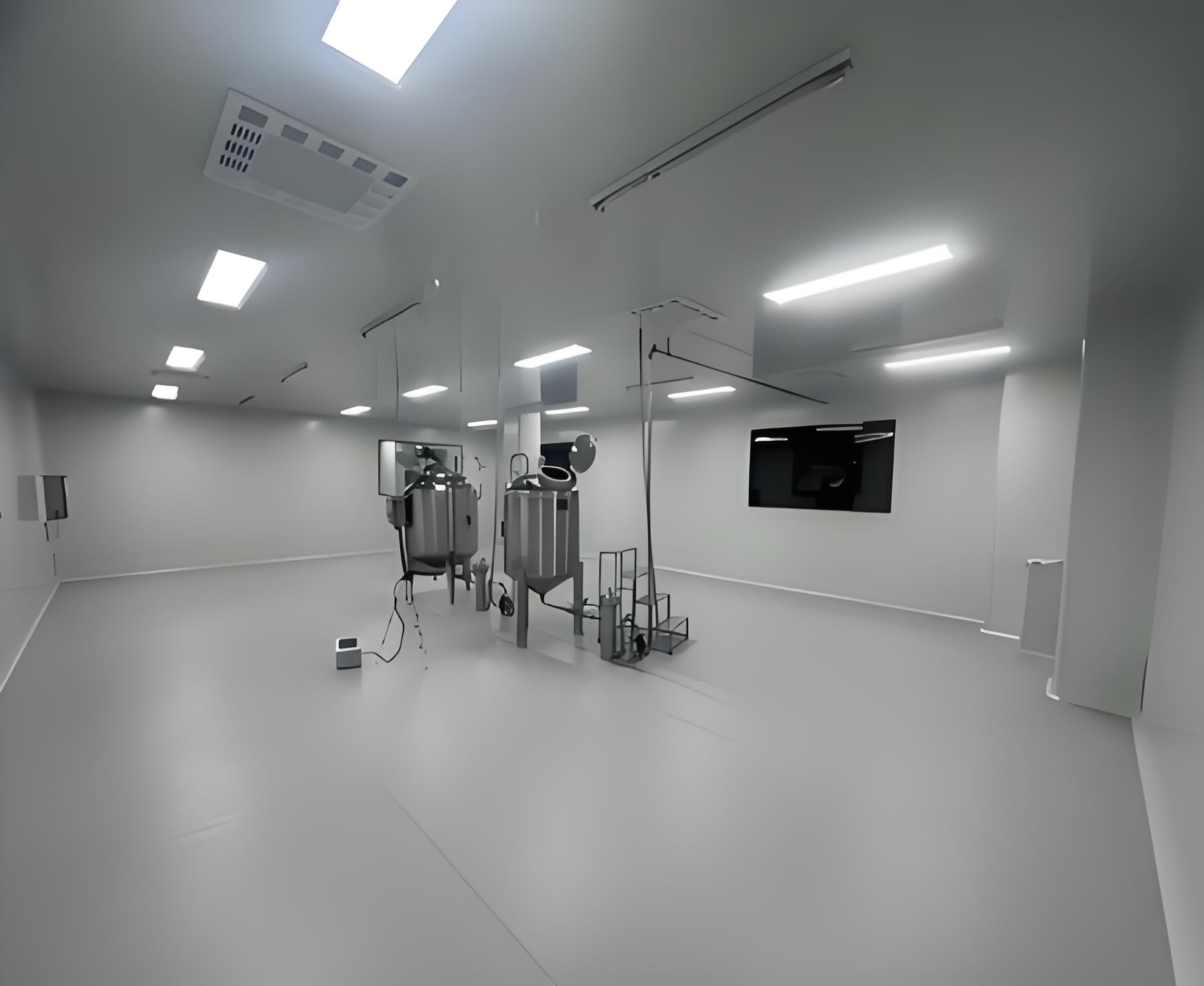
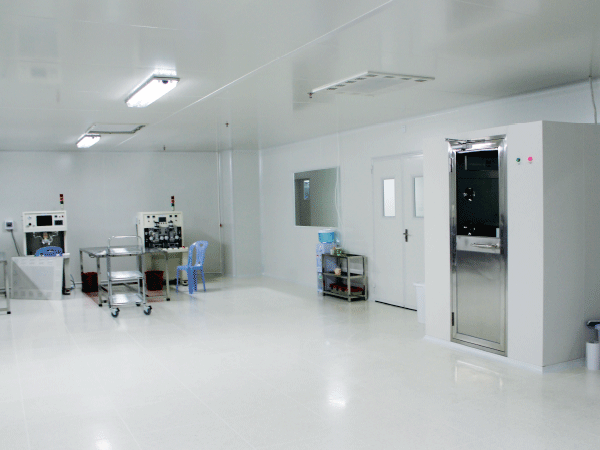
In modern manufacturing, the integrity of a product is only as reliable as the environment in which it is packaged. For sectors such as medical devices, pharmaceuticals, semiconductor components, and high-end cosmetics, the final packaging phase represents a primary defense against external contamination. Utilizing a specialized environment, commonly constructed through a comprehensive Packaging purification project, is necessary to prevent airborne particulates, viable microbes, and moisture from compromising product quality before distribution.
Industrial cleanroom design requires a deep understanding of thermodynamics, fluid dynamics, and material sciences. Cleanroom systems designed by TAI JIE ER are built to manage particulate counts, relative humidity, pressure differentials, and electrostatic hazards. This analysis examines the engineering parameters, structural designs, and regulatory frameworks required to implement a compliant and stable clean packaging environment.
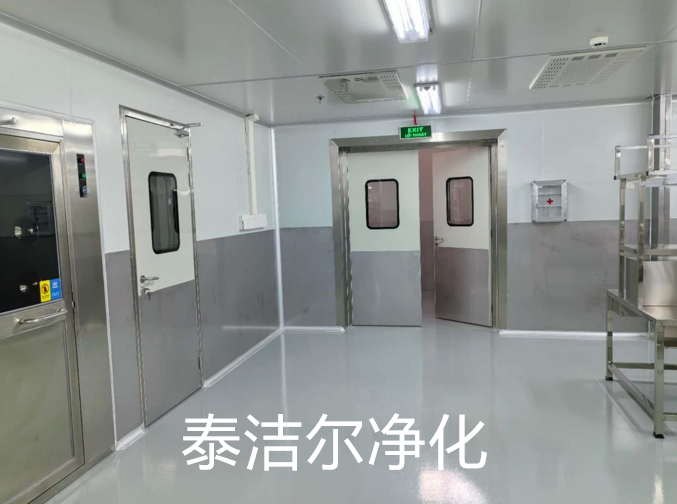
Packaging operations introduce unique environmental hazards due to the physical movement of materials, friction during sealing processes, and high personnel density. Identifying these contamination sources is the first step in formulating an effective engineering solution.
The handling of cardboard, plastic films, Tyvek pouches, and foil laminates generates significant amounts of micro-particulates. Static charges generated by high-speed machinery attract these airborne particulates to packaging surfaces, potentially trapping contaminants inside the sterile barrier system. This is a common failure point during quality control inspections.
For medical devices and pharmaceuticals, packaging must remain free of viable microorganisms. If the packaging area lacks adequate biological filtration, bacterial spores, fungi, and yeasts can settle on product contact surfaces. Once sealed, these microbes can multiply, leading to bioburden spikes, product recalls, or compromises in sterile integrity.
In electronic packaging, electrostatic charges can damage microchips and integrated circuits. At the same time, adhesive applications and thermoforming machinery can release volatile organic compounds (VOCs) that deposit onto delicate surfaces. Controlling these parameters requires static-dissipative surfaces and targeted chemical filtration within the HVAC loop.
Maintaining a controlled environment requires precise integration of heating, ventilation, and air conditioning (HVAC) systems. To build an efficient Packaging purification project, engineers must calculate and balance several variables to satisfy ISO 14644-1 standards.
The primary barrier against contamination is a multi-stage filtration system. Typically, this configuration consists of:
The volume of clean air supplied to the cleanroom must be high enough to dilute and flush out contaminants generated by machinery and personnel. For an ISO Class 7 packaging cleanroom, air exchange rates typically range from 30 to 50 changes per hour (ACH). Depending on cleanliness requirements, airflow patterns can be:
To prevent untreated air from infiltrating clean zones, a positive pressure cascade must be maintained. The cleanroom must be kept at a higher pressure than the adjacent unclassified corridors, typically with a minimum differential of 10 to 15 Pascals (Pa). Anterooms and airlocks act as pressure buffers, preventing cross-contamination when personnel and materials move between different cleanliness zones.
| ISO Cleanroom Class | Particle Limit (>= 0.5 μm / m³) | Air Changes Per Hour (ACH) | Typical Packaging Application |
|---|---|---|---|
| ISO Class 5 | 3,520 | 240 - 480 | Sterile drug filling, aseptic medical device sealing |
| ISO Class 6 | 35,200 | 150 - 240 | Highly sensitive optical and electronic packaging |
| ISO Class 7 | 352,000 | 30 - 60 | Primary medical device packaging, pharmaceutical primary containment |
| ISO Class 8 | 3,520,000 | 15 - 25 | Secondary packaging, dietary supplement bottling |
The materials used to construct a cleanroom must be non-shedding, resistant to chemical disinfectants, and physically durable. TAI JIE ER utilizes specialized components to build stable environments that minimize structural degradation over time.
Cleanroom walls are constructed using modular sandwich panels, often featuring outer skins of pre-painted galvanized steel or stainless steel, with core materials like aluminum honeycomb, rockwool, or polyurethane. These panels must be completely flat, non-porous, and fitted with silicone sealants in all joints to prevent air leakage and microbial colonization.
Flooring must withstand high wheel loads from transport carts and frequent washdowns. Self-leveling epoxy coatings or heavy-duty cleanroom-grade PVC sheets are standard. Floors are coved up the walls by 100mm to 150mm, eliminating 90-degree corners that are difficult to clean.
Personnel and material transfer are the main sources of contamination. Material transfer is managed via cleanroom pass-through boxes equipped with mechanical or electronic interlocking doors to prevent both doors from opening simultaneously. Personnel must pass through air showers equipped with high-velocity HEPA-filtered air jets that strip loose particles from garments before cleanroom entry.
Packaging films and adhesives are sensitive to environmental conditions. High humidity can cause packaging materials to absorb moisture, leading to sealing failures, adhesive degradation, or mold growth. Conversely, dry environments promote electrostatic accumulation, attracting airborne particulates and raising the likelihood of ESD damage.
To address these challenges, a sophisticated Packaging purification project utilizes an advanced HVAC system configured with reheat coils, chilled water cooling loops, and desiccant or steam humidification systems. In general, these systems are calibrated to maintain temperature at 20°C to 24°C and relative humidity within a range of 45% to 55%. This balance helps preserve the physical properties of packaging substrates while maintaining worker comfort, which in turn reduces biological shedding.
A packaging cleanroom must be formally validated to demonstrate compliance with international standards such as ISO 14644, EU GMP, and FDA regulations. This validation is divided into three distinct phases:
IQ verifies that all equipment, piping, ductwork, and structural materials have been installed according to the engineering design specifications. This phase includes checking calibration records for sensors, verifying HEPA filter integrity (leak testing), and inspecting the installation of structural wall panels.
OQ tests the performance of the system to ensure it operates as designed within the specified boundaries. This includes testing air volume flow rates, differential pressures, temperature control, and humidity stability. Particle counts are conducted in an "at-rest" state (machinery running, no personnel present) to confirm the cleanroom can achieve its target classification.
PQ demonstrates that the cleanroom consistently operates within specification under normal production conditions. These tests are conducted "in-operation" (with personnel active
and packaging machinery running). Microbiological monitoring, airborne particle monitoring, and recovery-time tests are conducted over extended periods to ensure long-term stability.
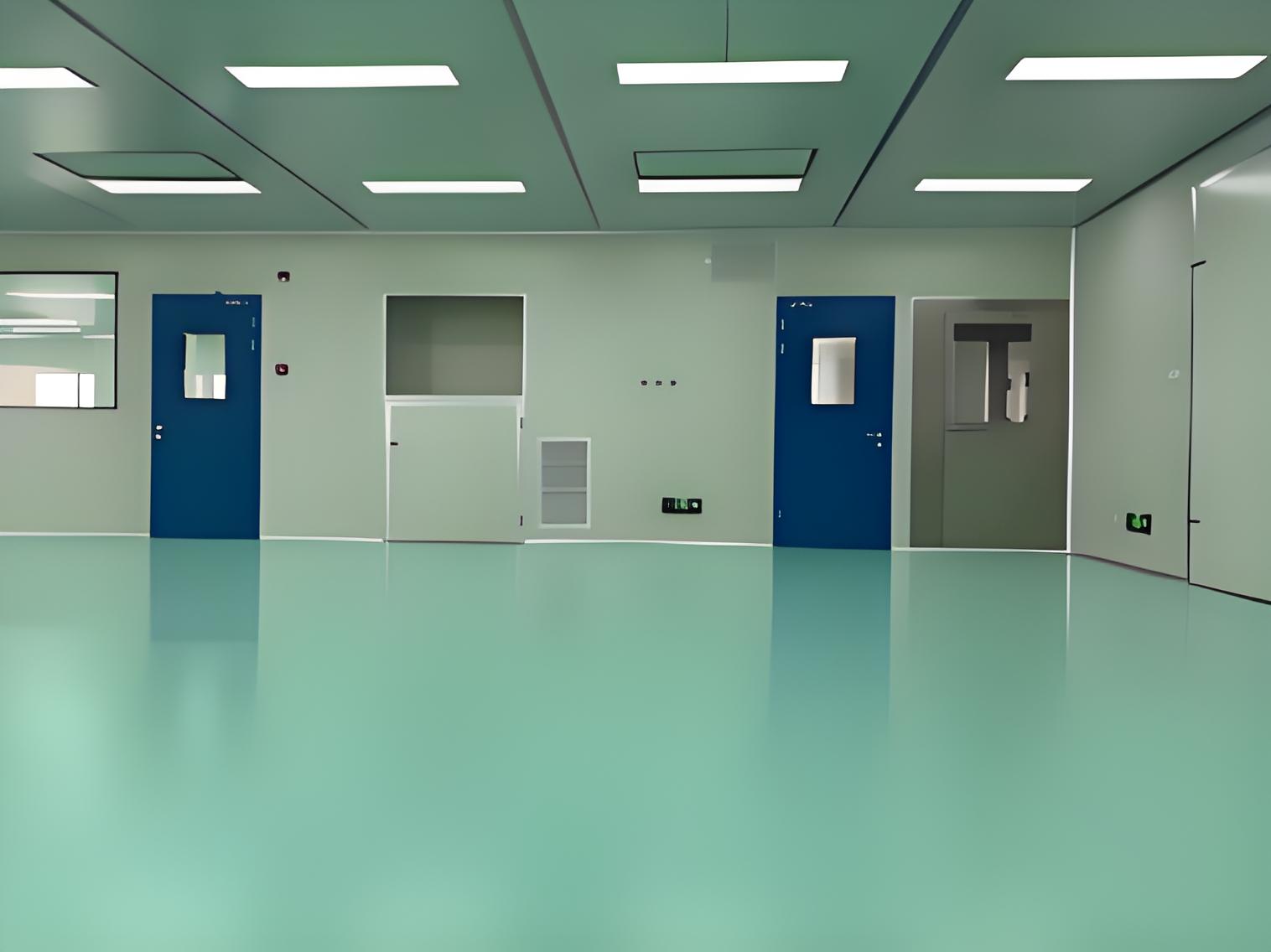
Executing a successful packaging cleanroom project requires a detailed understanding of both civil engineering and specialized regulatory demands. Working with an experienced engineering partner ensures your cleanroom performs reliably, minimizes operational disruptions, and fully complies with GMP and ISO requirements.
With years of specialized experience in cleanroom design and installation, TAI JIE ER provides integrated solutions tailored to your production requirements. From the early stages of HVAC design to the final execution of your validation protocols, our engineering teams focus on durability, precision control, and seamless system integration.
Q1: What ISO class is typically required for a medical device packaging purification project?
A1: Most sterile medical device packaging operations require an ISO Class 7 or ISO Class 8 cleanroom environment. However, for devices that undergo aseptic processing without terminal sterilization, critical packaging areas (such as the point of sealing) may require an ISO Class 5 zone, often achieved using localized laminar flow hoods inside an ISO Class 7 background room.
Q2: How do you control dust generated by cardboard or paper packaging in a cleanroom?
A2: Cardboard and raw paper materials are major sources of particulate shedding and are generally prohibited in high-level cleanrooms. Instead, materials are transferred into plastic bins or passed through an airlock using specialized non-shedding synthetic transfer sheets. If primary cardboard must be handled, it is isolated in dedicated lower-grade zones with localized exhaust extraction hoods to capture airborne dust before it can migrate to sterile areas.
Q3: How often should HEPA filters be tested in a packaging cleanroom?
A3: According to ISO 14644-2 and GMP guidelines, HEPA filters should undergo integrity testing (such as the PAO/DOP aerosol challenge test) at least once every 12 months. In highly regulated environments like pharmaceutical aseptic packaging, this testing is often performed every 6 months to detect any media degradation or seal leaks early.
Q4: Why is relative humidity control so important in a packaging purification project?
A4: Relative humidity directly impacts materials and electrostatic generation. If humidity is too low (below 30-40%), static charges build up on plastic films, causing them to stick together and attract dust. If humidity is too high (above 60%), adhesive seals can fail to cure properly, sterile barriers can degrade, and the risk of microbiological growth increases.
Q5: Can existing HVAC systems be adapted for a packaging cleanroom?
A5: Standard commercial HVAC systems are rarely suitable for cleanrooms because they cannot support the necessary high static pressure required by HEPA filters, nor do they provide the air exchange rates or precise differential pressure control needed to meet ISO standards. A dedicated custom air handling unit (AHU) with proper filtration stages is typically required.
Planning a cleanroom facility requires careful consideration of structural parameters, filtration configurations, and equipment placement. To discuss the engineering requirements of your upcoming project, review equipment specifications, or receive a technical assessment of your layout, please contact our engineering team directly. We are ready to assist you in designing a reliable, compliant environment that preserves the integrity of your products.
Please submit your project specifications, facility floor plans, and target cleanroom classification through our inquiry channel, and an engineering representative will contact you with a detailed technical analysis.