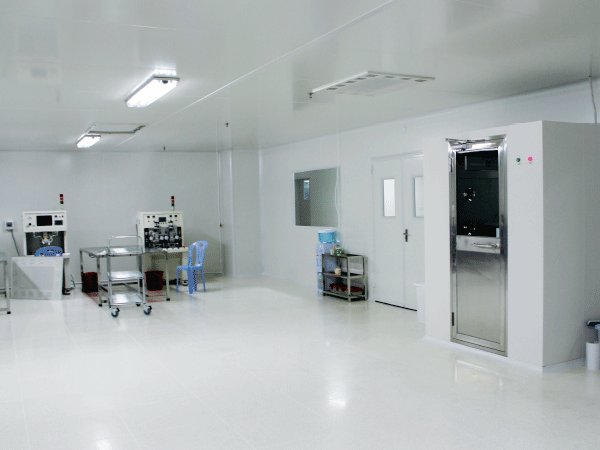

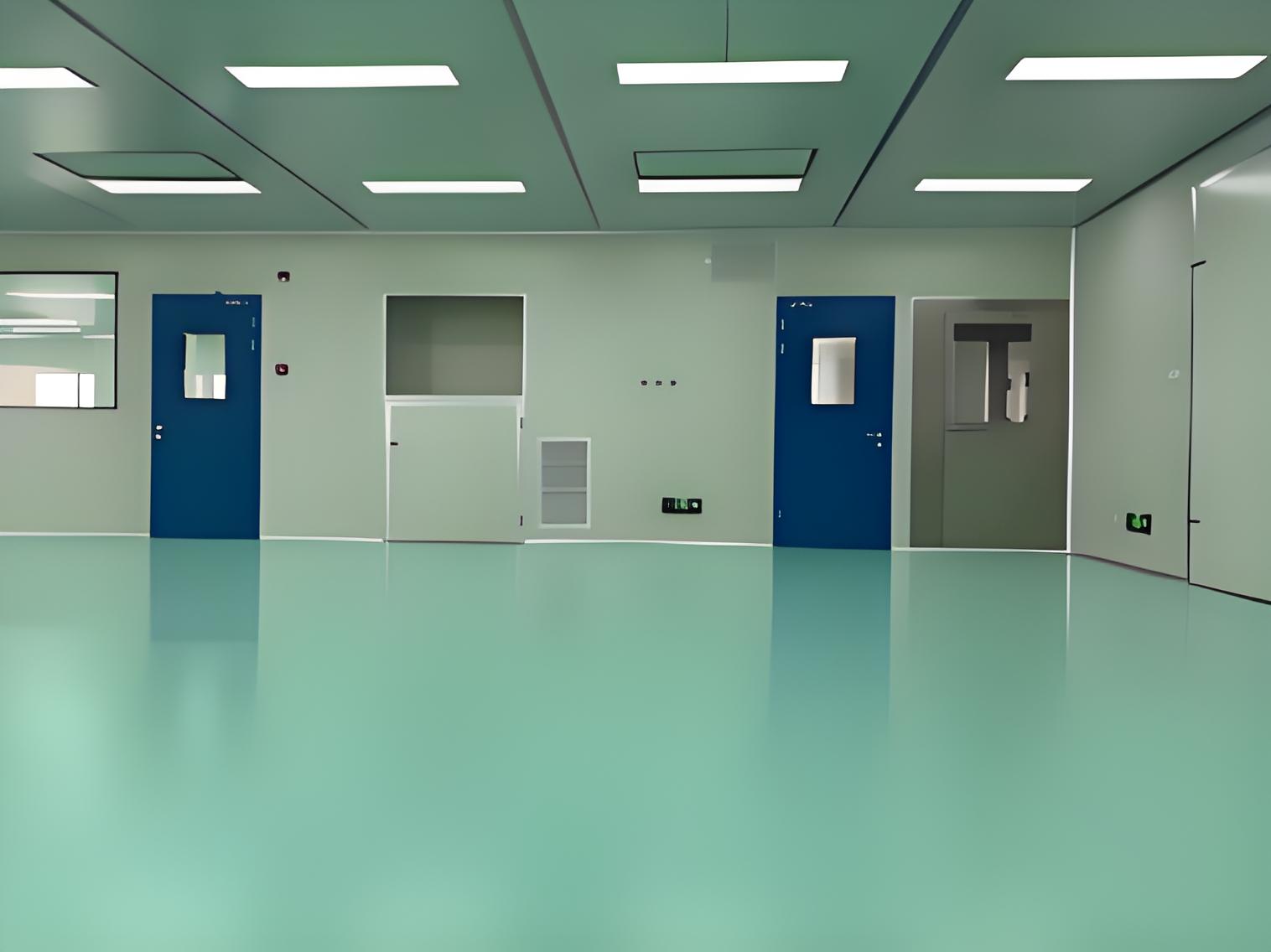
Industrial manufacturing environments demand precise control over airborne contaminants to protect both manufacturing processes and cleanroom integrity. Chemical synthesis, electronic component fabrication, and advanced surface finishing operations generate fine particulate matter, acidic vapors, and volatile compounds. These materials can compromise cleanroom integrity if left untreated. A Spray purification project serves as a primary method for capturing these pollutants from exhaust streams, using liquid atomization to wash contaminated air. As an established engineering specialist in air purification and environmental systems, TAI JIE ER designs integrated cleanroom ventilation systems that utilize wet scrubbing mechanisms to maintain strict environmental standards. Understanding the physical and chemical principles of droplet-particle interaction is necessary for successful system integration.
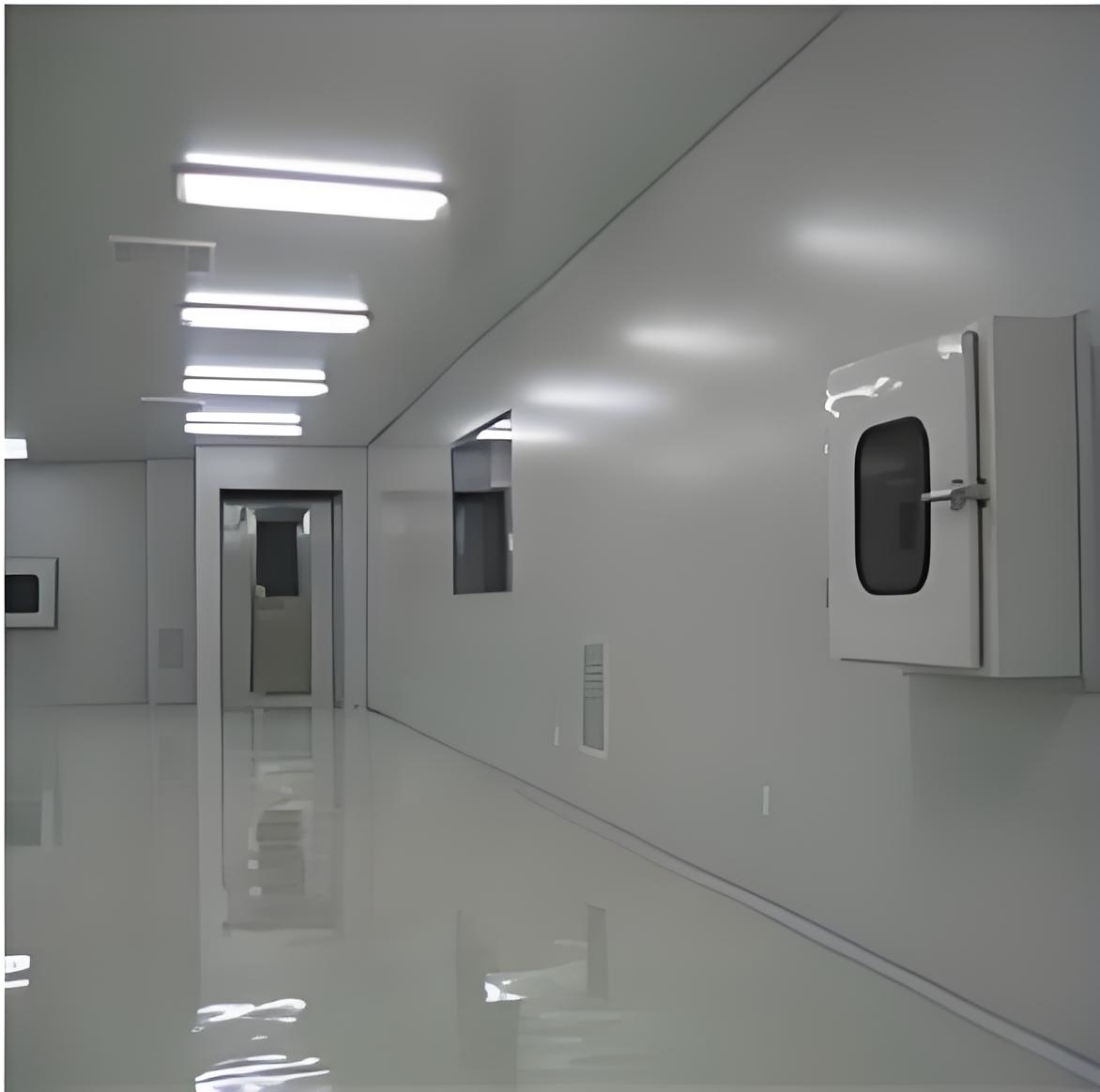
The primary mechanism of a Spray purification project relies on high-velocity gas-liquid contact. Exhaust gas enters a reaction chamber where liquid is sprayed through engineered nozzle arrays. This process involves multiple physical phenomena that govern the capture of suspended particulates and gas molecules:
The efficiency of mass transfer is directly related to the surface area of the liquid phase. Smaller droplets increase the total surface area, but excessively small droplets can lead to entrainment, where liquid is carried out of the system with the clean gas. Balancing these factors requires precise nozzle selection and aerodynamic design within the chamber.
A functional Spray purification project is comprised of several interconnected subsystems. Each subsystem must be configured based on the specific chemistry of the process exhaust. The structural components must withstand continuous operational stress and chemical exposure.
These components determine droplet size and spray pattern. Hollow cone and solid cone nozzles are selected based on whether maximum coverage or high velocity is required. The nozzle orifice size must balance the need for fine atomization with the practical limitations of liquid filtration to prevent fouling.
The physical housing where gas and liquid contact occurs is constructed as a vertical or horizontal column. In counter-current systems, where gas flows upward and liquid sprays downward, gravity assists the droplet collection process. This configuration maximizes contact time and maintains a high concentration gradient throughout the column height.
Positioned at the top of the tower to trap liquid droplets carried by the exhaust stream, mist eliminators are vital for protecting downstream ductwork. Chevron-style or mesh pads force the gas to change direction rapidly, causing droplets to impinge on the surfaces, coalesce, and drain back into the sump. This prevents moisture carryover into cleanroom ventilation zones.
To reduce water consumption, systems recirculate the scrubbing liquid. The recirculation loop includes high-flow pumps, particulate filtration units, and chemical monitoring sensors. Automated dosing systems measure parameters such as pH and conductivity, adding neutralizing agents (like sodium hydroxide or dilute acids) to maintain chemical balance and prevent scale formation.
In facilities designed by TAI JIE ER, exhaust management is integrated directly with cleanroom makeup air and recirculation cycles. Proper integration requires a comprehensive approach to system pressures and structural dynamics.
Cleanrooms rely on positive or negative pressure differentials to isolate sensitive manufacturing steps. The exhaust fans of the purification system must be balanced with the air handling units (AHUs) to prevent pressure fluctuations. Sudden changes in exhaust flow can disrupt cleanroom pressure balance, leading to contamination bypass across cleanroom boundaries.
Industrial exhaust often contains highly corrosive chemicals. Components must be constructed from materials like polypropylene (PP), fiber-reinforced plastic (FRP), or specialized stainless steel alloys. Selecting the correct polymer grade prevents degradation and eliminates the need for frequent replacement of internal structural components.
Rotating machinery like high-capacity recirculation pumps and exhaust fans can transmit micro-vibrations through structural elements. These vibrations can disrupt sensitive lithography or metrology equipment inside the cleanroom. Implementing vibration dampers, flexible duct connectors, and inertia bases is standard practice to decouple the purification system from the cleanroom structure.
Operating a large-scale Spray purification project involves managing several chemical and mechanical challenges to ensure long-term operational stability. Without proper maintenance protocols, systems can suffer from performance degradation.
Suspended solids in recirculated water can block nozzle orifices, disrupting the spray pattern and reducing gas-liquid contact area. Implementing dual-strainer filtration systems allows operators to clean one filter while the other remains online, maintaining continuous operation. Utilizing wide-passage spiral nozzles further mitigates this clogging issue.
Calcium carbonate and other mineral salts can precipitate on the tower packing and inner walls, leading to scale accumulation. This scaling restricts airflow and increases system pressure drop. Regular chemical descaling, coupled with automated blowdown cycles based on water conductivity measurements, prevents scale buildup without requiring manual scraping.
If exhaust gas channels through a single path within the tower rather than distributing evenly, contact time is reduced. Installing perforated gas distribution plates at the inlet ensures uniform velocity across the cross-section. Computational fluid dynamics (CFD) modeling helps engineers verify flow distribution during the design phase.
Different industries present unique chemical loads that shape the engineering design of purification systems. Customization of the spray parameters is required for each application.
Semiconductor fabrication facilities generate exhaust containing toxic gases, silicon dust, and acid mists. Multi-stage wet scrubbers with precise chemical dosing are utilized to remove hydrofluoric acid (HF) and hydrochloric acid (HCl) vapors before they can damage building infrastructure or affect ambient air quality.
Pharmaceutical manufacturing processes require the capture of active pharmaceutical ingredients (APIs) and organic solvents. Carbon adsorption systems are often paired with a wet scrubber to handle both soluble particles and volatile organic compounds (VOCs), ensuring compliance with strict environmental emissions standards.
In surface coating and automotive painting lines, overspray contains paint pigments and solvent fumes. A specialized Spray purification project uses paint mist coagulants in the water loop to aggregate sticky particles, preventing them from adhering to the tower internals and exhaust fans.
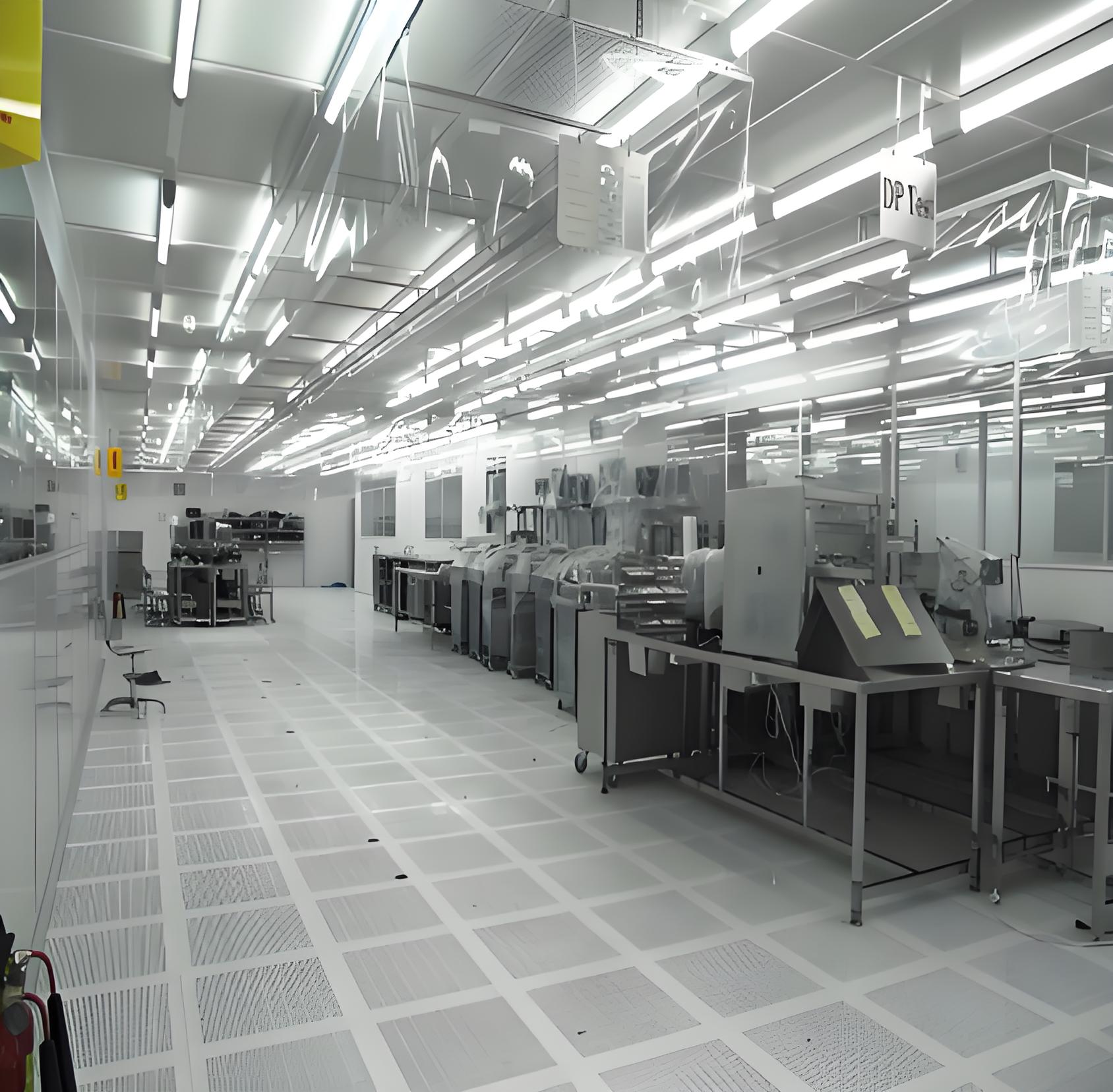
Developing a robust industrial ventilation and exhaust treatment system requires precise physical calculation, material selection, and cleanroom system coordination. TAI JIE ER offers comprehensive engineering services, from initial airflow modeling to equipment installation and system balancing. For technical inquiries regarding system specifications, material compatibility, or cleanroom integration, please contact our engineering department to discuss your project requirements.
Q1: How is the liquid-to-gas (L/G) ratio determined in a spray purification project?
A1: The L/G ratio is calculated based on the solubility of the target pollutant, the concentration of the contaminant in the inlet stream, and the desired removal efficiency. Higher contaminant concentrations require a higher L/G ratio to ensure sufficient mass transfer area and chemical reactant availability within the spray zone.
Q2: What materials are recommended for handling highly acidic process exhaust?
A2: For highly acidic environments, non-metallic materials such as polypropylene (PP), polyvinyl chloride (PVC), and polyvinylidene fluoride (PVDF) are commonly used. For structural parts requiring high physical strength, fiber-reinforced plastic (FRP) with internal corrosion-resistant thermoplastic liners is preferred.
Q3: How do chevron mist eliminators prevent droplet carryover?
A3: Chevron mist eliminators consist of closely spaced, zigzag-profiled plates. As the moisture-laden gas passes through, the rapid changes in direction force the heavier liquid droplets to collide with the plate surfaces. The droplets coalesce and flow downward due to gravity, while the dry gas exits at the top of the tower.
Q4: Can a spray tower be used to capture volatile organic compounds (VOCs)?
A4: Standard water-based wet scrubbers have limited efficiency for non-polar VOCs due to low solubility. However, they can capture VOCs if the scrubbing liquid contains appropriate chemical additives, organic solvents, or when paired with downstream activated carbon adsorption systems.
Q5: What instrumentation is required for automated chemical dosing in a wet scrubber?
A5: Automated dosing systems utilize pH sensors to monitor acidity/alkalinity, oxidation-reduction potential (ORP) sensors for chemical oxidation reactions, and conductivity transmitters to monitor dissolved solids accumulation, which triggers automatic blowdown and fresh water make-up.