
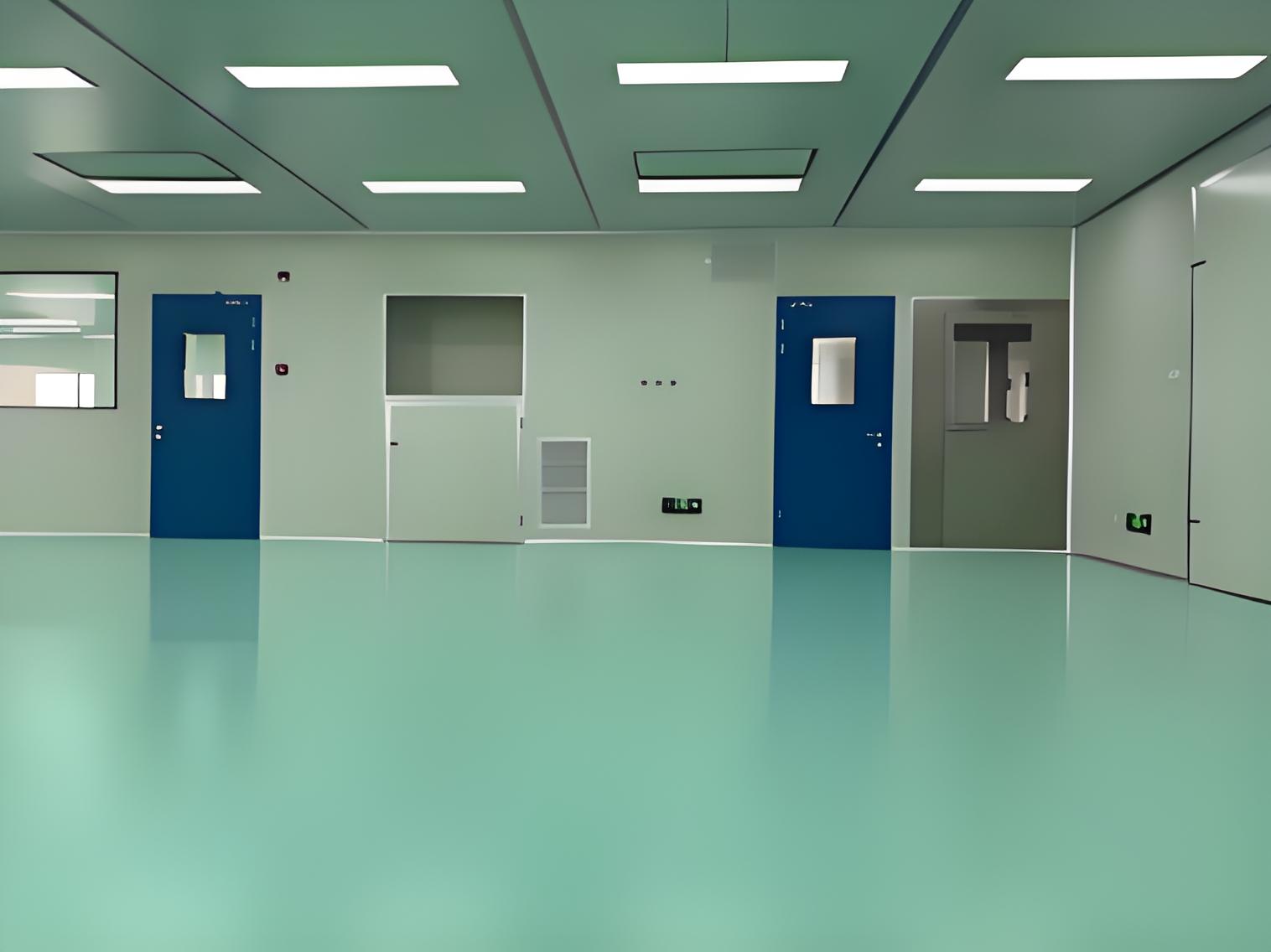
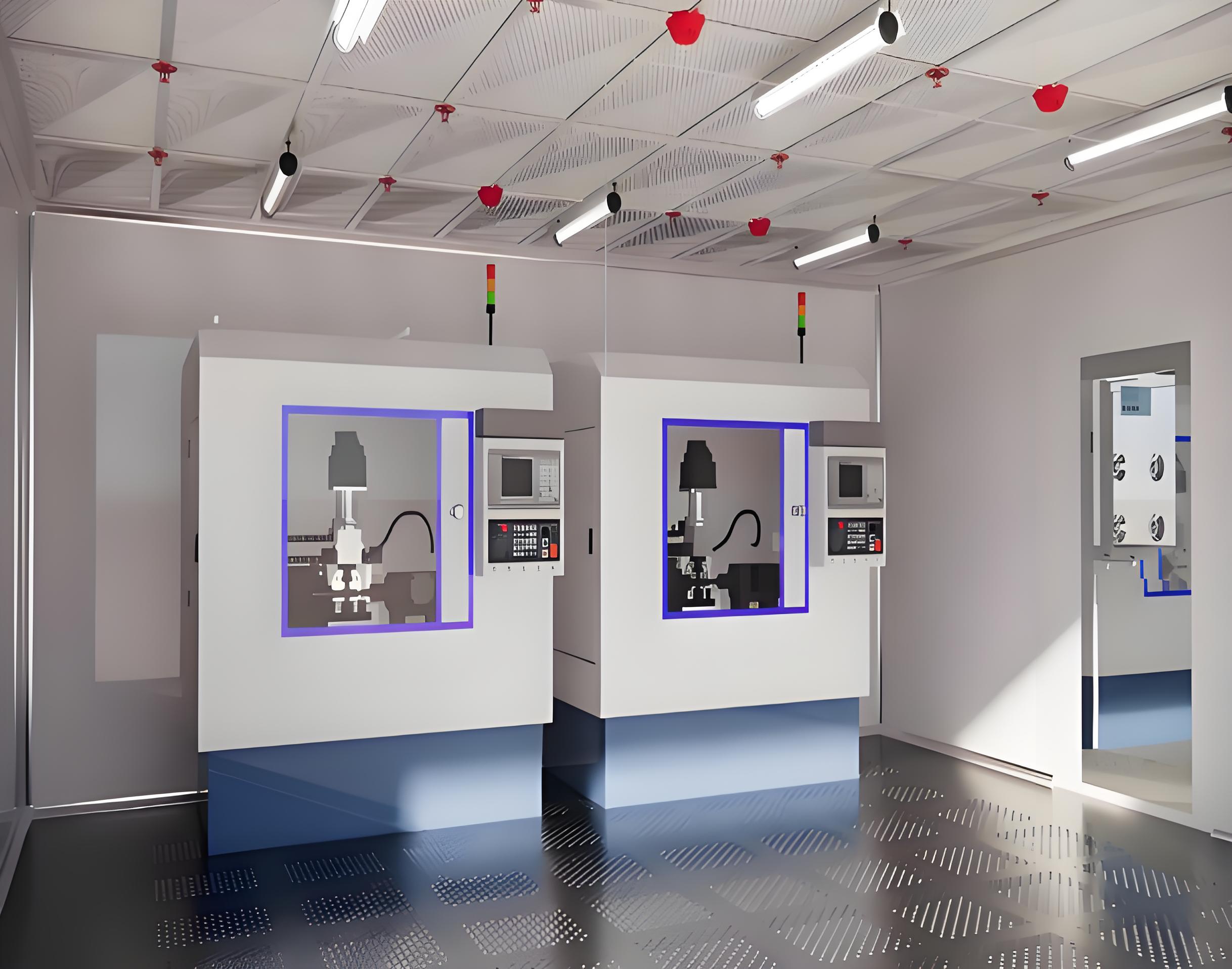
Contamination control within a cleanroom environment represents the intersection of mechanical engineering, microbiological science, and operational discipline. For industries ranging from parenteral drug formulation to advanced lithography, the cleanroom is not merely a facility—it is the primary process barrier between product integrity and batch rejection. This article examines the engineering principles, classification frameworks, and monitoring methodologies that define contemporary cleanroom operations, with particular attention to failure modes that compromise aseptic conditions.
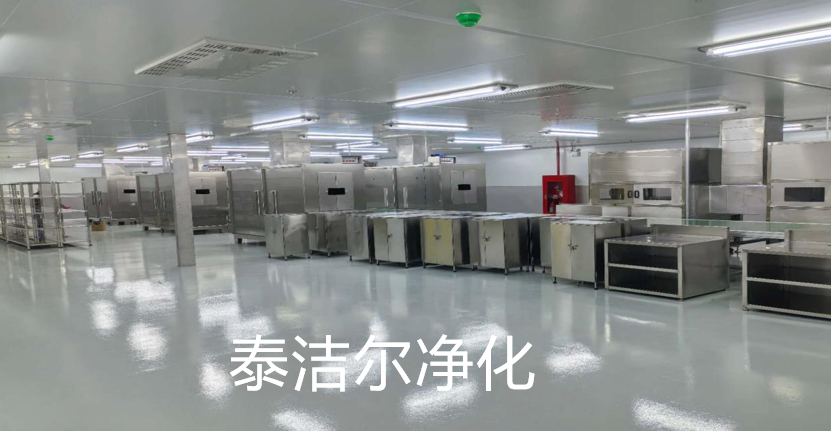
Particle deposition within a cleanroom follows aerodynamic principles that directly influence facility layout and airflow design. Sub-micron particles, typically 0.3 to 5.0 micrometres in diameter, remain suspended in air currents until they encounter a surface or are captured by filtration. The Stokes number and settling velocity of these particles dictate that even minor turbulence can redistribute contaminants across critical work zones. A well-engineered cleanroom minimises particle recirculation through unidirectional airflow, maintaining velocities between 0.3 and 0.5 metres per second in ISO Class 5 environments. This velocity range balances particle sweep efficiency with operator comfort, a parameter that TAI JIE ER integrates into its modular cleanroom systems through computational fluid dynamics modelling during the design phase.
Personnel remain the dominant contamination source in occupied cleanrooms, contributing approximately 75% to 80% of airborne particles. Skin flakes, cosmetics, respiratory droplets, and textile fibres from non-compliant garments all introduce viable and non-viable particles. Process equipment generates secondary contamination through mechanical abrasion, lubrication outgassing, and thermal degradation of seals. Raw materials, particularly powders and viscous liquids, present a third vector when transfer procedures lack adequate containment. Mitigating these sources requires a layered approach: gowning protocols, material pass-through systems, and equipment maintenance schedules that align with TAI JIE ER operational guidelines for contamination risk assessment.
Maintaining positive pressure differentials between adjacent zones prevents contaminated air from migrating into higher-grade areas. A typical cascade ranges from 15 to 30 Pascals between ISO Class 8 and ISO Class 7 spaces, increasing to 40 to 50 Pascals for ISO Class 5 areas. Pressure differentials must be monitored continuously, with alarms triggered when deviations exceed ±5 Pa. Air change rates correlate directly with cleanliness classification: ISO Class 5 requires 240 to 360 air changes per hour, while ISO Class 8 operates at 20 to 60 changes per hour. These rates are calculated based on particle generation rates and filter efficiency, not arbitrarily assigned—a principle that distinguishes performance-based cleanroom design from prescriptive approaches.
The ISO 14644-1 standard defines cleanroom classification by maximum permitted particle concentrations for specified size ranges. For ISO Class 5, the limit is 3,520 particles per cubic metre for particles ≥0.5 micrometres, and 29 particles per cubic metre for particles ≥5.0 micrometres. ISO Class 7 permits 352,000 particles ≥0.5 micrometres and 2,930 particles ≥5.0 micrometres. These numerical thresholds are not arbitrary; they derive from empirical studies correlating particle counts with product defect rates in semiconductor and pharmaceutical processes. Classification must be verified in both "as-built" (facility empty, filters operational), "at-rest" (equipment installed but not operating), and "operational" (full production simulation) states. The operational state presents the most stringent test, as personnel activity and process emissions are fully engaged.
A facility that achieves ISO Class 5 during at-rest testing may fail to maintain that classification during production due to operator movements, material transfers, or equipment heat plumes. This discrepancy has prompted regulators to emphasise operational classification as the sole relevant metric for product release. Dynamic testing requires simulating worst-case personnel numbers and process activities, with particle counters positioned at critical working heights. Results from dynamic testing inform gowning changes, workflow adjustments, and even batch size limitations. TAI JIE ER provides dynamic classification support through on-site validation services, ensuring that measured performance matches real-world production demands.
The heating, ventilation, and air conditioning (HVAC) system for a cleanroom differs fundamentally from conventional building systems. Recirculation air handlers, not once-through outdoor air, form the backbone of cleanroom HVAC, with 80% to 95% of supply air being recirculated after filtration. This recirculation reduces energy consumption while maintaining consistent particle control. Terminal HEPA filters (or ULPA filters for ISO Class 4 and above) are positioned at the point of air delivery, ensuring that no contamination is introduced downstream of the final filtration stage. Fan-filter units (FFUs) provide modular filtration capacity, allowing incremental addition or removal of filtration modules as cleanroom area requirements change.
Temperature stability is critical for processes sensitive to thermal expansion or chemical reaction rates. Most cleanrooms maintain 20°C ± 1°C, with relative humidity controlled between 45% and 55% to prevent electrostatic discharge and microbial growth. Humidity deviations above 60% promote mould proliferation on surfaces, while levels below 30% increase static electricity, attracting particles to product surfaces. Desiccant dehumidifiers or chilled-water cooling coils are employed depending on climatic conditions; the choice between these technologies affects both capital expenditure and operational flexibility. Sensor placement must account for stratification effects, with multiple sensors deployed at different heights to capture thermal gradients.
Continuous monitoring of particle counts, differential pressure, temperature, and humidity provides real-time visibility into cleanroom performance. Monitoring systems must meet the data integrity requirements of 21 CFR Part 11 for pharmaceutical applications, including audit trails, user access controls, and time-stamped records. Particle counters should be positioned at locations identified through risk assessment, typically near product exposure points and material transfer areas. Isokinetic sampling probes ensure that particle counters capture representative samples without distorting airflow patterns.
Viable particle monitoring—detecting bacteria, mould, and yeast—requires different methodologies than non-viable particle counting. Active air samplers (impaction or impingement devices) and settle plates (passive deposition) are both employed, with the choice dictated by the desired sensitivity and the nature of the manufacturing process. Settle plates exposed for 4 hours provide a qualitative measure of microbial fallout, while active samplers quantify airborne viable particles in colony-forming units per cubic metre. Surface monitoring via contact plates or swabs complements air sampling, detecting contamination that has settled on work surfaces or equipment. Interpretation of microbiological data must consider the recovery efficiency of the sampling method, as certain organisms (particularly stress-tolerant species) may be undercounted if agar composition or incubation conditions are suboptimal.
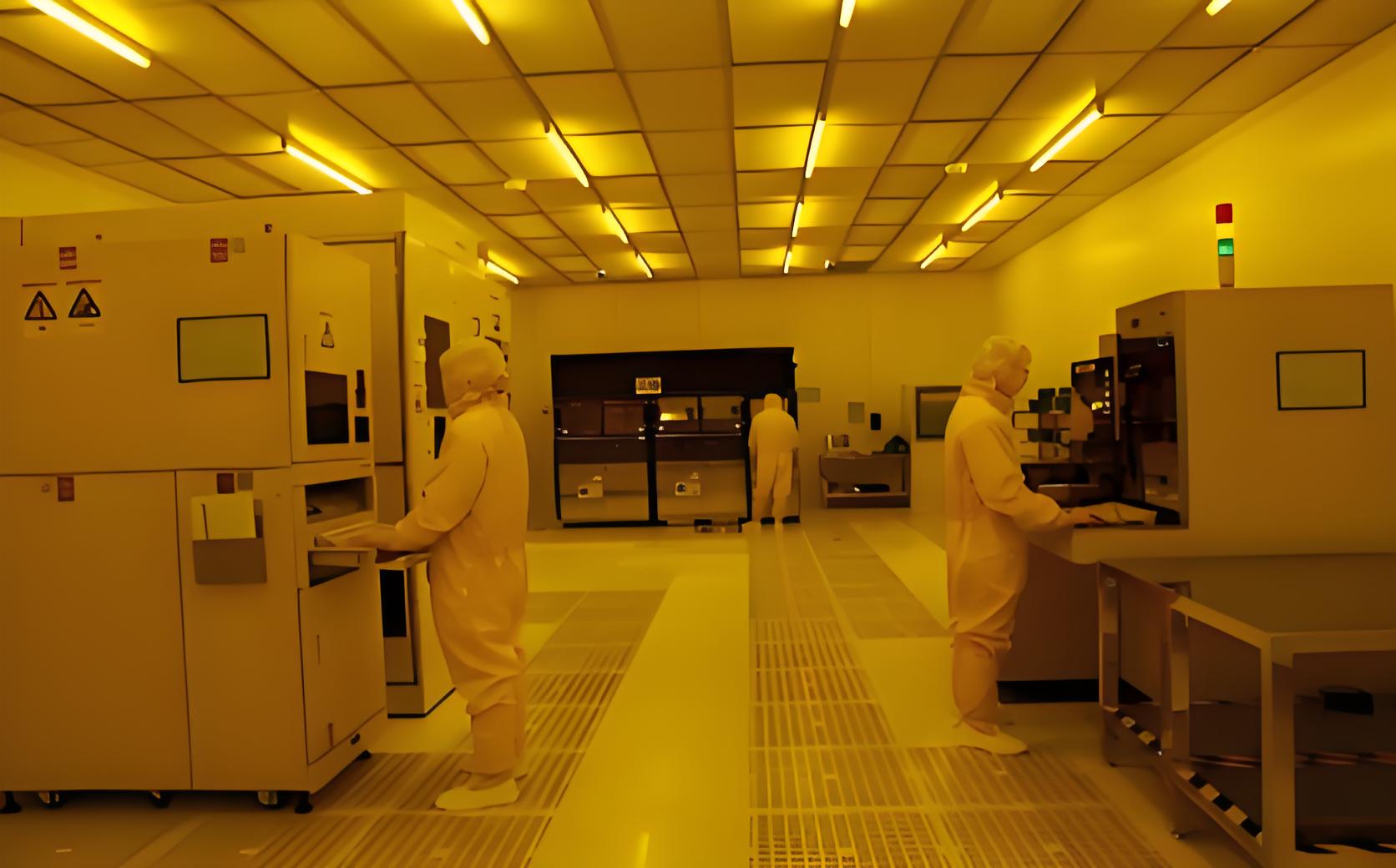
Airflow obstruction represents one of the most frequently overlooked cleanroom failures. Equipment placed too close to diffusers disrupts unidirectional flow, creating eddies where particles accumulate. Similarly, excessive personnel movement through critical zones introduces transient turbulence that resuspends settled particles. Material transfer protocols—particularly the introduction of non-sterile items into aseptic areas—demand rigorous pass-through systems with interlocked doors and UV irradiation or chemical decontamination. Each of these failure modes can be addressed through standard operating procedures, but SOPs alone are insufficient; engineering controls (airlocks, velocity monitors, and automated door interlocks) provide a more robust defence than procedural measures.
Filter integrity testing, performed via photometer scanning or particle challenge tests, ensures that HEPA filters have not developed pinhole leaks or seal failures. Leak detection should be conducted annually or after any maintenance that disturbs filter housings. The standard aerosol test uses poly-alpha-olefin (PAO) or diethylhexyl sebacate (DEHS) challenge particles, with upstream and downstream concentrations compared to calculate penetration. A penetration exceeding 0.01% for HEPA filters indicates a breach requiring immediate replacement or repair. Documentation of all filter testing, along with pressure differential trends, forms a critical component of regulatory inspections.
Q1: What particle size is most relevant for cleanroom monitoring in
pharmaceutical production?
A1: For pharmaceutical aseptic
processing, the 0.5 micrometre particle size is the primary monitoring metric
under ISO 14644, as it correlates with bacterial spore sizes and aerodynamic
behaviour similar to microbial contaminants. However, for specific processes
like vial filling, 5.0 micrometre particles are also counted because they
indicate mechanical wear or fibre release. The choice depends on the nature of
the product and the critical quality attributes defined in the manufacturing
process validation.
Q2: How frequently should cleanroom air change rates be
verified?
A2: Air change rates should be verified during initial
certification, after any HVAC modification, and at least annually as part of
routine requalification. For high-risk operations (ISO Class 5 or stricter),
semi-annual verification is recommended. Measurement is performed using an
anemometer or thermal velocity probe at multiple points across the filter face,
with the average velocity multiplied by the filter area to determine total
volumetric flow, then divided by room volume to calculate air changes per
hour.
Q3: What gowning practices are required for ISO Class 7 versus ISO
Class 5 cleanrooms?
A3: ISO Class 7 allows the use of two-piece
coveralls, hoods, and shoe covers, with non-shedding fabric such as
polyester-cotton blends. ISO Class 5 demands one-piece coveralls with integrated
hoods and boots, full face masks, and double-gloving. The glove material for ISO
Class 5 must be powder-free and sterilised, with integrity testing performed by
visual inspection and leak testing. Gowning sequence must minimise the
transition from non-sterile to sterile zones, typically incorporating an air
shower and multiple gowning rooms for sequential dressing.
Q4: Can modular cleanrooms achieve the same performance as
conventional stick-built facilities?
A4: Modular cleanrooms can
achieve equivalent or superior performance to conventional construction when
properly engineered. Prefabricated panels with factory-sealed joints eliminate
leakage paths common in site-built construction. The primary advantage is
installation speed and design flexibility; modular systems can be reconfigured
as production needs change. Performance validation follows identical protocols
regardless of construction method, so classification outcomes depend more on
HVAC design and operational discipline than on building method.
Q5: What is the acceptable pressure differential between a cleanroom
and the adjacent corridor?
A5: The acceptable differential depends
on the cleanroom grade and the corridor classification. Typically, a positive
differential of 10 to 15 Pascals is maintained between a cleanroom and a
lower-grade adjacent space. For ISO Class 5 areas adjacent to ISO Class 7 areas,
a differential of 15 to 20 Pascals is common. The differential must be
sufficient to override door-opening disturbances and prevent reverse airflow,
but not so high as to make doors difficult to operate or cause air whistling
through gaps. Continuous monitoring with alarms for ±5 Pa deviation is standard
practice.
Q6: How do you validate a cleanroom's performance after a power
outage?
A6: After any power interruption affecting the HVAC system,
requalification must be performed before production resumes. The requalification
includes particle counting (non-viable and viable), airflow velocity
measurement, pressure differential checks, and filter integrity testing if the
outage exceeded the system's designed recovery time. A structured recovery plan
should specify the maximum allowable outage duration before requalification
becomes mandatory. Typically, outages exceeding 30 minutes for ISO Class 5 areas
require full requalification, while ISO Class 7 areas may tolerate up to 60
minutes depending on the risk assessment.
Q7: What alternatives exist to formaldehyde fumigation for
biodecontamination?
A7: Hydrogen peroxide vapour (HPV), chlorine
dioxide gas, and ozone are common alternatives to formaldehyde. HPV is widely
adopted due to its good material compatibility and decomposition into water and
oxygen. Chlorine dioxide offers broader sporicidal activity but requires
specialised generation equipment. Ozone decomposes rapidly but may affect
certain elastomers. The selection depends on the room's construction materials,
the types of equipment present, and the desired cycle time. All alternatives
require validation using biological indicators (Geobacillus stearothermophilus
spores) placed at multiple locations to verify lethality.
For engineering support, validation guidance, or modular cleanroom solutions tailored to your specific process requirements, contact TAI JIE ER to discuss your project specifications. Our technical team provides design consultation, on-site validation, and performance optimisation services for cleanroom projects across pharmaceutical, semiconductor, and medical device sectors.