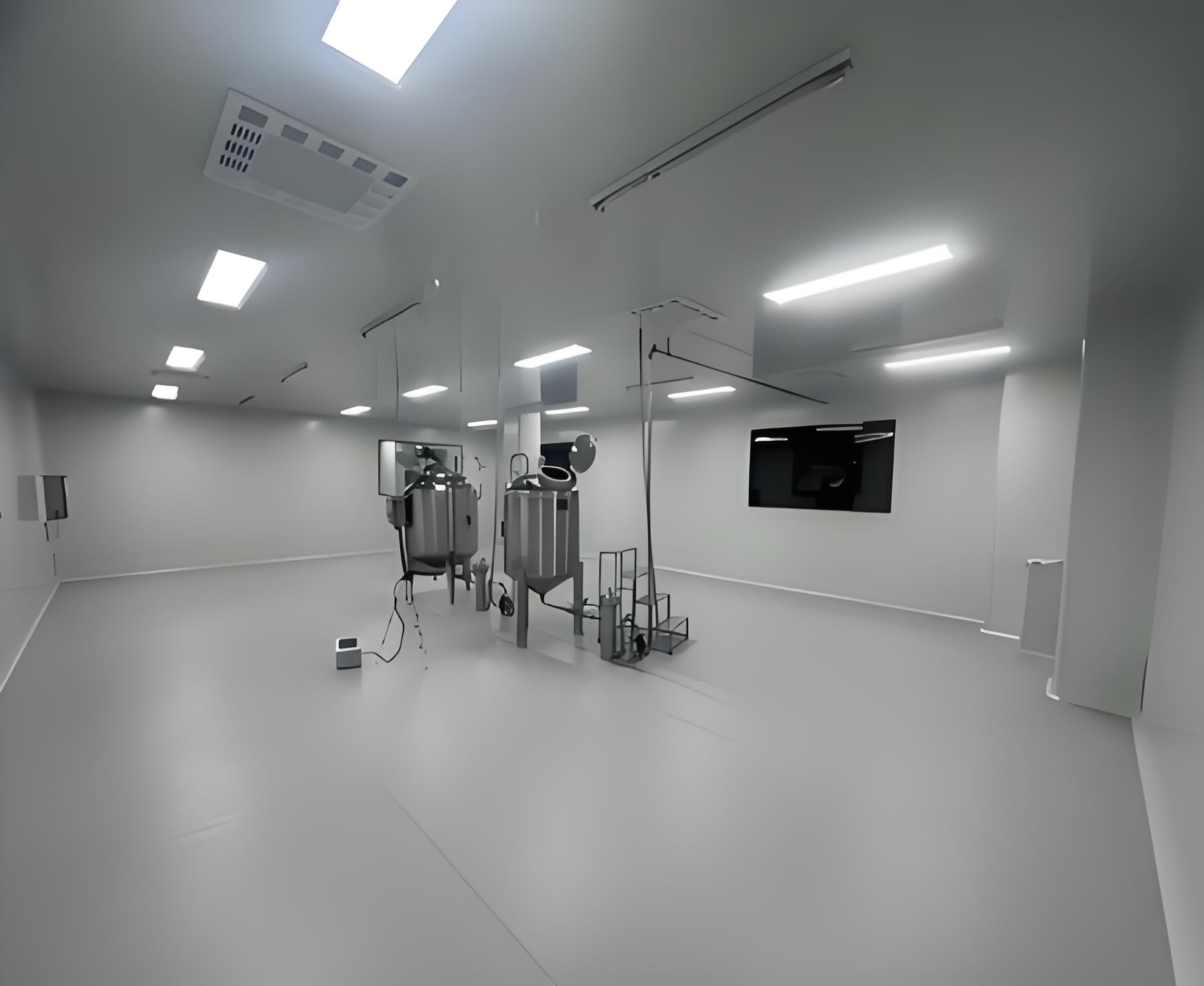
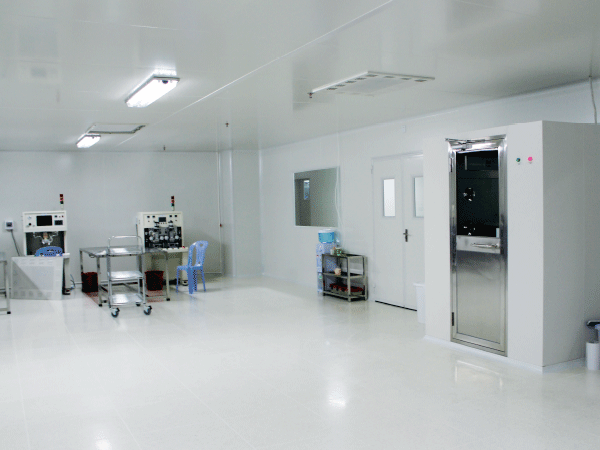
Industrial manufacturing, pharmaceutical processing, and high-precision electronics fabrication demand rigorous environmental control. Microscopic airborne particulates, microbial contaminants, and fluctuating humidity levels can compromise product yield, violate regulatory standards, and pose safety hazards. To address these operational challenges, facility engineers rely on specialized heating, ventilation, and air conditioning (HVAC) configurations. Implementing a robust Central air conditioning system purification project is the primary method for establishing and maintaining the sterile, highly controlled environments required in these advanced sectors.
Designing such systems requires a meticulous understanding of fluid dynamics, filtration science, and thermodynamics. These installations are far more complex than commercial comfort cooling systems. They must continuously control airborne particulate concentration, room pressure, temperature, relative humidity, and airflow patterns. In this comprehensive engineering analysis, we examine the structural specifications, component configurations, and validation protocols that define high-performing industrial air purification projects.
When executing these complex systems, partnering with an experienced engineering firm is a key factor. Organizations such as TAI JIE ER provide the necessary specialized design, fabrication, and commissioning expertise to ensure cleanroom installations comply with strict international quality standards.
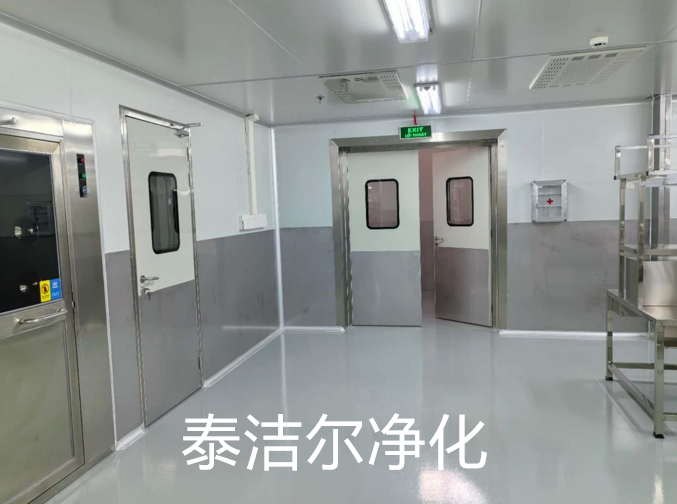
To establish a controlled environment, the HVAC system must perform three primary functions: remove suspended particulates, prevent external contamination from entering the clean zone, and dilute internally generated contaminants. These objectives are achieved through specific physical mechanisms.
The elimination of airborne particulates depends on a cascading multi-stage filtration design. This progressive configuration protects high-efficiency filters from premature dust loading, optimizing system life and maintaining consistent airflow resistance.
Primary Filtration (G3 to G4 / MERV 8): These pre-filters capture large particulates, including coarse dust, fibers, and insects, protecting downstream mechanical components.
Medium-Efficiency Filtration (F7 to F9 / MERV 13-14): Positioned before the heating and cooling coils, these filters capture sub-micron particles, reducing soot and atmospheric dust accumulation on heat exchangers.
High-Efficiency Particulate Air (HEPA) Filtration (H13 to H14): Installed at the supply duct terminal, HEPA filters capture at least 99.97% of particles as small as 0.3 micrometers. For ultra-clean spaces, Ultra-Low Penetration Air (ULPA) filters are utilized, achieving efficiencies up to 99.999% for 0.12-micrometer particulates.
The movement of air within a clean zone determines how quickly contaminants are purged. Airflow patterns generally fall into two categories:
Unidirectional (Laminar) Flow: Utilized in high-cleanliness environments (ISO Class 1 to ISO Class 5). Air flows in a single, parallel path at a uniform velocity (typically 0.3 to 0.5 meters per second), pushing contaminants directly toward the floor or return air grilles without turbulence.
Non-Unidirectional (Turbulent) Flow: Standard in ISO Class 6 to ISO Class 9 environments. Clean air enters through ceiling diffusers, mixing with existing room air to dilute contaminant concentrations before exiting through low-level wall return grilles.
Controlling airflow direction between adjacent rooms requires maintaining distinct pressure zones. Positive pressure (typically +10 to +15 Pascals relative to adjacent spaces) is maintained in standard cleanrooms to prevent dirty external air from entering when doors are opened. Conversely, negative pressure is used in biosafety laboratories and hazardous processing facilities to keep dangerous agents or toxic dust contained within the room for safe extraction.
A well-engineered Central air conditioning system purification project relies on high-grade mechanical components designed to withstand continuous operation while minimizing particulate generation.

The AHU is the heart of the system. For purification projects, AHUs require specialized construction features:
Double-Wall Casing: Standard units utilize polyurethane or rockwool sandwich panels encased in galvanized or stainless steel sheets. This design prevents thermal bridging, resists high static pressures, and facilitates sanitization.
Direct-Drive Fan Systems: Traditional belt-driven fans are avoided because belt wear generates particulate contamination. Direct-drive plug fans equipped with Variable Frequency Drives (VFDs) are the industry standard, allowing precise fan speed adjustments as filters load.
Corrosion-Resistant Drain Pans: Condensate drain pans are sloped and made of high-grade stainless steel to prevent standing water, which can become a breeding ground for biological contaminants.
Ductwork must remain completely sealed to prevent clean air leakage and untreated air infiltration. Key engineering requirements include:
Material Selection: Galvanized steel sheet metal is the standard material, with stainless steel or specialized plastics used in environments handling corrosive chemical vapors.
Aerosol Tightness: Duct joints must be sealed using high-durability, non-outgassing sealants. Pressure tests must conform to high-pressure classifications (e.g., SMACNA Class 3 or Class 4 leakage limits).
Thermal Insulation: Exterior duct surfaces are wrapped with closed-cell elastomeric foam insulation to prevent condensation, which can lead to mold growth and duct corrosion.
Terminal filter housings sit at the boundary between the mechanical system and the cleanroom. They must be completely leak-proof. Modern installations utilize liquid gel seals or high-durability neoprene gaskets to seal the filter frame against the housing, preventing unfiltered air from bypassing the media.
Executing a Central air conditioning system purification project requires a systematic design process to ensure performance targets are achieved without waste.
Engineers must first define the required cleanliness class (e.g., ISO Class 7, GMP Grade B) and set target operating limits for temperature, humidity, and pressure differentials. These targets are based on the specific industrial processes taking place within the clean space.
The engineering team calculates sensible and latent heat loads from equipment, lighting, personnel, and building transfer. Air change rates are then established. For example, an ISO Class 8 room might require 15 to 25 air changes per hour (ACH), while an ISO Class 6 space may need 50 to 90 ACH to maintain target particulate levels.
Using the calculated air volumes, engineers design the layout of supply air diffusers and return air grilles. They position return grilles near the floor to pull particulates downward, away from the work surface, avoiding dead zones where air can stagnate.
Cleanroom environments require continuous, automated adjustments. Direct Digital Control (DDC) systems monitor environmental variables—such as temperature, relative humidity, room pressure, and filter resistance—using high-accuracy sensors, adjusting VFDs and control valves in real time to maintain stable operating conditions.
Different industrial sectors have highly specific requirements for air purification, demanding customized engineering designs.
| Industry Sector | Cleanliness Classification | Primary Environmental Priorities | Key Engineering Challenges |
|---|---|---|---|
| Pharmaceutical & Biotech | GMP Grade A to D (ISO 5 to 8) | Sterility, microbial control, zero cross-contamination | Frequent sanitization, bio-burden monitoring, pressure cascades |
| Semiconductor & Electronics | ISO Class 1 to 5 | Sub-micron particulate control, static dissipation | High airflow volumes, ultra-low relative humidity control, vibration isolation |
| Medical Device Manufacturing | ISO Class 7 to 8 | Particulate and bio-burden control | Moisture control, consistent pressure differentials, material handling transitions |
In pharmaceutical plants, preventing microbial contamination is the primary goal. The central HVAC design must support clean-in-place operations and tolerate aggressive chemical sanitizing agents. For electronics manufacturing, the focus shifts to removing inert mineral dust and managing electrostatic hazards by keeping relative humidity within a tight, constant range.
A purification project is only complete when it is validated to confirm it meets all engineering and regulatory specifications. Cleanroom validation is performed through a structured sequence of checks.
Installation Qualification (IQ): Verifies that all mechanical equipment, ductwork, filters, and control components have been installed in strict accordance with the approved engineering drawings and specifications.
Operational Qualification (OQ): Tests the system under "at-rest" conditions to verify that all components operate as intended. This includes testing fan curves, control loops, alarms, and pressure differential stability.
Performance Qualification (PQ): Demonstrates that the system consistently maintains the required cleanliness, temperature, and humidity levels under dynamic "in-operation" conditions with equipment and personnel active in the room.
To preserve cleanroom integrity over time, operators must establish a rigorous preventive maintenance schedule. The engineering team at TAI JIE ER provides comprehensive validation documentation and structured maintenance schedules, helping clients protect their investments and maintain regulatory compliance. Preventive maintenance typically includes:
Filter Integrity Testing: HEPA filters are periodically tested using photometer-based aerosol challenges (such as PAO or DOP testing) to locate and seal any leaks in the filter media or frame gaskets.
Air Velocity and Airflow Pattern Verification: Anemometer testing is conducted to ensure supply air velocities remain within specified ranges to maintain unidirectional flow.
Differential Pressure Audits: Calibrated pressure transmitters are checked regularly to ensure correct pressure balances are maintained between clean zones.
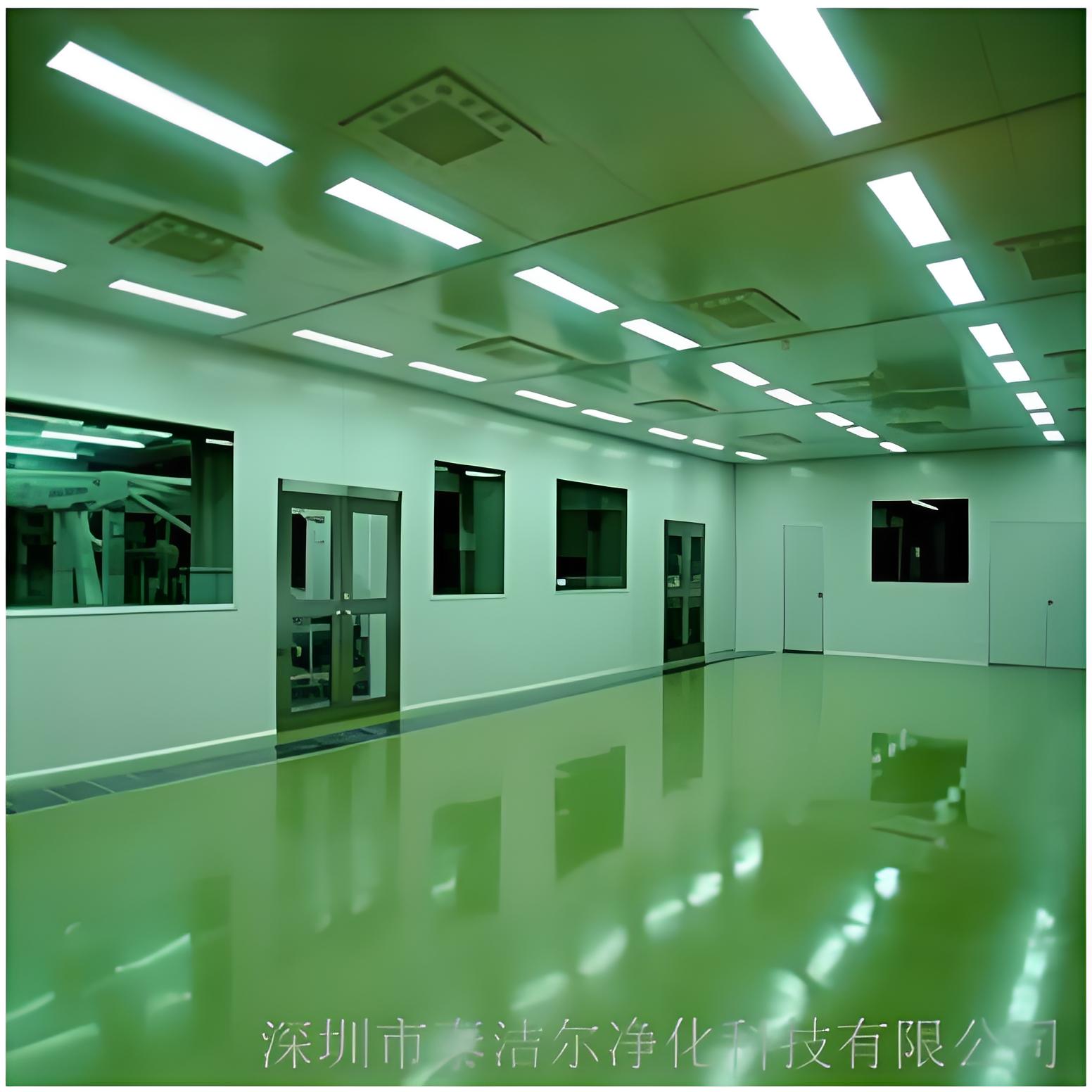
Designing a high-performance Central air conditioning system purification project requires solving several complex engineering trade-offs.
Cleanrooms require high air change rates, which can consume significant fan energy. Engineers address this by using premium-efficiency EC (electronically commutated) motors and integrating low-pressure-drop filters. They also design variable-airflow systems that reduce circulation rates during non-operational hours while maintaining positive pressure, helping to control utility costs.
Processes that generate high humidity or require low moisture levels (such as lithium-battery assembly or effervescent tablet manufacturing) demand specialized moisture removal. Traditional cooling coils may not be sufficient. In these cases, engineers integrate solid desiccant rotor systems into the AHU, using dry chemical adsorption to achieve extremely low dewpoints.
Large air handling systems generate significant noise and vibration. If unmitigated, these vibrations can interfere with high-precision manufacturing equipment, such as photolithography systems or sensitive laboratory scales. Engineers resolve this by installing spring vibration isolators under heavy fans, using flexible duct connectors, and adding duct silencers along the main supply and return paths.
A reliable air purification system requires a meticulous approach that integrates air filtration, pressure control, airflow distribution, and automation. By adhering to international ISO standards and employing robust mechanical designs, facilities can establish highly stable environments that protect product quality, satisfy regulatory audits, and ensure operator safety. Successfully executing these systems requires careful coordination from the early planning stages through to final validation and long-term maintenance.
For detailed assistance with your cleanroom design, airflow analysis, or filter configuration, please submit an Inquiry. Our engineering team is ready to analyze your project specifications and deliver a reliable environmental control solution.
Q1: What is the main difference between a standard commercial HVAC system and a central air conditioning system purification project?
A1: Commercial HVAC systems focus primarily on controlling temperature and basic ventilation for human comfort. In contrast, a purification project controls particulate count, relative humidity, air pressure, and airflow patterns to meet strict cleanliness standards (such as ISO classifications), requiring multi-stage filtration (including HEPA/ULPA), higher air change rates, and precise positive/negative pressure management.
Q2: How often should HEPA filters be replaced in a cleanroom purification system?
A2: HEPA filter lifespans depend on the efficiency of the upstream pre-filters (G4 and F8) and the dust load of the facility. Typically, terminal HEPA filters in cleanrooms last between 3 to 5 years, provided the pre-filters are replaced regularly (G4 every 1 to 3 months, and F8 every 6 to 12 months) and differential pressures are monitored continuously.
Q3: Why is positive differential pressure important in cleanrooms?
A3: Positive differential pressure ensures that air flows out of the cleanroom rather than into it when doors are opened or when minor structural leaks exist. This outward air velocity prevents untreated, contaminated air from adjacent lower-grade spaces from infiltrating the clean zone.
Q4: How do you choose between unidirectional (laminar) and non-unidirectional (turbulent) airflow?
A4: Unidirectional airflow is chosen for high-cleanliness environments (ISO Class 5 / Grade A and cleaner) to prevent particle settling and immediately sweep contaminants out of the workspace. Non-unidirectional airflow is chosen for ISO Class 6 to 9 spaces where dilution of particulates through high air changes is sufficient to maintain the required cleanliness levels.
Q5: What standard is used to validate the performance of cleanroom air purification projects?
A5: The primary international standard is ISO 14644 (specifically Parts 1 through 4), which defines cleanroom classifications, testing methods, and design guidelines. In the pharmaceutical sector, EU GMP Annex 1 and FDA guidelines are also used to govern validation and operational standards.