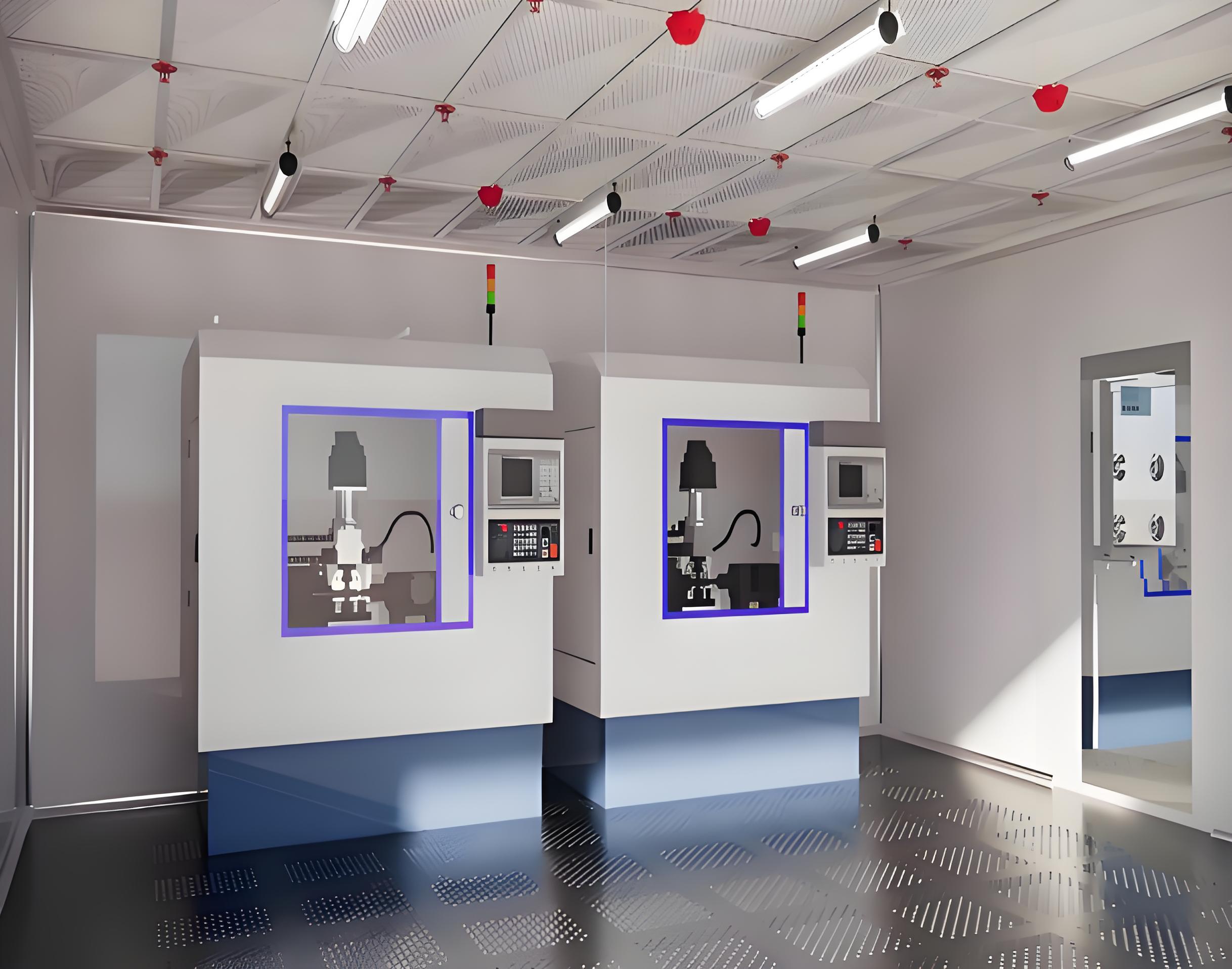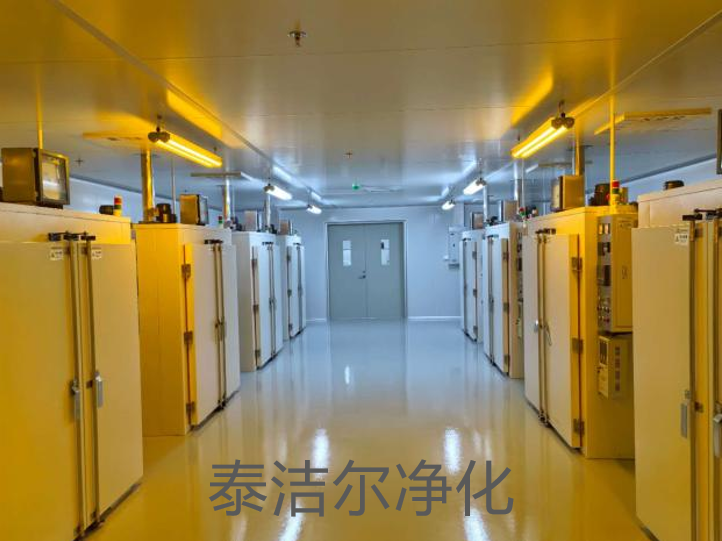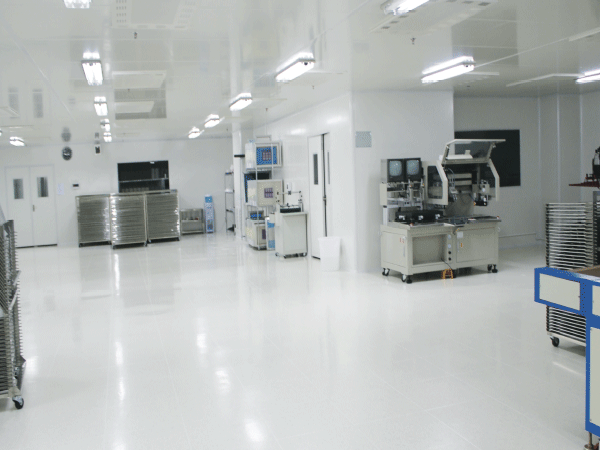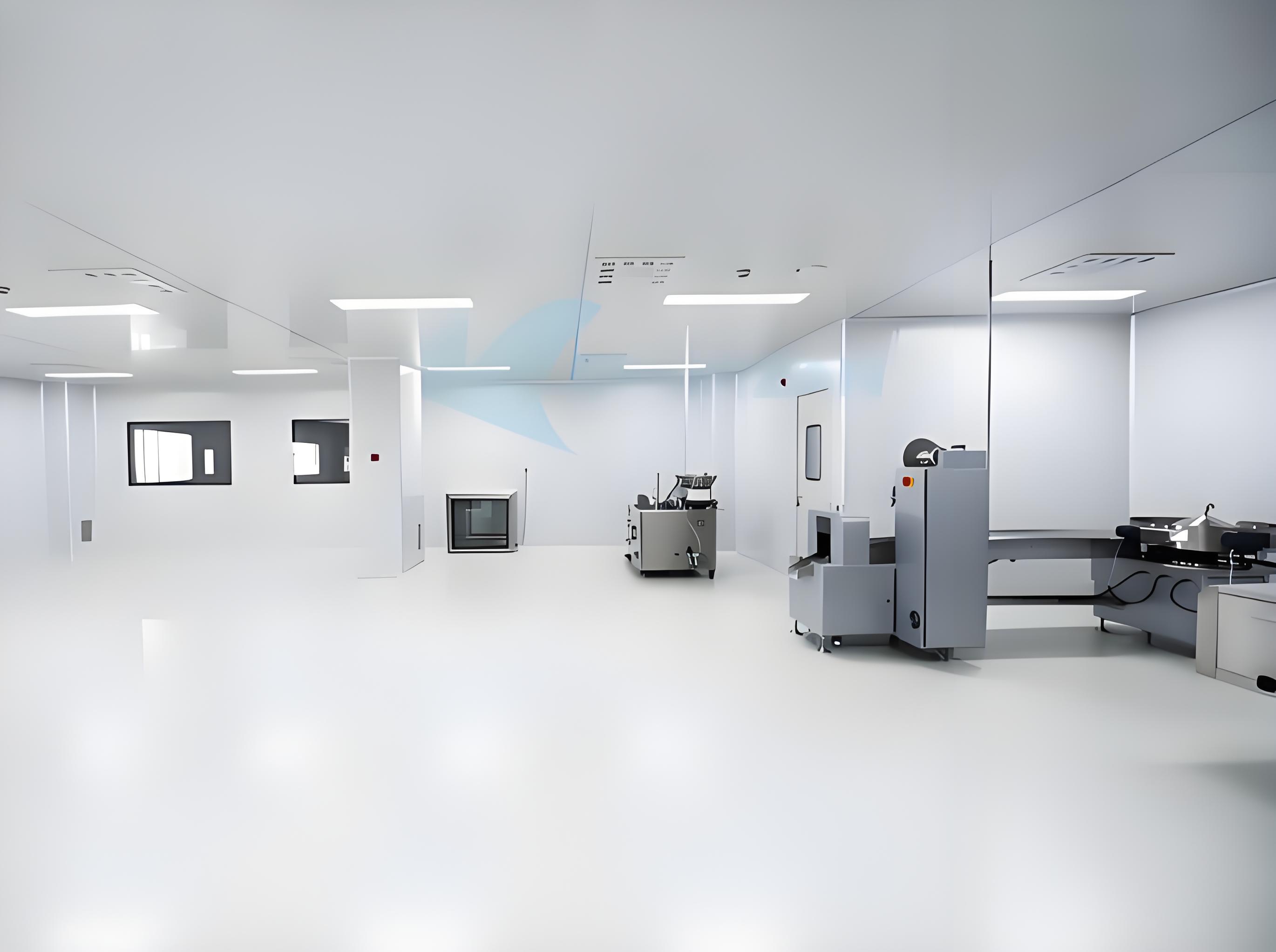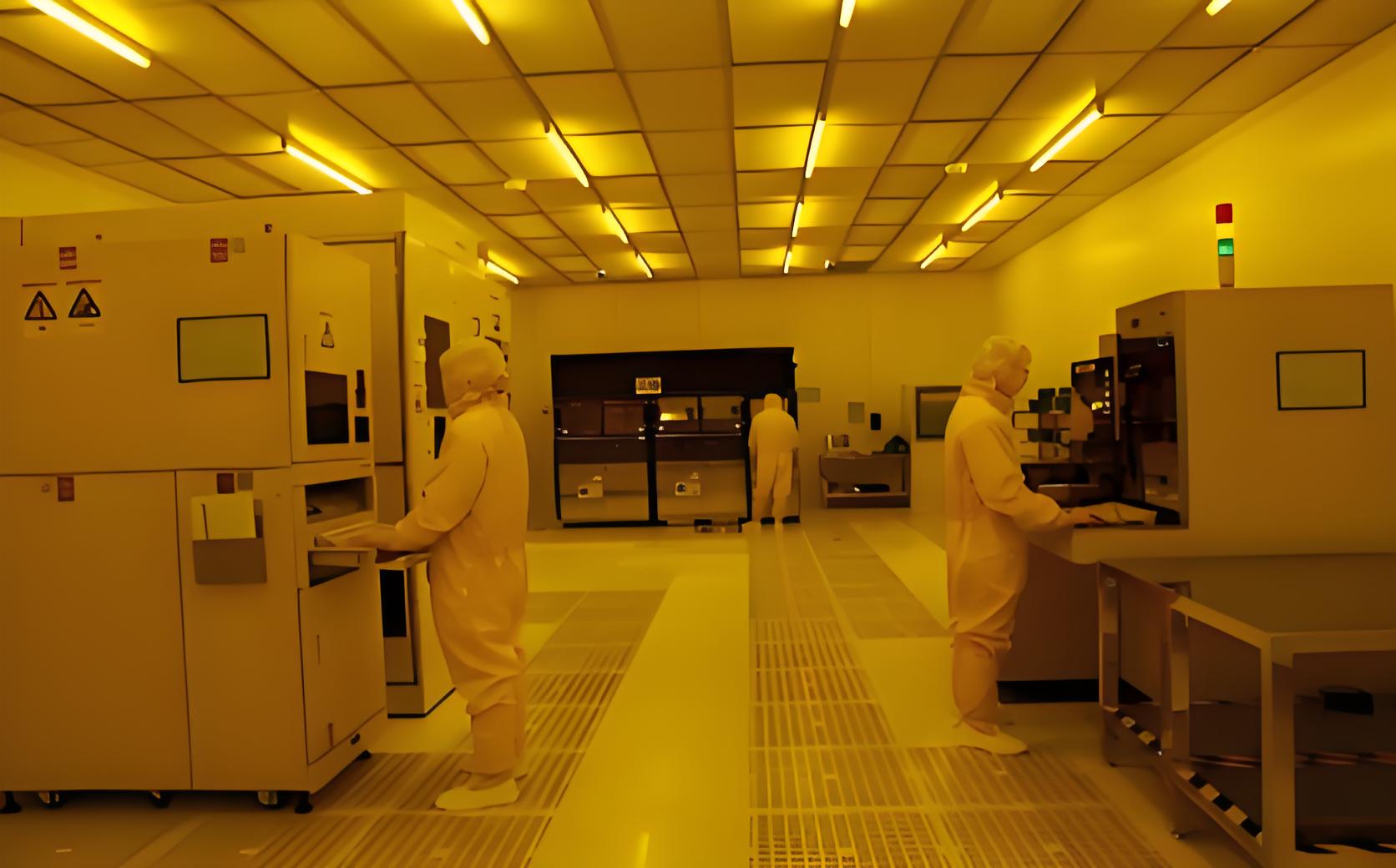
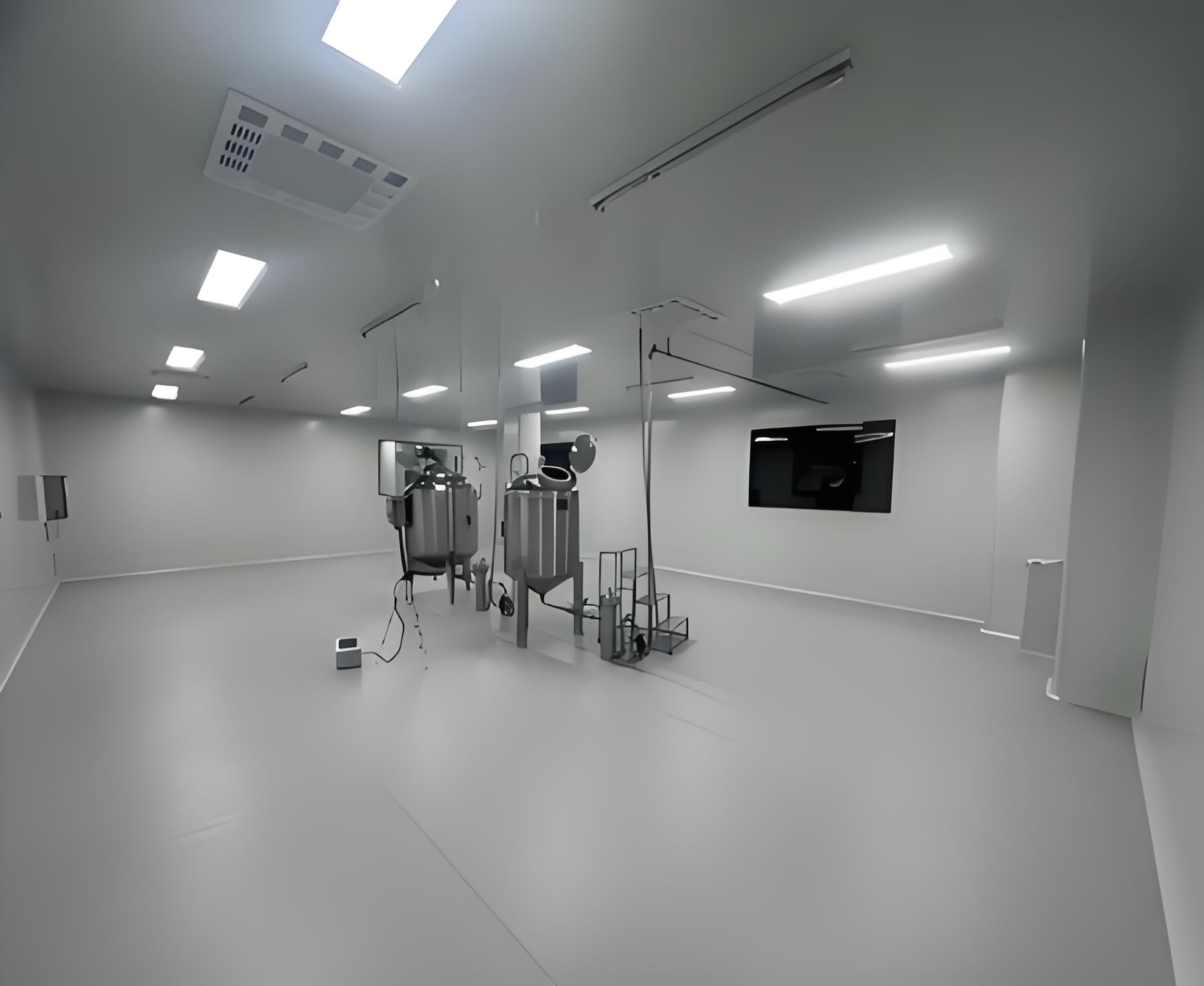
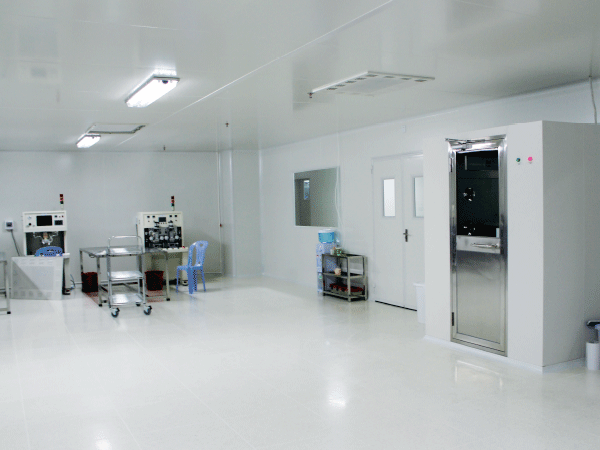
In the manufacturing of medical devices, contamination control is not merely an operational preference but a strict regulatory mandate. Producing devices ranging from surgical instruments to implantable pacemakers requires a controlled environment to mitigate the risk of particulate and microbial contamination. Implementing a high-performance Medical device purification project is the fundamental step to securing regulatory clearance, maintaining manufacturing consistency, and protecting patient safety. Cleanrooms designed for medical hardware must adhere to international guidelines, notably ISO 14644 and regional Good Manufacturing Practices (GMP). This detailed analysis reviews the engineering principles, architectural parameters, and operational protocols required to establish a compliant production environment.
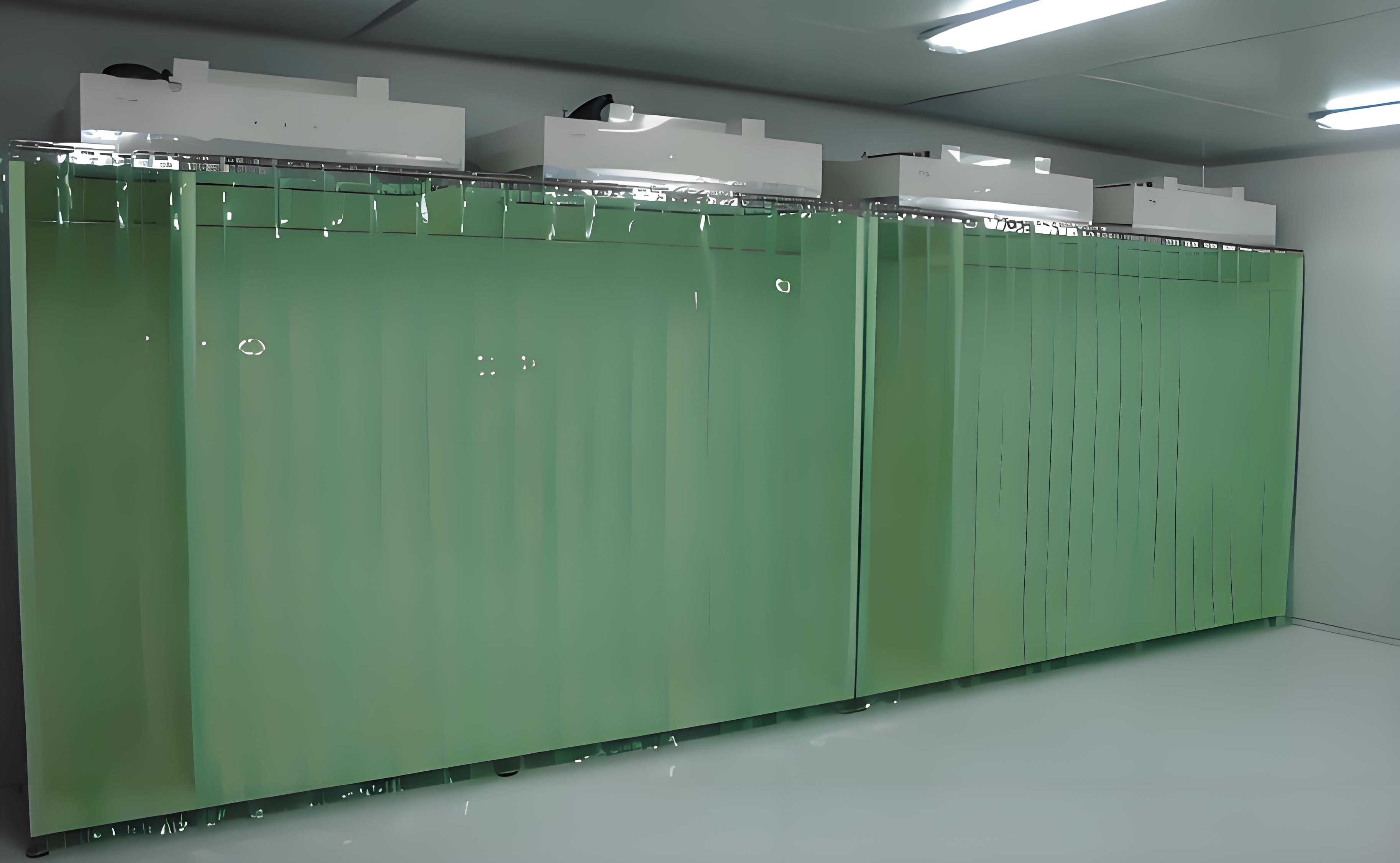
The regulatory pathway for medical hardware is determined by the classification of the device and its intended contact with the human body. Under the European Medical Device Regulation (MDR) and the United States Food and Drug Administration (FDA) guidelines, devices are divided into Class I, II, and III based on risk. The environmental cleanliness required for manufacturing these devices directly correlates with this classification.
For instance, non-invasive surgical tools may be manufactured in an ISO Class 8 environment. In contrast, orthopedic implants, intravascular catheters, and cardiac devices, which carry higher risk profiles, necessitate assembly within ISO Class 7 or even ISO Class 5 workstations. The primary cleanroom standard, ISO 14644-1, defines cleanliness based on maximum allowable concentrations of airborne particles per cubic meter:
ISO Class 5: Maximum of 3,520 particles/m³ for particles ≥ 0.5 µm. This is typically required for aseptic filling, sterile packaging, or highly sensitive assembly areas.
ISO Class 7: Maximum of 352,000 particles/m³ for particles ≥ 0.5 µm. This standard is common for general medical device assembly and preparation zones.
ISO Class 8: Maximum of 3,520,000 particles/m³ for particles ≥ 0.5 µm. This is utilized for primary packaging, raw material storage, and preparatory processes.
In addition to airborne particulates, GMP regulations establish stringent thresholds for viable microbial contamination. Systematic environmental monitoring is mandatory to ensure bioburden limits are never breached during production cycles.
The physical envelope of a cleanroom must act as an airtight barrier against external contaminants. The structural materials selected for walls, ceilings, and floors must resist mechanical wear, withstand intense sanitization regimens, and remain inert to chemical disinfectants.
Experienced engineering firms, such as TAI JIE ER, utilize specialized modular panel systems to construct cleanroom envelopes. Typically, double-sided color steel sandwich panels with core materials like aluminum honeycomb or rock wool are preferred due to their high load-bearing capacity, fire resistance, and superior thermal insulation properties. Key structural specifications include:
Surface Finishes: All wall and ceiling surfaces must be smooth, flat, and free of cracks or joints that could harbor microbes. All joints are sealed with medical-grade silicone. Coved profiles are installed at all wall-to-floor and wall-to-ceiling intersections to prevent dust accumulation and facilitate easy cleaning.
Flooring Systems: Self-leveling epoxy flooring or heavy-duty PVC sheet flooring is standard. These surfaces provide chemical resistance, anti-static properties, and a seamless finish capable of supporting heavy production equipment without cracking.
Airlocks and Pass-Through Systems: To prevent cross-contamination during material transfer and personnel movement, cleanrooms employ interlocking airlocks. Pass-through boxes equipped with ultraviolet (UV) sterilization lamps and mechanical or electronic interlocks are installed to allow the transfer of raw materials and finished parts without disrupting the internal pressure balance.
At the heart of any Medical device purification project is the Heating, Ventilation, and Air Conditioning (HVAC) system. The HVAC system is responsible for regulating temperature and relative humidity, maintaining a positive pressure cascade, and continuously filtering airborne particulates.
Air filtration is executed in a multi-stage process to protect downstream filters and ensure clean air delivery:
Primary Filtration: G4-grade pre-filters are installed at the fresh air intake to capture large particulates (typically > 10 µm) and protect the downstream coils and fans.
Medium-Efficiency Filtration: F7 or F9-grade bag filters are positioned within the air handling unit (AHU) to capture finer particulates (1 to 10 µm), extending the operational lifespan of the terminal filters.
Terminal High-Efficiency Filtration: High-Efficiency Particulate Air (HEPA) filters with a minimum efficiency of 99.97% or 99.99% at 0.3 microns are mandatory. These filters are positioned in the ceiling grid to distribute filtered air evenly into the cleanroom.
When sizing the air handling units for a Medical device purification project, engineers must calculate the optimal air changes per hour (ACPH) to ensure rapid particulate clearance. The required rate varies depending on the targeted cleanliness level:
For ISO Class 8 areas, an ACPH of 15 to 25 is typical to maintain baseline cleanliness.
For ISO Class 7 cleanrooms, the rate rises to 30 to 50 air changes per hour to handle the thermal load of machinery and personnel emissions.
ISO Class 5 zones require unidirectional laminar airflow with air velocities between 0.36 and 0.54 m/s to sweep contaminants away from active assembly zones.
To prevent the infiltration of dirty air from surrounding zones, a positive pressure gradient must be maintained. Generally, a minimum pressure differential of 10 to 15 Pascals is maintained between the cleanroom and adjacent unclassified spaces. Airlocks act as pressure buffers, ensuring that when doors are opened, air flows outward rather than inward. Pressure sensors and digital magnehelic gauges are installed at key partition walls to monitor these cascades in real-time.
Evaluating the success of a Medical device purification project relies heavily on validation phases. Regulatory bodies require documented evidence that the cleanroom performs within its specified limits. This process follows a systematic qualification lifecycle:
Design Qualification (DQ): Verification that the proposed cleanroom design, P&ID diagrams, and layout conform to ISO standards and GMP regulations.
Installation Qualification (IQ): Physical verification that all mechanical equipment, ductwork, wall panels, and monitoring systems have been installed according to the approved engineering blueprints and manufacturer specifications.
Operational Qualification (OQ): Testing the facility in an "at-rest" state to confirm that the HVAC, pressure controls, and filtration systems function as intended. This includes testing recovery times, airflow visualization (smoke tests), and differential pressure stability.
Performance Qualification (PQ): Testing the cleanroom in an "operational" state with personnel and manufacturing equipment active, verifying that particulate and microbial counts remain within specified thresholds over an extended period.
By collaborating with specialized system integrators like TAI JIE ER, medical manufacturers can ensure that their facilities pass these rigorous compliance audits smoothly and maintain stable production baselines.
In any complex Medical device purification project, maintaining stable relative humidity is a common challenge. Certain medical-grade polymers, diagnostic reagents, and drug-eluting coatings are highly sensitive to moisture. If the relative humidity rises above 50%, it can degrade raw materials or promote microbial growth. Conversely, low humidity (below 30%) increases the risk of electrostatic discharge (ESD), which can damage sensitive micro-electronic components in implantable devices.
To resolve this, specialized desiccant dehumidifiers or precision humidification systems are integrated into the main air handling unit. Furthermore, variable frequency drives (VFDs) are employed to stabilize temperature and humidity while optimizing power consumption, without compromising the cleanroom's positive pressure cascade.
Another challenge is cleanroom bioburden management. Even with high-efficiency air filtration, human operators remain the primary source of particulate and microbial contamination. Designing optimized gowning protocols, utilizing sterile, lint-free cleanroom garments, and establishing dedicated personnel flows are vital operational requirements that must be integrated into the initial facility layout.
Executing a medical cleanroom facility is a highly specialized task that cannot be handled by generic civil contractors. The precision required in balancing airflow, maintaining pressure cascades, and ensuring sterile surfaces demands deep engineering expertise. As an experienced cleanroom solutions provider, TAI JIE ER delivers end-to-end design, construction, and validation services tailored to the specific needs of medical device manufacturers. From structural modular panels to high-performance HVAC systems, each component is engineered to comply with ISO and GMP standards, minimizing regulatory risks and ensuring long-term operational stability.
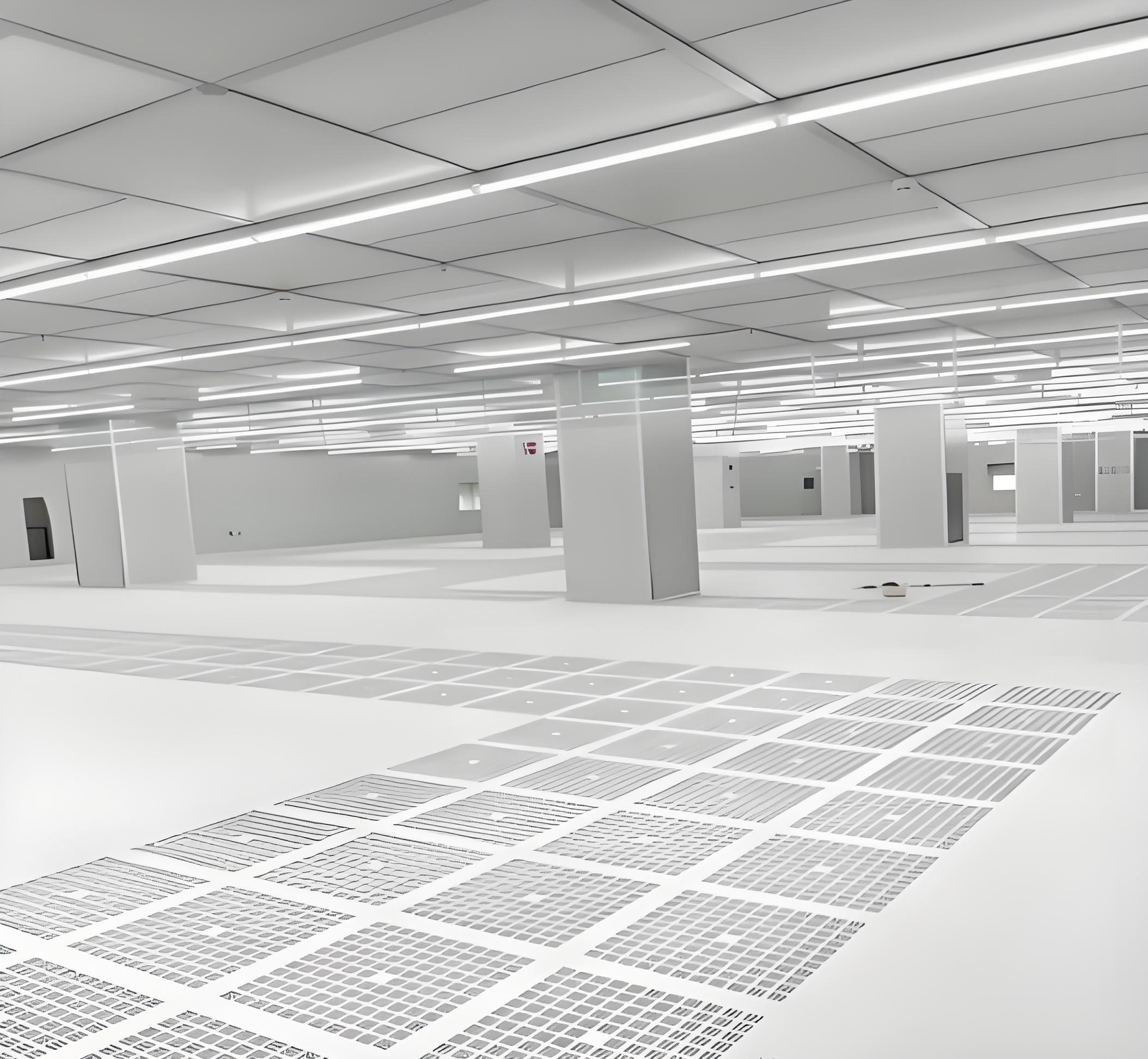
A well-designed Medical device purification project acts as the foundation of manufacturing quality for high-risk medical hardware. Implementing the appropriate cleanroom classification, selecting chemical-resistant construction materials, and optimizing the HVAC system for precise environmental control are fundamental steps in protecting patient safety and achieving regulatory compliance.
To consult with the engineering team at TAI JIE ER regarding your facility design, system upgrades, or validation requirements, please submit your inquiry today. Our experts are ready to review your project specifications and provide a detailed engineering proposal.
Q1: What is the recommended ISO classification for medical device packaging cleanrooms?
A1: Typically, the final packaging and sealing of sterile medical devices are conducted in an ISO Class 7 or ISO Class 8 cleanroom. The exact classification depends on whether the device undergoes terminal sterilization after packaging or if it is processed using aseptic assembly techniques, which may require an ISO Class 5 environment.
Q2: How often should HEPA filters be certified in a medical device cleanroom?
A2: According to ISO 14644-2 standards and GMP guidelines, HEPA filters in medical device manufacturing facilities should undergo integrity testing (such as the PAO/DOP leak test) at least once every 12 months. For higher-risk operations, such as aseptic processing zones (ISO Class 5), testing every 6 months is standard practice to prevent bypass leakage and maintain microbial safety.
Q3: Why is differential pressure control so significant in cleanroom design?
A3: Differential pressure control prevents the migration of airborne contamination from dirtier areas (such as corridor zones or material preparation rooms) to clean processing areas. By maintaining a higher positive pressure in the most sterile zones, cleanrooms ensure that air only flows outward when doors are opened, protecting the integrity of the manufacturing space.
Q4: What are viable and non-viable particulates, and how are they monitored?
A4: Non-viable particulates are non-living airborne particles (such as dust, skin flakes, or fibers) that are monitored using optical particle counters. Viable particulates consist of living microorganisms (such as bacteria, yeasts, and molds) that can reproduce. These are monitored using active air samplers, settle plates, and contact plates containing agar media, which are subsequently incubated and analyzed.
Q5: Can standard commercial HVAC systems be modified for medical cleanrooms?
A5: Standard commercial HVAC systems are entirely unsuitable for medical cleanrooms. Cleanrooms require specialized air handling units capable of managing high static pressures generated by HEPA filters, providing high air changes per hour (ACPH), maintaining strict differential pressure gradients, and controlling relative humidity with high precision. Commercial systems lack the filtration efficiency, pressure capacity, and sanitary design required for cleanroom environments.