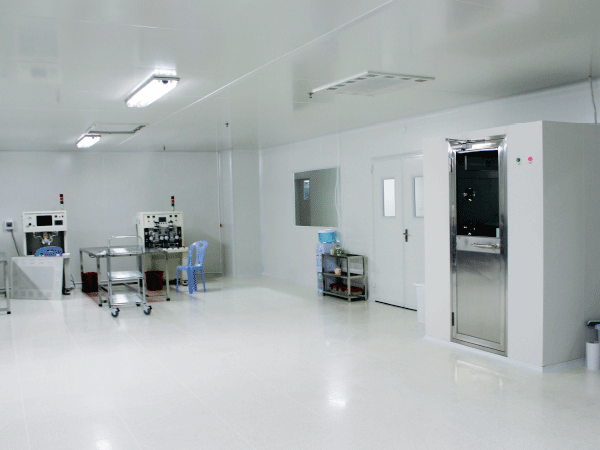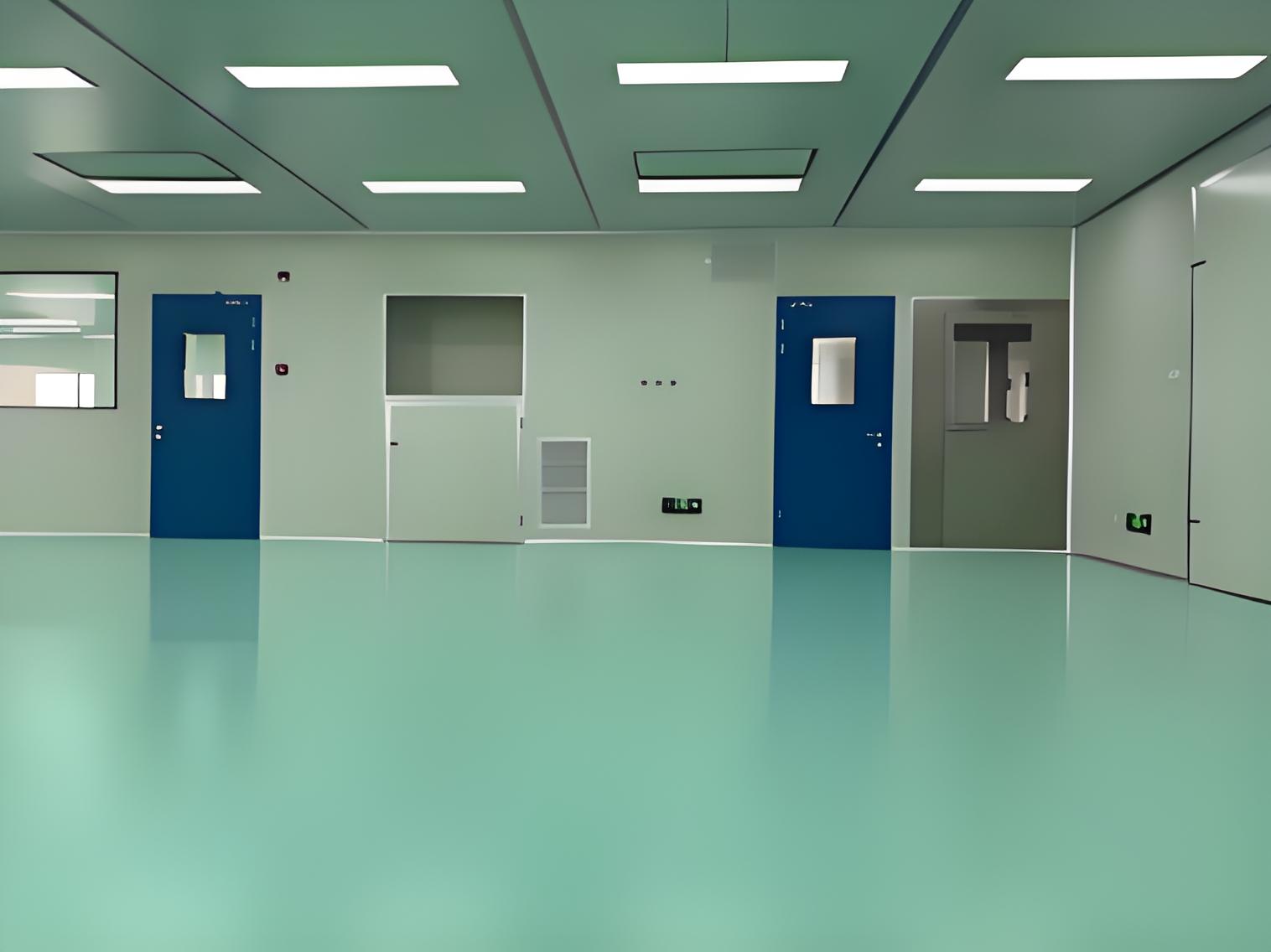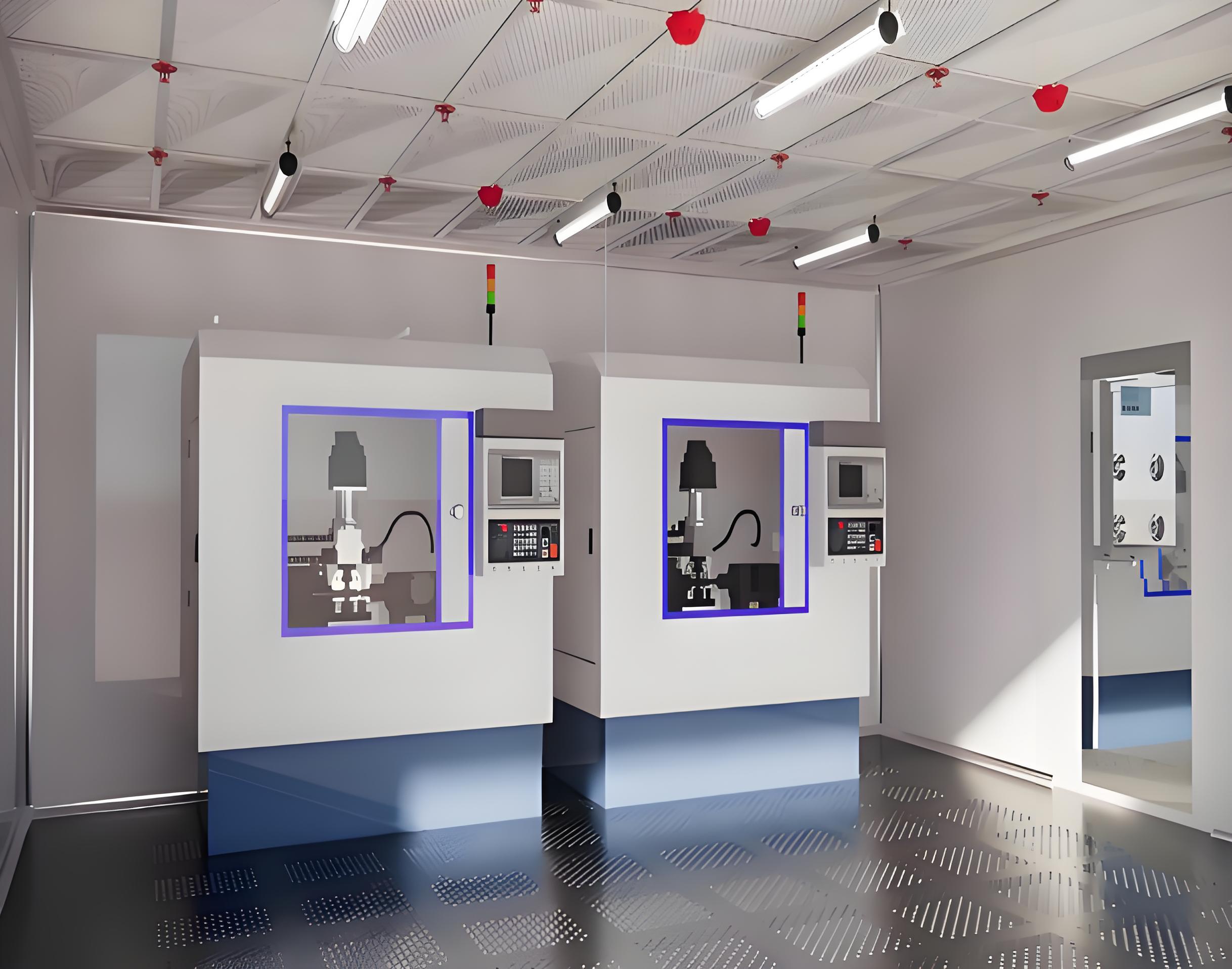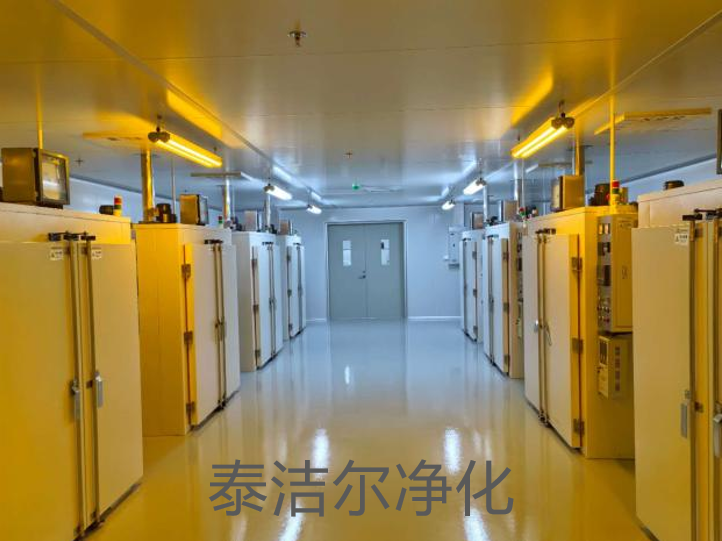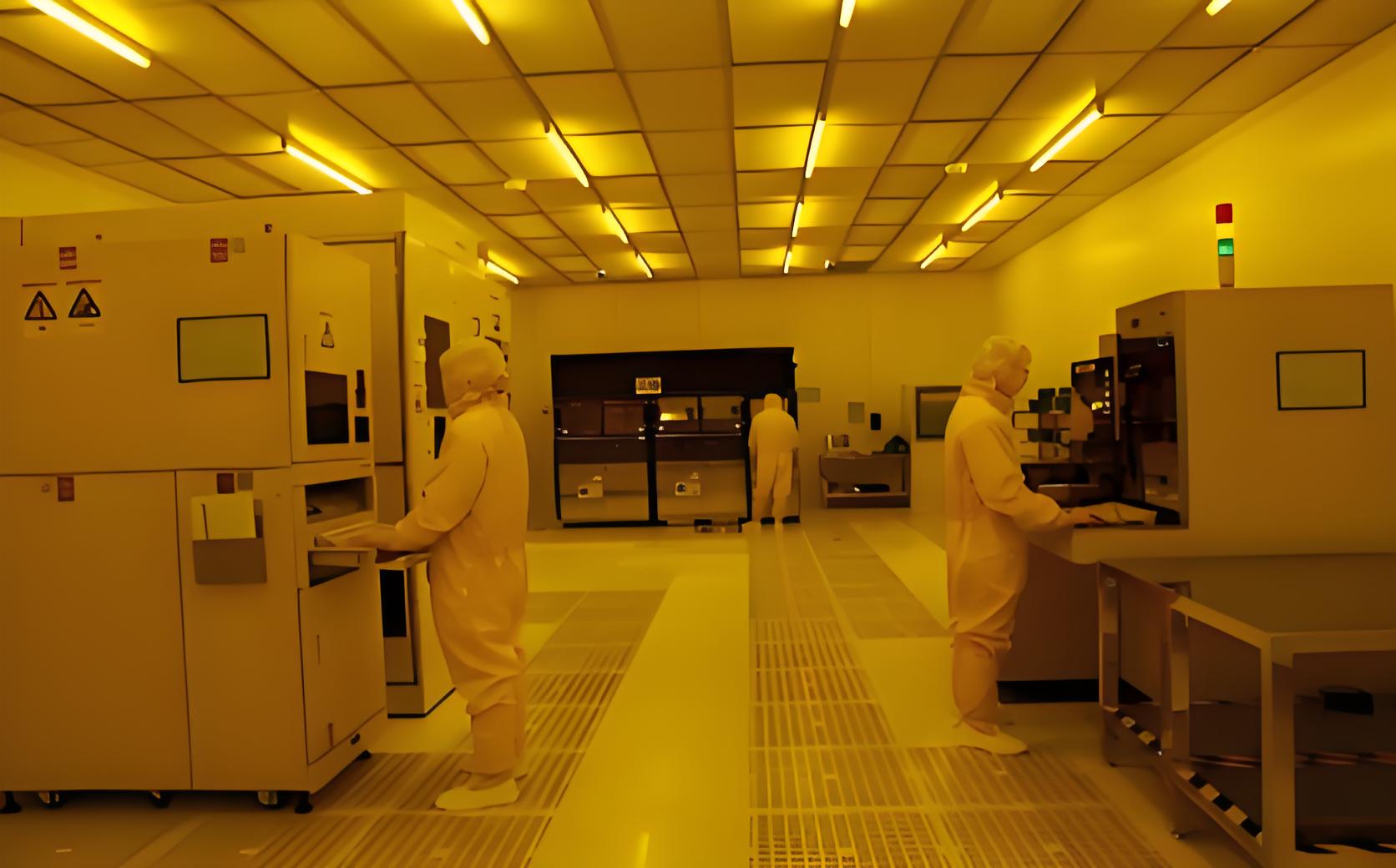

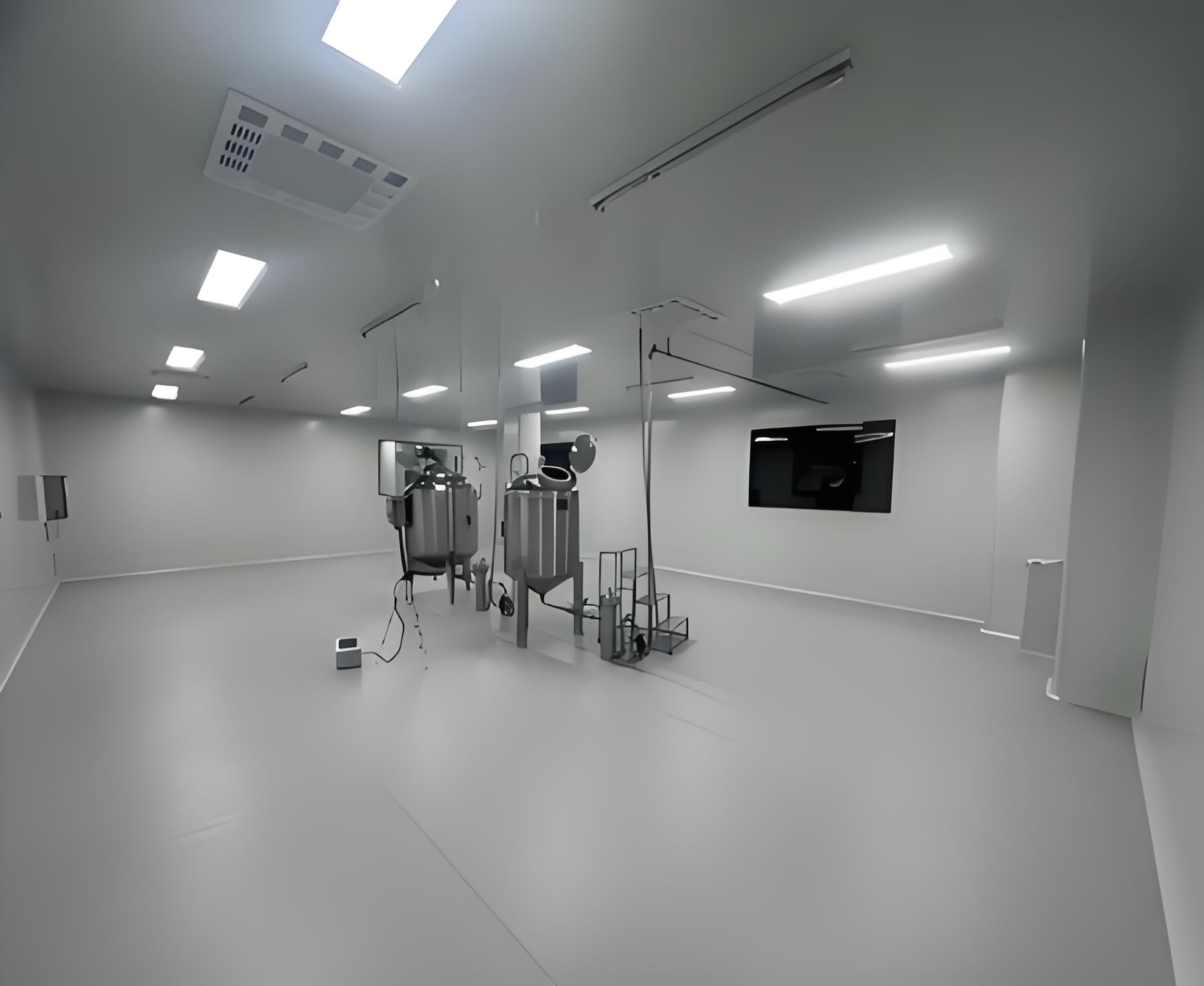
A Laboratory purification project is not simply the installation of HEPA filters and modular walls. It requires a systematic approach to particle control, airflow management, material compatibility, and regulatory compliance. Based on over 80 completed installations in pharmaceutical, biotech, and semiconductor R&D labs, this guide outlines the engineering decisions that determine whether a lab meets ISO 14644-1 Class 5, 6, or 7 standards. TAI JIE ER has delivered turnkey purification solutions for accredited testing laboratories worldwide, and their project documentation informs the technical parameters discussed here.
Every Laboratory purification project begins with a target ISO class, which dictates the permitted particle concentration. For a typical analytical lab (ISO 7), the required air change rate is 60–90 ACH (air changes per hour). For an ISO 5 cleanroom (grade A), the requirement jumps to 240–600 ACH, achieved through unidirectional (laminar) airflow. Key calculations:
ISO 8 (Class 100,000): 15–30 ACH, suitable for general lab support areas.
ISO 7 (Class 10,000): 60–90 ACH, typical for microbiology and pharmaceutical prep labs.
ISO 6 (Class 1,000): 150–240 ACH, required for sterile compounding or nanomaterial handling.
ISO 5 (Class 100): 240–600 ACH with laminar flow, used in semiconductor wafer inspection or cell therapy labs.
Air change rates alone do not guarantee cleanliness; the airflow pattern (turbulent vs. unidirectional) and supply/exhaust filter coverage must be modeled. A poorly designed laboratory purification project may have adequate ACH but dead zones where particles accumulate. Computational fluid dynamics (CFD) simulation is now a standard deliverable for TAI JIE ER’s projects, identifying recirculation eddies before construction begins.
The core of any laboratory purification project is the filtration train. A typical sequence includes:
Pre‑filter (G4 or M5): Removes coarse particles (>10 µm) and extends HEPA life. Efficiency 40–60% on ASHRAE dust spot test.
Intermediate filter (F7 or F9): Efficiency 80–95% on 0.3–1.0 µm particles. Protects HEPA from sudden loading.
HEPA filter (H13 or H14): Minimum efficiency of 99.95% (H13) or 99.995% (H14) at MPPS (most penetrating particle size, ~0.12 µm). For ISO 5 labs, ULPA filters (U15–U17) with 99.9995% efficiency are specified.
Carbon or chemisorption filters: Required if the lab handles volatile organic compounds (VOCs) or acid gases. Activated carbon impregnated with potassium permanganate removes aldehydes and sulfur compounds.
Filter housing leakage is a frequent issue. Each HEPA filter in a laboratory purification project must be scan‑tested in situ using a photometer (PAO or PSL challenge). TAI JIE ER mandates a leak test acceptance criterion of ≤0.01% penetration for H14 filters, exceeding ISO 14644-3 requirements.
To prevent cross‑contamination between zones, a properly engineered Laboratory purification project establishes a pressure hierarchy. Typical regimes:
Positive pressure (e.g., +15 Pa to +30 Pa): Protects clean areas from external contaminants. Used in semiconductor labs and sterile fill suites.
Negative pressure (e.g., -10 Pa to -25 Pa): Contains hazardous agents (pathogens, toxins, radioactive materials). Required for BSL‑2/BSL‑3 labs and fume hood rooms.
Graded cascade: Each successive zone has a pressure differential of 5–15 Pa relative to adjacent spaces. Doorways must include air tight seals and sweep gaskets.
A common failure mode in laboratory purification projects is pressure drift due to inadequate supply/exhaust balancing. Modern systems use variable air volume (VAV) boxes with pressure-independent controllers, plus redundant exhaust fans with VFDs. TAI JIE ER installs real‑time pressure monitors with audible alarms; any deviation beyond ±2 Pa triggers a notification to building management systems.
Particle generation from construction materials can ruin a laboratory purification project. Specifications for cleanroom surfaces:
Walls: Epoxy-coated gypsum board, PVC laminate, or modular aluminum panels with smooth (Ra ≤ 0.8 µm) surfaces. Avoid textured paint or exposed fasteners.
Ceilings: Perforated or solid aluminum or powder-coated steel panels with gasketed grid systems. Ceiling HEPA filter modules should be flush‑mounted to prevent particle traps.
Floors: Seamless epoxy or polyurethane resin (ESD‑dissipative if required). Coating thickness ≥ 1.5 mm with coving at wall junctions to eliminate corners where dust accumulates.
Doors and pass‑throughs: Stainless steel sliding or swing doors with interlocking mechanisms. Pass‑through chambers should have UV‑C sterilization if used for biological samples.
Many laboratories overlook outgassing from sealants and gaskets. In a recent TAI JIE ER project, silicone‑based sealants were replaced with low‑VOC hybrid polymers, reducing total volatile organic compound (TVOC) levels by 80% during the first month of operation.
The mechanical heart of a Laboratory purification project is the HVAC plant, which must handle sensible and latent loads from equipment, personnel, and external infiltration. Key engineering decisions:
Dedicated outdoor air system (DOAS): Pre‑conditions 100% outside air to remove humidity before mixing with recirculated air. Prevents mold growth in ductwork.
Cooling coils: At least 8 rows deep with a face velocity < 2.5 m/s to avoid condensate carryover. Stainless steel drip pans with slope ≥ 5°.
Humidity setpoints: 40–60% RH typical; for ESD‑sensitive labs, 45–55% RH ±5% tolerance. Use steam humidifiers (avoid ultrasonic types that can aerosolize minerals).
Duct construction: Galvanized steel with internal smoothness; no internal thermal insulation (use external wrap to prevent particle shedding). All seams must be sealed with solvent‑free duct sealant.
Failure to account for heat gain from equipment (e.g., 10–20 kW from a single scanning electron microscope) leads to temperature drift. TAI JIE ER performs detailed load calculations using ASHRAE fundamentals, often oversizing cooling capacity by 15% to accommodate future equipment additions.
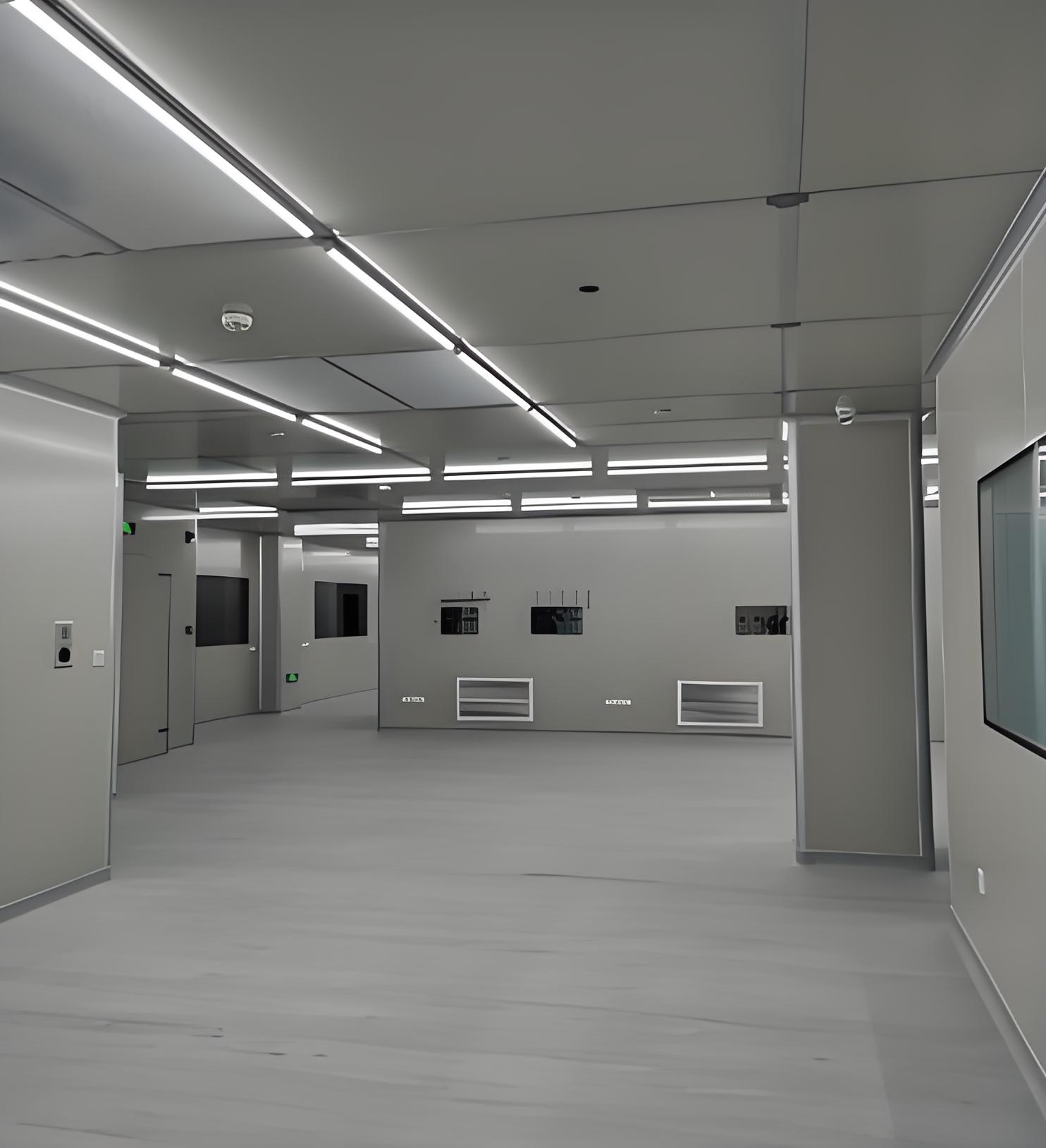
No Laboratory purification project is complete without a rigorous performance qualification (PQ). The standard protocol includes:
Particle count testing: ISO 14644-1:2015 compliant, using a discrete light‑scattering airborne particle counter (minimum flow 28.3 L/min). Sampling points are calculated based on room area (square root method).
Filter integrity scanning: Upstream challenge concentration 10–20 mg/m³ of PAO or DEHS; downstream scan at 5–20 mm distance from filter face.
Air velocity uniformity: For unidirectional flow, velocity measured at 150–300 mm from filter face, with coefficient of variation ≤ 15%.
Pressure differential mapping: Record at all doors and pass‑throughs under normal and worst‑case (door open) conditions.
Temperature and humidity mapping: 24‑hour data logging at 1‑minute intervals, with sensors placed at working height (0.8–1.2 m) and near return grilles.
TAI JIE ER provides a 200‑page validation report for each laboratory purification project, including raw data, statistical analysis, and corrective action recommendations. Their engineers remain on site until all parameters meet specifications.
Based on post‑occupancy evaluations of 40+ projects, three recurring issues plague poorly executed purification systems:
Air return short‑circuiting: Supply air exits the HEPA and immediately enters a nearby return grille, never sweeping the work zone. Solution: locate returns near floor level (low‑wall returns) and ensure supply diffusers are at least 2 m away.
Particle generation from worker activity: Even an ISO 5 lab can see spikes to ISO 7 during rapid movements. Solution: install low‑velocity air showers at personnel entry and mandate full cleanroom garments (bunny suits) for ISO 5 and above.
Unplanned shutdowns due to filter loading: Pre‑filter pressure drop rises faster than expected. Solution: specify larger pre‑filter surface area (pleated V‑bank with 600 mm depth) and install remote differential pressure monitoring with predictive alerts.
TAI JIE ER incorporates a “failure mode and effects analysis” (FMEA) into every laboratory purification project, identifying single points of failure (e.g., single exhaust fan) and adding redundancy where justified. This approach has reduced unplanned downtime by 60% in client facilities.
Q1: How long does a typical laboratory purification project take from design to certification?
A1: For a 100 m² ISO 7 lab, the timeline is 10–14 weeks: 2 weeks for CFD simulation and engineering drawings, 6–8 weeks for construction and HVAC installation, and 2 weeks for validation and training. Larger or higher‑class projects (ISO 5) can extend to 20–24 weeks. TAI JIE ER offers expedited 8‑week delivery for modular cleanrooms using prefabricated wall panels.
Q2: What is the cost range for a laboratory purification project?
A2: Costs vary by ISO class and equipment. Budget $2,000–$3,500 per m² for ISO 7, $3,500–$6,000 per m² for ISO 6, and $6,000–$12,000 per m² for ISO 5 with laminar flow. These figures include HVAC, filtration, wall systems, lighting, and certification. Excluded are specialized utilities (DI water, compressed air) and laboratory furniture. TAI JIE ER provides fixed‑price turnkey quotes with no hidden contingencies.
Q3: Can an existing standard laboratory be retrofitted to a cleanroom without major demolition?
A3: Yes, but limitations exist. A retrofit laboratory purification project typically requires ceiling grid replacement to support HEPA modules, upgrading of HVAC ductwork (larger diameter for higher airflows), and installation of seamless flooring over the existing slab. Adding pressure cascades may require wall sealing and door replacements. TAI JIE ER offers a retrofit feasibility study, including structural assessment and cost‑benefit analysis.
Q4: What ongoing maintenance is required after project completion?
A4: Monthly: check differential pressure gauges, clean pre‑filters (or replace if G4). Quarterly: scan HEPA filter integrity (or annually if particle counts remain stable). Semi‑annually: recalibrate temperature/humidity sensors, inspect ductwork for leaks, and re‑certify particle counts. TAI JIE ER offers service contracts that include 24/7 remote monitoring and quarterly on‑site audits.
Q5: How do I ensure the purification project meets regulatory standards for my specific industry (pharma, biotech, semiconductor)?
A5: Each sector has additional guidelines: Pharma requires cGMP (FDA 21 CFR Part 211) and EU GMP Annex 1; biotech labs need BSL‑2/‑3 features (autoclave compatibility, effluent decontamination); semiconductor fabs demand vibration control (VC‑C or VC‑D criteria) and static dissipation. A competent laboratory purification project provider will incorporate these sector‑specific requirements. TAI JIE ER maintains a regulatory matrix covering FDA, EMA, ISO, and SEMI standards, updating designs as regulations change.
Q6: Can the purification system be expanded later for a larger lab footprint?
A6: Modular designs allow expansion. Specify a centralized HVAC plant with 30–40% spare fan capacity and reserve filter slots in the air handling unit. Use reusable wall panels that can be relocated. TAI JIE ER’s modular cleanroom system permits 1‑meter extensions in width or length without replacing the ceiling grid. Any expansion requires re‑validation of the combined space.
A successful Laboratory purification project depends on accurate classification, CFD‑optimized airflow, correct filter selection, and thorough validation. Cutting corners on HVAC design or material finishes leads to chronic contamination issues and expensive retrofits. For labs that require repeatable, auditable cleanliness, working with a full‑service provider like TAI JIE ER ensures that every component—from the air handling unit to the door gasket—is specified, installed, and tested to meet ISO 14644 and industry‑specific standards.
Ready to initiate your laboratory purification project? Submit your lab size, required ISO class, and any special handling requirements (VOCs, pathogens, ESD). TAI JIE ER’s engineering team will respond within 2 business days with a preliminary design, budget estimate, and a sample validation protocol.
Request a consultation or turnkey quote: Send your laboratory purification requirements →
For urgent projects, email 912228126@qq.com with subject “Purification project inquiry” for a 24‑hour technical response.